This individual is a guest contributor. MEI is not able to assist with contact requests.
Attiya Ahmad is Georgetown University’s 2009-10 Center for International and Regional Studies Post-Doctoral Fellow. She recently completed her PhD in Cultural Anthropology at Duke University. Dr. Ahmad’s work brings together scholarship on Islamic studies, globalization, diaspora and migration studies, economic anthropology, and political economy.
Bridging the Cost Gap: Three Labor Policies to Close the Wage Gap Between Saudi and Foreign Labor
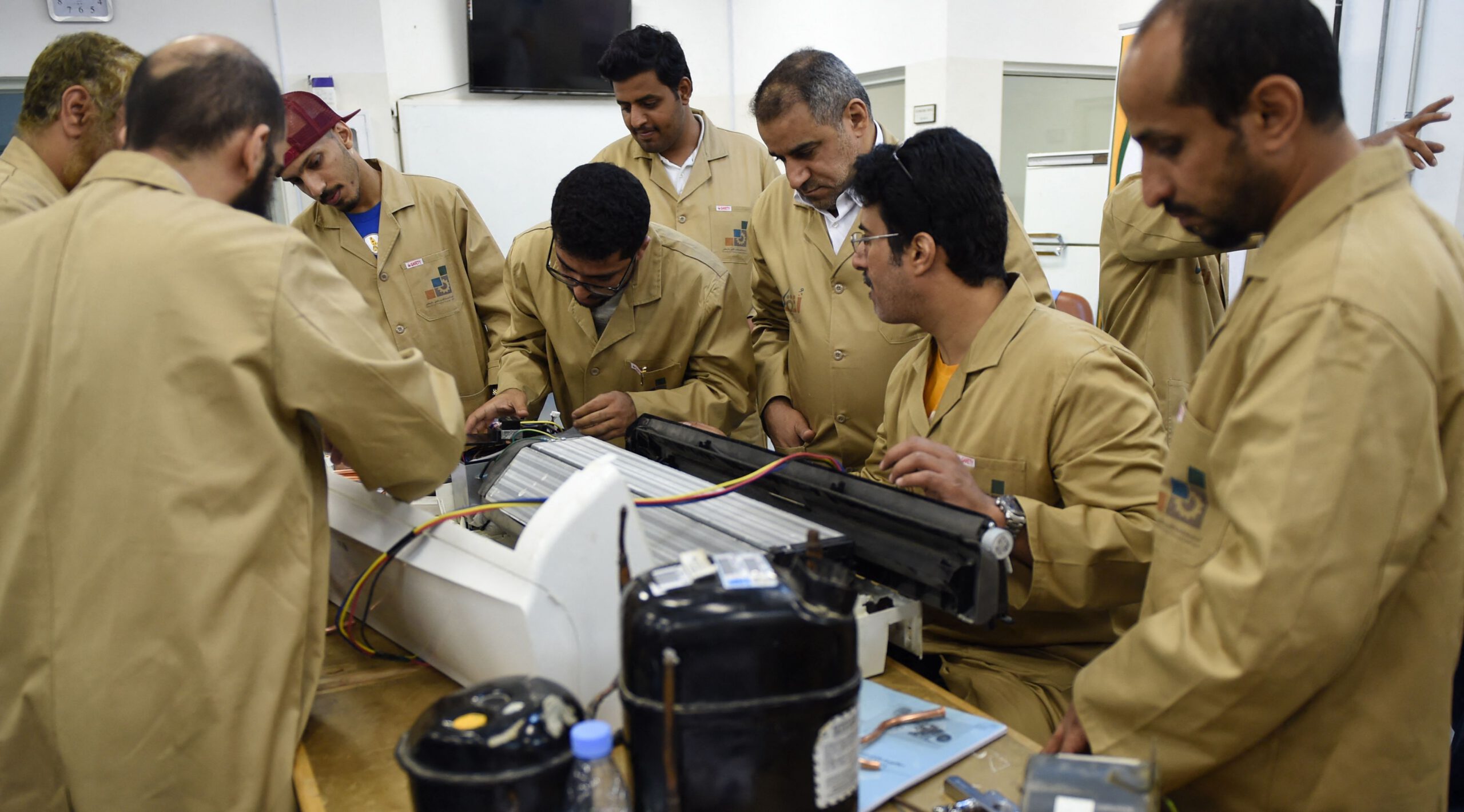
Since the launch of Vision 2030 six years ago, Saudi Arabia has made considerable progress in reducing the labor-cost gap between national and foreign workers in the private sector. While the total unemployment rate has declined recently among nationals, it remains high at 11%. Drawing on evidence from Bahrain’s experience with labor market reform, this can be significantly reduced through policies designed to bridge the cost gap between citizens and foreign labor in the private sector.
Turkey: A new emerging gas player with resources and infrastructure
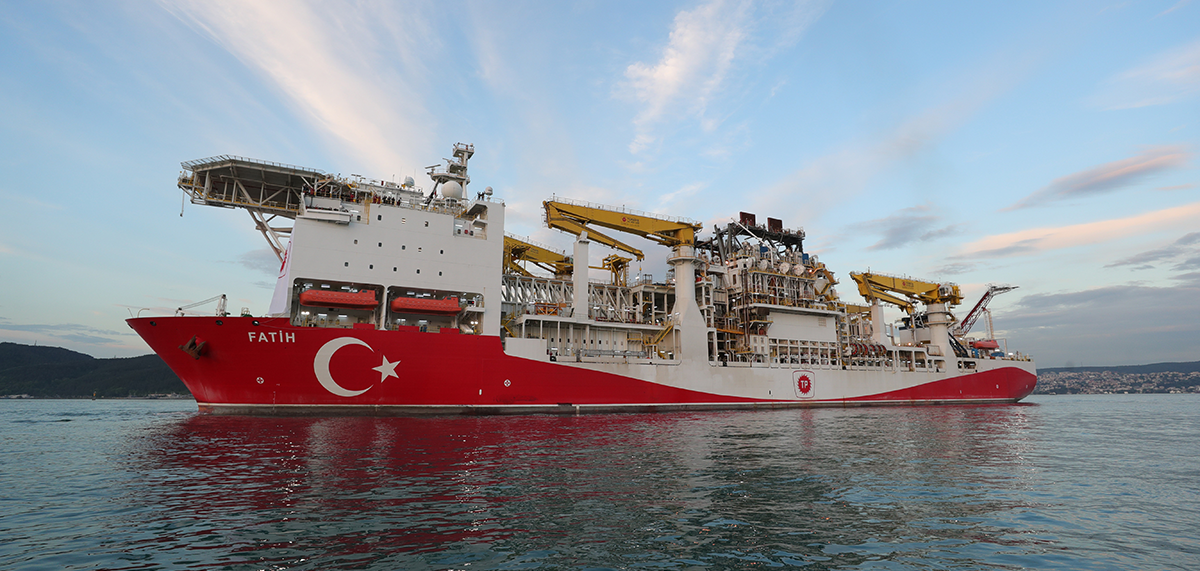
With its recent deepwater exploration success in the Black Sea and prominent geographic location for interregional hydrocarbon pipelines, Turkey can play a material role in shaping the geopolitical landscape today, especially in the natural gas sector. The country will face a strategic conundrum, whether to utilize newly discovered gas resources entirely for domestic needs and thereby reduce gas imports that come with political baggage as well as foreign currency expenditures, or export gas to capture foreign revenue that Ankara desperately needs.
Iraq once again leaps into the void, but not before political elites secure funding
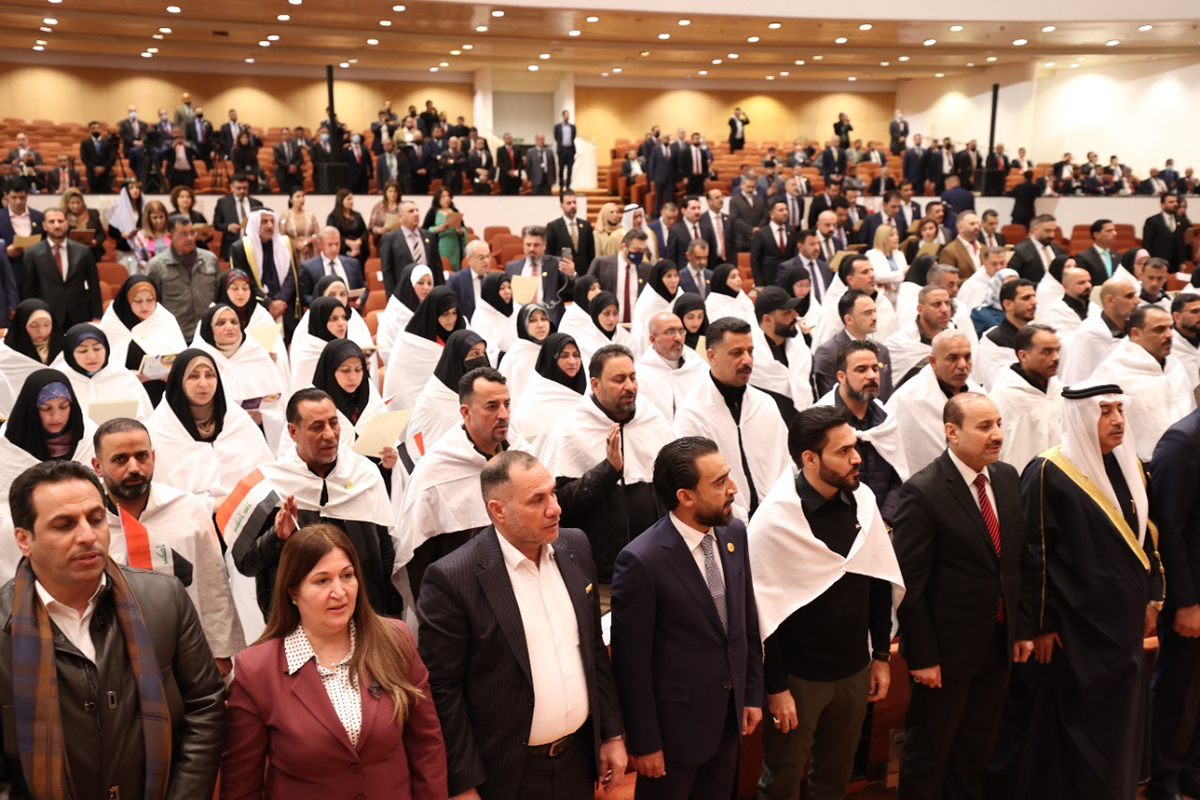
For Iraqis, two key events last week will shape the rest of this year, but hopefully not many more to come. First, on June 8 the divided parliament voted in surprising harmony to pass the so-called “Food Security and Development Bill,” a controversial piece of legislation with a $17 billion price tag. Second, this was followed, almost overnight on June 9, by a call from firebrand populist Shi’a cleric Muqtada al-Sadr to lawmakers loyal to his movement to “prepare their resignations.” On June 12, the 73 MPs of the Sadrist Movement tendered their resignations, and Iraq leapt even deeper into the void of political uncertainty.
Pahlavi address highlights growing disillusionment with Iran’s leadership and the search for alternatives
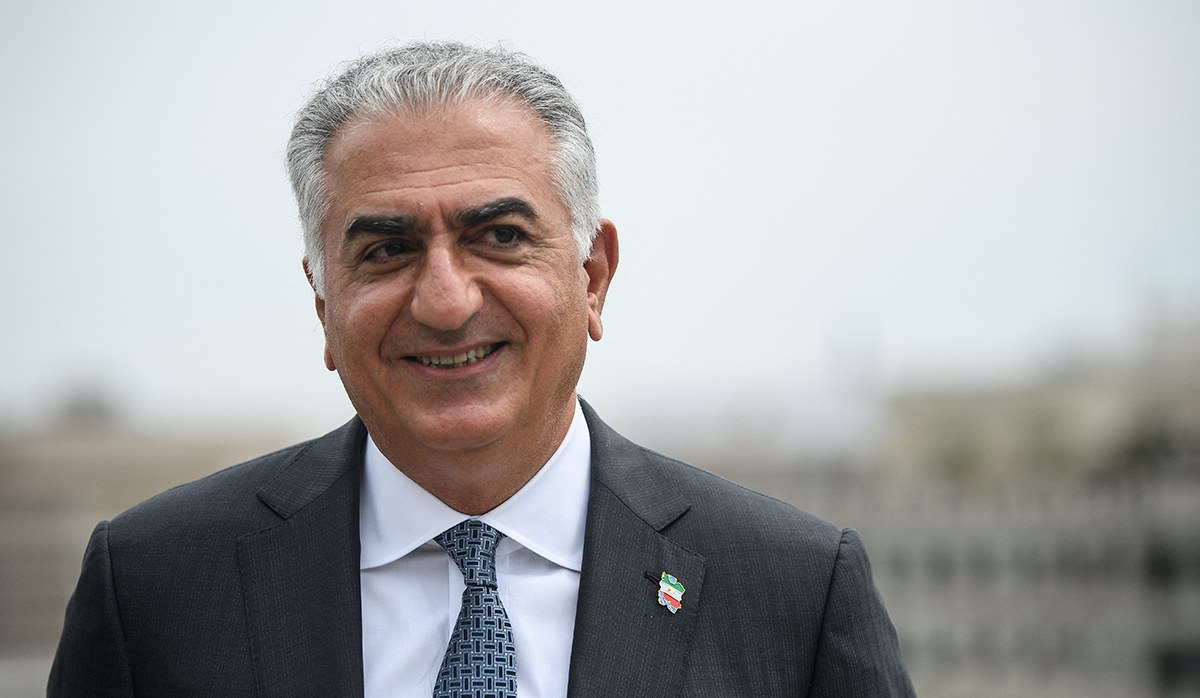
The June 3 address by Reza Pahlavi, son of the last shah, to the people of Iran was bad news for Supreme Leader Ayatollah Ali Khamenei. In his live televised speech, Reza Pahlavi made several accusations against the current leadership of Iran, and judging from their reaction, it has put Iranian officials on edge.
Looking to the skies: The growing interest in cloud seeding technology in the Gulf
In response to water shortages exacerbated by population growth and climate change, an increasing number of countries have invested in weather modification technologies over the past decade, including precipitation enhancement, or cloud seeding. The UAE has been a leader in exploring this technology within the arid Gulf region, launching a cloud seeding program in 2002.
Amid dust storms and drought, Turkey and Iran are at odds over transboundary water management
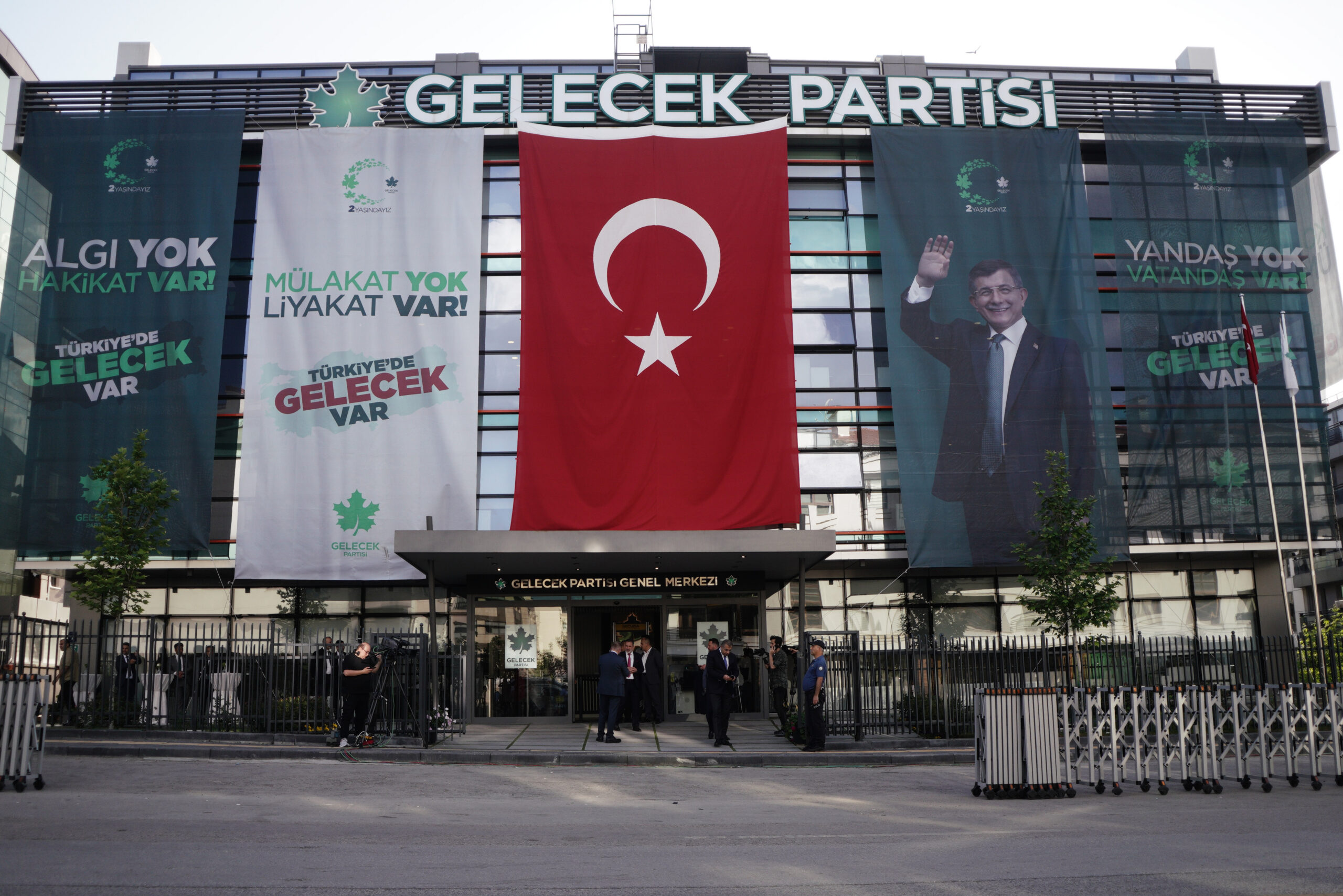
Water is slowly emerging as yet another potential cause for dispute between Ankara and Tehran. As of late, the two neighboring states have been at loggerheads over a number of issues, including Syria and Iraq, where they have opposing interests. After years of quiet diplomatic juggling, the issue of transboundary water management is gradually taking center stage in the two countries’ relations, a development that could, in the medium run, have serious repercussions for regional security.
Morocco counters Russia’s weaponization of the food-energy nexus
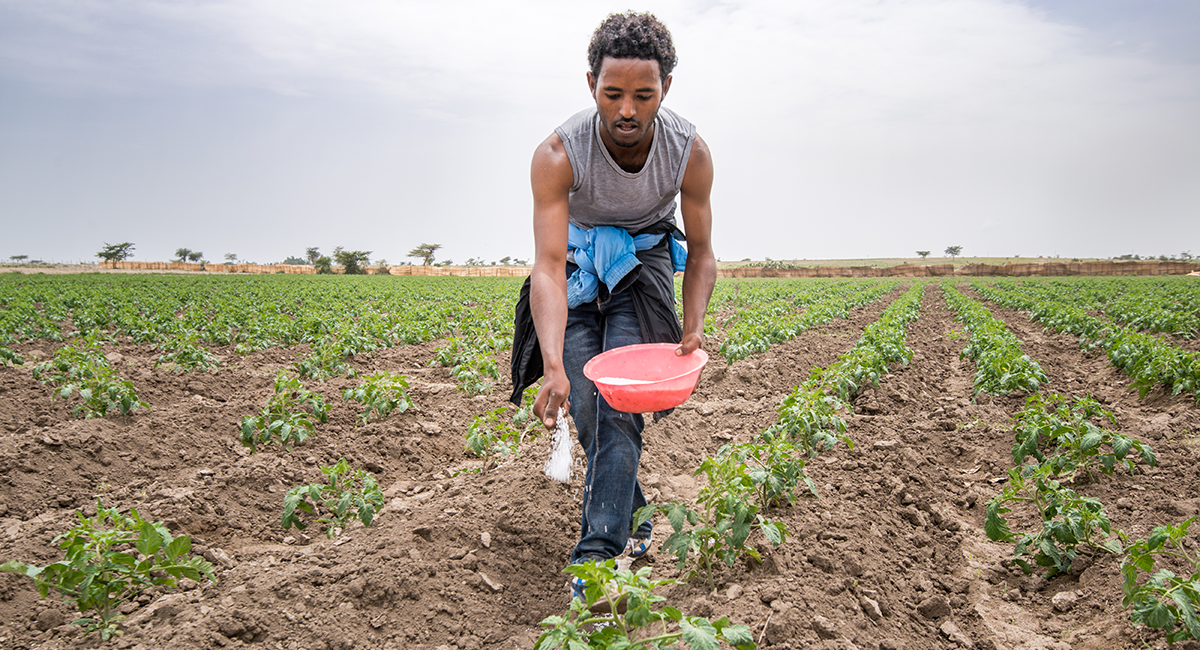
After 100 days of war in Ukraine on Europe’s eastern flank, a critical new front has opened on Europe’s southern flank with the food crisis in Africa. As Europe faces a two-front, geo-economic war of attrition with Russia, Morocco’s plan to increase its fertilizer output by nearly 70% changes the strategic equation by countering Moscow’s ability to weaponize the food-energy nexus. In so doing, Morocco has demonstrated its increasing importance as a geopolitical partner for Europe and the United States in Sub-Saharan Africa.
Guled Ahmed joins the program to discuss the political climate in Somalia, its recent elections, security conditions, and the role of external actors including the African Union, Gulf states, Turkey, and the U.S.
Pakistan’s political crisis and the imperatives of economic reform
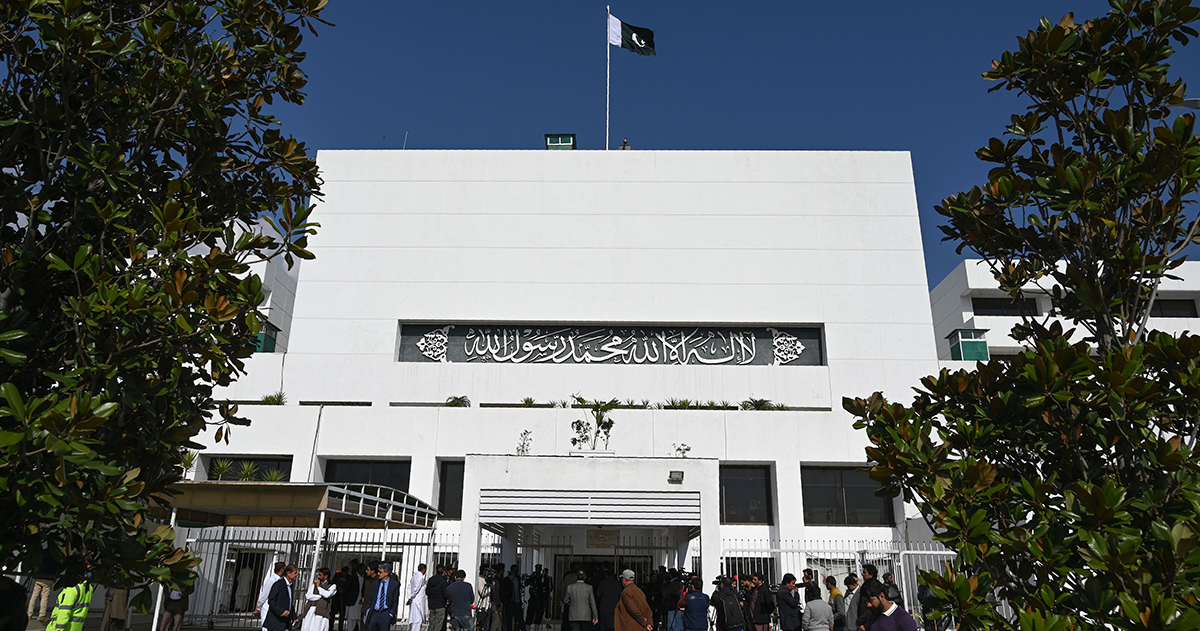
Beyond short-term austerity measures, Pakistan’s current federal and provincial governments need to push forward essential reforms — including in agriculture, energy, and local governance — that are key to ensuring the country’s political and economic stability and long-term growth prospects.
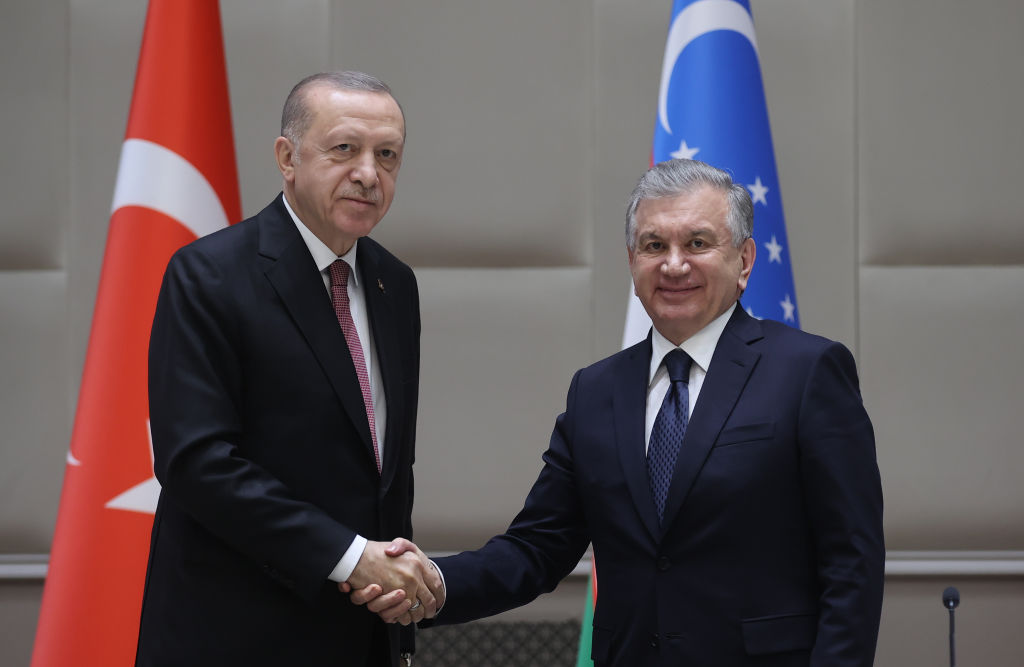
New Turkey-Uzbekistan Strategic Partnership Accelerates Turkey’s Rise as a Eurasian Agenda-Setter
The March 2022 elevation of the Turkey-Uzbekistan relationship to a “Comprehensive Strategic Partnership” provides the Ankara-led Organization of Turkic States with a new geopolitical heft. To preserve its autonomy in the face of Beijing’s growing regional dominance, Tashkent has turned to Ankara to act as a countervailing force in both economic and security affairs. Combined with the expanding Turkey-Pakistan strategic partnership, this makes Turkey a rising Eurasian agenda setter that will impact the strategic calculus of both Beijing and Washington.
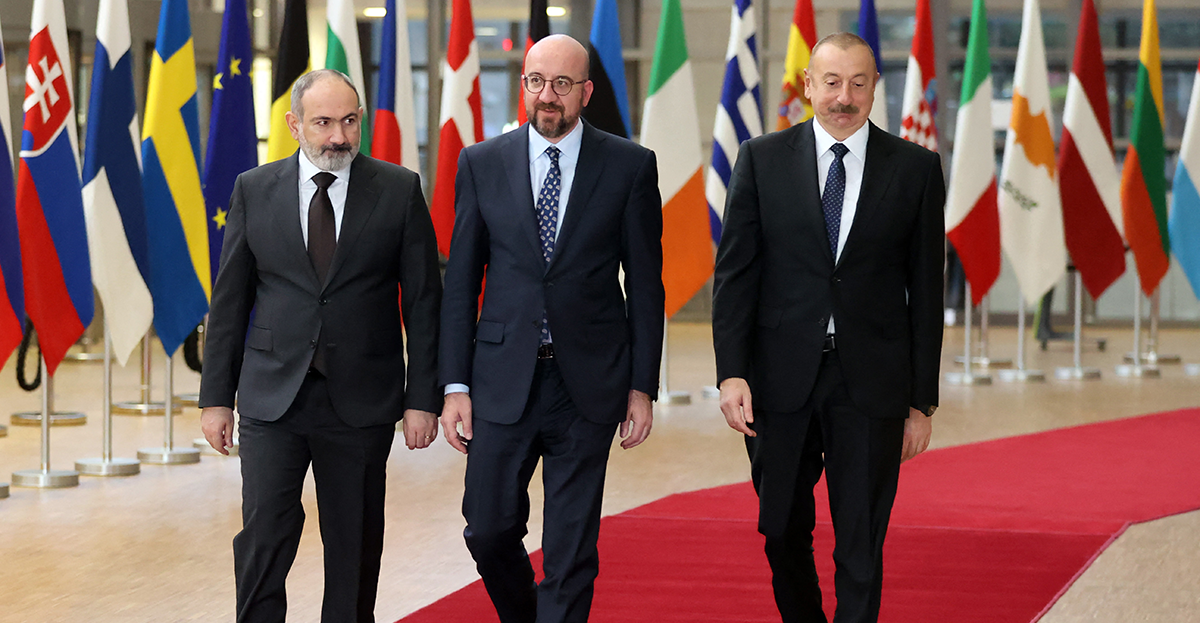
The impact of the war in Ukraine on regional cooperation in the South Caucasus
Since the collapse of the Soviet Union, the South Caucasus has been unable to find a model for regional cooperation or form regional organizations. The relative calm that followed the Second Nagorno-Karabakh War, especially after the signing of the November 2020 cease-fire agreement, renewed hopes that this might change. Significant challenges to regional cooperation remain, however, and Russia’s war with Ukraine has only complicated matters further.
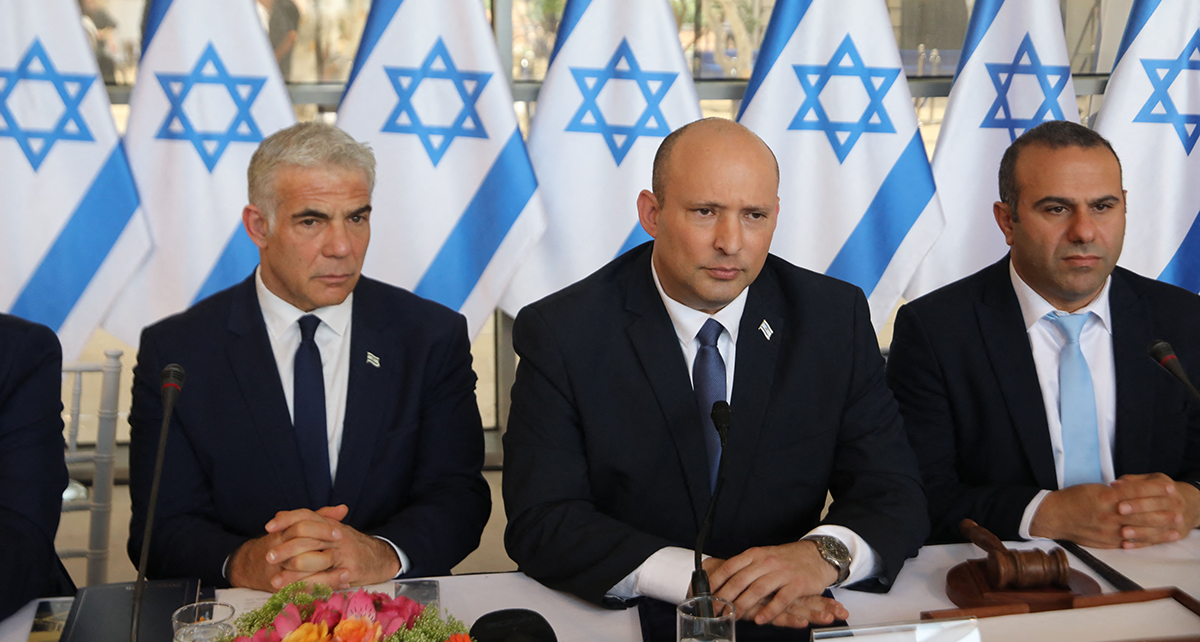
Another blow for the unsteady Israeli coalition government
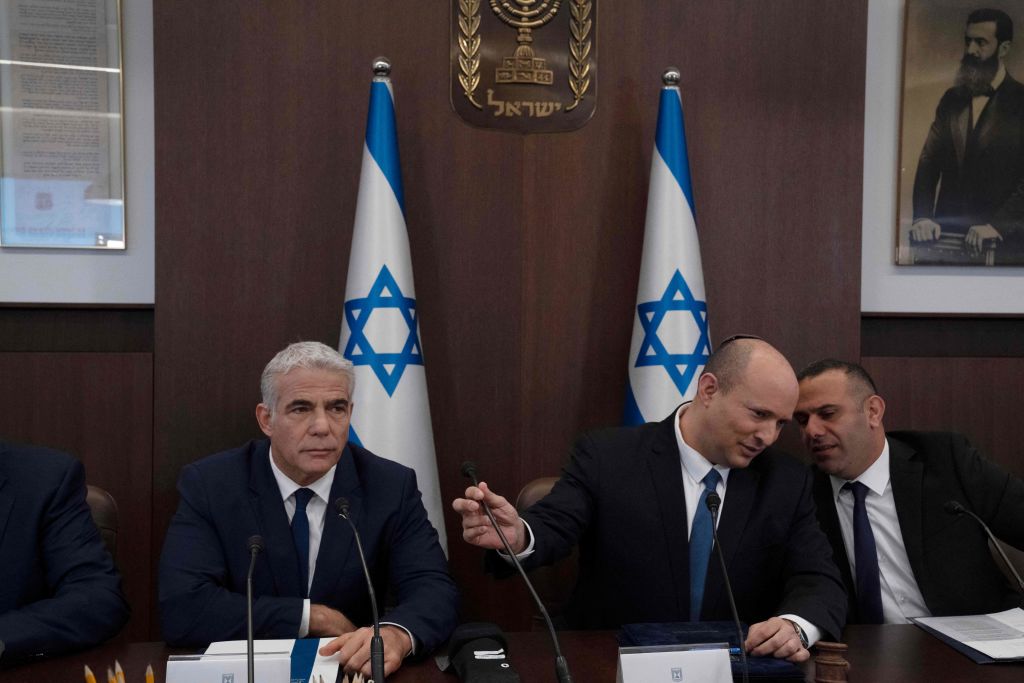
On June 6 Israel’s coalition government lost an important vote, in which more than half of the Knesset members on both sides voted against their own most fundamental beliefs in a desperate effort to either bring down the coalition or to save it. The substance of the legislation was barely more than a pretext, but the opposition smelled blood and was willing to do virtually anything to regain power.