This individual is a guest contributor. MEI is not able to assist with contact requests.
Attiya Ahmad is Georgetown University’s 2009-10 Center for International and Regional Studies Post-Doctoral Fellow. She recently completed her PhD in Cultural Anthropology at Duke University. Dr. Ahmad’s work brings together scholarship on Islamic studies, globalization, diaspora and migration studies, economic anthropology, and political economy.
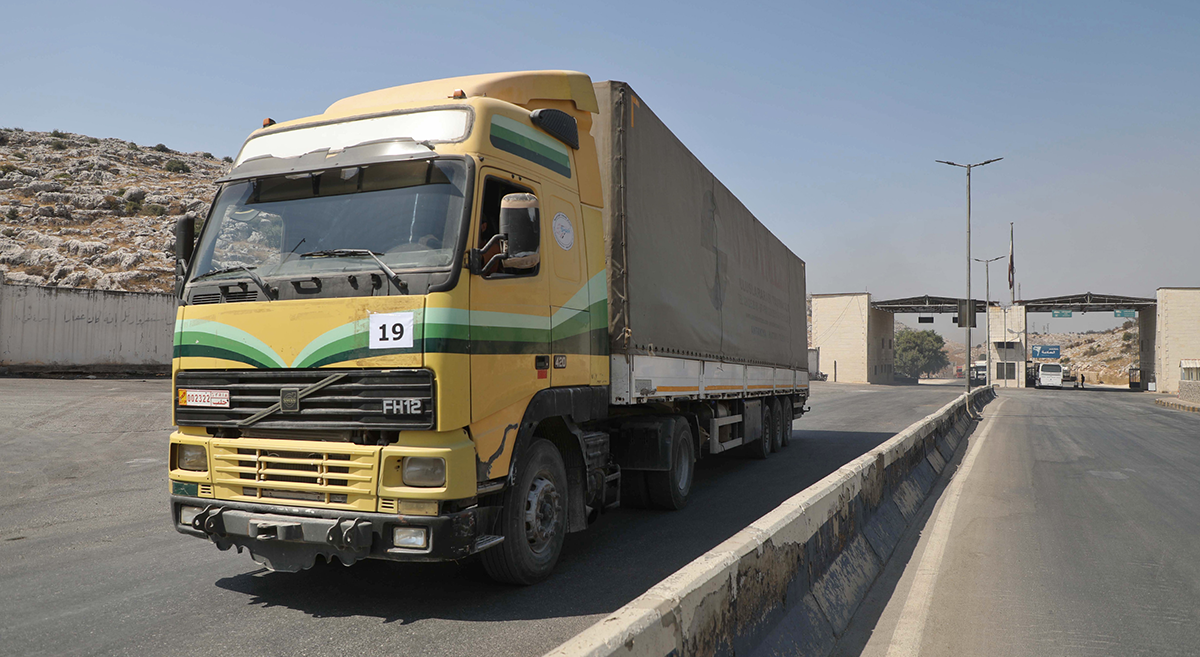
Syria faces a looming crisis over humanitarian aid access
Should nothing change, the loss of cross-border aid access and the absence of cross-line mechanisms to northern Syria could potentially leave over 4.5 million civilians without assistance — a humanitarian catastrophe of unprecedented proportions.
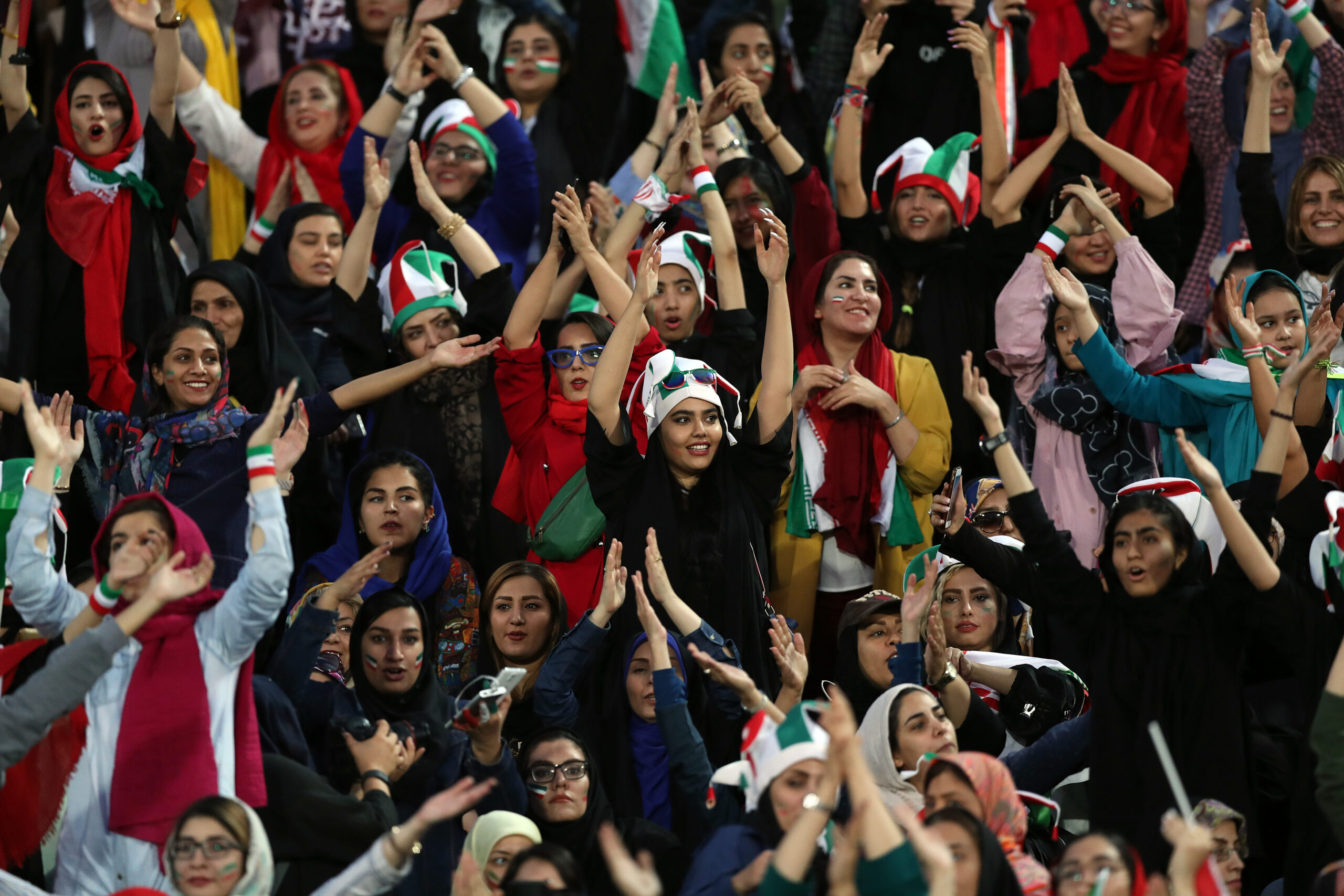
Political football: How the Iranian government intervenes in sports
Because of football’s popularity, there is significant involvement by regime insiders. The Revolutionary Guards’ transition from barracks to boardrooms began back in the mid-1990s, when they took on management roles in some of the country’s most high-profile sports. Sports were not high on the agenda for the revolutionaries who overthrew the Shah Mohammad Reza Pahlavi in 1979, but as sports has grown in popularity and in profitability, it has become increasingly politicized. Over the past two decades, most sports clubs and related bodies have been taken over by political or security-military organizations, with former Revolutionary Guards holding the top positions.
As long as weapons transfers to armed non-state actors are not adequately restricted and the monopoly of violence is not exclusively in the hands of the government, it will be impossible to build sustainable peace in Yemen.
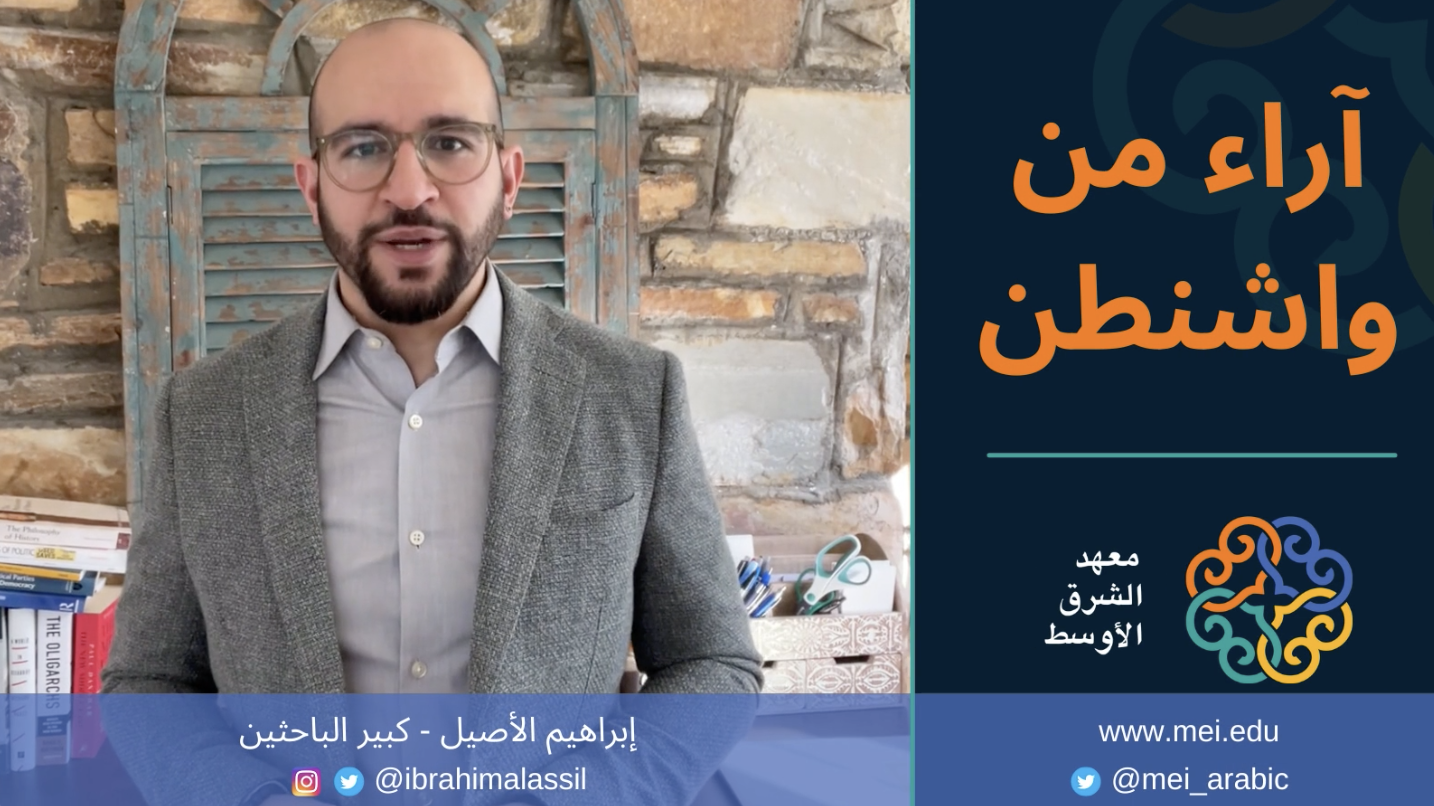
تابعوا معنا سلسلة “آراء من واشنطن” – فيديو مختصر أسبوعي من معهد الشرق الأوسط مع إبراهيم الاصيل حول آراء باحثي المعهد المتعلّقة ببعض أهم أحداث الأسبوع. سننشر الفيديو على حساباتنا على تويتر وانستغرام وفيسبوك!
Europe’s energy independence: Opportunities for the Biden Administration
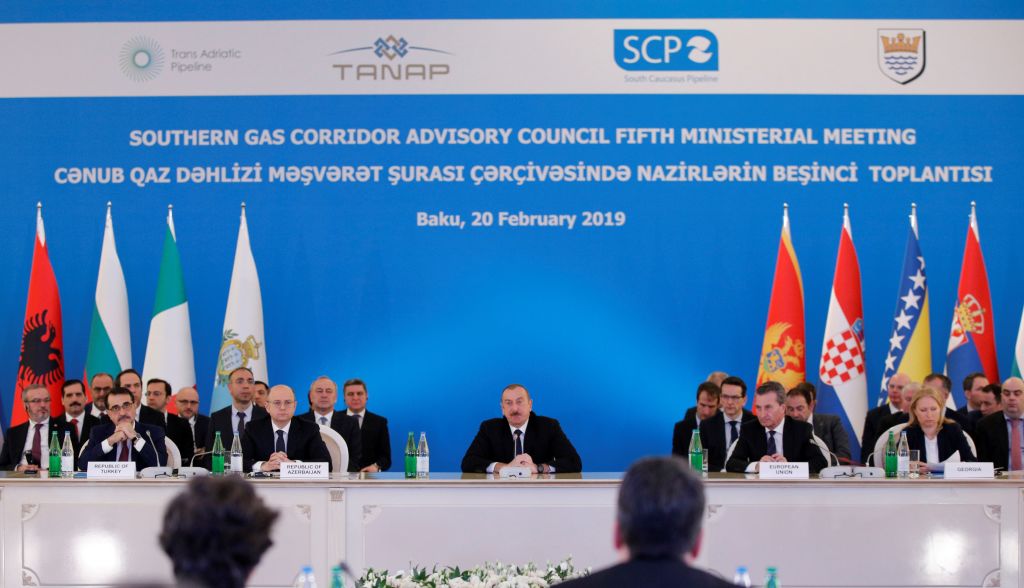
In 1906, the South Caucasus’ first energy pipeline was completed, connecting Baku on the Caspian Sea with Batumi on the Black Sea. More than 115 years later, this pipeline, measuring a mere eight inches in diameter and transporting kerosene, has been replaced with a modern network of natural gas and oil pipelines connecting the heart of Asia with Europe. With proper investment and the correct policies, even more oil, gas, and other goods will be flowing from the Caspian region to Europe and global markets.
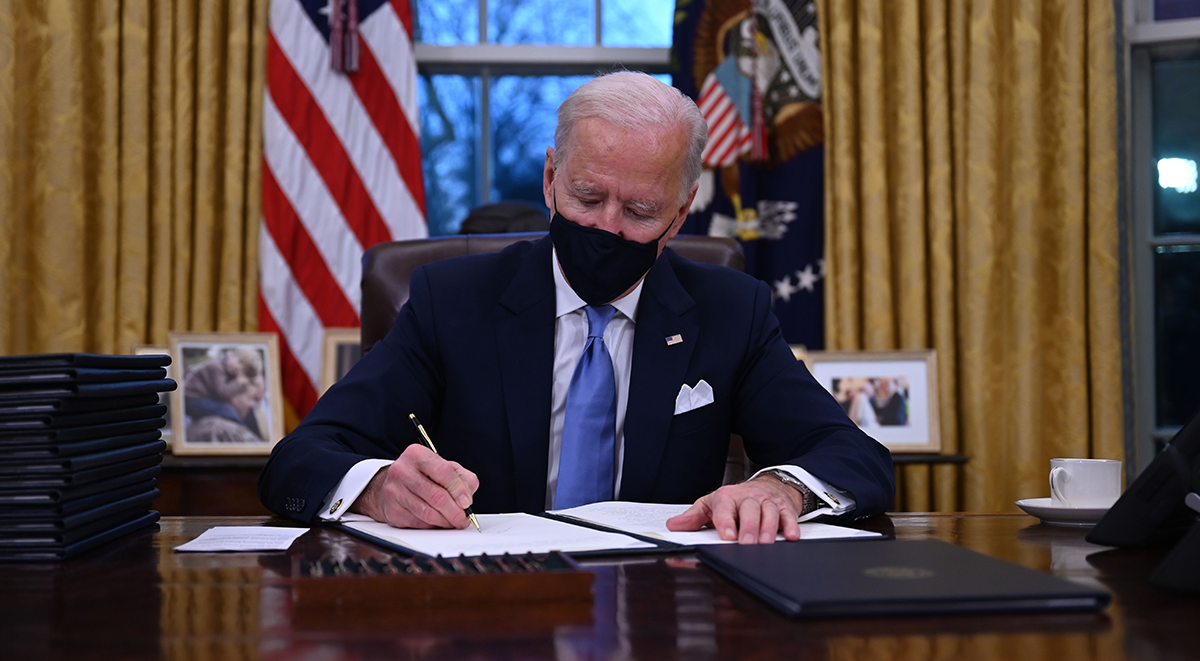
The incoming Biden administration has a full plate as it seeks to reinvigorate American foreign policy engagements around the world. The need to reimagine future U.S. engagement with South Asia may not be among the highest priorities for policy makers. Yet, this region, home to nearly a quarter of the world’s population, presents perennial challenges as well as new threats that U.S. policy makers cannot afford to ignore.
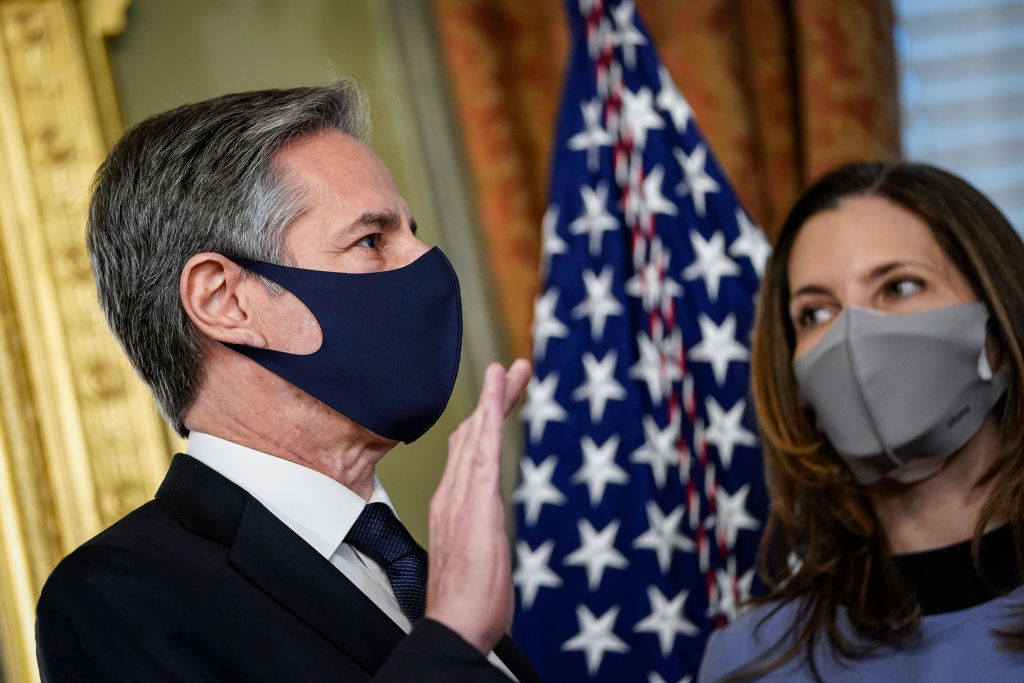
The Biden administration and the Middle East: Regional perspectives on the first 200 days
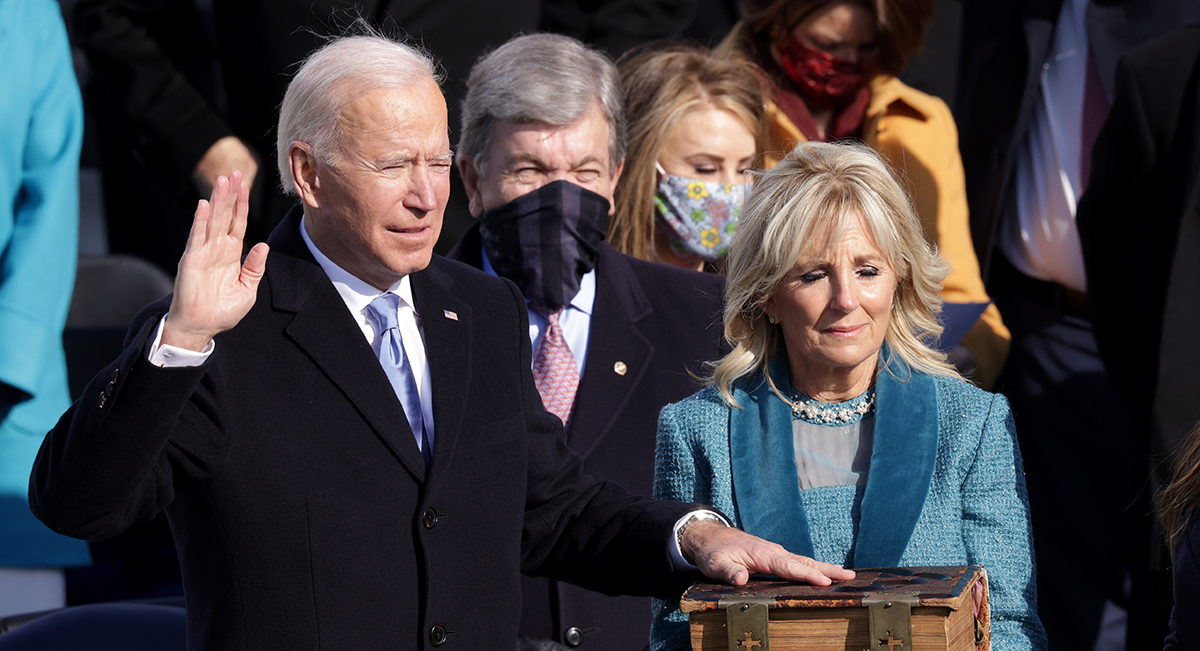
As the Biden administration takes office, it faces a host of challenges, both at home and abroad. Where does the Middle East fit into all of this and what should the new administration prioritize in its first 200 days? In the second part of a two-part series, we asked experts and scholars from across the region to weigh in with their thoughts.
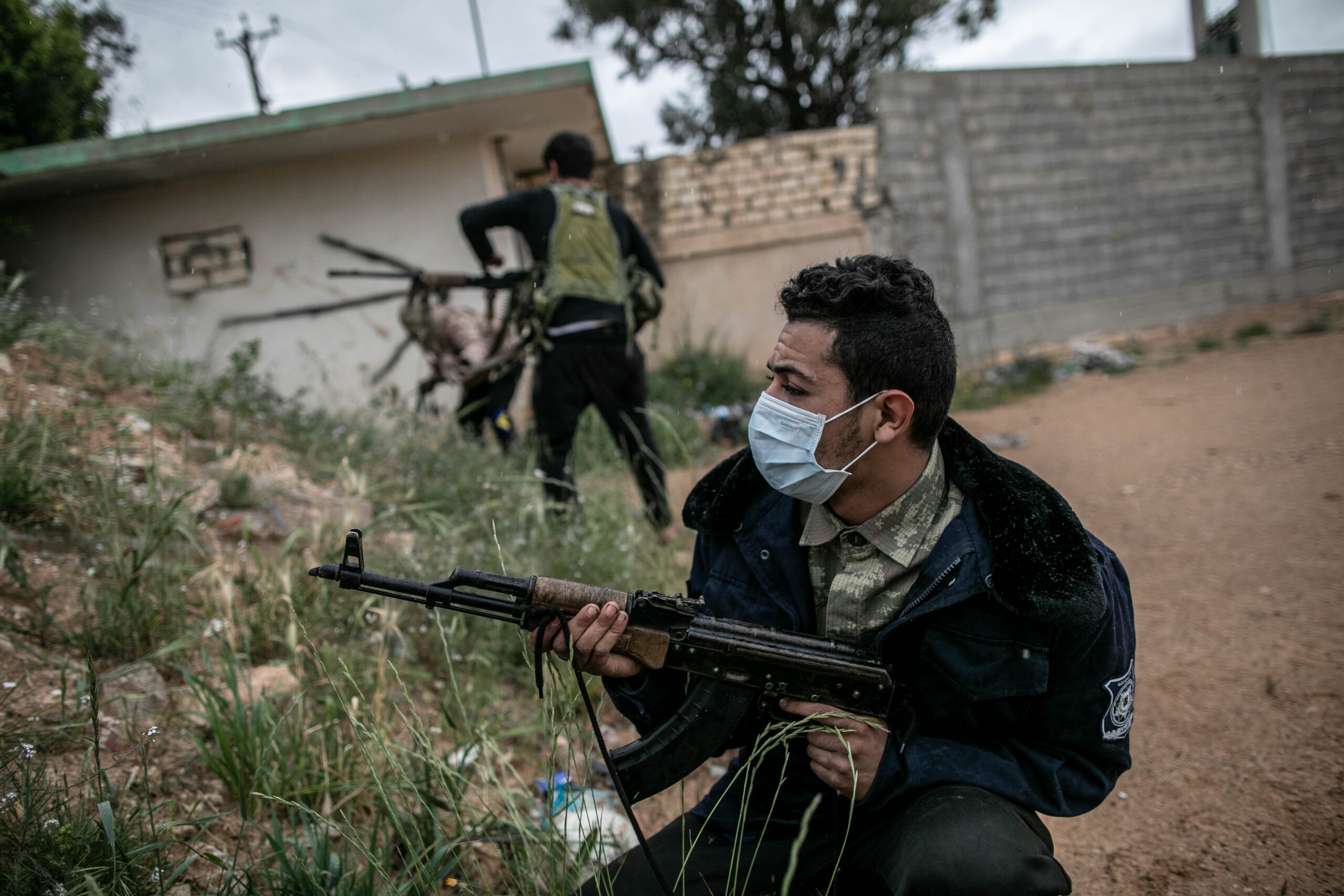
The Middle East is in turmoil, with civil wars raging in Syria, Iraq, Yemen, and Libya. COVID-19 is now an additional factor on top of the violence and monumental international support tasks, all of which require a sustained commitment. The effects of the deadly COVID-19 pandemic highlight the need for more robust international stabilization efforts to achieve long-term peace and self-sufficiency in the Middle East.
فرضت الحكومة اللبنانية حالة إغلاق صارمة عقب تسجيل أكبر حصيلة إصابات يومية الأسبوع الماضي منذ أن بدأت الجائحة. وتحصد الحكومة اللبنانية الآن ما زرعته بعدما أرخت القيود الصحية العامة خلال فترة العطلات.
Houthi terrorist designation raises troubling questions for tech companies
One underrecognized aspect of Houthi operations that the recent FTO designation brings under scrutiny is their online presence. Ansar Allah maintains accounts on YouTube and Twitter, with 26,300 followers and 16,800 followers respectively. It also has an active group with over 22,000 participants on Telegram, an instant messaging service legally headquartered in London with servers in Dubai. The group even has its own official website.