This individual is a guest contributor. MEI is not able to assist with contact requests.
Attiya Ahmad is Georgetown University’s 2009-10 Center for International and Regional Studies Post-Doctoral Fellow. She recently completed her PhD in Cultural Anthropology at Duke University. Dr. Ahmad’s work brings together scholarship on Islamic studies, globalization, diaspora and migration studies, economic anthropology, and political economy.
Jonathan Winer and Mirette Mabrouk join host Alistair Taylor to discuss the latest developments in Libya and the regional dynamics in play, including the role of Egypt.
Lebanon’s invisible: Refugees, COVID-19, and the Beirut port explosion
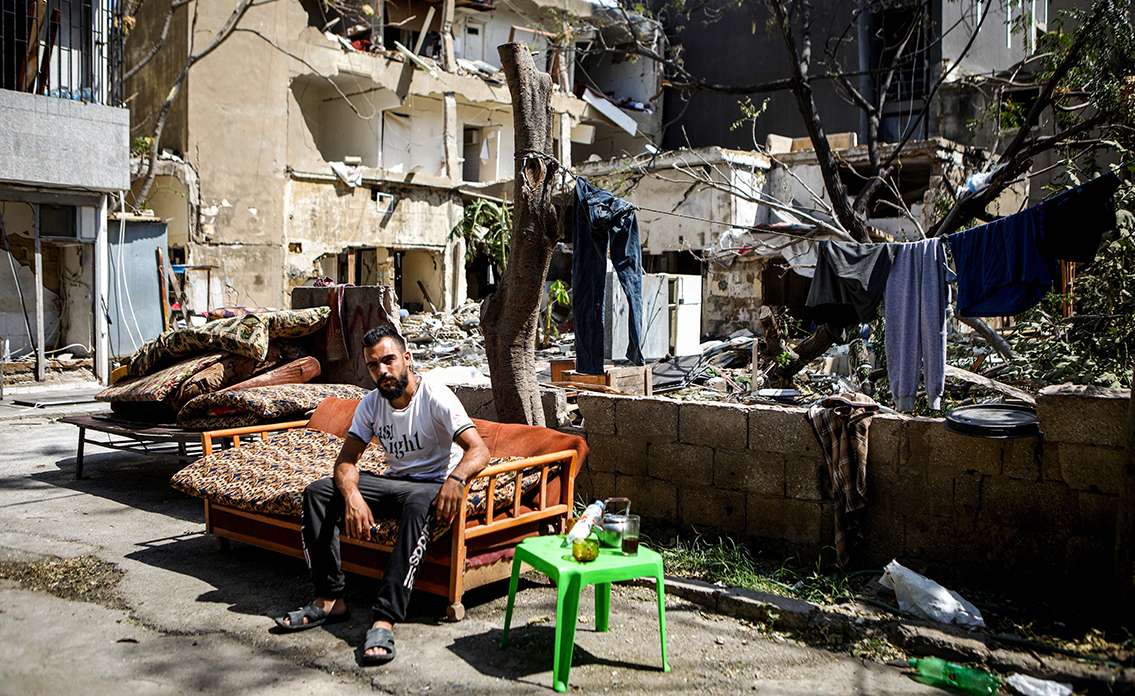
The catastrophic explosion in Beirut on Aug. 4 left 200 dead and thousands more injured. This included at least 43 Syrian and Palestinian refugees and dozens of foreign migrant workers that were killed or injured. The Beirut port explosion will place a great burden on Lebanese society and it will have short- and long-term impacts on marginalized communities.
As the people of Iran and the region rise up against the regime in Tehran, it is time to prepare for what comes next and imagine what could lead to the region’s next renaissance: a Middle Eastern cooperative organization.
In recent years, Saudi Arabia and China have publicly announced several joint nuclear projects in the Kingdom, including one to extract uranium from seawater, with the stated goal of helping the world’s largest oil producer develop a nuclear energy program or become a uranium exporter. This article discusses China’s reported involvement in Saudi Arabia’s nascent nuclear program.
The Impact of Middle East Regional Competition on Security and Stability in the Horn of Africa
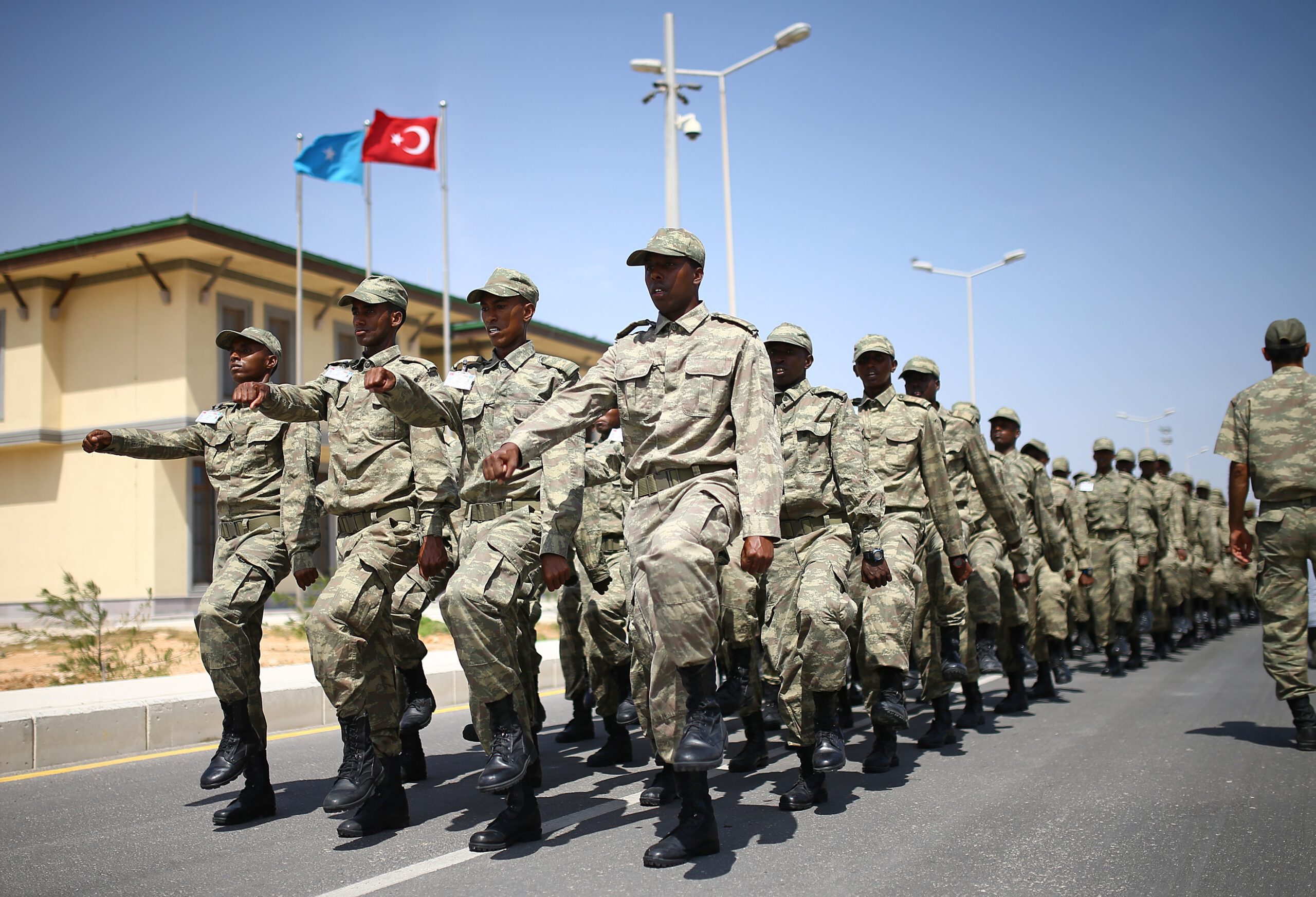
The relationship between the Middle East and the Horn of Africa is centuries-old and complex. While the world’s attention is focused mainly on the “great power competition” in the region, primarily between the U.S. and China, the Horn of Africa has also become a central battleground for influence among competing regional players, principally Saudi Arabia, the UAE, Turkey, Qatar, Iran, and Egypt. As they pursue their interests in the region, from Ethiopia and Sudan to Somalia and Djibouti, these competing states are the main drivers of tension and instability in the Horn of Africa.
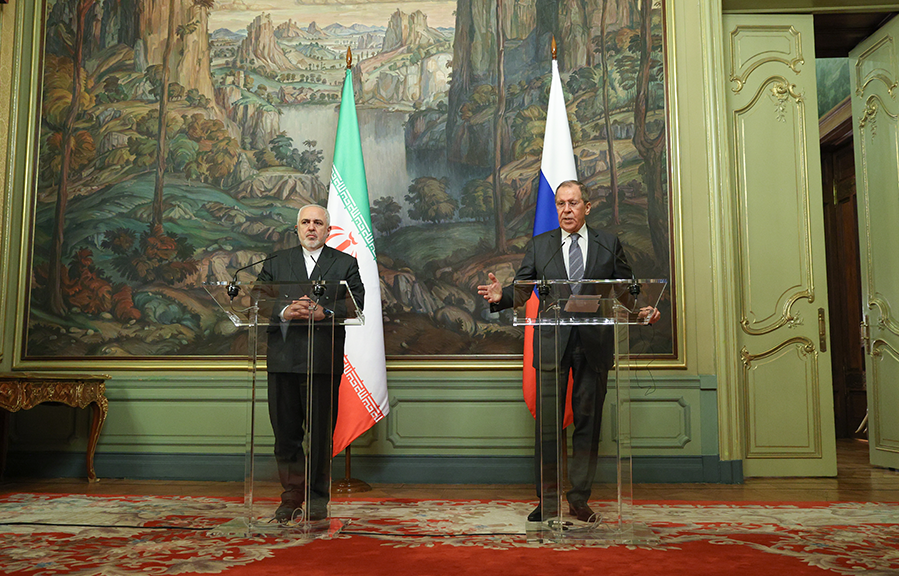
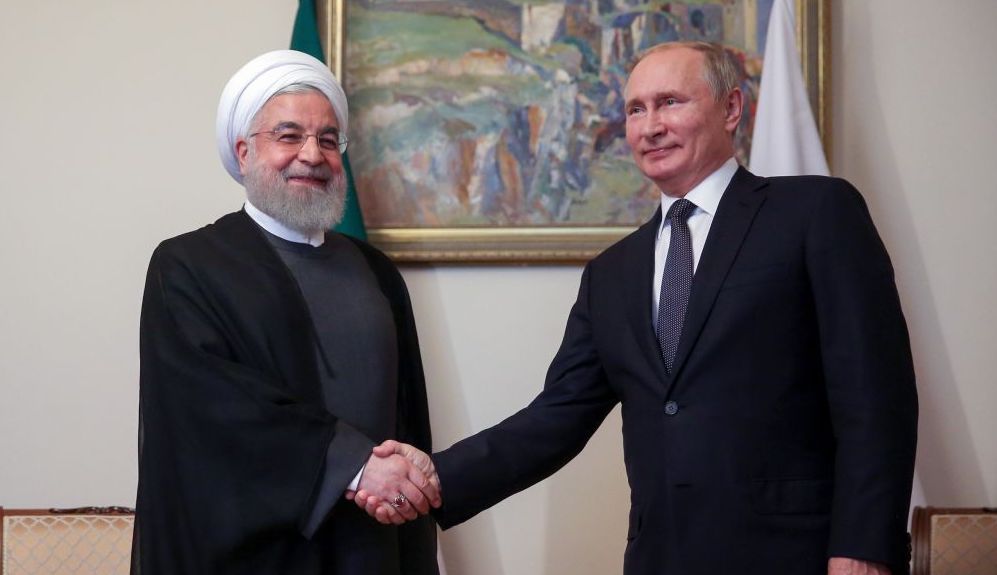
As Tehran looks East, can it forge stronger ties with Moscow?
Iran’s high leadership has come to a consensus on an eastward shift in its foreign policy, and Russia is a salient part of that. Recent indications suggest that, at least for now, the Russians do not want to enlarge their footprint in Iran. Yet Iran wants a more proactive Russia.
Jordan’s apparent neutrality conceals deeper discomfort with UAE-Israel deal
The leaders of the Hashemite Kingdom of Jordan have traditionally been known as masters at staying as neutral as possible, especially when it comes to inter-Arab relations. This was on clear display in Amman’s response to the recent UAE-Israel rapprochement.
Russia, Iran, and economic integration on the Caspian
In recent weeks, reports of a potential 25-year, $400-billion deal between Iran and China have dominated the conversation about Tehran’s options for freeing itself from the punishing U.S.-imposed sanctions regime on the country. But China is not alone in seeing an embattled Iran as a major geopolitical and commercial opportunity — Russia too has ambitions of strengthening ties with Iran.
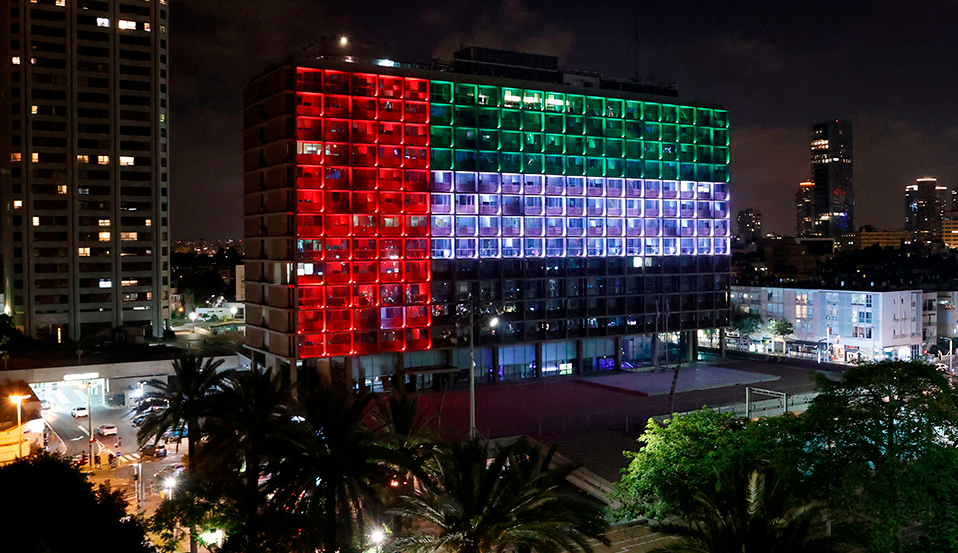
Special briefing: Regional reactions to the Israel-UAE deal
On Aug. 13, Israel and the United Arab Emirates (UAE) reached an agreement for “full normalization of relations,” ostensibly in return for an Israeli suspension of formal annexation of parts of the occupied West Bank. U.S. President Donald Trump announced the deal, which he called “a significant step towards building a more peaceful, secure, and prosperous Middle East.” To better understand the agreement and how it is being perceived across the region, we asked seven MEI experts to weigh in with their thoughts.
Turkey’s democratic resilience under populist authoritarian rule
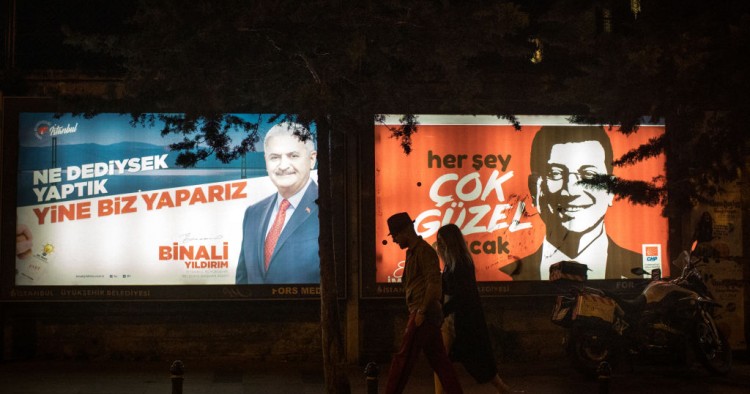
After almost two decades of rule by the AKP and its leader President Recep Tayyip Erdogan, Turkey has experienced major institutional, political, and social transformations, including a dramatic autocratization in recent years. There is another side to the story, however, one that still gives us hope for the re-establishment of democracy and the rule of law in the near future.
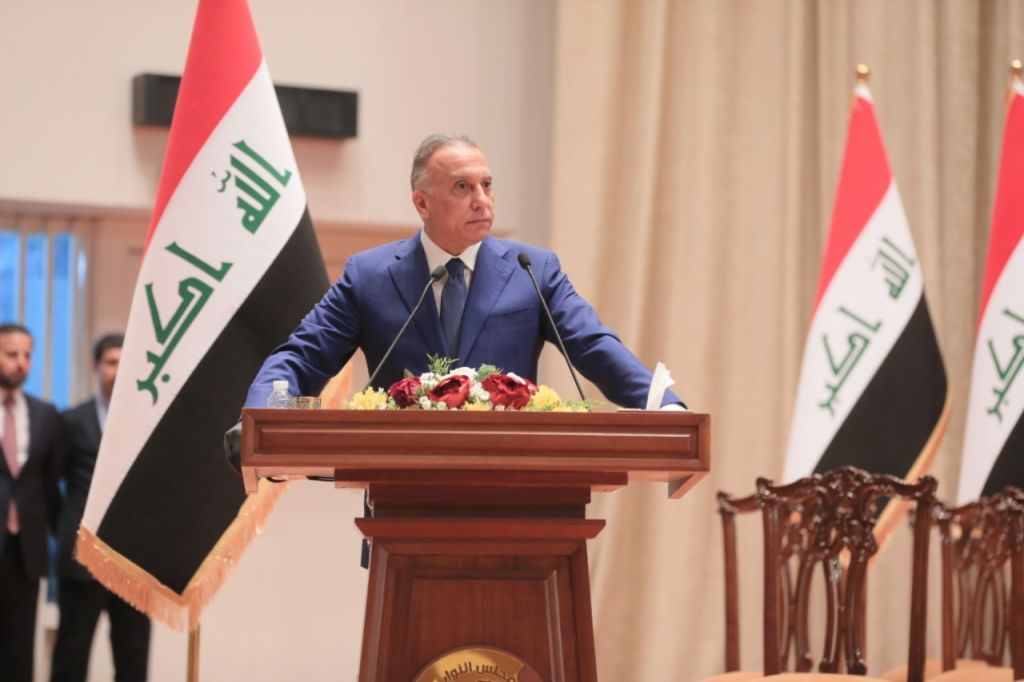
عندما يتعلق الأمر ببغداد، على واشنطن أن تنظر إلى ما هو أبعد من الأمن والدينامية الإقليمية
نجحت حكومة رئيس الوزراء العراقي مصطفى الكاظمي بحذر في اجتياز اختبارها الذي دام 100 يوم، وهو تقليد عمره عشر سنوات للقادة العراقيين، إذ يُتوقع منهم تحسين الخدمات في إطار زمني قصير للغاية.
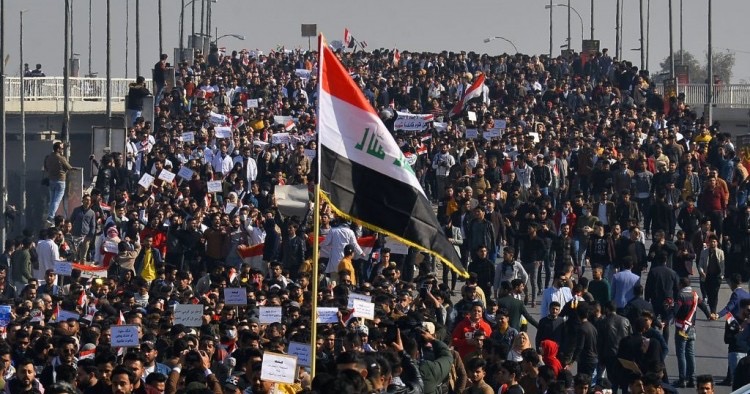
فقد تم دفع الكاظمي إلى القيادة في أعقاب ما أصبح فعليًا أول انتفاضة شعبية كبيرة في العراق بعد التحول الديمقراطي عام 2003، وهي الانتفاضة التي أطاحت بسلفه عادل عبد المهدي.
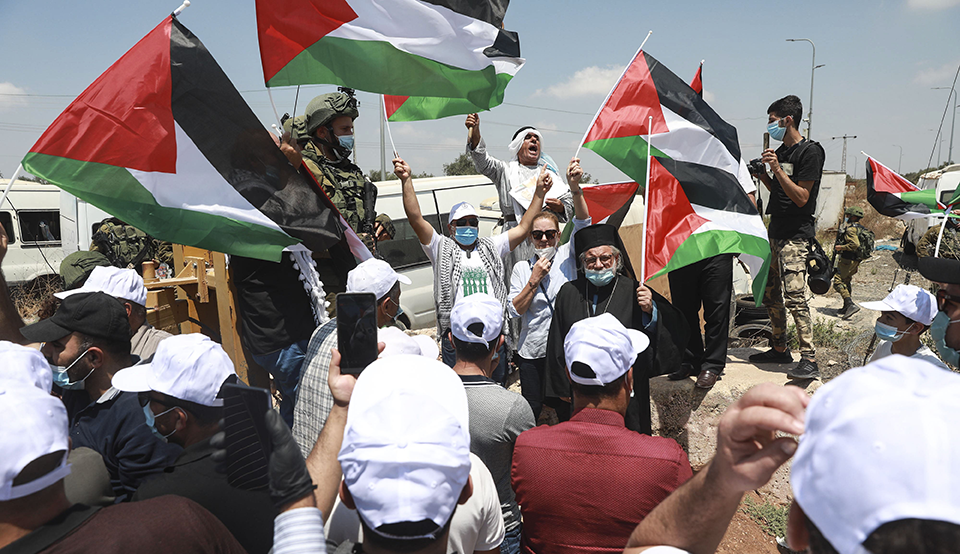
The agreement signed yesterday by Israel and the United Arab Emirates (UAE), in which the two countries agreed to a “full normalization of relations” in return for Israel suspending moves to formally annex parts of the West Bank, has reminded the Palestinians that they cannot count on the Arab states to deliver their freedom or safeguard their rights.
In historic deal with the UAE, Israel is the biggest winner
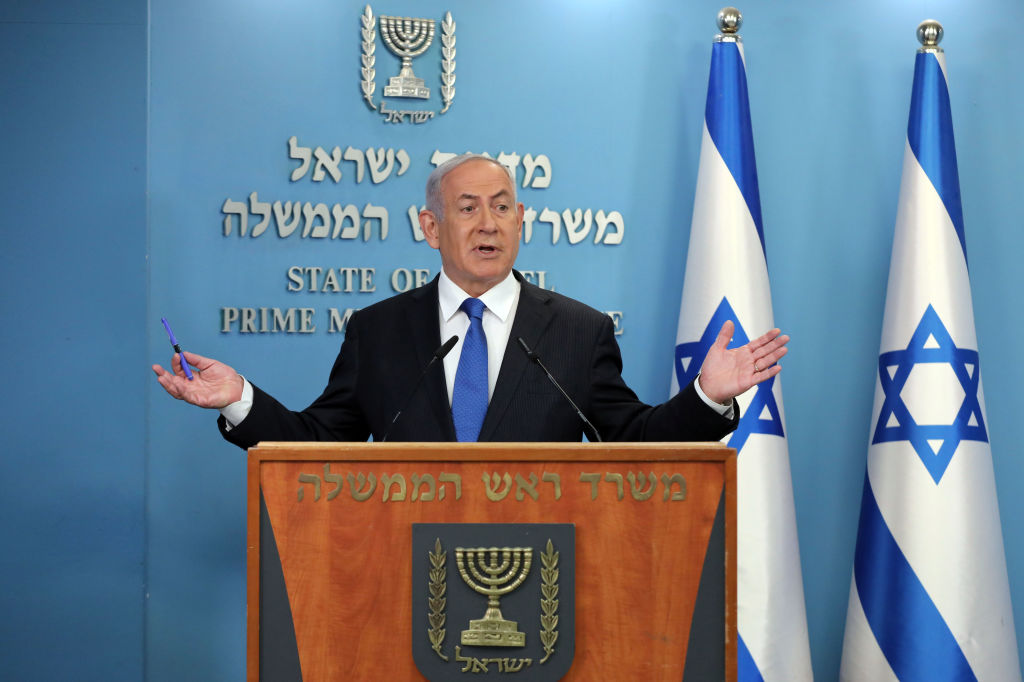
No matter how one reads the diplomatic deal announced Thursday between Israel and the United Arab Emirates—and there will surely be many supporters and detractors given its historic nature—there is one conclusion that seems irrefutable: Israel was the biggest victor.