This individual is a guest contributor. MEI is not able to assist with contact requests.
Attiya Ahmad is Georgetown University’s 2009-10 Center for International and Regional Studies Post-Doctoral Fellow. She recently completed her PhD in Cultural Anthropology at Duke University. Dr. Ahmad’s work brings together scholarship on Islamic studies, globalization, diaspora and migration studies, economic anthropology, and political economy.
Protracted conflict on Yemen’s island of Socotra reflects rival geopolitical ambitions
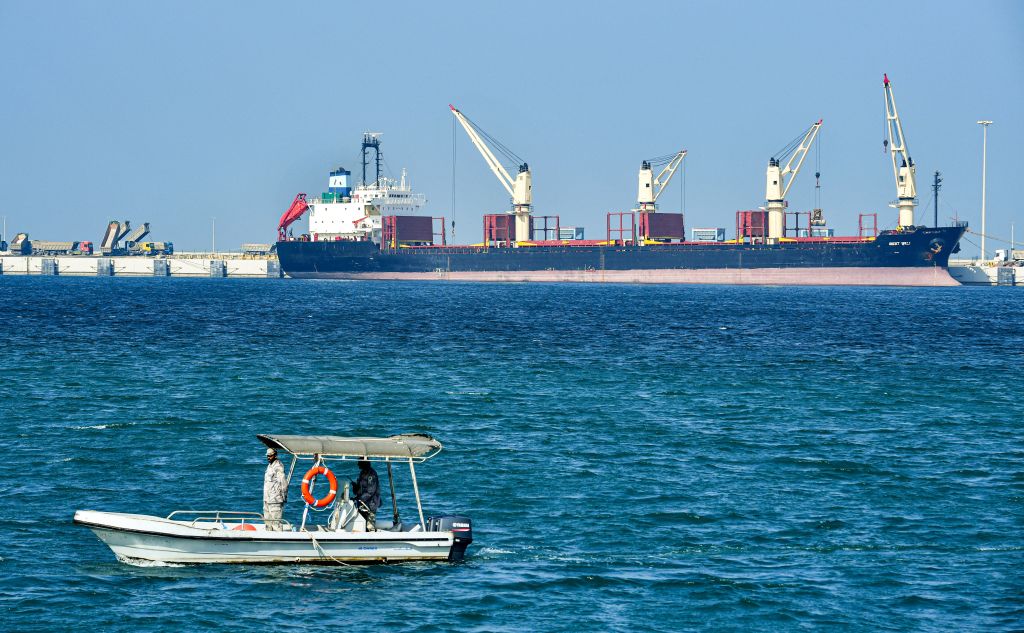
On April 30, roughly a week after the Southern Transitional Council (STC) declared self-administration in Aden, a military confrontation broke out on the remote Yemeni island of Socotra between members of the STC and government forces. After just a few days, the situation was diffused when the island’s governor and the STC asked the Saudis to intervene. Although an agreement was reached quickly, it is likely to be fragile because the causes of the conflict are not entirely local. The island of Socotra is simply too important to multiple international players that are not willing to let it easily slip outside their sphere of influence.
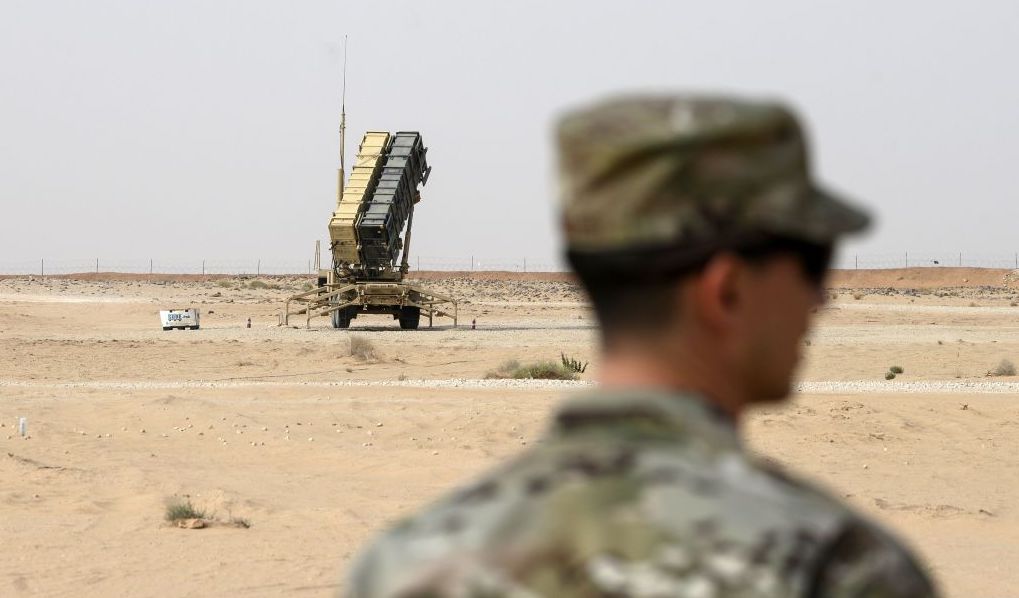
The best way to describe the Trump administration’s decision to remove Patriot missile defense systems from Saudi Arabia is by highlighting its military irrelevance and political significance.
Self-administration: Will it strengthen Yemen’s STC or further complicate the conflict?
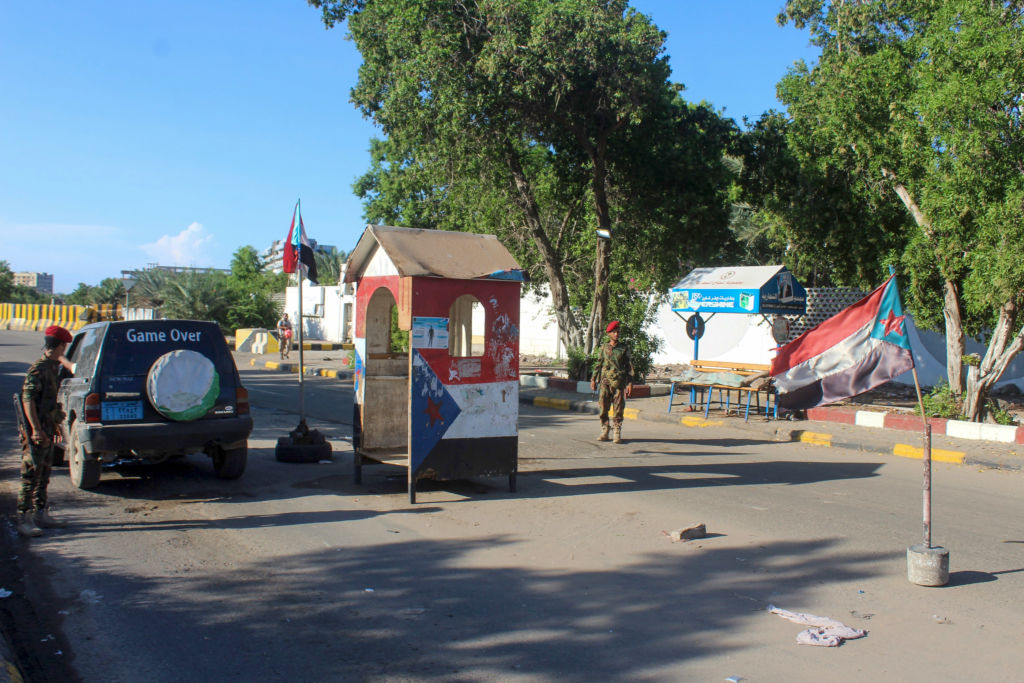
A few hours before Ramadan’s pre-fasting suhoor meal on April 25, the Southern Transitional Council (STC), a UAE-sponsored regional secessionist movement, abruptly announced self-administration in Yemen’s South and a state of emergency.
Washington needs to find a new way of dealing with Lebanon
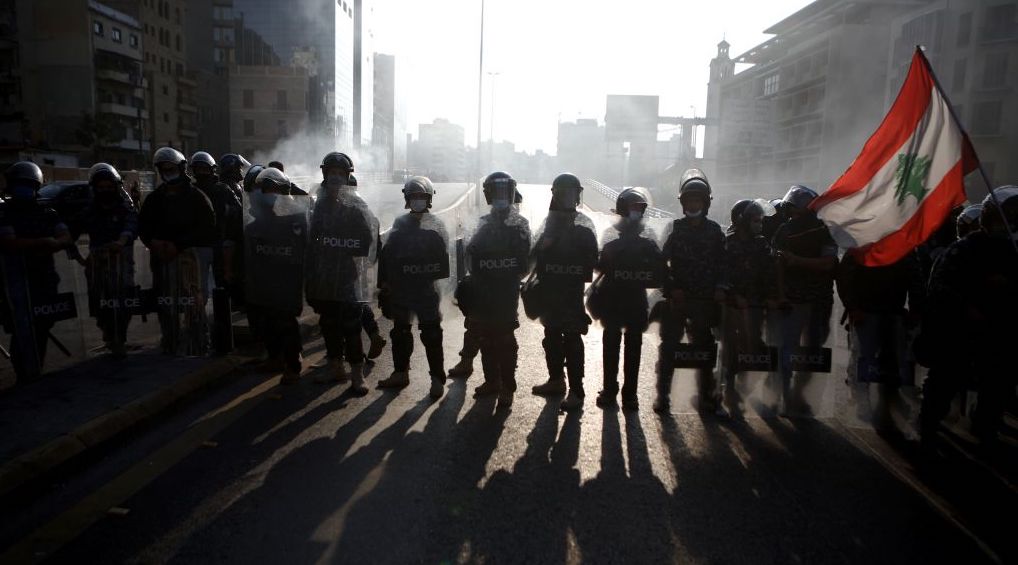
For too long, Washington has been an accomplice of the rampant corruption in Lebanon, choosing to look the other way as it deals with officials known to be implicated in various corrupt schemes.
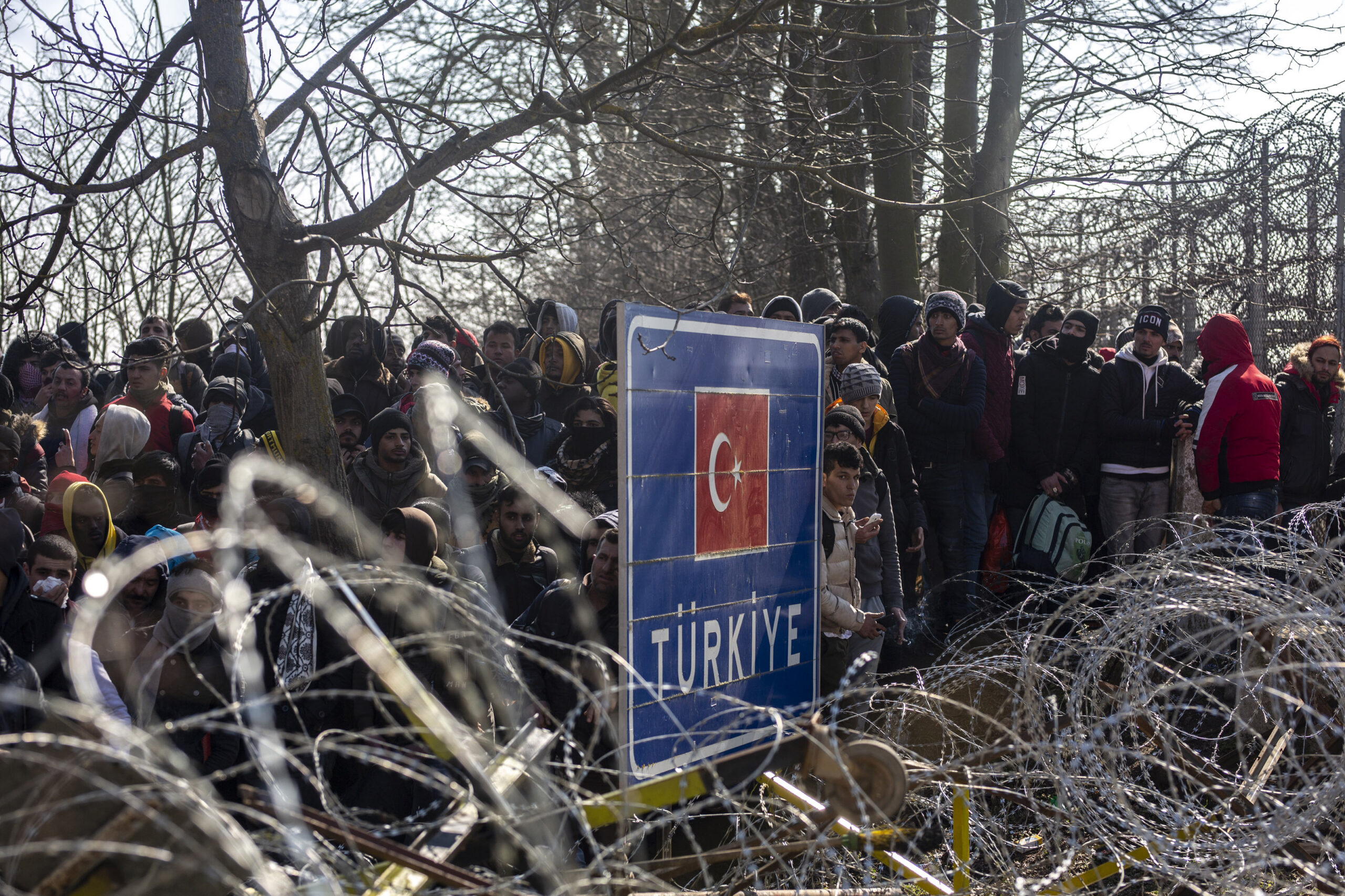
Iulia Joja and Bob Hamilton join host Alistair Taylor to discuss the impact of the coronavirus pandemic on economic migration, with a focus on migration trends in the Western Black Sea and South Caucasus.
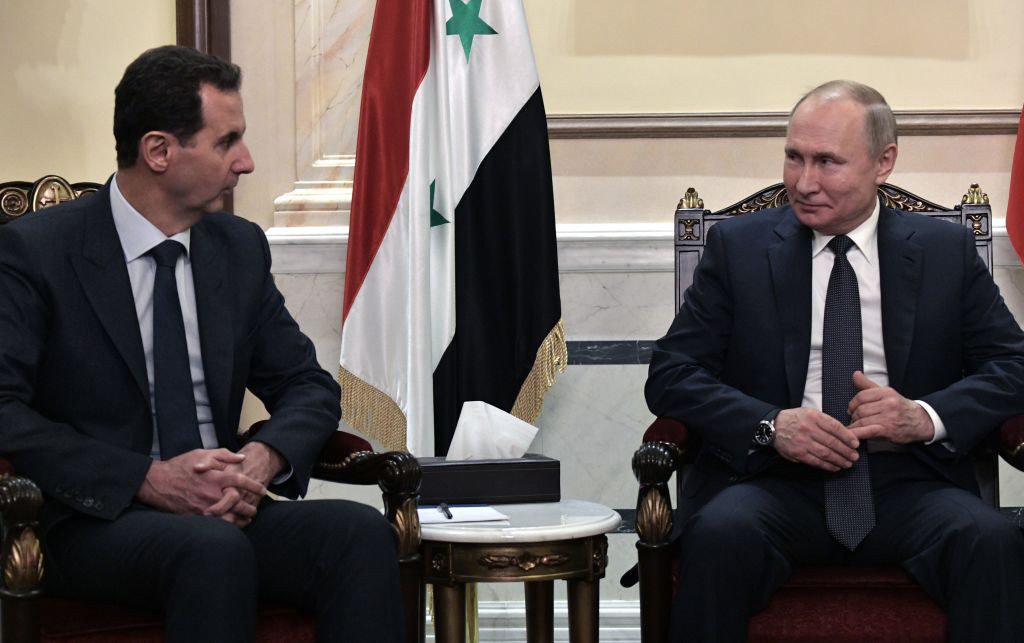
Russia signals growing dissatisfaction with Syria’s Assad regime
In recent weeks, a flurry of commentary from prominent voices and publications in Russia has seen a wave of criticism directed at Syria’s Assad regime. Accusations have been leveled against the regime of corruption, warlordism, and incompetence, as well as an obsession with achieving unrealistic military objectives at the expense of dwindling resources, reconstruction, and political and economic reforms.
The Rami Makhlouf saga poses a dangerous challenge for Assad
In a series of videos posted on Facebook this week, Rami Makhlouf called out the upper echelons of Syria’s political establishment, of which he had been an integral part for over two decades. By making his feud public Makhlouf has created an unprecedented rift within loyalist ranks, transforming his dispute with Syria’s ruling elite from one that was tightly controlled and behind closed doors to an out in the open, nationwide row the likes of which haven’t been seen since Hafez al-Assad’s standoff with his brother Rifaat in 1984.
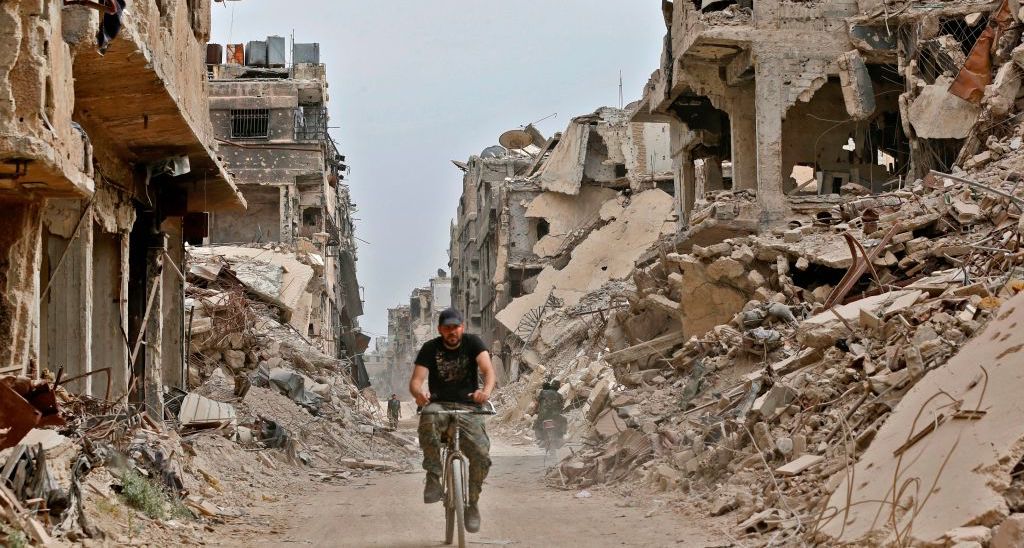
Talking about water pipes: The fraught reconstruction of Syria’s Yarmouk camp
Officials in Damascus say reconstruction plans for what was once Syria’s largest Palestinian refugee community will pave the way for the return of large numbers of displaced residents “as soon as possible.” But with plans beset by delays and vague statements from those same officials, the available evidence suggests otherwise.
China’s Petrochemical Enterprise Alliance and Iran Oil Trade
China’s outbound capital policy is an attempt to reforge the Middle East in its own economic likeness through a revised ‘Going Global’ geoeconomic macro policy. China-Iran oil trade is only the beachhead of a deeper economic integration agenda, yet the geoeconomic management institutions that are currently forming will define China-Iran and wider China-Middle East engagement for decades to come.
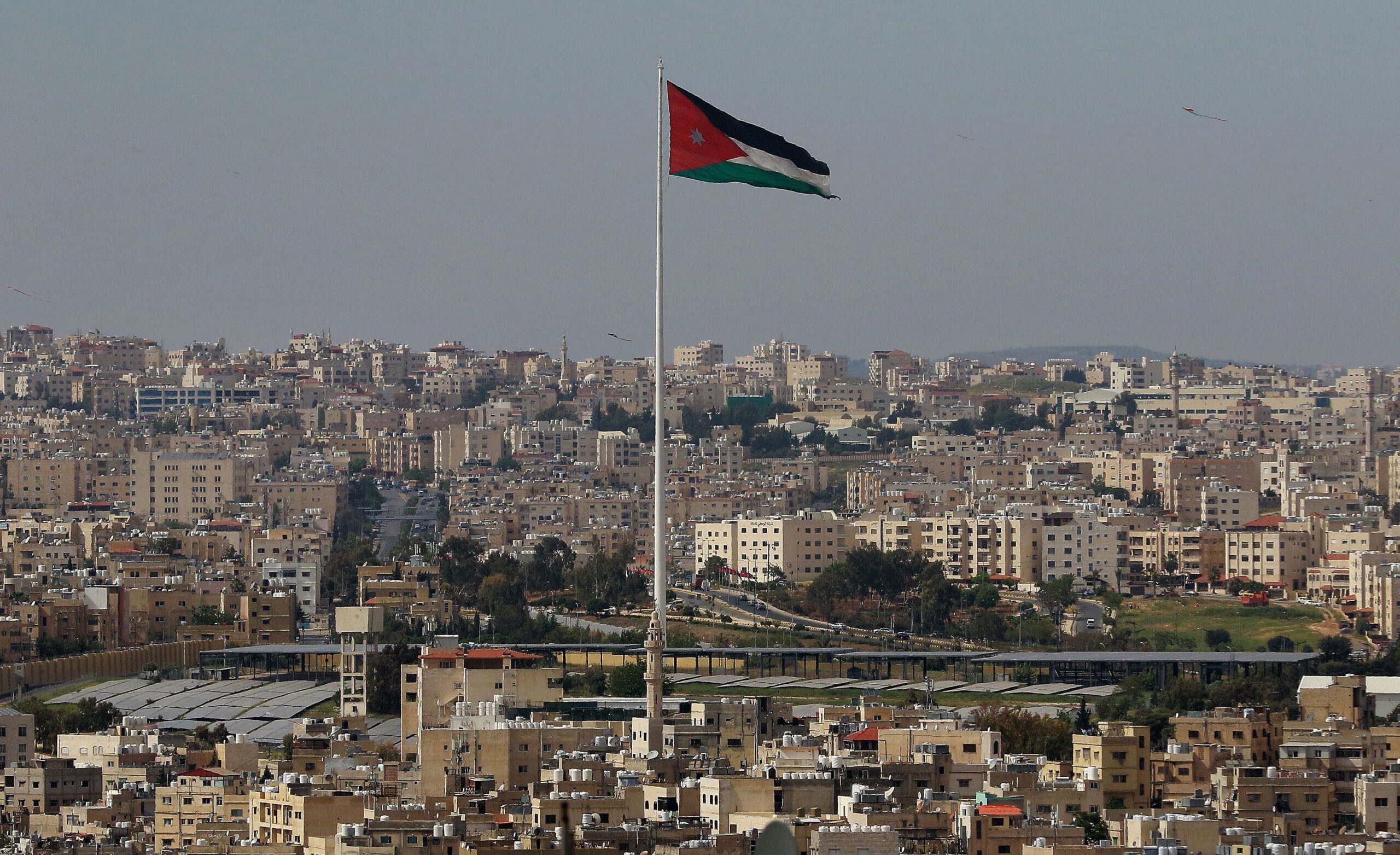
In the wake of COVID-19, Jordan has limited choices if Israel annexes West Bank settlements
For Jordan Israeli annexation of Jewish settlements in the West Bank, as well as the strategically important Jordan Valley, constitutes an existential threat to the kingdom. But now Jordan faces unprecedented economic hardship as a consequence of the coronavirus crisis, and this could limit its scope for action.
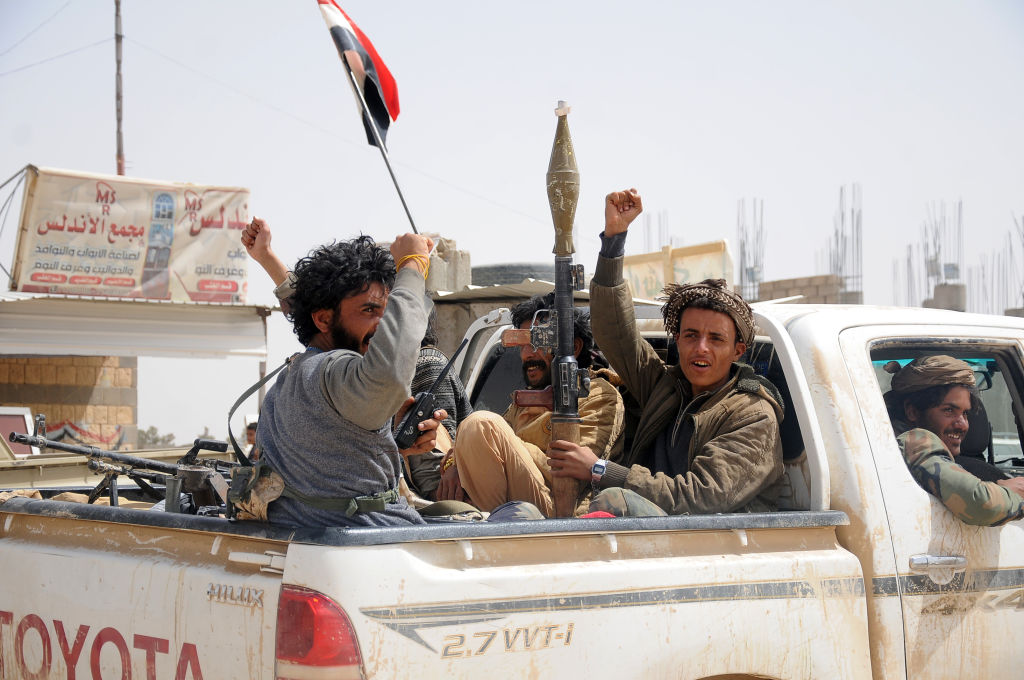
Coalition’s cease-fire extension keeps the ball in the Houthis’ court
Despite the Houthis’ rejection of the Saudi-led coalition’s two-week unilateral cease-fire, on April 24 the coalition’s Joint Forces Command announced an extension throughout the holy month of Ramadan.