Attiya Ahmad is Georgetown University’s 2009-10 Center for International and Regional Studies Post-Doctoral Fellow. She recently completed her PhD in Cultural Anthropology at Duke University. Dr. Ahmad’s work brings together scholarship on Islamic studies, globalization, diaspora and migration studies, economic anthropology, and political economy.
The Latest from Attiya Ahmad
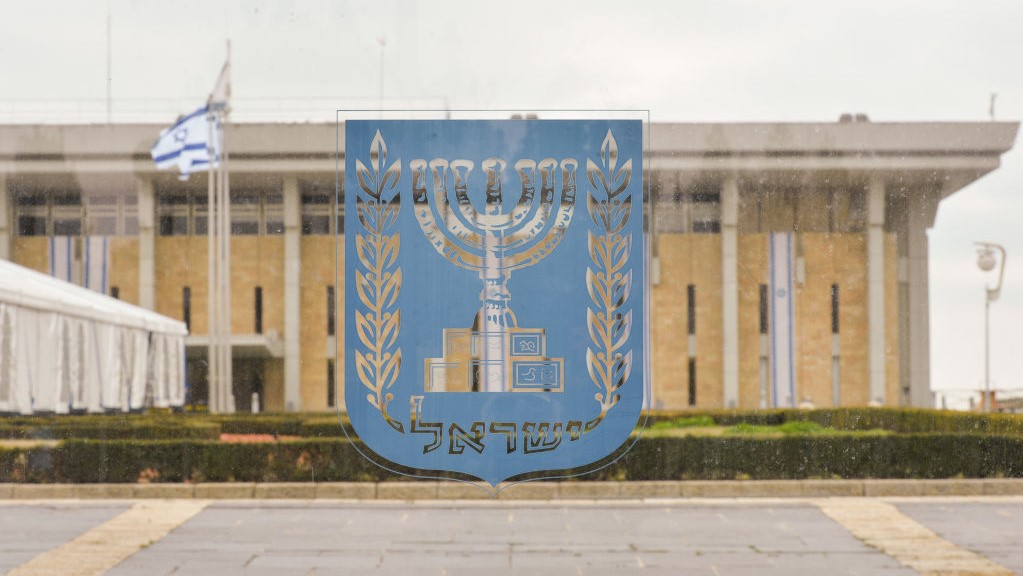
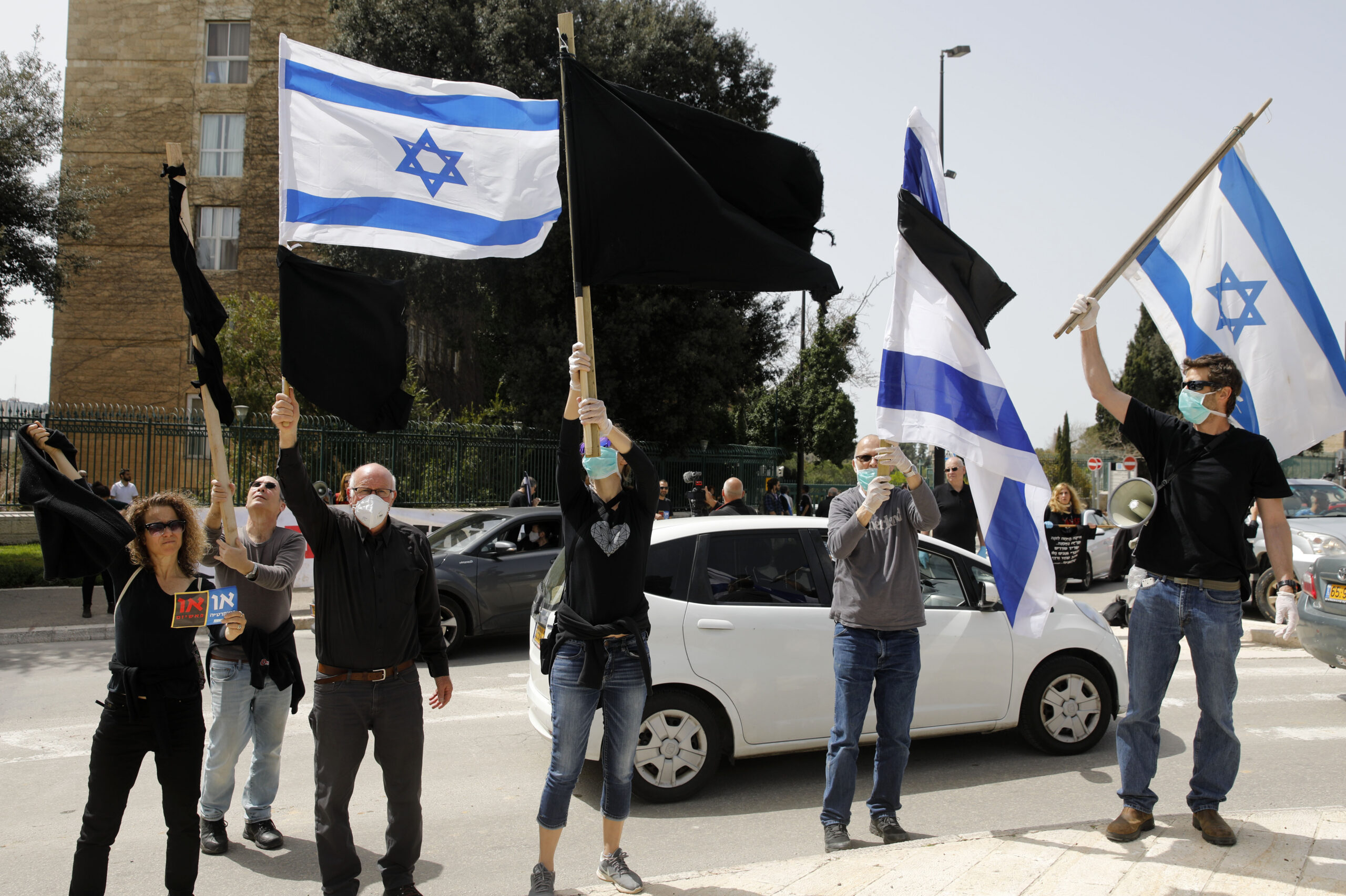
Israel’s political crisis is at an inflection point
Both the coronavirus crisis and Israel’s year-long political crisis seem set to continue for the unforeseeable future.
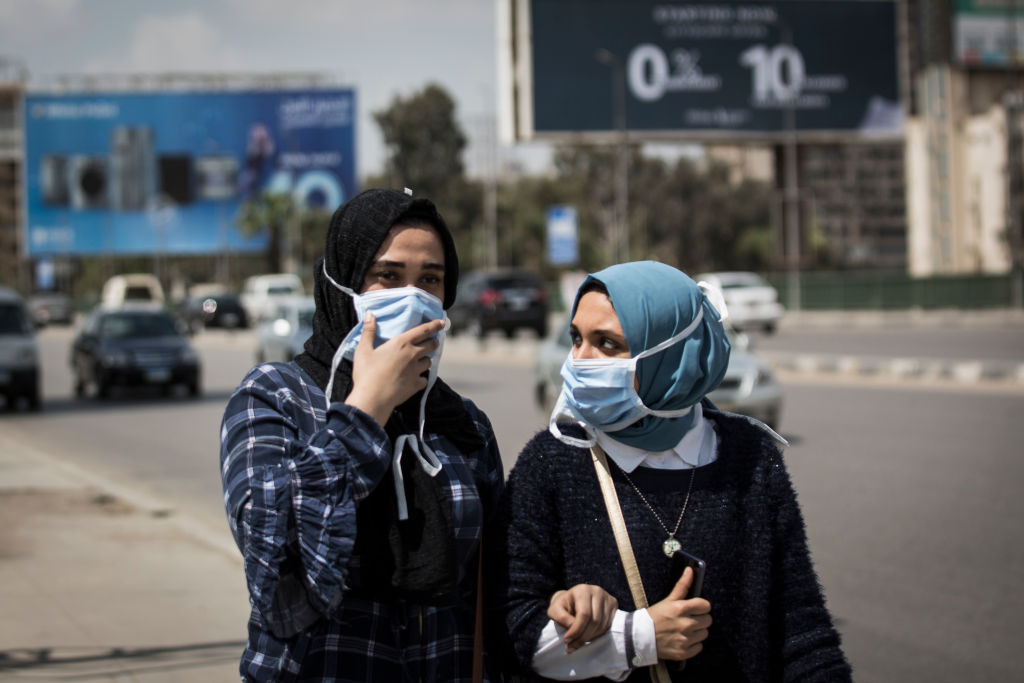
As the coronavirus crisis in Egypt worsens, pressure is building
Egypt’s three top sources of foreign revenue — tourism, remittances, and the Suez Canal — are likely to be hard hit by the crisis.
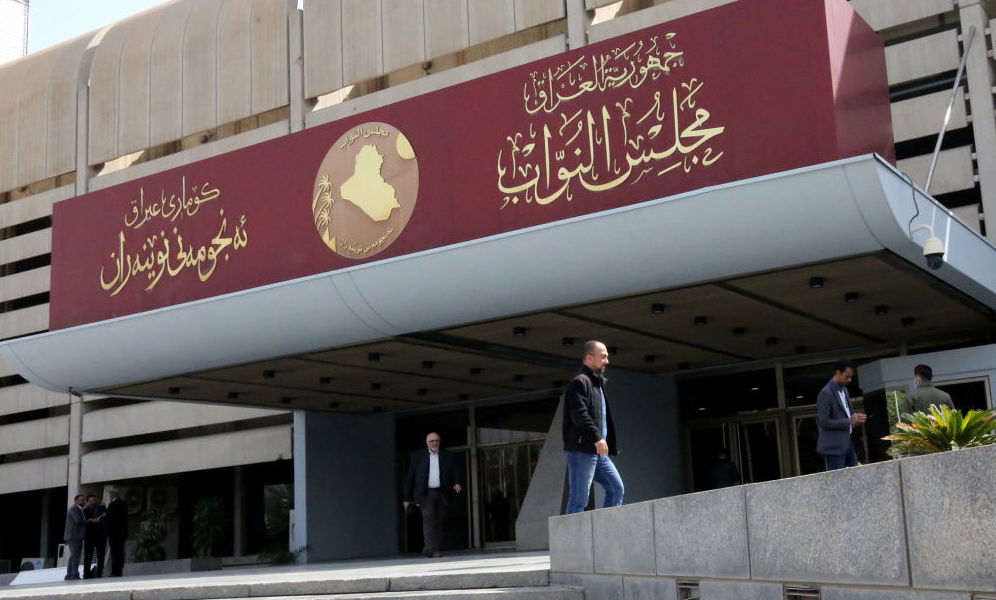
Iraq’s new prime minister: The rocky road ahead
Despite his support, al-Kadhimi’s path to obtain confirmation of his cabinet from the Council of Representatives is riddled with challenges.
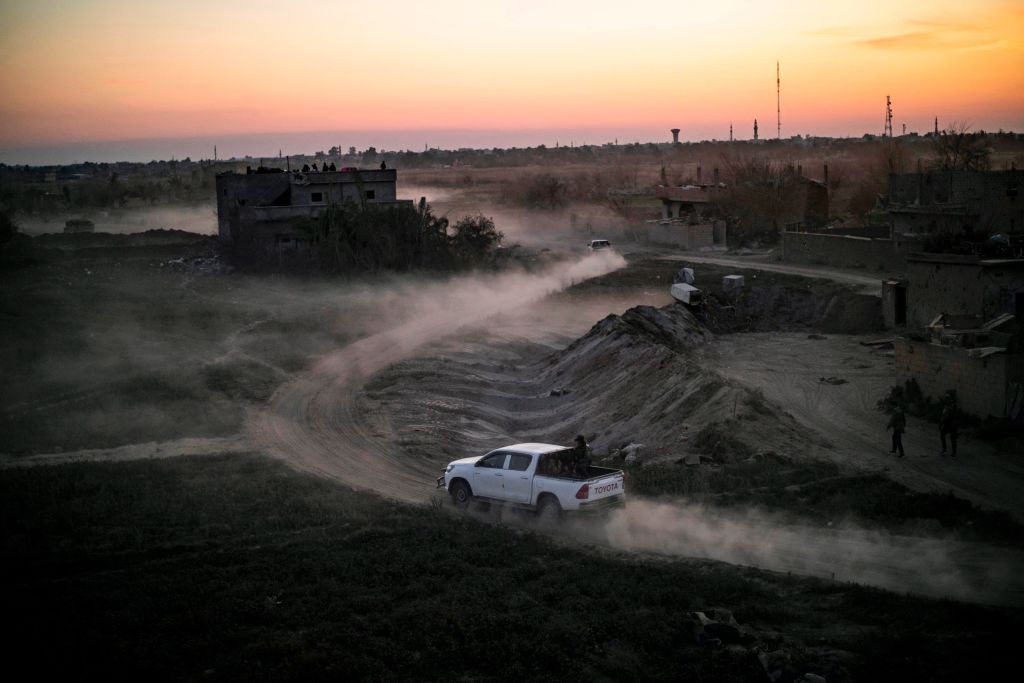
ISIS is escalating its insurgency in the Syrian desert
The ingredients that fueled ISIS’s explosive expansion in Syria in 2013-14 are not only still present today, they are worse.
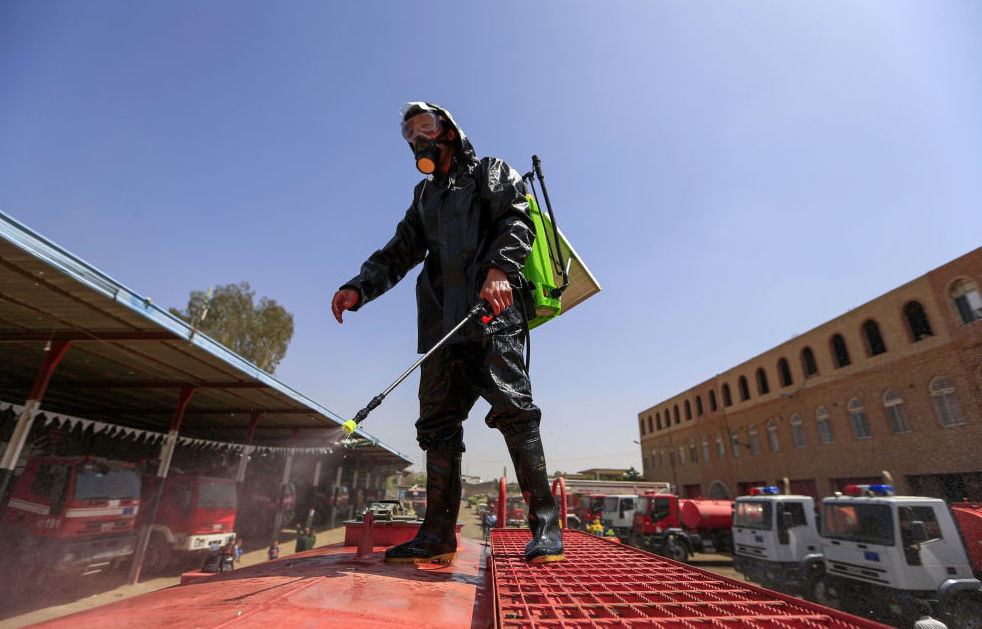
Without a Houthi commitment, the cease-fire could make Yemen more vulnerable to COVID-19
The Houthis’ lack of interest in halting their military operations could displace millions of civilians in the midst of a potential COVID-19 outbreak, defeating the very purpose of the cease-fire.
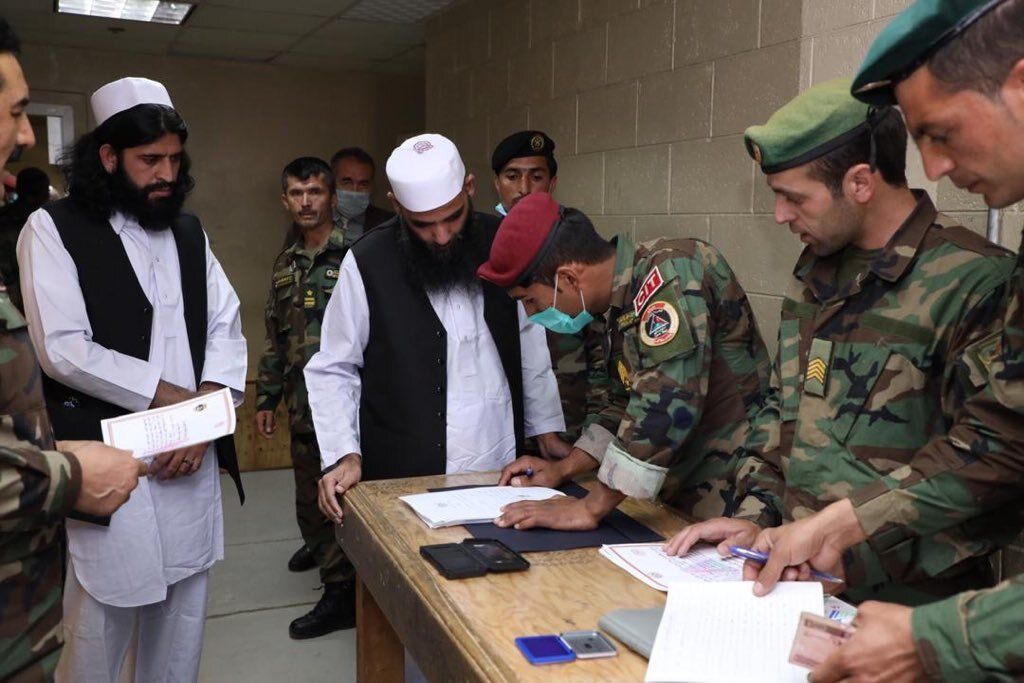
The prospects for peace in Afghanistan seem as distant as ever
The country faces no letup in either political squabbling or insurgent attacks.
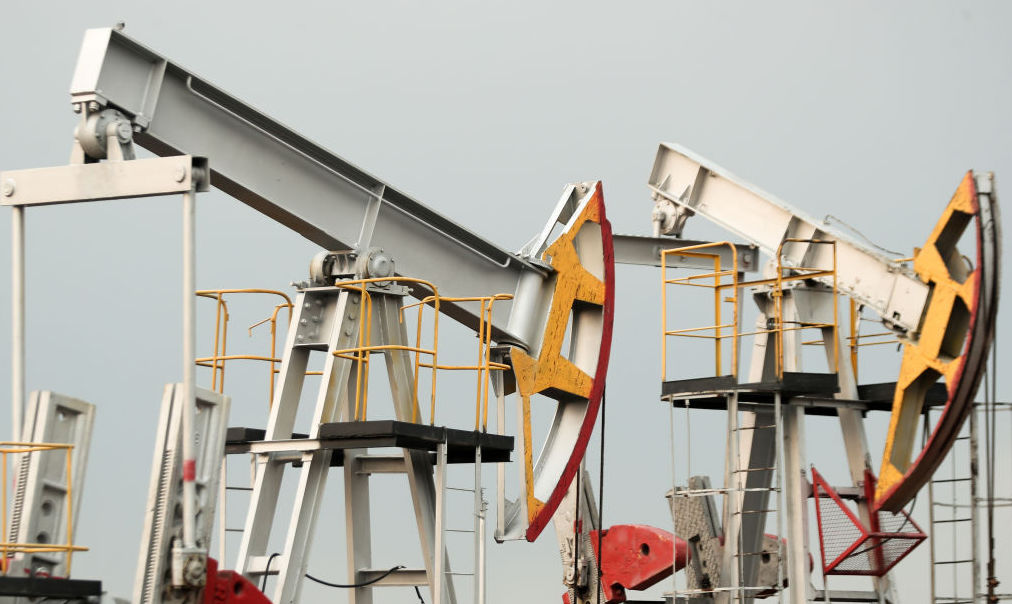
OPEC+ cuts inadequate in the face of historic loss in demand
The new cuts will likely not do much to shore up oil prices.

Surveillance, privacy & public health
MEI’s Michael Sexton and Eliza Campbell join host Alistair Taylor to discuss the variety of new surveillance technologies deployed by governments in the region to track the spread of COVID-19, and the tension they are setting up between public health and privacy concerns in the long term.
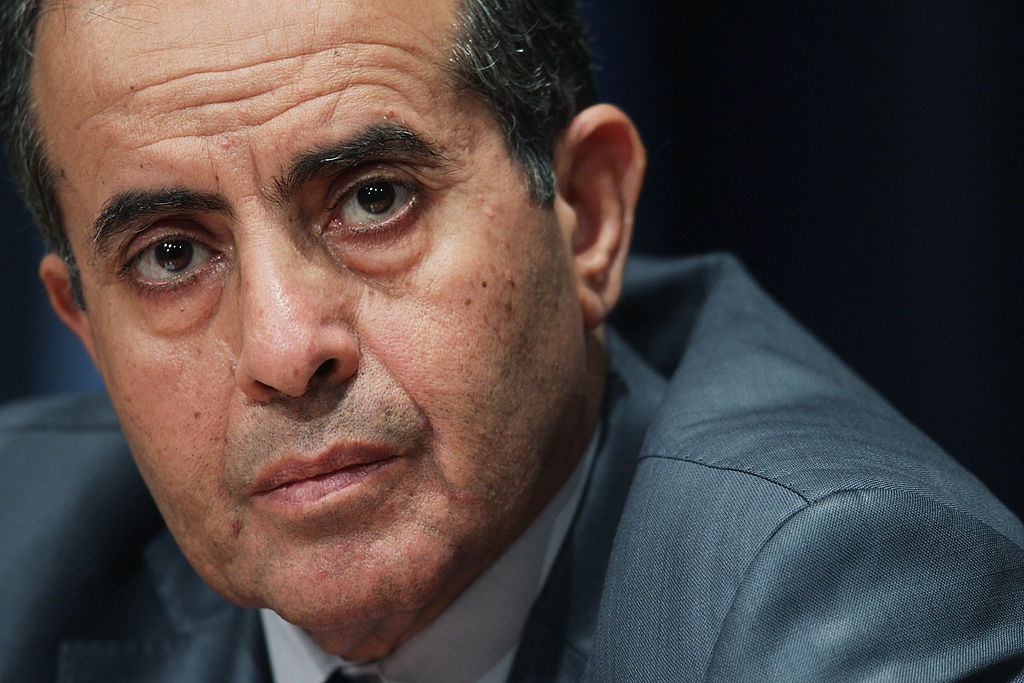
The face of the Libyan Arab Spring, Mahmoud Jibril, felled by COVID-19
Last Sunday, the pandemic claimed the life of the most internationally prominent face of the Arab Spring in Libya. The tragic death of former Libyan Prime Minister Mahmoud Jibril in a Cairo hospital, at just 68 years of age, is in fact a fitting metaphor for the many stillborn aspects of Libya’s attempted political rebirth.
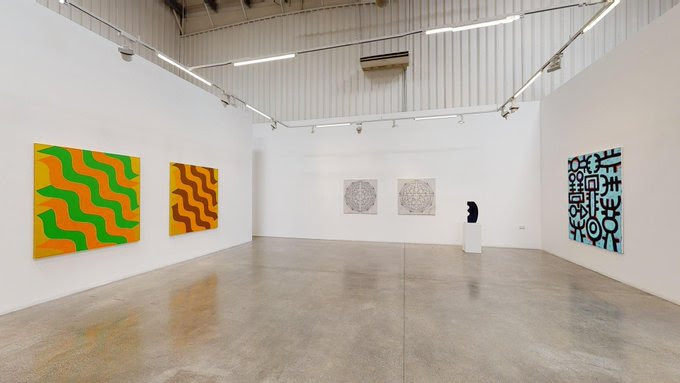
Arts and Culture Panel: Adapting & Innovating in the Face of COVID-19
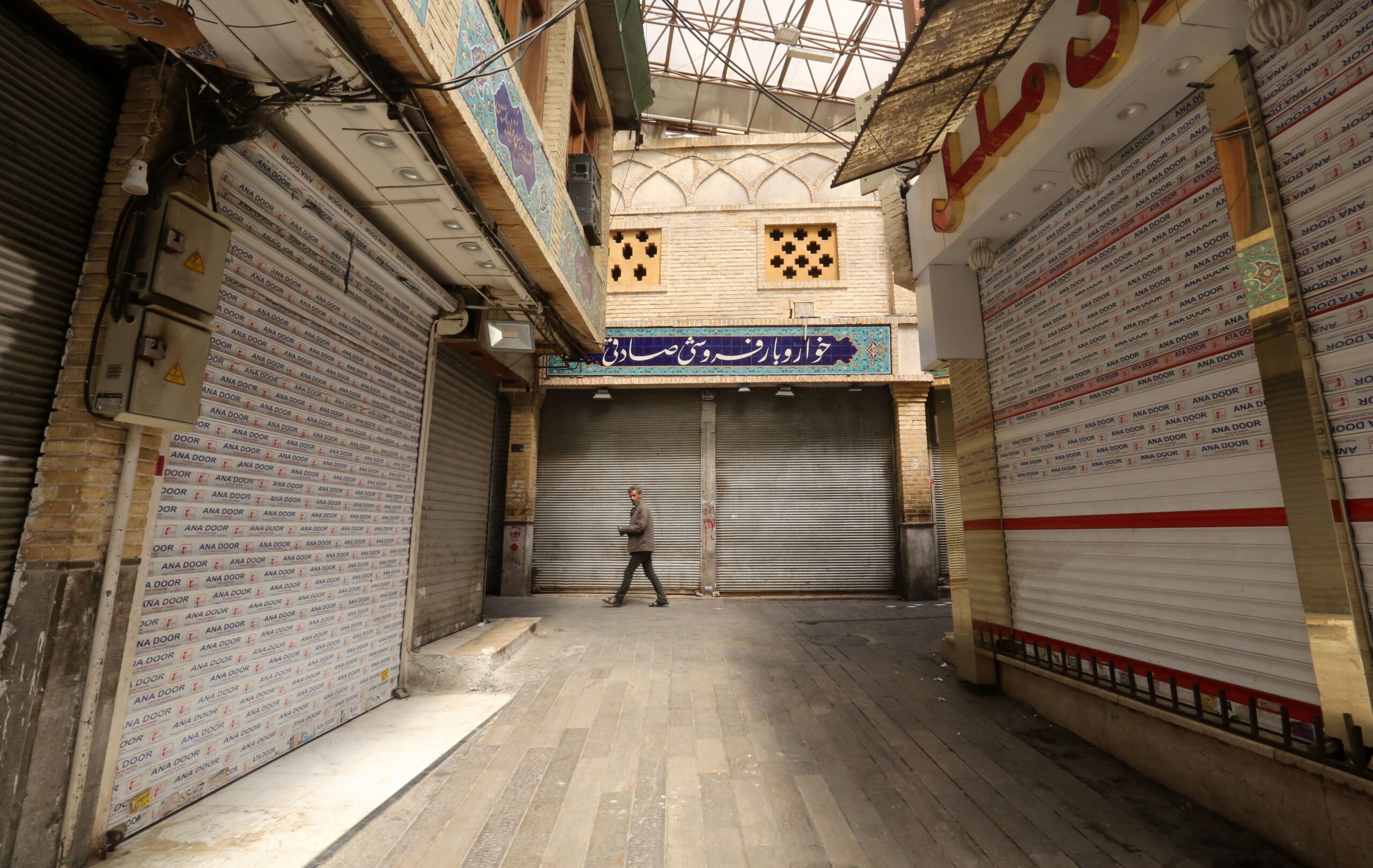
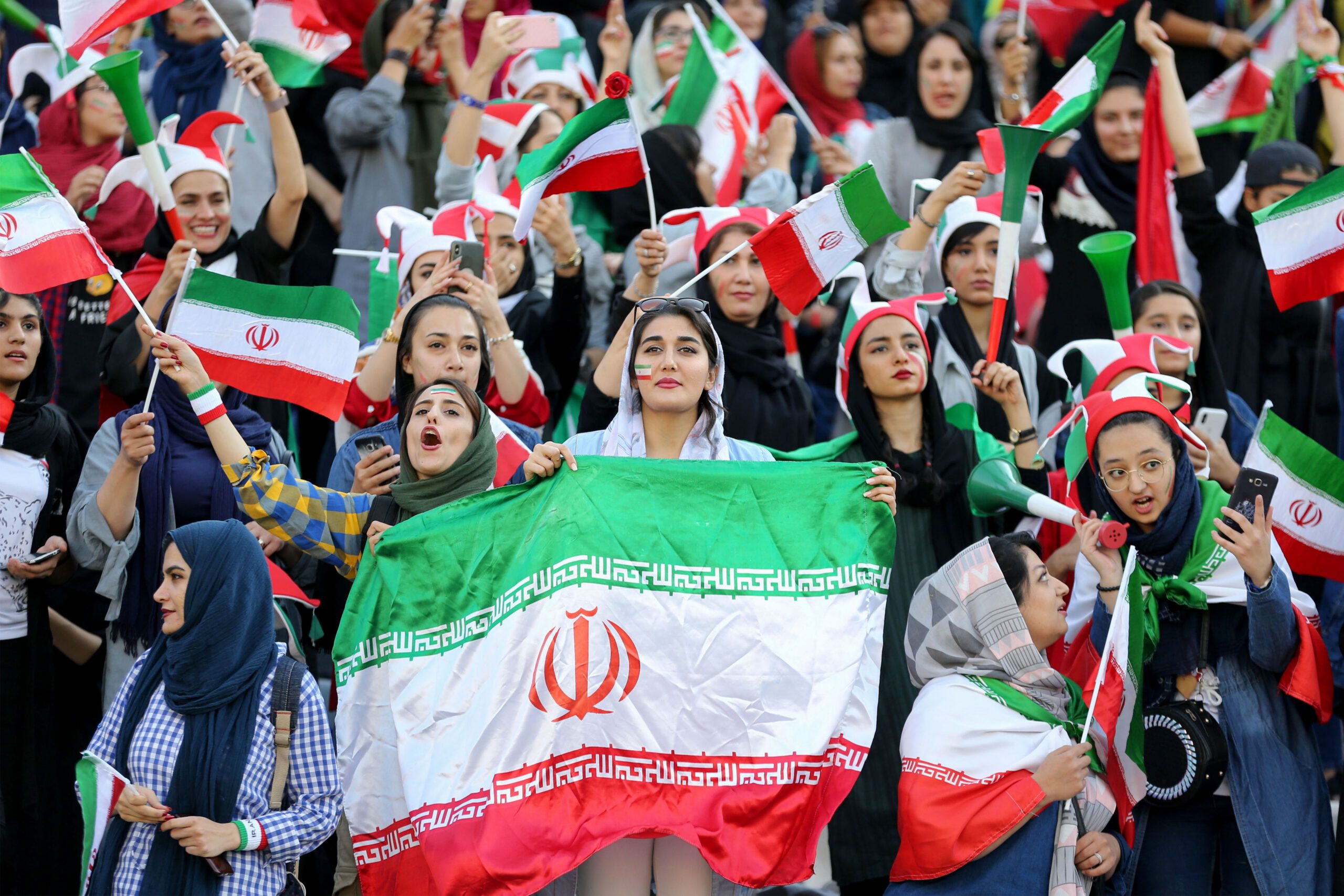
COVID-19 in Iran and implications for the Middle East and Central Asia
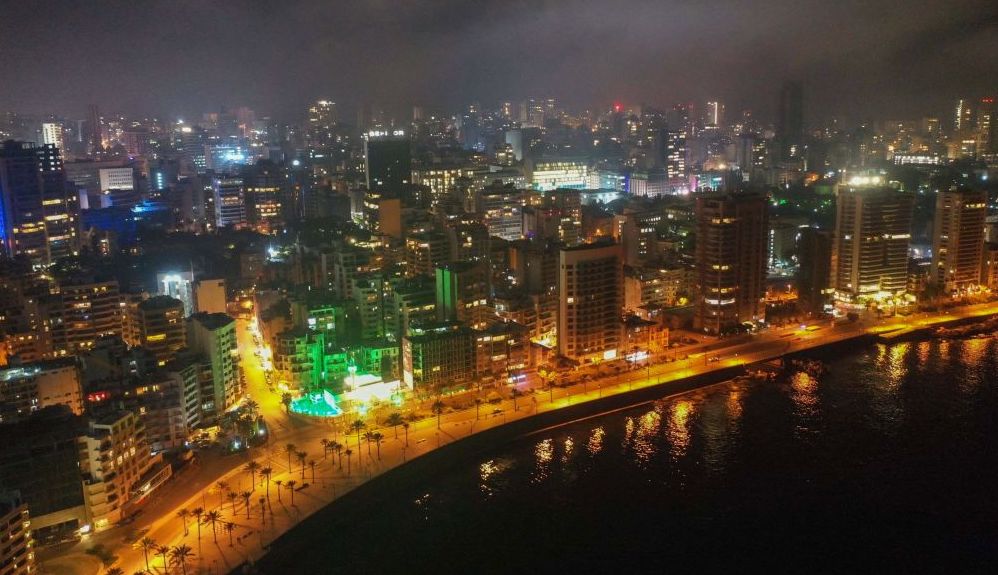
COVID-19, the oil price war, and the remaking of the Middle East
The Middle East is facing an unexpected turning point. The region will not look the same after COVID-19 as it did before it. The geoeconomics and geopolitics of the world are in free fall because of COVID-19, the oil price war, and a severe economic shutdown. For the Middle East and the Gulf monarchies in particular, the oil price war against Russia and U.S. shale and the shutdown of economies around the world have increased the pressure on the Gulf’s already-depleted financial resources, which usually act as a safety valve for the turbulent region.



