This individual is a guest contributor. MEI is not able to assist with contact requests.
Attiya Ahmad is Georgetown University’s 2009-10 Center for International and Regional Studies Post-Doctoral Fellow. She recently completed her PhD in Cultural Anthropology at Duke University. Dr. Ahmad’s work brings together scholarship on Islamic studies, globalization, diaspora and migration studies, economic anthropology, and political economy.
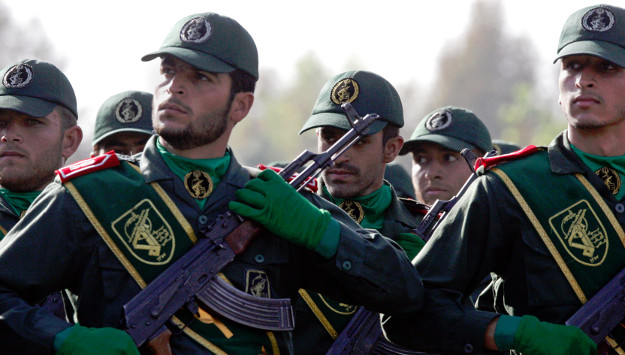
Senior I.R.G.C. Commander Killed in Iran’s Restive Province Just Days after ISIS Video
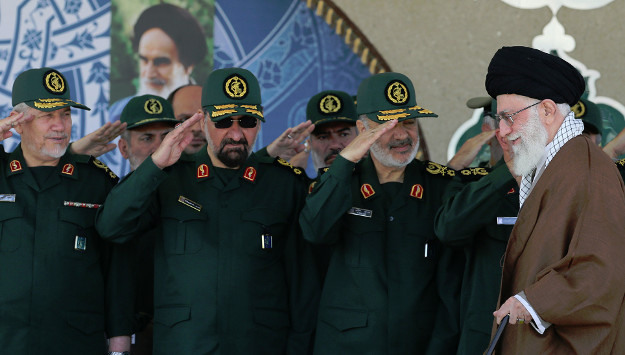
A senior Islamic Revolution Guards Corps (I.R.G.C.) commander has been assassinated in Iran’s restive Sistan and Baluchestan Province, the Iranian media reports. According to I.R.G.C.-affiliated Tasnim News Agency, Ruhollah A’ali, an I.R.G.C. battalion commander in Zahedan, the capital of Sistan and Baluchestan, was “martyred” by “Takfiri terrorists” last night. Takfiri is a term Iranian leaders use for Sunni militants. The commander was affiliated with the I.R.G.C.’s 110th Salman Brigade in the province. The two assassins were reportedly killed by Basij forces.
Strikes on Syria: Game Changer for U.S.-Turkey Relations?
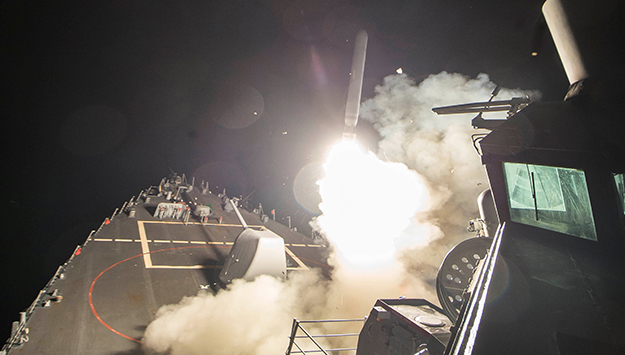
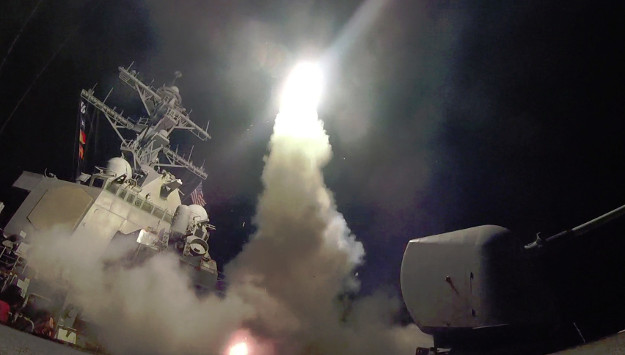
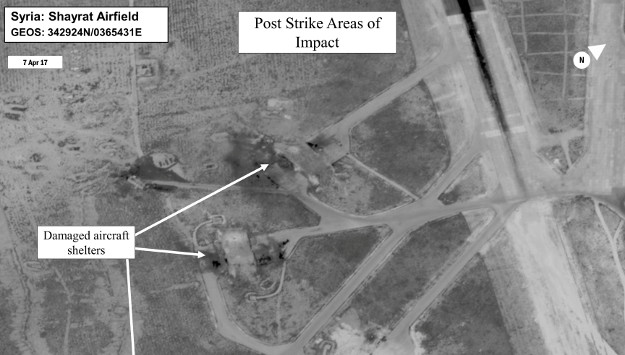
U.S. cruise missile strikes on al-Shayrat airfield northeast of Damascus early April 7 have changed the dynamics of the Syrian war. The strikes were intended as a clear and contained message to the Assad regime that the barbarism of the Syrian government has its limits. It was not a declaration of war by the United States, but it served to delineate last week’s message from the Americans that regime change in Damascus was “not practical”, a message that may have given Bashar al-Assad the impression that he now had a free hand in the war.
U.S. Strike in Syria Prompts Angry Reaction, Threats from Tehran
Iranian officials condemned the Trump administration’s missile strikes against a Syrian airfield used for an alleged chemical attack against civilians. “We strongly condemn any unilateral military action and missile attack against the Shayrat airbase in Syria by American warships.
Iran-Controlled Militia Group Says U.S. Strike Won’t Alter War Trajectory in Syria
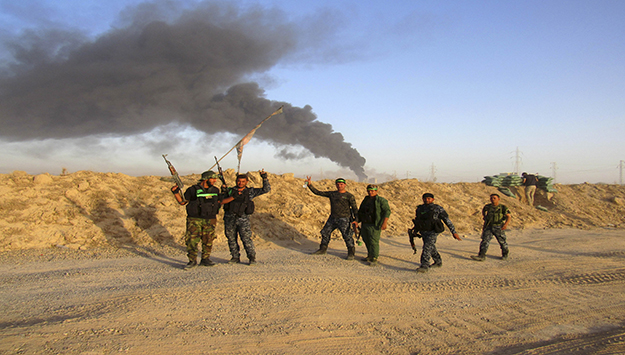
A prominent Iran-backed Iraqi militia group fighting in Syria has announced that the U.S. military strike will not change the trajectory of the Syrian war, the Iranian media reports.
April 6, 2017 – Paul Salem explains three ways that the Syrian government’s use of chemical weapons against civilians is already impacting the Trump administration’s policy toward Syria.
While Iraq’s efforts to dislodge the Islamic State (ISIS) from Mosul have proceeded better than expected, the Iraqi political class must now face the complicated and divisive matters that it has failed to address for years. While the battle to liberate all of Iraq from ISIS is not over, three issues remain sources of tension: decentralization, the presence of foreign troops in the north, and the status of disputed territories such as Kirkuk, between the Kurds and the central government.
I.R.G.C. Media Defends Assad as U.S. Mulls Military Responses to Syrian Chemical Attack
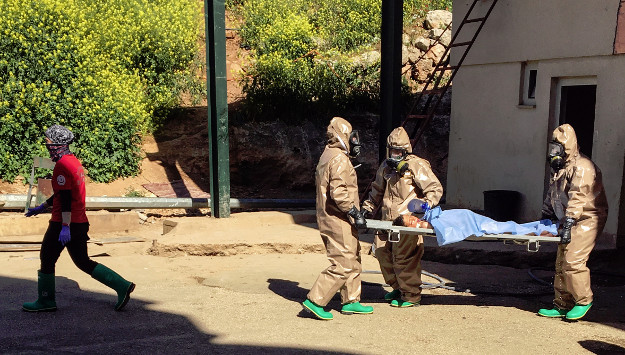
While more evidence is surfacing that suggests the Syrian army may have been behind the chemical attack that killed scores of civilians in Syria, Iranian media outlets affiliated with the Islamic Revolution Guards Corps (I.R.G.C.) continue to defend the regime of Bashar al-Assad. They argue that Damascus was not responsible for the killings. “Without doubt, the claims by Syrian opposition groups and some western and Arab countries that the Syrian army has used chemical weapons in Idlib can be categorically rejected.
Protecting India’s Interests in the Middle East: Militancy and Non-state Actors
This essay discusses the threat that ISIS has posed to India, which has significant stakes in the Gulf but remains an ambivalent presence in the region. The future trajectory of the world’s largest democracy’s relations with the Middle East remains a grey area, but one that in the future, could become a defining relationship for global security.
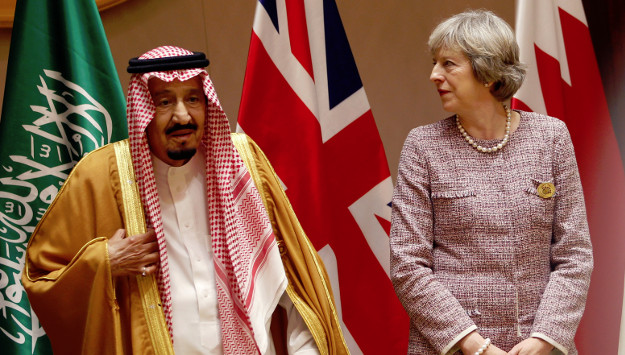
British Premier’s Remarks in Riyadh Prompt Angry Reaction from Tehran
The Iranian Foreign Ministry has reacted angrily to British Prime Minister Theresa May’s latest comments about Tehran’s destabilizing role in the Middle East, the ministry’s official website re