This individual is a guest contributor. MEI is not able to assist with contact requests.
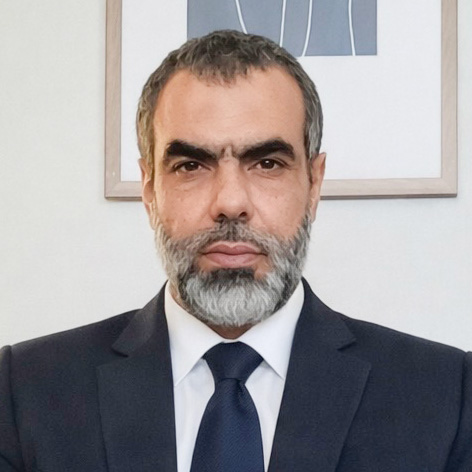
Attiya Ahmad is Georgetown University’s 2009-10 Center for International and Regional Studies Post-Doctoral Fellow. She recently completed her PhD in Cultural Anthropology at Duke University. Dr. Ahmad’s work brings together scholarship on Islamic studies, globalization, diaspora and migration studies, economic anthropology, and political economy.
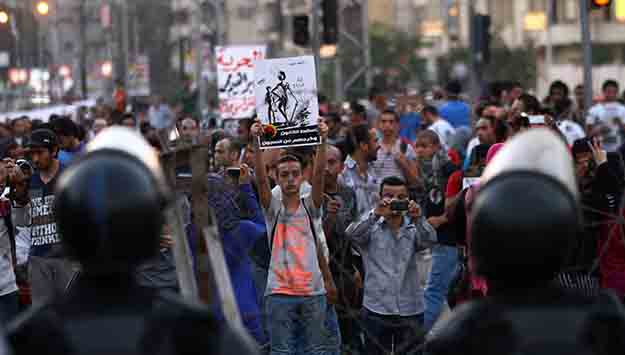
Egypt’s Supreme Constitutional Court (S.C.C.) recently ruled that a central element of the country’s controversial Protest Law relating to police power to ban public demonstrations is unconstitutional.
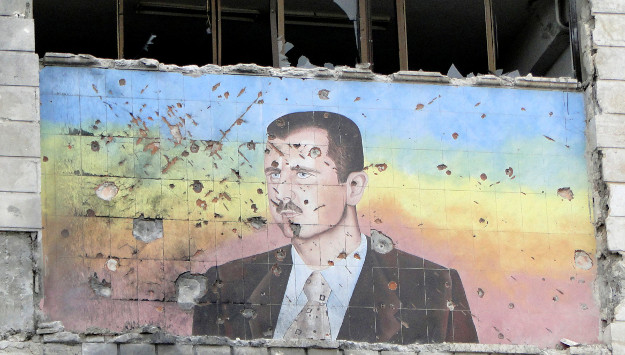
As President Bashar Assad’s army pushes into the last few neighborhoods controlled by rebels in Aleppo, the Syrian leader can claim a stronger position than at any point since the early days of a war that broke out in 2011.
Men of the Mosque and Market: The Case of Malaysia
This brief ethnographic essay explores developments in Malaysia’s Islamic economy, not by focusing on the technical, sharia-based structuring of investment products, but on the corporate culture that has emerged alongside it. Based on interviews conducted with Malaysian corporate elites, the author shows that the latter — mobile Muslim professionals with global aspirations and networks — believe that Islam and sharia not only provide an ethical and moral template for participating in economic life and the human engagements that emerge from it, but also for organizing and managing the very structures and social relations of corporations.
New to the Oman Library’s shelves is a distinct collection, donated by Sallie Lewis on behalf of her late husband, Ambassador Samuel Lewis. This new addition brings a unique set of stories to the library, with many works containing signatures and personal notes from well known figures who worked closely with the ambassador during his career in the foreign service.
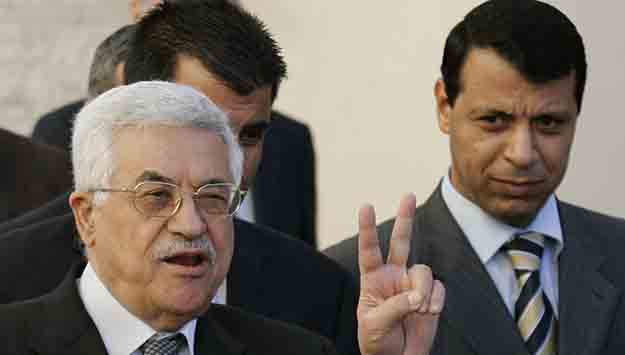
Mahmoud Abbas is soon to be 82 years old. He officially holds three titles, one as Chairman of the Palestine Liberation Organization (P.L.O.), one as the President of the Palestinian Authority, and one as the head of the Fatah party. The last of these titles was renewed this past week as Fatah held its party congress and re-elected the octogenarian leader.
Iran Alarms Region with Plan for Nuclear-Powered Ships
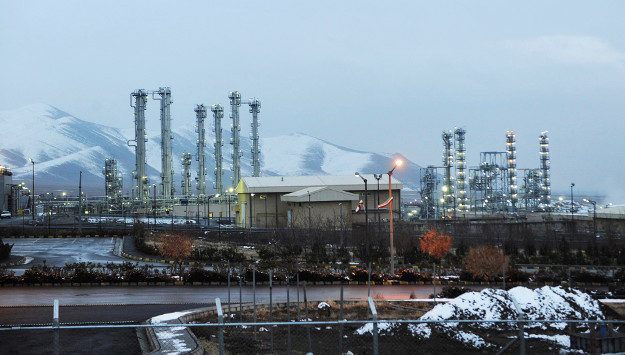
In response to the renewal of the Iran Sanctions Act (ISA) by the US Congress, Iran’s President Hassan Rouhani has ordered the Atomic Energy Organization of Iran (AEOI) to start the development of nuclear-powered ships.
Piety and Profession: Transnational Valuation Circuit of Private Halal Certifiers
This essay discusses private halal certification agencies, which have come to serve as a source of moral authority. The certificates that these agencies issue serve as “judgment devices” that allow entrepreneurs and consumers to transcend doubt about the quality and value of the products offered in the market. But what explains the authority of these agencies, which were able to turn pious aspirations into professional pursuit of analyzing and attesting to a business’s halal status? The argument here is that the authority of the certifiers is partly derived from transnational valuation circuits, through which local certification agencies draw on the authority of more established accreditors.
Monday Briefing: Egypt Faces New Wave of Terrorist Attacks
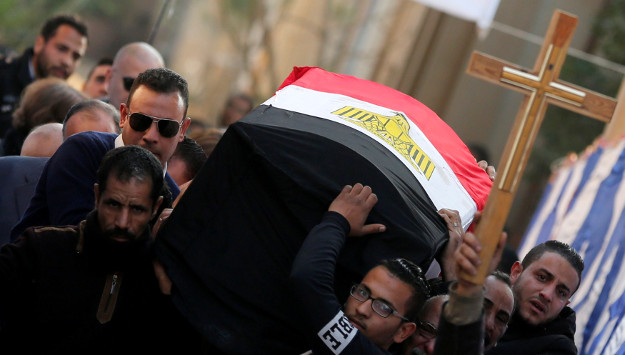
In this week’s Monday Briefing, MEI experts Paul Salem, Randa Slim, Charles Lister, Jean-François Seznec, Eran Etzion, and Marvin G. Weinbaum provide analysis on recent and upcoming events including yesterday’s terrorist attack on the Coptic Christian Cathedral in Cairo, the Sryian regime’s progress in retaking Aleppo, the continued threat presented by ISIS, the potential selection of Rex Tillerson as the next Secretary of State, Ash Carter’s farewell trip to Israel, and new Congressional pressure for Pakistan to crack down on the Haqqani Network.
IRGC Increases Ballistic Missile Production despite Sanctions
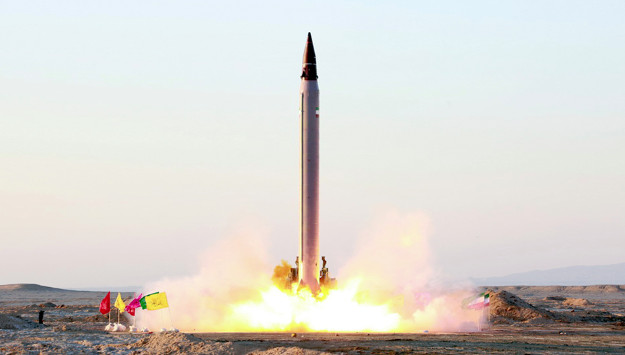
In a remark that may stir concern in the United States, Israel and the Gulf region, a senior commander of the Islamic Republic Revolution Guards Corps (IRGC) says his country has increased the production of ballistic missiles despite international sanctions.
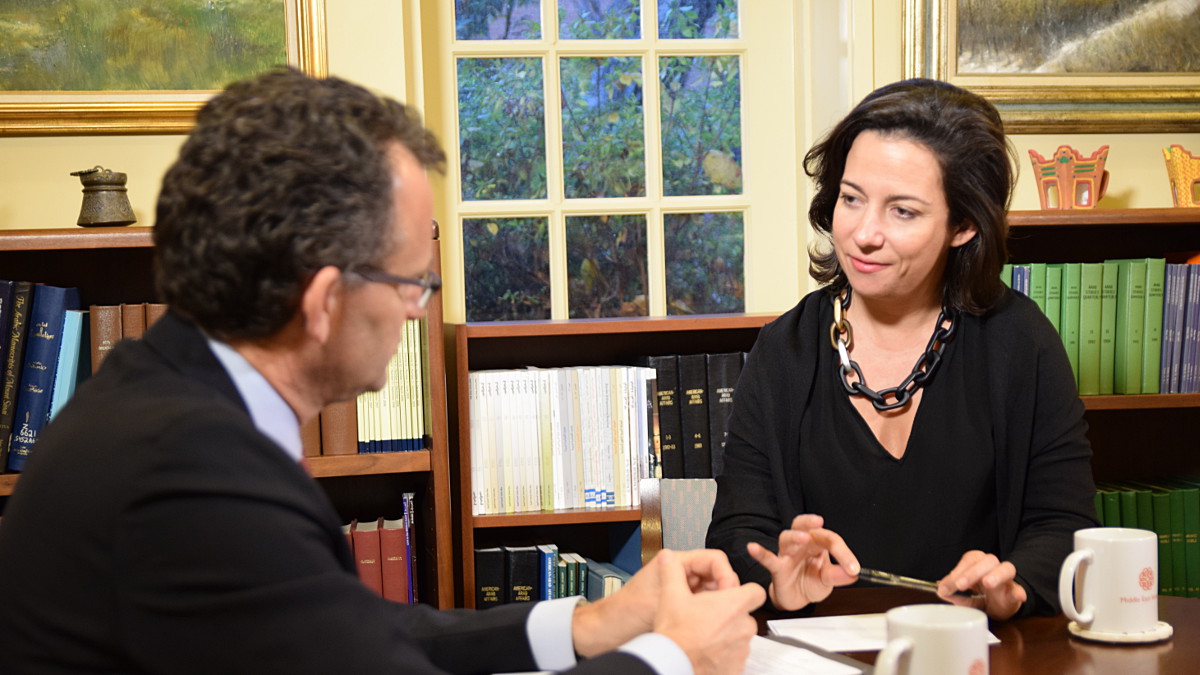
December 7, 2016 – BBC correspondent Kim Ghattas shares insights from her time on the trail covering the Clinton campaign and discusses the formation of Donald Trump’s foreign policy team with host Paul Salem.
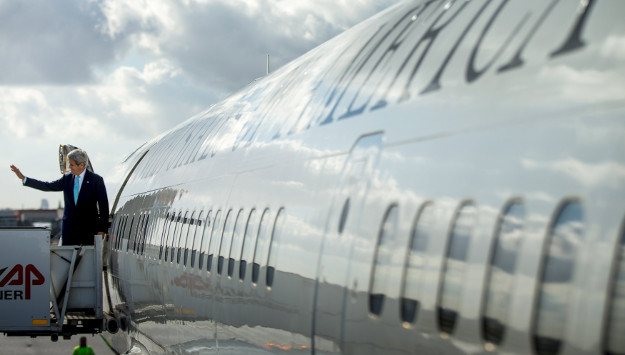
As President Barack Obama’s tenure draws to a close, Washington is turning its attention to one of its silliest traditions: toting up the travel statistics of the outgoing secretary of state, as if miles traveled correlated to diplomatic achievement.
Mobile Muslim Professionals: Transregional Connectivities
This essay introduces “Muslim professionalism” as a concept to examine the multifarious links between Islam and economic activity in the era of post-cold-war globalization and neoliberalism. Adopting a transregional perspective that conflates Muslim realities in Southeast Asia, Central Asia and the Middle East, the essay discusses the interlacing of local, national and global aspects and invites the reader to conceive Muslim professionalism through the lens of spatial mobility and cross-border connectedness.
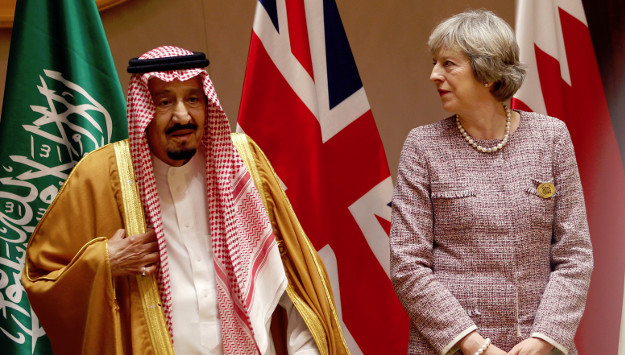
British Premier’s Remarks at G.C.C. Summit Trouble Iran
British Prime Minister Theresa May’s remarks at the Gulf Cooperation Council summit about the need to “push back against Iran’s aggressive” actions in the Middle East have provoked angry reactions and threats from Iranian leaders.
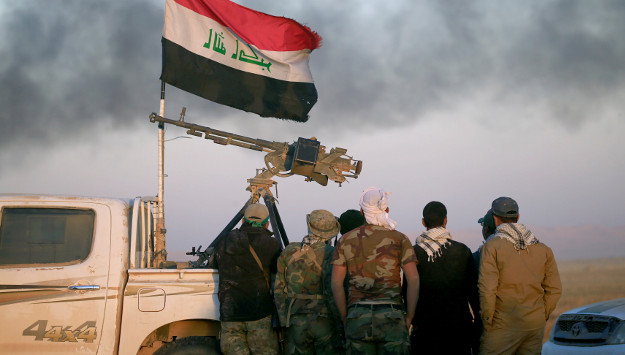
Iraqi Militia Forces Advance toward Tal Afar despite Sunnis’ Concerns
Despite repeated objections by some Iraqi Sunnis and regional Sunni states, the Popular Mobilization Forces (PMF) are continuing to play a major role in the battle of Mosul.
This essay discusses Japan’s long-standing energy dependence on the Middle East and the complications arising from it, with a focus on relations with Iran. More specifically, it looks at the risks and potential rewards of the revival and strengthening of Japan’s economic relations with Iran in the wake of the nuclear deal.