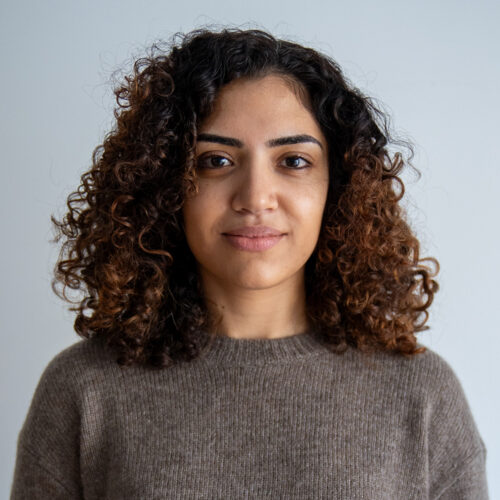
This individual is a guest contributor. MEI is not able to assist with contact requests.
Attiya Ahmad is Georgetown University’s 2009-10 Center for International and Regional Studies Post-Doctoral Fellow. She recently completed her PhD in Cultural Anthropology at Duke University. Dr. Ahmad’s work brings together scholarship on Islamic studies, globalization, diaspora and migration studies, economic anthropology, and political economy.
The New Wave of Violence between Israelis and Palestinians: The View from Israel
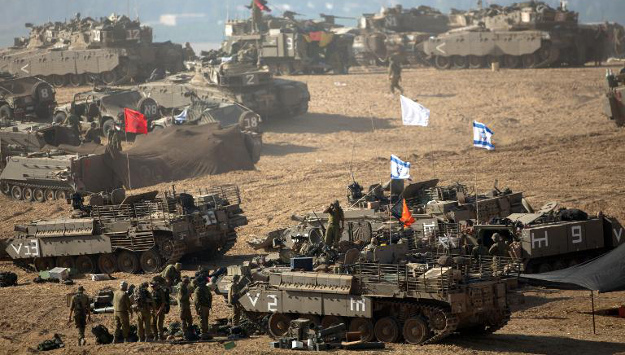
The recent wave of violence between Israel and Hamas, which to date has resulted in the death of more than 100 Palestinians and the injury of several Israelis, continues to escalate with no clear sign of when it might end.
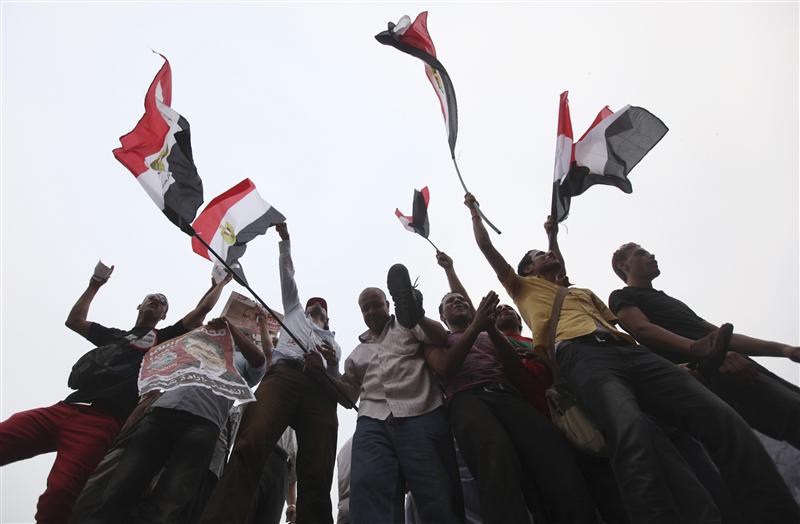
One year after the massive June 30 demonstrations against the Muslim Brotherhood (MB) and the July 3 ouster of President Mohammad Morsi by the military, the Egyptian MB is facing grave challenges that will shape the group’s future and that of political Islam.
Religious Pluralism versus Intolerance: Sectarian Violence in Indonesia
Religious pluralism has been under threat and sectarianism on the rise during the ten-year (2004-2014) tenure of outgoing president Susilo Bambang Yudhoyono. Carool Kersten explains how local and regional authorities condone (and sometimes even stimulate) intimidation and hate crimes.
Ibrahim al-Badri (also known as Abu Bakr al-Baghdadi) is being presented to the world by his followers as Commander of the Faithful of a new Islamic Caliphate.[1] How much weight can be attached to that move?
Foreign Fighters in Syria and the Threat of Domestic Terrorism in Europe
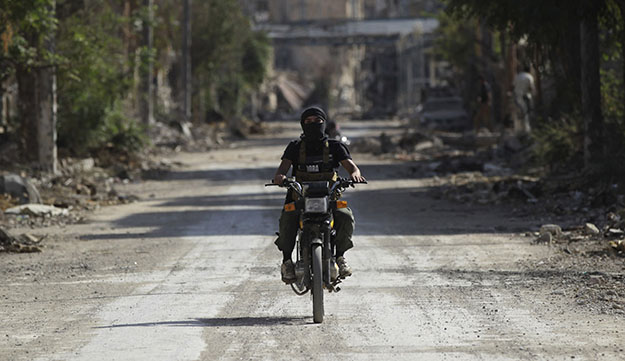
Westerners who have joined the ranks of radical groups fighting in Syria have been likened to time bombs—and in May one of them exploded in Brussels. Belgian police released chilling images from surveillance cameras of the lone gunman’s attack on Brussels’ Jewish Museum in Sablon, a neighborhood of genteel antique stores and chocolatiers.
Though it was not at the forefront of the pro-democracy movement, Egyptian labor played a decisive role in bringing down the Mubarak regime in 2011. Labor demonstrations had been increasing since late 2004, which helped to foster the atmosphere of protest in which Egyptians took to the streets in the thousands. The labor protests had emerged outside of the state-run Egyptian Trade Union Federation (ETUF), as workers felt that the institution that was supposedly representing their interests was actually defending the interests of the regime.
Sectarian Conflict and Grassroots Peacebuilding in Central Java
Religiously-inspired anti-pluralist actions, vigilante attacks, Islamist extremism, and terrorism—as well as a spectrum of ethnically, regionally, and religiously-based civilian groupings and paramilitary bands—have figured in Indonesian politics since the downfall of Suharto’s New Order dictatorial regime in 1998. However, not all areas of the country have experienced sectarian violence. Not all Indonesian Muslims are fanatics or zealots, nor are Muslim radicals the only agents of conflict. On the contrary, there are many instructive and inspiring examples across contemporary Indonesia of local leaders and communities that have produced and sustained religious harmony.
With the Syrian civil war raging and the ISIS offensive in northern Iraq creating a fresh crisis, Turkey now effectively has two failed states on its southern border and is dealing with new security, political, and economic challenges. Gonul Tol, director of MEI’s Turkish Center, explains how Turkey is responding to this predicament.
The swift and violent rise of the Islamic State in Iraq and Syria (ISIS) continues to rattle the cages of power in Tehran. Overnight, Iran’s ally in Baghdad, Prime Minister Nuri al-Maliki, is suddenly fighting for his political life and the country of Iraq, which he had largely inherited from the Americans. Maliki has been a solid friend of Iran, but rapidly shifting realities inside Iraq can turn him into an expendable ally, making him more into a liability than an asset.