This individual is a guest contributor. MEI is not able to assist with contact requests.
Attiya Ahmad is Georgetown University’s 2009-10 Center for International and Regional Studies Post-Doctoral Fellow. She recently completed her PhD in Cultural Anthropology at Duke University. Dr. Ahmad’s work brings together scholarship on Islamic studies, globalization, diaspora and migration studies, economic anthropology, and political economy.
Egyptians have headed to the polls to elect a president for the second time since the January 2011 revolution. Field Marshal Abdul-Fattah el-Sisi is expected to win by a wide margin over the only other contender, leftist politician Hamdeen Sabahi. The magnitude of that victory, however, will have an important impact on Sisi’s electoral mandate, and many questions remain about what he plans to do with it once in power.
Kuwait: At the Crossroads of Change or Political Stagnation
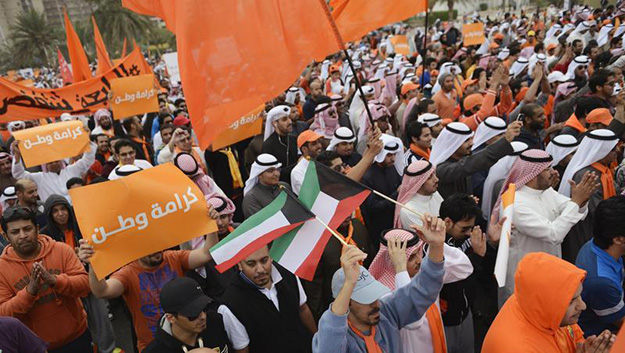
Though Kuwaitis have been striving for change, particularly since 2011, their country’s political structures remain more or less unaltered. Yet change is inevitable, writes Shafeeq Ghabra in this MEI Policy Paper. At issue is a semi-democratic system that has proven ineffective at dealing with problems such as government mismanagement, corruption, a lack of economic transparency, and inequality toward tribes and undocumented immigrants.
In 2001, there were only 34,000 Muslims living in Korea; today there are more than 150,000. Furthermore, there are over 45,000 ethnic Korean Muslims. In contrast to Europe, where over a thousand years of political, cultural, and religious interactions have shaped social attitudes toward Islam, Korea’s Muslim population remains relatively unnoticed, comprising only 0.3 percent of the total Korean population. However, Islam in Korea is in the midst of great change. With the continuing increase in international migration over the past decade from Muslim-majority countries, the Korean Muslim community is transforming into a significant social and religious force.
The Egyptian Military’s Economic Channels of Influence
Egypt’s new constitution grants the country’s generals greater autonomy and an increased formal political role. The draft authorizes military trials for civilians (Article 204) and ensures that the military’s budget be beyond civilian scrutiny. The most significant change is that the Supreme Council of the Armed Forces (SCAF) will have the final say in choosing or dismissing the defense minister for two presidential terms (Article 234).
Geography alone should make the Arab world Iran’s key foreign policy focus. Of Iran’s 13 immediate neighbors, seven are Arab countries.[1] But Tehran’s approach to the Arab world, with its 22 states extending from North Africa to the Arabian Peninsula, varies widely in intensity, and Iran’s objectives are equally varied depending on the country in question.
Civilianizing the State: Reflections on the Egyptian Conundrum
The military, though it has been the most powerful and influential actor during Egypt’s transition since 2011, is not the great deus ex machina of the Egyptian system. Rather, it is an actor that, since the fall of Mubarak, has managed to maintain some organizational coherence and legitimacy and has served as the convener for various and changing forces that are the crux of a new ruling coalition. Consequently, civilianizing the Egyptian state will require that security sector reforms be embedded in a broader set of political reforms.
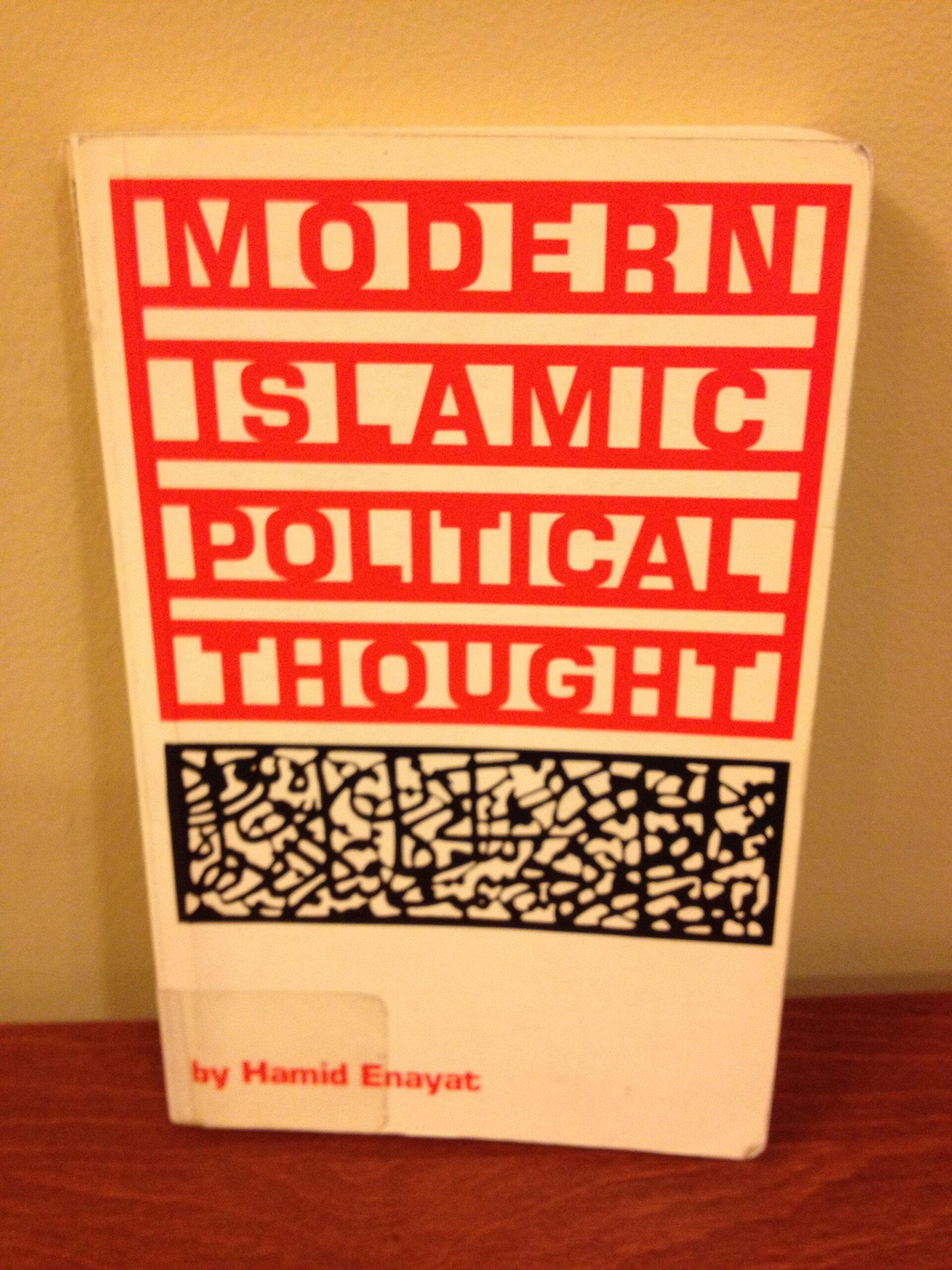
Collection Spotlight: Modern Islamic Political Thought, by Hamid Enayat, 1982
In Modern Islamic Political Thought, Hamid Enayat discusses the major currents in twentieth-century Islamic political thought. Although the work is broad in scope, at its core is the assertion that the abolition of the Caliphate was “perhaps [the] most important controversy in twentieth-century Sunni political thought.” To prove this assertion, Enayat traces Islamic political thought from the abolition of the Caliphate to the rise of Islamic fundamentalism.
Five Arab Elections in Search of a Democratic Transition
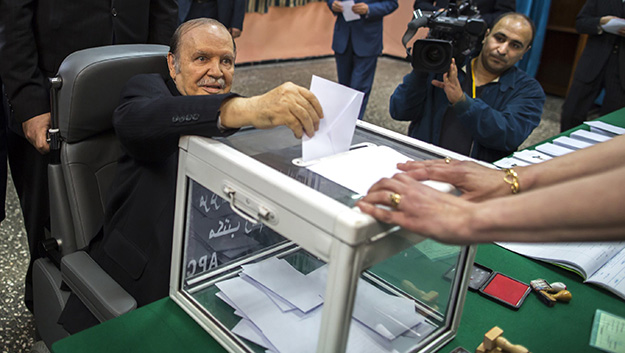
Algerian President Abdelaziz Bouteflika casts his ballot on April 17.
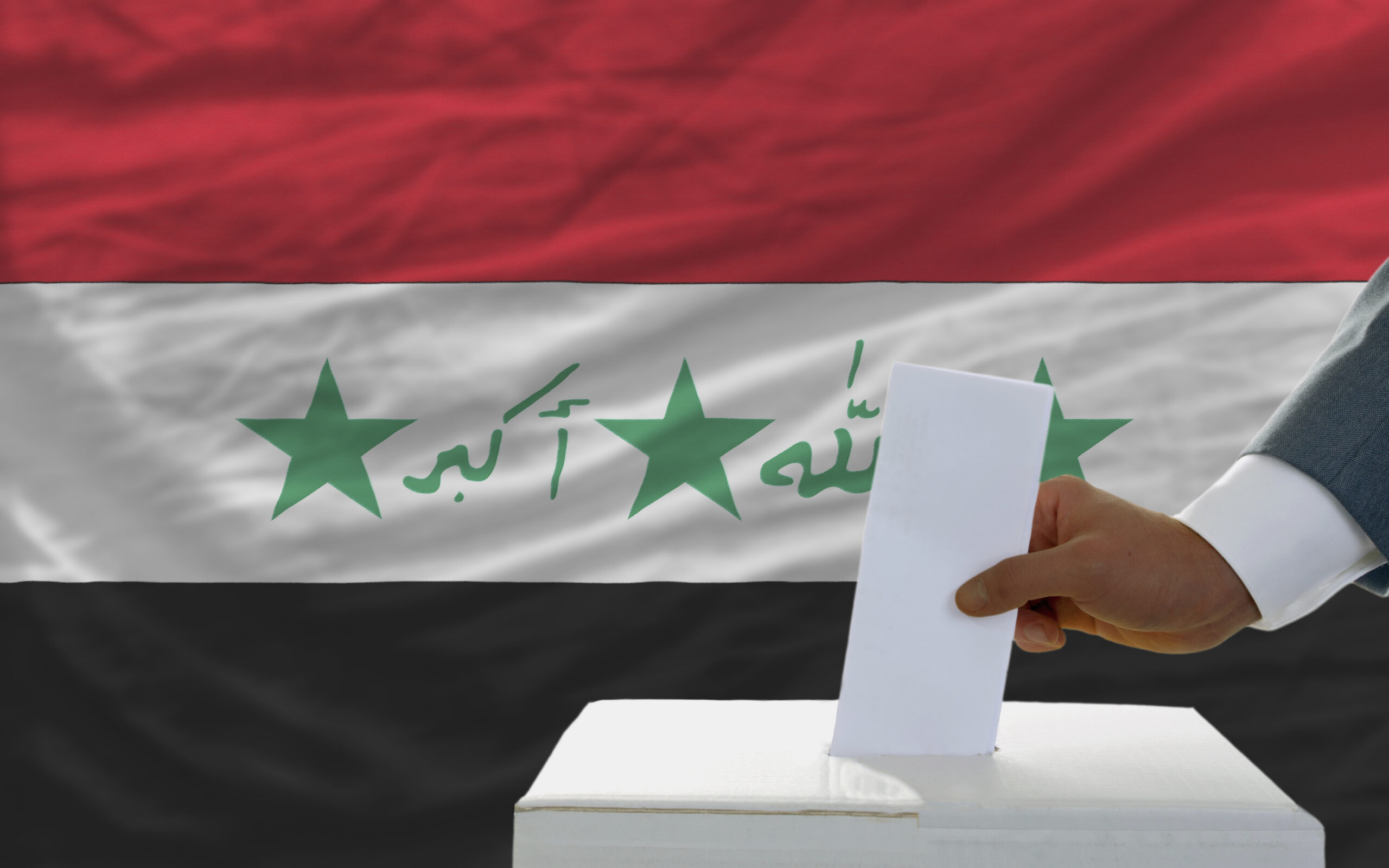
In the current two months between mid-April and early June, five Arab countries—Algeria, Lebanon, Iraq, Egypt, and even war-torn Syria—are holding key elections, with little sign that any is moving in the direction of meaningful democratic transition.