This individual is a guest contributor. MEI is not able to assist with contact requests.
Attiya Ahmad is Georgetown University’s 2009-10 Center for International and Regional Studies Post-Doctoral Fellow. She recently completed her PhD in Cultural Anthropology at Duke University. Dr. Ahmad’s work brings together scholarship on Islamic studies, globalization, diaspora and migration studies, economic anthropology, and political economy.
Dilemma for Joe Biden in dying days of his presidency
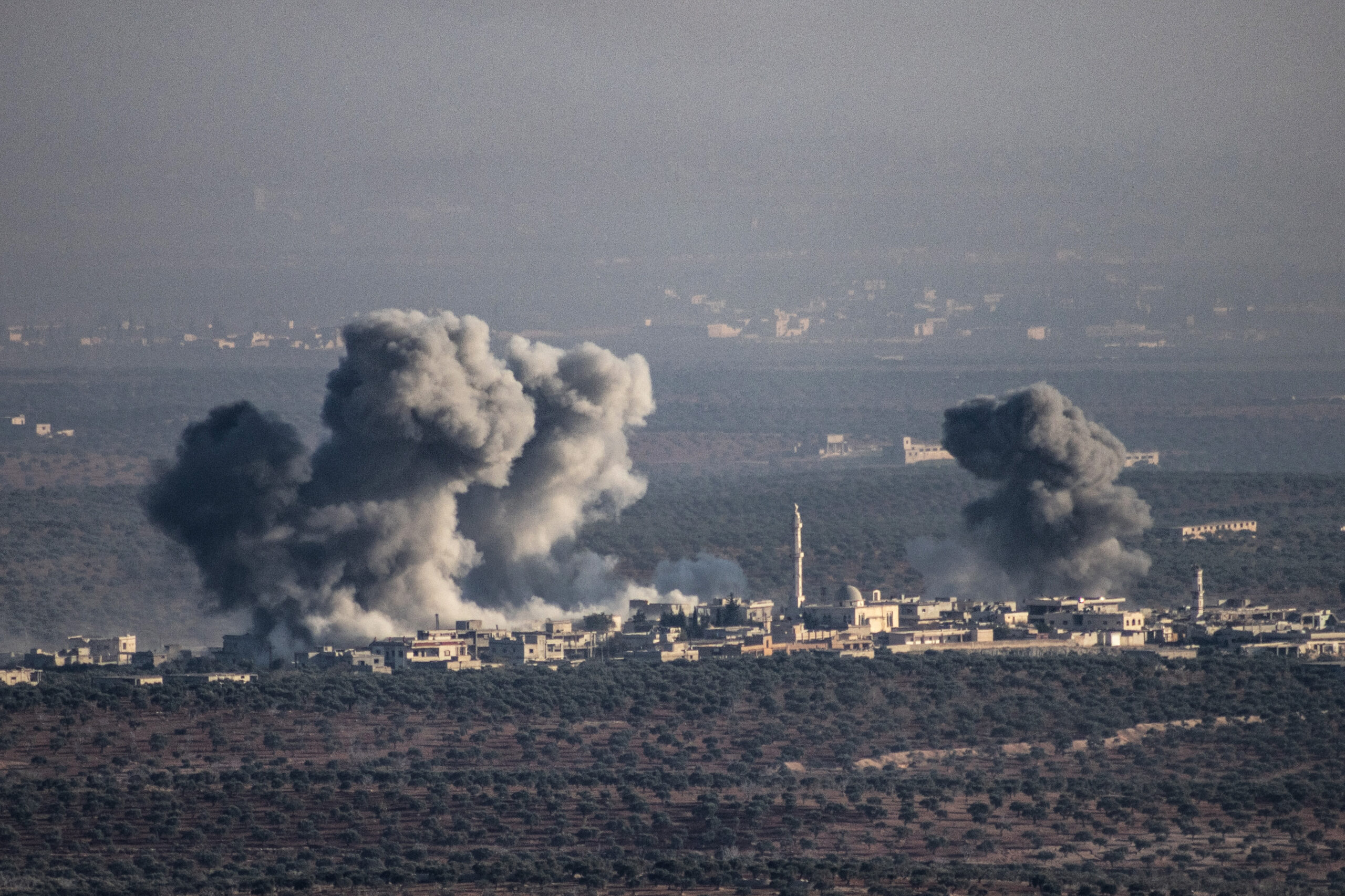
As they sweep across northern Syria, the advancing rebels are posing fundamental questions not just for the regime of Bashar al-Assad, but for watching neighbours and Western leaders.
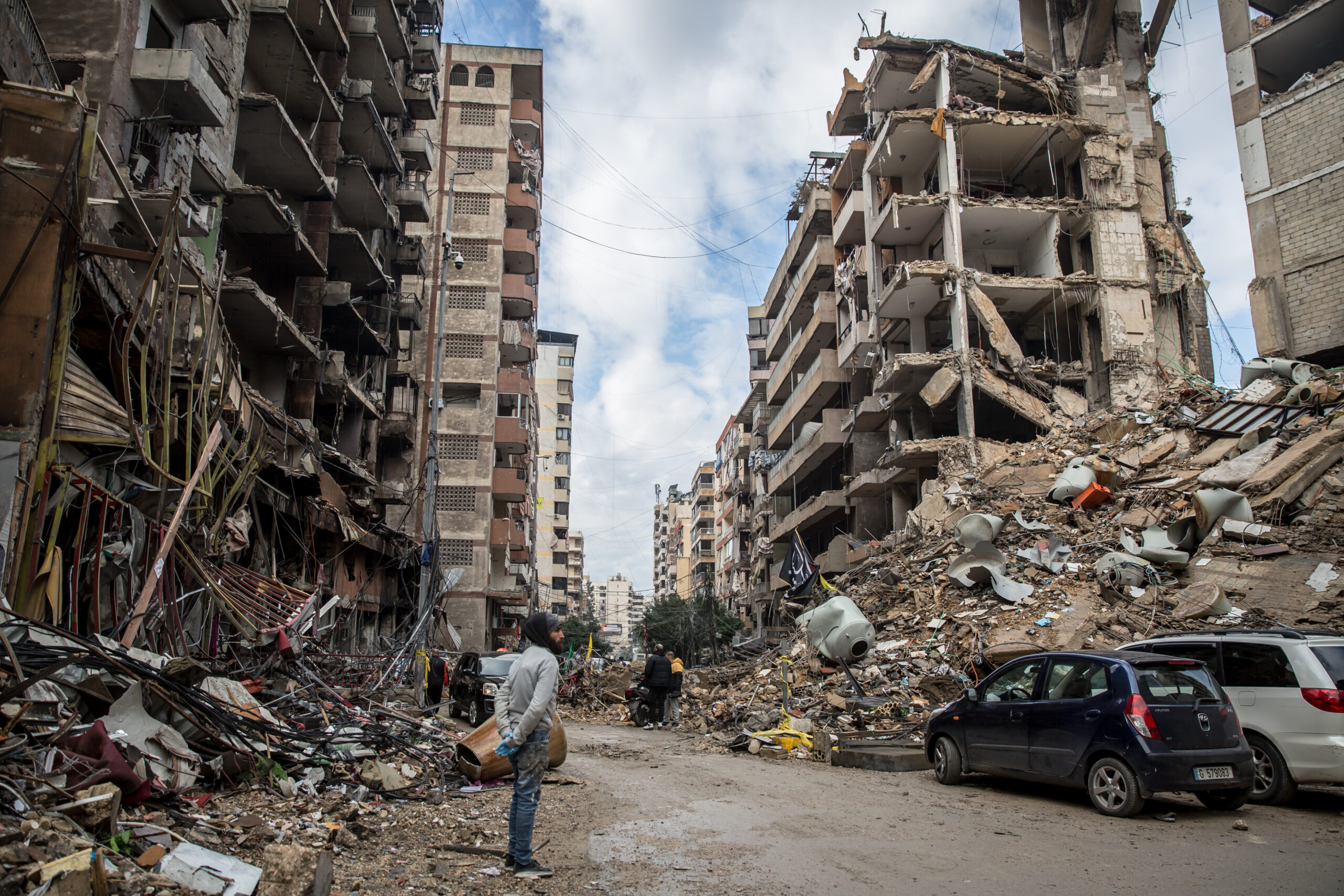
Last week, as I made my way to Beirut airport, I drove through bombed out streets in an empty city. The Lebanese national airline still bravely flew in and out, its planes weaving their way between Israeli airstrikes. I boarded my flight to attend a conference, hoping we would make it out safely. I left behind a population that had paid a very heavy price for 13 months of war between the Lebanese militant group Hezbollah and Israel: thousands of dead and injured, thousands of homes and businesses destroyed, and over 1.2 million displaced.
US success in Iraq means being a more reliable partner than Iran
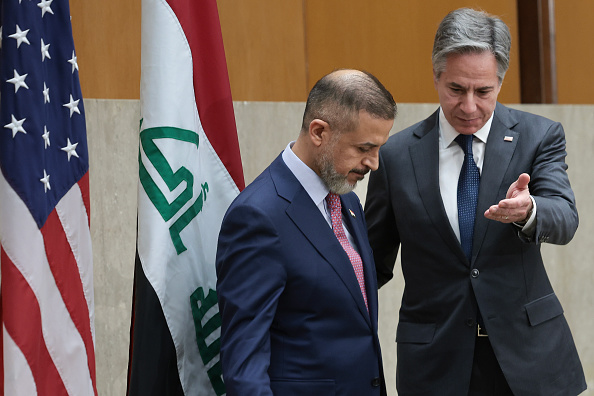
There is no quick path to limiting or reducing Iranian influence in Iraq. Tehran will react fiercely to American efforts to destroy the militias and zero-out its influence, and it would have multiple avenues to escalate through the porous 900-mile-long border between the two countries. Moreover, domestic Iraqi reaction, especially among elements of the Shi’a population, would be reticent at best and hostile at worst to intensified American military actions. Nor should it be an American goal to stoke a civil war among Iraq’s Shi’a that would give Iran new access points.
Persian Gulf-Black Sea corridor: A new era for Iran-Europe trade or just another risk?
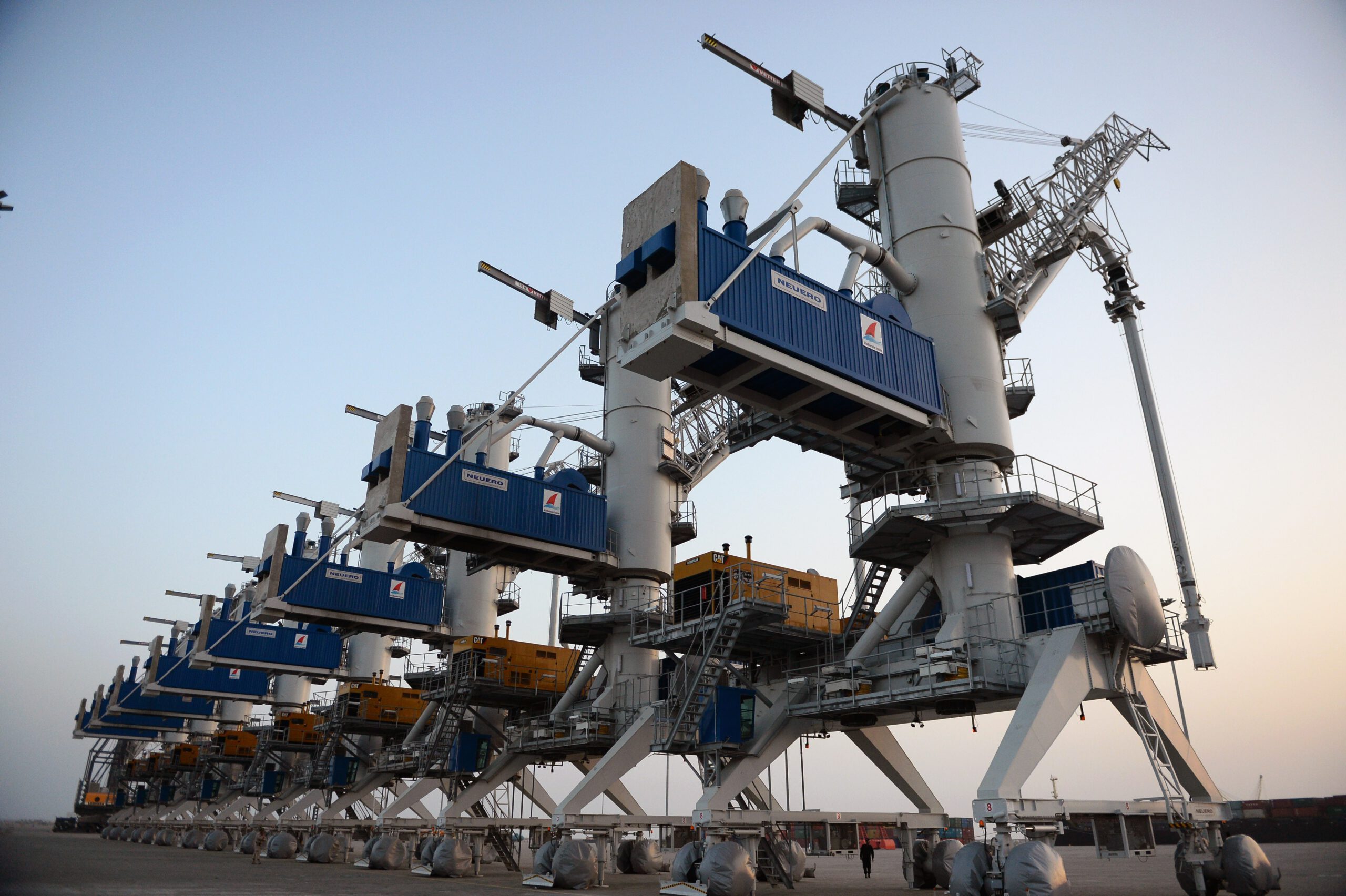
The Persian Gulf-Black Sea International Transport and Transit Corridor, which Tehran proposed eight years ago, remains relevant today in the context of strategic competition, as it offers Iran and participating countries an alternative trade route that bypasses traditional Western-dominated shipping lanes, potentially reshaping regional economic dynamics and geopolitical influence.
For decades, the MENA region’s pivotal role in the global economy has been rooted primarily in oil and gas exports. The region’s GDP grew from $1 trillion USD in 2000 to nearly $4.5 trillion in 2022, and more than 60% of that combined GDP is in its oil-exporting countries.
To counter China, Trump’s administration should build on Biden AI memo
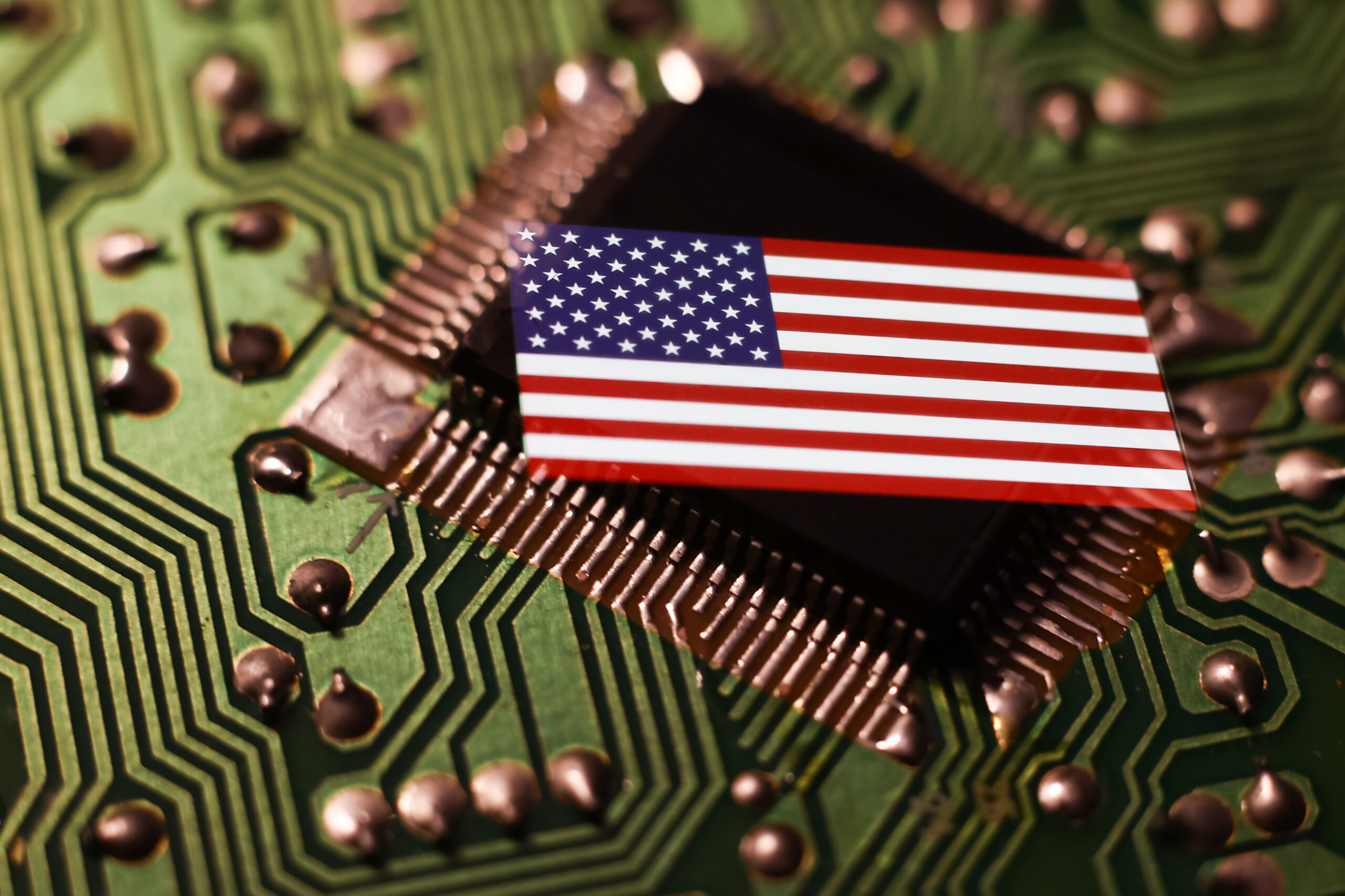
Across both the Biden and Trump administrations, the US has consistently viewed China as the primary global rival, particularly in the fast-evolving field of artificial intelligence. President Biden’s administration recently underscored this stance with the first-ever National Security Memorandum (NSM) on AI, which set a firm foundation for addressing the AI challenge posed by Beijing.
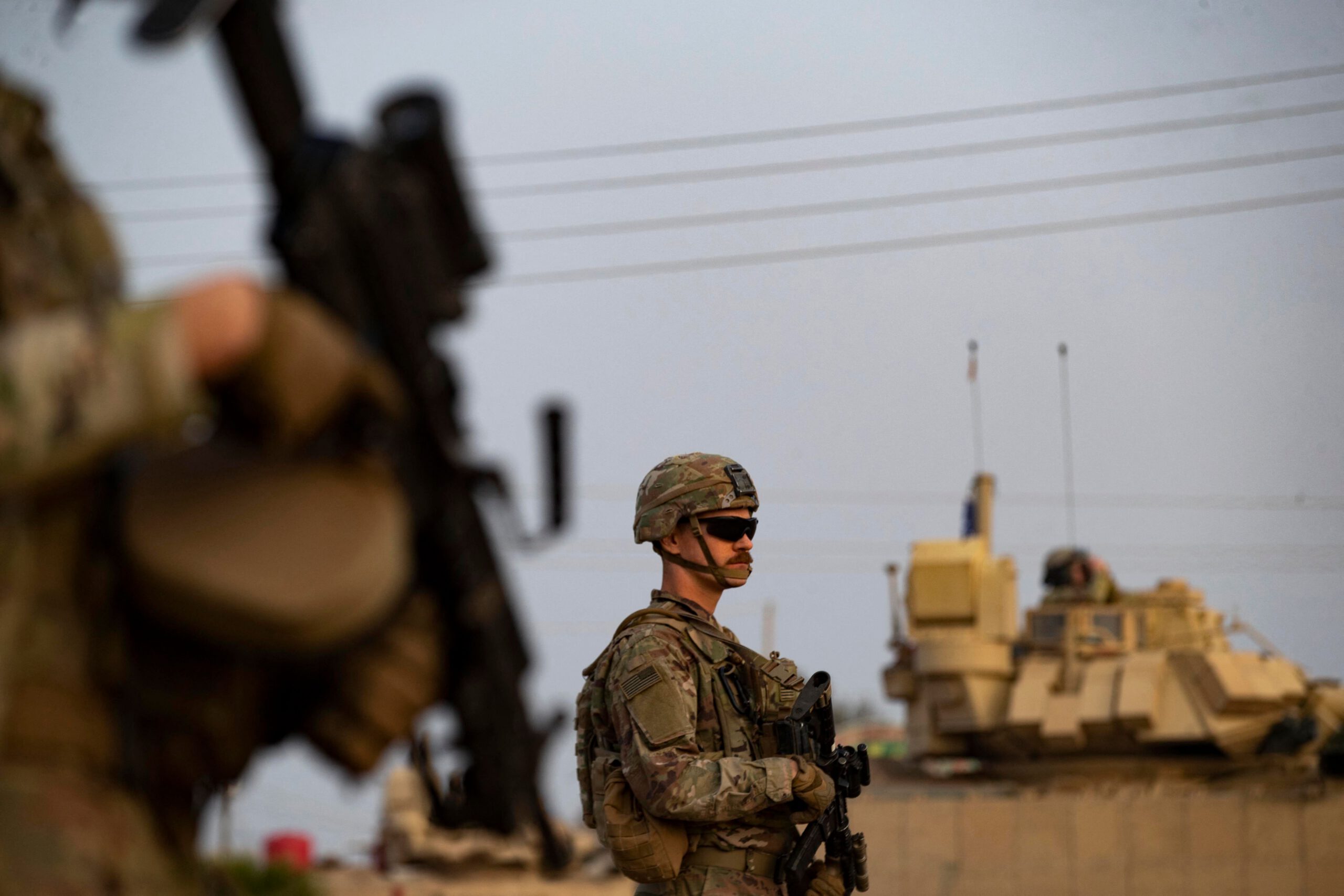
To abandon the Syria mission now would bring no meaningful benefit to the US, but it would swiftly and significantly empower America’s adversaries, like ISIS, Iran, Russia, and Assad’s regime.
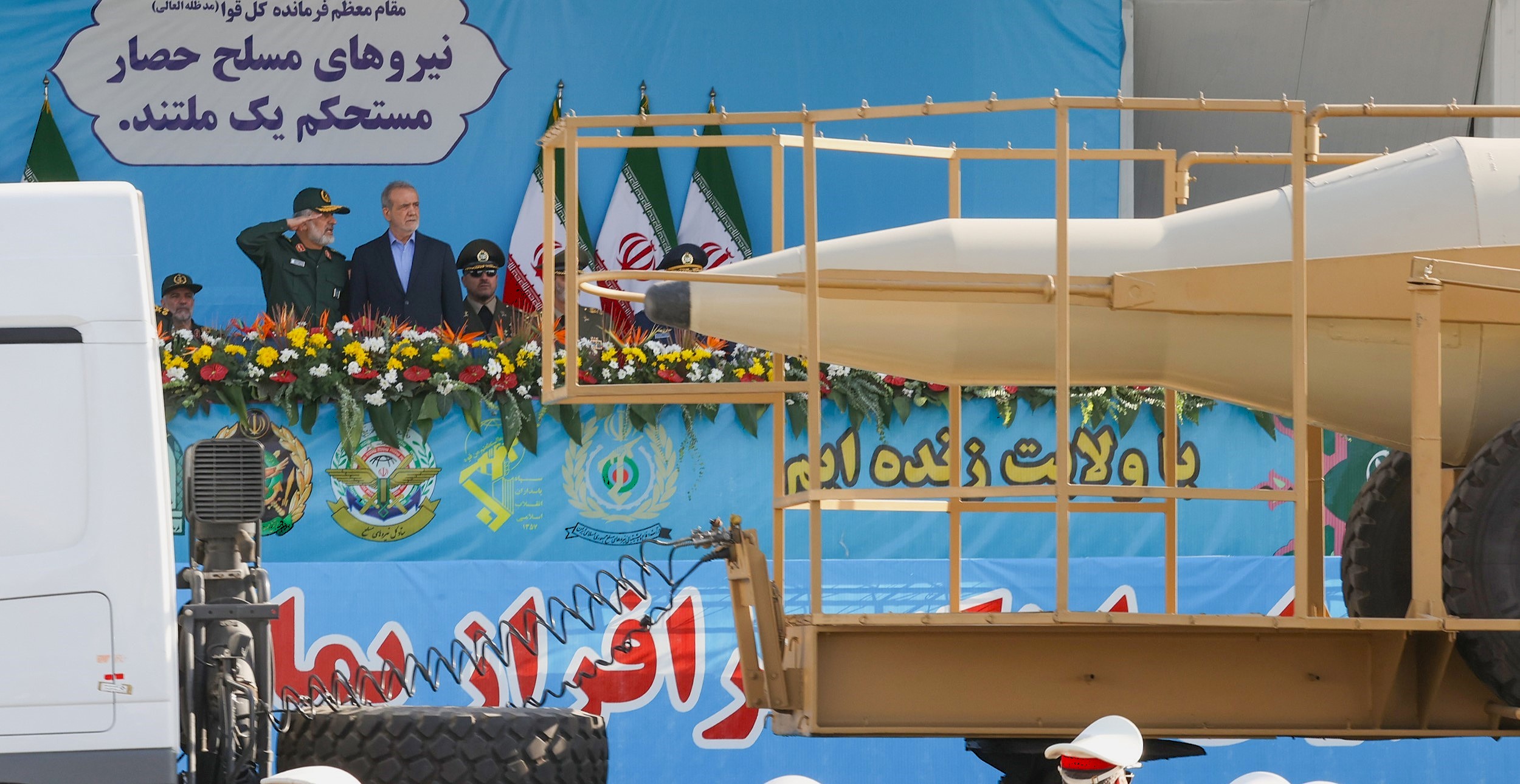
As Donald Trump prepares to return to the White House, the main question in Tehran is not so much what the incoming American president will do about Iran. Rather, it is about whether Tehran should negotiate with him.
How might US-Israeli relations evolve under the Trump administration?
MEI Senior Fellow for Israeli Affairs Nimrod Goren and Associate Research Professor Ilai Saltzman discuss potential shifts in US policy, the outlook for Israeli politics in 2025, and the challenges to advancing peace on the Israeli-Palestinian front. Tune in for expert insights on what lies ahead.
The Role of the Middle East in the US-China Race to AI Supremacy
AI is a pivotal catalyst for global innovation, with the United States at the forefront of the development of this transformative technology amid its ongoing great power rivalry with China. This report aims to define the concept of AI supremacy and to revise the US’ AI strategy in accordance with a more comprehensive understanding of it. The report also looks at how the competition has affected actors from the Middle East, namely the UAE and Saudi Arabia, attempting to steer the conversation on the global AI race toward a comprehensive conception of AI supremacy that is anchored in the realities of international affairs and US-China great power competition.
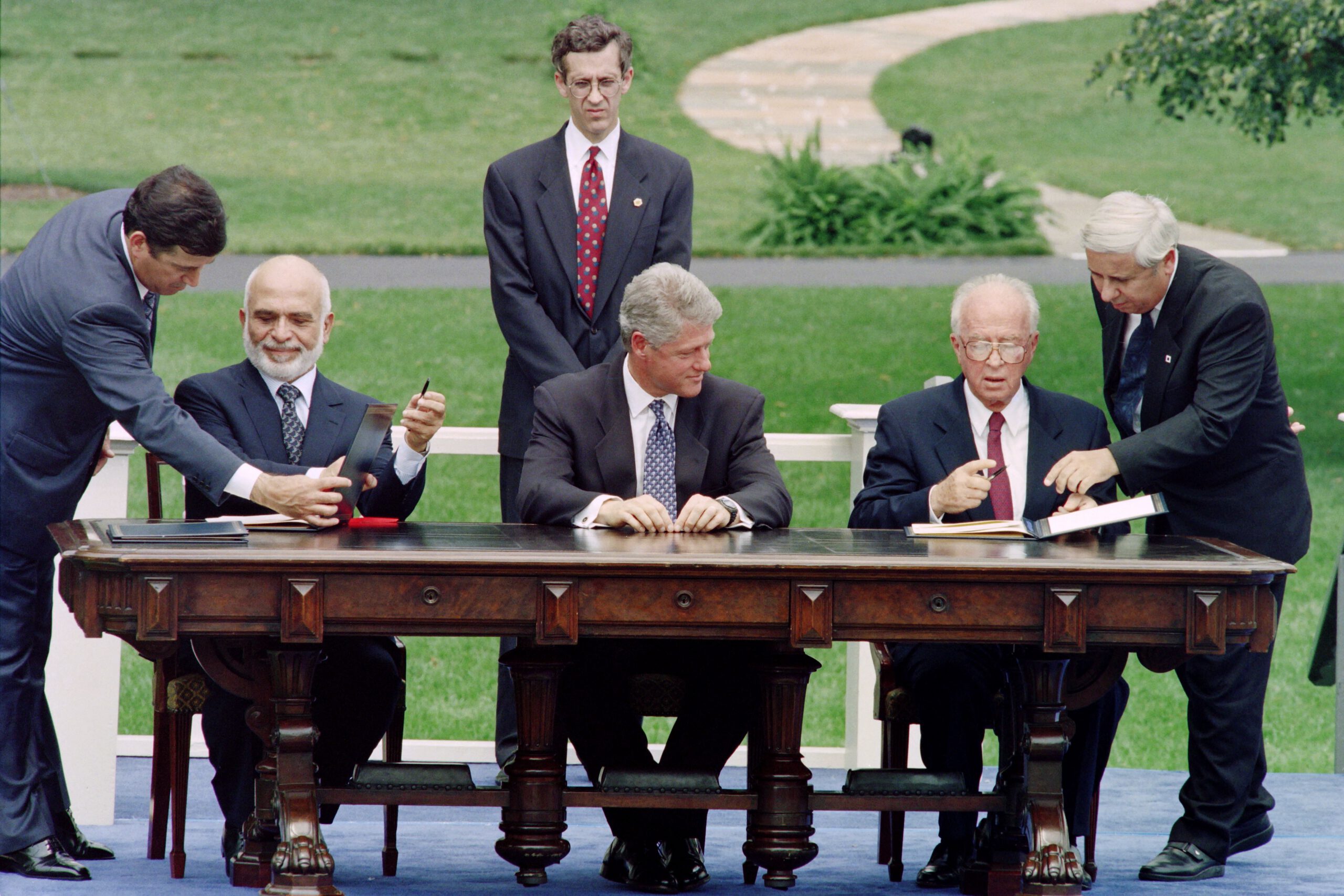
Reshaping the public discourse is key to restoring support for Israeli-Palestinian peace
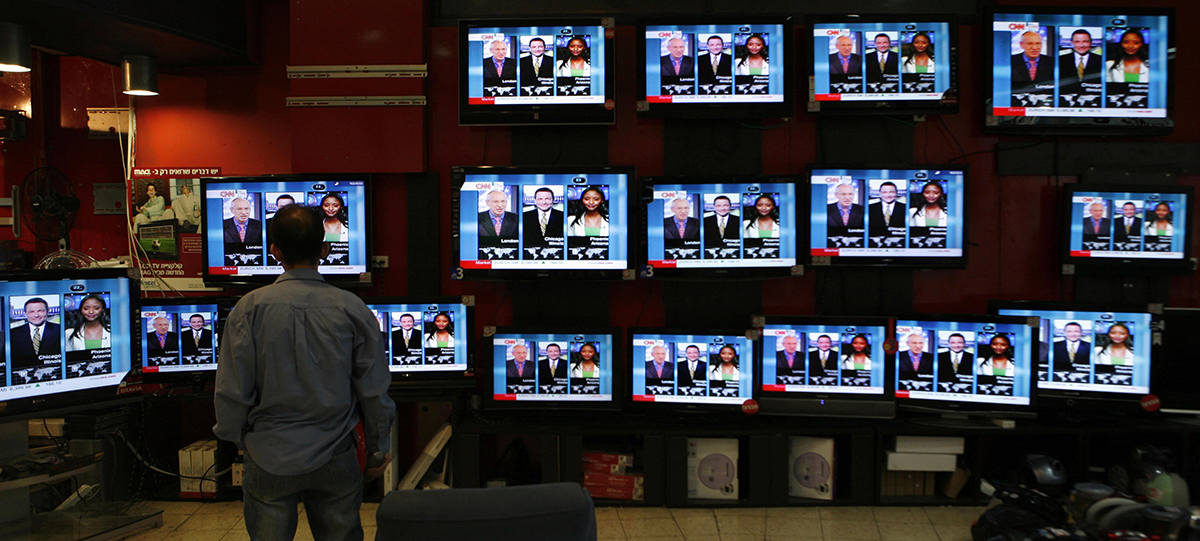
Supporters of peace, both local civil society actors and international partners, need to make a sustained effort to promote conflict resolution by shifting the public discourse of traditional and new media outlets, especially in Israel.