This individual is a guest contributor. MEI is not able to assist with contact requests.
Attiya Ahmad is Georgetown University’s 2009-10 Center for International and Regional Studies Post-Doctoral Fellow. She recently completed her PhD in Cultural Anthropology at Duke University. Dr. Ahmad’s work brings together scholarship on Islamic studies, globalization, diaspora and migration studies, economic anthropology, and political economy.
My Father Died for Pakistan, An Examination of Religious Extremism in Pakistan
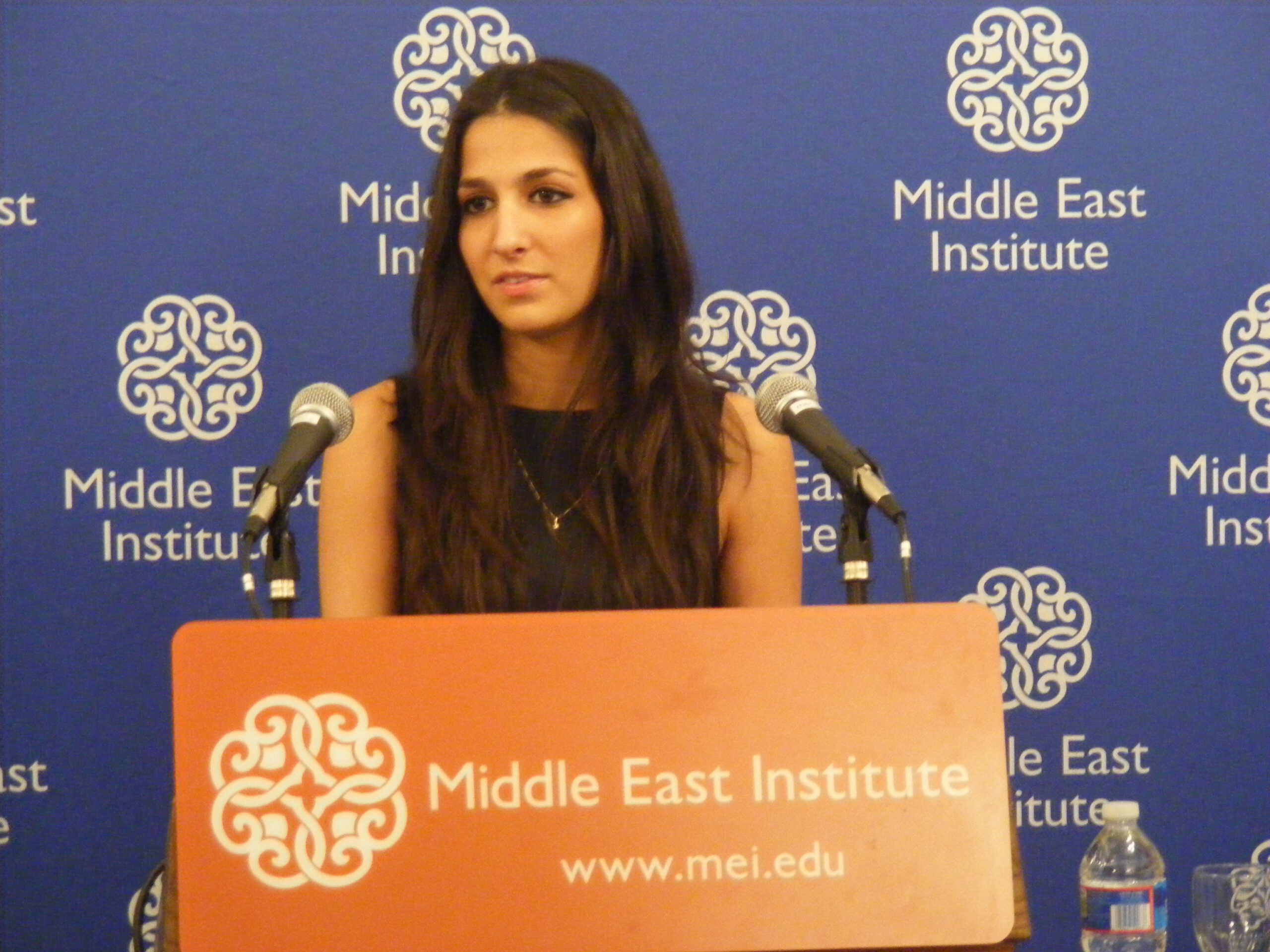
The Middle East Institute is proud to host Shehrbano Taseer, daughter of Governor Salmaan Taseer, who was murdered this past January for speaking out against the misuse of Pakistan's blasphemy laws. The assassinations of Punjab Province Governor Salmaan Taseer and Federal Minister for Minorities Affairs Shahbaz Bhatti have raised concerns about the rise of religious extremism in Pakistan. Shehrbano Taseer will discuss her father's work and legacy and offer her thoughts on the state of religious minorities and the spread of extremism in Pakistan.
After the Arab Spring: Toward Political & Economic Inclusion in the Arab World
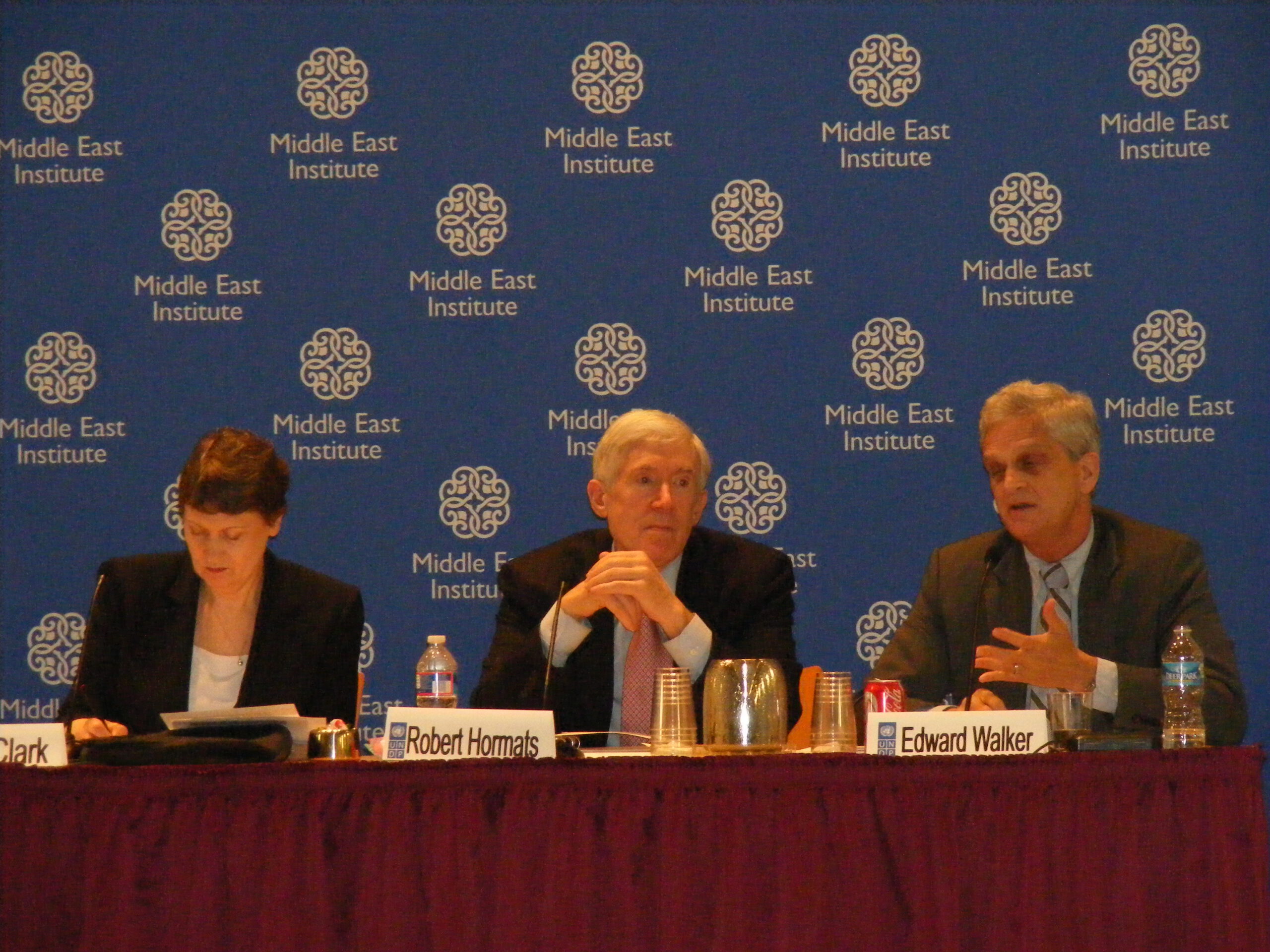
The Middle East Institute and the UNDP are proud to host a discussion with UNDP Administrator Helen Clark, Under Secretary for Economic, Energy and Agricultural Affairs Robert D. Hormats, and Middle East Institute Scholar Amb. Edward Walker about how best to address political, economic and human development needs in the Arab world today.
After the Arab Spring: Toward Political & Economic Inclusion in the Arab World
The Middle East Institute and the UNDP are proud to host a discussion with UNDP Administrator Helen Clark, Under Secretary for Economic, Energy and Agricultural Affairs Robert D. Hormats, and Middle East Institute Scholar Amb. Edward Walker about how best to address political, economic and human development needs in the Arab world today.
Palestinian Authority-Hamas Unity Agreement: An overdue step towards peace or another stone in the road?
Dr. Matti Steinberg, Israel's premier expert on Islamist politics and Hamas, has spent his career as a public intellectual and analyst of Israel's relations with the modern Arab and Islamic world. He has taught at the Hebrew University and the Herzliya Interdisciplinary Center. Dr. Steinberg has just completed a semester teaching a seminar to graduate students on Islamic Fundamentalism as a Gruss-Lipper lecturer and scholar at the Woodrow Wilson School at Princeton University.
*Co-written by James P. Farwell. This article originally appeared in the National Interest online on June 9, 2011
Informed observers are increasingly raising the fear that new elections will put the Muslim Brotherhood in control of Egypt’s parliament and the presidency. Of course it will try. Senior Brotherhood leader Sobhi Saleh, who helped write Egypt’s interim constitution, said in a recent video that he expects the new government to be Islamist.
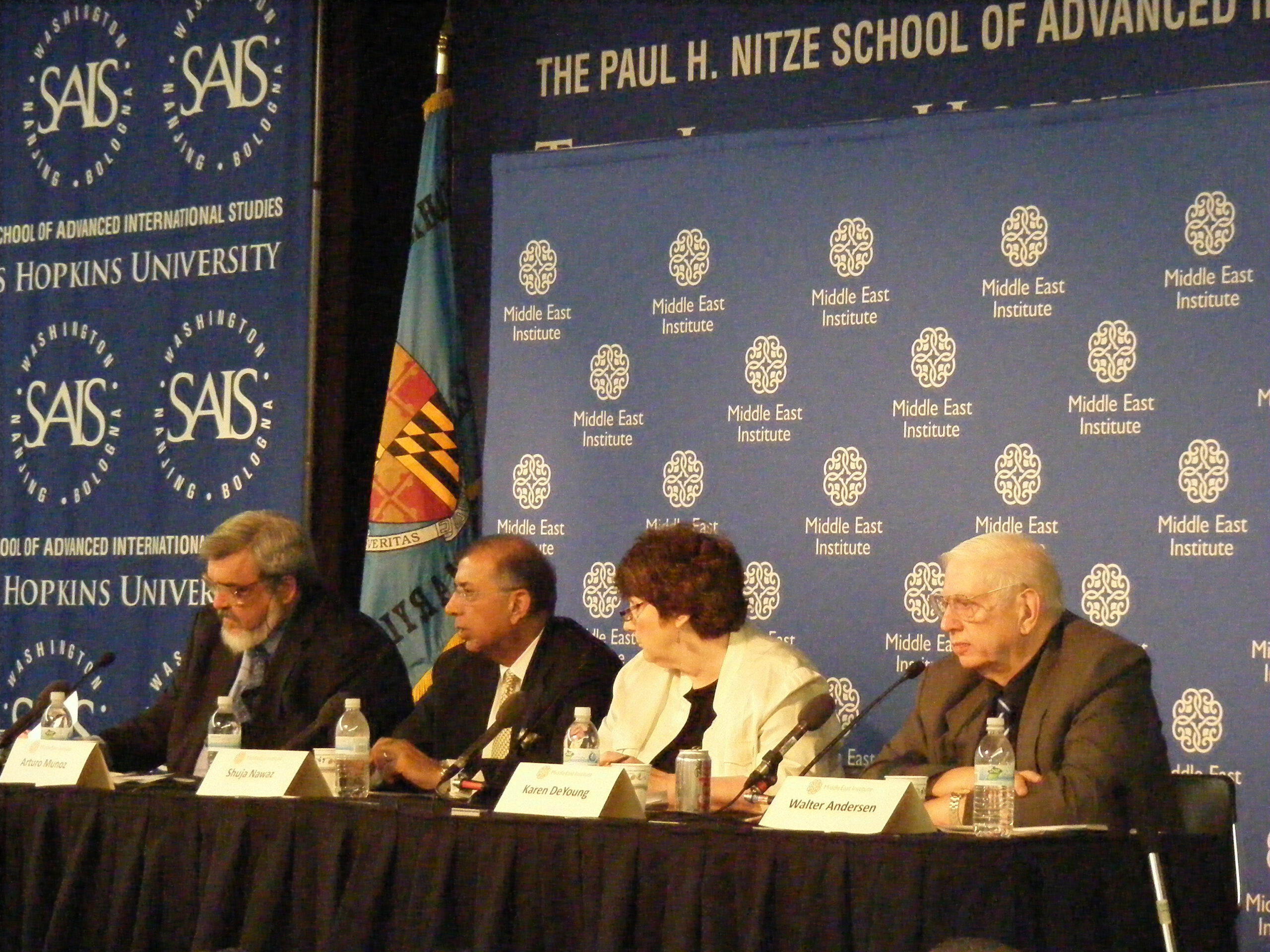
Critical attention is increasingly directed toward Pakistan's Inter-Service Intelligence (ISI) for its alleged involvement in a series of recent high profile terrorist attacks inside Pakistan as well as earlier in India and Afghanistan. The panelists will examine the scope of the ISI's activities and its composition. They will discuss its place within the military establishment and whether it ever operates as a rogue organization. Panelists will also consider to what extent the ISI's relationship with US intelligence is cooperative or competitive.
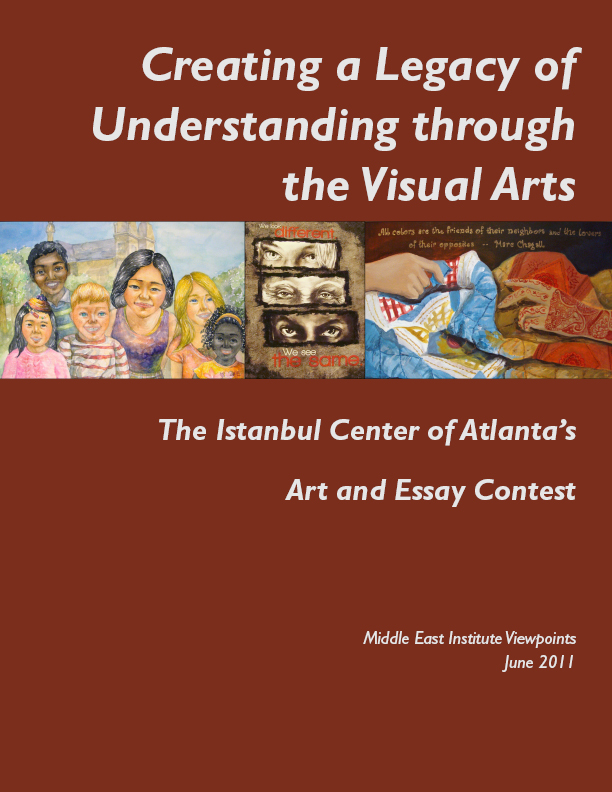
Creating a Legacy of Understanding through the Visual Arts: The Istanbul Center of Atlanta's Art and Essay Contest
This volume has been prepared for the Middle East Institute’s Viewpoints collection. Several stakeholders in the Istanbul Center of Atlanta’s Annual Art and Essay Contest have been involved in the composition of this text. Our goal is to provide a history of this successful program, as well as to define a model for the recreation of such an outreach project for other regions.