This individual is a guest contributor. MEI is not able to assist with contact requests.
Attiya Ahmad is Georgetown University’s 2009-10 Center for International and Regional Studies Post-Doctoral Fellow. She recently completed her PhD in Cultural Anthropology at Duke University. Dr. Ahmad’s work brings together scholarship on Islamic studies, globalization, diaspora and migration studies, economic anthropology, and political economy.
External and Internal Partnerships in Israeli Education
Educational reform in Israel has repeatedly shifted from expecting individual excellence to expecting access for all. Excellence and access reflects the early history of the country when Jewish funders from France, England, and Germany established educational systems for Jewish children. The Zionist organizations that structured much of the curriculum and the external funding streams insured the Jewish schools were far better funded than the British-supported schools during the Mandate.
Benefitting from the Knowledge Economy? Examining Secondary Education Reform in Jordan
Jordan today, in spite of the scarcity of its natural resources, is at the forefront of the region’s states in several areas, primary among them are education, economic growth rates, and the qualifications of the Jordanian youth who have always proved their excellence nationally and abroad.
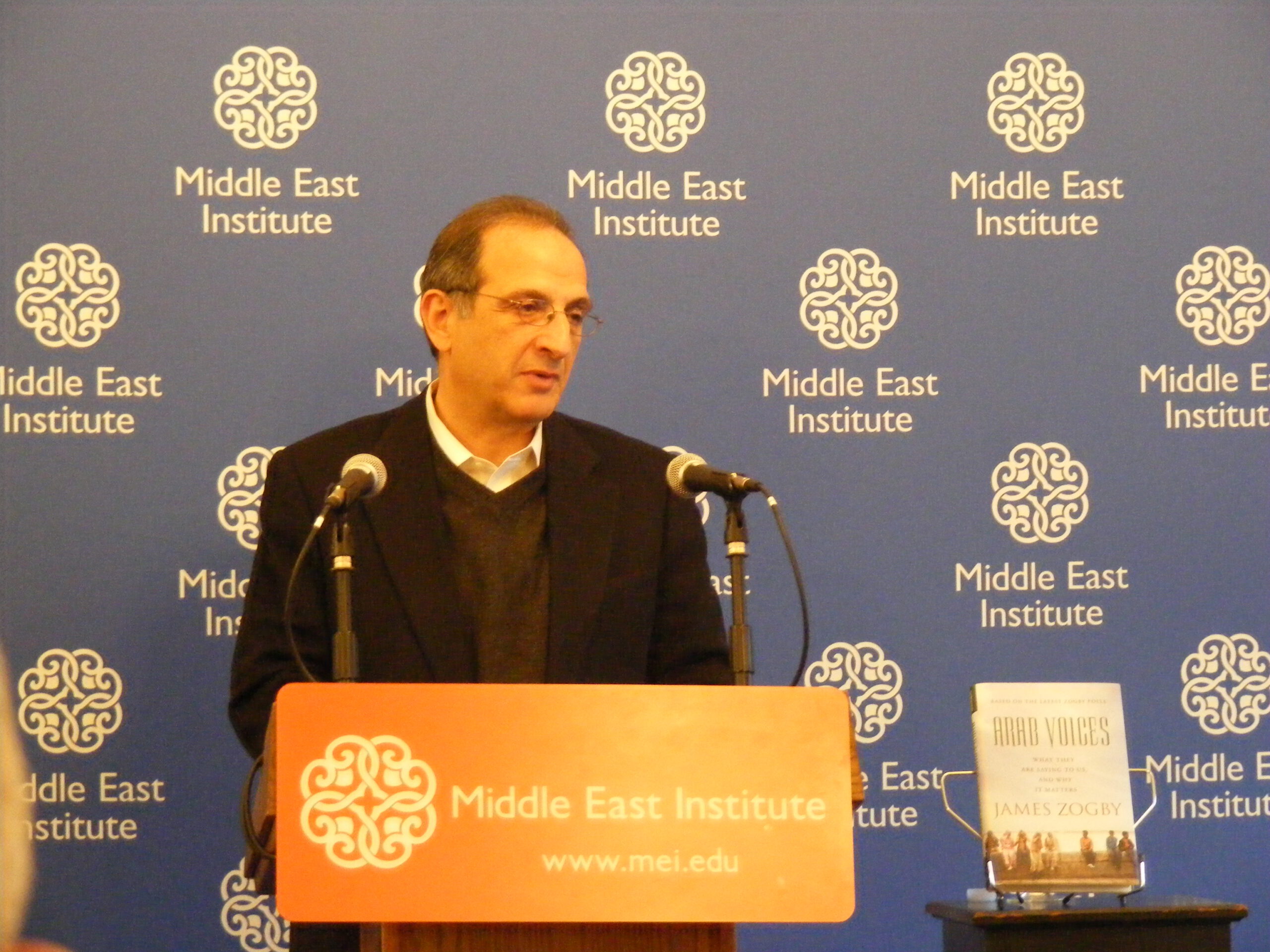
Arab Voices: What They Are Saying to Us, and Why It Matters
The Middle East Institute is pleased to invite you to a lecture and book signing by James Zogby, President of the Arab American Institute. The Arab world has been vastly misunderstood in the West. Zogby's Arab Voices: What They Are Saying to Us, and Why It Matters asks the questions, collects the answers, and shares the results that will help readers better understand the Arab world. The book brings into stark relief the myths, assumptions, and biases that prevent many from understanding the greater Middle East region and its people.
The Realities of Power Sharing in the Next Iraqi Government
MEI is proud to host Reidar Visser of the Norwegian Institute for International Affairs for a discussion on the current political situation in Iraq based on his latest publication, The United States and the Iraqi Transition, 2005-2010 (Just World Books, 2010). The book examines Iraq's process of democratization over the last five years and the impact of regional and international players, not least the US government, in shaping Iraq's new political system.
Oman Emerges: An American Company In An Ancient Kingdom
MEI is proud to host author Lois Critchfield for a discussion about her new book, Oman Emerges: An American Company In An Ancient Kingdom. When Oman's Sultan Qaboos bin Said deposed his father in 1970, he inherited a neglected country with a modest oil income, but virtually no one qualified to advocate for his interests to the executives of Shell Oil – until he met James Critchfield, the author's late husband.
Turkey's Engagement in Iraq: Challenges and Opportunities for US Foreign Policy
The Middle East Institute's Center for Turkish Studies is proud to host Qubad Talabani, Charles Dunne, Can Oguz, and Gonul Tol for a discussion on Turkey's engagement in Iraq and its ramifications for US policy. In the aftermath of the US withdrawal from Iraq, vital US interests – including improving regional stability, limiting Iranian influence, maintaining an independent Iraq and preventing Iraq from becoming a haven for international terrorists – are still at stake in Iraq and the region.
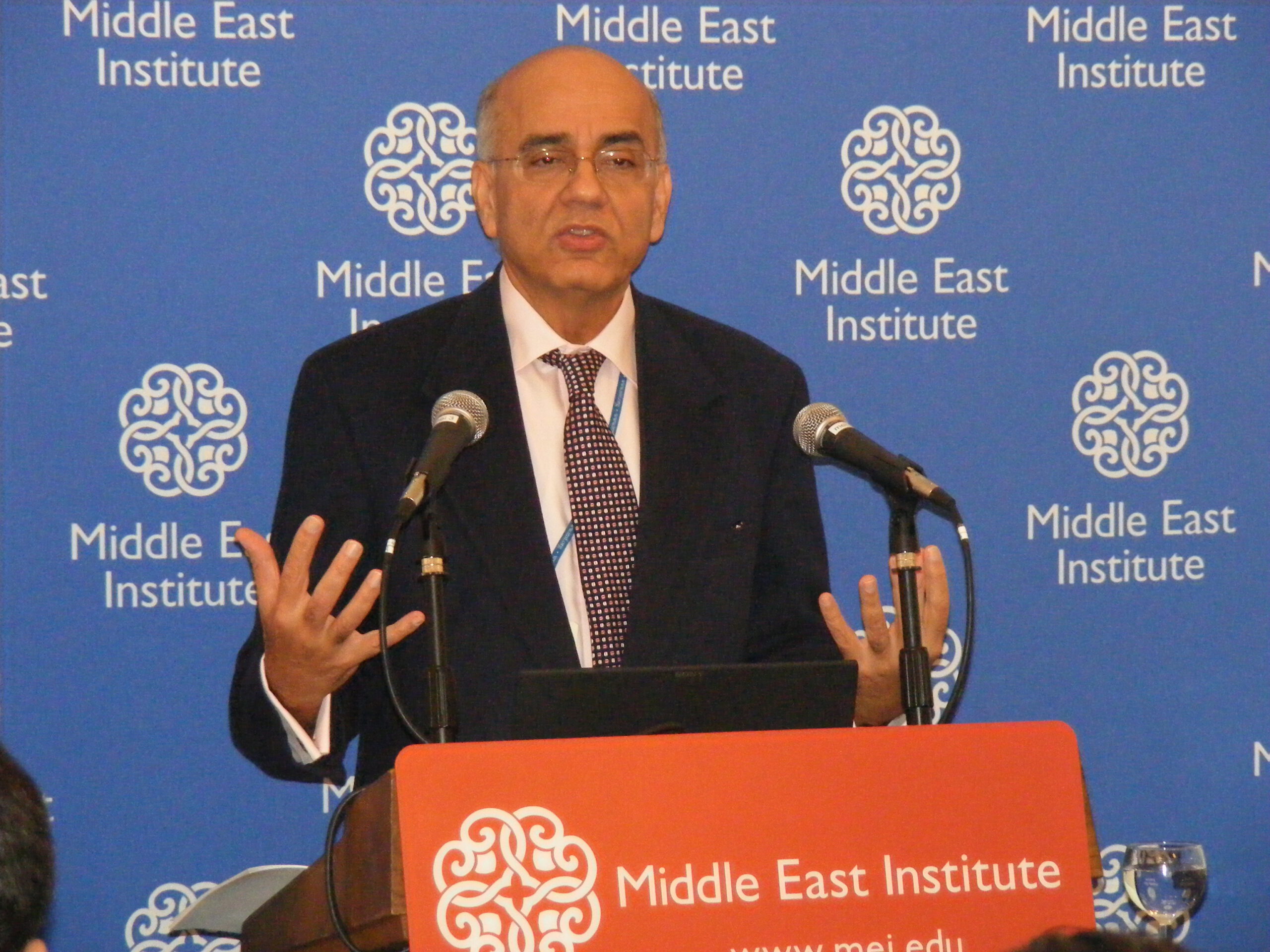
The Middle East Institute is proud to host the IMF's Masood Ahmed for a discussion about the economic prospects in the MENA region. Specifically, he will discuss the prospects for the Middle East and North Africa region in light of the global economic recovery that has begun to gain traction after the deepest downturn in recent history. The region's oil-exporting countries are benefiting from solid oil prices, and oil importers are recovering from last year's economic slowdown.
Deja Vu in the Occupied Palestinian Territories: Economic Activity; Political Despair
Amira Hass is an award-winning correspondent for the Israeli daily, Ha'aretz. In her over 20 years covering Palestinian affairs in the occupied territories for Ha'aretz, Ms. Hass has lived three years in Gaza, and thirteen in Ramallah, the West Bank. She is the author of the highly acclaimed book "Drinking the Sea at Gaza" (Henry Holt, N.Y.) and "Reporting from Ramallah: An Israeli Journalist in an Occupied Land" (Semiotext). She also wrote the foreword and afterword of "Diary of Bergen Belsen 1944–1945 by Hanna Levy Hass (Haymarket Books).