This individual is a guest contributor. MEI is not able to assist with contact requests.
Attiya Ahmad is Georgetown University’s 2009-10 Center for International and Regional Studies Post-Doctoral Fellow. She recently completed her PhD in Cultural Anthropology at Duke University. Dr. Ahmad’s work brings together scholarship on Islamic studies, globalization, diaspora and migration studies, economic anthropology, and political economy.
Monday Briefing: The Middle East is the closest it has ever been to an all-out war
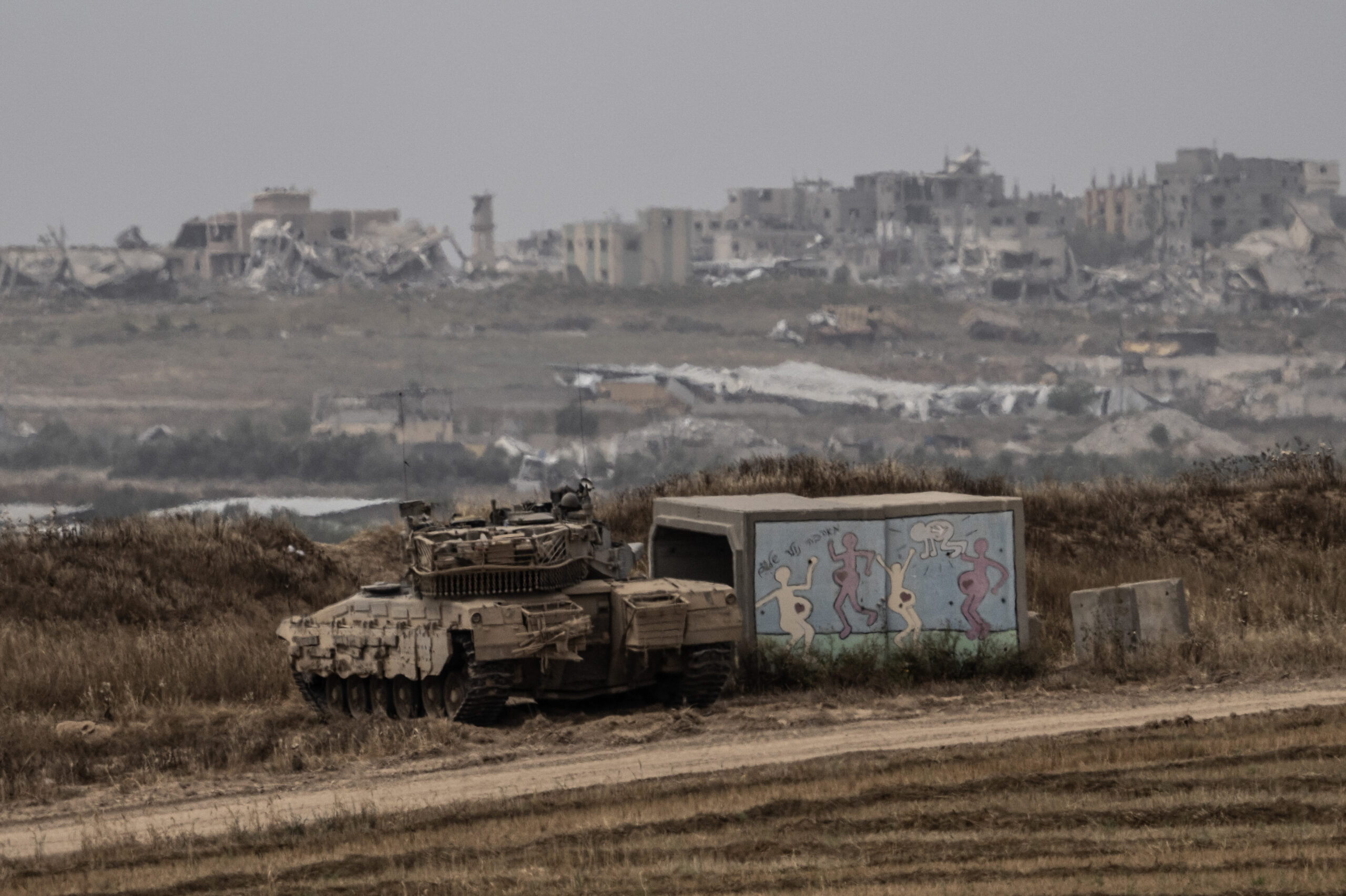
After 10 months of Israel’s war on Gaza, the US administration has lost control over its ally and the fear of its opponents. As a result, Washington has only limited, if any, impact on the cost-benefit escalation calculus of the fighting sides. The Middle East is today the closest it has ever been to an all-out multi-front regional war.
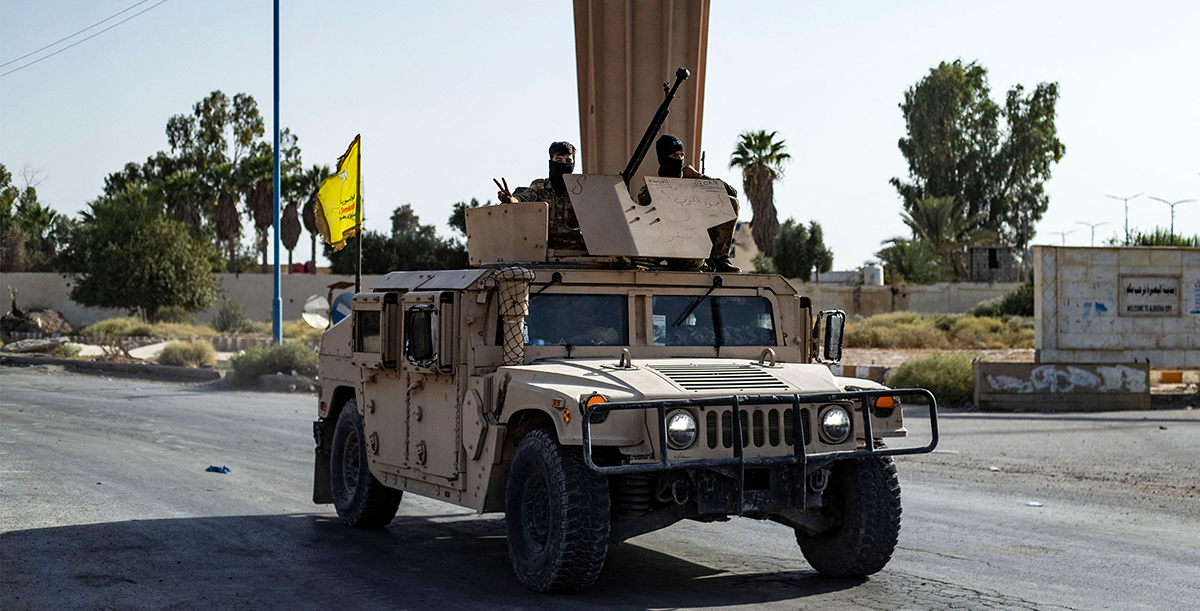
The impact of Turkish-Syrian normalization on the SDF
As speculation continues about a possible Turkish-Syrian normalization, what might such a process mean for the Syrian Democratic Forces (SDF), a close US ally? In a new piece for MEI, Amer al-Ahmed lays out three possible scenarios for the future of the SDF amid normalization.
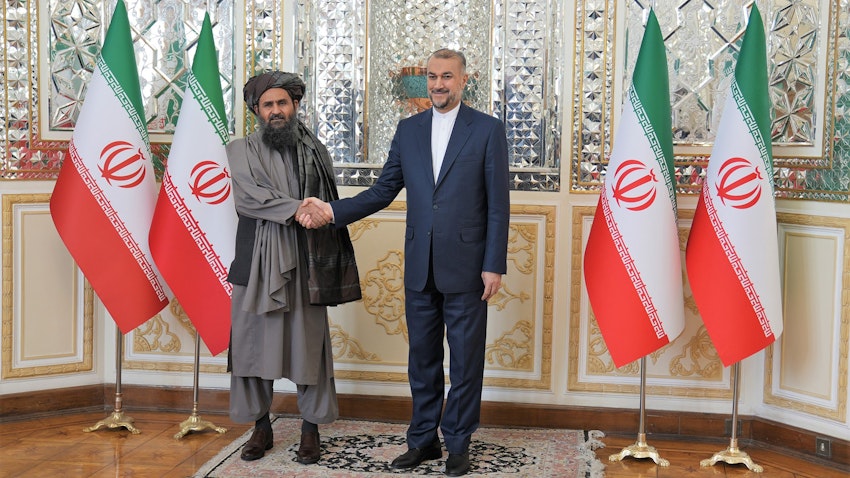
Iran strives to become a pan-sectarian Islamic power
The success of Iran’s Islamic Revolution in 1979 marked the first time in modern history that a secular regime in the Middle East was toppled in favor of a theocratic, Islamist order. Over the following decades, the Islamic Republic of Iran’s primary objective has been to become a regional hegemon. In pursuit of this goal, Iran’s Shi’a clerical leadership has been willing to adopt a remarkably pragmatic approach, allowing it to often diverge from its religious dogma.
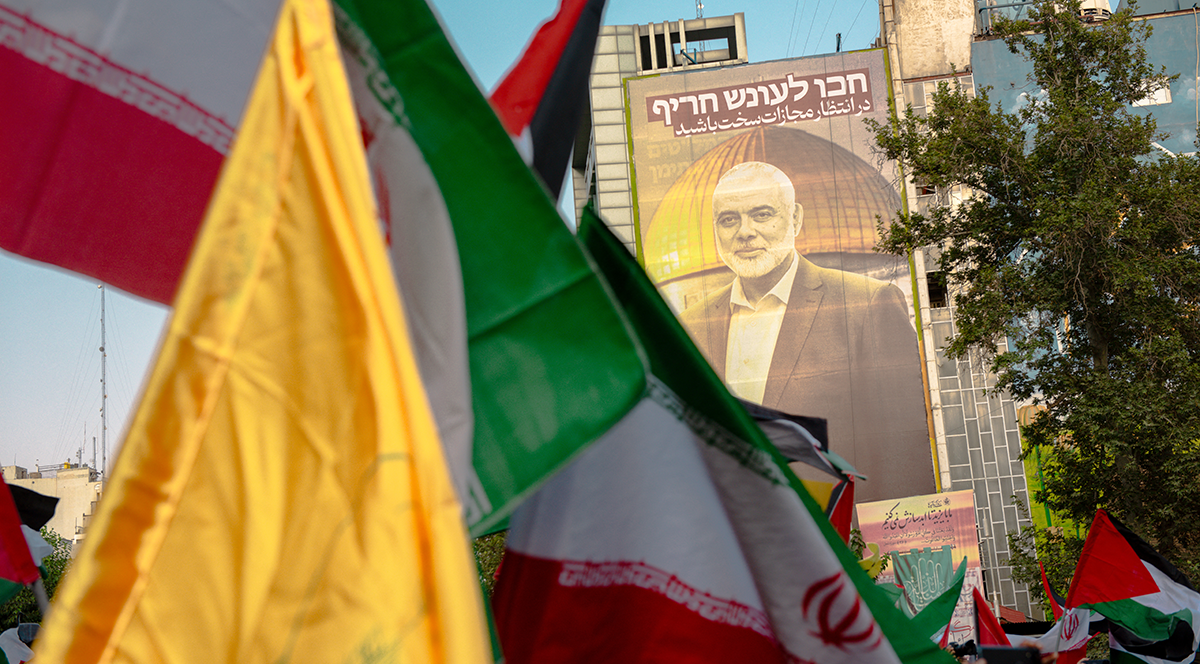
A waiting game as the region teeters on the brink of full-blown war
Israel’s targeted killing of Hezbollah military leader Fuad Shukr in Beirut and Hamas political chief Ismail Haniyeh in Tehran are explosive events for the region. Coming within 12 hours of each other, they were also an earthquake within the “Axis of Resistance” — but not one likely to encourage de-escalation. Far from it.
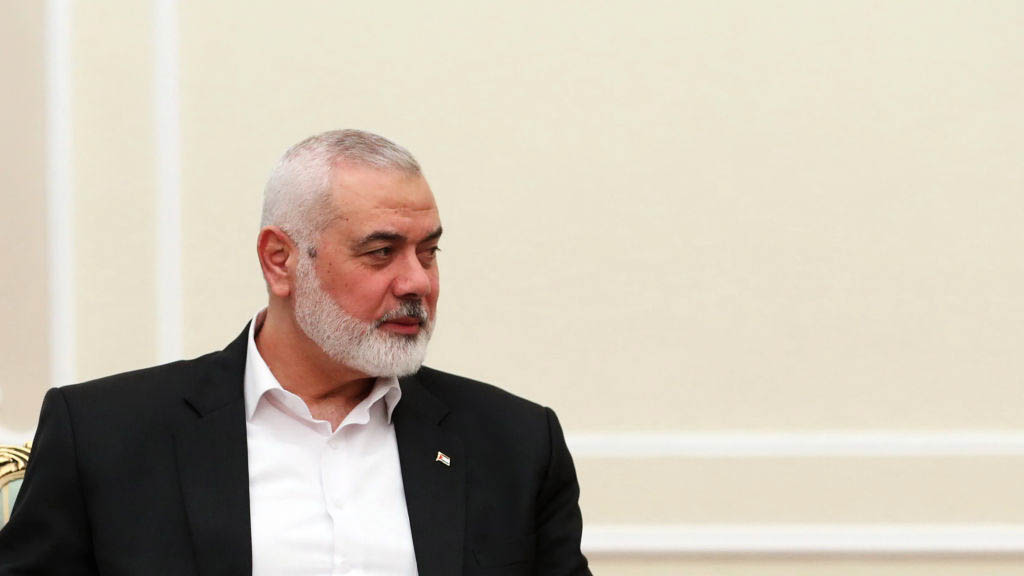
Special Briefing: The regional impact of Ismail Haniyeh’s assassination
In a new special briefing, scholars from across MEI weigh in with their thoughts on the assassination of Hamas political leader Ismail Haniyeh and the potential regional impact.
Israeli Strikes and the Risk of Regional Escalation
This week’s episode looks at the dramatic regional developments of the past 24 hours, including the Israeli strike on a top Hezbollah commander in Beirut and the assassination of Hamas political leader Ismail Haniyeh in Tehran. The strikes mark a significant escalation, and are expected to provoke retaliation from Iran and Hezbollah that could potentially ignite a wider regional conflict.
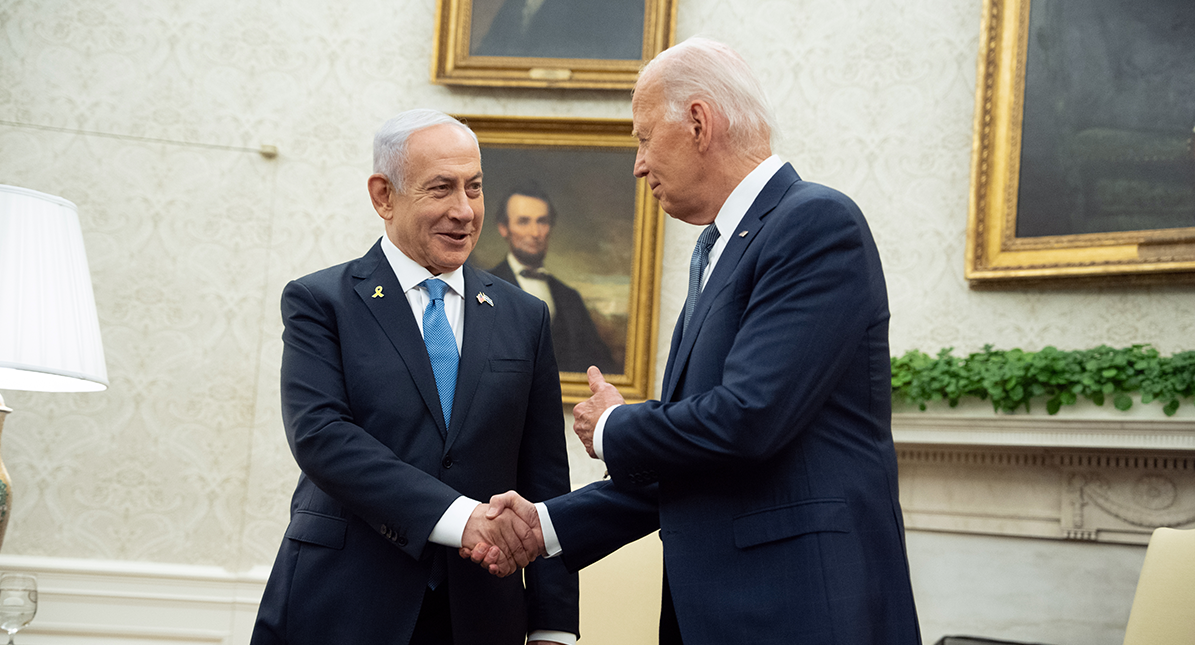
Netanyahu’s US visit highlights strains over Gaza war and an opportunity for a new approach
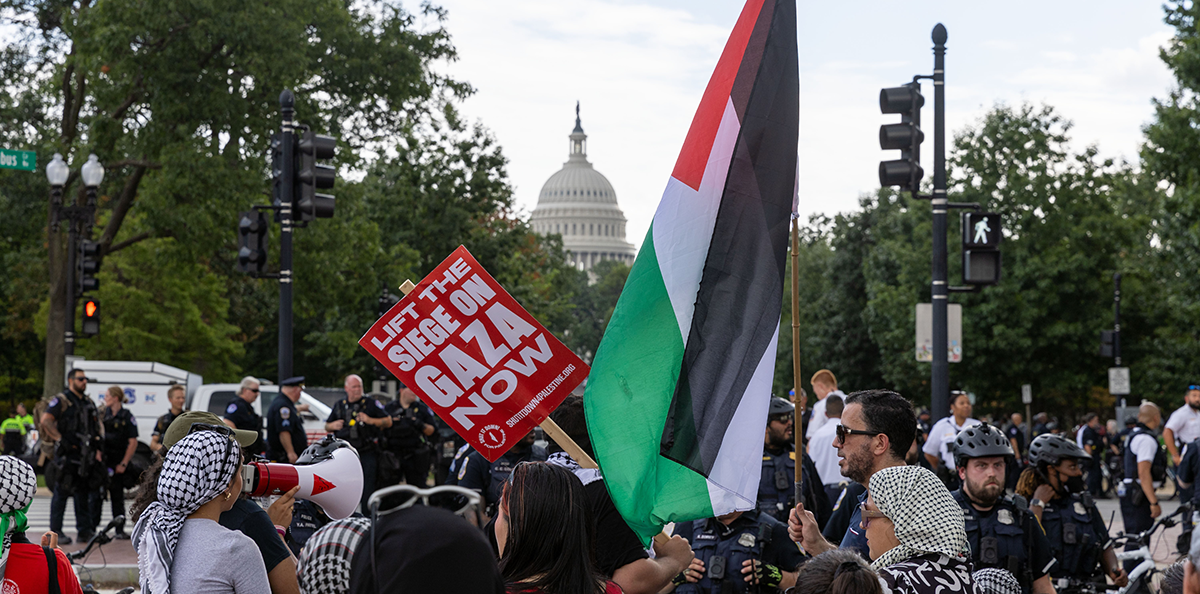
Prime Minister Benjamin Netanyahu’s recent visit to Washington highlighted the growing rift between Israel and the United States, particularly within the Democratic Party. This alliance, once solid, now faces significant discord over three critical issues: ending the war in Gaza, addressing the humanitarian crisis, and recognizing Palestinian self-determination.
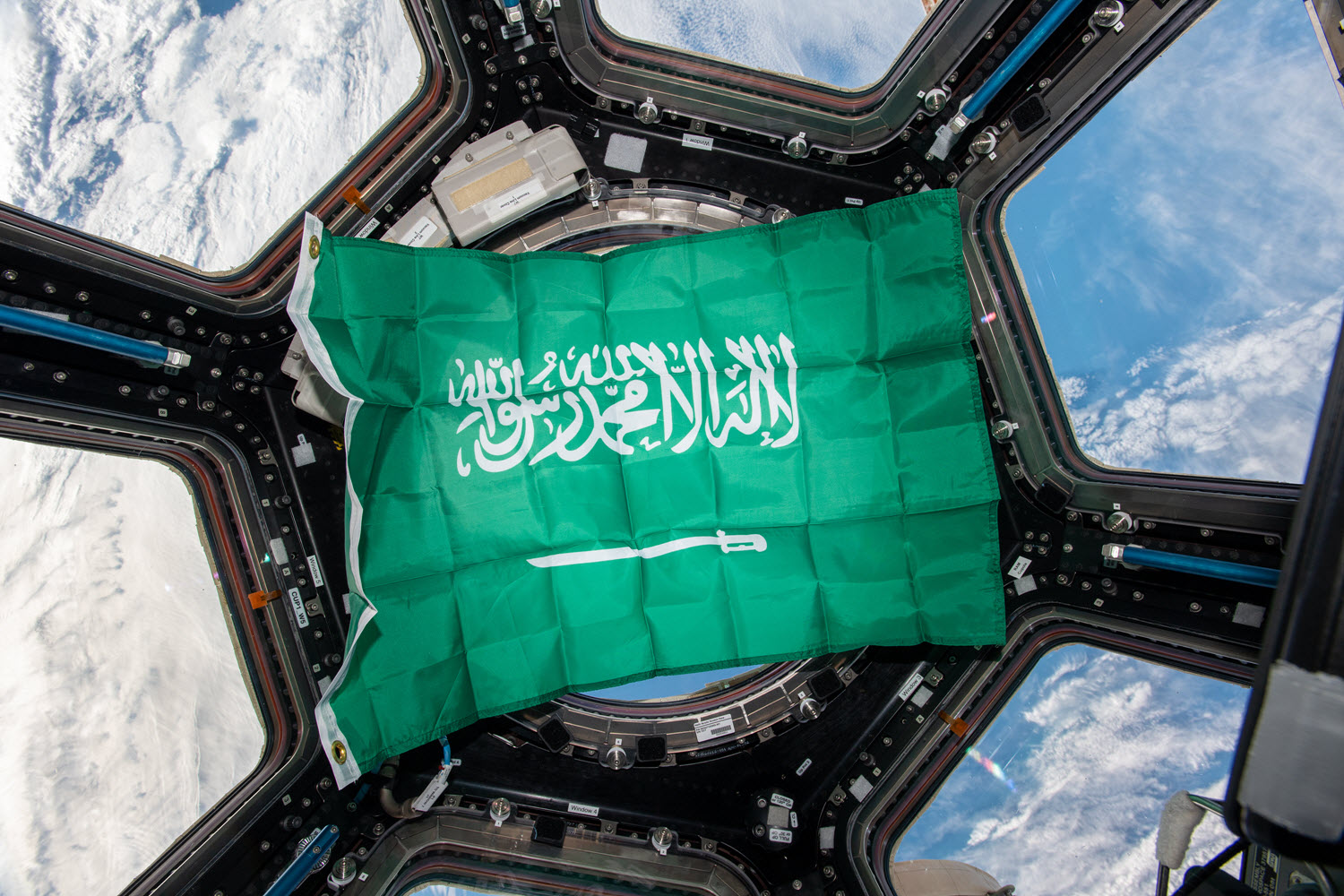
On July 16, the United States and Saudi Arabia announced a new framework for space collaboration and civil aeronautics that shakes up the space race. The agreement marks a turning point for the US-Saudi Arabia bilateral relationship, gearing it more toward scientific cooperation and demonstrating the pivotal role that emerging space powers, particularly in the Middle East, are poised to play in the Second Space Age.
Pakistan’s political scene looks increasingly unsettled and complicated
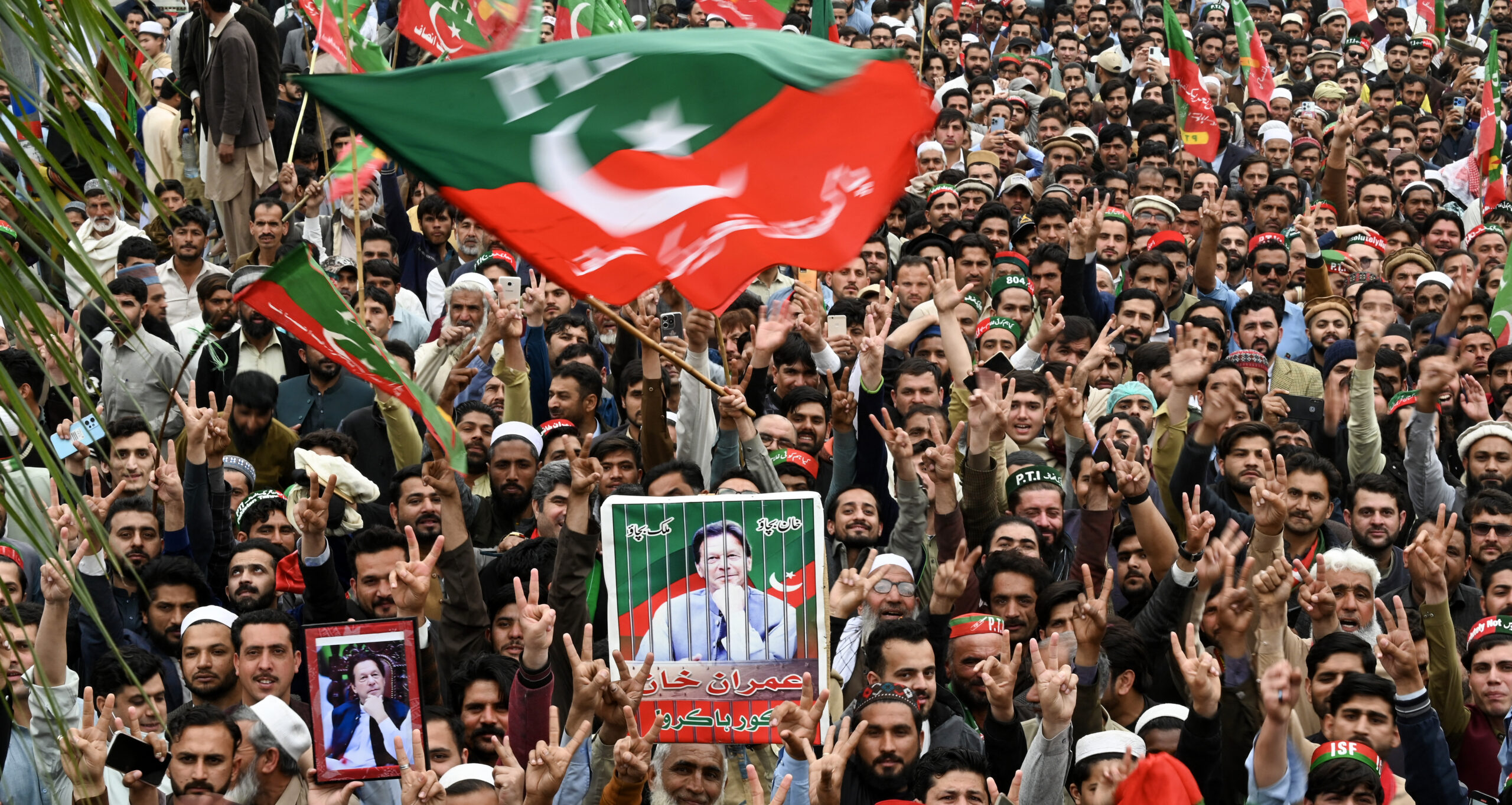
The deep rift between the Pakistan Tehreek-e-Insaf (PTI) party and Pakistan’s civil-military establishment shows no sign of weakening but appears to be shifting. The coalition government and its military sponsors, so recently seen as having taken command of the political heights, are now showing signs of panicking as they appear to be losing the initiative and ability to set the narrative.
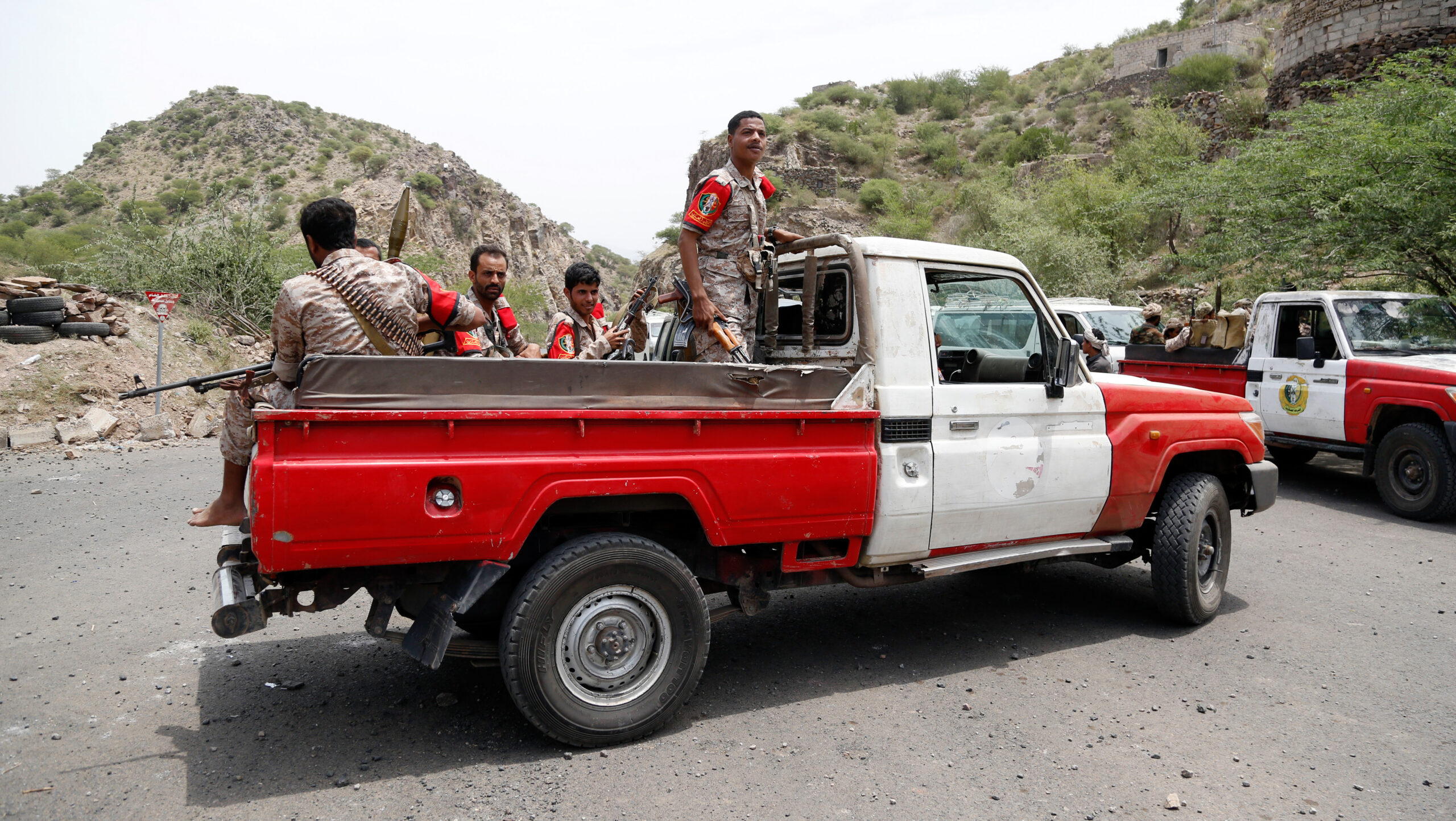
Russia and China’s differing engagements with the Houthis
Although Russia and China are in regular dialogue with the Houthis, the motivations that undergird the engagements of both countries differ markedly. The Houthis regard both Russia and China as partners against American unilateralism but have a warmer relationship with Moscow.
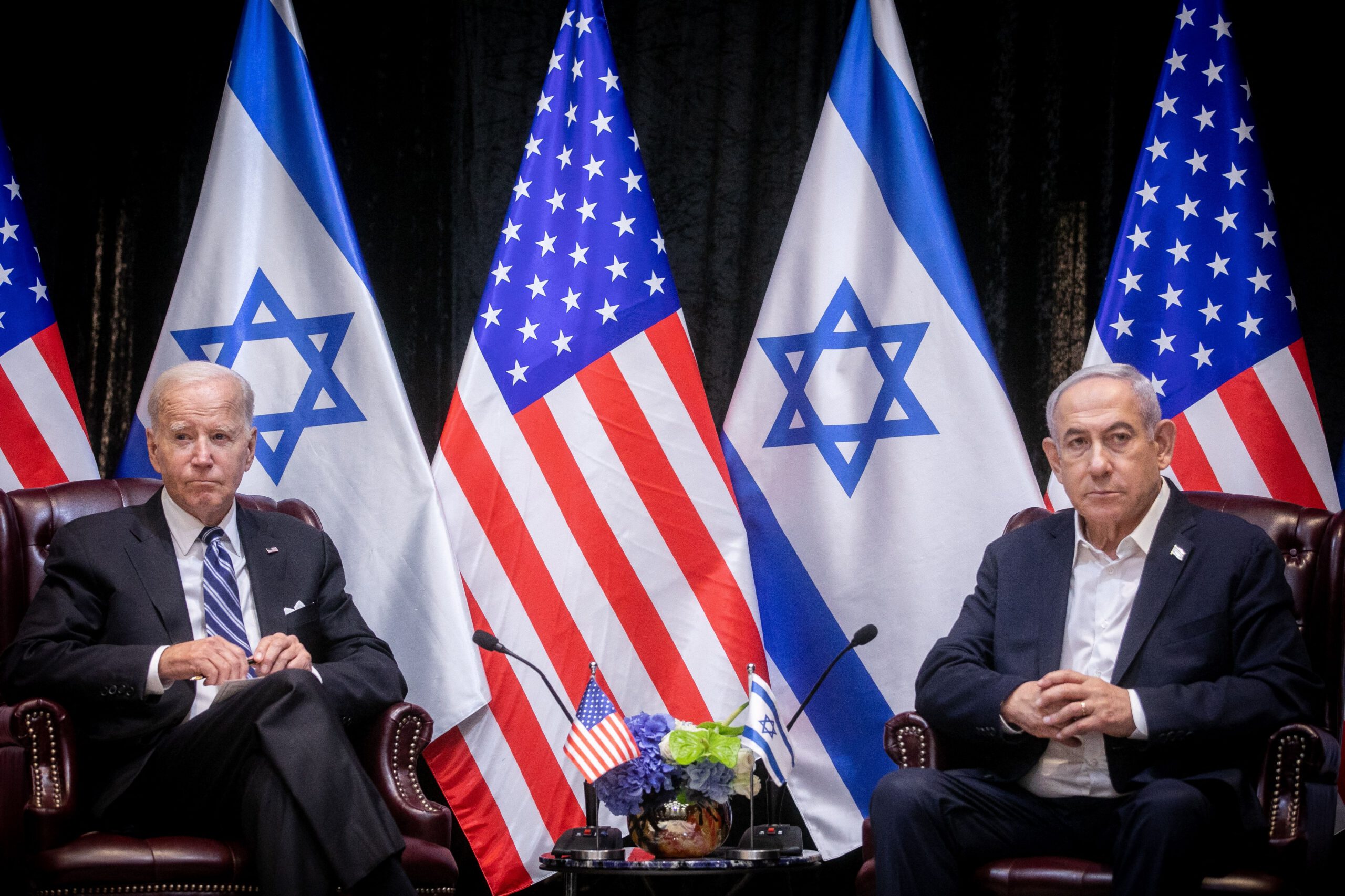
Unpacking the policy dimension of Netanyahu's Washington visit: A US push for a Gaza deal that came up short
The extensive coverage and analysis of Israeli Prime Minister Benjamin Netanyahu’s recent visit to the United States mostly focused on optics and domestic politics, rather than on policy. Nevertheless, policy issues were very much present throughout the course of the visit, with Biden and his team trying to push for a hostage and cease-fire deal between Israel and Hamas.
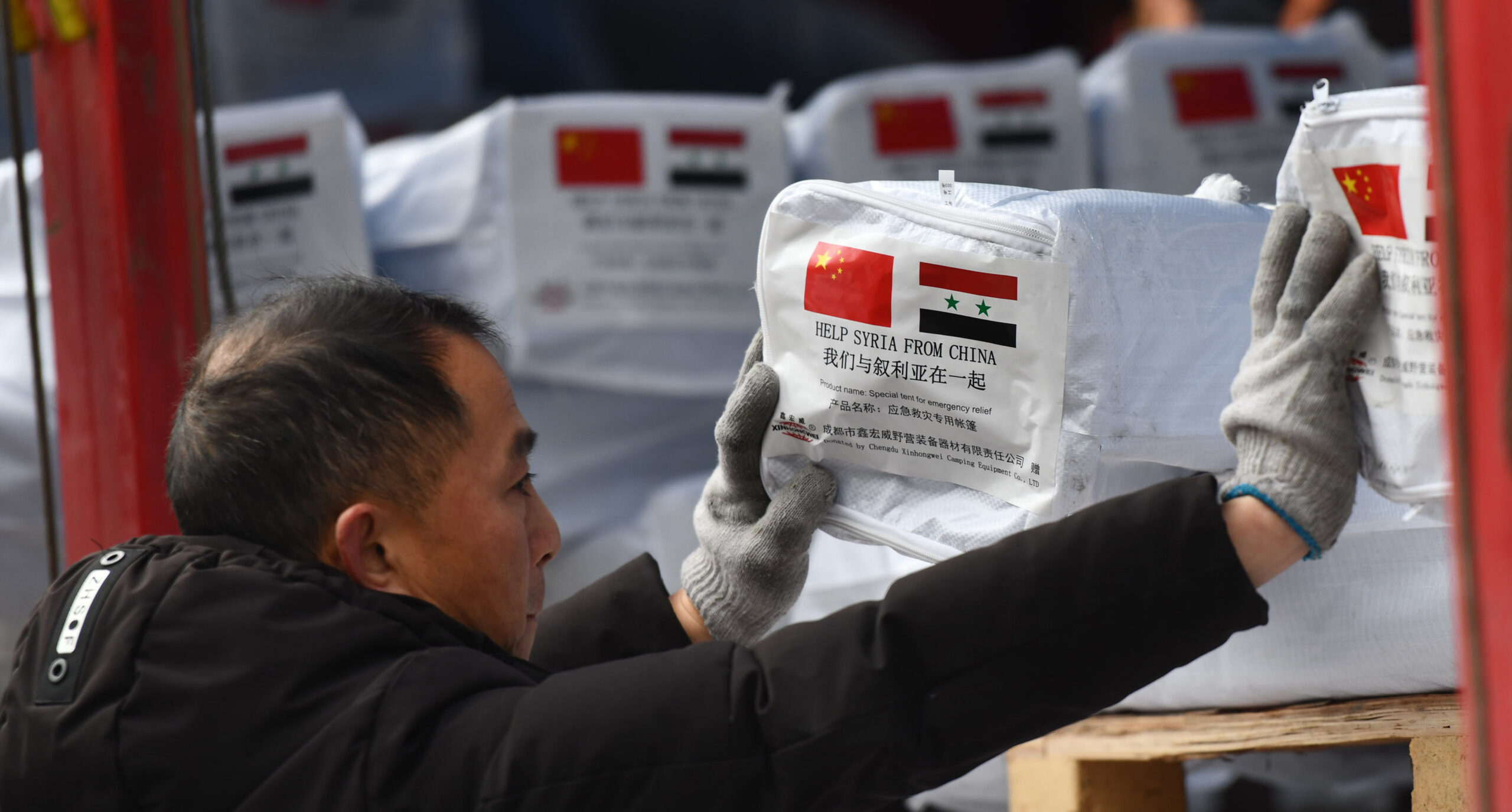
China’s humanitarian role: Insights from the Syrian refugee crisis
China’s response to the Syrian refugee crisis should be viewed within the broader context of its evolving approach to humanitarian aid and its overall involvement and objectives in the Syrian conflict.