A Defense Pact Will Not Upgrade U.S.-Saudi Security Relations
After years of strain, both U.S. and Saudi leaders have now stated that they want stronger relations. But a treaty alliance with Saudi Arabia is neither politically realistic nor strategically wise for the United States.
Managing US competition with China in the Middle East
US retrenchment in the Middle East was inevitable given America’s new global priorities, which centre on the Indo-Pacific and Europe. But this historic transition has brought with it strategic uncertainty and confusion, not just for Washington but also for US regional partners.
To effectively navigate this new contested environment in the Middle East, and more specifically, to address the issue of China’s encroachment into that vital part of the world, Washington needs policy clarity and shrewd management of its relations with its regional partners.
U.S. Security Cooperation Deserves A Fair Evaluation
Security cooperation has been a critical pillar of U.S. statecraft for decades. However, the enterprise has gotten a bad reputation since the beginning of the 21st century because of the costly misadventures in Afghanistan, Iraq, Syria, and elsewhere. But perhaps the problem is that we are not evaluating it the right way.
Career advice for rising foreign policy professionals
If you’re a senior scholar, providing career advice to younger colleagues should occupy a privileged position in your portfolio. Otherwise, you’re doing it wrong, which is precisely what I was doing, until a few years ago.
It is clear that the era of US hegemony in the Gulf, and the Middle East more broadly, is over. What is less certain is what security system will replace it and whether it will better serve regional security and US interests.
The Gulf is becoming a more crowded geopolitical space than ever, with external powers such as China, Russia and India increasing their involvement in the region to safeguard their economic interests, while local powers, most notably Saudi Arabia, the UAE and Qatar, are rising and pursuing a more independent foreign policy course.
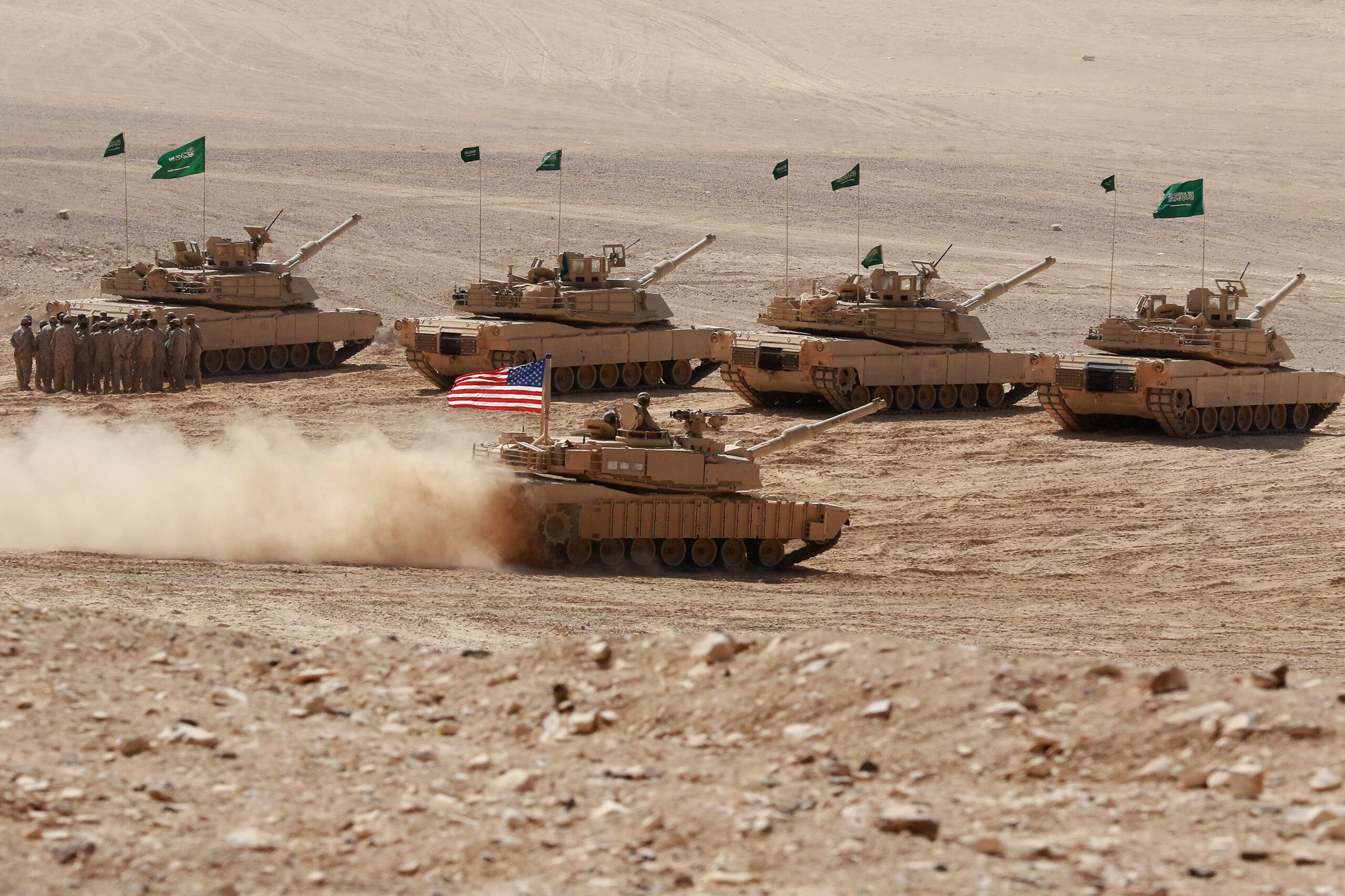
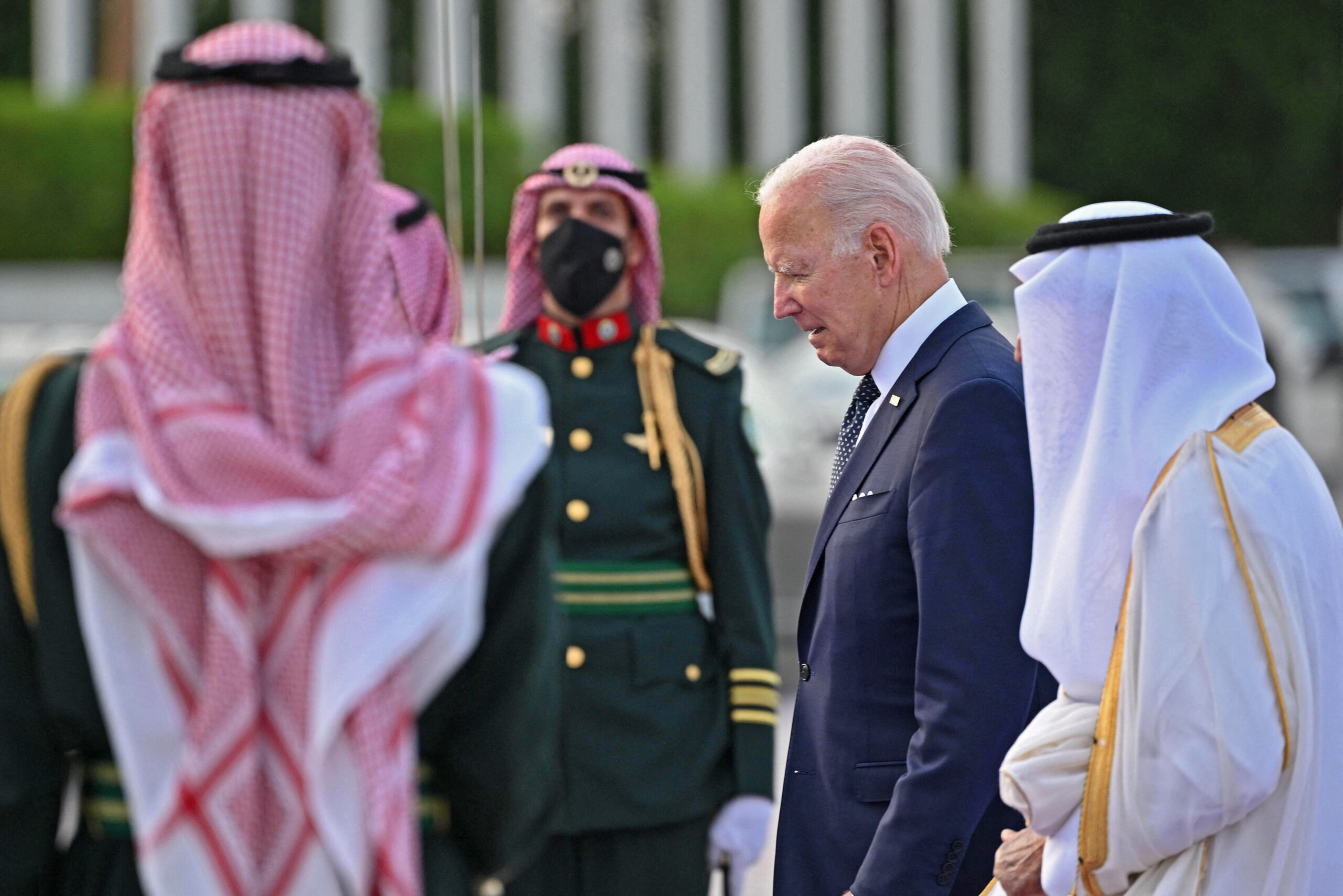
Saudi Arabia has made it clear that it wants a defense pact with the United States in return for normalizing ties with Israel. However, that isn’t a price Washington is able or willing to accept, for both political and strategic reasons. But the conversation about improved U.S.-Saudi defense cooperation shouldn’t stop here. There’s plenty of room for achieving that objective without having to upgrade the relationship to a full-fledged alliance.
The credibility of American deterrence in the Middle East
I don’t think enough attention has been paid to US Central Command Commander Gen. Michael Kurilla’s public testimony on 23 March, in which he said that Iran-backed militias have attacked American troops in Syria 78 times since January 2021.
A day after Kurilla spoke, local fighters allied with Tehran’s Revolutionary Guards launched another attack with drones, killing a US contractor and wounding six other American service members.
Assessing US Assistance to the Lebanese Armed Forces
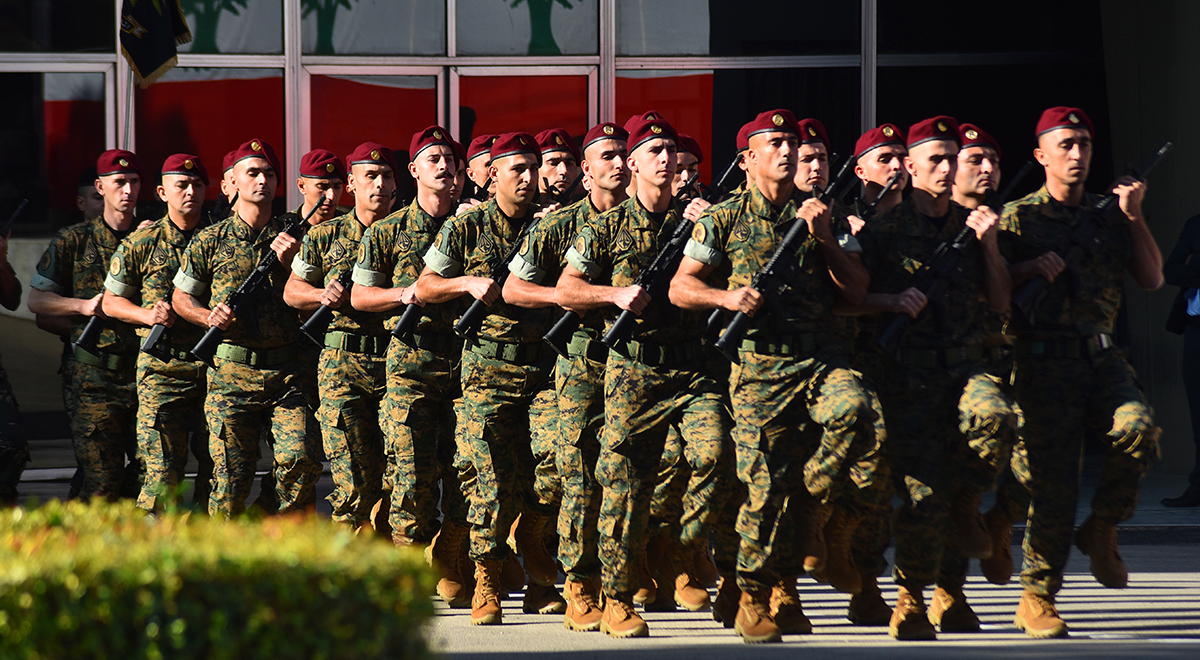
In January 2023, the United States began to reroute $72 million of assistance to Lebanon to support the salaries of Lebanese soldiers and police officers, most of whom could barely make ends meet due to the disastrous economic situation in the country. It took Washington more than two years to make that decision, partly because US laws regarding this type of aid were slightly unclear. But more importantly, the voices inside and outside the US government who argued against further support to the Lebanese Armed Forces (LAF), let alone direct cash assistance, succeeded in delaying the process. This was yet another example of how, despite continued US commitment to the LAF through successive administrations, the US military assistance program remains vulnerable to US domestic politics.https://apnews.com/article/politics-united-states-government-lebanon-bu…
Now that Saudi Crown Prince Mohammed bin Salman has clarified what he expects from Washington in return for normalizing ties with Israel—mainly U.S. security guarantees—the question is: Should U.S. decision-makers accept his price?
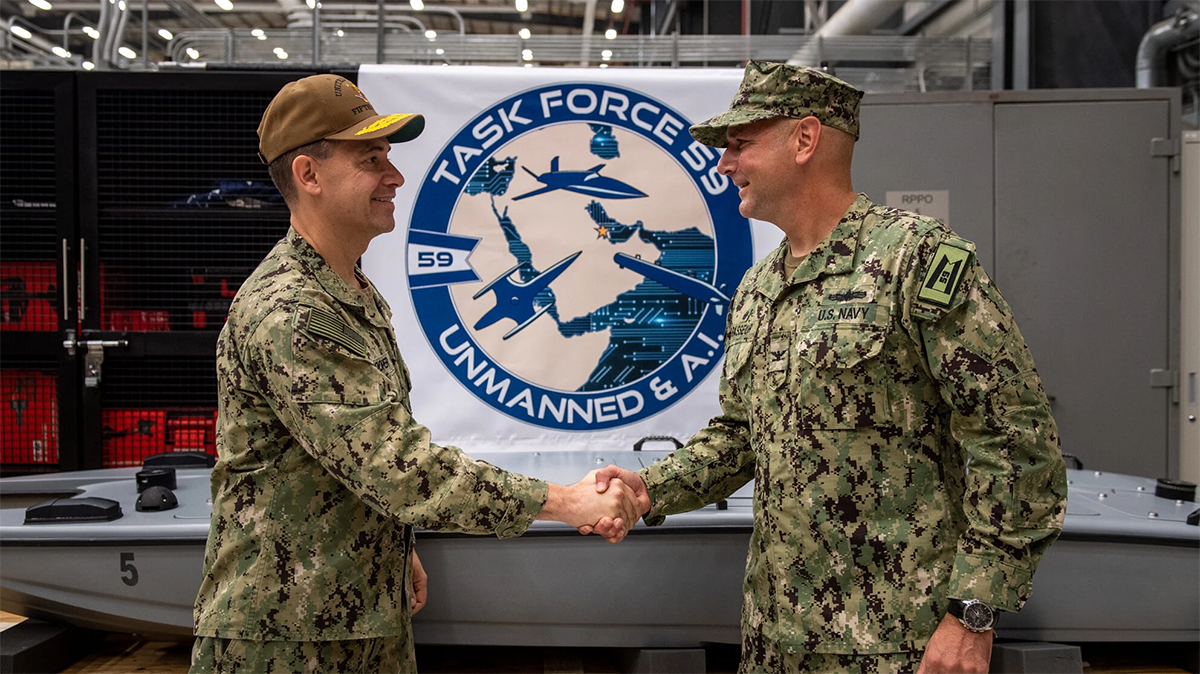
What NAVCENT’s Task Force 59 needs to be a true success
The Middle East is proving to be a test-bed for military innovation that could be incredibly helpful for other priority regions such as the Indo-Pacific, write Jasmin Alsaied and Bilal Saab of the Middle East Institute.
Defense Rapid Reaction: The Biden administration’s new Conventional Arms Transfer policy
Last week, the Biden administration released its new Conventional Arms Transfer (CAT) policy. The new CAT policy emphasizes human rights and strategic competition with China. In the latest installment of the Defense Rapid Reaction series, experts from MEI’s Defense & Security Program provide their views on what the new CAT policy means and how the historical tension between human rights and national security might play out in U.S. policy toward the Middle East.
After Oil-for-Security: A Blueprint for Resetting US-Saudi Security Relations
Although U.S.-Saudi bilateral ties are on the mend, ambiguities and the transactional nature of the 1945 oil-for-security covenant contribute to mistrust and tensions. The burden of fixing or stabilizing the relationship is a shared responsibility. It’s time for Washington and Riyadh to reconfigure their security ties in accordance with new U.S. geopolitical priorities and new Saudi defense requirements. This report lays out such a process.
Deterring by detection: A cheap, successful way to deter Iran
A vital part of Iran’s long-running grey zone warfare strategy is plausible deniability, as they most often work through proxies in the Middle East. And so the easiest way to keep Iran from taking action is to make sure the Islamic Republic knows the spotlight is on them.
America’s Defence of Its Partners in the Middle East
Under what conditions is the United States likely or unlikely to intervene militarily on behalf of a close partner with which it may have defense arrangements short of a formal alliance? This is an increasingly relevant question for the United States as it engages in strategic competition with China and Russia for regional partners, as well as for resources and broader influence.
The Future-Seeking, Team-Building 5th Fleet Is Busier Than Ever
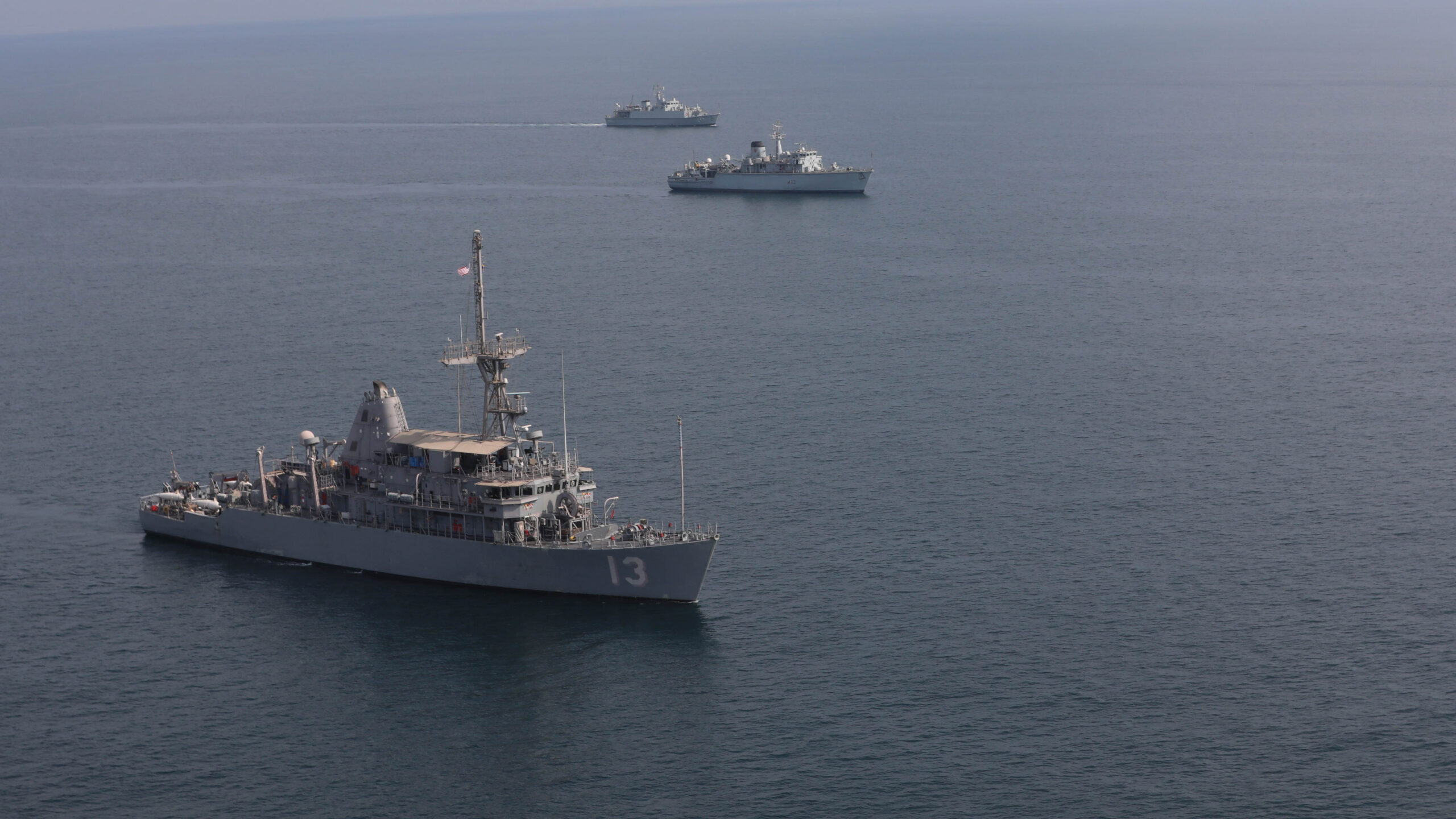
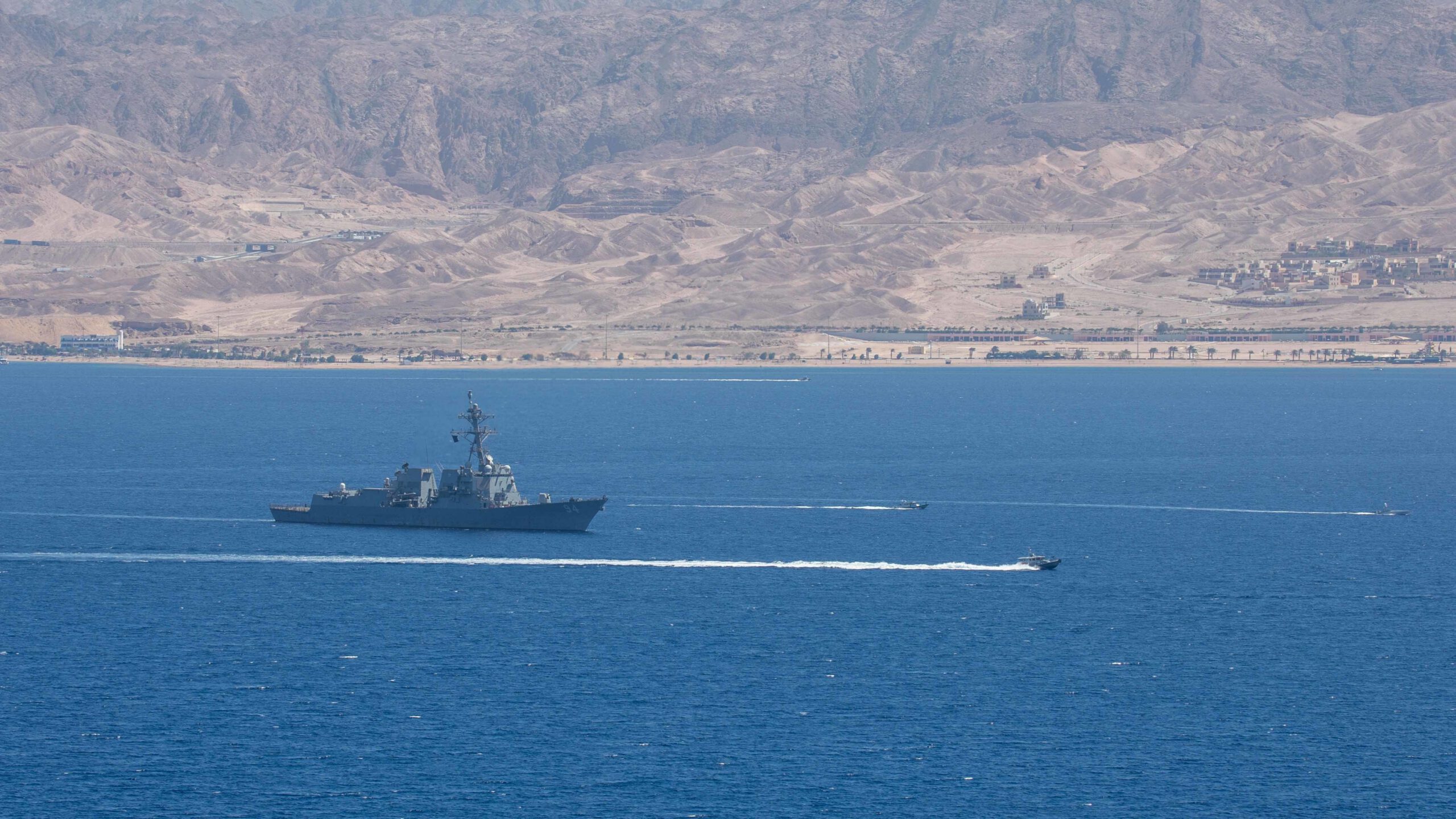
In recent years, the United States has stepped up its efforts to promote a Middle East security order in which cooperation is more widely preached and effectively practiced among like-minded nations. Nowhere has this multilateral approach to regional security been more credible and fruitful than in the maritime domain.