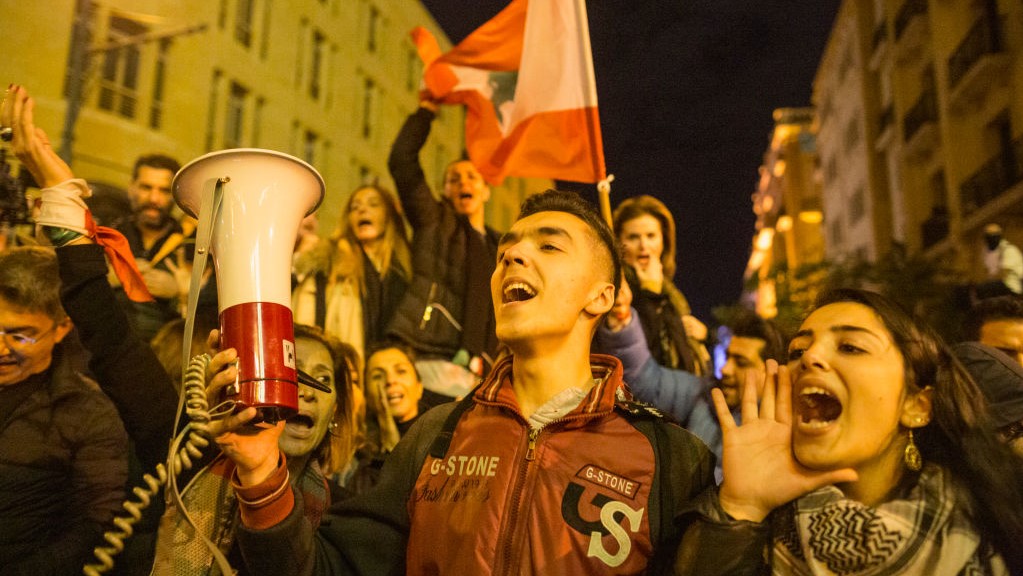
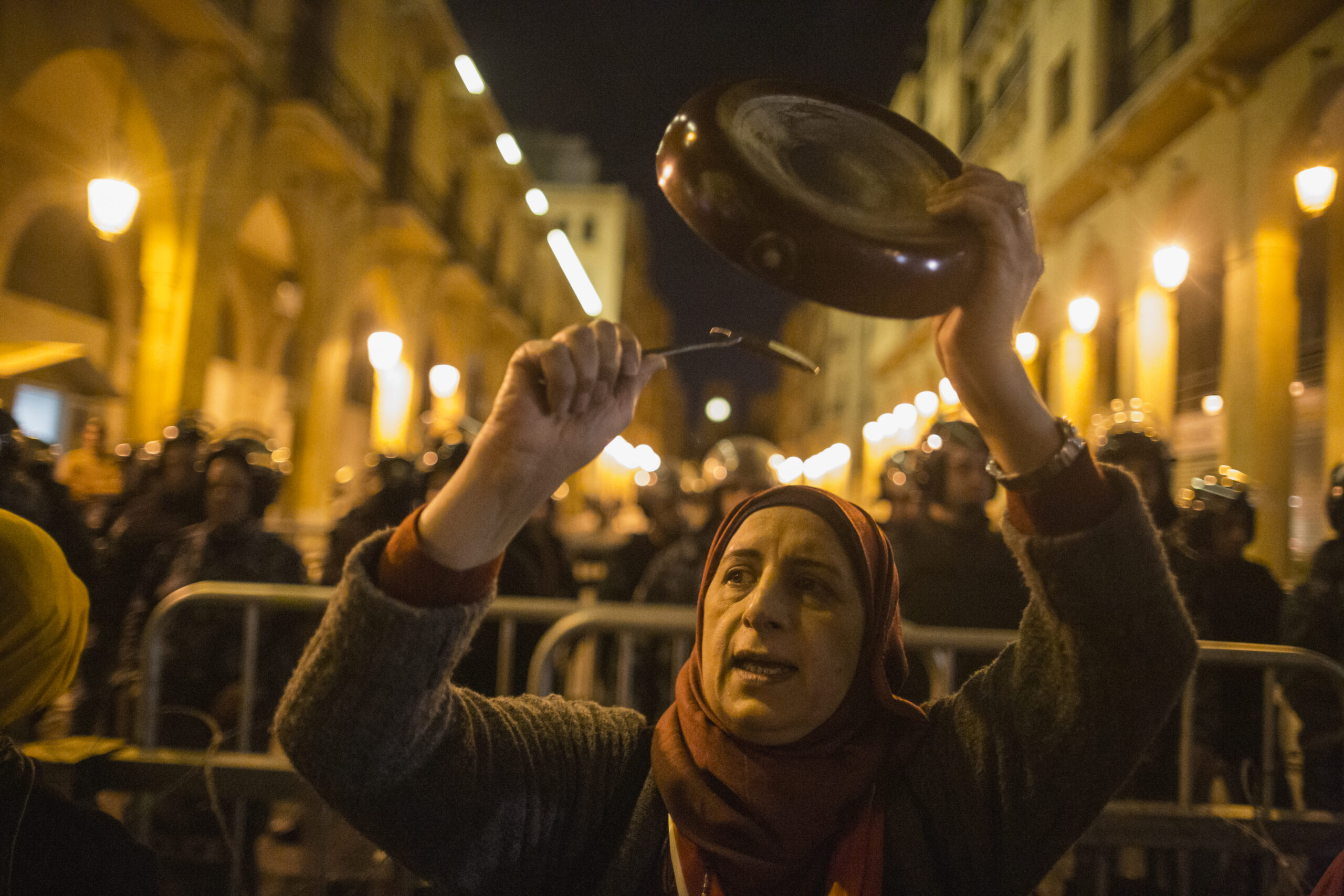
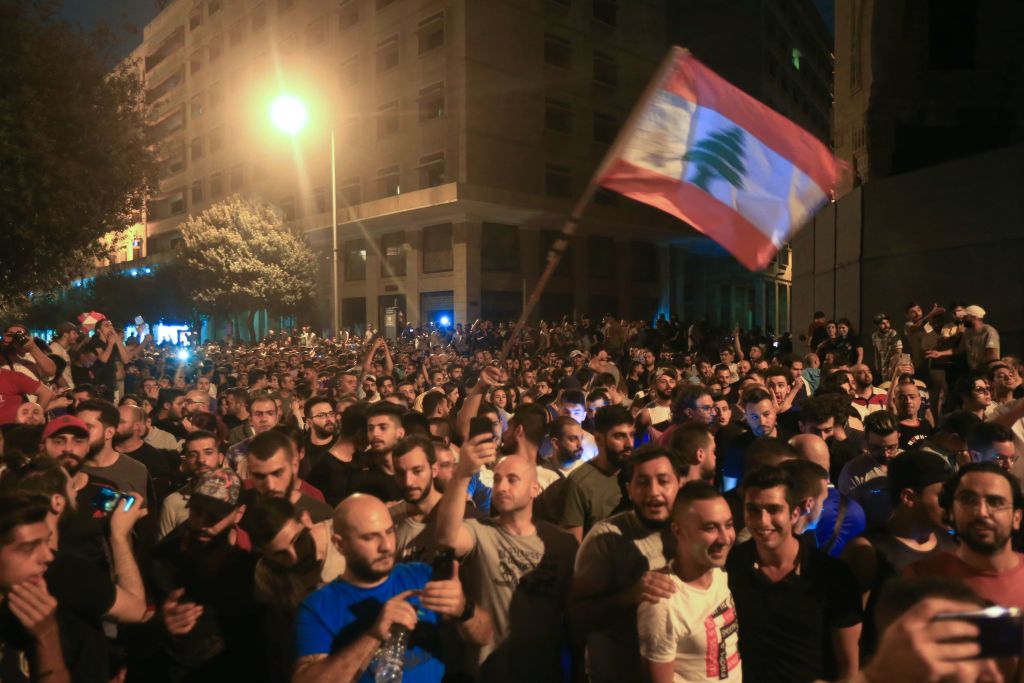
By any objective standard, the Lebanese protest movement has failed. This is not necessarily an indictment against it. Rather, it’s a reality one cannot and should not ignore. The responsible thing to do now is to try to understand why it has fallen flat, despite more than 100 days of demonstrations in various regions of the country including the capital, Beirut.
First, a word of solace. In the annals of history, the Lebanese are in good company as most uprisings and revolutions failed to attain their goals. And even when they did, success either didn’t last long or was completely reversed due to counterrevolutions and other spoilers, both foreign and domestic.
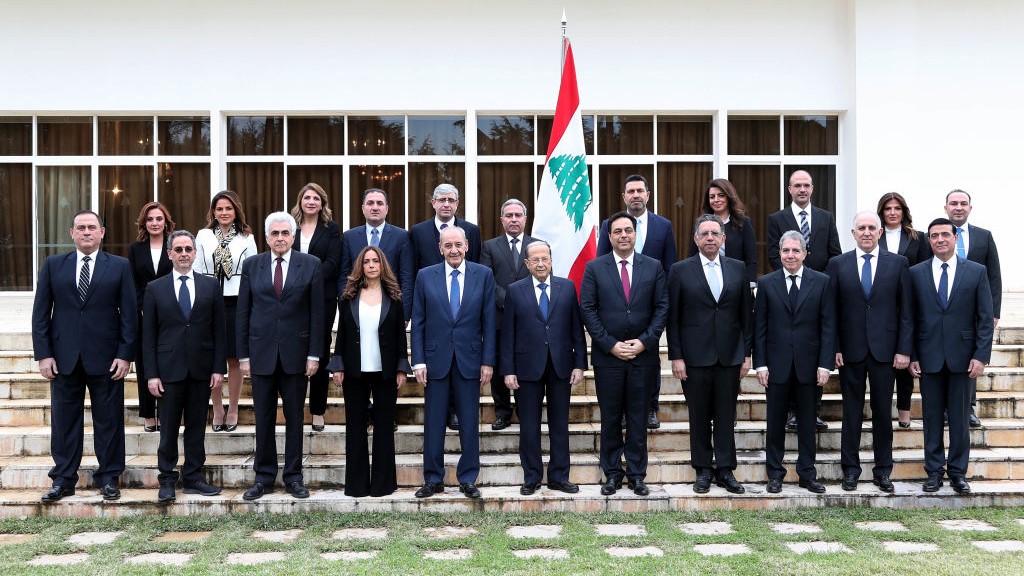
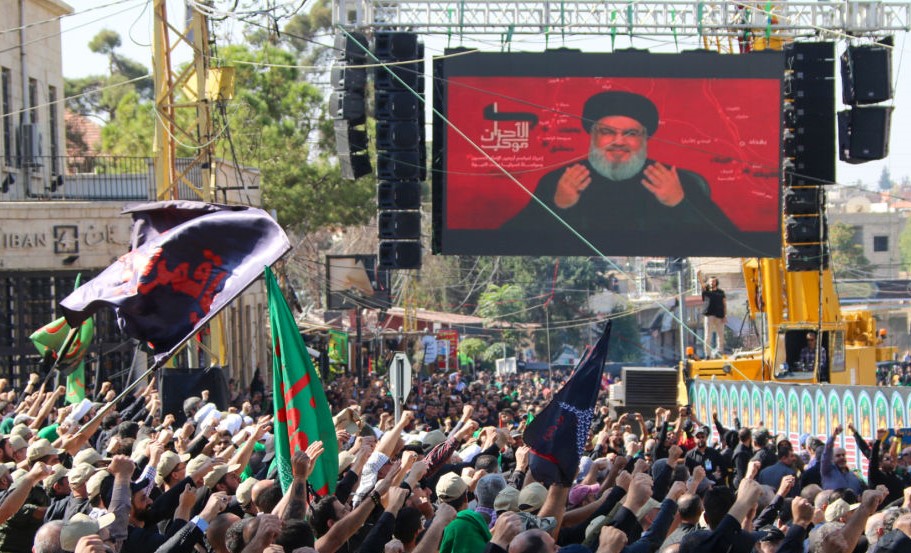
No amount of analytical nuance or ingenuity can challenge the conclusion that the newly formed government in Lebanon is Hezbollah’s creation. The only question left to answer is: why did Hezbollah do it?
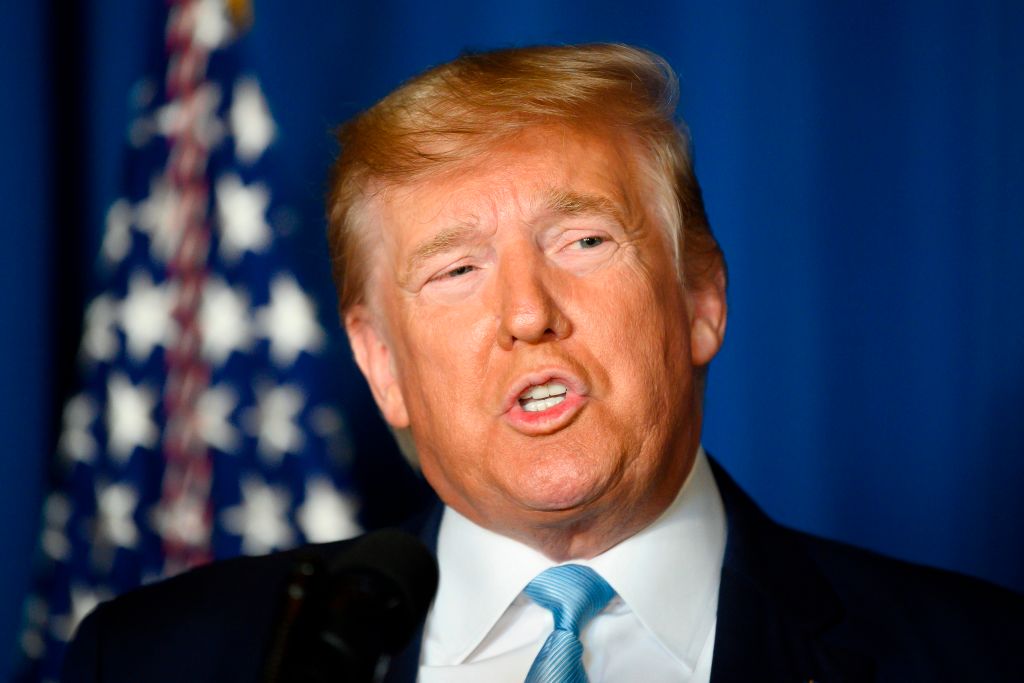
Just when we thought we had a good understanding of President Donald Trump’s Middle East policy — which boils down to “get out of the region and avoid another endless war there” — he pulls off something dramatic like this.
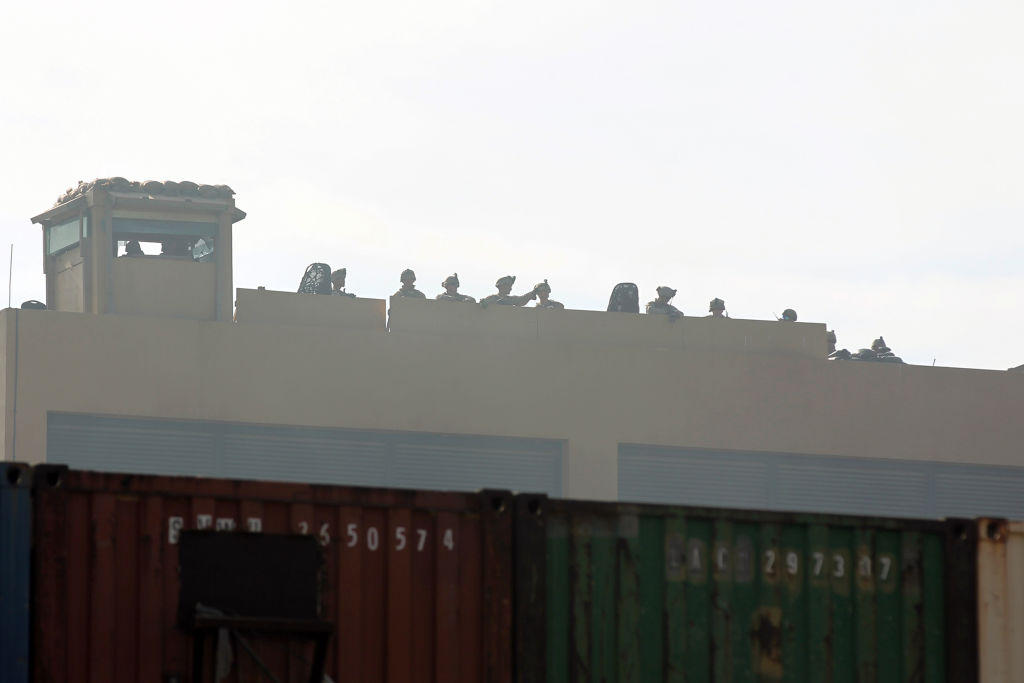
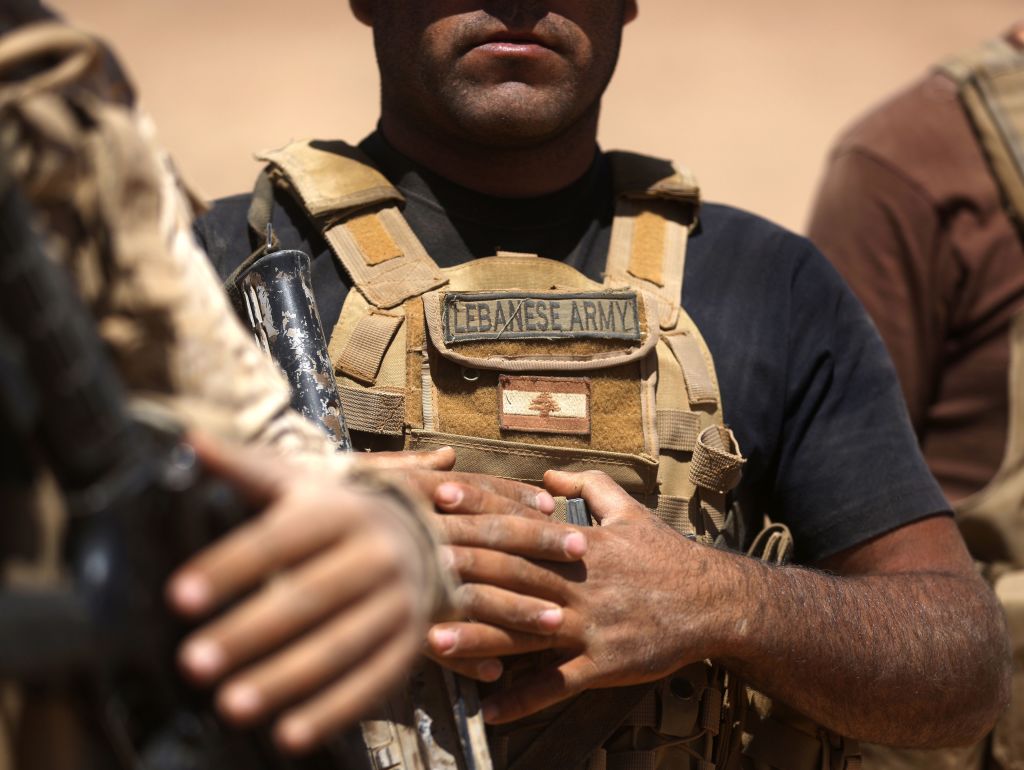
Washington Should Back, Not Punish, the Lebanese Military
With ongoing protests, potential sectarian clashes, and threats of terrorism in the region looming, the country’s armed forces need propping up now more than ever.
Lebanon’s current uprising, larger than the Cedar Revolution and rooted in long-held socio-economic grievances, has united protestors across the country in calls for fundamental political change. And this time, Shiites have joined the struggle. This is not a good outcome for Hezbollah — nothing threatens it more than discord within the Shi’a community — and it now finds itself in uncharted territory.
Something had to give. Decades of corruption and criminal mismanagement by Lebanon’s ruling elites — the same clique who have governed the country since its independence in 1943 — have finally led to an economic implosion and a social explosion.
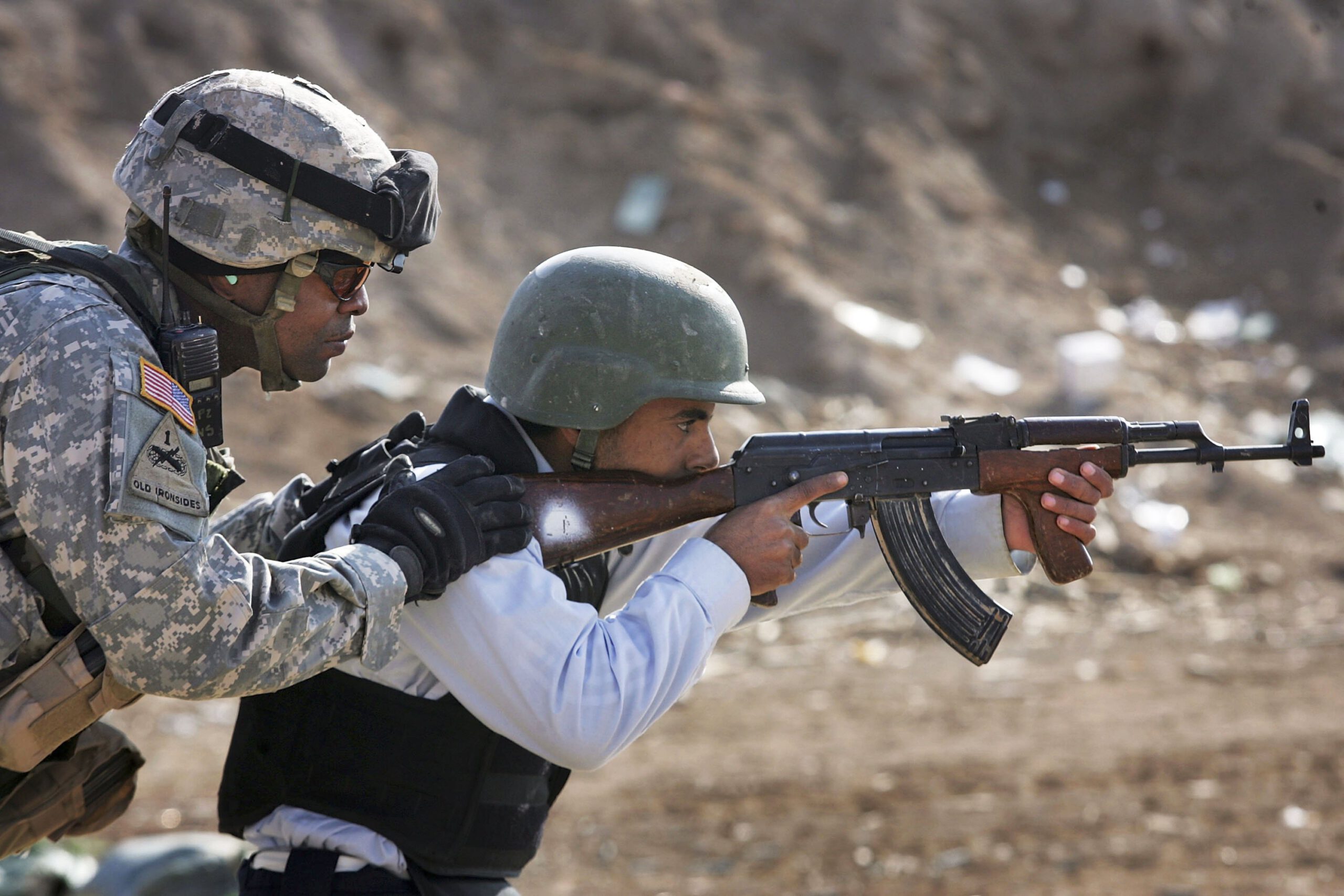
Broken Partnerships: Can Washington Get Security Cooperation Right?
The erosion of U.S. global hegemony in recent years is rarely a matter of dispute among American strategists. The United States has lost its preeminence in part because others, most notably China, have caught up, but also because it has overextended and exhausted itself abroad, leading to budget constraints, rightist populism, and acute political polarization at home.
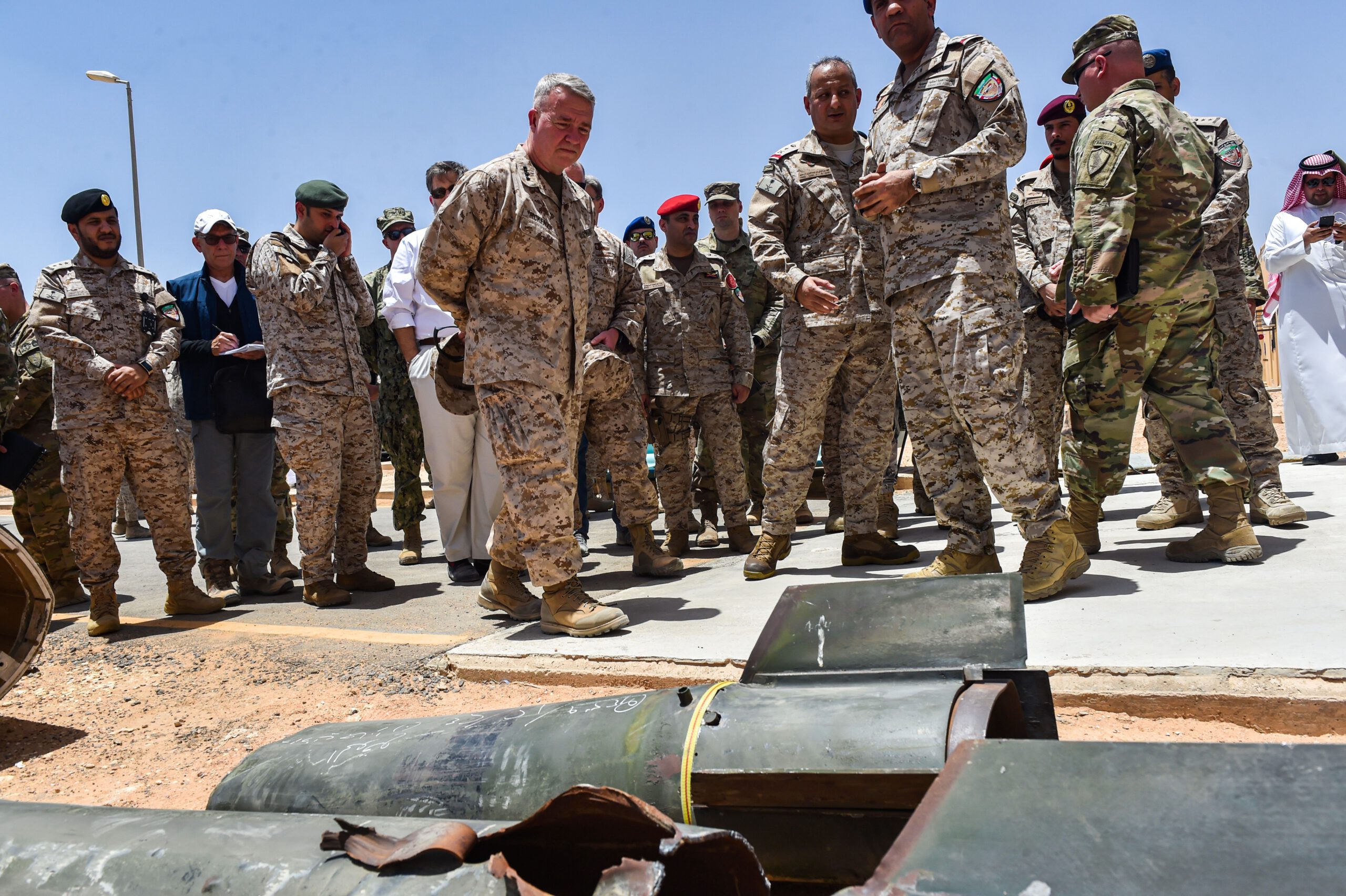
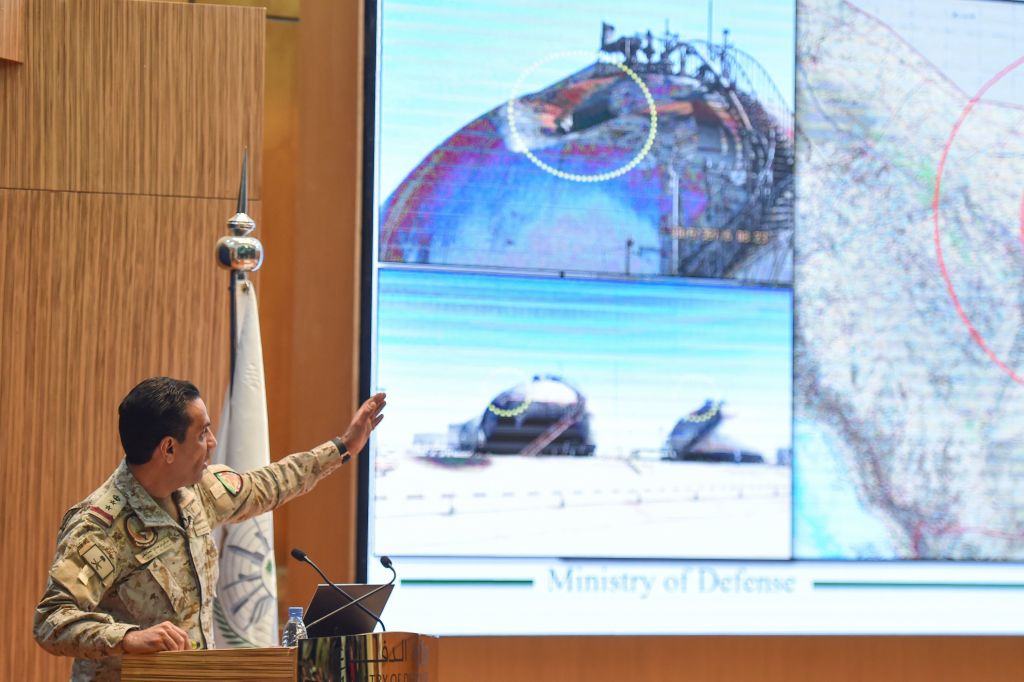
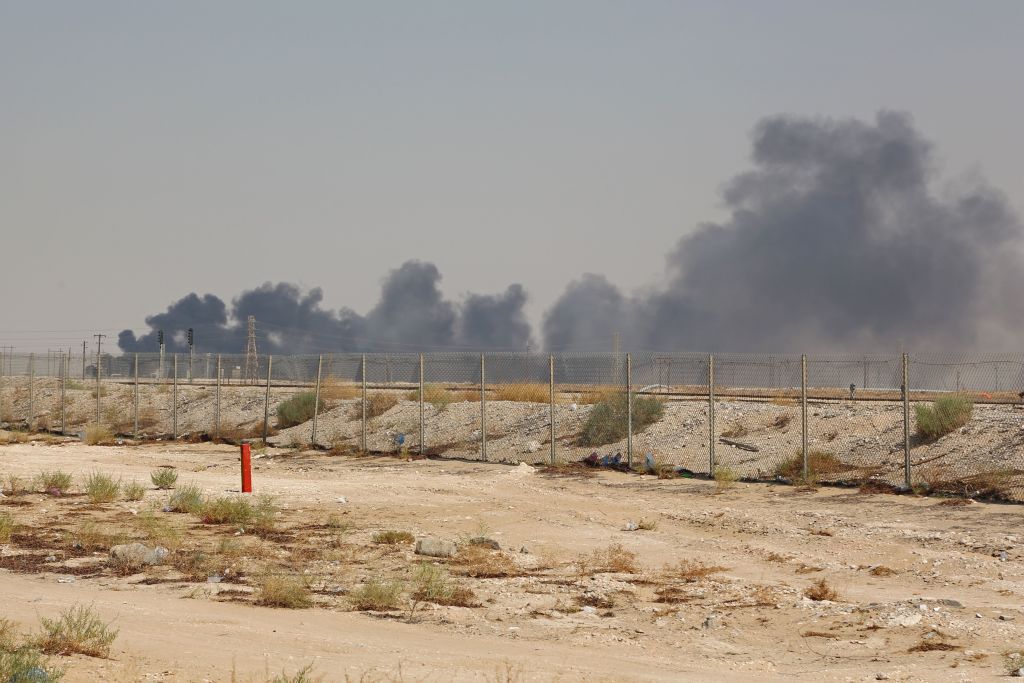
Saudi Arabia is under direct assault, and America’s response is muted. Despite U.S. President Donald Trump’s verbal threats against Iran, which is behind the attack, he’s not seriously contemplating using force. What’s most urgent now for U.S. policymakers is how to prevent this from happening again and how to most effectively defend U.S. partners from aggression in this still vital part of the world.
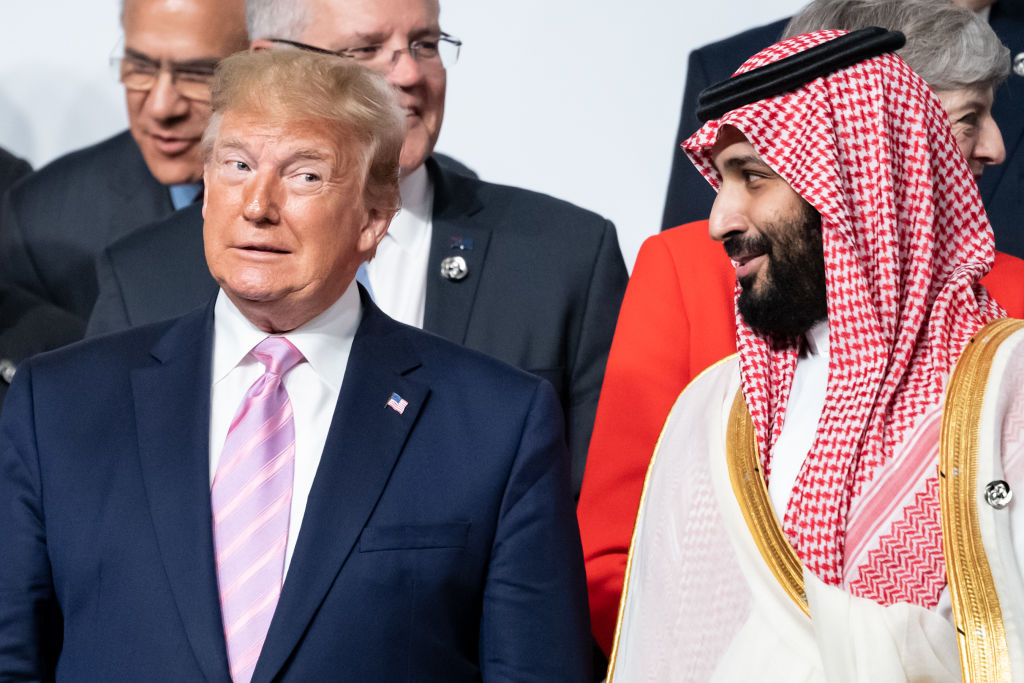
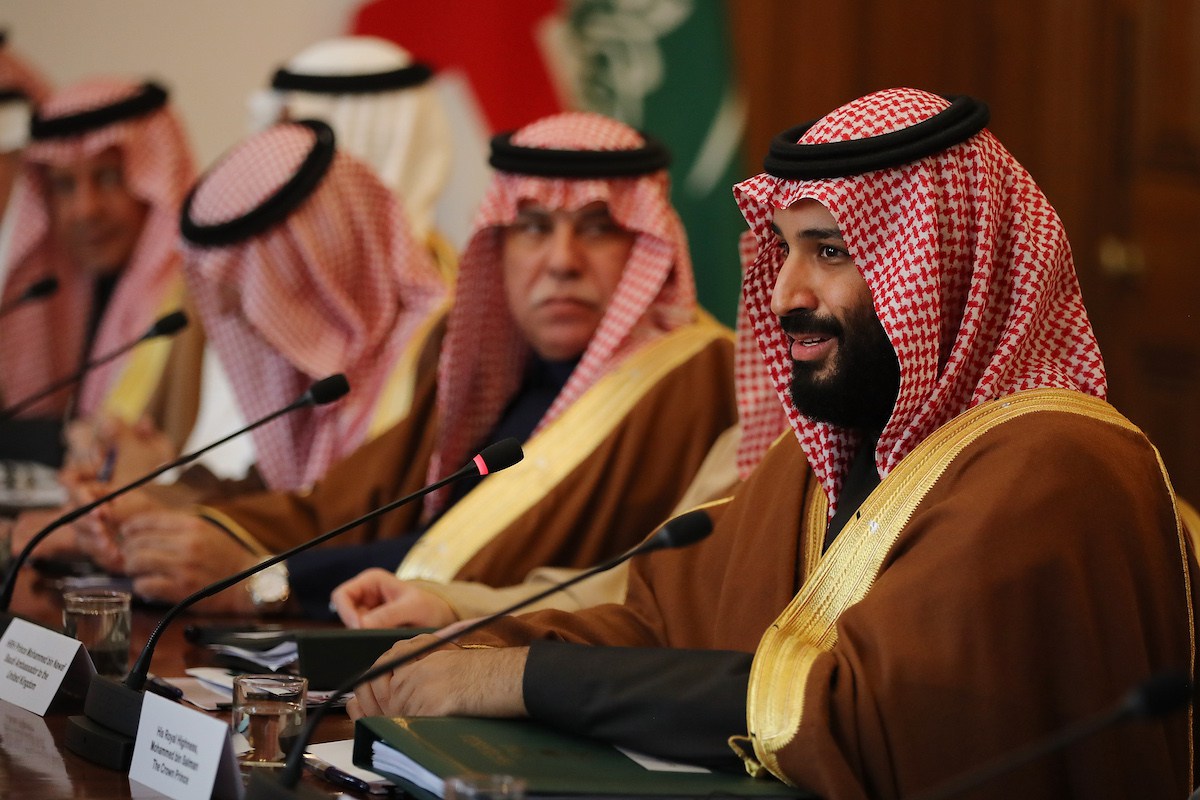
No Saudi official has been more applauded and vilified at the same time than Mohamed bin Salman, the Crown Prince and de facto ruler of Saudi Arabia. That is not surprising, given the transformational nature of the project he’s leading at home, which is bound to create both winners—those who wish to open up the kingdom—and losers—those who wish more or less to preserve the status quo.