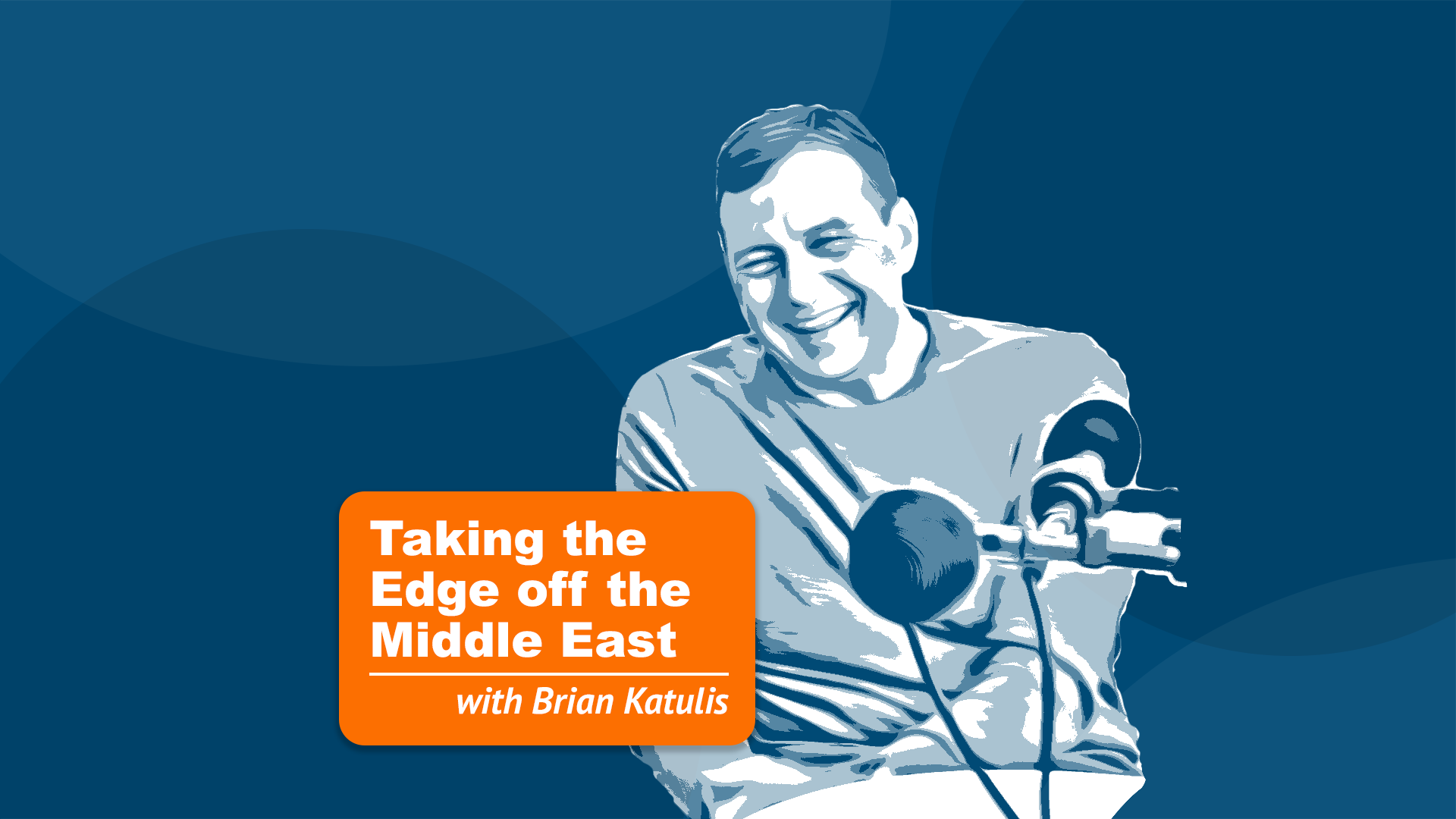
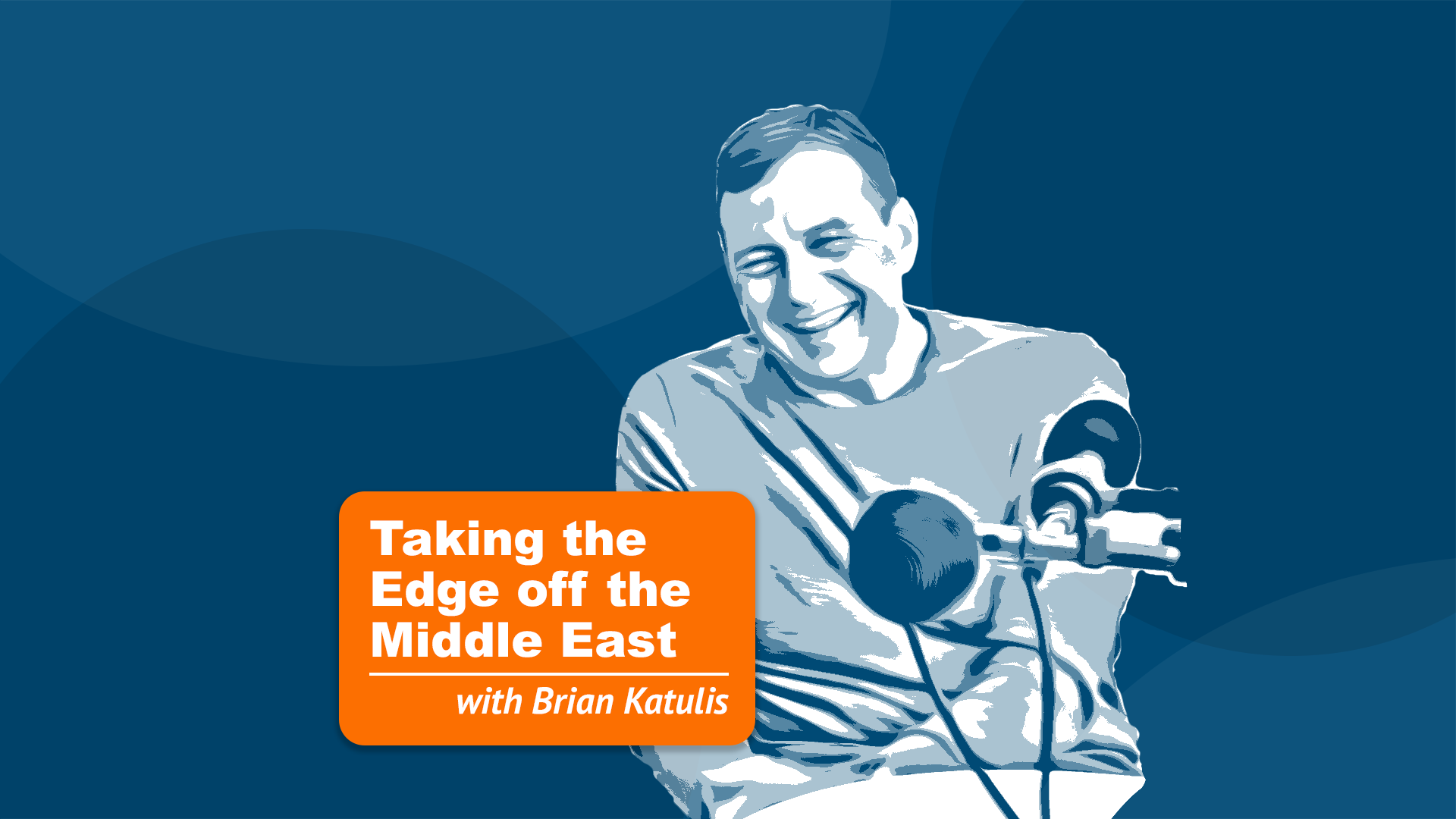
Brian Katulis is a senior fellow at the Middle East Institute, specializing in US foreign policy and national security. He authors the column “Making Sense: A Regular Take on US Foreign Policy” and hosts the podcast “Taking the Edge Off the Middle East.” Katulis draws on decades of experience living and working in the Middle East, where he has forged relationships of trust and confidence across the region with top leaders in government, the private sector, media, national security, and thought leaders from a wide variety of international organizations.
As a foreign policy strategist and senior fellow, Katulis has produced influential studies that have shaped key regional policy debates and provided expert testimony to congressional committees on his findings. Prior to MEI, he was a senior fellow at the Center for American Progress (CAP), where he built the center’s Middle East program. His career also includes significant experience at the National Security Council, the US Department of State, and the US Department of Defense.
Katulis co-authored The Prosperity Agenda (2008) with Nancy Soderberg, a book that examines how America’s economic advantages can be used to positively shape global dynamics. He is also frequently quoted in leading news publications and media outlets.
He holds a Master in Public Affairs from Princeton University’s School of Public and International Affairs and a BA in History and Arab and Islamic Studies from Villanova University. He was a Fulbright Scholar in Amman, Jordan from 1994-1995, where he conducted a research project on the peace process between Israel and Jordan.
Jordan’s Role in a Region in Crisis: A Conversation with Ambassador Dina Kawar
Ambassador Dina Kawar, Jordan’s Ambassador to the United States, joins host Brian Katulis for a wide-ranging conversation on Jordan’s efforts to address the humanitarian crisis in Gaza, its bilateral partnership with the United States, and its role in regional diplomacy.
Trump’s diplomatic failures with Russia cast a pall over his Middle East efforts
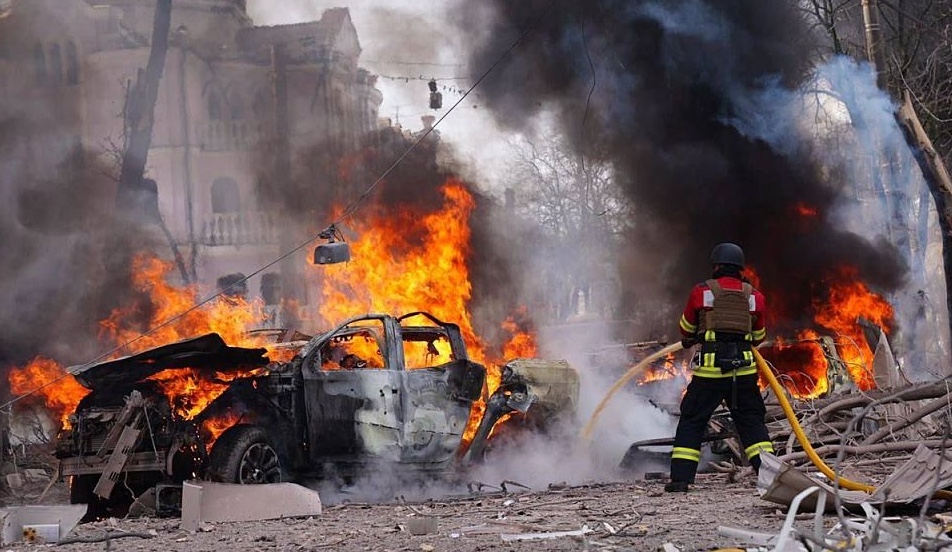
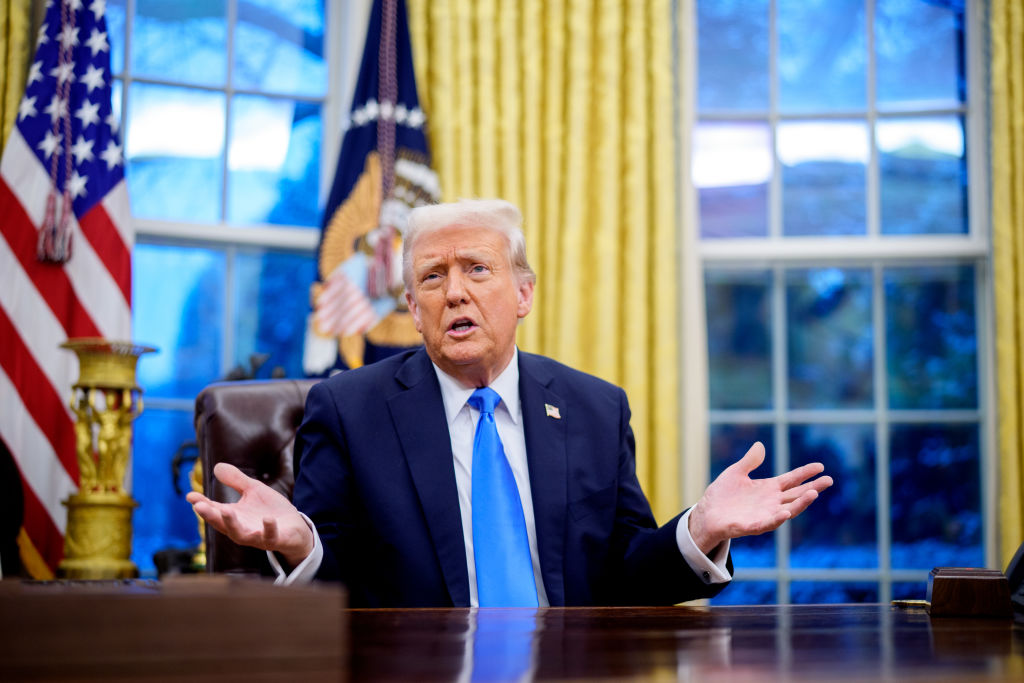
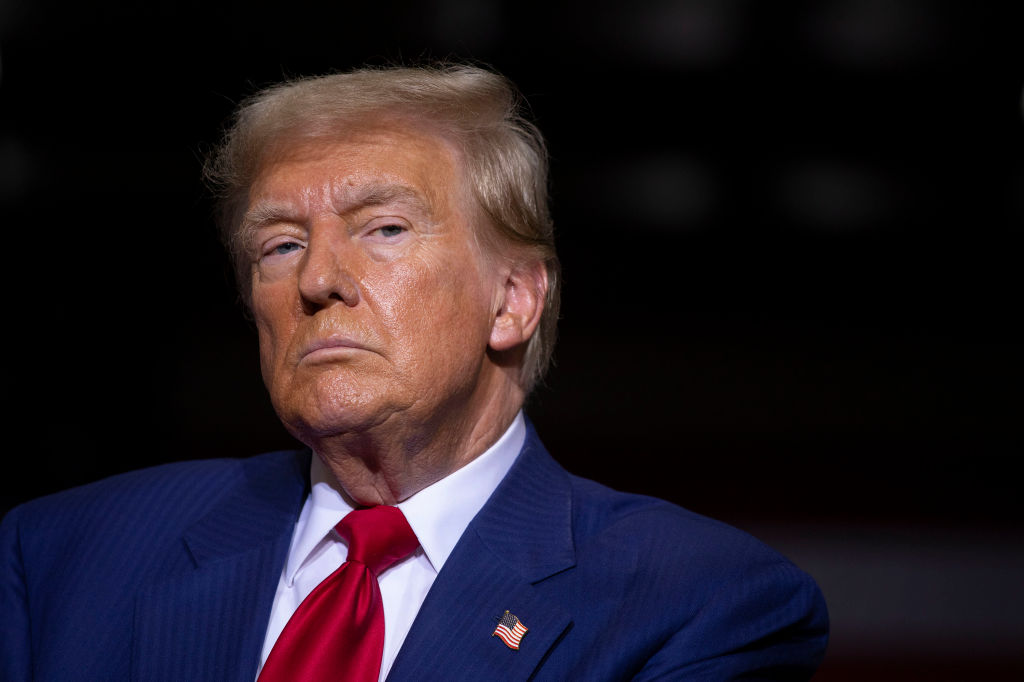
US President Donald Trump was back in his comfort zone this week, fulminating online and ranting to journalists about Russia’s continued war against Ukraine.
Is the Two-State Solution Still Viable? Saudi Spokesperson Fahad Nazer Makes the Case.
In this episode of Taking the Edge Off the Middle East, host Brian Katulis sits down with Fahad Nazer, spokesperson for the Saudi Arabian Embassy in the US, to discuss the evolving US-Saudi relationship amid unprecedented regional volatility. Central to their conversation is the deepening crisis in Gaza, emphasizing the urgent need for sustained US-Saudi cooperation and broader international engagement to address the humanitarian catastrophe and prevent further regional escalation.
Back to reality: Gravity remains in place after Trump’s trip
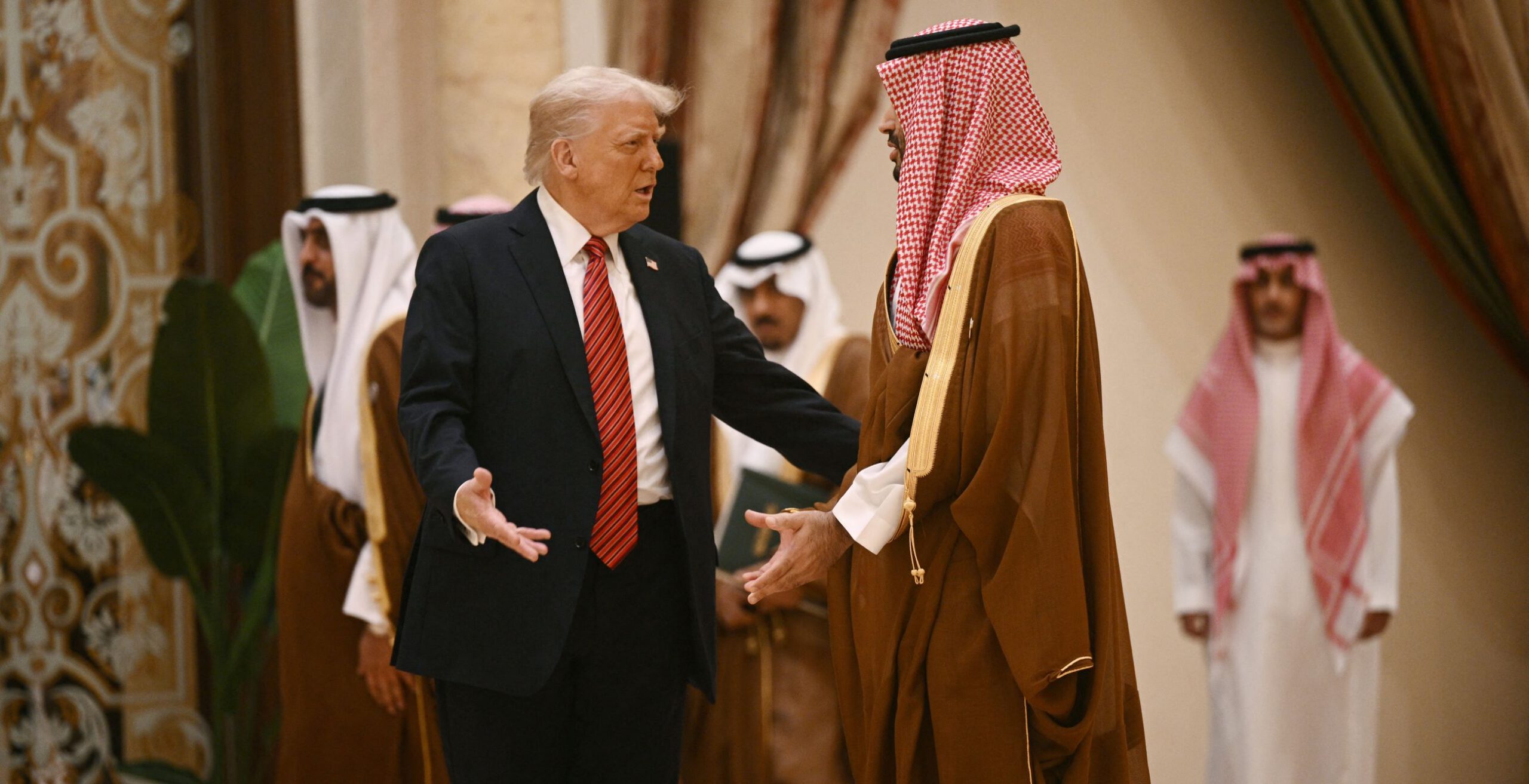
The harsh realities of the region’s threats and challenges, like Iran and the Gaza war, stubbornly persist following the pomp and circumstance of Trump’s “spring bling” tour, which featured eye-popping dollar figures and an offer of a luxury jumbo jet from Qatar.
Trump's Middle East Approach, the Israeli-Palestinian Conflict, and the Future of US Statecraft – with Amb. Dennis Ross
Ambassador Dennis Ross joins host Brian Katulis to break down what President Trump’s recent trip through Saudi Arabia, the UAE, and Qatar revealed about the administration’s approach to foreign policy in the Middle East—and what it means for the future of the region. They discuss the significance and substance behind the announced mega-deals, what’s really going on with Iran and the Houthi ceasefire, and how Trump is handling relations with Israel amid the ongoing war in Gaza.
A midstream appraisal of Trump’s historic Middle East trip
One of the strategic thrusts of the opening months of Trump’s second terms has been aimed at deepening America’s economic engagement with the leading economies of the Gulf. Thus, the first leg of his trip to the region resulted in a template for deeper US-Saudi ties.
This week, US President Donald Trump makes his inaugural visit to the Middle East since the start of his second term, traveling to Saudi Arabia, Qatar, and the United Arab Emirates on May 13-16. Amid the heightened focus on US policy toward the Middle East, MEI’s experts take stock of Trump’s trip to the Gulf, how his administration has shaped its approach to the wider region in its first several months, and how regional actors are responding to the policies coming out of Washington.
President Donald J. Trump’s trip to the Middle East on May 13-16 comes on the heels of more than three months of whirlwind activity in US foreign policy where the region has been a higher priority than it was in the early months of the previous US administration. The US president has gained attention by proposing some provocative ideas and his team has made some signs of progress in talks with Iran, but thus far the second Trump administration has produced very few tangible advances for stability, prosperity, and progress in the Middle East. The following report assesses the US government’s actions on Middle East policy over the past three months, from late January to late April 2025.
Trump’s Second Term and the Middle East: A Conversation with Ambassador James Jeffrey
In this wide-ranging conversation, Ambassador James Jeffrey joins host Brian Katulis to unpack the Trump administration’s early moves in its second term and what they signal for US foreign policy in the Middle East.
Trump’s domestic political support craters at the 100-day mark before his Middle East trip
President Donald Trump reached the 100-day mark in his second term this week seeing a sharp drop in his domestic political standing. This comes less than two weeks before Trump embarks on a key Middle East trip to the Gulf. The administration may be looking to the presidential visit as a chance to achieve some progress, but the region remains fraught with uncertainty and US policy in the Middle East rarely provides domestic political dividends.
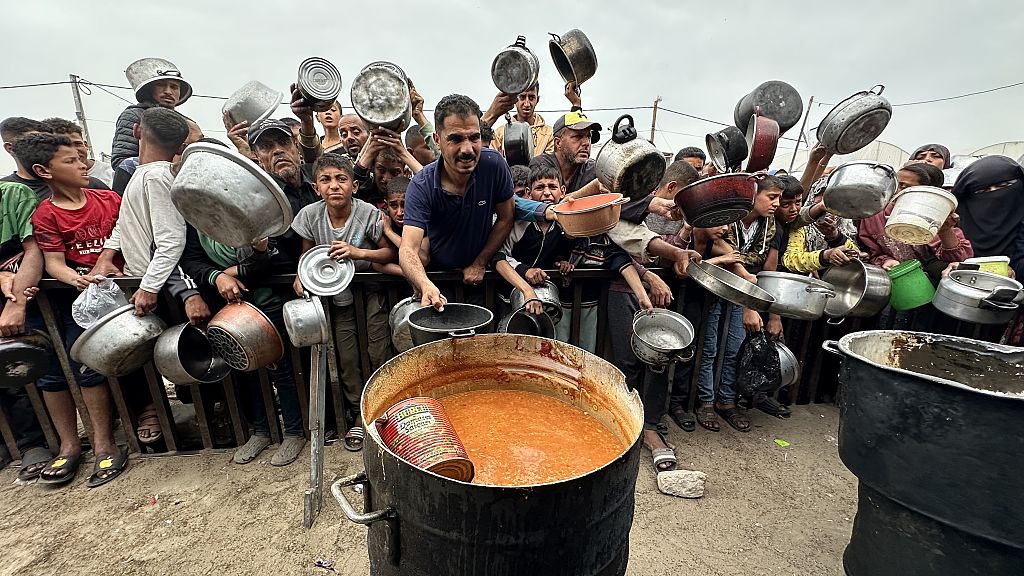
Deteriorating human security in Gaza will limit Trump’s Middle East aspirations
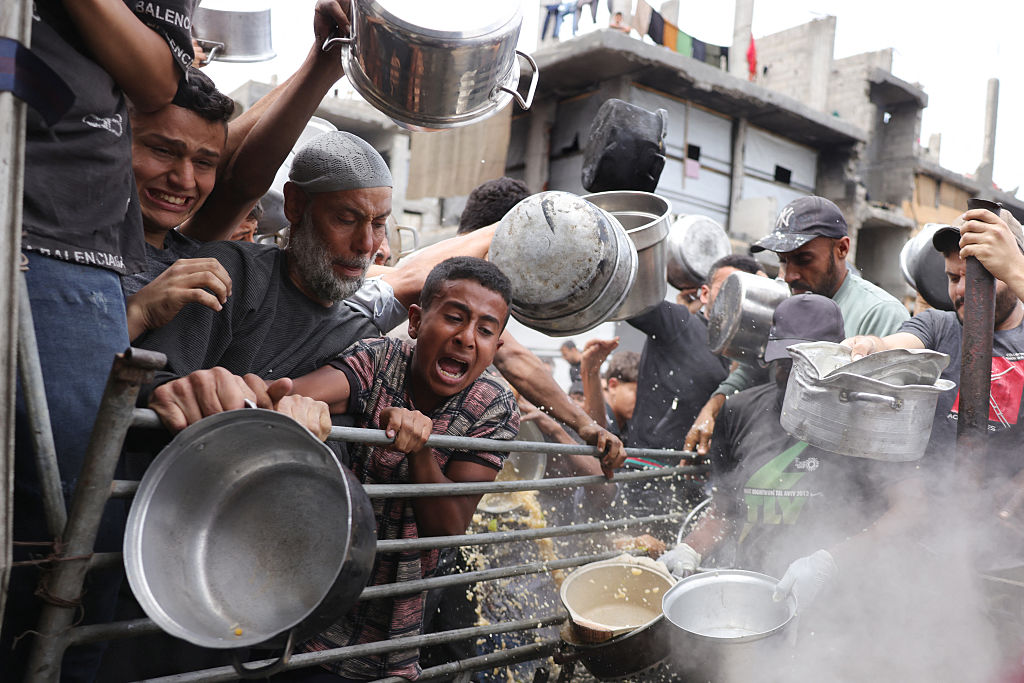
The spotlight on US policy in the Middle East remains focused on talks with Iran, with a third round set for Oman this coming weekend after discussions in Rome on April 19 offered some signs of progress. But a growing humanitarian crisis in the Gaza Strip and the stalled efforts to safely return hostages held by Hamas remain the biggest challenges that President Donald Trump’s administration has yet to address successfully.
Toni Verstandig on What We’ve Learned—and Forgotten—About Peace
In this episode of Taking the Edge off the Middle East, Brian Katulis sits down with Toni Verstandig, former Deputy Assistant Secretary of State for Near Eastern Affairs and current board member at the Middle East Institute. Three months into the second Trump administration, they assess how the White House is reshaping US policy in the Middle East—what’s changed, what’s stayed the same, and what risks lie ahead. Verstandig reflects on lessons from her years working on the Israeli-Palestinian peace process during the Clinton era, offering both poignant stories and policy insights from a time when diplomacy looked very different. They also discuss how think tanks like MEI are stepping up at a moment when institutions like USIP and the Wilson Center are under fire.
Three issues to watch in Trump’s emerging Iran policy approach
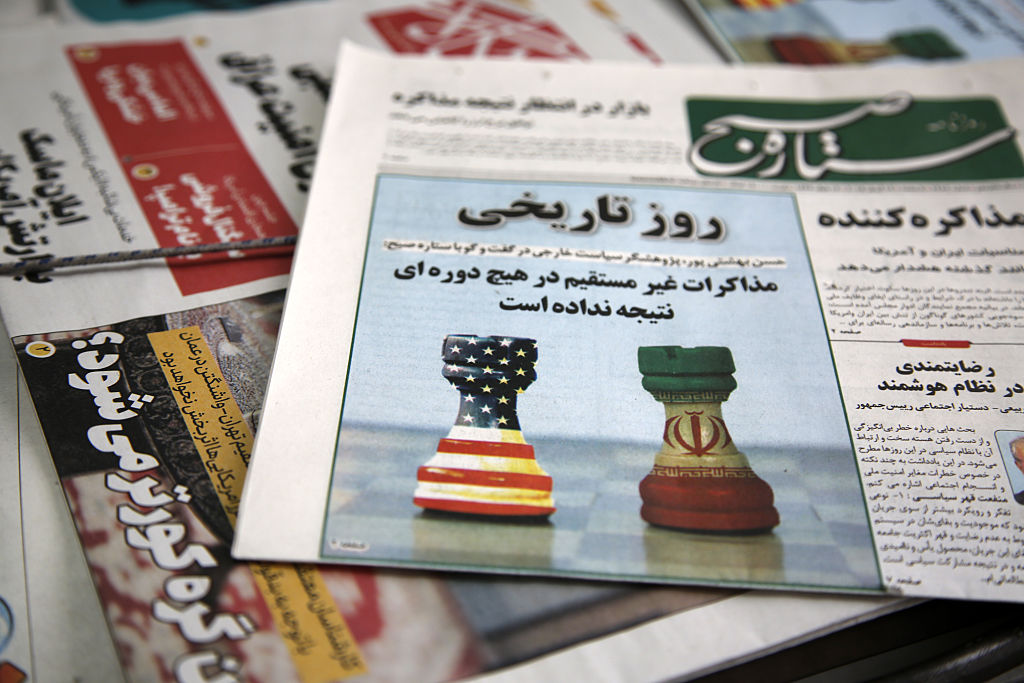
The biggest development this past week in the Middle East policy of Trump’s second administration was the initiation of talks between the United States and Iran. This small sign of hope for diplomatic progress comes at a time when the administration continues to implement an assertive and unpredictable economic unilateralism that has roiled global markets and reduced trust and confidence between the United States and most close international partners. Brian Katulis unpacks three things to watch closely as Trump’s Iran policy evolves and his broader national security approach unfolds.
Trump’s whirlwind of uncertainty and chaos hits the global economy and the Middle East
US President Donald Trump surprised Israeli Prime Minister Benjamin Netanyahu by publicly announcing “direct” talks between the United States and Iran set to take place later this week. The American president also unleashed global economic uncertainty by announcing simultaneous, unexpectedly high tariffs on dozens of countries around the world — including a 17% duty on Israel — and kicking off an escalating global trade war.
Frank Lowenstein | 'Taking the Edge off the Middle East' | Ep. 10
In this episode of ‘Taking the Edge off the Middle East,’ Brian Katulis sits down with Frank Lowenstein, a key advisor to Secretary John Kerry during the Obama a