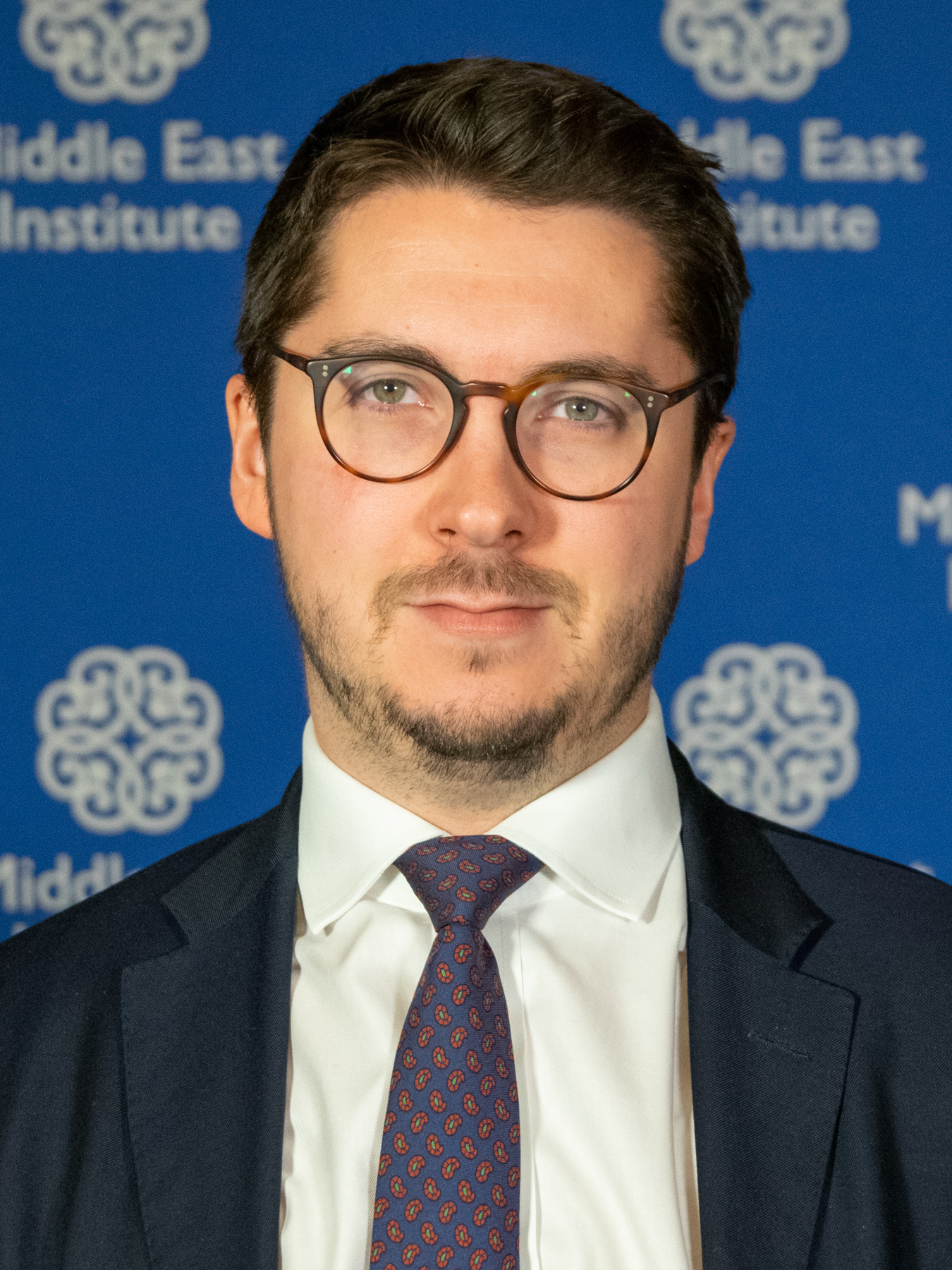
Charles Lister is a senior fellow and the director of the Syria Initiative at the Middle East Institute (MEI), where he focuses on Syria, terrorism, and insurgency across the Levant. His work also covers broader regional security dynamics and the evolution of jihadist movements, including al-Qaeda and the Islamic State (ISIS). Mr. Lister is concurrently a Senior Consultant to the Karam Shaar Advisory; the Founder of Syria Weekly; and a consultant to the United Nations’ International, Impartial and Independent Mechanism (IIIM) for Syria. Mr. Lister also serves as an expert witness and advisor on counterterrorism for US, European, and Australian law enforcement and judicial bodies.
At MEI, Mr. Lister leads two major international initiatives. The Resolving the Detainee Crisis project, a joint effort with the International Centre for the Study of Radicalization (ICSR), brings together governments and NGOs to address the challenges of detaining thousands of terrorist fighters and their families in northeast Syria. Separately, the Syria Strategy Project, in collaboration with the Atlantic Council and the European Institute of Peace, engages over 80 experts and 25 governments and Syrian entities to shape multilateral approaches to resolving Syria’s conflict. In March 2025, the project published a report, “Reimagining Syria: A Roadmap for Peace and Prosperity Beyond Assad.”
Before joining MEI, he was a visiting fellow at the Brookings Institution in Doha and a senior consultant to the multinationally backed Syria Track II Dialogue Initiative, where he led years of direct engagement with the leadership of more than 100 Syrian armed opposition groups.
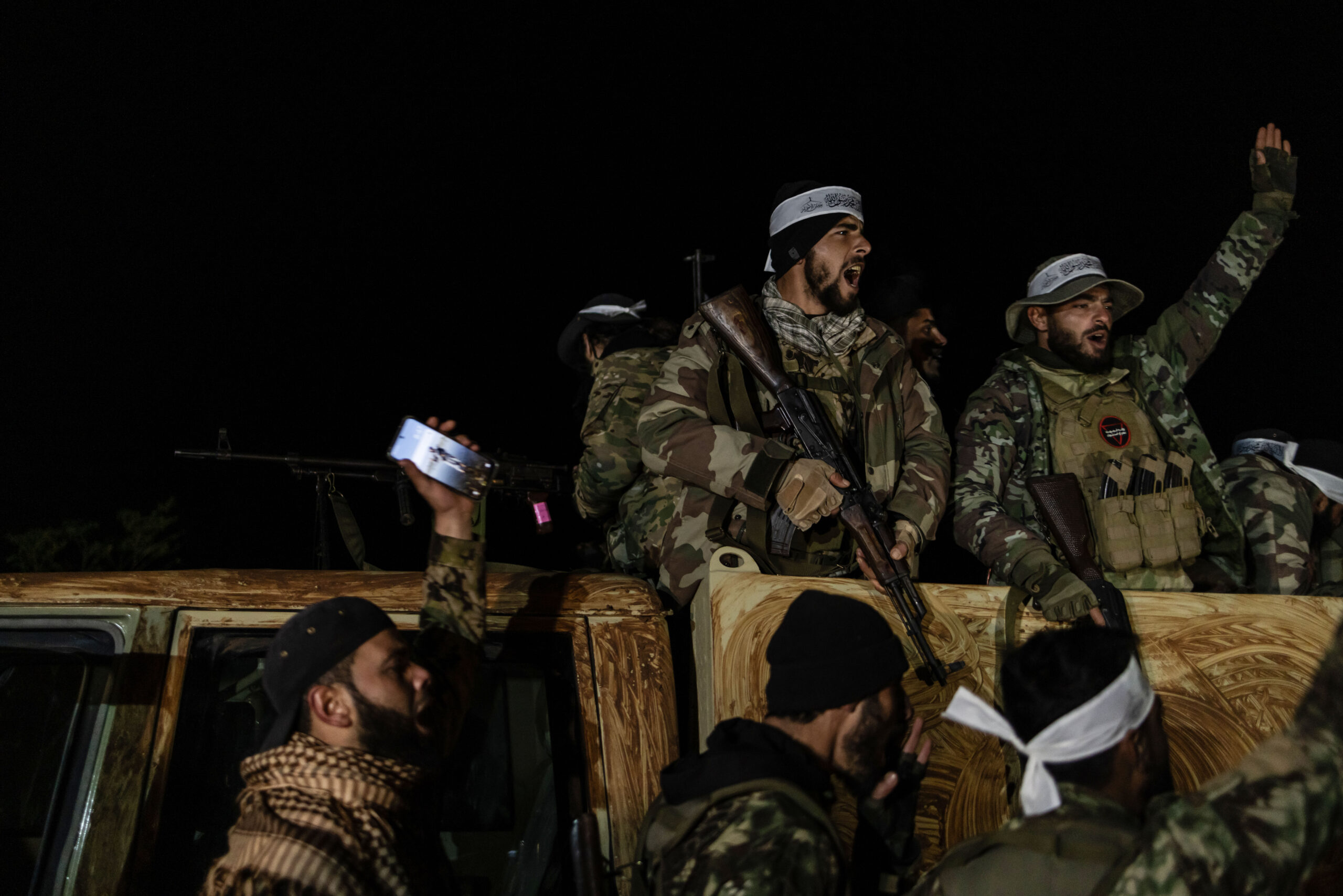
In only six days, a broad coalition of advancing opposition forces coordinated by Hayat Tahrir al-Sham has captured all of Idlib province, almost all of Aleppo province, and a sizeable stretch of northern Hama — a humiliating defeat for Bashar al-Assad and illustrative of the fragility of regime rule in Syria.
Since March 2020, Syria’s conflict lines have been frozen, as Russia, Turkey, Iran and the United States held together a series of ceasefires and security understandings. That all changed this week, when a broad coalition of armed opposition groups launched a surprise and daring offensive west of Aleppo city.
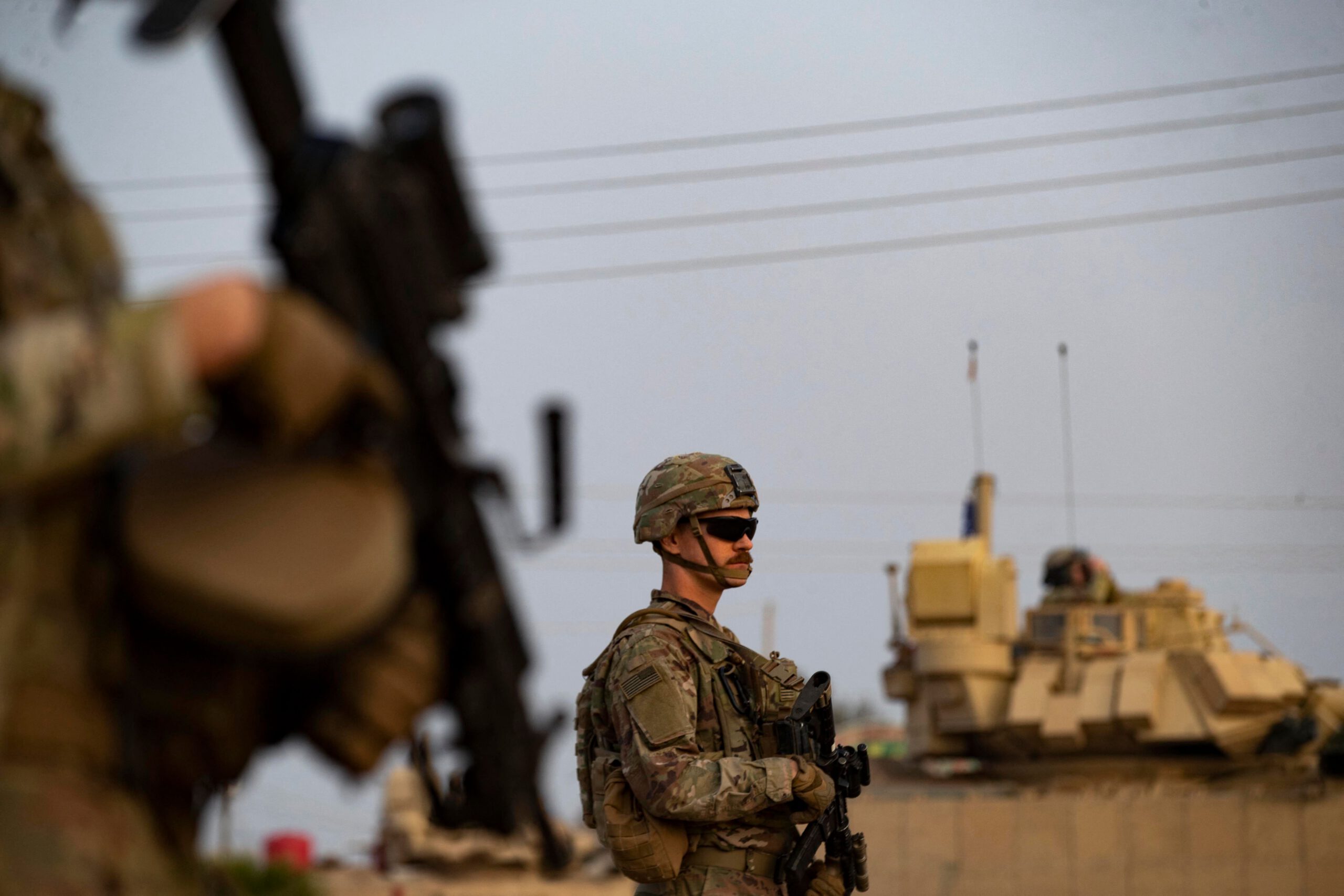
To abandon the Syria mission now would bring no meaningful benefit to the US, but it would swiftly and significantly empower America’s adversaries, like ISIS, Iran, Russia, and Assad’s regime.
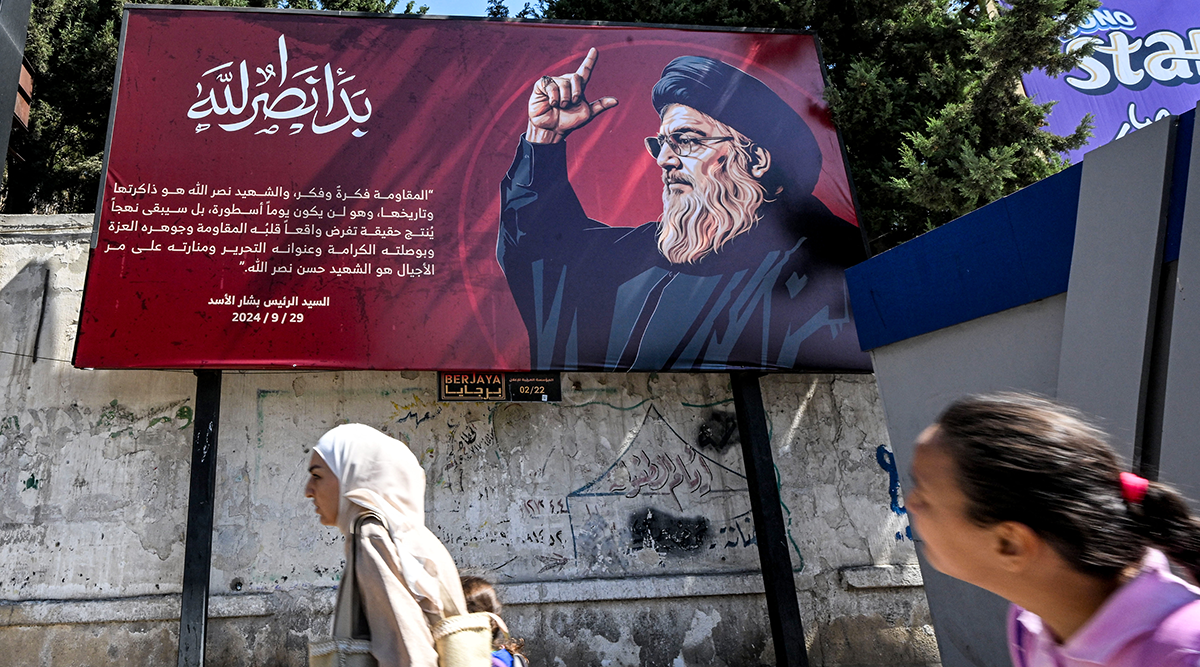
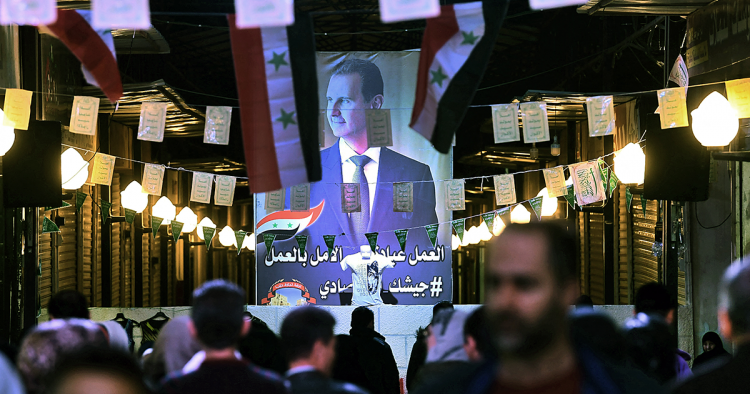
The Middle East has experienced an extraordinarily tumultuous year, as the ripples from Hamas’ assault on Israel on Oct. 7, 2023, continue to fuel hostilities in Palestine, Lebanon, Syria, Iraq, Yemen, and the waters of the Gulf. Amid all of this, Syria has received very little attention, despite its central role in Iran’s regional agenda. Now the Biden administration is reportedly “hopeful” that Bashar al-Assad will soon permanently block Iran’s ability to support Hezbollah in Lebanon and is postured to reward Damascus for doing so. At best, such calculations should be described as optimistic; at worst, fanciful.
As the U.S. leaves Iraq, it can’t leave the door open for ISIS
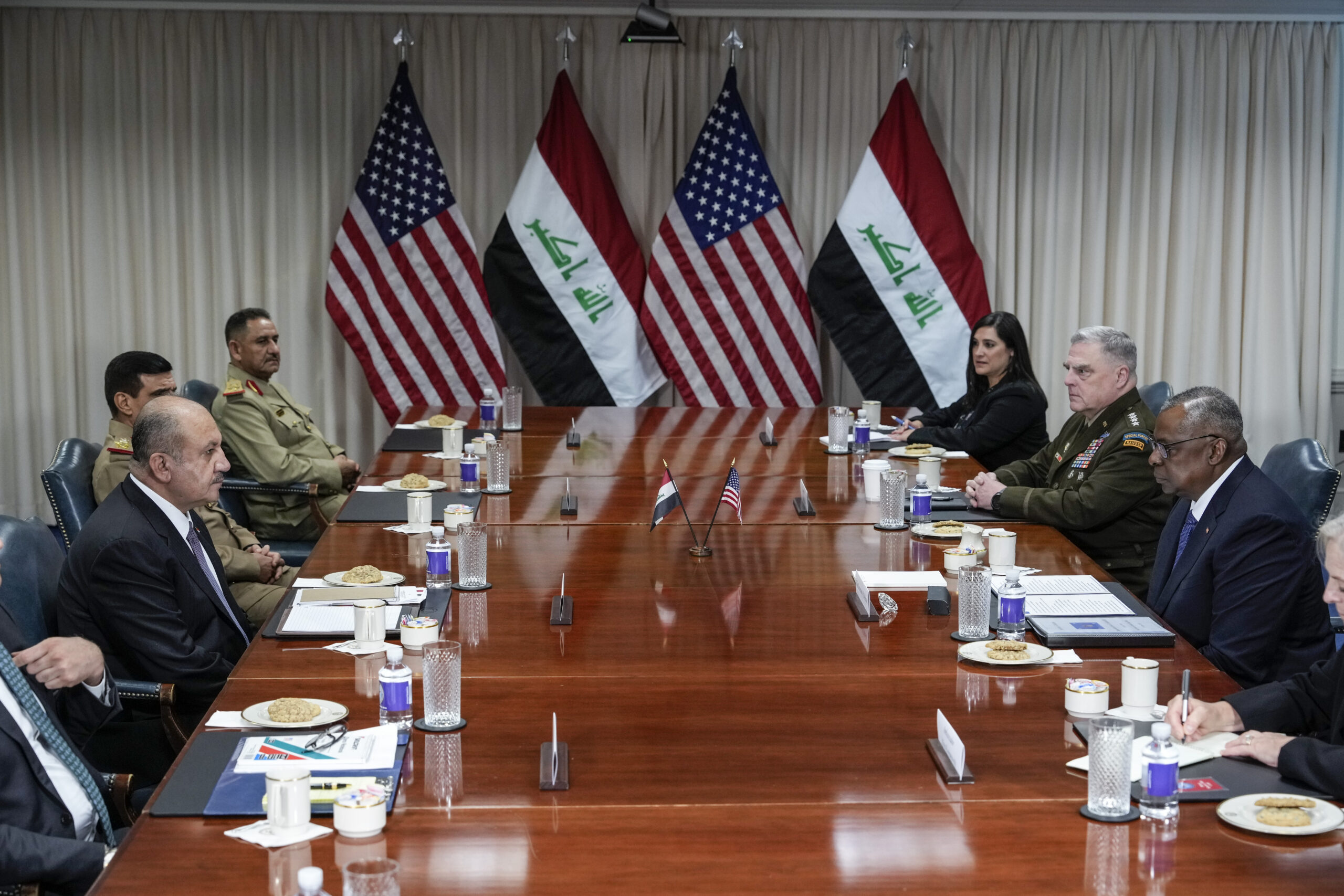
After more than six months of talks, the United States and Iraq look set to announce a significant agreement stipulating that the U.S.-led anti-Islamic State coalition will withdraw entirely from the country over the next two years.
A waiting game as the region teeters on the brink of full-blown war
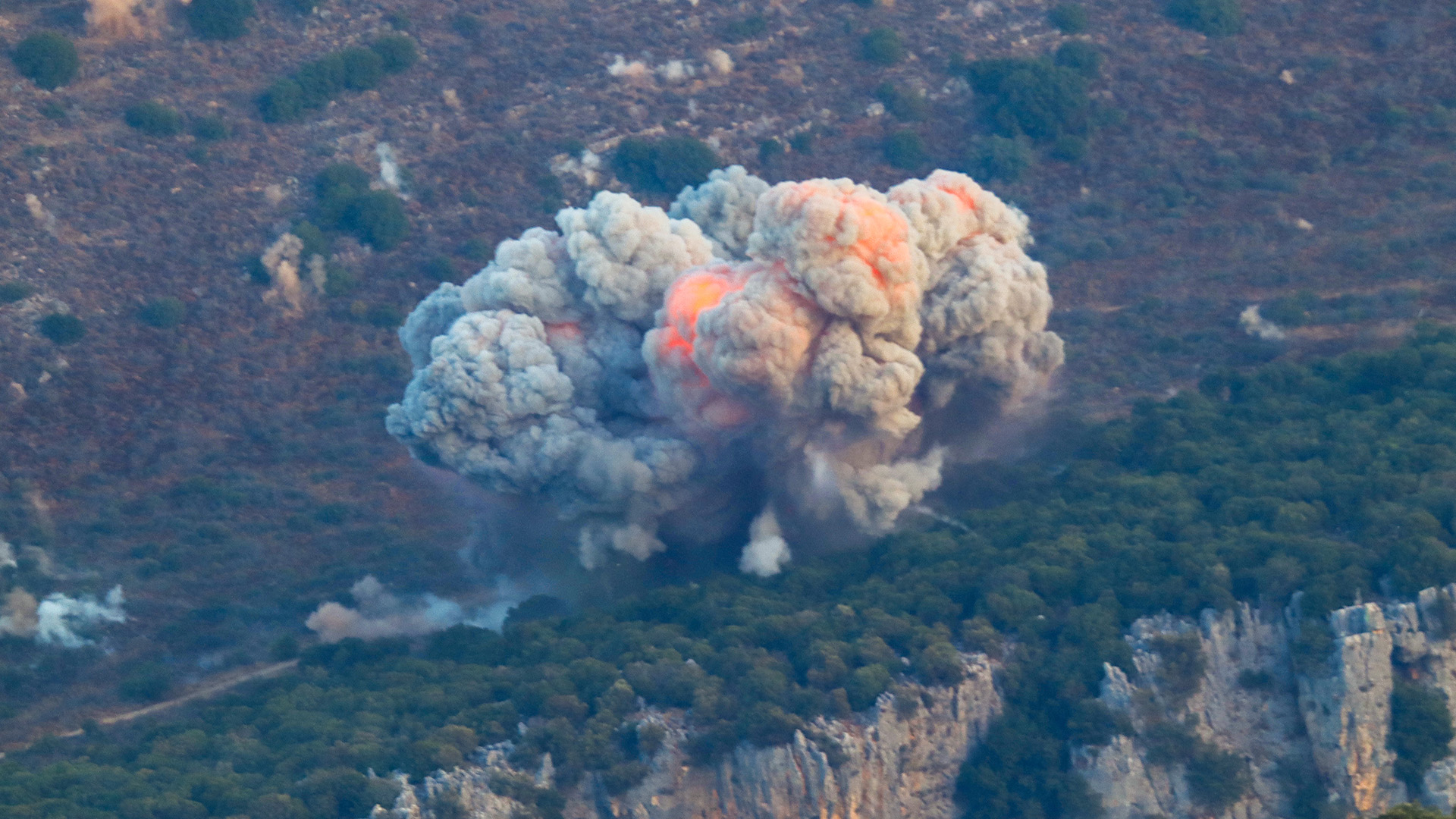
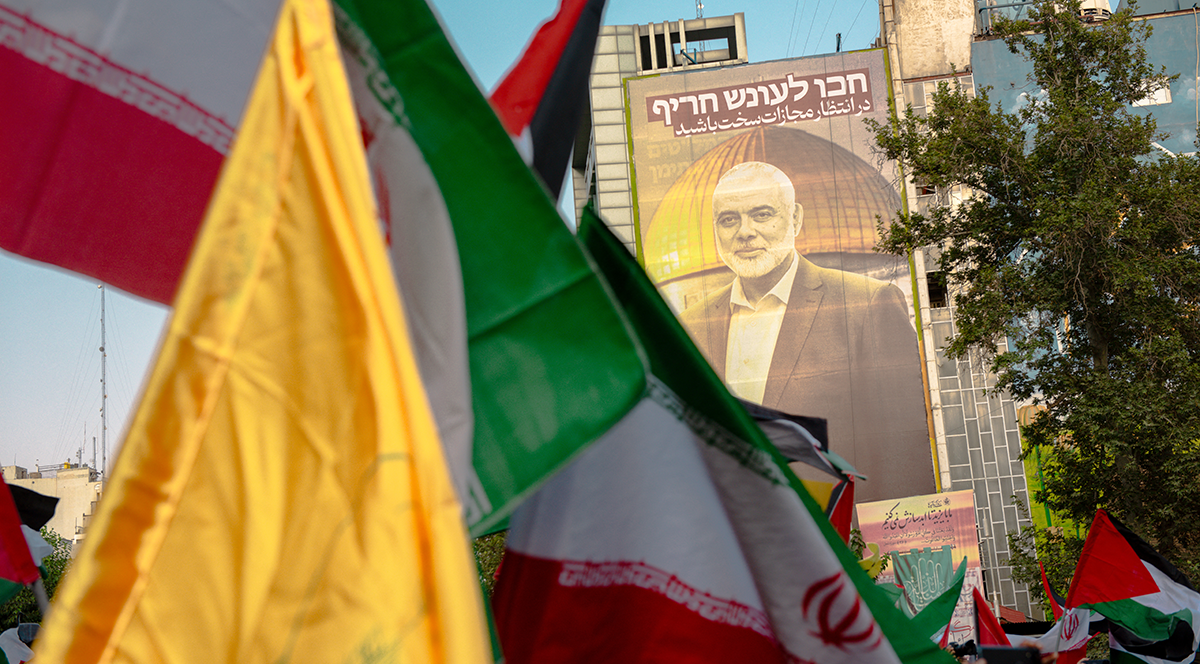
Israel’s targeted killing of Hezbollah military leader Fuad Shukr in Beirut and Hamas political chief Ismail Haniyeh in Tehran are explosive events for the region. Coming within 12 hours of each other, they were also an earthquake within the “Axis of Resistance” — but not one likely to encourage de-escalation. Far from it.
Six years ago, the Syrian regime conquered the southern province of Daraa, popularly known by millions of Syrians as the “cradle of the revolution.” That military victory represented a pivotal moment for Syrian President Bashar al-Assad. After all, it was the last time the regime captured a sizable swath of opposition territory, and in doing so in July 2018, its impunity was laid bare for all the world to see. On paper, Daraa had been designated a “de-escalation zone” after months of intensive international diplomacy in which the United States had played a central role.
CENTCOM says ISIS is reconstituting in Syria and Iraq, but the reality is even worse
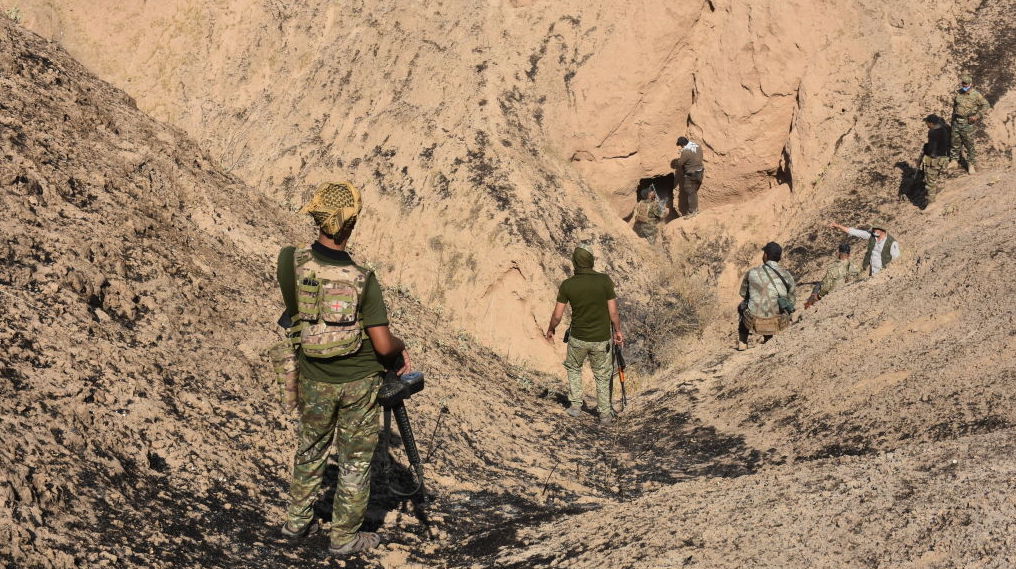
On July 16, CENTCOM announced that after six months of 2024, “ISIS is on pace to more than double” the number of attacks in Syria and Iraq it claimed in 2023. But the reality is far worse than this statement suggested because the data represents only a fraction of ISIS’s actual attacks in Syria and Iraq.