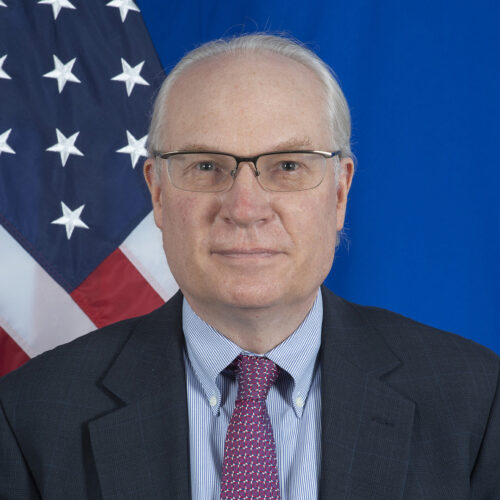
Christophe Abi-Nassif was formerly Lebanon program director at MEI.
Prior to that, he was a Beirut-based management consultant advising public sector entities throughout the Middle East on growth strategy, operating model design and implementation, and operations launch. More recently, he was a consultant at the World Bank’s Office of the Chief Economist for the Middle East and North Africa. He writes on Lebanese current affairs.
Education
MPA, John F. Kennedy School of Government, Harvard University
MBA, The Wharton School, University of Pennsylvania
BA in Economics, American University of Beirut
Regions of Expertise
Lebanon
Issues of Expertise
Economic Policy, Political Economy, Institutional Development
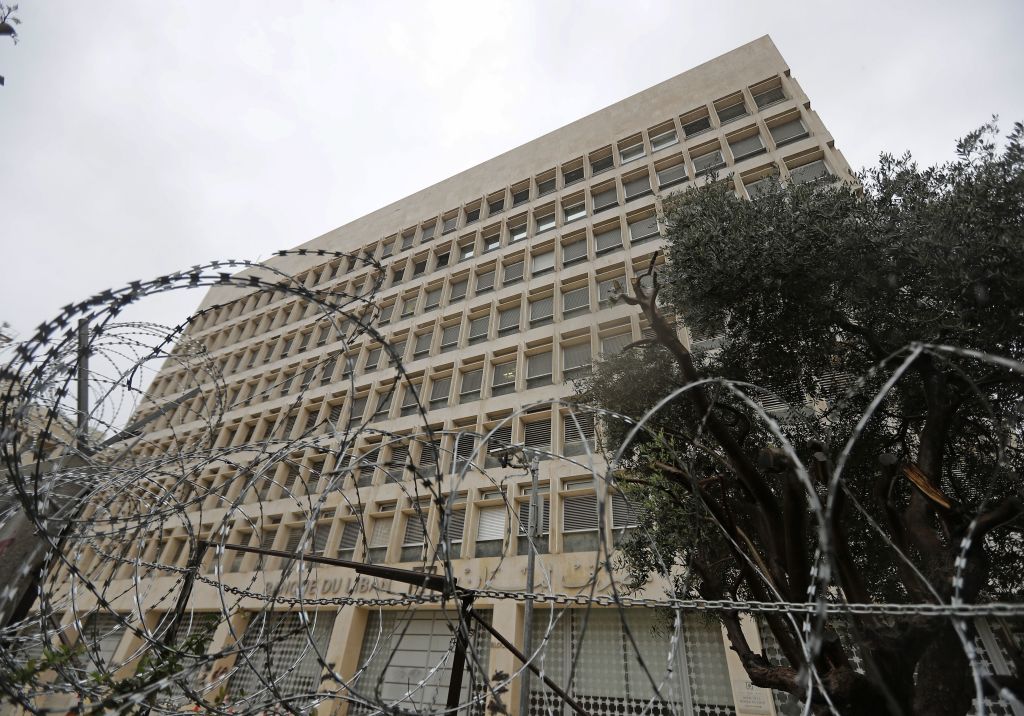
Out of ill-will and incompetence, Lebanese decision-makers continue to violate macroeconomics’ most fundamental principles in their handling of Lebanon’s financial meltdown. Erroneous — or worse still, inexistent — fiscal and monetary policy choices are amplifying by the day the devastating socioeconomic repercussions that the country will face for years, if not decades, to come.
The Biden Administration and the Middle East: Policy Recommendations for a Sustainable Way Forward
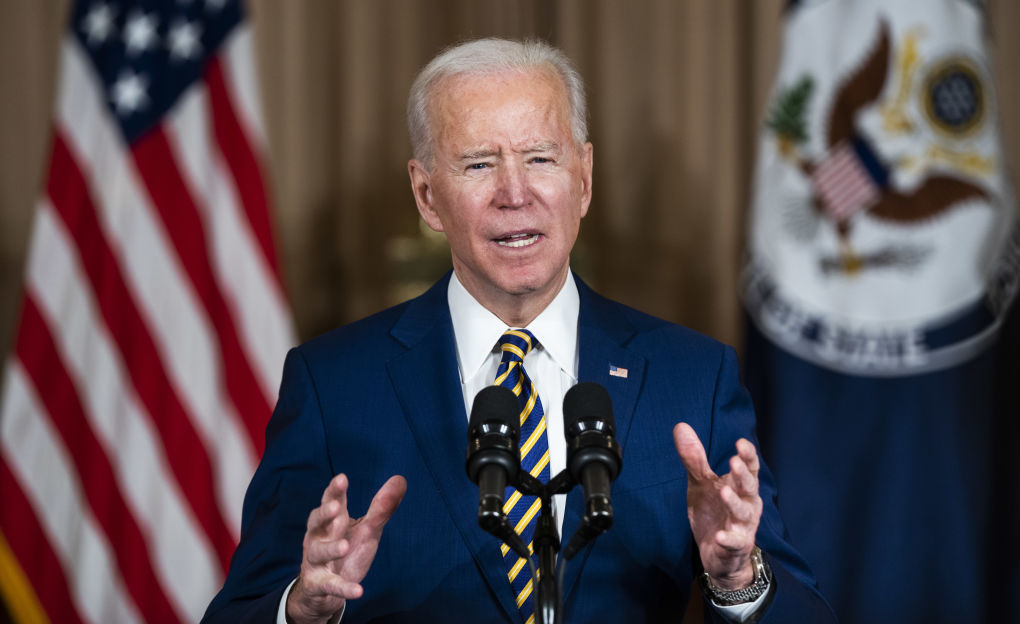
In a new policy briefing book, entitled The Biden Administration and the Middle East: Policy Recommendations for a Sustainable Way Forward, MEI scholars tackle a large number of country-specific and region-wide issue areas, laying out both the abiding U.S. interests and specific recommendations for Biden administration policies that can further U.S. interests amid a region in turmoil.
The electoral path may not save Lebanon, but its citizens deserve the chance to walk it
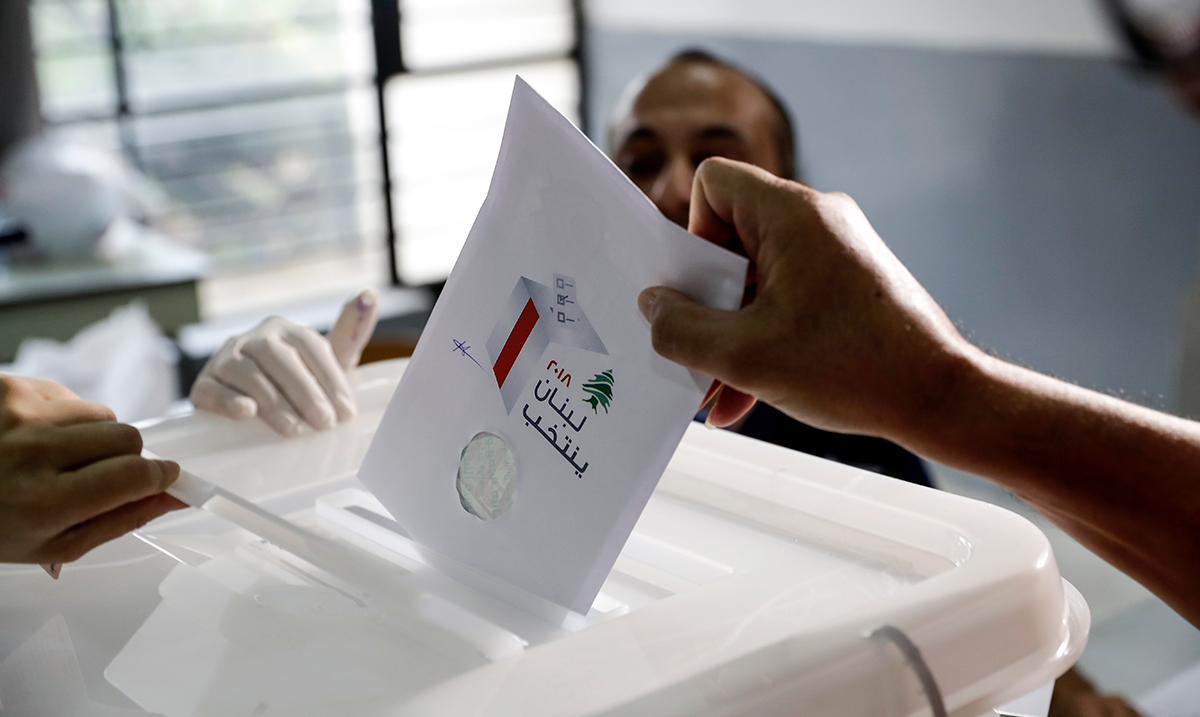
With the increasingly heavy burdens of everyday life, May 2022 may feel like an eternity away in Lebanon. Next spring, however, marks a high-stakes milestone and reality check for the country’s domestic politics. Absent any major surprises, eligible Lebanese citizens at home and in the diaspora will cast their votes in the first general elections since the October 2019 uprising, the financial collapse, and the Beirut port explosion. In fact, the process has already started with the issuance of electoral rolls. But there’s a catch — Lebanese politics are full of surprises.
The inaction trap: Paralysis and denial in Lebanese politics
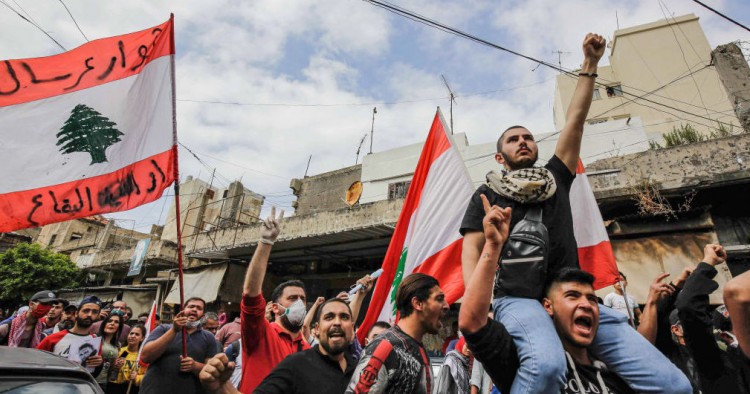
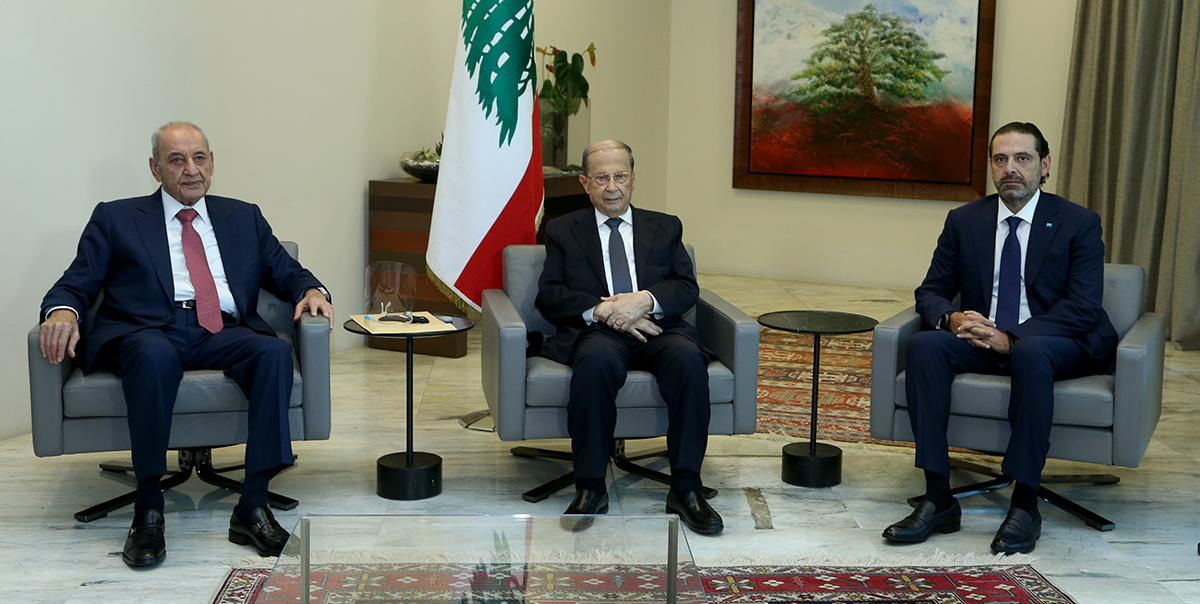
Saturday marks the 100th day since Prime Minister-designate Saad Hariri secured a razor-thin majority nomination to form a new cabinet — his fourth in 11 years. In October 2019, street protests had forced his “national unity” government to resign. His comeback a year later was a cause for disillusionment among protesters and a signal that politics as usual, in its collusive and inefficient nature, was there to stay. The absurdity of the Lebanese debacle lies in how easy and acceptable it was — and still is — for the established political class to shy away from crucial and courageous decisions when the country needed them most.
فرضت الحكومة اللبنانية حالة إغلاق صارمة عقب تسجيل أكبر حصيلة إصابات يومية الأسبوع الماضي منذ أن بدأت الجائحة. وتحصد الحكومة اللبنانية الآن ما زرعته بعدما أرخت القيود الصحية العامة خلال فترة العطلات.