F. Gregory Gause III is an Associate Fellow at the Middle East Institute in Washington, DC, and Professor Emeritus of International Affairs at the Bush School of Government and Public Service, Texas A&M University, from which he retired in January 2025. From fall 2014 through summer 2022 he served as Head of the School’s Department of International Affairs. He is the author of three books and numerous articles on the politics of the Middle East, with a particular focus on the Arabian Peninsula and the Persian Gulf. He was previously on the faculties of the University of Vermont (1995-2014) and Columbia University (1987-1995) and was Fellow for Arab and Islamic Studies at the Council on Foreign Relations in New York (1993-1994). During the 2009-10 academic year he was Kuwait Foundation Visiting Professor of International Affairs at the Kennedy School of Government, Harvard University. In spring 2009 he was a Fulbright Scholar at the American University in Kuwait. In spring 2010 he was a research fellow at the King Faisal Center for Islamic Studies and Research in Riyadh, Saudi Arabia. His most recent book is The International Relations of the Persian Gulf (Cambridge University Press, 2010). His articles have appeared in Foreign Affairs, Foreign Policy, The Middle East Journal, Security Studies, Washington Quarterly, National Interest, and other journals and edited volumes. He received his Ph.D. in political science from Harvard University in 1987 and his A.B. (summa cum laude) from St. Joseph’s University in Philadelphia in 1980. He studied Arabic at the American University in Cairo (1982-83) and Middlebury College (1984).
A different Middle East: How should Washington respond?
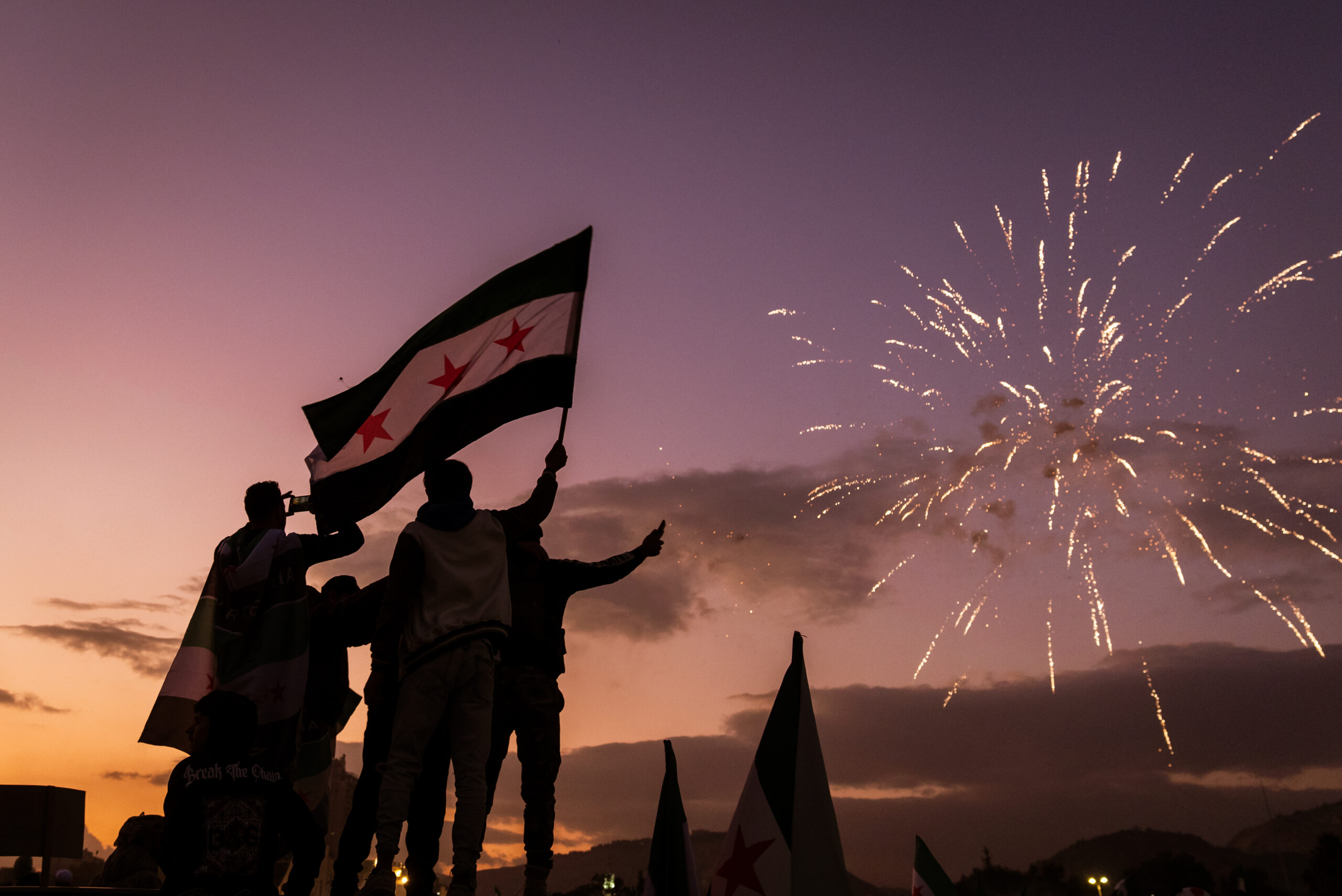
A very different Middle East will greet President-elect Trump this month compared to the region he experienced during his first term. However, there are opportunities to advance American interests for a more stable and less conflictual Middle East, which might not require the kind of intense US commitment we have seen over the last quarter-century.
Structural impediments to Iranian-Gulf Arab reconciliation
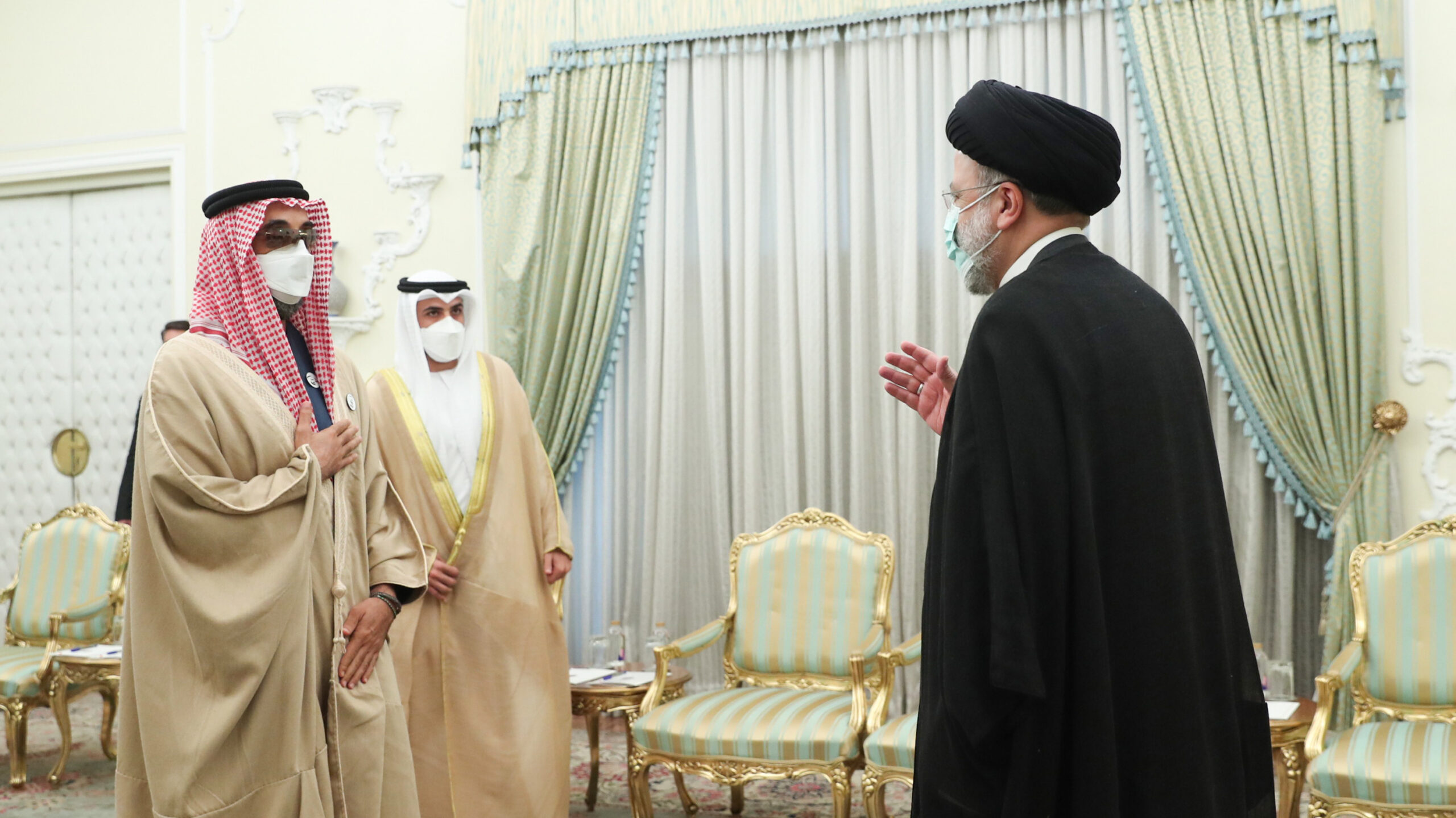
As welcome as recent moves toward Iranian-Gulf détente have been, extensive obstacles continue to stand in the way of a real and sustained relaxation of tensions, cause by what international relations scholars call the “security dilemma.”
The past 30 years of the Saudi-American relationship have seen highs of intense geopolitical cooperation and the lows of the post-September 11, 2001 period. What has tied those ups and downs together is the fluctuating relationship between both governments and the transnational Salafi Islamist movement. Both governments fostered the movement — domestically in Saudi Arabia and as an international force — during the Afghan jihad against the Soviet Union in the 1980s. Both have seen the movement shift from a tool of their foreign policies to a threat.