Skip to Content

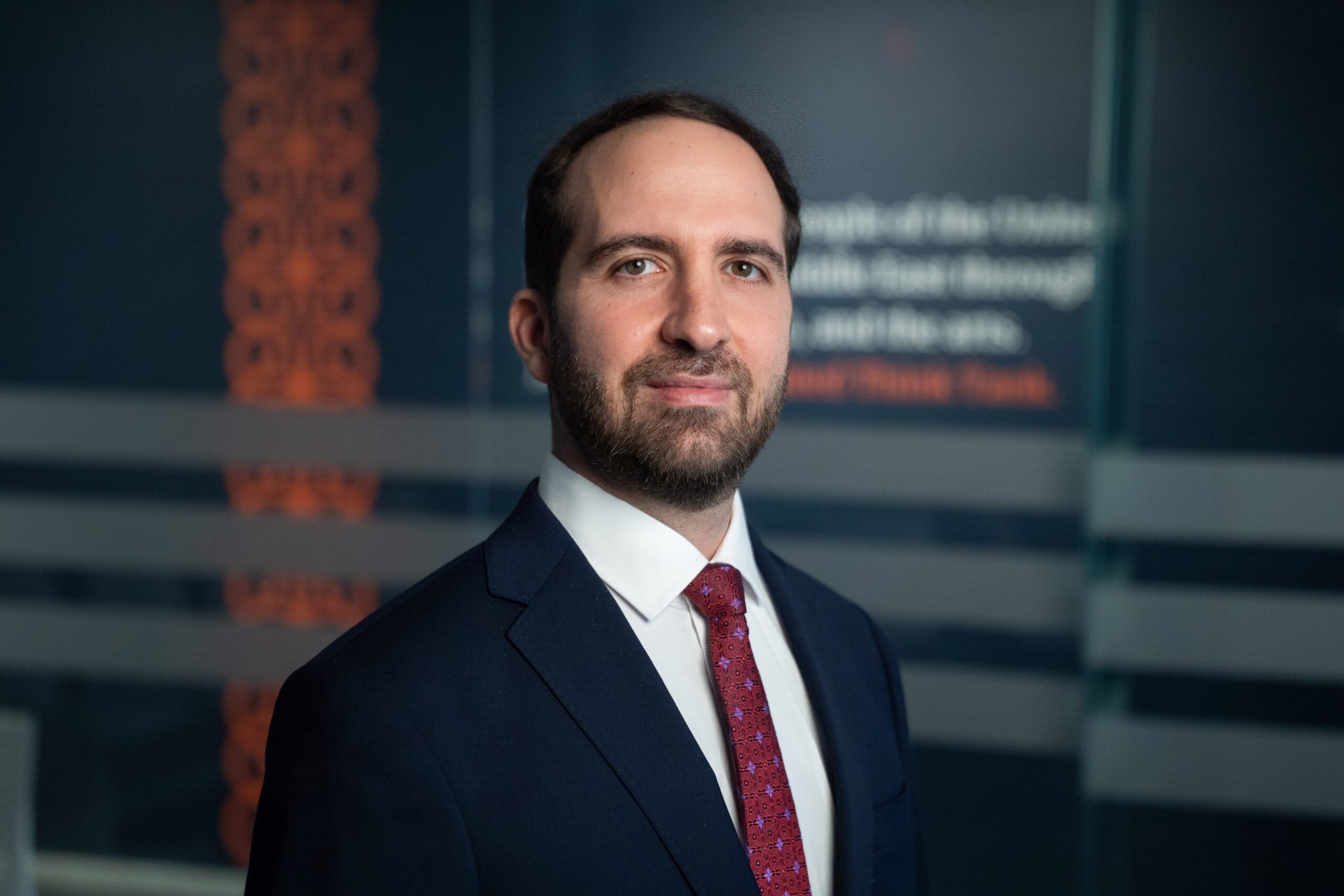
Fadi Nicholas Nassar is a Senior Fellow at the Middle East Institute specializing in US foreign policy, state capacity in fragile states, and the geopolitics of the Levant. His work focuses on how international policy, local politics, and regional power dynamics shape the survival, reform, and recovery of states under crisis.

From 2019 to 2025, he worked on the ground in Lebanon through the country’s financial collapse, the 2020 Beirut Port explosion, and the conflict between Hizballah and Israel. During this period, he directed the Institute for Social Justice and Conflict Resolution and served as assistant professor of political science and international affairs at the Lebanese American University.

Following the Beirut Port explosion, he served on the core team for the World Bank’s Beirut Rapid Damage and Needs Assessment (RDNA), the primary evidence-based study informing recovery efforts. He has also led research and policy initiatives supported by the Carnegie Corporation of New York, the United Nations Development Programme, UNICEF, and the European Union on governance, institutional reform, and resilience across the Arab world.

He is the author of UN Mediators in Syria: The Challenges and Responsibilities of Conflict Resolution (Cambridge University Press, 2024). His work on US strategy and Middle Eastern politics has appeared in academic journals and international outlets in English, Arabic, French, and Spanish.

Dr. Nassar holds a PhD from King’s College London (War Studies), an MPA from Columbia University, and a Bachelor of Foreign Service from Georgetown University.
The Latest from Fadi Nicholas Nassar

Filter by
36 Results
Biden must thwart French folie in Lebanon
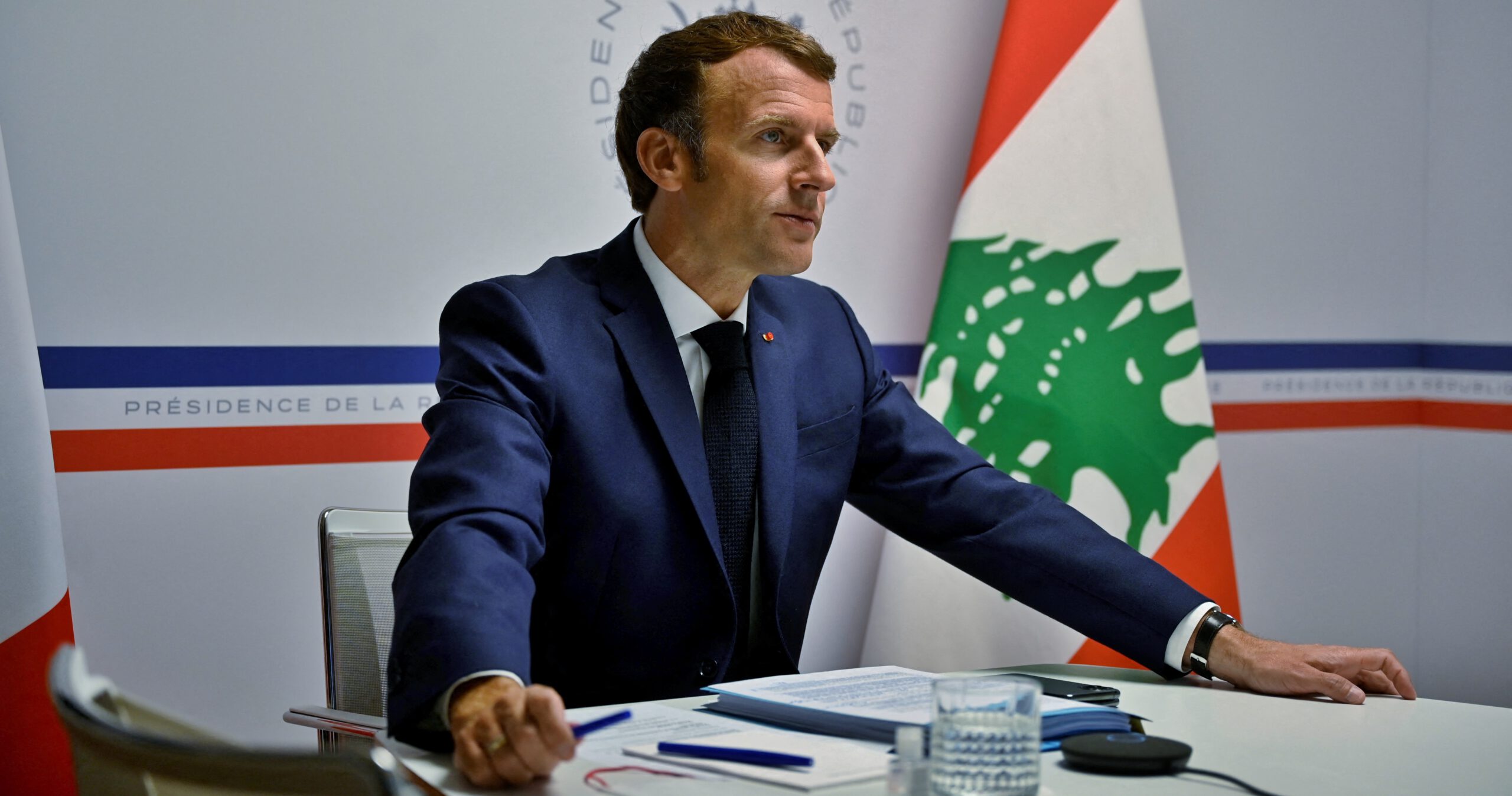
Photo by CHRISTOPHE SIMON/POOL/AFP via Getty Images
  • Commentary
  • Biden must thwart French folie in Lebanon

    Lebanon is on the verge of complete collapse, and if Washington is serious about preventing not just another failed state but a growing normalization of unchecked authoritarianism in the Middle East, it must stop outsourcing leadership on Lebanon to France.

    Paris failed. Washington must lead in breaking the mafia-militia’s chokehold on Lebanon
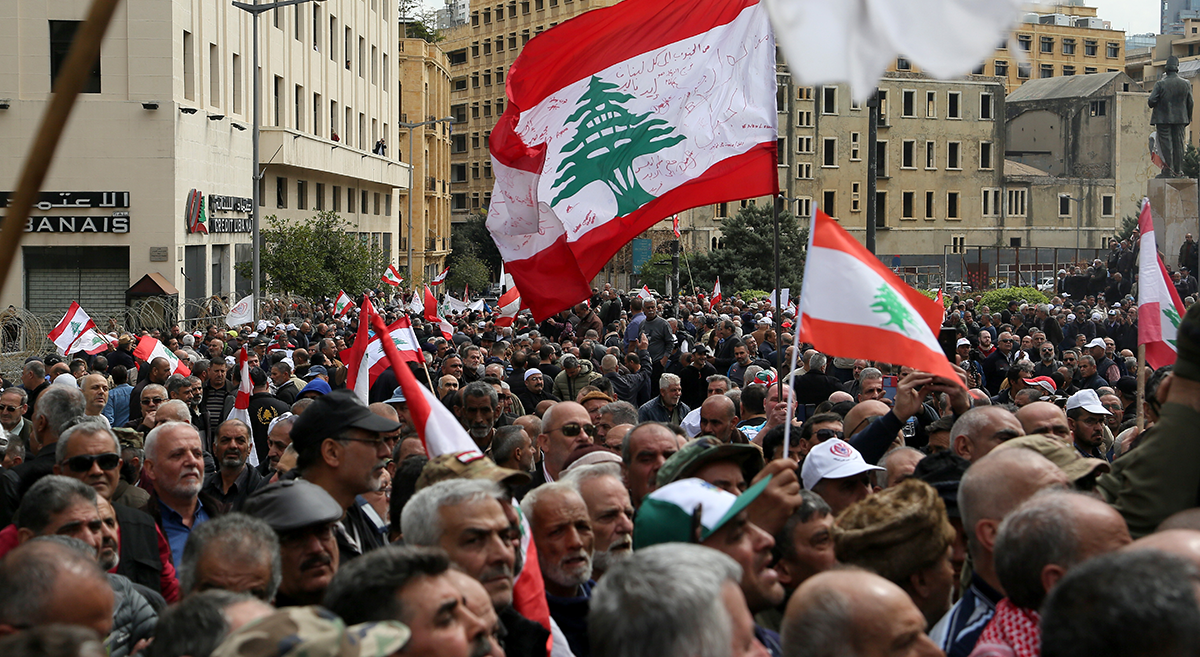
    Photo by Marwan Naamani/picture alliance via Getty Images
  • Analysis
  • Paris failed. Washington must lead in breaking the mafia-militia’s chokehold on Lebanon

    In response to Lebanon’s seemingly imminent transition into a failed state, this article introduces a new framework to explain the country’s protracted crisis. In turn, we unpack what the past four years of international responses to Lebanon got wrong and make the case for a new assertive approach for Washington to take — one that empowers local stakeholders working to recapture the state and reform the country’s political economy.

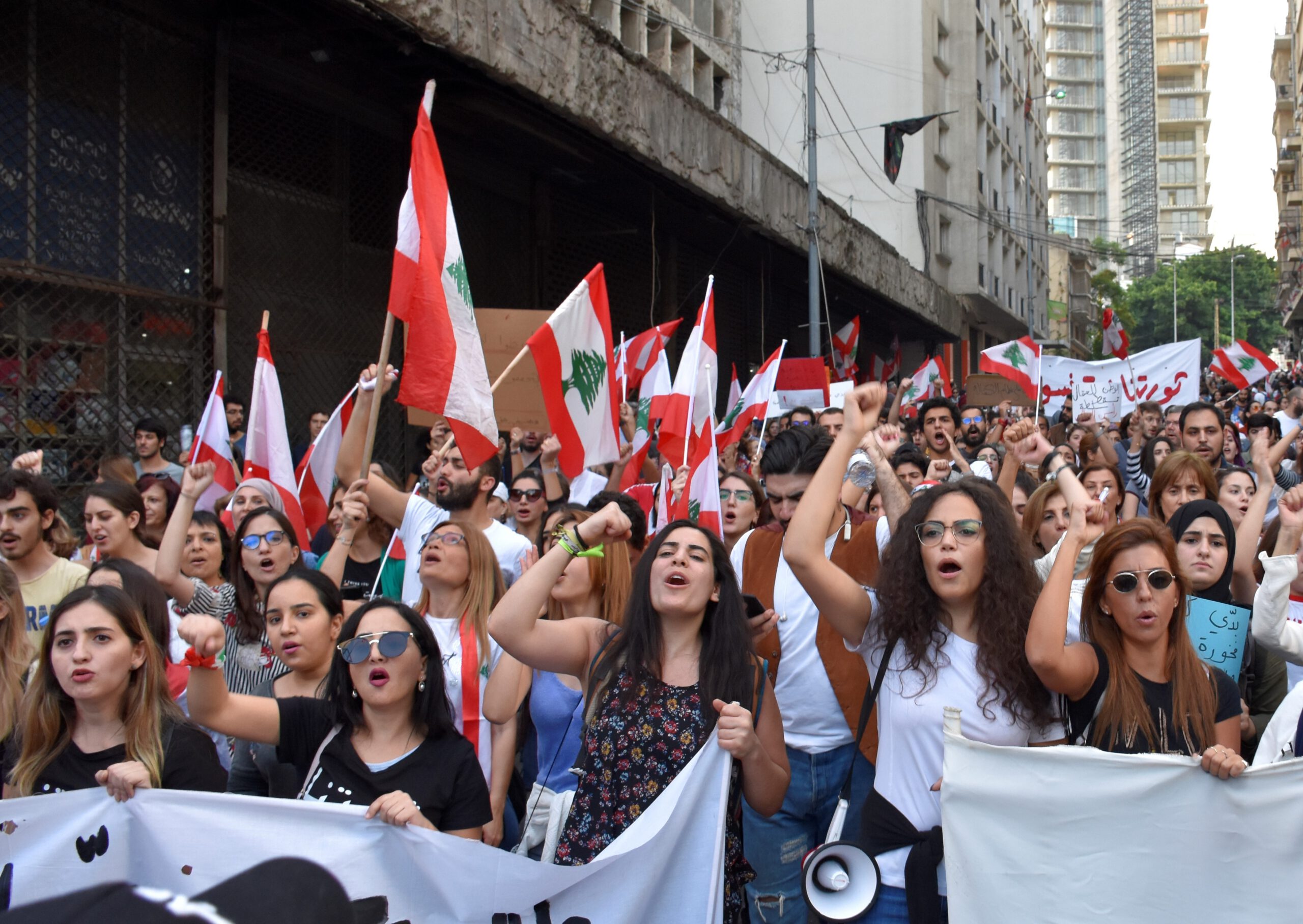
    Women and women’s rights are central to Lebanon’s protest movement
    BEIRUT, LEBANON - NOVEMBER 03: People gather at Bechara El-Khoury Avenue to call protesters for them to continue the demonstrations until a new government formed as they march from Martyrs Square and Riyadh al-Solh Square in Beirut, Lebanon on November 03, 2019. (Photo by Mahmut Geldi/Anadolu Agency via Getty Images)
  • Analysis
  • Women and women’s rights are central to Lebanon’s protest movement

    On Oct. 29, Prime Minister Saad Hariri submitted his resignation and that of the government, a move that has been hailed as an important victory for the protestors who have taken to the streets across the country for nearly three weeks now. Heralded as al-thawra, or revolution in Arabic, Lebanon is witnessing the rise of an inclusive, decentralized, and grassroots movement that transcends geography, sect, and traditional loyalties to political dynasties and parties.