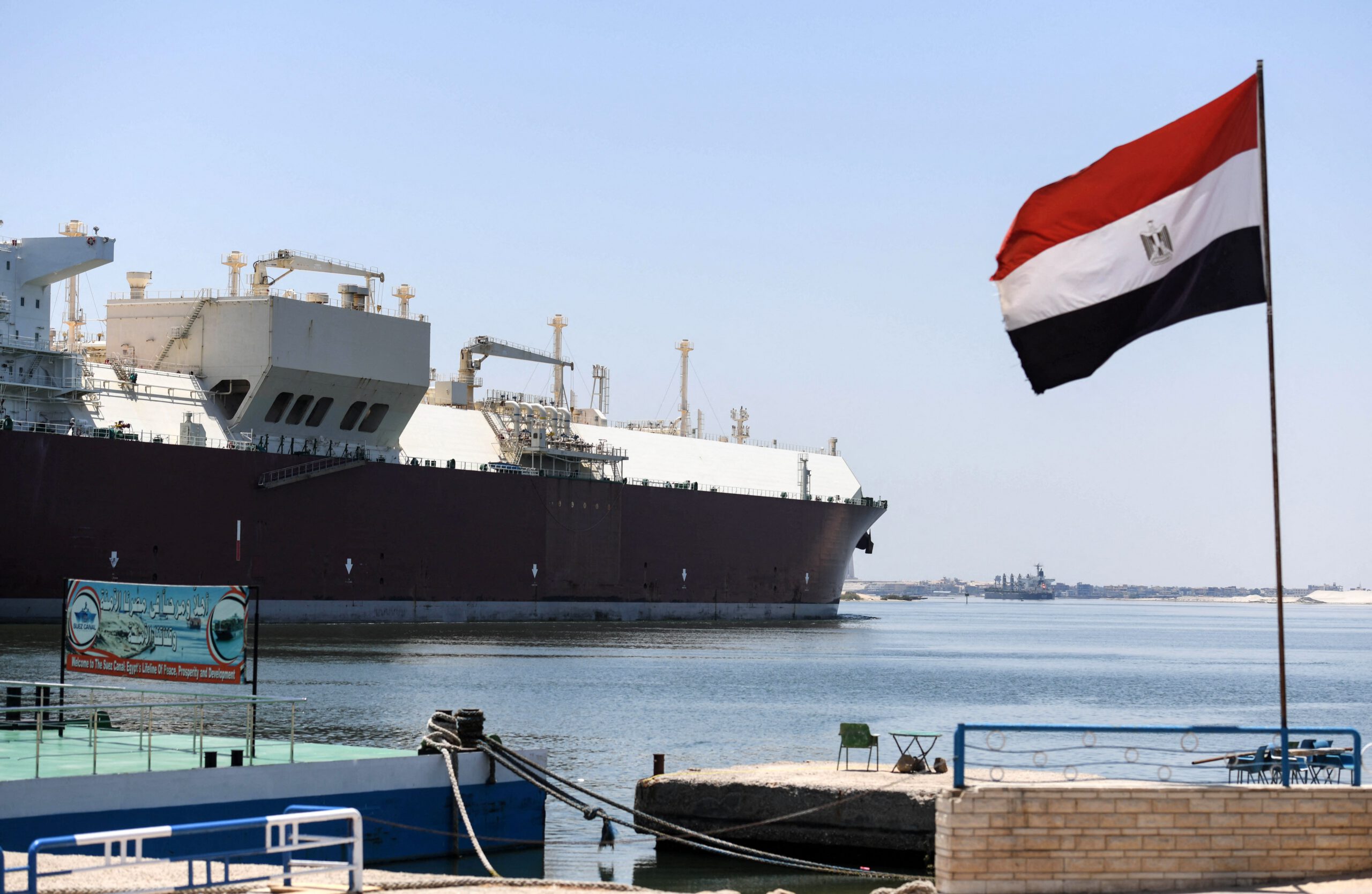
Mohammed Mahmoud, director of MEI’s Climate and Water Program, and Abbey Krulik, who attended the recent United Nations Climate Change Conference, known as COP26, as an observer, discuss takeaways from the conference and the Glasgow Pact that was signed there.
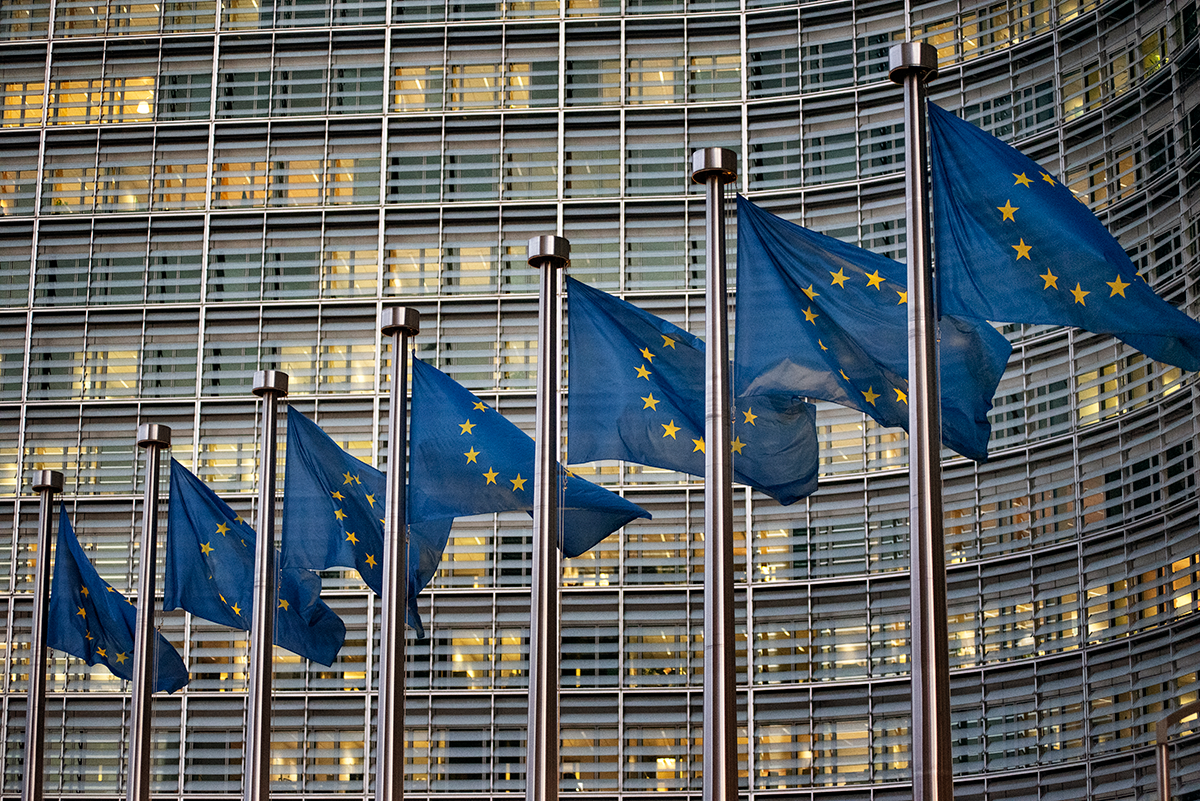
The EU’s Strategic Compass: Preparing to navigate MENA “with less US”
After almost two years of work, the first draft of the EU’s so-called Strategic Compass was presented on Nov. 15. The objective of this military strategic plan is to agree on a set of proposals to guide the bloc’s defense cooperation efforts for the next five to ten years. Previous attempts at seriously bolstering Europe’s defense ambitions have often been half-hearted, but this time could be different because Europe feels genuinely threatened.
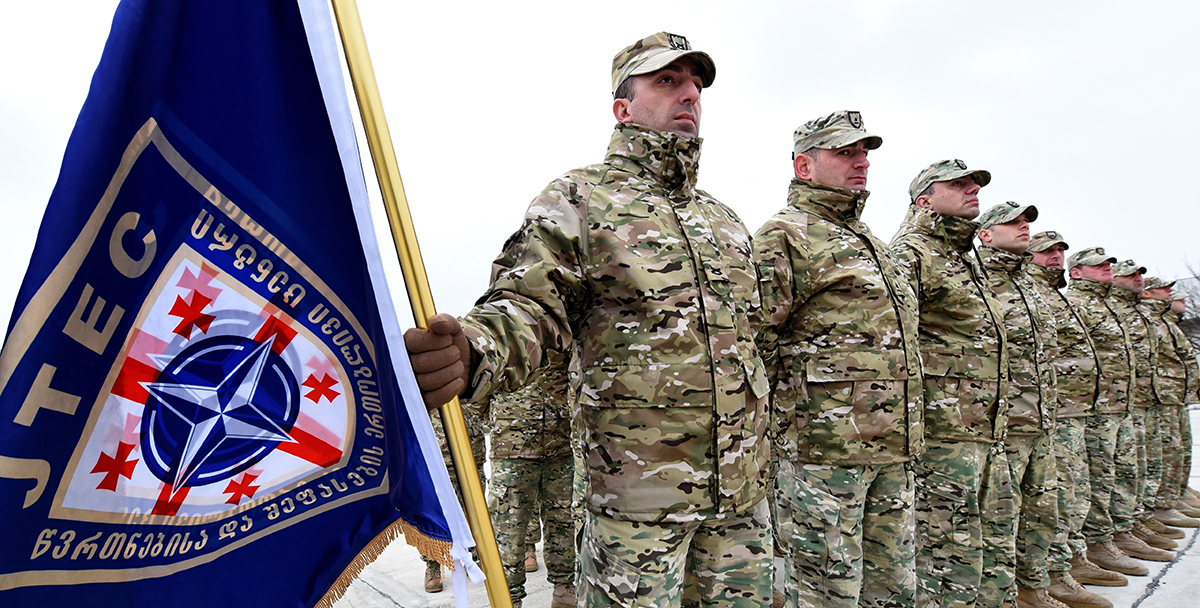
Under the Biden administration, calls for a NATO Black Sea strategy have amplified. A gamechanger for the much-needed regional strategy is Georgia’s and Ukraine’s path to membership. NATO’s strategic reassessment, to be finalized next year at the Madrid summit in June, will likely fall short of granting Ukraine and Georgia the desired Membership Action Plan. Nevertheless, NATO’s strategic reassessment offers the opportunity of a partnership upgrade for one or both countries.
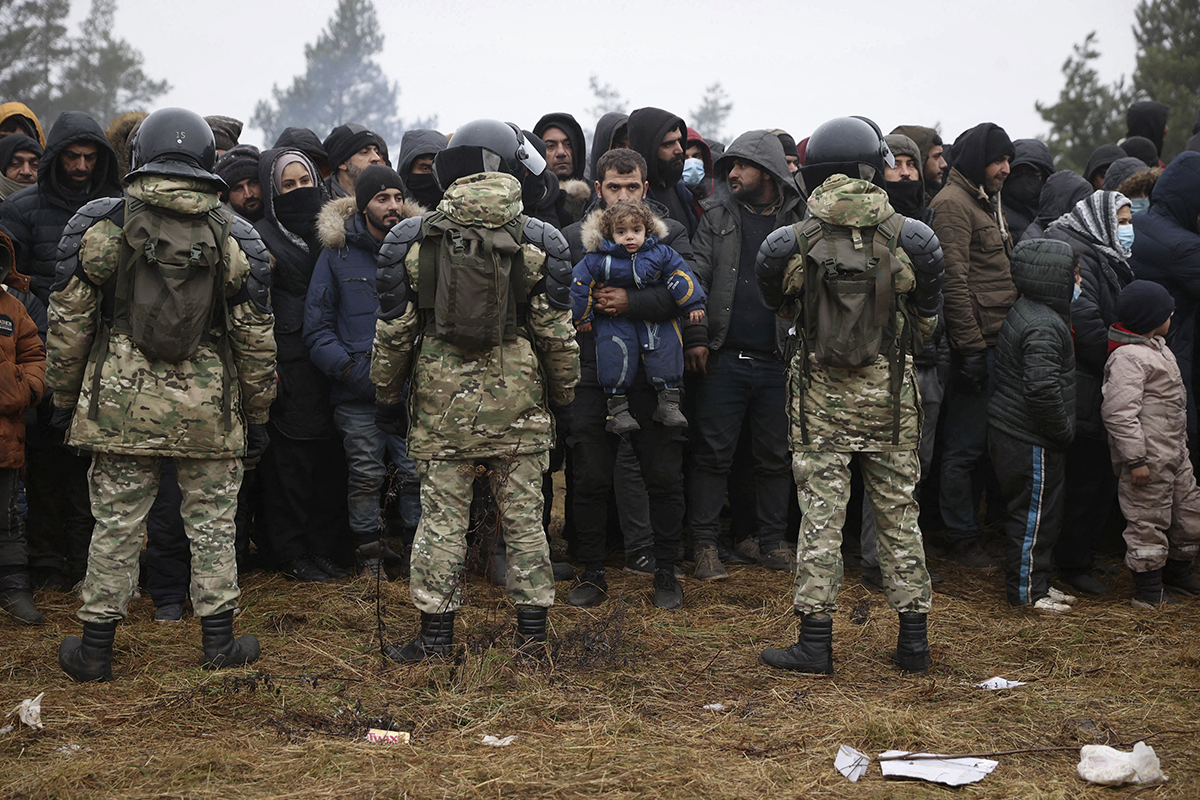
The migration crisis on the EU’s eastern border: A new transit route from the MENA region?
The migration crisis on the eastern border of the EU, which began earlier this summer and has ramped up dramatically in recent months, came as a surprise not only to the border countries, such as Lithuania, Latvia, and Poland, but also to top EU leaders. After the European migration crisis of 2015, EU politicians became used to the influx of migrants from countries in the MENA and Sub-Saharan Africa travelling through Mediterranean routes and Turkey. When it seemed as though mechanisms to prevent migration flows and control the main transit routes had been developed, a new crisis emerged in the last place anyone would have expected: Belarus. What gave rise to this crisis and what does it mean for the migrants who are desperately trying to enter the EU from Belarus as well as the countries facing a sharp rise in uncontrolled migration?
فريق بايدن للشرق الأوسط يحاول الإبقاء على الوضع الراهن
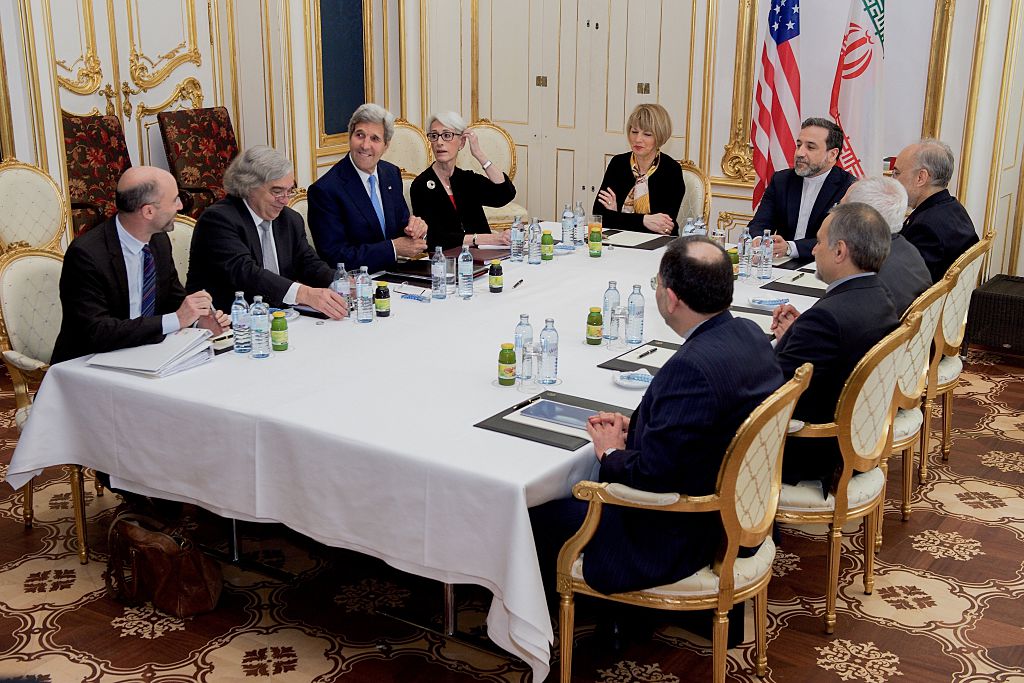
عشية المحادثات النووية بين القوى العالمية وإيران المقرر استئنافها في فيينا في نهاية نوفمبر/تشرين الثاني، أرسل الرئيس الأمريكي جو بايدن عضوين رئيسيين من فريق الشرق الأوسط التابع له إلى المنطقة للتشاور مع شركاء إقليميين مقربين. مع اقتراب الجولة التالية من محادثات إيران، بدأ فريق بايدن في إعادة تقييم بعض جوانب مقاربته الأولية تجاه الشرق الأوسط.
Plotting like a revolutionary: The need for growing like-minded humanistic networks of Iranians and Arabs
It is a mistake to view Iran’s regional aggression and hegemony as purely a result of violence and terrorism. Iran’s powerplay also has important media, political, economic, and cultural aspects.
Conflicting agendas and strategic rivalry in the Sahel
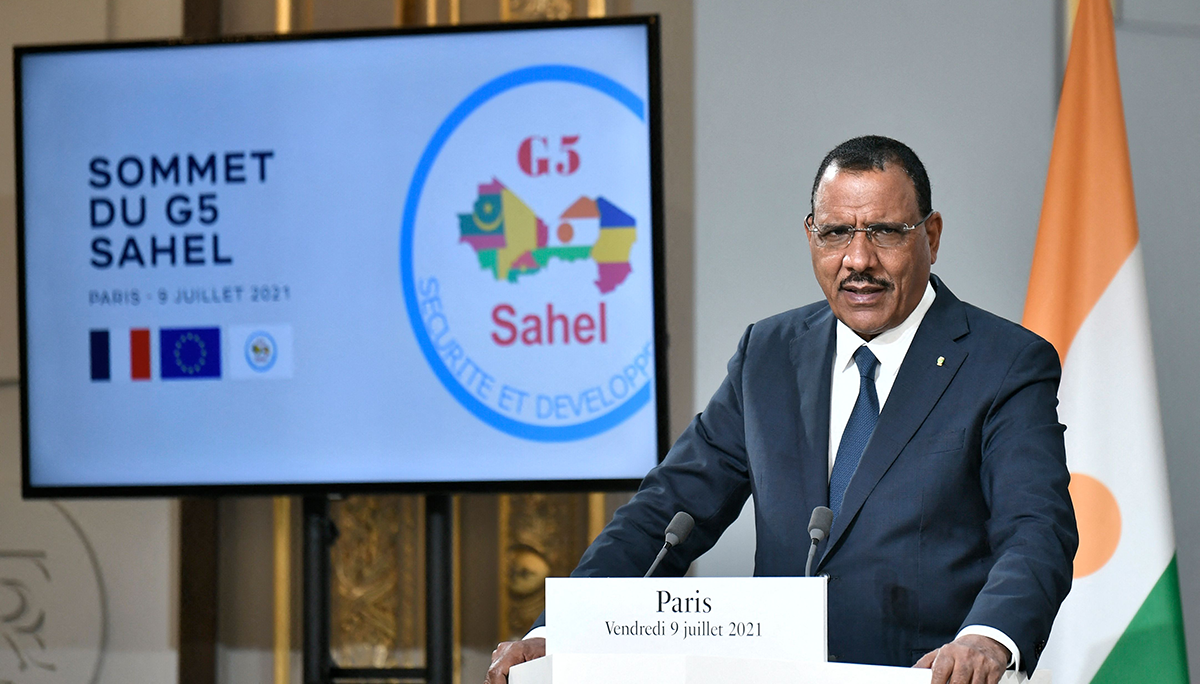
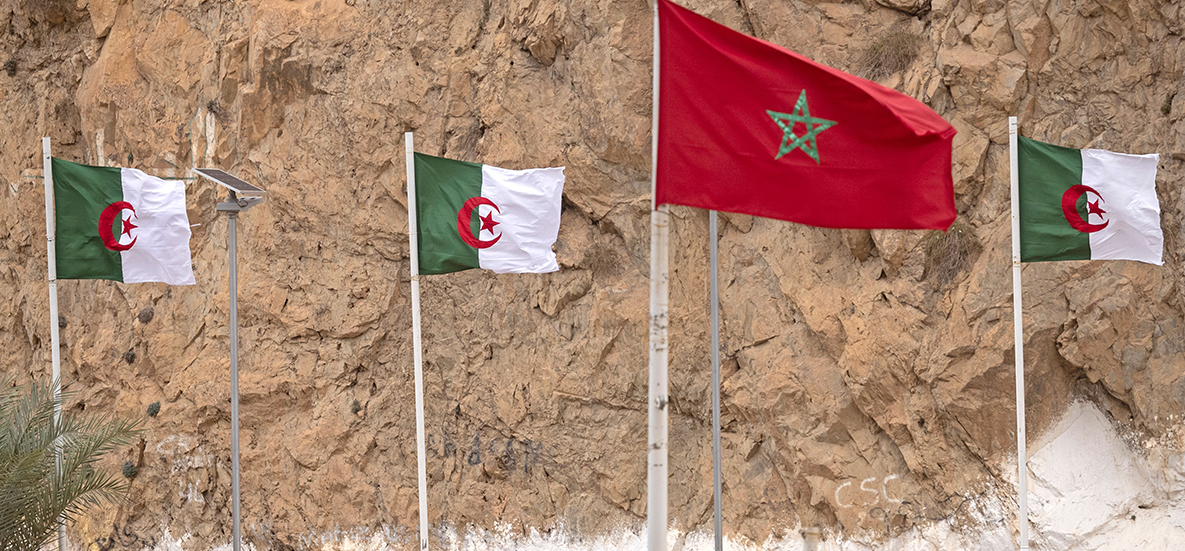
The Sahel reveals a lot about how Africa has become an area of competition between world powers with different foreign policy priorities, as they vie for greater political, military, and economic influence on the continent. A major arena of geo-economic and geopolitical contestation, the region presents both challenges and opportunities for many traditional and emerging players, including the West, Russia, China, and ambitious regional actors like Turkey.
Travels beyond Gurnah: Migration in the work of Ali Al-Sharji and Shaima Al-Tamimi
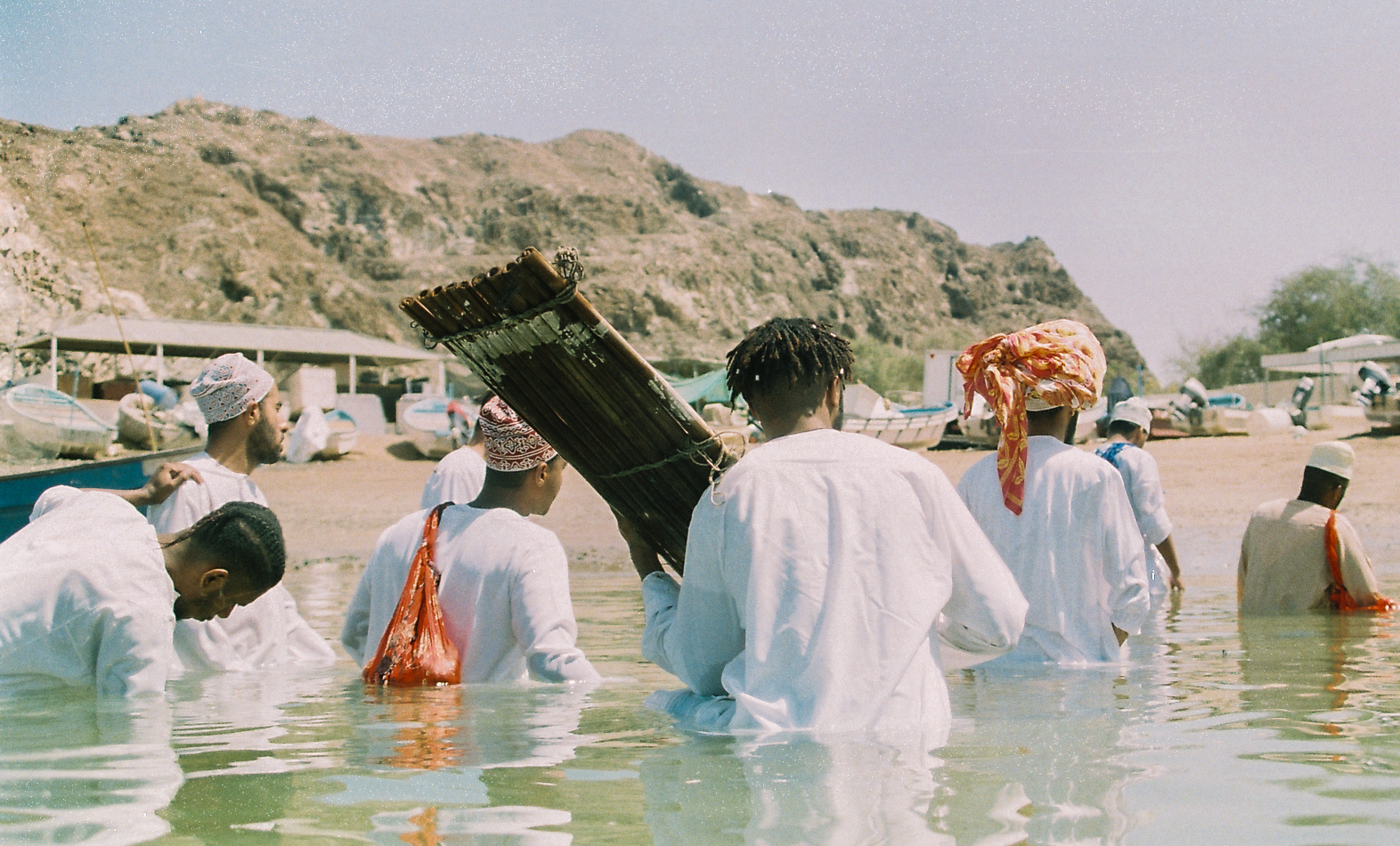
When Abdulrazak Gurnah was awarded the Nobel Prize in Literature in October, he and his novels came under the international spotlight. The award committee praised his “uncompromising and compassionate penetration of the effects of colonialism and the fates of the refugee in the gulf between cultures and continents.” But Gurnah is not the only son of Zanzibar whose art has been shaped by the memories of migration, and his recent recognition is an occasion to highlight and reflect on creative work in different media by individuals of similar backgrounds who have also been shaped by the trauma of forced departure.
A personal vantage point on the gamble of the Abraham Accords: Dubai’s first international backgammon championship
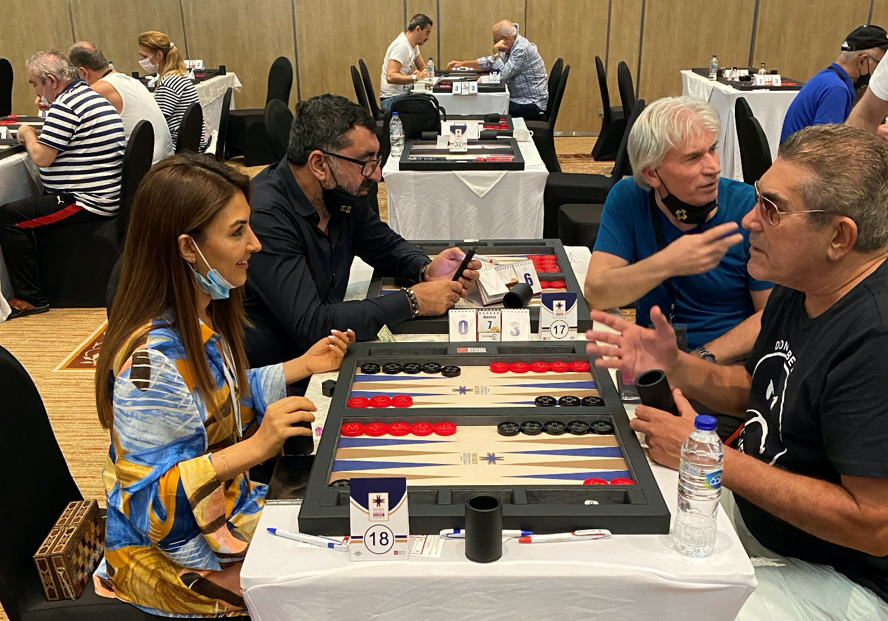
Jason Pack on the 2021 Oasis Backgammon Championship, the first major international backgammon tournament to be hosted in the Arab World in recent memory, and how it reflects broader changes in the Middle East.
Alex Vatanka and Michael Metrinko discuss the Iranian hostage crisis, how it has shaped US-Iran relations, and what that history tells us about the present and potential future of the Islamic Republic. Metrinko also recounts his experience as a political officer at the embassy in Iran in 1979 and being one of the 52 hostages.
Simmering frustration and a demand for change: Public service protests in the Kurdistan Region
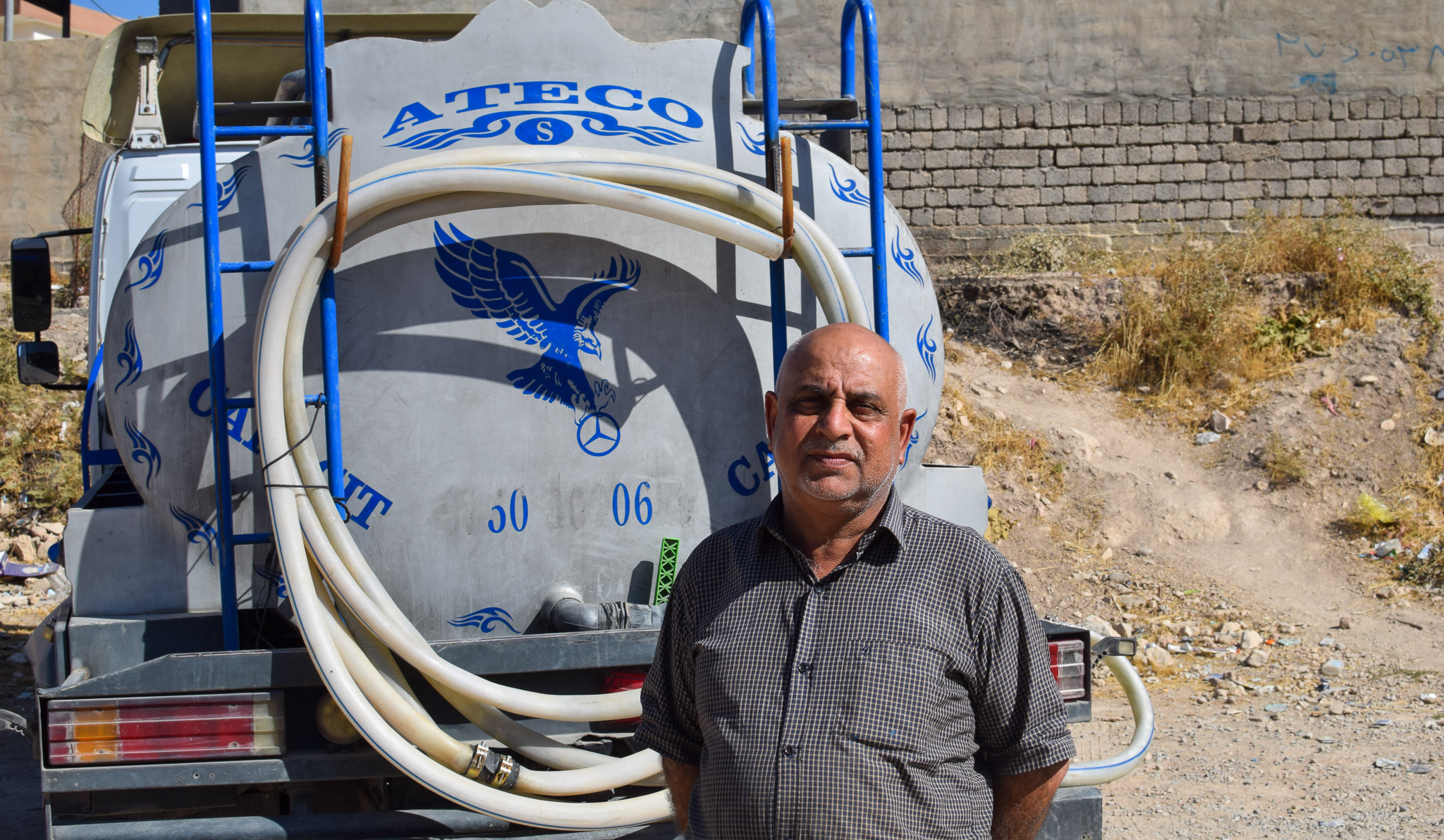
Despite its reputation for relative political stability and economic prosperity compared with its neighbors, the Kurdistan Region of Iraq (KRI) frequently experiences protests, driven by popular anger over the government’s unreliable provision of public services, especially water, electricity, and roads. These protests point to simmering dissatisfaction with governance in the KRI across broad swathes of the population. Although uncoordinated and localized at present, these protests have the potential to develop into a potent political force if they become better organized.