Waiting for the bad to get worse: Lebanon in the time of corona
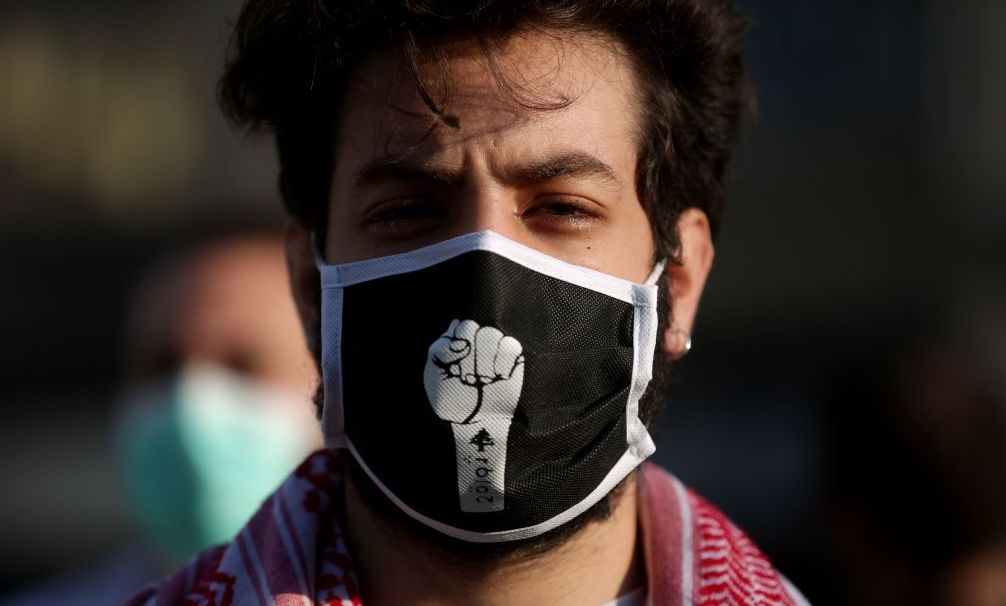
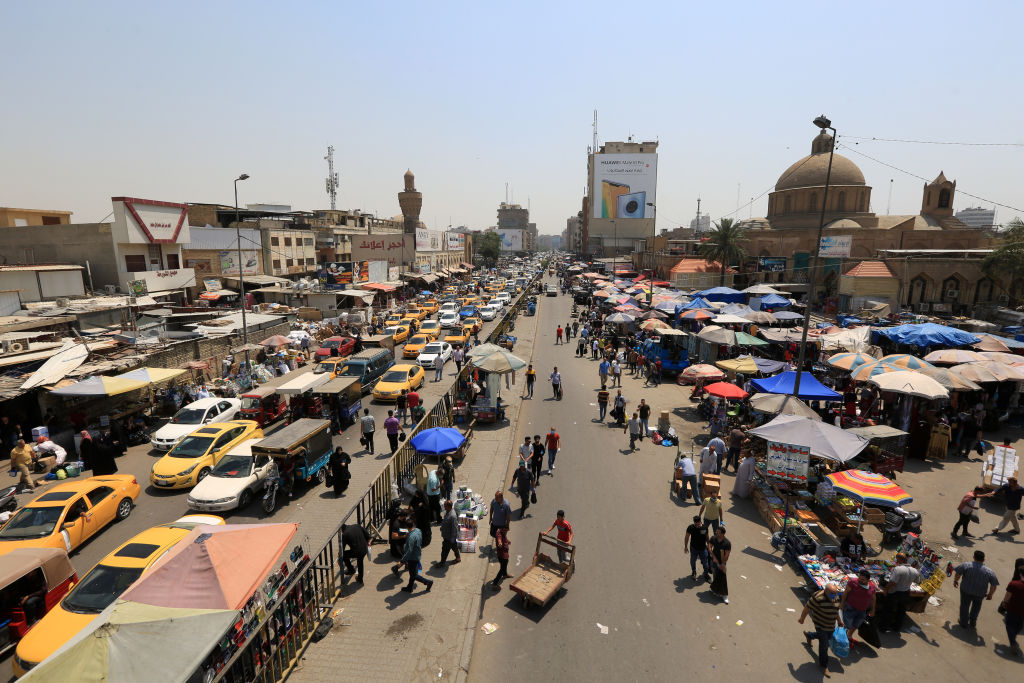
In a country already beset by economic and financial crises, COVID-19-related lockdown measures, without accompanying government assistance, are increasingly pushing impoverished residents to the brink. Lockdown measures will gradually start to lift this week. But the lockdown only accelerated the inevitable economic freefall and lifting the measures will not solve the country’s economic woes. “There is a predicament coming that is much bigger than corona … the economy is the bigger crisis,” a political activist in Dahiyeh says.
Protest movements in Algeria, Iraq, and Lebanon during COVID-19
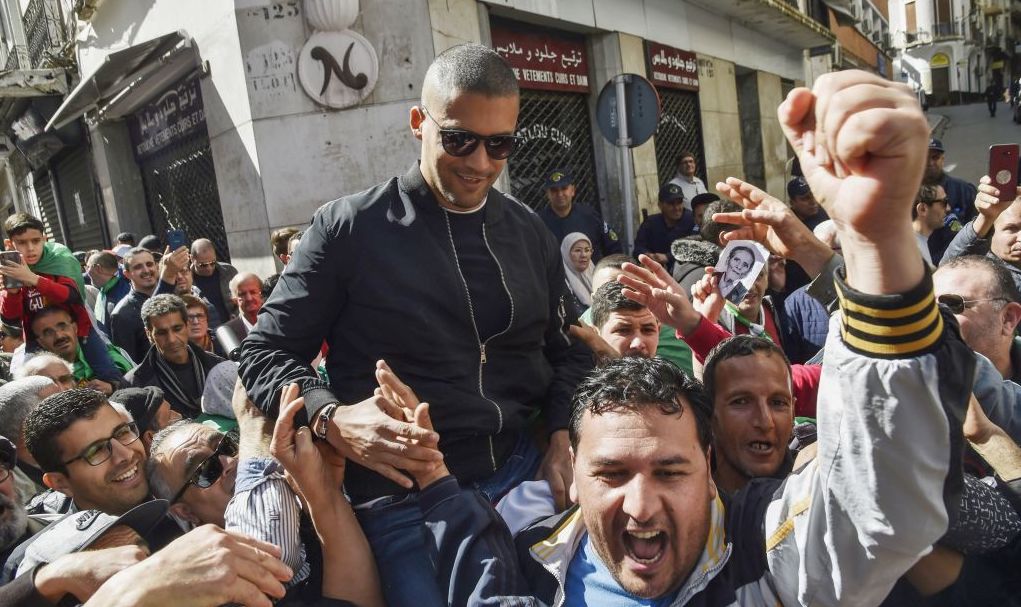
Vish Sakthivel, Hafsa Halawa, and Nour El-Achi join host Alistair Taylor to discuss the impact of the coronavirus pandemic on protest movements in Algeria, Iraq, and Lebanon. While each case is unique, all three movements are pushing for sweeping reforms of the corrupt political system, a change in the ruling elite, and improved state services.
Can corona diplomacy cure Turkey’s foreign policy isolation?
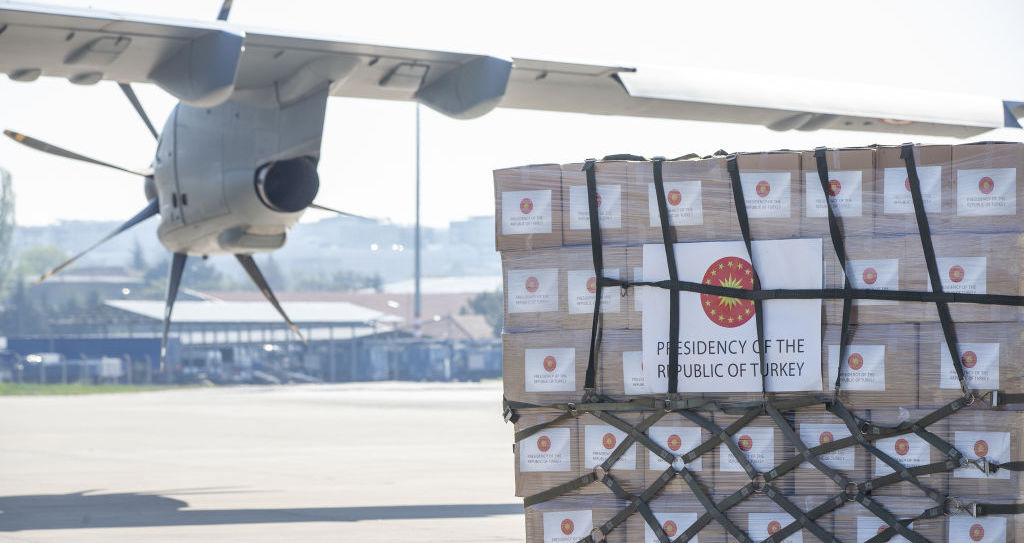
Even before the coronavirus upended life around the world, Turkey’s President Recep Tayyip Erdogan was already grappling with a host of problems. Then COVID-19 hit the country. Many argue the virus will exacerbate Erdogan’s problems but where others see a problem, Turkey’s president sees an opportunity. He is using the crisis to undercut the opposition, distribute government contracts to his loyalists, and punish his critics. Erdogan is relying on the virus to score foreign policy points as well. Sending medical aid to its neighbors and beyond helps assert Turkey’s leadership and improves its shattered image. The coronavirus likewise provides an excuse to remove a long-time irritant in Ankara’s ties with Washington and perhaps end its isolation in the region.
“Self-rule” in Aden and the implications for Russia
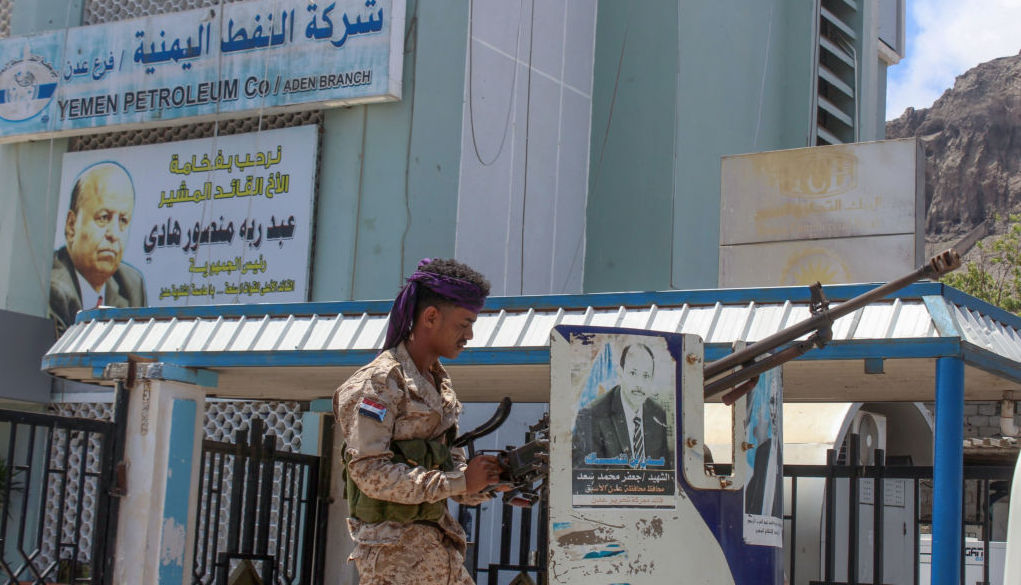
Russia acts as a “key if quiet player” in southern Yemen, where its approach has been based on strategic neutrality. The goal has been to position Moscow as a greater stakeholder in mediation between the various Yemeni parties and outside players. Moscow has engaged the Southern Transitional Council, the UN-recognized Yemeni government led by President Abed Rabbo Mansour Hadi, the Houthi rebels, as well as the three main regional powers intervening in Yemen — Saudi Arabia, the UAE, and Iran.
Yemen's competition for Saudi patronage heats up as the STC declares self-rule
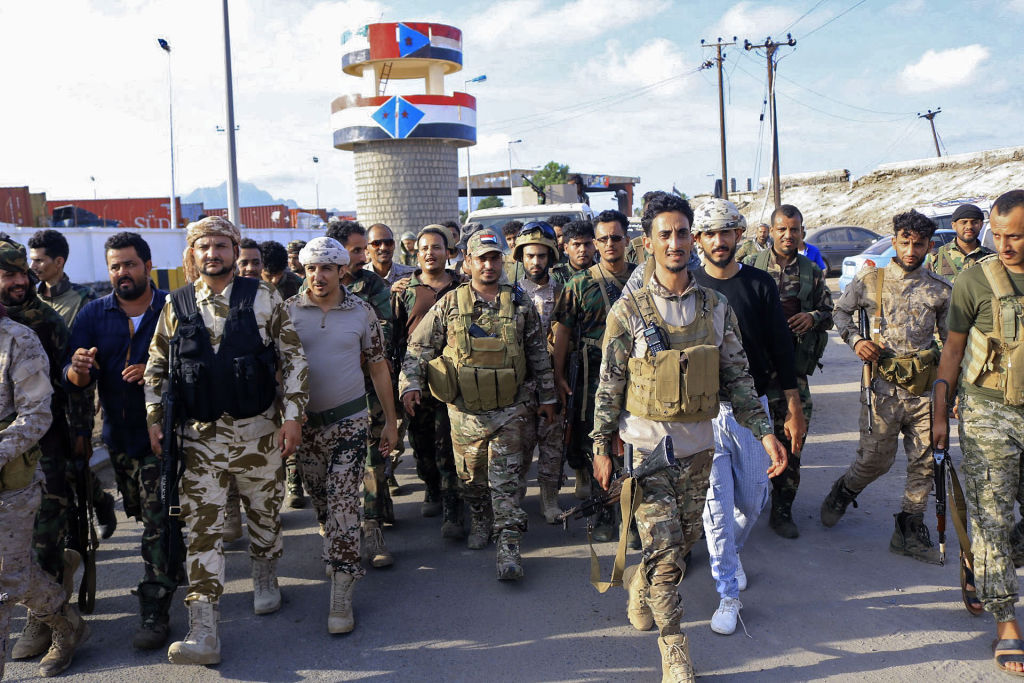
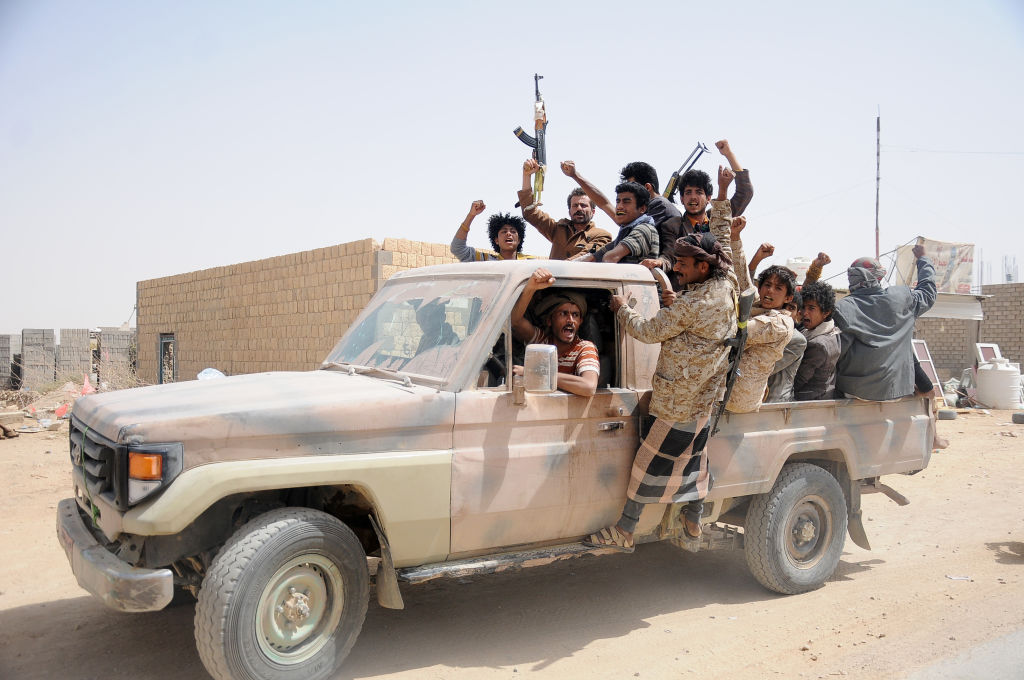
On April 25, the Southern Transitional Council declared self-administration and claimed authority over state institutions in the interim capital of Aden. The declaration demonstrates the region’s volatility, the limited reach of Yemen’s government, and the difficulty of imposing a solution to the problem of secessionism. It is also sparking political competition for Saudi patronage, and all of this poses a major diplomatic challenge for the Saudis.
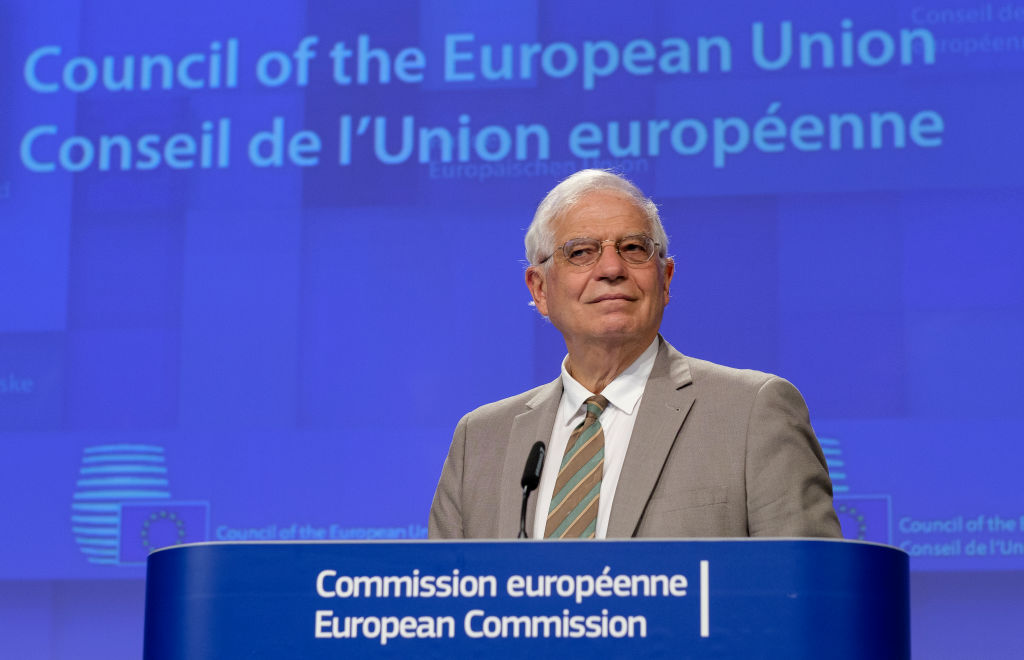
Everything is changing rapidly amid the COVID-19 pandemic. These changes are occurring primarily at the national level, affecting politics, society, and economics, but the pandemic is also having a major impact on international relations.
The Impact of the Coronavirus Pandemic on China’s Belt and Road Initiative in the Middle East
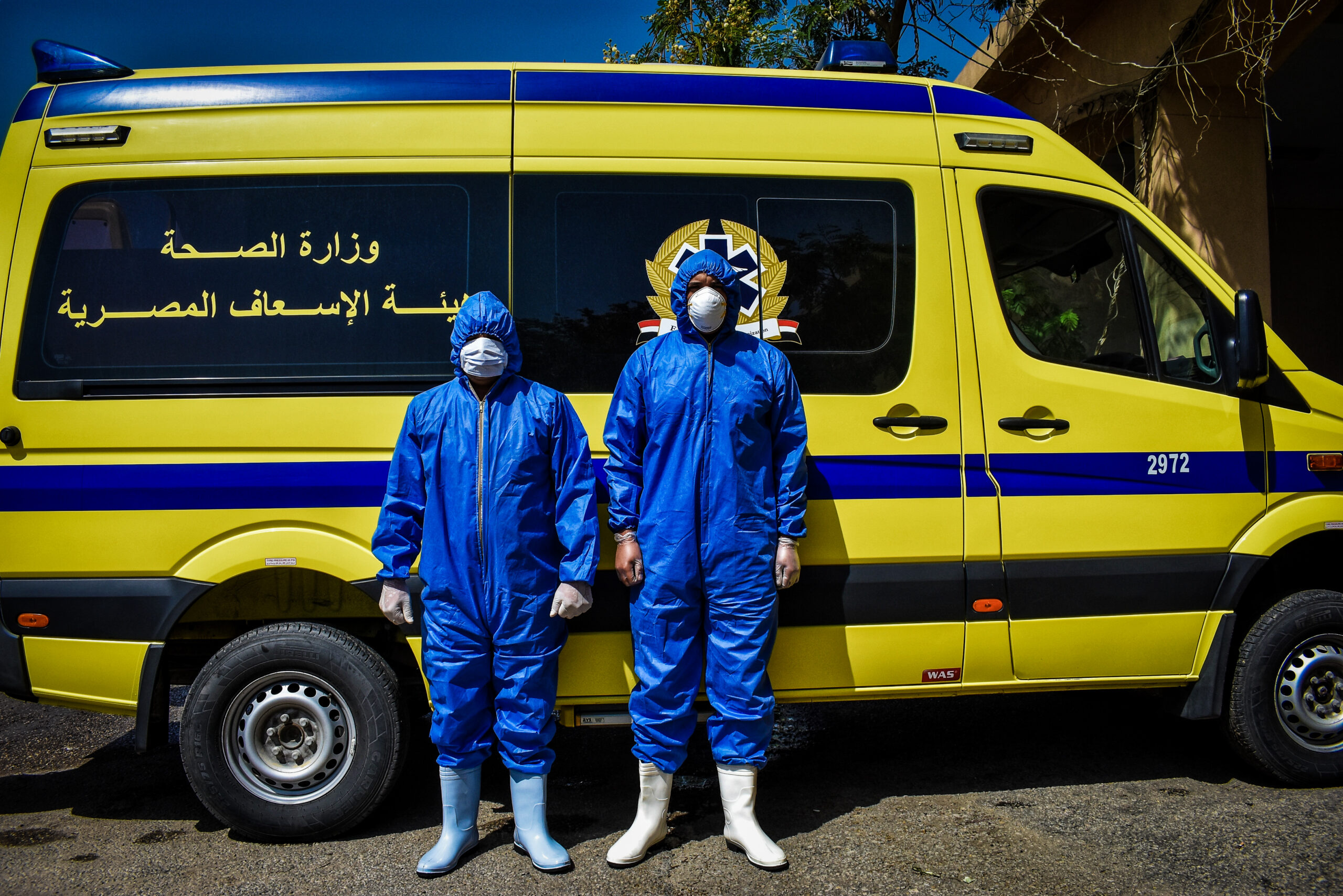
The coronavirus has hit the Middle East at a time when the region is already burdened with multiple problems, including a series of long-running conflicts, sectarian tension, economic crises, and widespread political unrest. This article provides a preliminary assessment of the effects of the covid-19 virus on China’s Belt and Road partners and activities in the region.
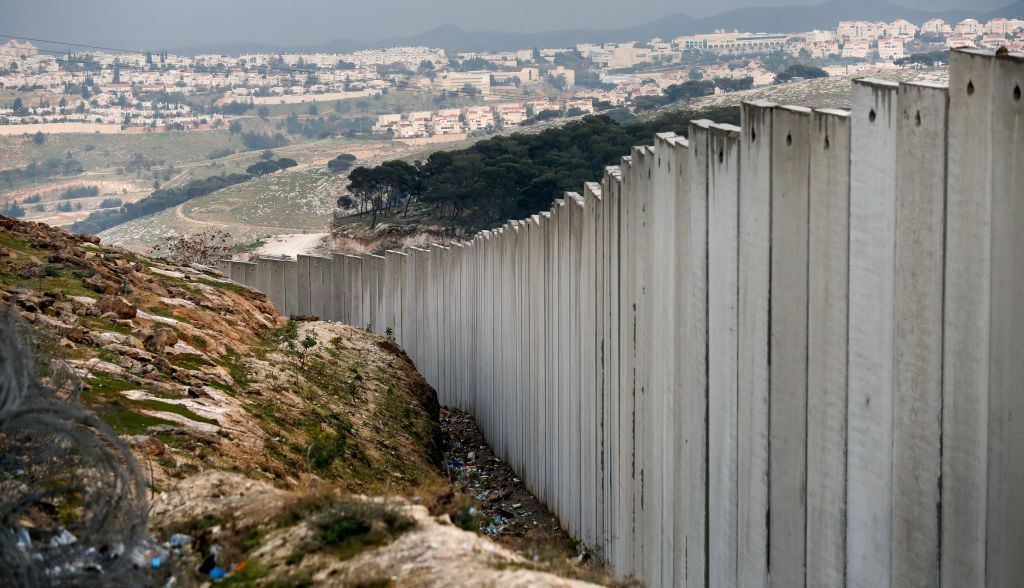
While there is no shortage of rhetorical opposition to Israeli annexation from all corners, the question now is whether any of them intend to follow up their strong words with concrete actions.
Iraq’s political jockeying continues as Baghdad-Erbil tensions flare up
The current state of affairs is a clear indication that the post-2003 system of apportionment of political posts on ethno-sectarian lines is no longer working.
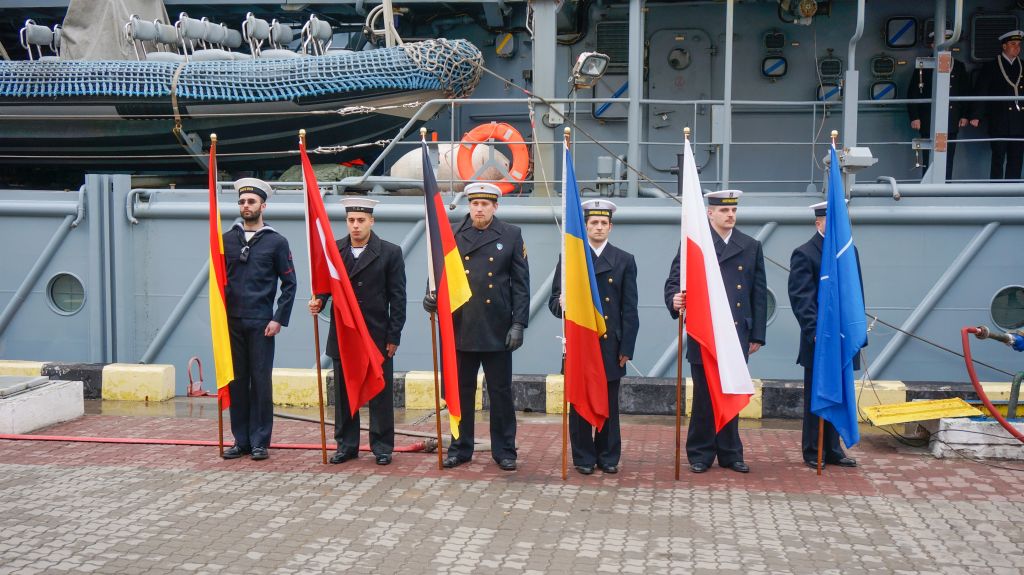
For an organization whose primary mission is collective security in the North Atlantic area, the Black Sea is a very important region for the North Atlantic Security Organization (NATO). This region forms the southeastern frontier of NATO’s area of responsibility. Thanks to Russia’s actions in the region, there are more miles of coastline under illegal military occupation along the Black Sea than in any other place in the world.