Skip to Content

Fatima Sadiqi

This individual is a guest contributor. MEI is not able to assist with contact requests.

The Latest from Fatima Sadiqi

Filter by
10197 Results
Manufacturing Division: The Assad Regime and Minorities in South-west Syria
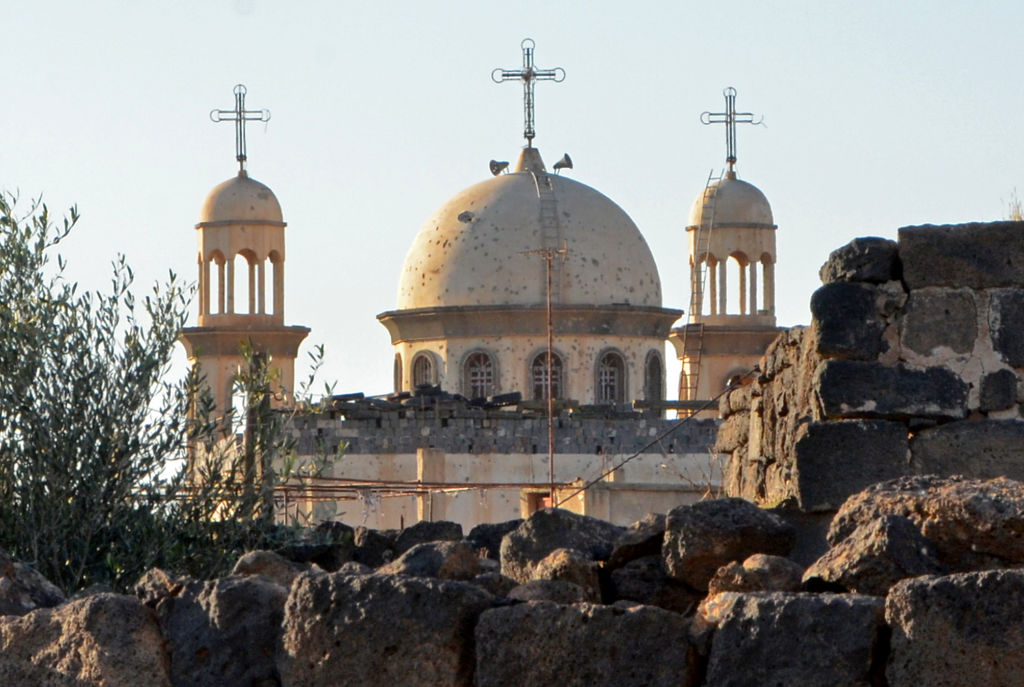
A picture shows the new church of Sayyidet al-Beshara in Shaqra town in the southern Syrian province of Daraa on December 22, 2019. - Less than 10 kilometres (six miles) away lies the mainly Christian town of Shaqra, emptied of most of its Christian residents after a spate of attacks by rebels and jihadists during the conflict. Such attacks have stopped since the area came back under regime control, but very few Christian families remain. (Photo by MAHER AL MOUNES / AFP) (Photo by MAHER AL MOUNES/AFP via Ge
  • Analysis
  • Manufacturing Division: The Assad Regime and Minorities in South-west Syria

    Minority communities in south-west Syria have shrunk to a fraction of their pre-2011 size, and the regime’s repressive policies perpetuate a cycle of violence and chaos that prevents their safe return. The regime’s strategy of transforming minority communities into sources of militia fighters has not only led to the deaths of thousands of young Alawite and Shi’a men, but also created sectarian tensions between formerly interconnected communities in south-west Syria. So long as the regime’s policy in the south-west is characterized by violence, the safe and dignified return of displaced Syrians will not be possible. This paper studies current and former minority communities in south-west Syria, the security and economic challenges these groups face, and the manner by which the regime exploits and weaponizes these vulnerable Syrians.
    March 11, 2020

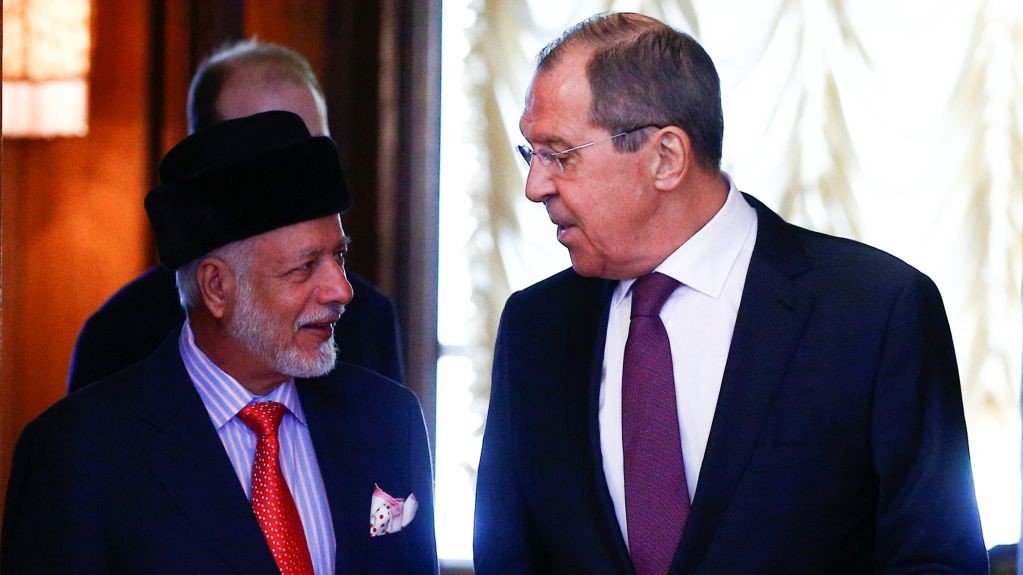
    The growing strength of Russian-Omani ties
    Omani Foreign Minister Yusuf bin Alawi bin Abdullah (L) meets Russian Foreign Minister Sergey Lavrov (R) in Moscow, Russia on 18 February, 2019.
  • Analysis
  • The growing strength of Russian-Omani ties

    On Feb. 12, the director of Russia’s Foreign Intelligence Service, Sergei Naryshkin, made an official visit to Oman. During his trip to Muscat, Naryshkin engaged with senior Omani officials on strategies to de-escalate tensions in the Persian Gulf, counterterrorism cooperation, and approaches to conflict resolution in Syria and Yemen.

    March 10, 2020

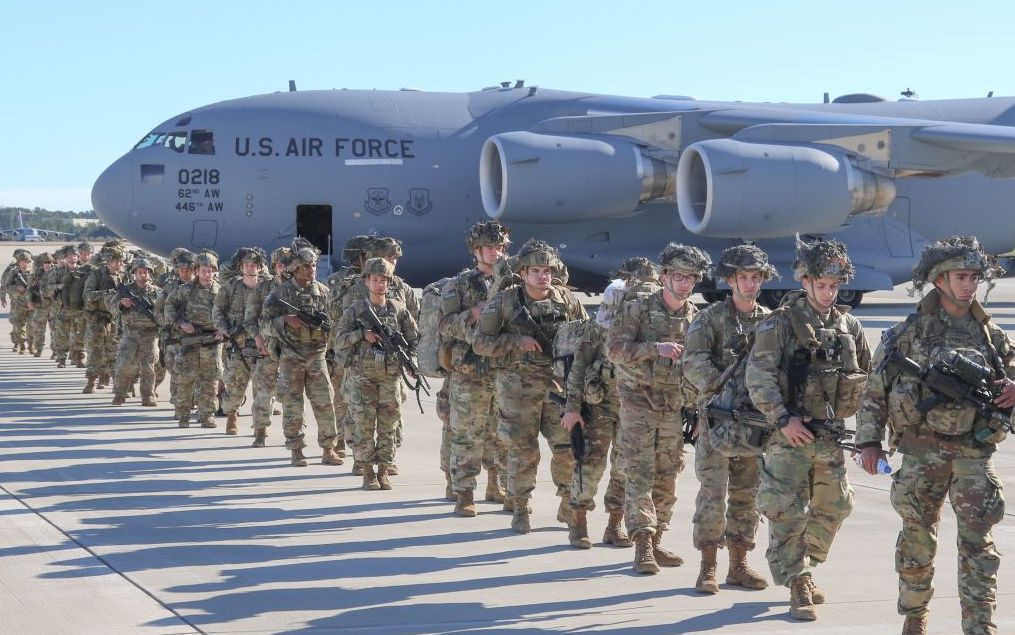
    What’s next for coalition forces in Iraq?
    U.S. Army Paratroopers assigned to the 2nd Battalion, 504th Parachute Infantry Regiment, 1st Brigade Combat Team, 82nd Airborne Division, deploy from Pope Army Airfield, North Carolina on January 1, 2020.
  • Analysis
  • What’s next for coalition forces in Iraq?

    The U.S. killing of Qassem Soleimani, the Islamic Revolutionary Guard Corps’ (IRGC) Quds Force commander, along with the deputy chair of the Iraqi Popular Mobilization Forces (PMF), Abu Mahdi al-Muhandis, altered the political balance in Iraq. But the killings took place against a wider backdrop of political unrest and protests that forced the resignation of Prime Minister Adel Abdul-Mahdi at the end of 2019. With Iraq potentially headed for early elections,the country is set for significant changes as political actors vie for a seat at the table. U.S. and coalition forces in the region will inevitably be affected, and the coming months will determine the future of both Iranian proxies and the coalition presence in Iraq.

    March 10, 2020

    The link between Lebanon’s Hezbollah and Iraqi militias
  • Analysis
  • The link between Lebanon’s Hezbollah and Iraqi militias

    Iraq has been relatively calm in recent weeks. This could change following Mohammad Allawi’s withdrawal as prime minister-designate, but Iran’s proxies in Iraq are giving dialogue a chance before pushing ahead with what they say is revenge for the slaying of Qasem Soleimani, head of the Iranian Revolutionary Guard’s Al-Quds Force.

    March 9, 2020

    Qatar’s soft power sports diplomacy
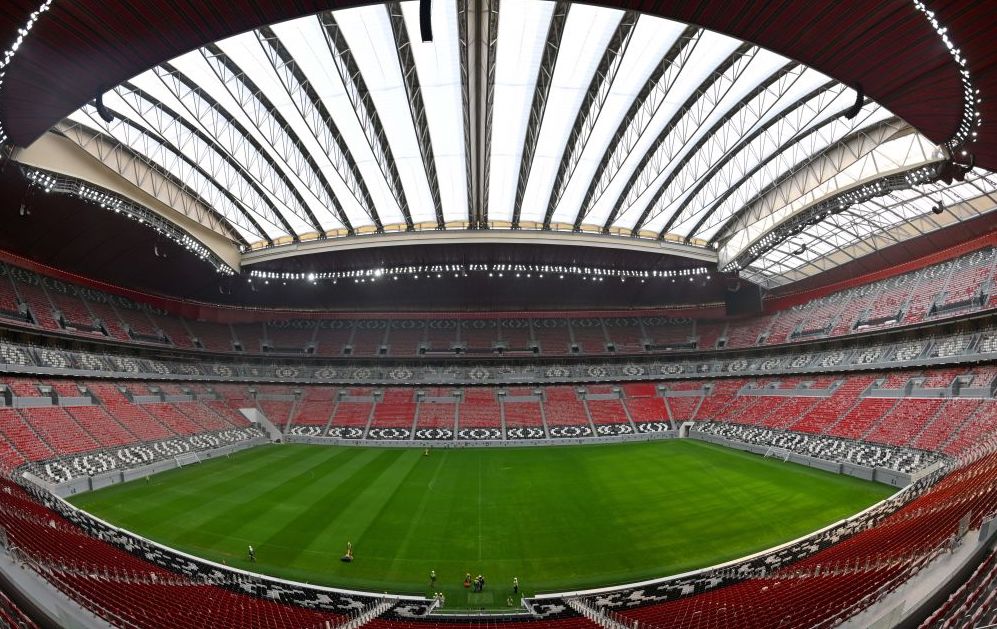
    This picture taken with a fish-eye lens on December 17, 2019 shows a view inside Qatar's new al-Bayt Stadium in the capital Doha, which will host matches of the FIFA football World Cup 2022. (Photo by GIUSEPPE CACACE / AFP) (Photo by GIUSEPPE CACACE/AFP via Getty Images)
  • Analysis
  • Qatar’s soft power sports diplomacy

    Sports diplomacy is the deliberate, strategic use of sporting events by states to create a favorable international image — the “continuation of policy by other means,” whereby sports, nationalism, commerce, and diplomacy are inextricably linked.

    March 9, 2020

    Little hope for an end to Israel’s political turmoil
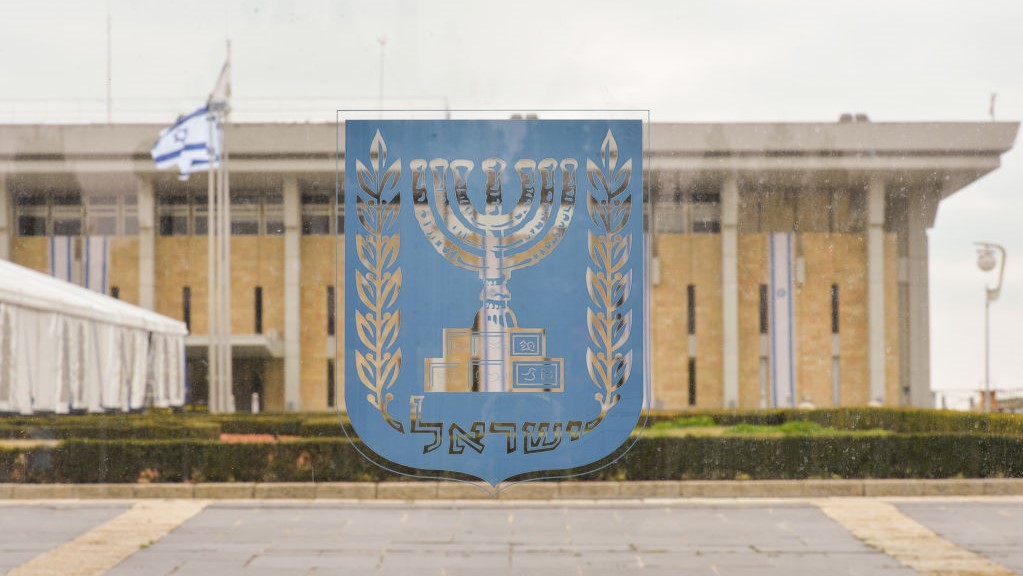
    An emblem of Israel with the Knesset in the background, seen on the day of Israeli Legislative Elections 2020, in Central Jerusalem.
  • Commentary
  • Little hope for an end to Israel’s political turmoil

    Neither Likud nor Kahol Lavan was able to break the political stalemate and clear the path to the immediate formation of a majority government.

    March 9, 2020

    Can Palestinian citizens of Israel teach other Arabs a lesson in democracy?
  • Analysis
  • Can Palestinian citizens of Israel teach other Arabs a lesson in democracy?

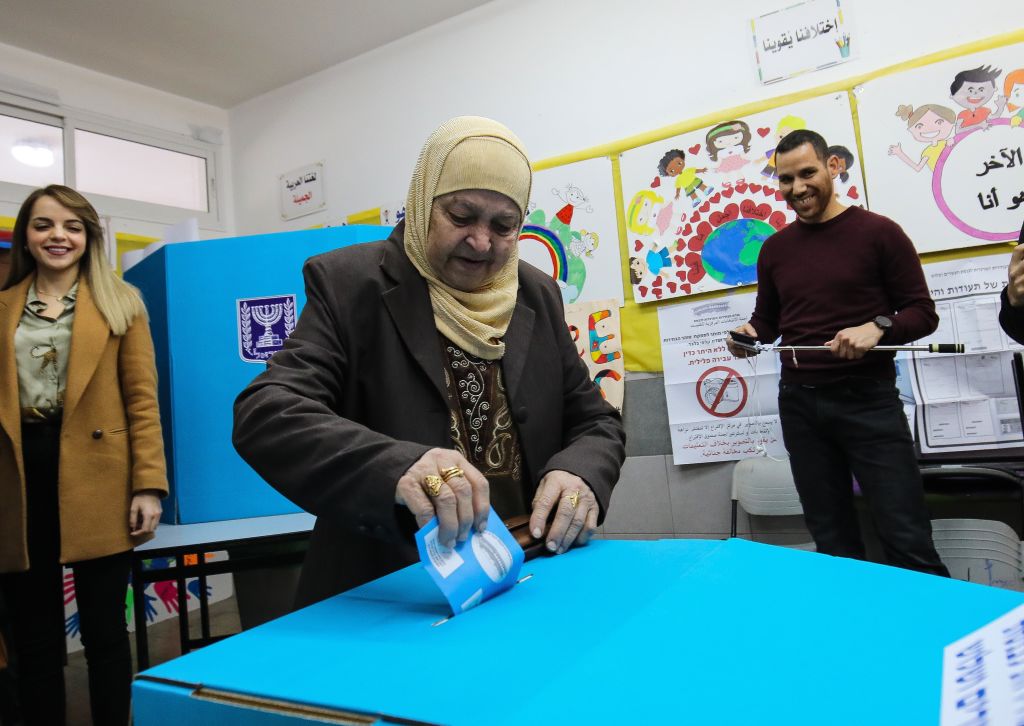
    While attention in the third Israeli general elections in a year has focused on the performance of the caretaker prime minister Binyamin Netanyahu, a powerful light must be shed as well on the successful performance of Israel’s Palestinian citizens, who again increased their representation in Israel’s parliament.

    March 6, 2020

    First Friday Open House

    First Friday Open House

    March 6, 2020, 6:00 PM – 8:00 PM

    Middle East Institute , 1763 N Street NW , Washington, District of Columbia 20036

    Black Sea conflicts: Militarization and peacebuilding
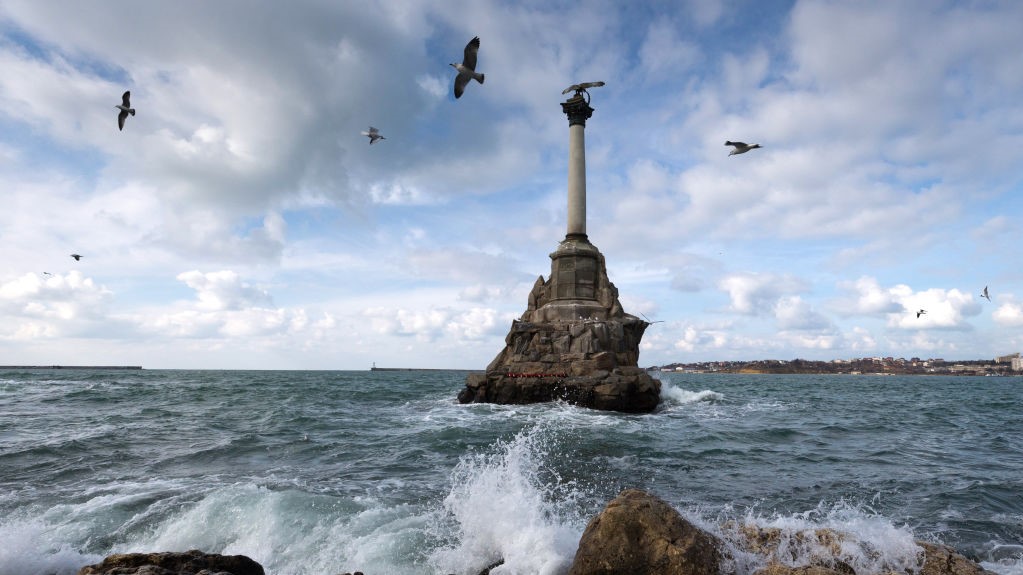
    FEBRUARY 28, 2020: A view of the Monument to the Sunken Ships during a storm on the Black Sea. Sergei Malgavko/TASS (Photo by Sergei MalgavkoTASS via Getty Images)
  • Analysis
  • Black Sea conflicts: Militarization and peacebuilding

    The sheer density of protracted conflicts in the Black Sea region makes it particularly exposed to the geopolitical ambitions of regional and global powers. The rapid militarization in Russia-controlled territories in recent years has only added fuel to the fire, dramatically increasing security concerns and underscoring the need for the West and its allies in the region to address the so-called frozen conflicts.

    March 5, 2020

    The president’s time: How US-Iran relations are out of sync
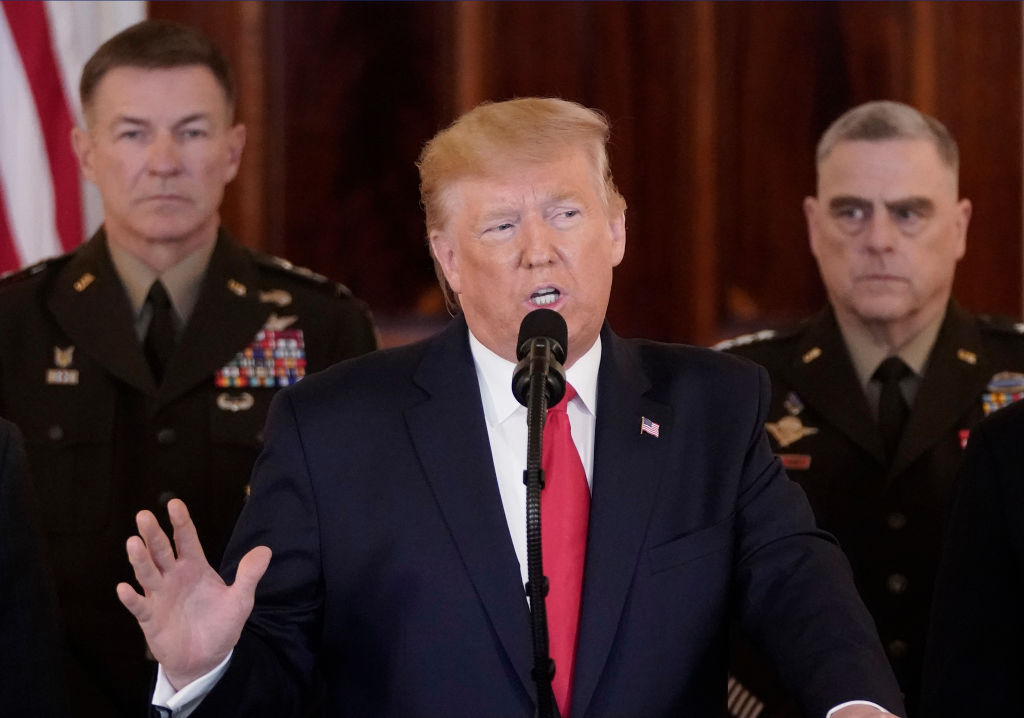
     President Donald Trump speaks from the White House on January 08, 2020 in Washington, DC. During his remarks, Trump addressed the Iranian missile attacks that took place last night in Iraq and said, “As long as I am president of the United States, Iran will never be allowed to have a nuclear weapon.”
  • Analysis
  • The president’s time: How US-Iran relations are out of sync

    The Islamic Revolution of 1979 fundamentally transformed U.S.-Iran relations from a special relationship into an adversarial one. However, this has not prevented American presidents of both parties, from Ronald Reagan to Barack Obama, from reaching out to Tehran in the hope of a potential détente. There are many ideological, political, and economic factors behind the inability of Washington and Tehran to normalize their relations over the past four decades. One that has received little attention, however, is the cycle of U.S.

    March 4, 2020