Iraq in 2019: Protests, politics, and a struggle for power
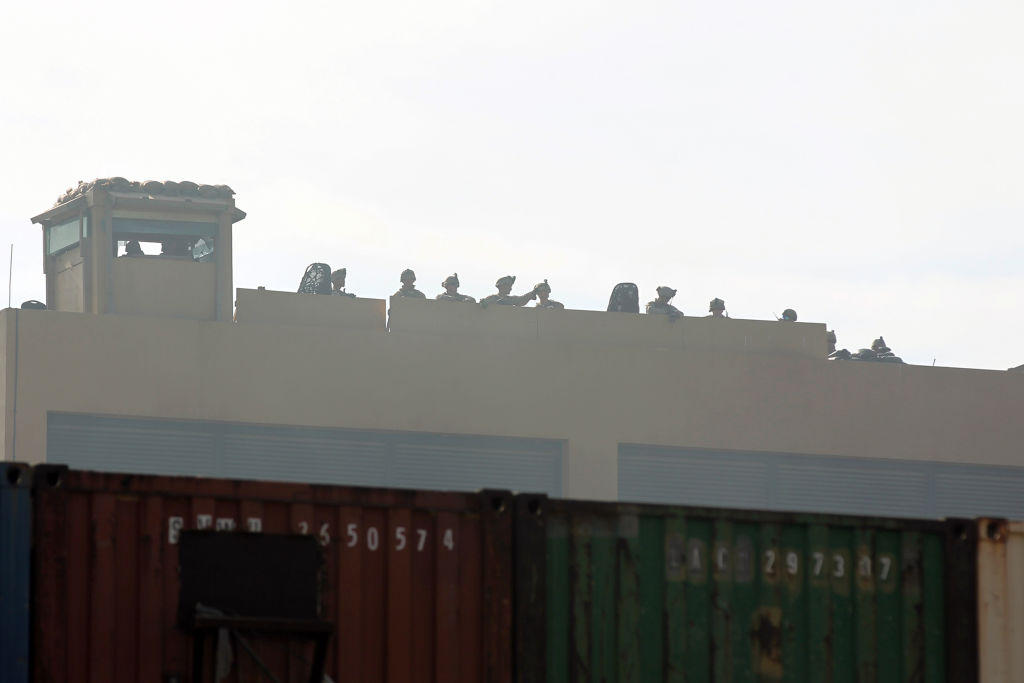
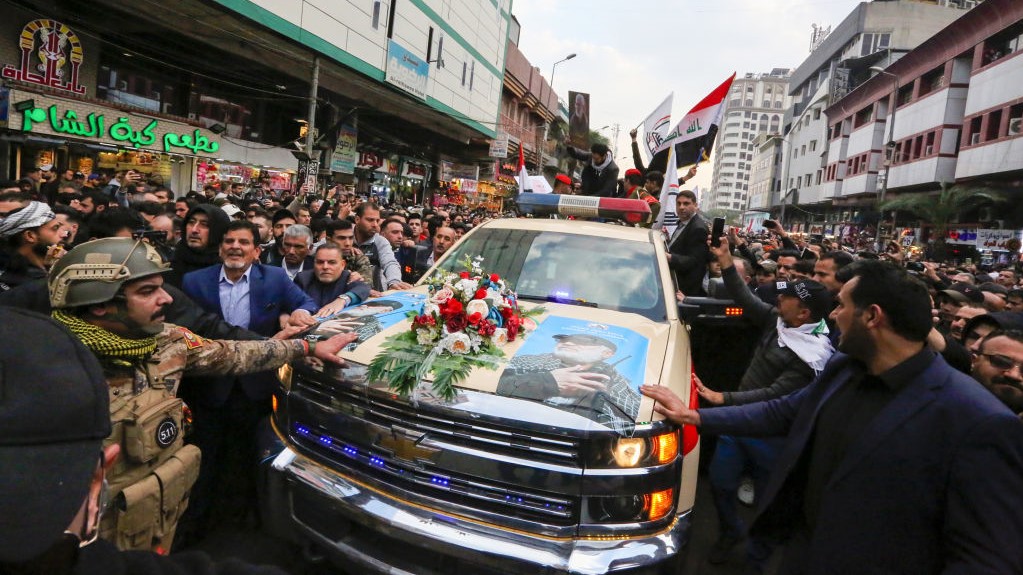
The protestors are demanding a radical change of the ethno-sectarian power-sharing system put in place after the 2003 U.S. invasion of Iraq.
This individual is a guest contributor. MEI is not able to assist with contact requests.
The protestors are demanding a radical change of the ethno-sectarian power-sharing system put in place after the 2003 U.S. invasion of Iraq.
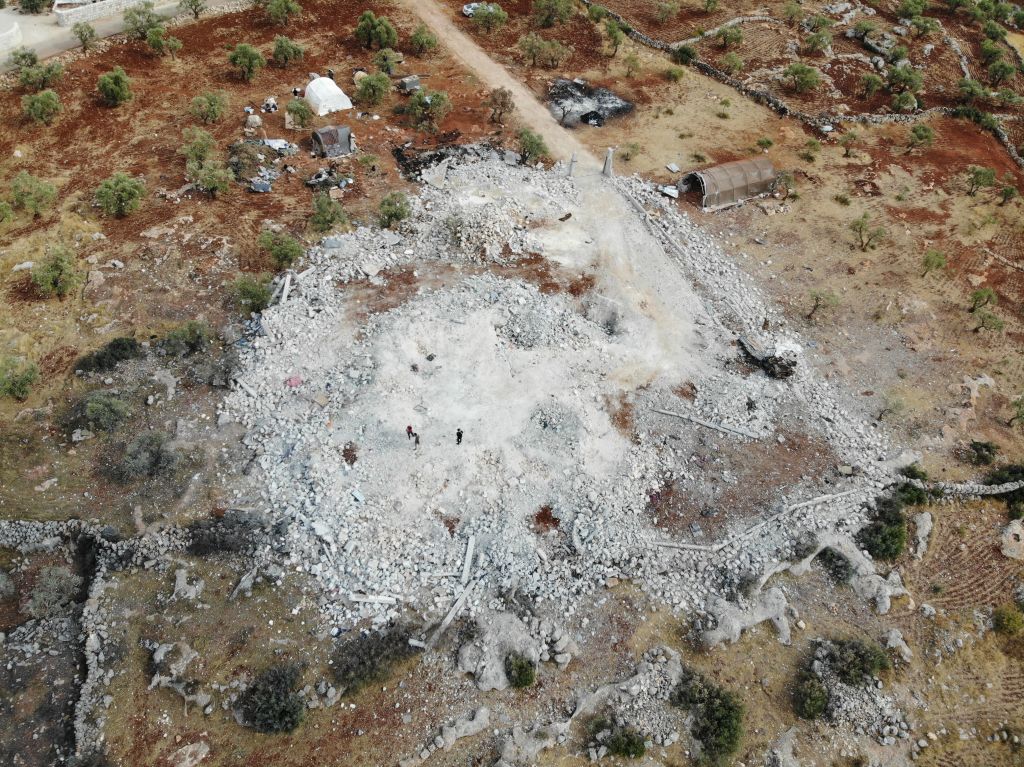
The question as 2019 ends is whether foreign forces supporting the conflict will rethink their commitment to military victory and instead work to secure political solutions through compromise.
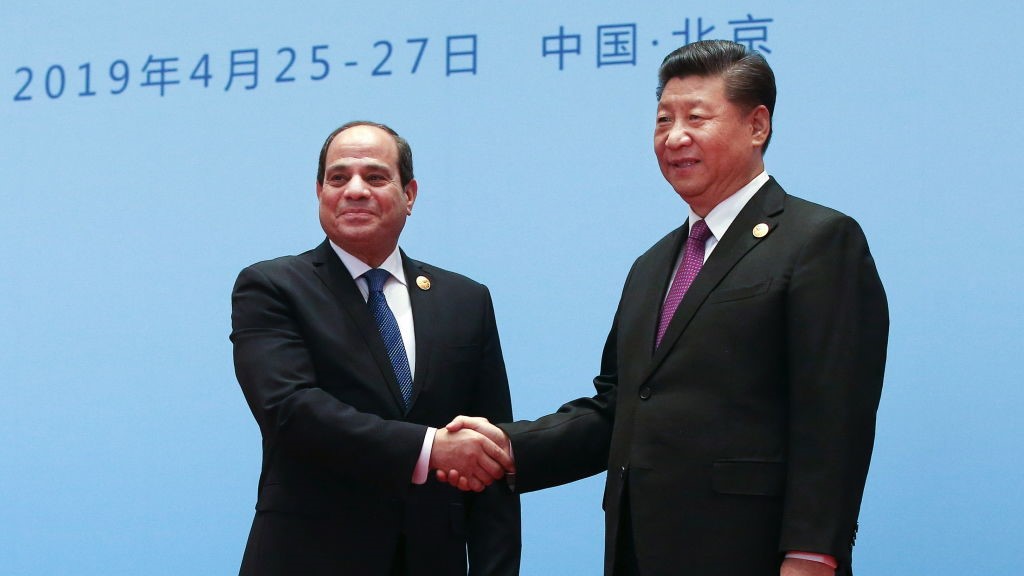
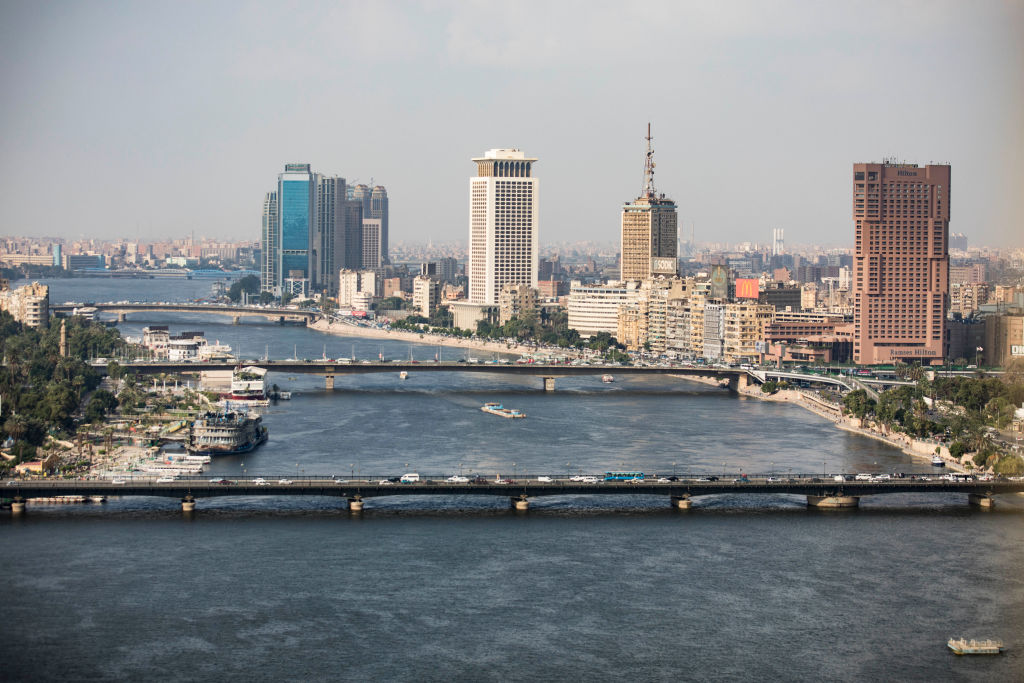
On the economic front, there were ups and downs, as the overall rosier-looking economic picture came at the expense of many of Egypt’s citizens.
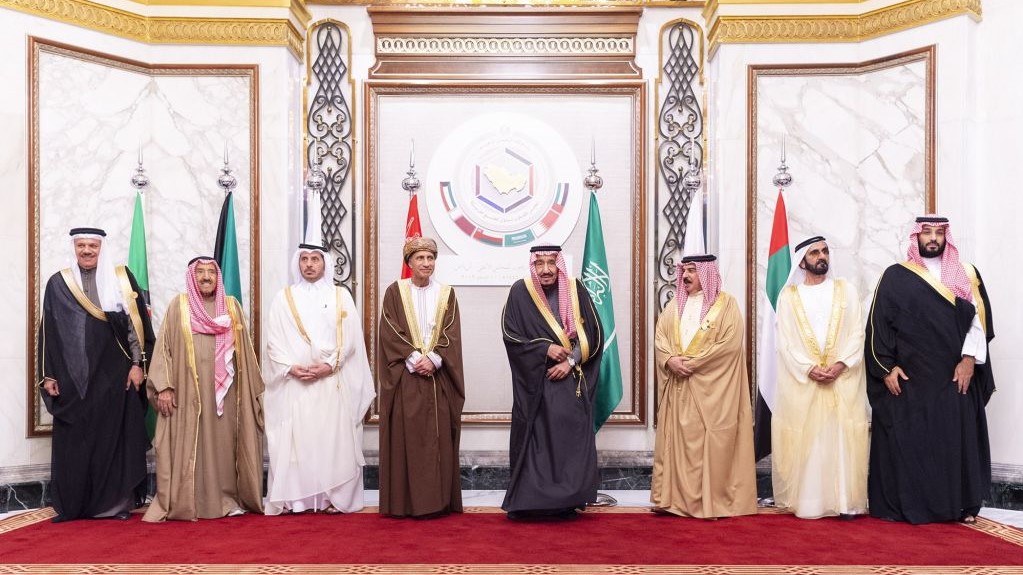
The steps the Saudis have taken in 2019 may help to ease international pressure on the kingdom’s leadership and restore its image as a constructive player in the world.
The delivery of the S-400 marked the most significant rupture in Turkey-U.S. ties in decades.
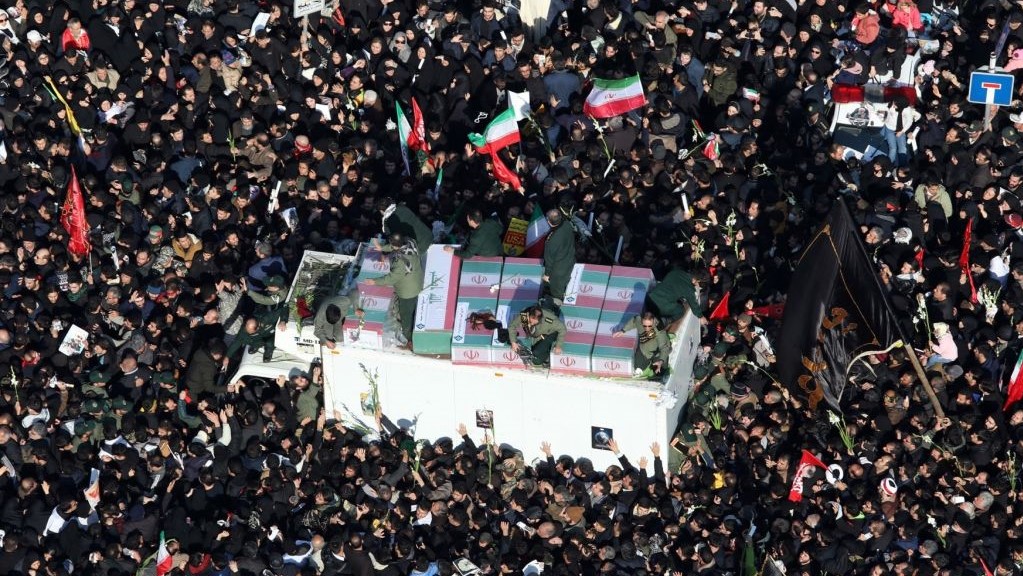
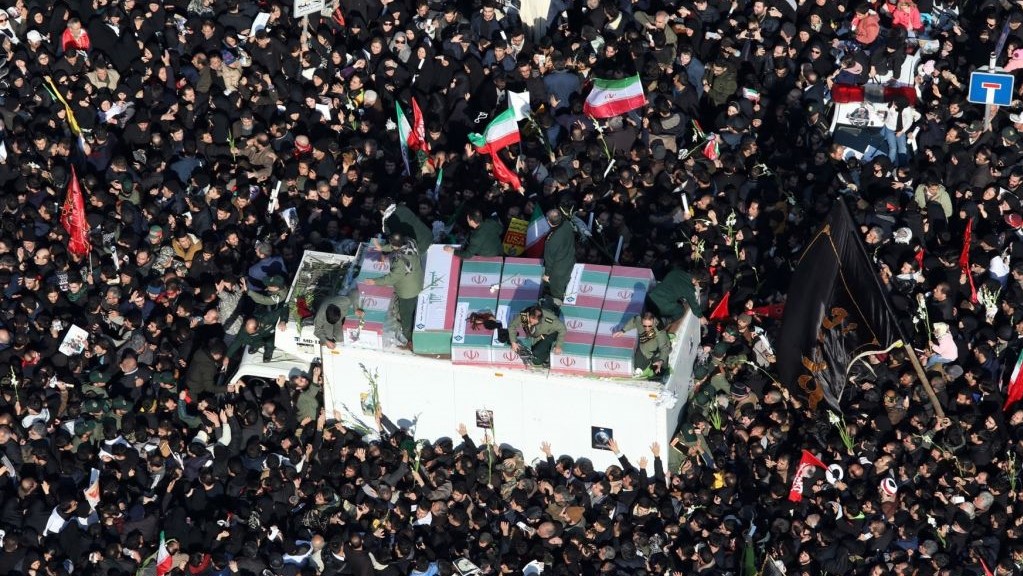
That the Islamic Republic cannot reform itself is in fact the key headline of 2019.
Assad appeared increasingly secure — and confident — in his presidential palace, but also remained a deeply isolated global pariah.
With the 2020 American presidential elections looming, the U.S. seems poised to accept virtually any withdrawal deal, even a bad one.
Newly elected President Abdelmadjid Tebboune and the Army leadership finish the year with doubtful legitimacy and remain at an impasse with a protest movement that has not yet developed visible, coherent leadership.
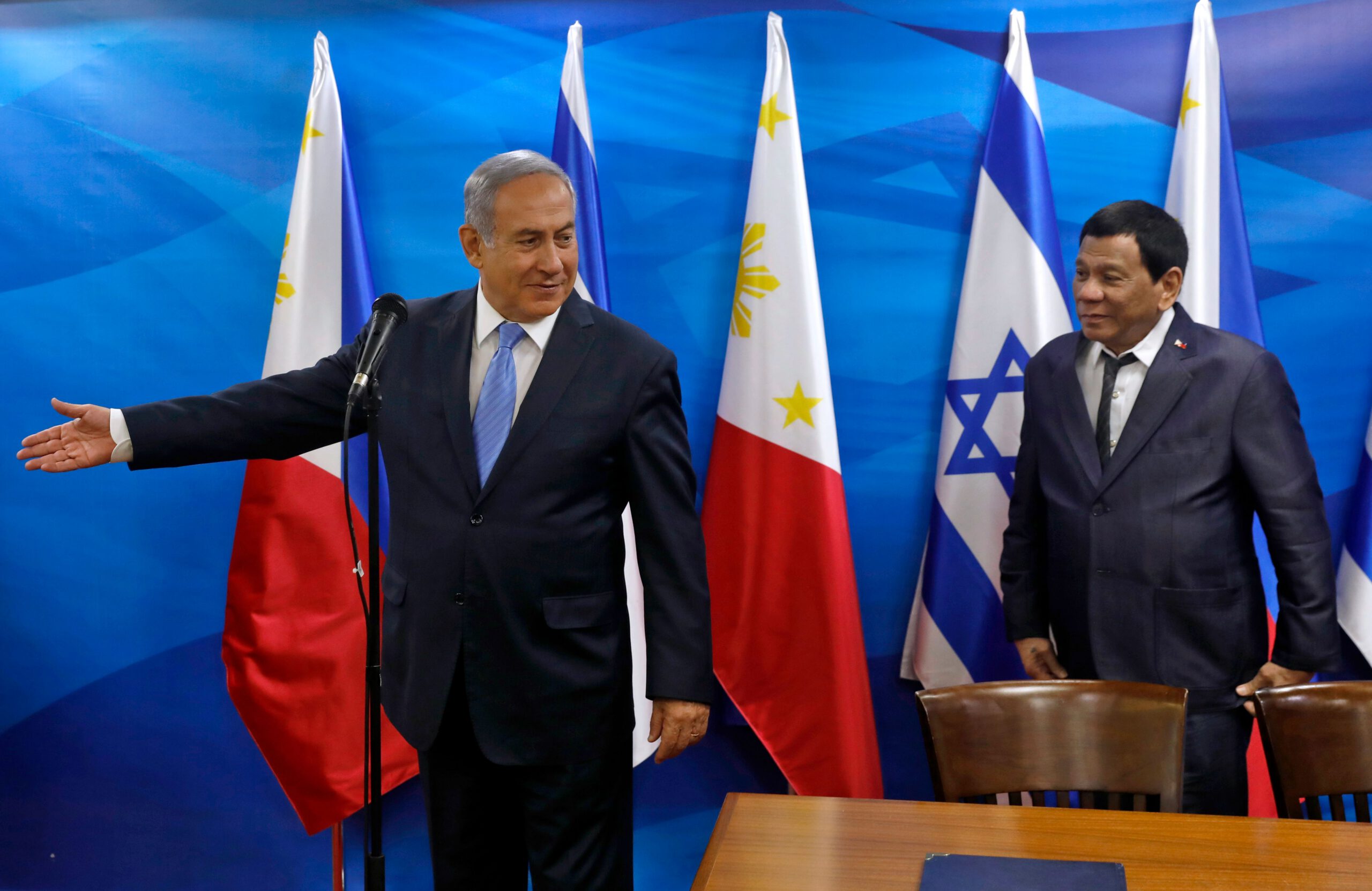
The main — perhaps only — issue in Israeli politics now is the future of Netanyahu.
Given their territorial proximity, the regional actors of the Middle East have always had an interest in Georgia and the South Caucasus as a window to Europe. The collapse of the Soviet Union brought an end to Georgia’s isolation, and in the years since the country has gradually started reclaiming its historical role as a cultural and economic crossroads between Asia, the Middle East, and Europe.
Researcher Mahsa Alimardani and MEI Cyber program director Mike Sexton join host Alistair Taylor to discuss the recent Iranian internet shutdown, its impact on protests and the nation’s economy, and what it means for the future of civil liberties in Iran and the wider region.
Turkey has completed the next-to-last piece of the 2,000-mile Southern Gas Corridor, a three-pipeline network that will send gas from Azerbaijan’s huge Shah Deniz field via Georgia and Turkey to Western Europe.
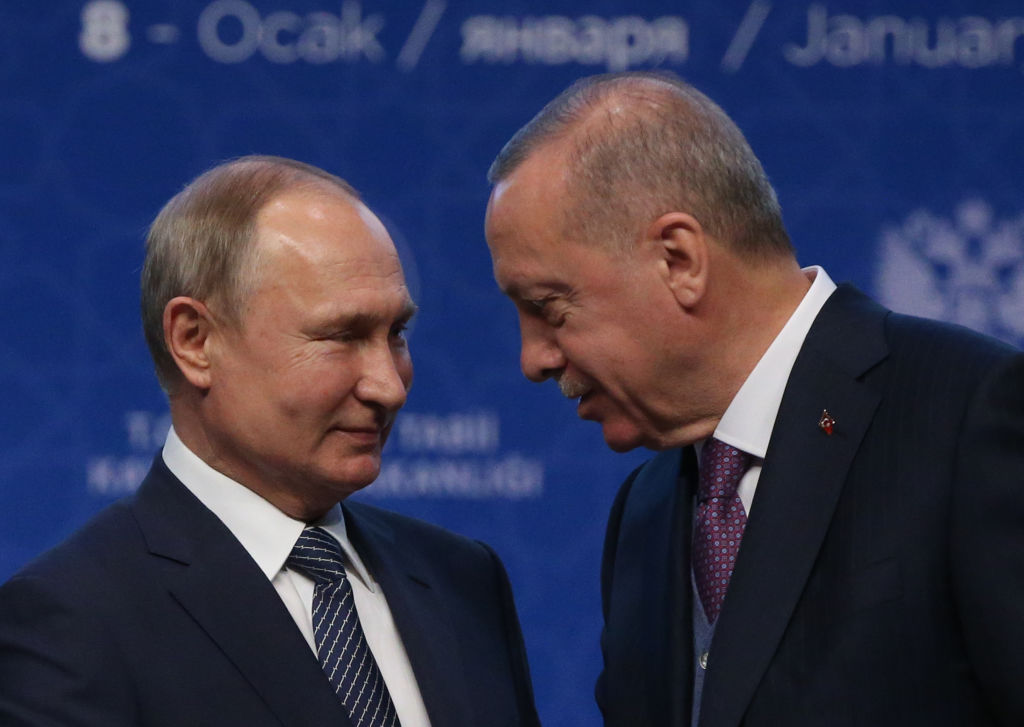
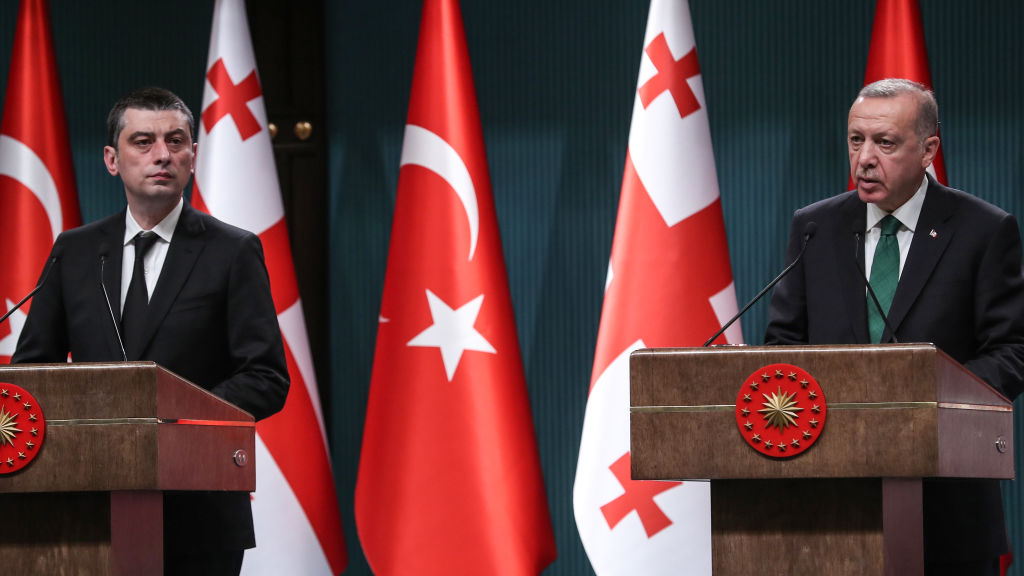
It was such a big deal that Turkish President Recep Tayyip Erdogan, Azerbaijani President Ilham Aliyev, and Georgian Prime Minister Giorgi Gakharia presided at the ribbon-cutting on Nov. 30. They were celebrating the completion of the pipeline that is the middle link in the Southern Gas Corridor: the Trans-Anatolian Natural Gas Pipeline (TANAP), which traverses Turkey.
On Nov. 27 the GNA signed an MoU with Turkey seeking to create a shared maritime boundary in the Mediterranean Sea between southwestern Turkey and northeastern Libya. In an overt quid pro quo, this maritime agreement was signed along with a separate MoU to expand security and military cooperation. Thus, it seems clear that Turkey was only able to persuade the GNA to agree to the maritime deal in exchange for increased security support for the GNA-aligned forces fighting the self-styled LNA in Tripoli.