Managing US Relations with Pakistan in Uncertain Times: Opportunities and Obstacles
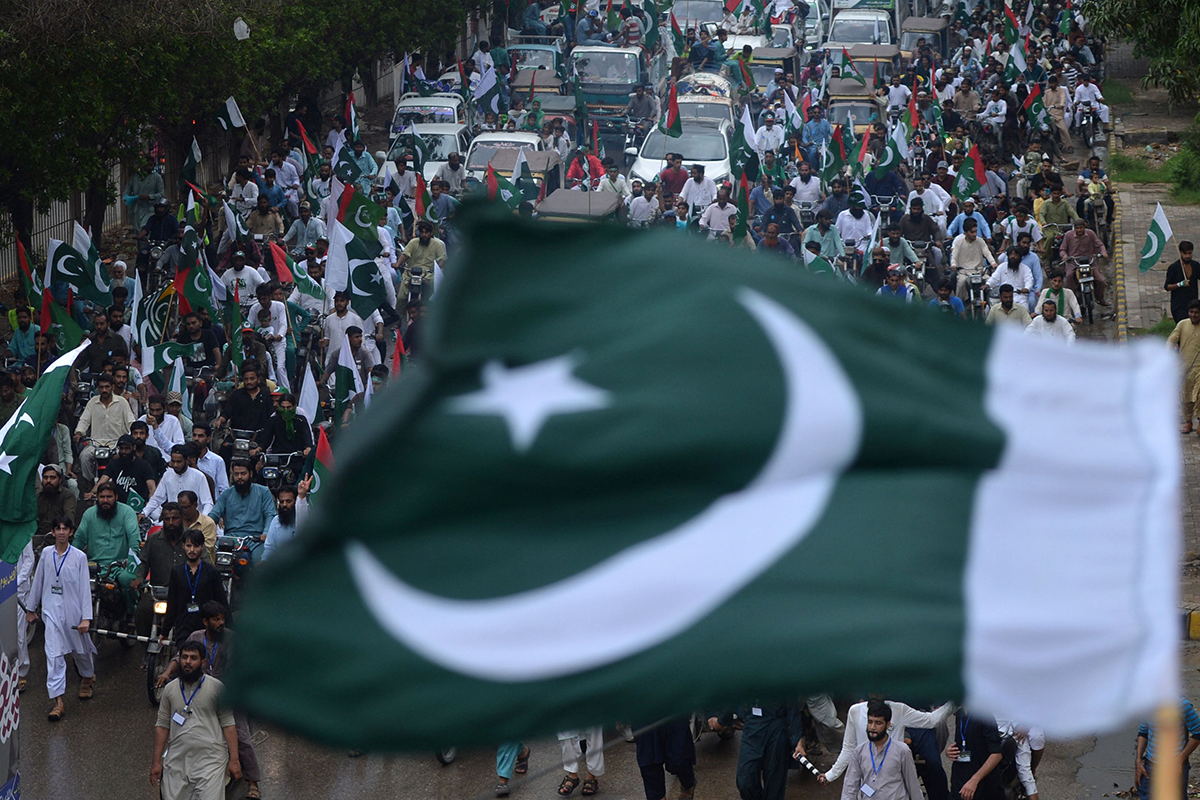
With the U.S. withdrawal from Afghanistan, America’s bilateral relationship with Pakistan may have come to hold less priority. If it was thought, however, that the U.S. could afford to largely turn its back on Pakistan and its region, it has instead become increasingly evident that American strategic interests and other concerns demand continued attention and involvement. It is imperative that American policymakers take a longer view when it comes to dealing with Pakistan, especially at a time when great power competition is intensifying across South Asia. It is in the interest of both the U.S. and Pakistan to develop a mutually beneficial and sustainable relationship.
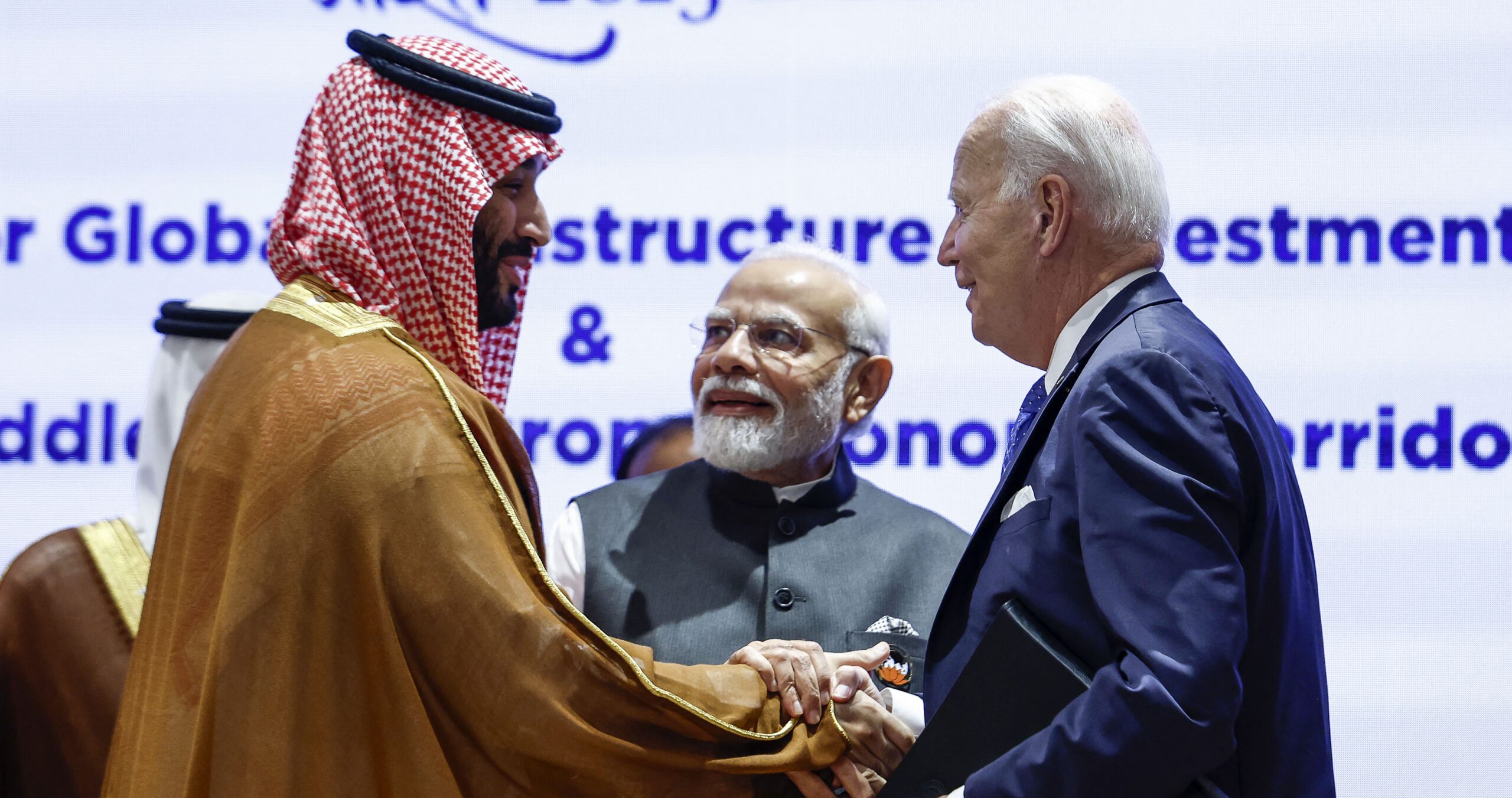
All you need to know about the India-Middle East-Europe Economic Corridor
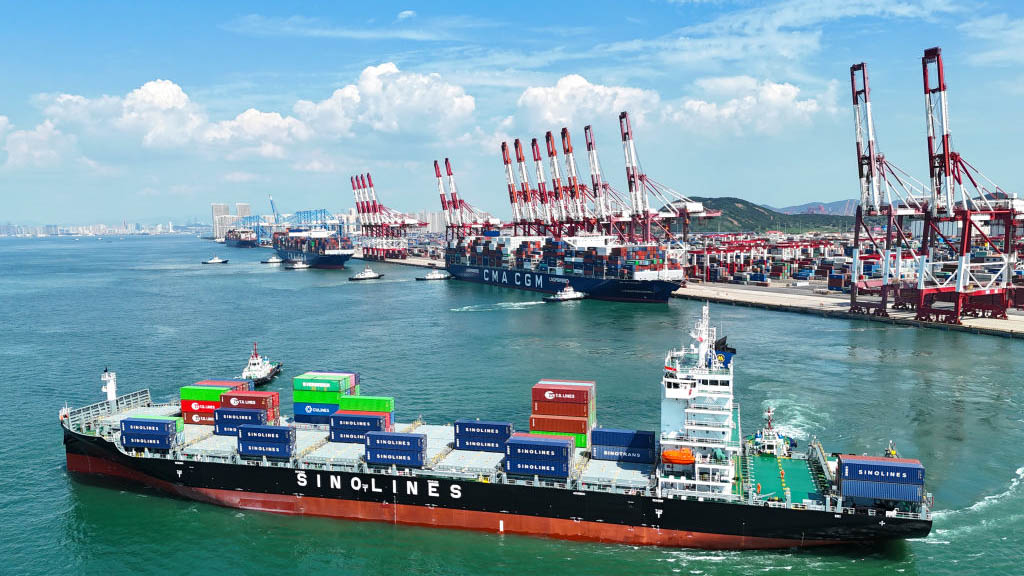
At the September G20 meeting, host country India, along with the United States, the European Union, France, Germany, Italy, Saudi Arabia and the United Arab Emirates (UAE), signed a memorandum of understanding, a non-binding commitment to work towards building two separate “corridors”, essentially envisioning a political line that is connected by some new and some existing, or already under construction, physical infrastructure.
Change and continuity in India’s relations with Israel and Palestine
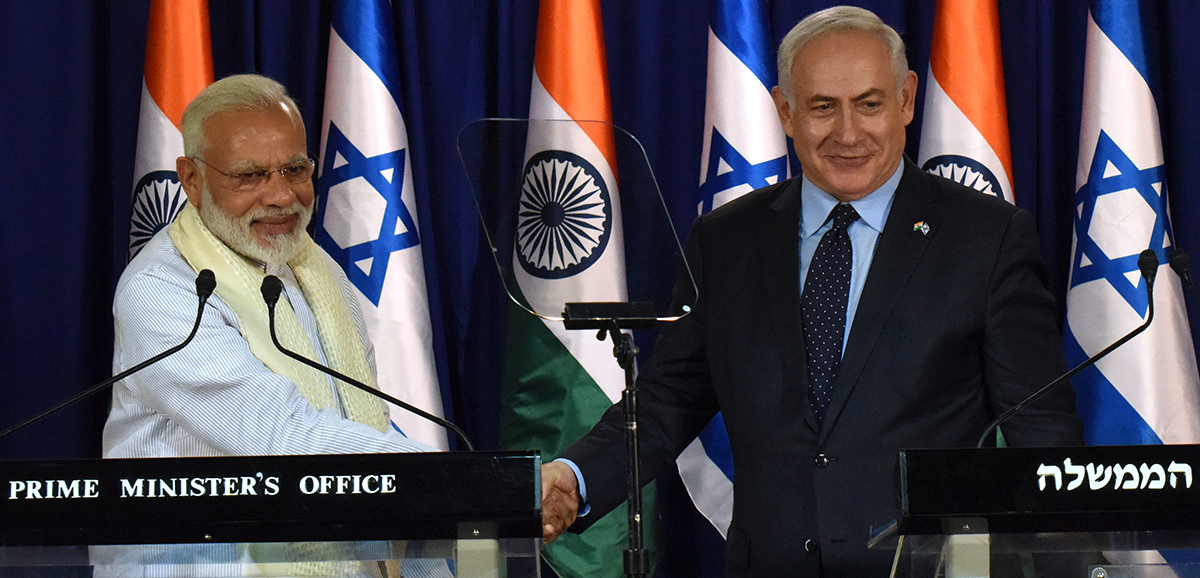
India’s response to the Oct. 7 terrorist attack on Israel and the ensuing Israel-Hamas war have underscored the notable shift in India-Israel bilateral relations that has taken place under the leadership of Prime Minister Narendra Modi.
War delays but likely will not fully derail IMEC plans
The Oct. 7 Hamas attack against Israel and the latter’s ongoing military operation in Gaza have stalled progress in the development of the India-Middle East-Europe Economic Corridor and raised questions about its prospects for eventual completion. The IMEC faces multiple viability challenges, but none of them are insurmountable; thus, its participants are unlikely to abandon it.
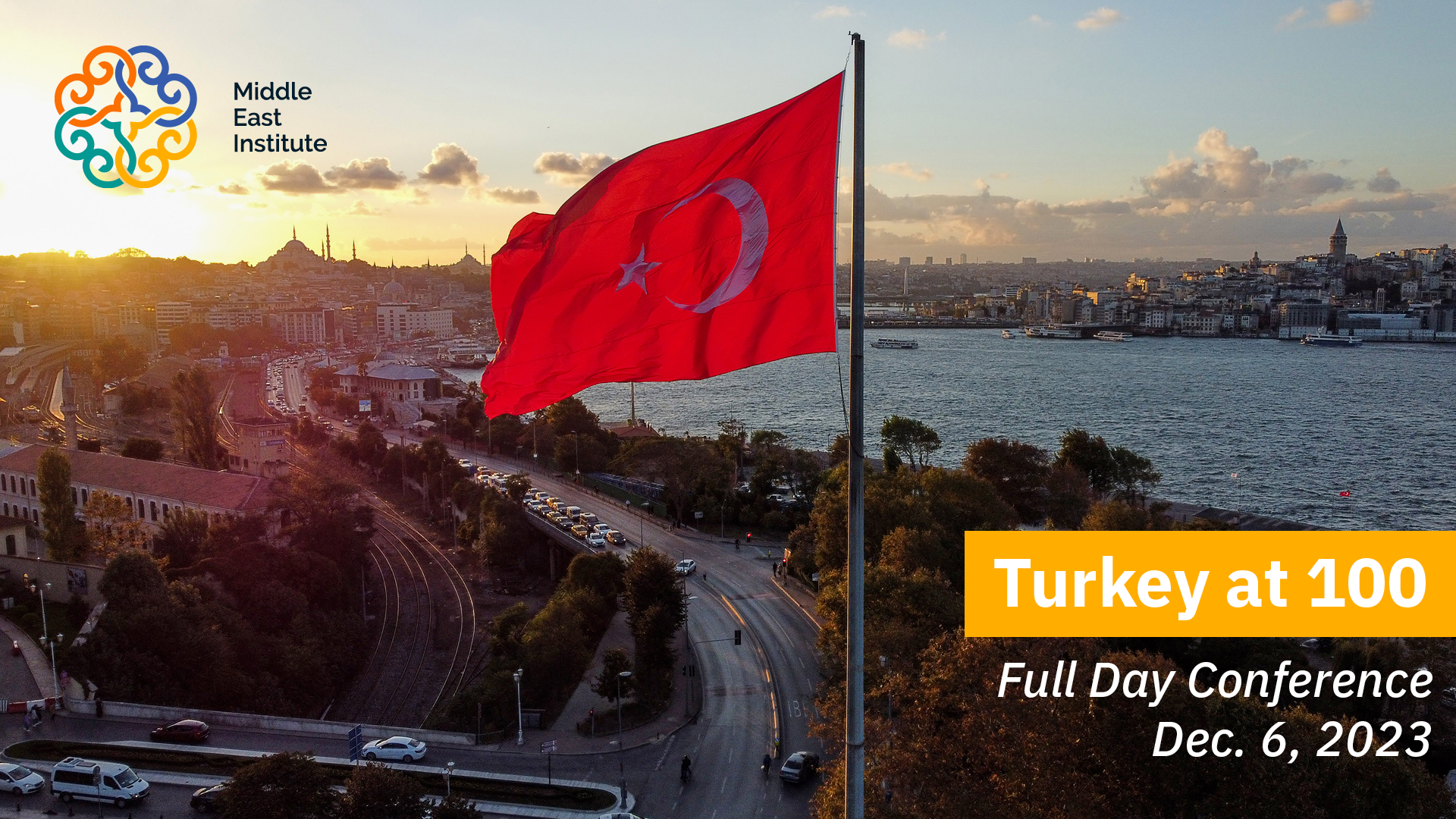
The year 2023 marks the 100th anniversary of the establishment of the Turkish Republic. MEI Editor-in-chief Alistair Taylor and Turkey Program Director Gonul Tol discuss where things stand today: the political landscape in the aftermath of the May 2023 elections, President Recep Tayyip Erdogan’s push for constitutional change, and how Turkey is dealing with key foreign policy issues like the Israel-Hamas war, Sweden’s NATO membership bid, and relations with the U.S.
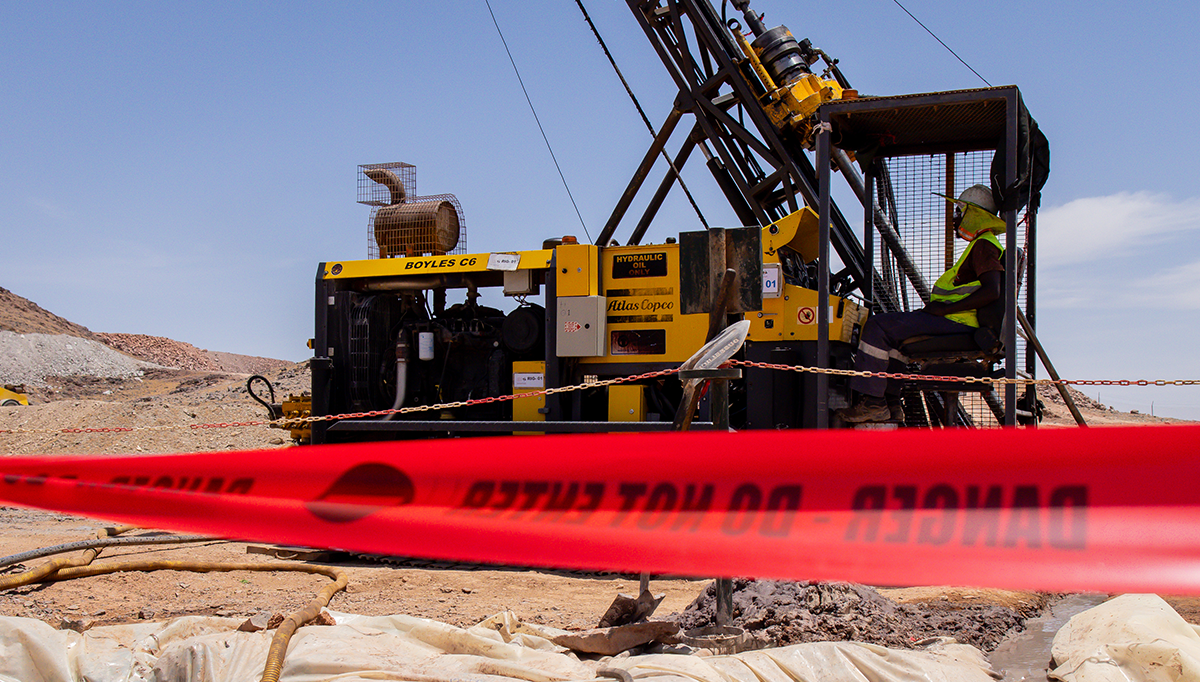
The Middle East's critical mineral resources: A key to the clean energy transition?
The transition toward renewable and clean energy sources, both in the Middle East and around the world, relies on the availability of critical minerals. Critical minerals are set to be the foundation upon which a sustainable, clean energy future is built, catalyzing innovation and progress on a global scale.
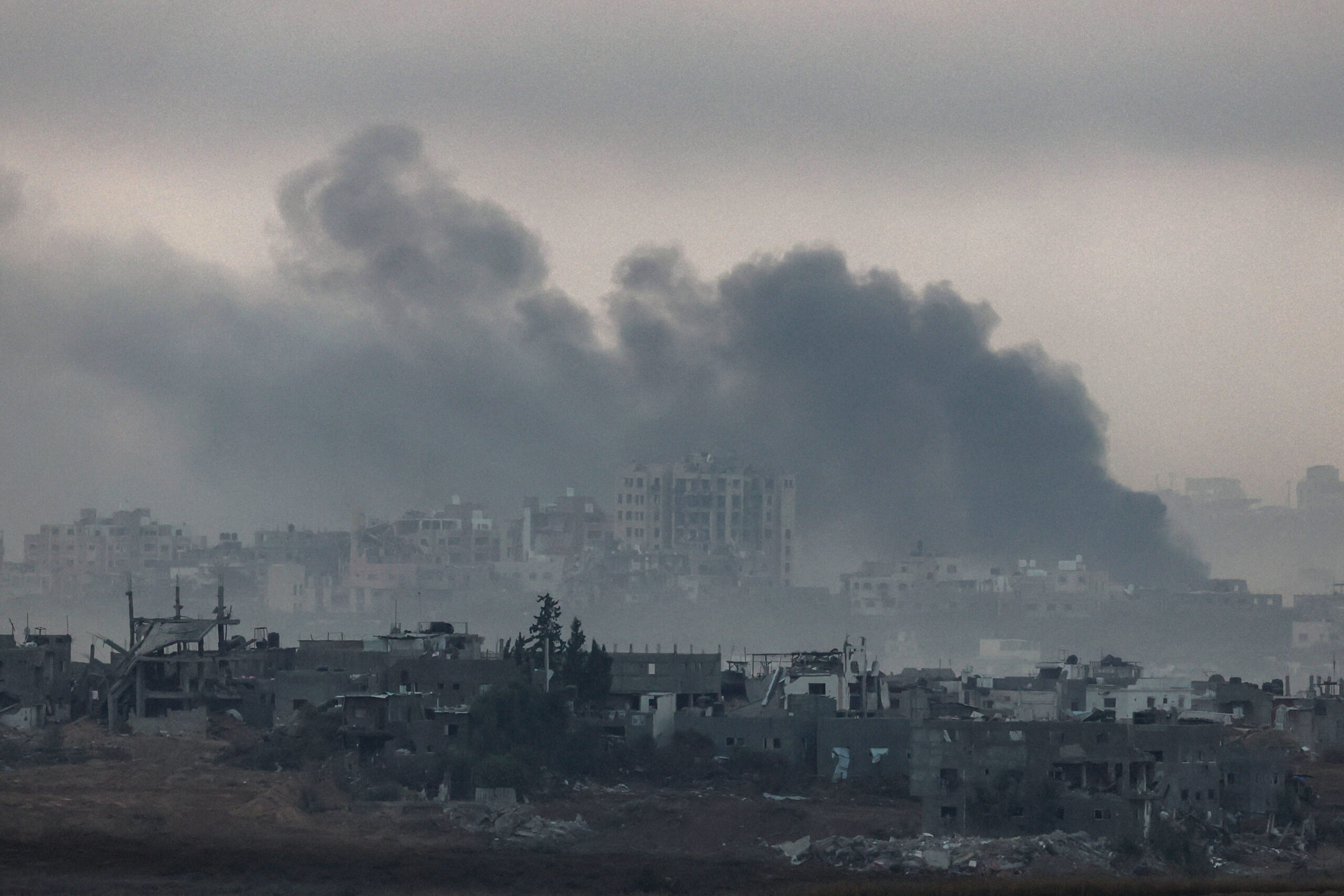
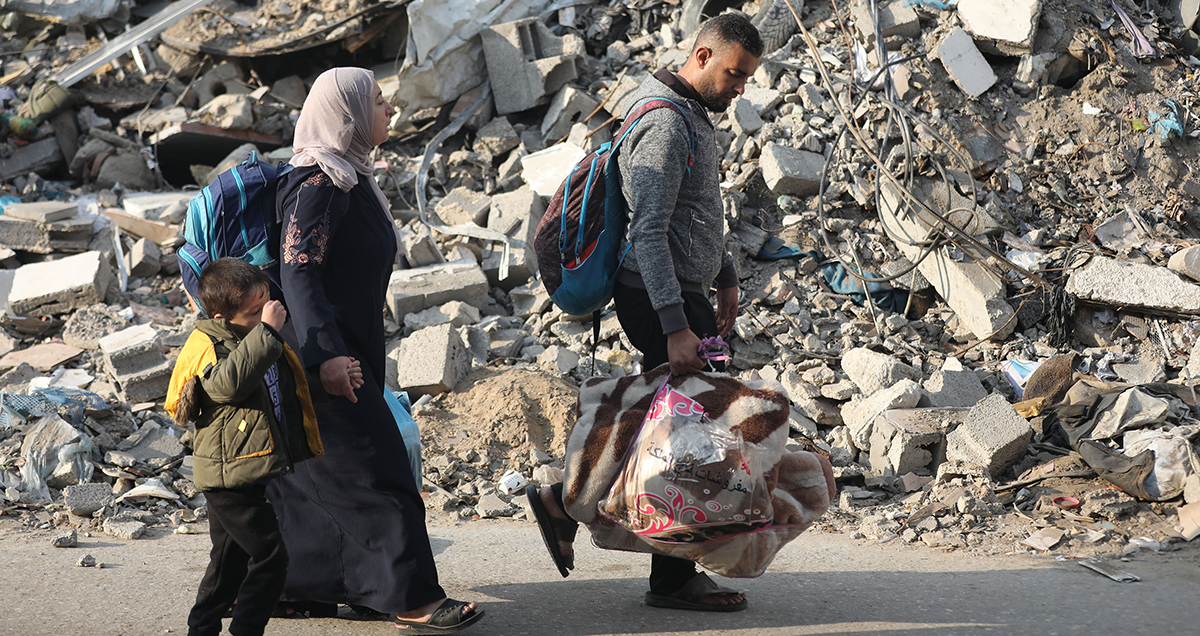
The international community is focused on “the day after” in Gaza, built on the comforting but illusory assumption that Oct. 7 never happened. In contrast, Israel and Hamas alike are engaged in a zero-sum contest to build a new system created out of blood and fire. When we consider the options for Gaza, the most instructive point of departure is the day before — that is, the evolution of Israeli occupation policies in the half century since the June 1967 war.
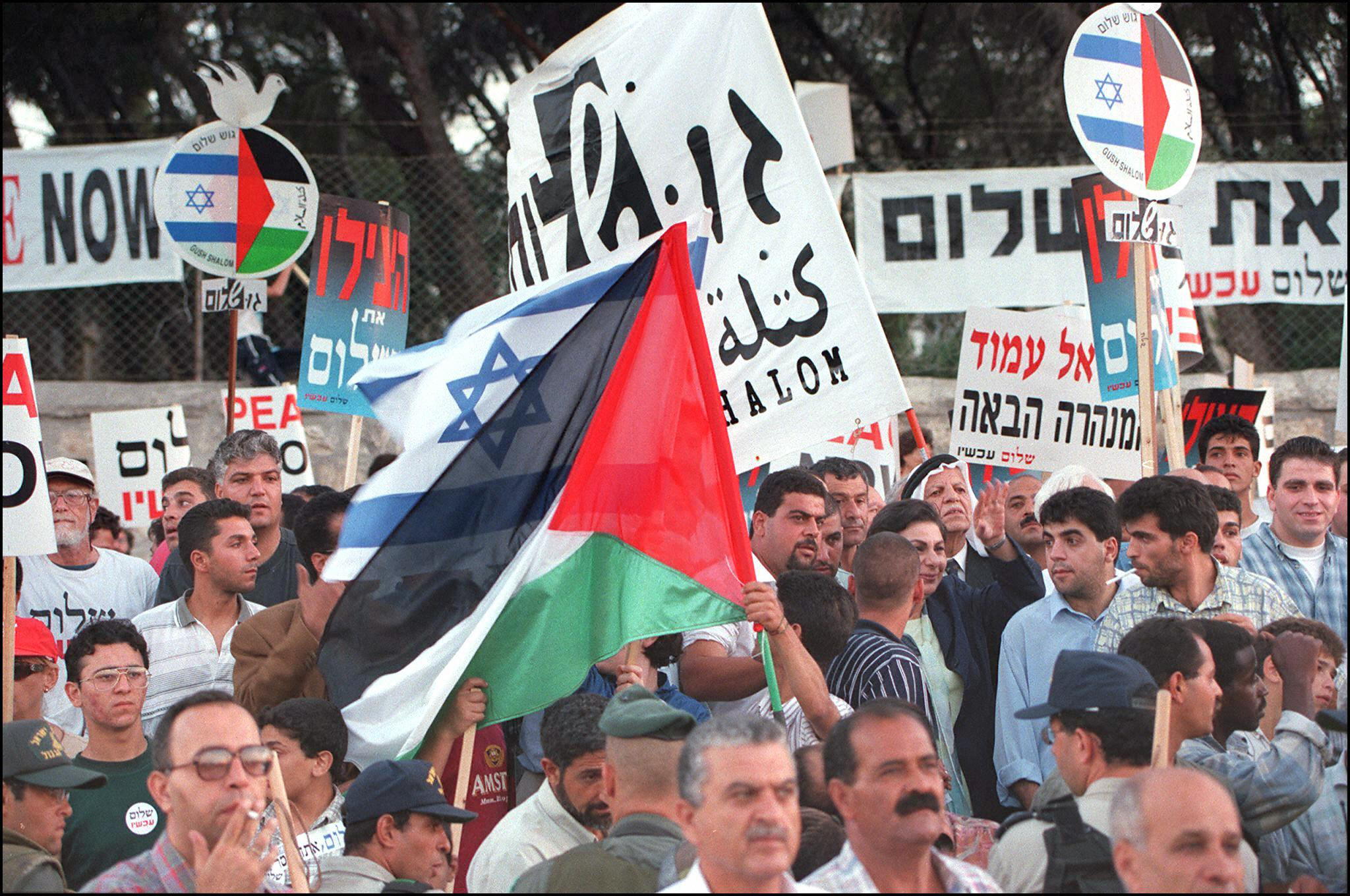
An Israeli-Palestinian peace process would present Iran with a difficult choice
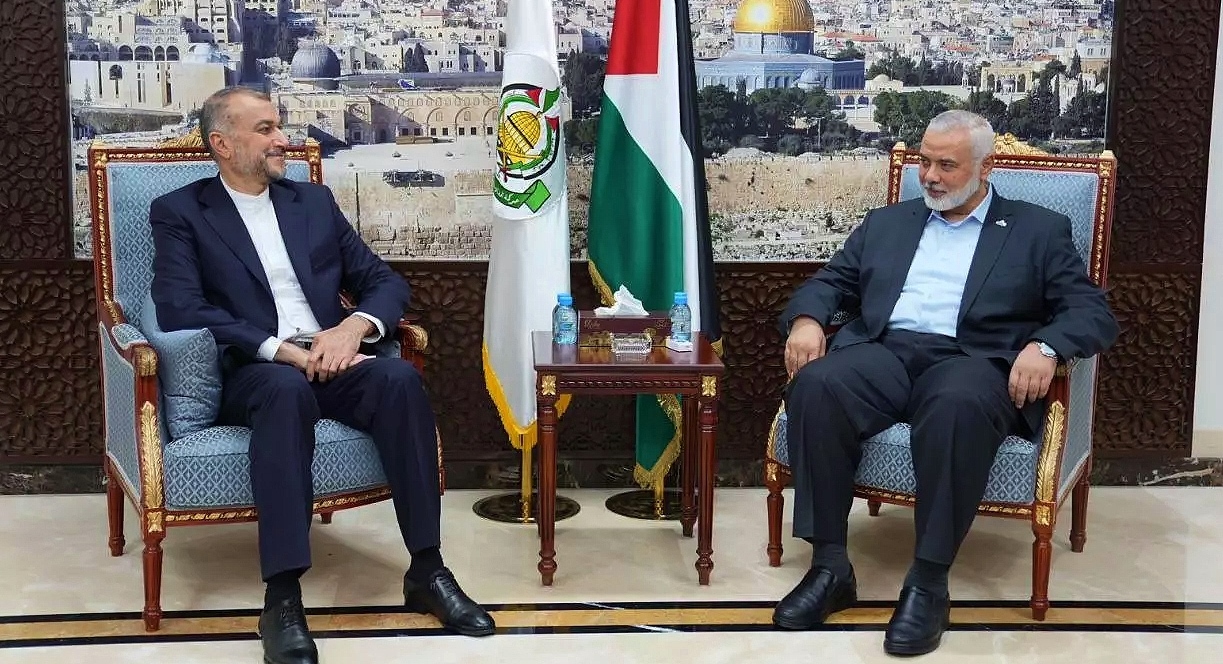
The Israel-Hamas war provides Tehran with a meaningful opportunity to fundamentally shift its position toward Israel. Should a peace process follow this latest war, Iran will have a hard choice to make – double-down on upholding its Axis of Resistance against Israel, or look for ways to work with the majority in the region that seek a feasible political settlement to the Israeli-Palestinian conflict.
Expert Views: How do we restart the Middle East peace process?
What would it take to start a new Israeli-Palestinian peace process that could actually have the prospect for enduring success? MEI has asked a group of regional and U.S. experts to weigh in.