This individual is a guest contributor. MEI is not able to assist with contact requests.
Amb. (ret.) Gerald Feierstein previously served as director of MEI’s Arabian Peninsula Affairs Program and a distinguished senior fellow on US diplomacy. He retired from the US Foreign Service in May 2016 after a 41-year career with the personal rank of Career Minister. As a diplomat he served in nine overseas postings, including three tours of duty in Pakistan, as well as assignments in Saudi Arabia, Oman, Lebanon, Jerusalem, and Tunisia. In 2010, President Obama appointed Amb. Feierstein US Ambassador to Yemen, where he served until 2013. From 2013 until his retirement, Amb. Feierstein was Principal Deputy Assistant Secretary of State for Near Eastern Affairs.
In addition to his career-long focus on the Near East and South Asia, Amb. Feierstein also played a prominent role in developing and implementing State Department policies and programs to counter violent extremism. As Deputy Coordinator and Principal Deputy Coordinator in the State Department’s Counter-Terrorism bureau, Amb. Feierstein led the development of initiatives to build regional networks to confront extremist groups as well as to counter terrorist financing and promote counter-terrorism messaging. He continued to focus on defeating terrorist groups through his subsequent tours as Deputy Chief of Mission in Pakistan and as Ambassador to Yemen.
Iran Ramps Up Its Exchange Programs for the Houthis in Yemen
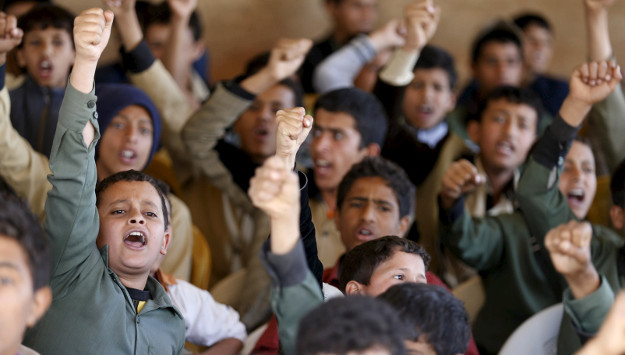
Following the Houthi takeover of Sana’a, Iran expanded its academic and cultural exchange programs in Yemen’s education sector. Iran initiated these programs in response to a Saudi-financed program to increase the number of Salafi mosques and madrassas in northern Yemen in the 1990s.
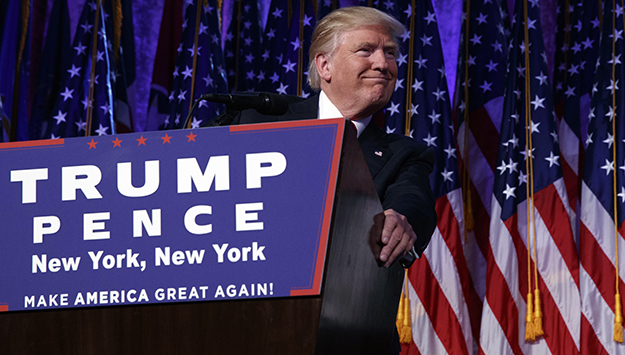
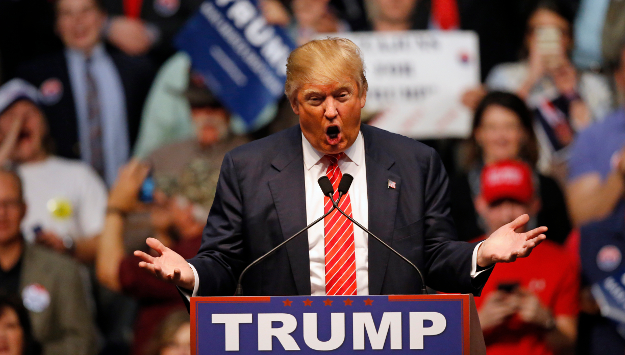
Monday Briefing: Middle East Reactions to Trump's Inauguration
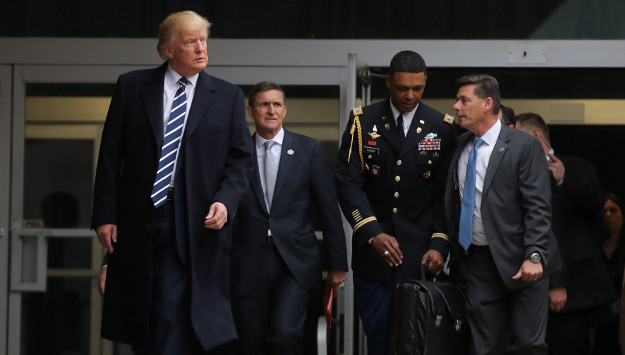
In this week’s Monday Briefing, MEI experts Paul Salem, Alex Vatanka, Gerald Feierstein, and Charles Lister provide analysis on recent and upcoming events including U.S.-Middle East relations in the new Trump administration, the view of Trump’s inauguration from Tehran, the Gulf’s ‘wait and see’ approach to the new administration, and Russia’s public position on Syria talks at the outset of talks in Astana.
Weekly Briefing: Confirmation Hearings, Syria Peace Talks, and OPEC
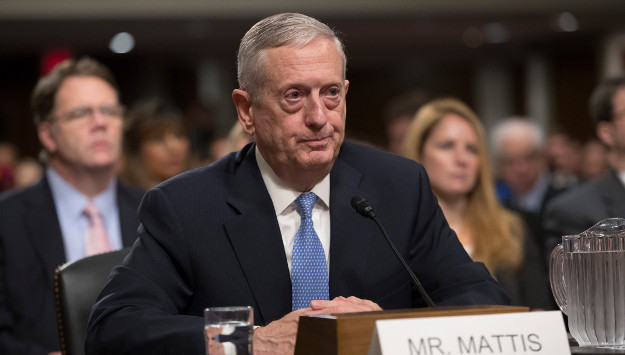
In this week’s briefing, MEI experts Gerald Feierstein, Robert S. Ford, Yousef Munayyer, Eran Etzion, and Ruba Husari provide analysis on recent and upcoming events including the ongoing confirmation hearings for key members of the incoming administration’s foreign policy team, the upcoming Syria talks, the recently convened Paris talks on Israel and Palestine, and OPEC’s assessment of its agreement to cap oil output.
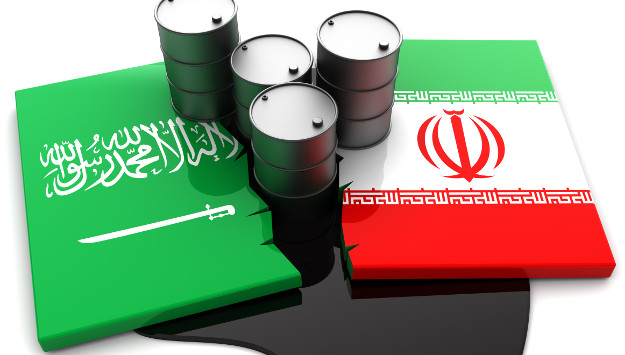
Iran Continues Efforts to Subvert Saudi Arabia from within
In fresh evidence that the government of Iran continues its efforts to undermine Saudi stability and security from within, a Saudi court has convicted a Saudi businessman of plotting with the government of Iran to instigate sectarian strife and threaten Saudi social stability, according to a report in al-Sharq al-Awsat.
Special Briefing: The Middle East in the Year Ahead
Another turbulent year lies ahead for the Middle East. Civil wars rage in Syria, Libya, and Yemen; the battle against ISIS proceeds in Iraq; Iran pushes its advantage against regional rivals; governments continue to struggle with economic, political, and security challenges; and the region awaits a new administration in Washington.
Saudi Analysis: Iran’s Response to Bahrain Terror Attack Proves Dialogue Impossible
Salman al-Dossary, Editor-in- Chief of al-Sharq al-Awsat newspaper, observed that the Iranian response to the January 1 terror attack on a Bahraini police station, killing a police officer and allowing prisoners to escape, proves that there is no basis for a constructive dialogue between the Arab Gulf states and Iran.
Hezbollah Front Company Allegedly Training Kuwait University Students
A Lebanese company fronting for Hezbollah allegedly has contracted with Kuwait University to provide students with training in computers and information science, according to the Kuwaiti daily al-Shahed. Alarmed Kuwaitis have asked the Ministry of Education to investigate the reports. According to the al-Shahed report, the sources claim that the front company is using its program to “brainwash” the students and is providing them with free travel to Lebanon, including tickets and accommodations, which includes arranging visits to Hezbollah headquarters in Beirut.
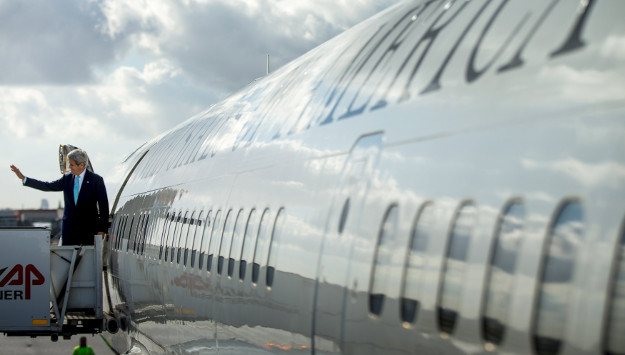
As President Barack Obama’s tenure draws to a close, Washington is turning its attention to one of its silliest traditions: toting up the travel statistics of the outgoing secretary of state, as if miles traveled correlated to diplomatic achievement.
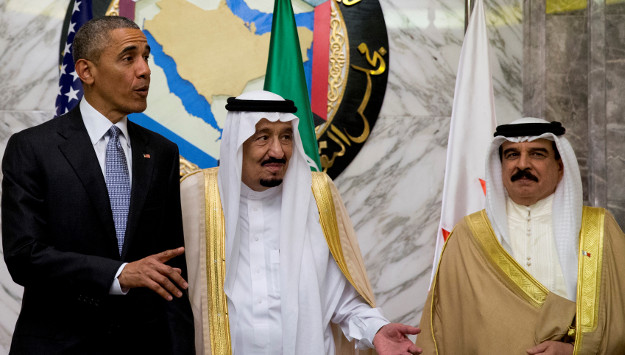
U.S.-G.C.C. Relations: Recommendations for the Next Administration
The United States will confront a new and very different set of challenges in its relationship with the G.C.C. states over the coming four years. For the first time since the end of World War II, a new administration will come to power in Washington next January facing a ‘trust deficit’ in its management of relations with its G.C.C. partners. The overwhelming Congressional vote to override President Barack Obama’s veto of the JASTA legislation was interpreted in the region as a lessening of popular support for the U.S.-G.C.C. relationship.
Briefing: Middle East Reactions to the U.S. Election
In this special edition of our weekly briefing, MEI experts Paul Salem, Robert S. Ford, Eran Etzion, Gonul Tol, Alex Vatanka, and Gerald Feierstein provide analysis on the impact of Donald Trump’s victory in the U.S. Presidential Election on the future of Middle East policy, its particular effect on the crises in Iraq and Syria, and how the news has been received across the region, including in Turkey, Iran, and the GCC.
When Osama bin Laden carefully recruited a number of Saudis to carry out the 9/11 attacks, his intention was to drive a wedge between his two enemies, the United States and the Saudi government. Fifteen years after the attacks, the JASTA legislation appears to be doing just that.
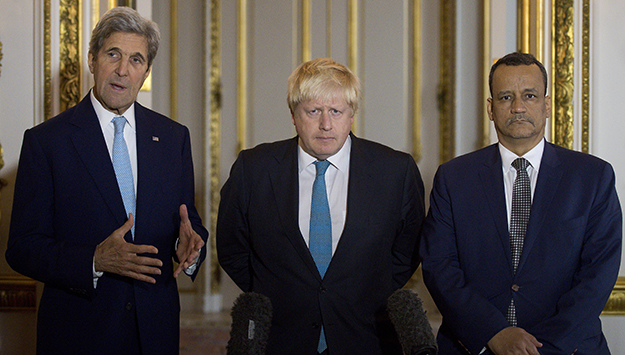
The State Department has welcomed an agreement among all Yemeni parties and the Saudi-led coalition to observe a 72-hour cease-fire beginning on October 19. The warring factions agreed to “implement a full and comprehensive halt to military activities of any kind and help facilitate the delivery of humanitarian assistance to Yemenis across the country.”[i]