This individual is a guest contributor. MEI is not able to assist with contact requests.
Amb. (ret.) Gerald Feierstein previously served as director of MEI’s Arabian Peninsula Affairs Program and a distinguished senior fellow on US diplomacy. He retired from the US Foreign Service in May 2016 after a 41-year career with the personal rank of Career Minister. As a diplomat he served in nine overseas postings, including three tours of duty in Pakistan, as well as assignments in Saudi Arabia, Oman, Lebanon, Jerusalem, and Tunisia. In 2010, President Obama appointed Amb. Feierstein US Ambassador to Yemen, where he served until 2013. From 2013 until his retirement, Amb. Feierstein was Principal Deputy Assistant Secretary of State for Near Eastern Affairs.
In addition to his career-long focus on the Near East and South Asia, Amb. Feierstein also played a prominent role in developing and implementing State Department policies and programs to counter violent extremism. As Deputy Coordinator and Principal Deputy Coordinator in the State Department’s Counter-Terrorism bureau, Amb. Feierstein led the development of initiatives to build regional networks to confront extremist groups as well as to counter terrorist financing and promote counter-terrorism messaging. He continued to focus on defeating terrorist groups through his subsequent tours as Deputy Chief of Mission in Pakistan and as Ambassador to Yemen.
Protecting Gulf waters through regional cooperation
In collaboration with regional and international experts and organizations, the Middle East Institute is implementing a program aimed at promoting regional approaches to solve climactic and anthropogenic challenges to the waters of the Gulf.
The Yemen government reorganizes, but will it open the door to end the conflict?
At the conclusion of a week of Yemeni-Yemeni internal deliberations hosted by the Gulf Cooperation Council (GCC) in Riyadh, the government of Abdo Rabo Mansour Hadi announced sweeping changes meant to clear away obstacles to cooperation among the anti-Houthi forces in the country and, perhaps, open the door to negotiations to end the civil war now in its eighth year.
US-Gulf Relations at the Crossroads: Time for a Recalibration
The global response to Russia’s invasion of Ukraine has focused new attention on friction between the United States and its traditional partners in the Gulf and reinforced skepticism regarding the United States’ status as the dominant international partner in the region. It’s time for both sides to identify a realistic way forward that sheds outdated notions of mutual obligation without becoming merely transactional.
Yemen: Ending the War, Building a Sustainable Peace
Seven years on from the launch of the Saudi-led coalition’s military campaign on March 26, 2015, the civil war in Yemen remains stalemated. The fundamental realities of the conflict have not changed substantially in over five years. Meanwhile, the conditions under which the majority of innocent Yemenis are living continue to deteriorate. It’s time to consider measures that can promote an end to the conflict and lay the groundwork for post-conflict reconstruction.
The civil war in Yemen is well into its eighth year with no end in sight. It is imperative that the United Nations, with the United States and other key powers in support, do more to end the suffering and begin the long process of rebuilding and reconstructing Yemen. But that work cannot begin until there is a common understanding of what the obstacles are to achieving a peaceful resolution. In particular, what tools can and should the United States use to pressure the Houthis and overcome their resistance to negotiations?
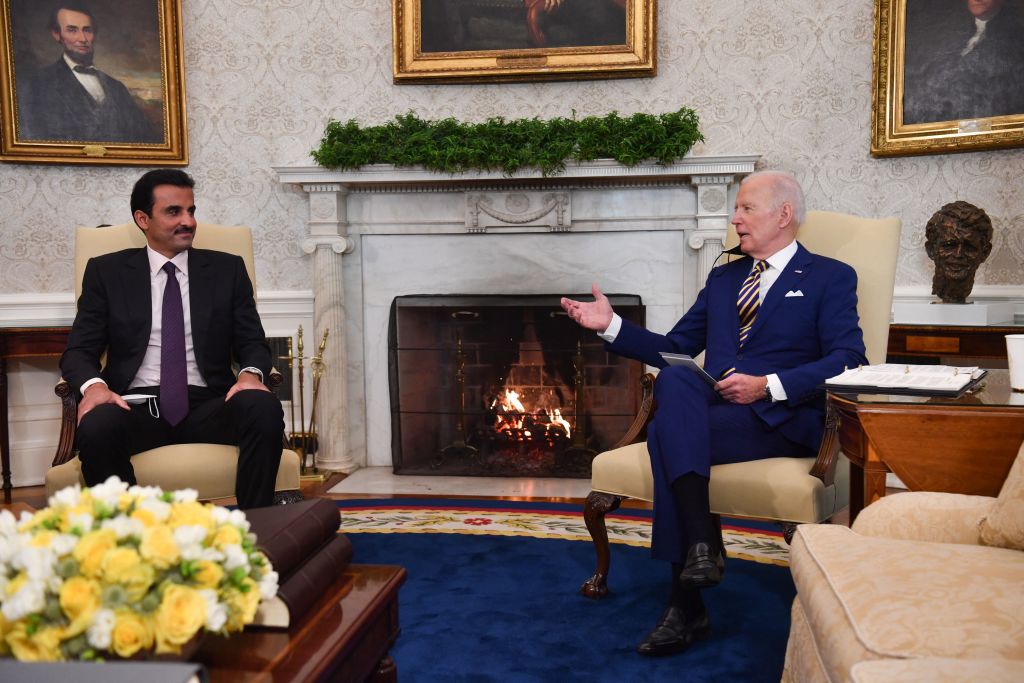
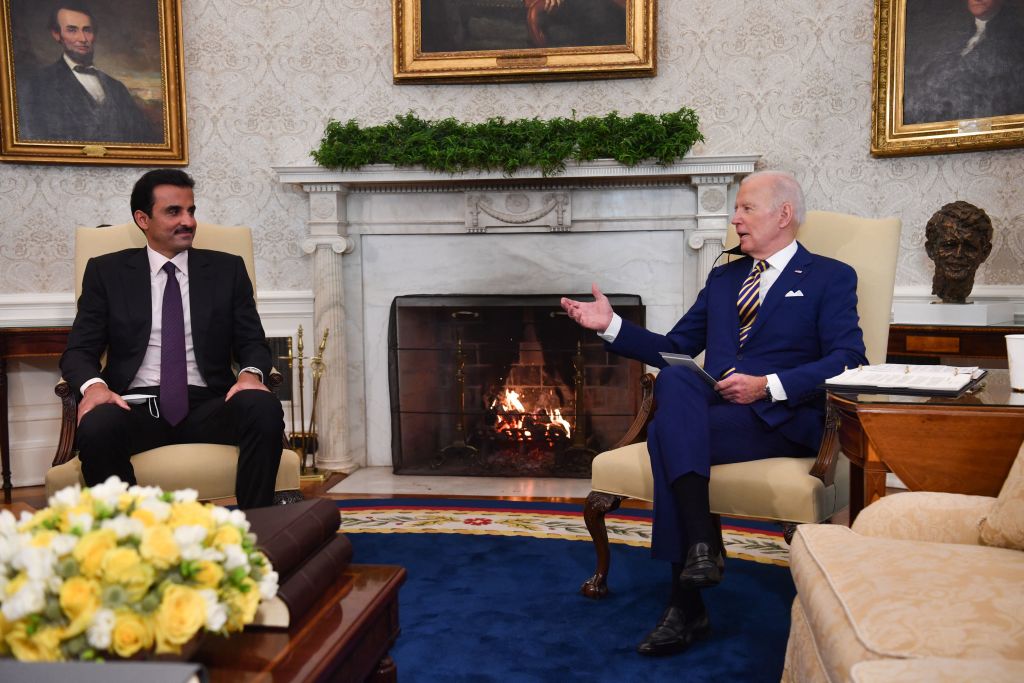
أمير قطر الشيخ تميم يصبح أول زعيم خليجي يزور البيت الأبيض في عهد بايدن
عندما يزور أمير قطر الشيخ تميم بن حمد آل ثاني الرئيس جو بايدن في 31 يناير/كانون الثاني، وعلى عكس العديد من القادة الآخرين الذين تلقوا دعوات إلى المكتب البيضاوي، هناك جدول أعمال جاد وحافل بالقضايا العالمية المُلحِّة للمناقشة بين الزعيمين. فعلى المدى القريب والعاجل، سيُطلب من الشيخ تميم التزام قطر بمساندة الجهود المبذولة لمعالجة احتمال انقطاع إمدادات الطاقة الروسية إلى أوروبا الغربية، وخاصة ألمانيا، في حالة إذا واصل الرئيس الروسي فلاديمير بوتين التهديدات بمهاجمة أوكرانيا.
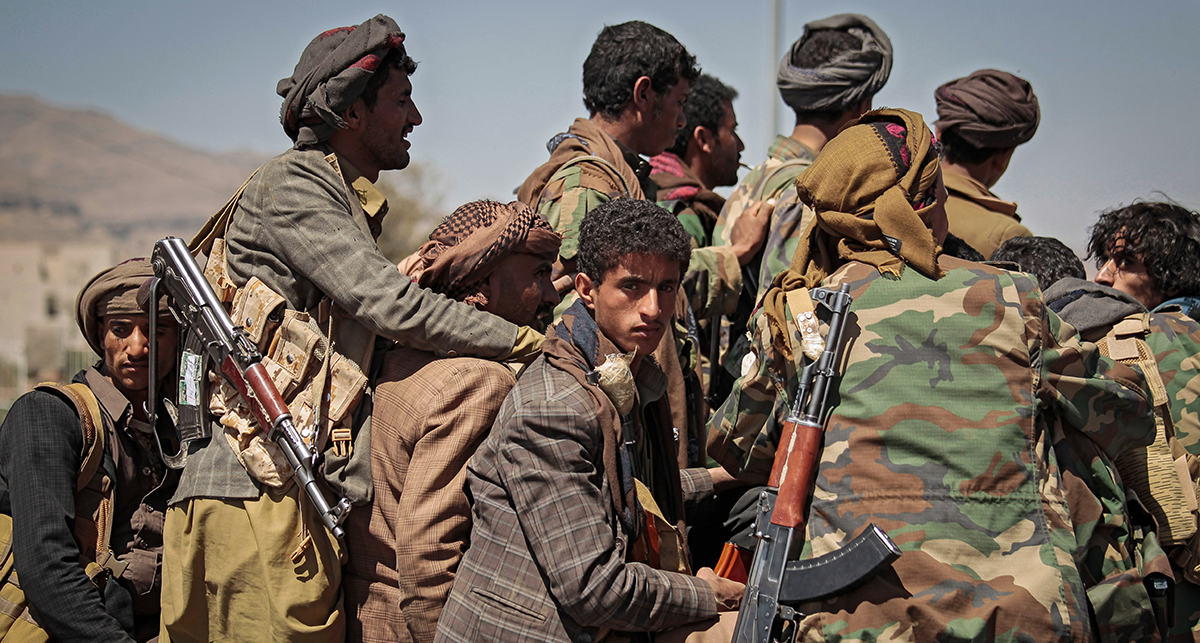
As the Houthis expand their regional aggression, will the US double down on a failing strategy?
While a negotiated agreement by the parties to deescalate militarily and return to the negotiating table would be the preferred outcome, there’s little or no reason to believe that the Houthis, who have responded to their losses in Shabwa by escalating their attacks, are yet interested in talking. Rather, by issuing pleas for de-escalation, the international community risks sending the Houthis yet another message that their intransigence, which is the root cause of the humanitarian crisis afflicting Yemenis, will be rewarded by new pressure on the Saudi-led coalition to limit its response to Houthi aggression. In this regard, the Biden administration, with its international partners, risks repeating the failed strategy of 2021.