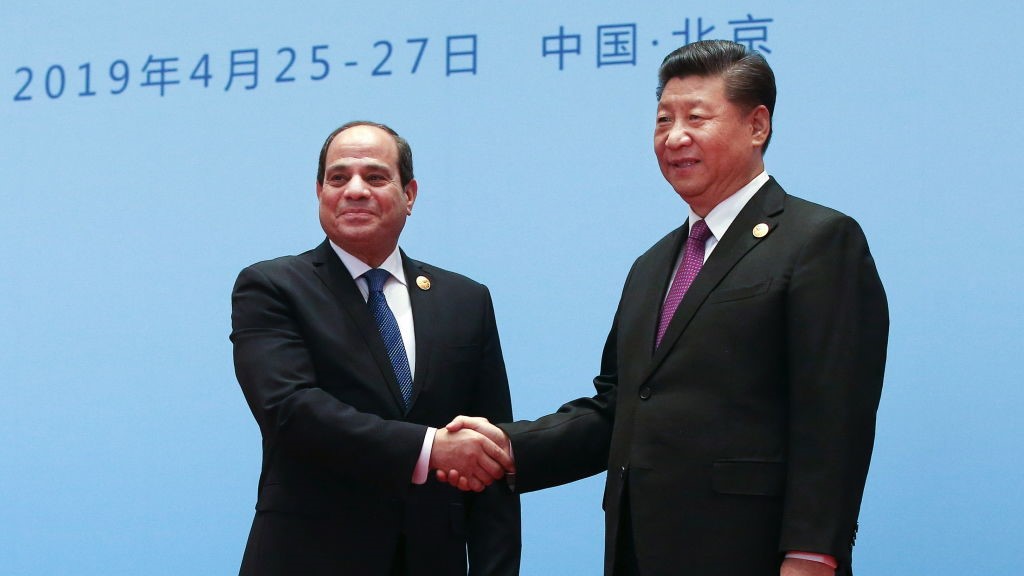
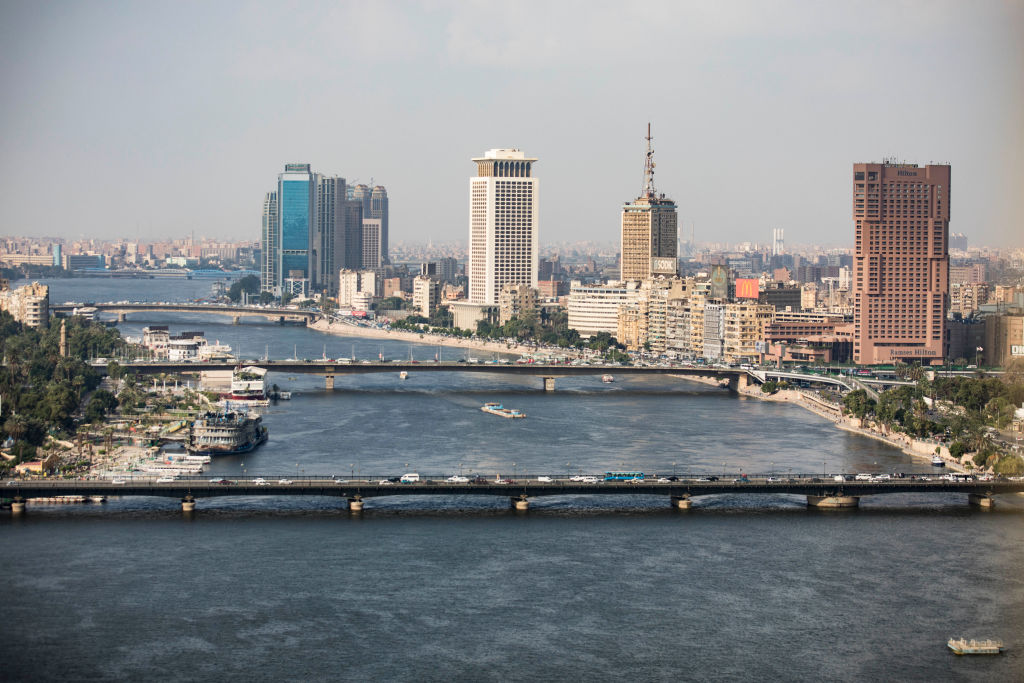
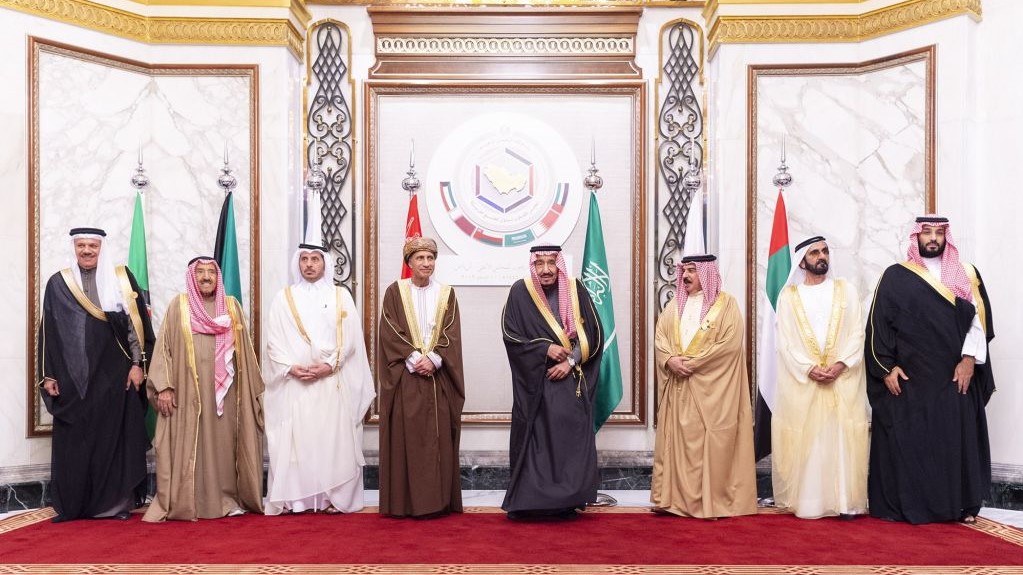
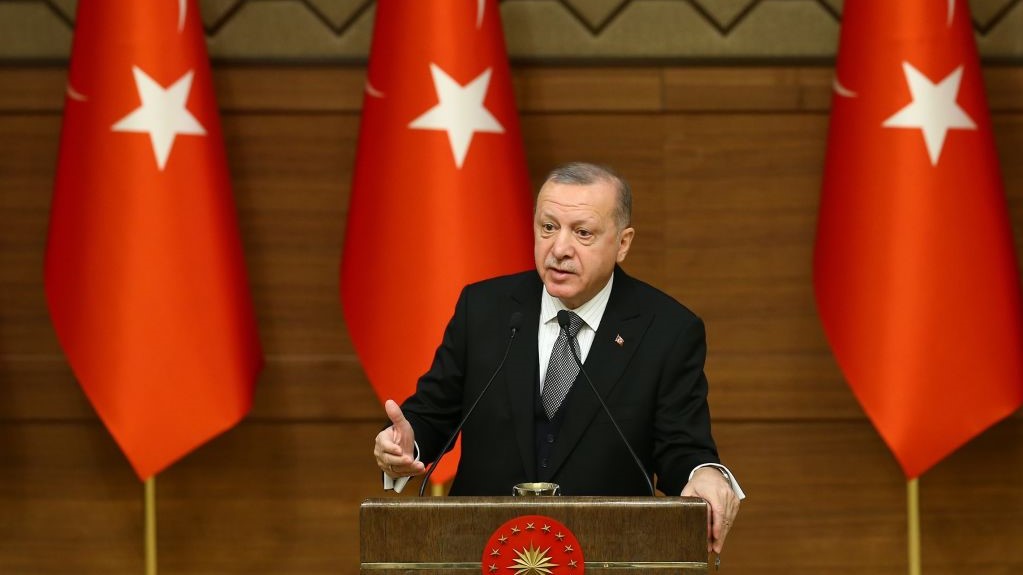
While the world is engaged in an ongoing discussion about the ramifications of the trade war between Washington, DC and Beijing, the economies of the Middle East are shifting away from their longstanding ties with the U.S. toward economically powerful China. This may have long-term implications for economic and political dynamics in the region.
US-Iran Tensions After Killing of Qassem Soleimani
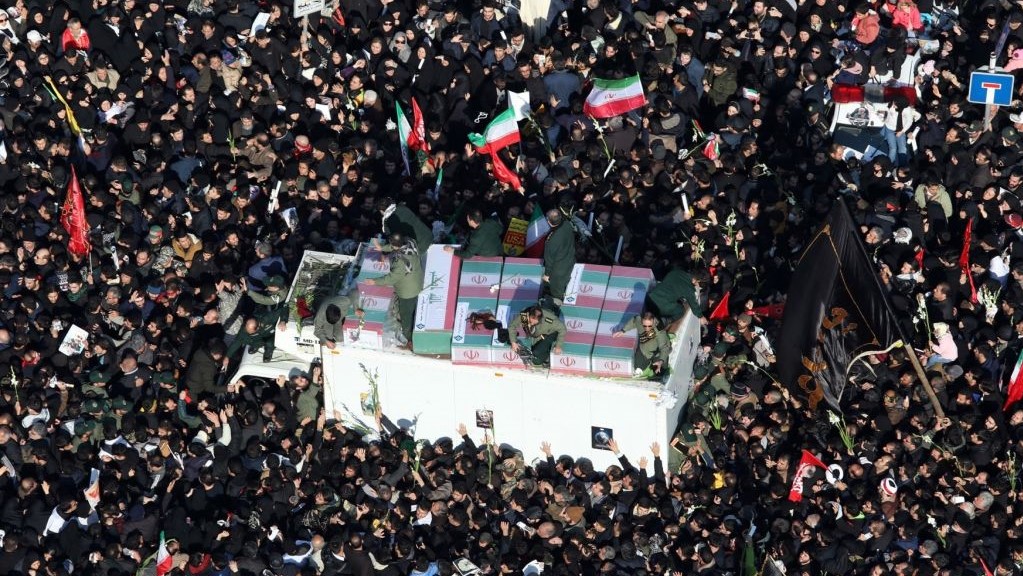
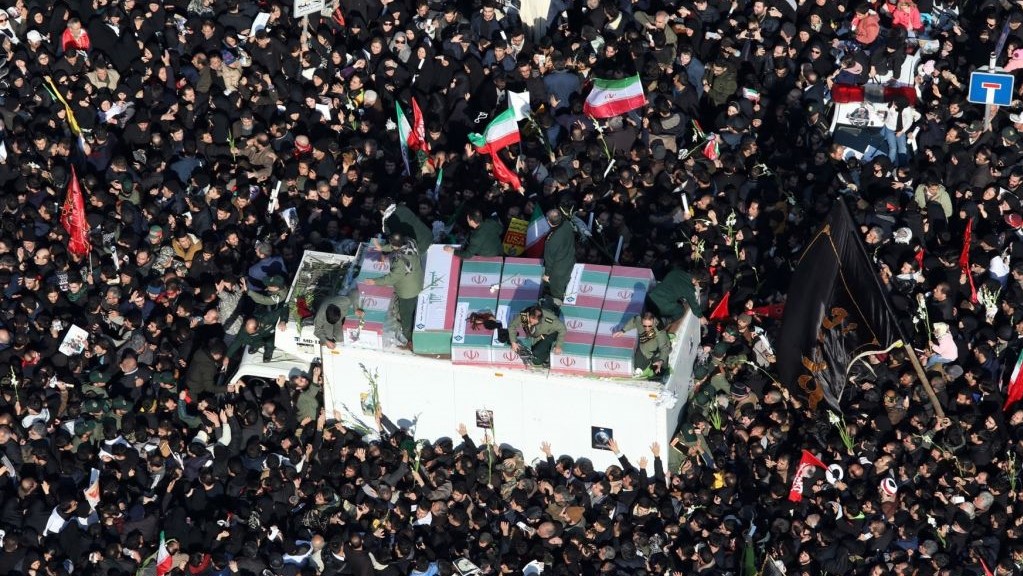
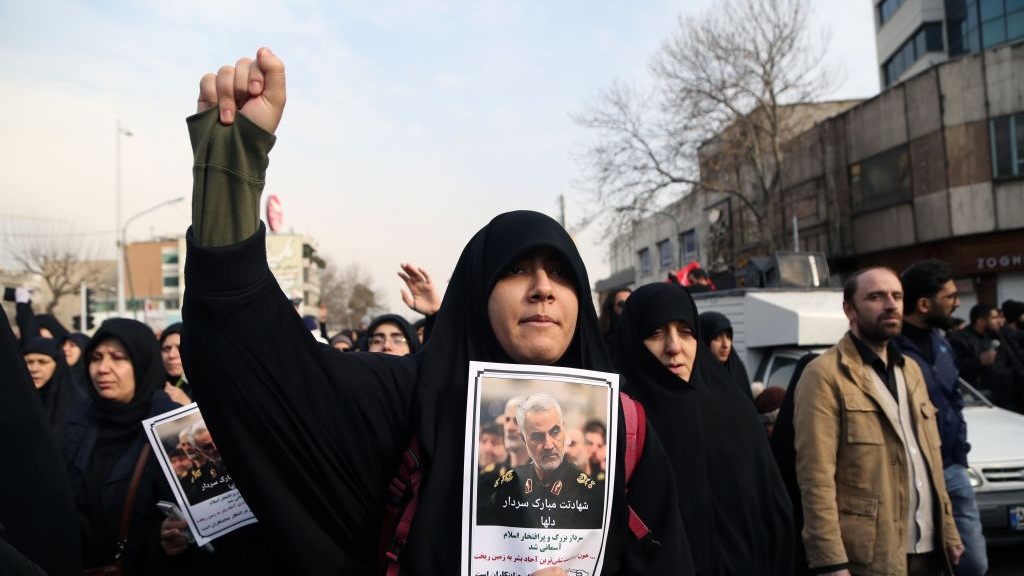
MEI experts Randa Slim and Alex Vatanka join host Alistair Taylor to discuss the sharp escalation in US-Iran tensions following the killing of Iranian General Qassem Soleimani. Gen. Soleimani, head of the Revolutionary Guards Quds Force, was killed in a US drone strike in Baghdad on Jan. 3, along with Iraqi paramilitary leader Abu Mahdi al-Muhandis. After several days of waiting to see how Iran might respond, on Jan. 7 Tehran launched more than a dozen missiles at two bases in Iraq housing US forces. No casualties were reported, and in comments on Jan. 8 President Trump promised to impose new sanctions on Iran, but seemed to back away from further military action.
Jihadism in South Asia: A militant landscape in flux
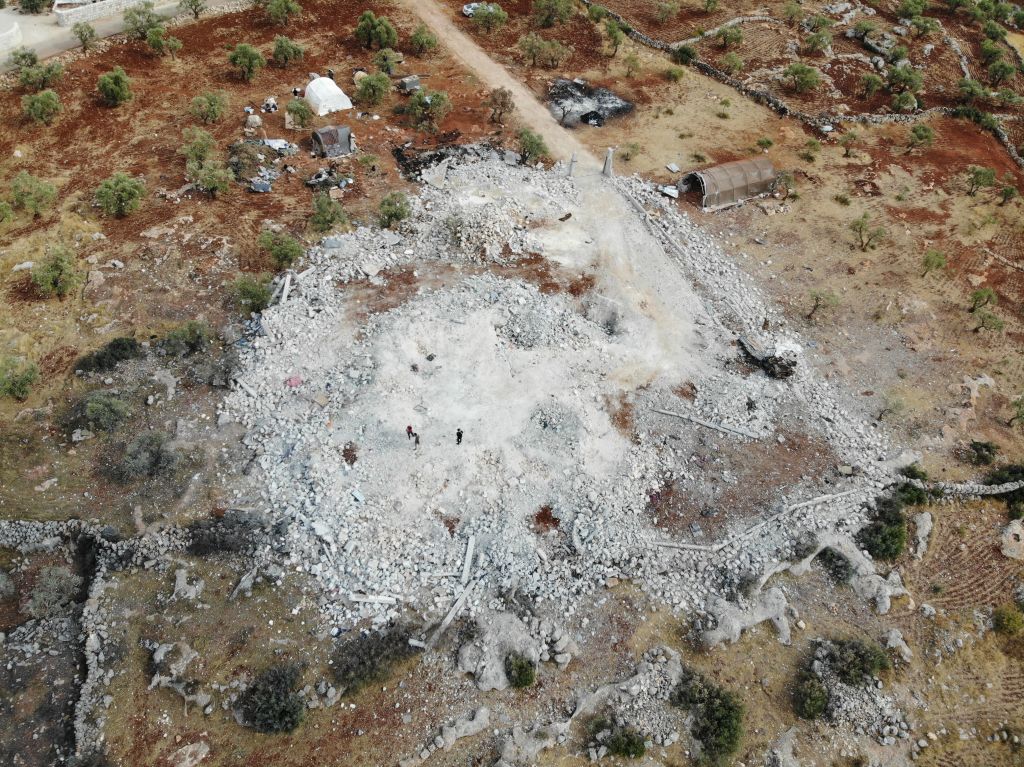
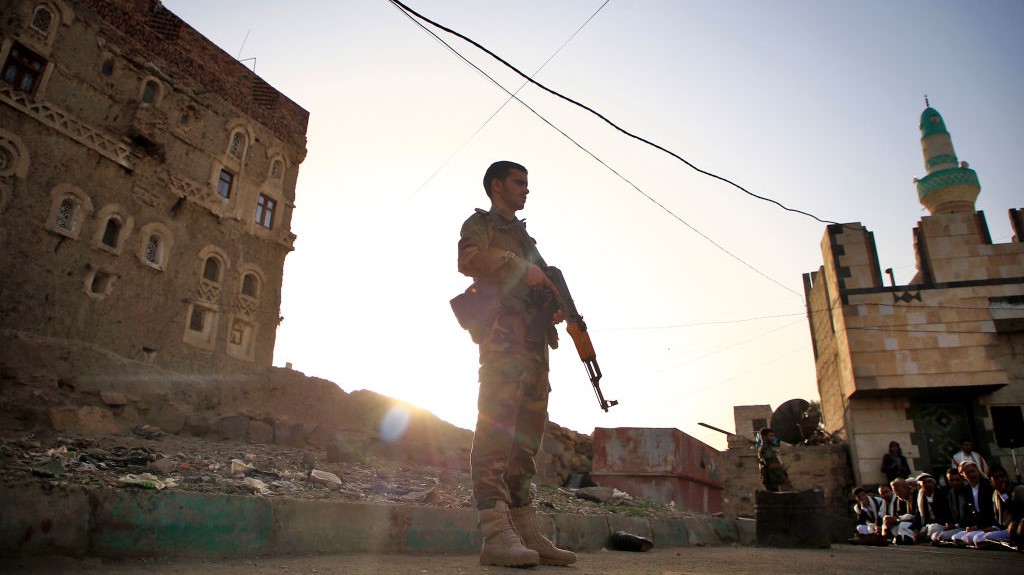
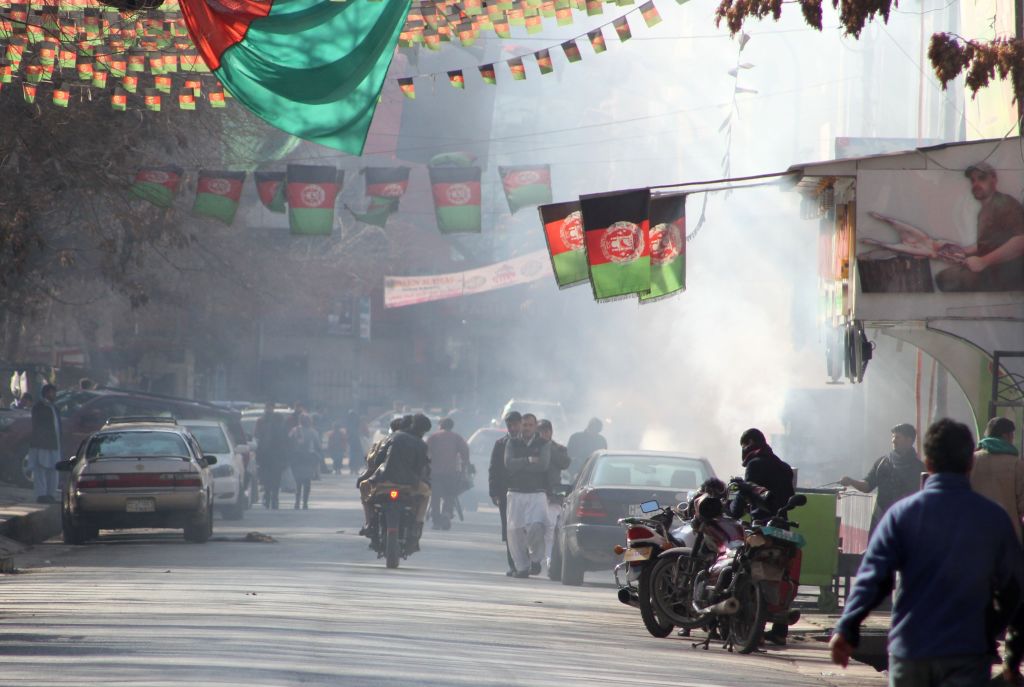
Over the past five years, the focus of U.S. counterterrorism strategists has remained on the Middle East, especially after the emergence of ISIS in 2014, while Islamist terrorist organizations operating in South Asia have been considered a secondary threat. However, the fact remains that South Asia is home to more Islamist terrorist organizations than any other region of the world. Al-Qaeda was born there, in Afghanistan, and ISIS has roots in the region. But at the turn of the decade both global jihadist groups are now facing major challenges and the critical question is whether they will manage to survive this period of crisis amid a severe leadership vacuum following the death of ISIS’s supreme leader and caliph, Abu Bakr al-Baghdadi, and the killing of al-Qaeda heir apparent Hamza bin Laden.
Georgia: European aspirations, Middle Eastern realities
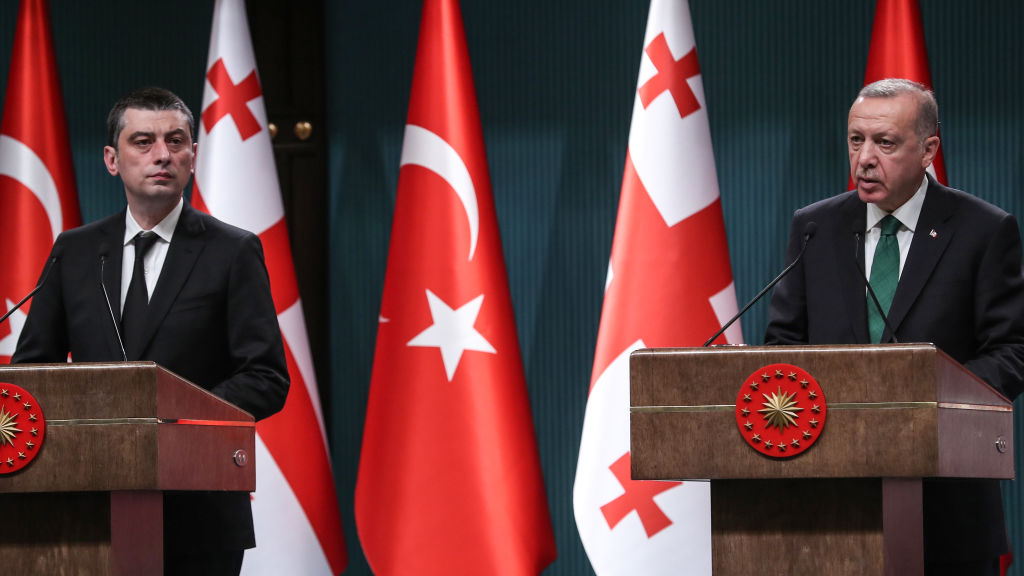
Since regaining its independence nearly three decades ago, European aspirations have been a central part of Georgia’s political agenda and identity. But the reality is more complicated and Georgia is, in a meaningful sense, part of both greater Europe and the greater Middle East.
The Military-Security Dimension of Israel-Southeast Asia Relations
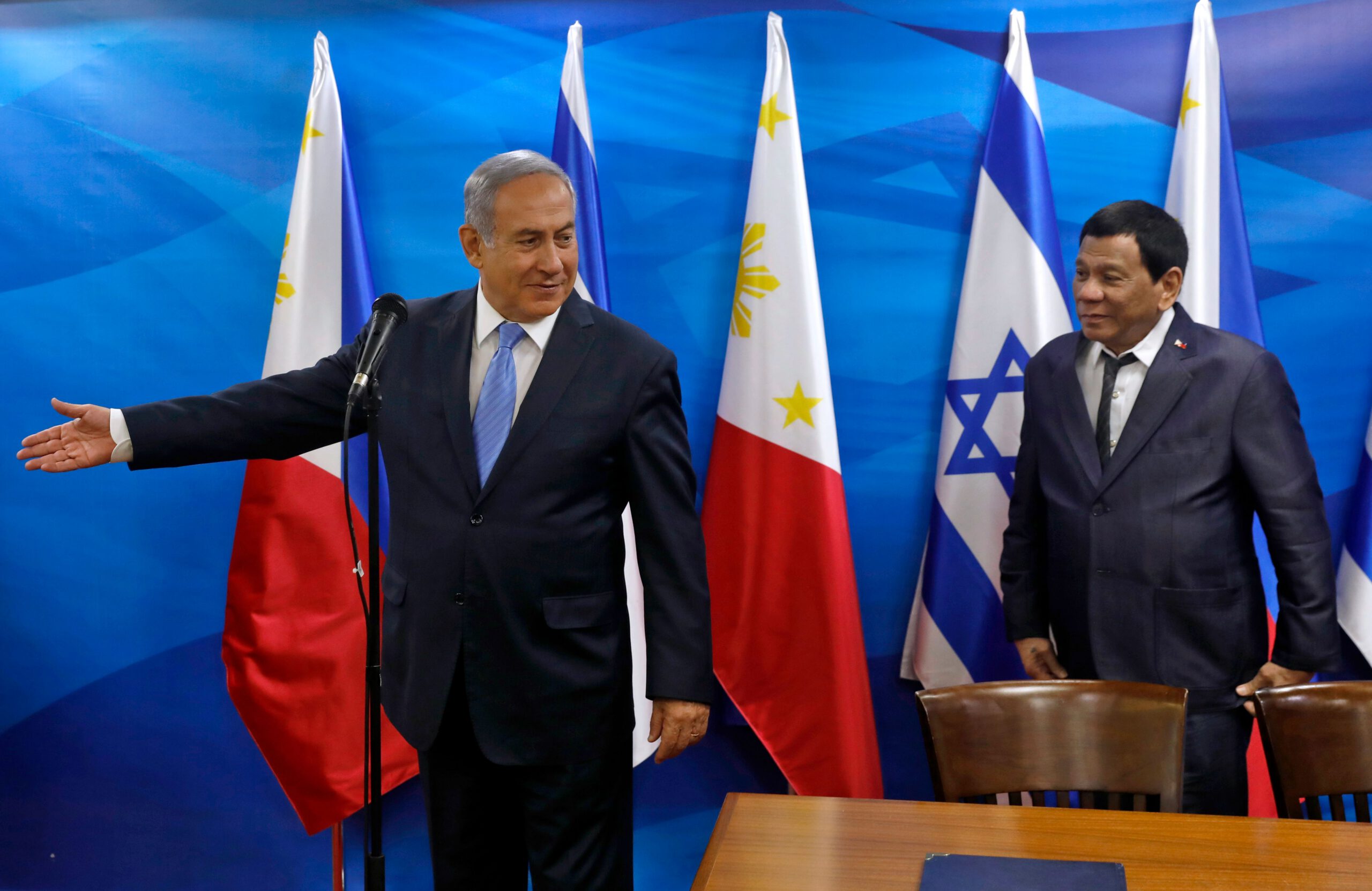
Over the past two decades, Israel has developed robust bilateral relationships with China, India, and Singapore. Israel has also succeeded in forging ties with Japan and South Korea. More recently, Israel has devoted considerable attention to strengthening its relations with Southeast Asian countries, particularly Vietnam, the Philippines, Thailand and Myanmar. Military-security cooperation in the form of arms trade as well as technology transfer and licensed production has emerged as an important dimension of Israel’s relations with Southeast Asian countries.
Trump has taken such a forward-leaning and aggressive position now that he has set himself, and the U.S., in a conflict trap that he might not be able to defuse.
While yesterday’s vote in the Iraqi Council of Representatives on a decision to remove U.S. forces is not legally binding, it creates dynamics inside the U.S. and Iraq that make a U.S. decision to remove its forces all but inevitable.
The future of the UK’s relationship with the Maghreb
The UK’s impending exit from the EU will present a new chapter for British interests in and posture toward the region. If the UK is to find a trade-off for loss of diplomatic and economic heft, it will need to re-prioritize its engagement efforts. Policy continuity toward Morocco and Tunisia appears inevitable; Algeria, in contrast, promises great opportunity for an evolving relationship.