Locals fight their own war on drugs in Syria’s Daraa Province
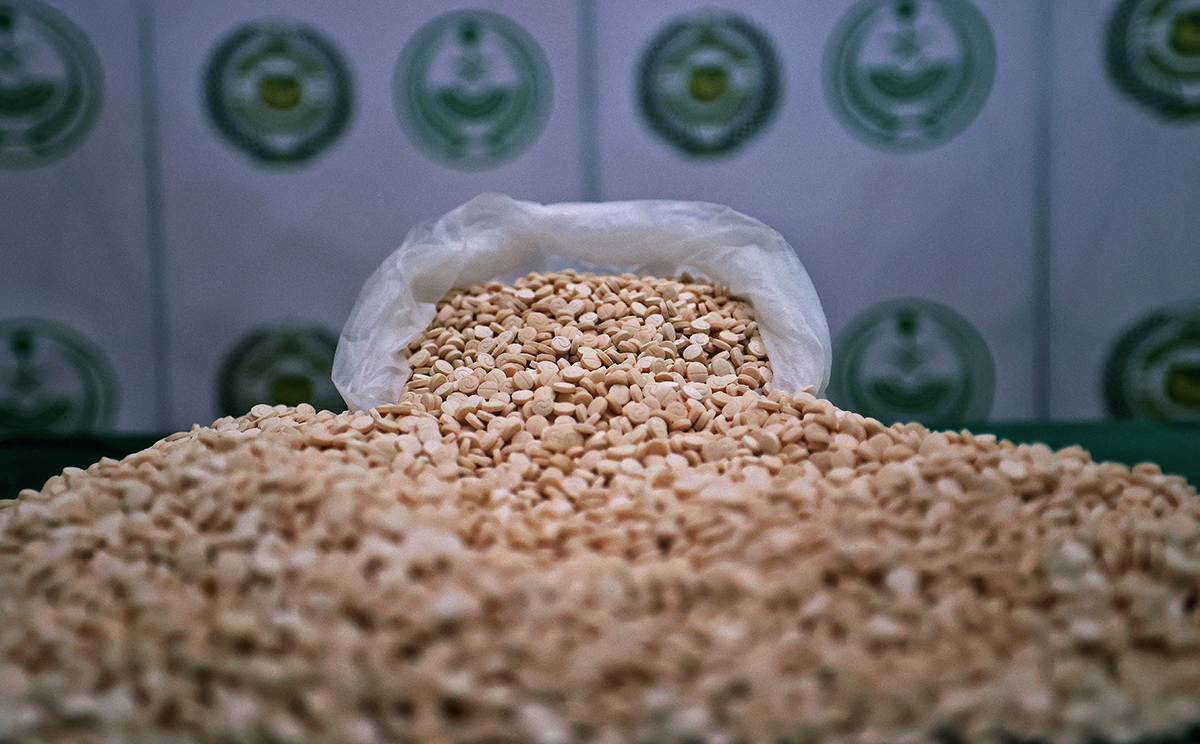
Since early last year there has been a surge in drug-related assassinations in Syria’s southwestern Daraa Province, adding a new layer to the region’s persistent violence. The regime’s complicity, driven by financial and political motives, has fostered a climate where drug networks operate with impunity, spurring locals to take matters into their own hands.
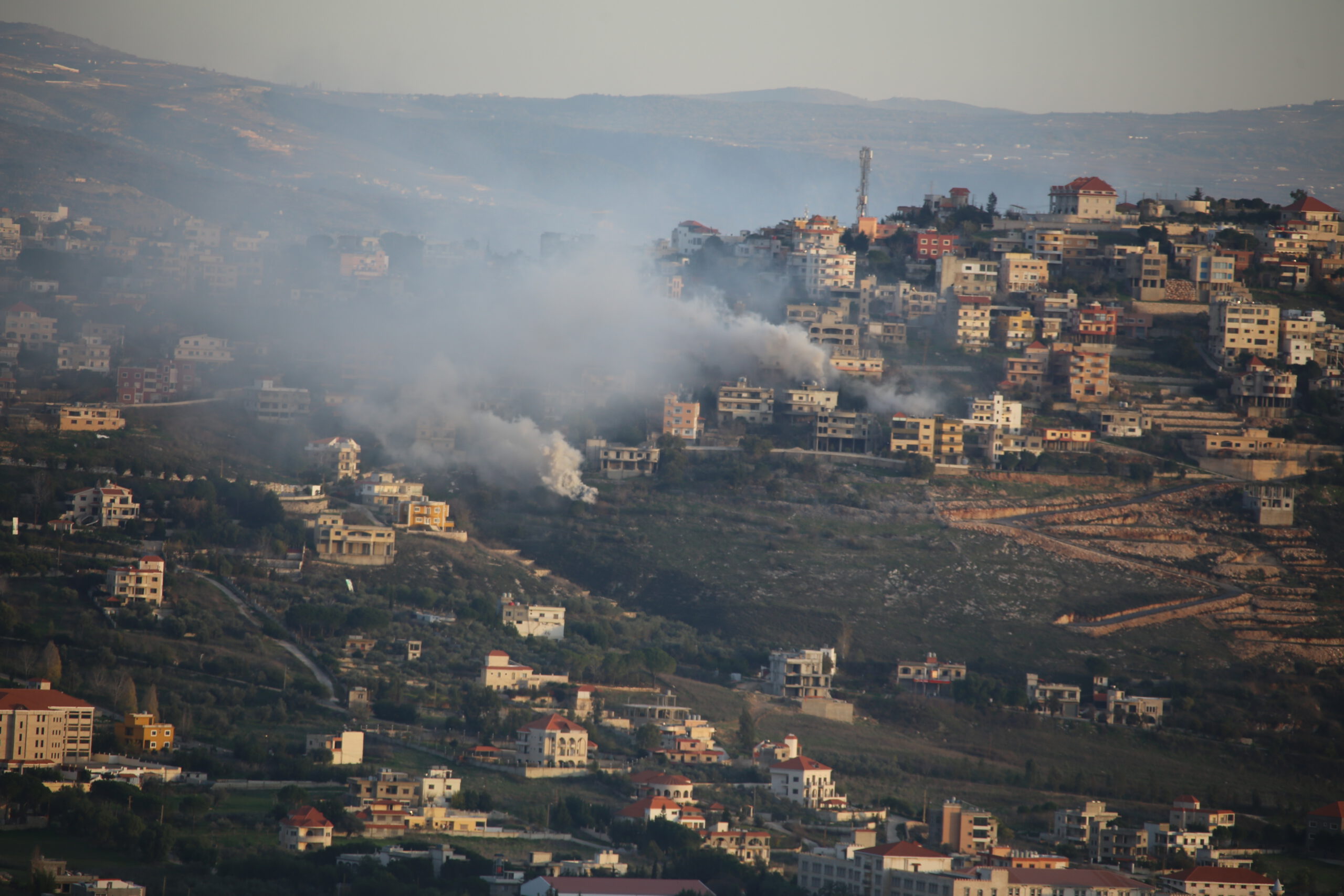
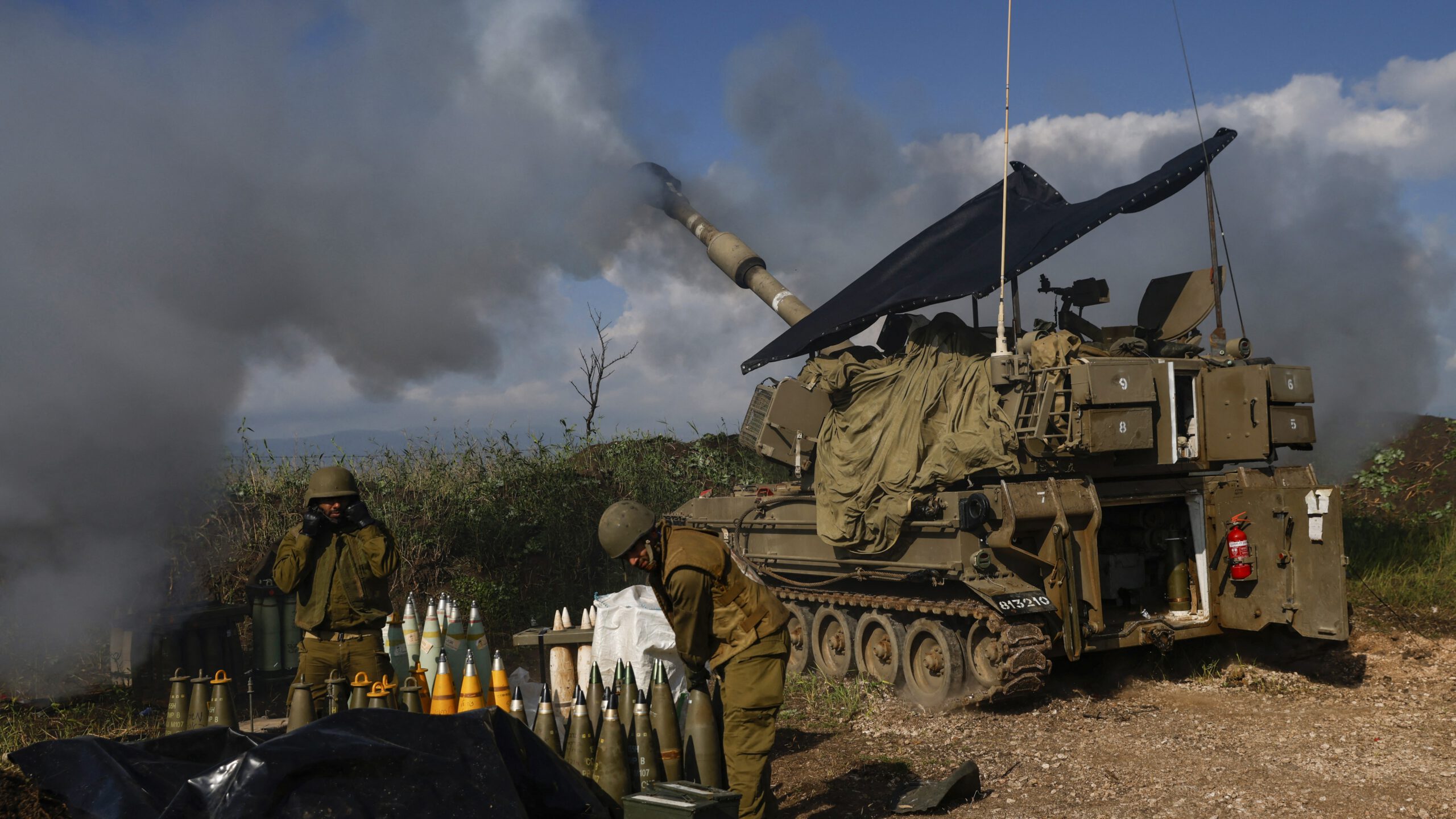
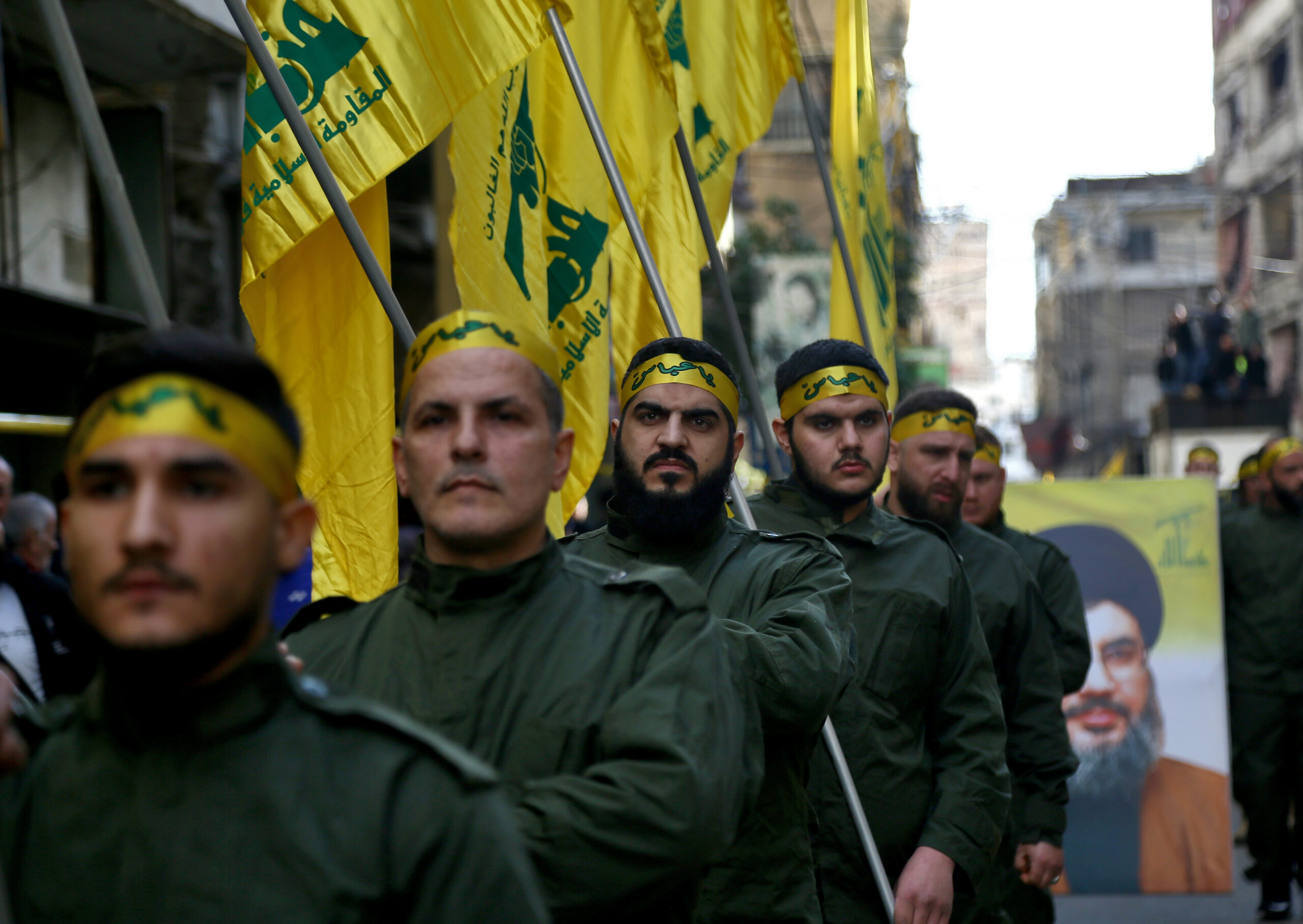
The current escalation between Israeli and Hezbollah forces necessitates immediate action from the international community to prevent a widening of the Gaza war, and the US is positioned in a leadership role to mollify tensions, beginning with diplomatic actions to stabilize the Lebanese-Israeli border, helping to pacify the broader region as a result.
Dynamic Force Employment is the Future of America’s Middle East Presence
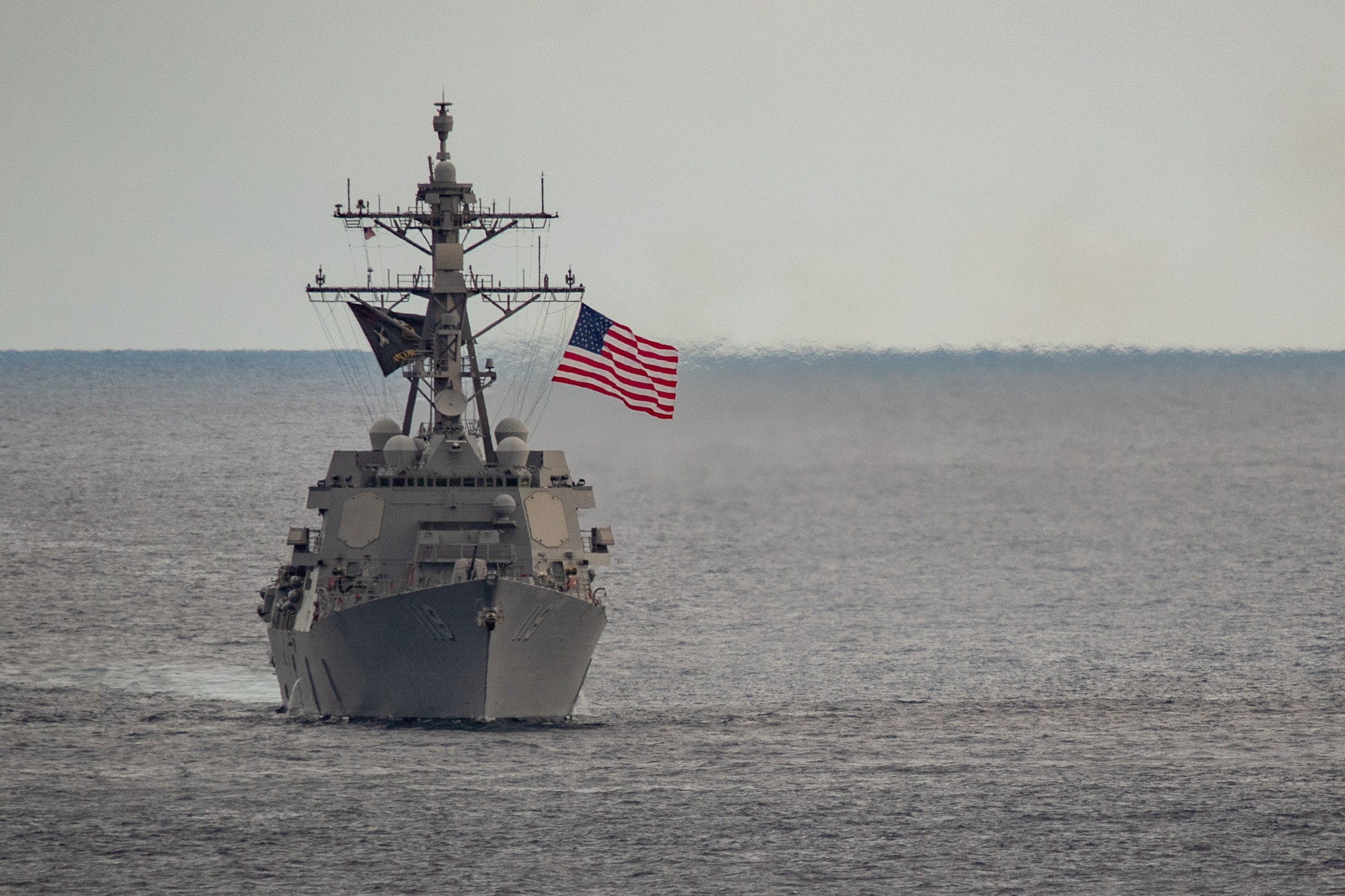
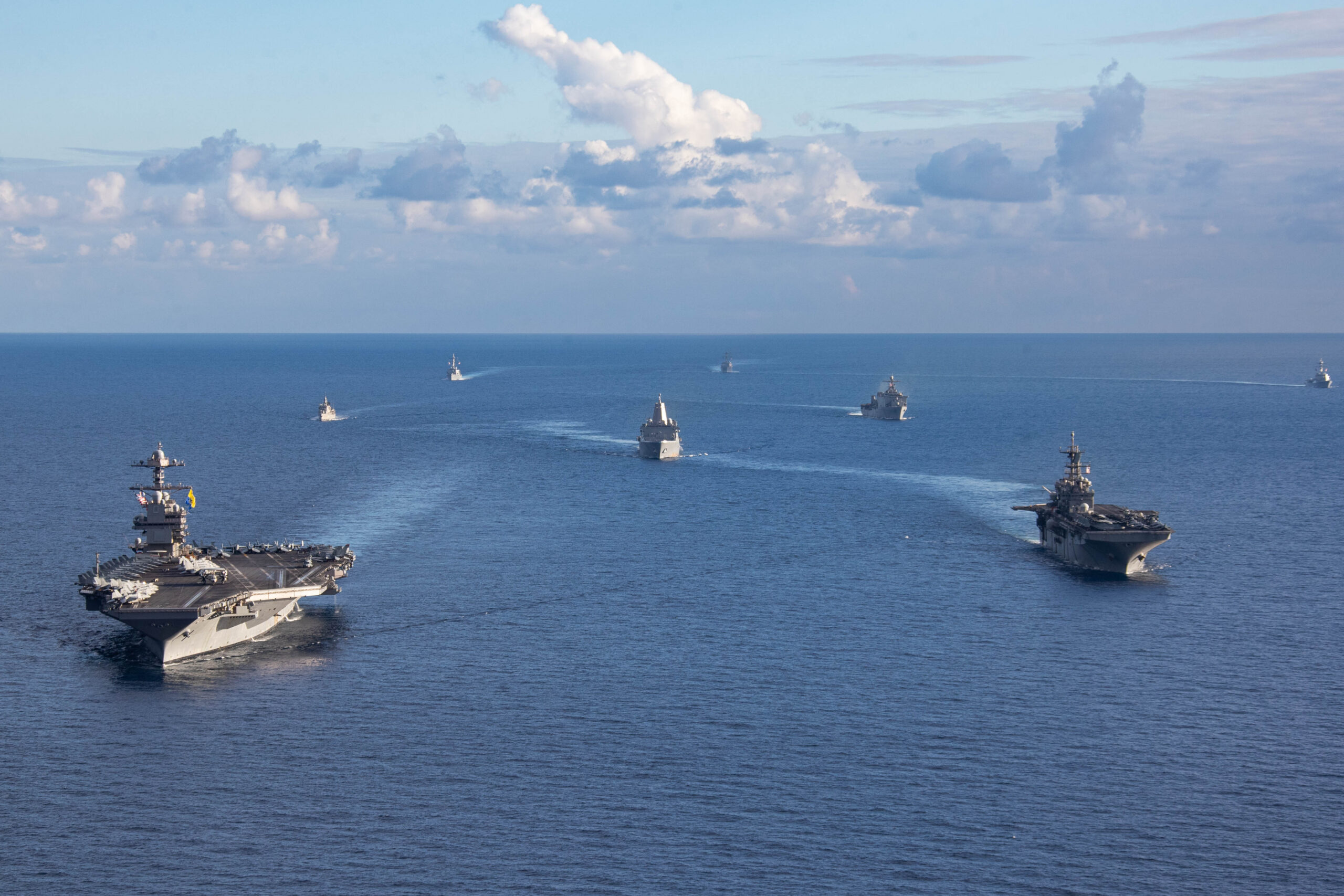
The US Department of Defense has stepped up and proposed some creative ideas regarding the future of America’s military presence in the Middle East region, as exemplified by the adoption of the concept of dynamic force employment.
The Jews who disappeared from Iran and reappeared in Pakistan
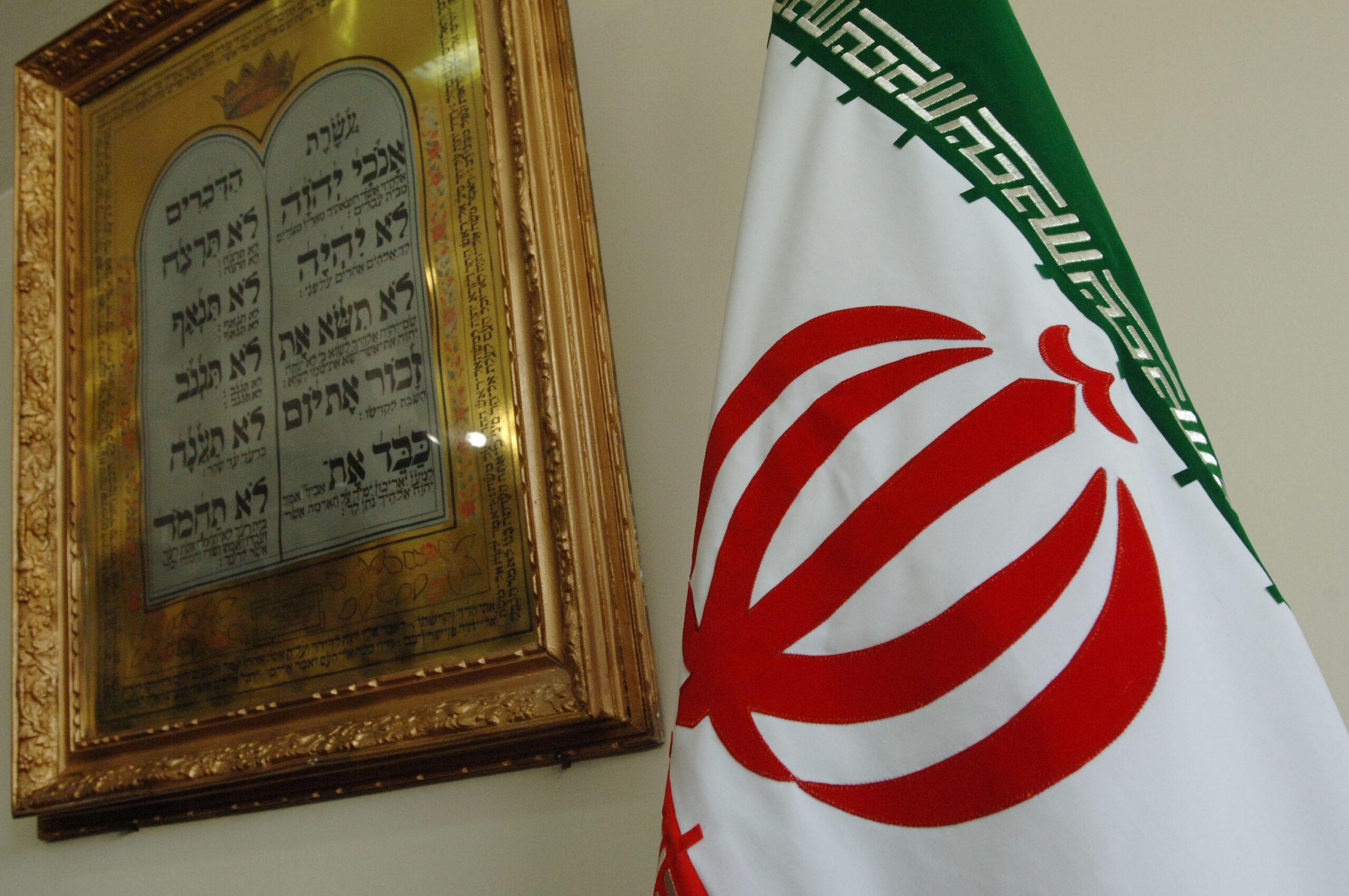
In the mid-1980s, during the long war between Iran and Iraq, students at Tehran’s Jewish high schools would watch their friends suddenly disappear, and then reappear six months later in Europe, the U.S., or Israel. They would get there through a sophisticated smuggling operation that spirited Iran’s Jews out of the country and into Pakistan.
Iran amid conflicting geopolitical dynamics in the Middle East
As two contradictory trends of de-escalation in the Persian Gulf and a new round of war between Palestinians and Israelis unfold at the same time, Iran is trying to play its best cards and navigate its position. Iran views the region’s geopolitical and security conflicts as a chance to uphold its position and leverage it to advance its defined national interests.
Israel and Lebanon are sliding into war, but the US can still stop it
A battle for hearts and minds is being waged in the winding alleyways of Beirut. The Lebanese are anxiously going about their lives while keeping an eye on the intensifying border skirmishes between Israel and the Iranian-backed militant group Hezbollah.
Plastered across the city walls and hanging from lampposts is the enigmatic image of Abu Obeida, Hamas’s masked spokesperson. Wrapped in a red kufiyah, the traditional Arab head garb, he is put forth as a symbol of defiance against Israel.
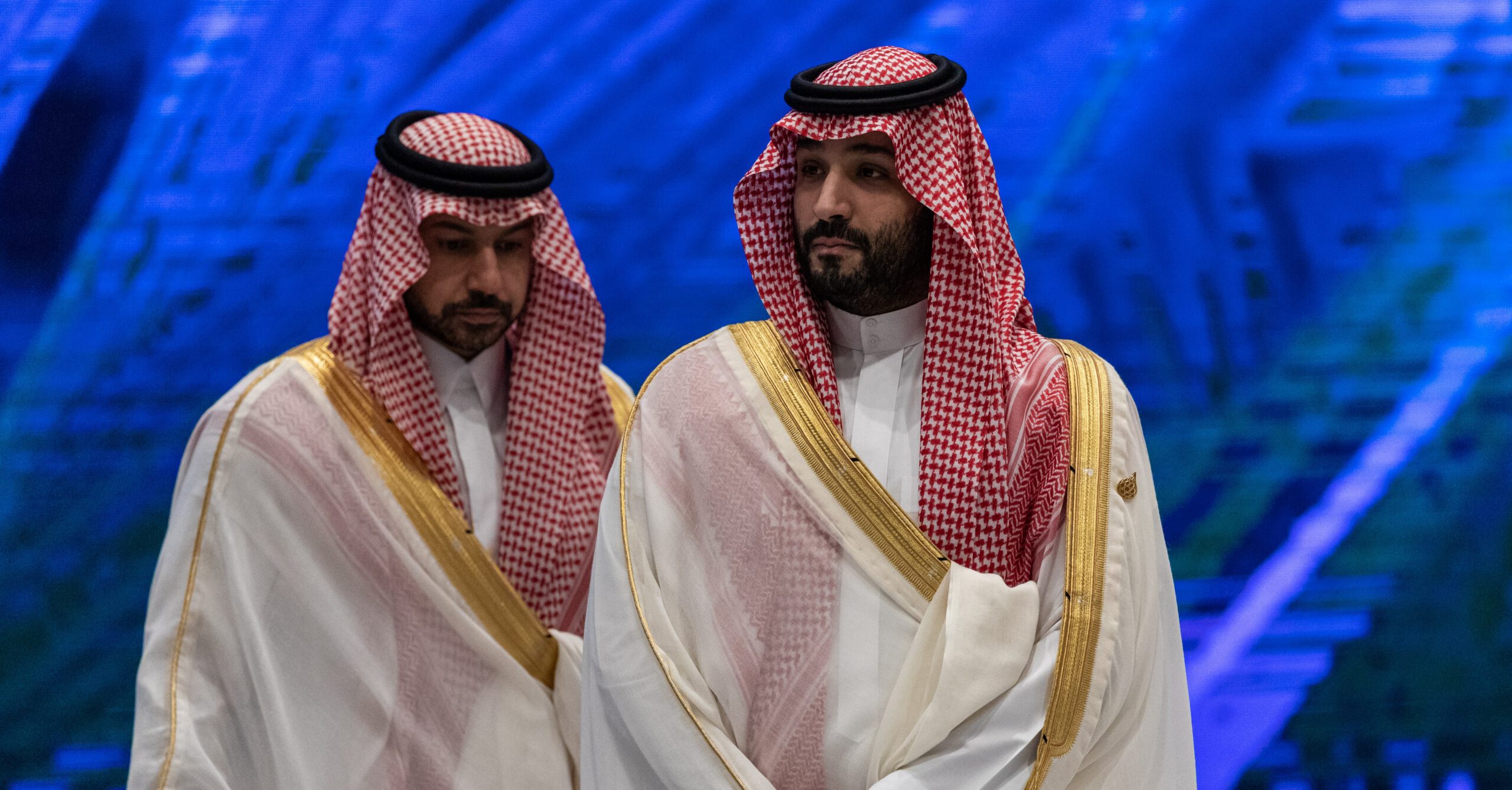
In response to the Oct. 7 attacks and subsequent bombing and invasion of the Gaza Strip, most media outlets and think tanks concluded that Hamas initiated the war to sever the path toward normalization between Saudi Arabia and Israel. Prior to the Hamas strike, Saudi Crown Prince Mohammed bin Salman (MbS) said his country was moving steadily in the direction of normalizing relations with Israel.
Each issue of The Middle East Journal includes book reviews that are among the most respected, comprehensive, and up-to-date in the field of Middle East studies. Here are 10 recommended titles selected by our book review editor from reviews published in this year’s issues.
Opinion: Wake up, West! Putin can gain upper hand in Ukraine in ‘24 if we do nothing
The European Union just approved membership talks with Kyiv; that’s symbolically important.
But the EU’s postponement of critical military assistance is an alarm bell.
NATO Secretary General Jens Stoltenberg says to prepare for bad news this winter.
German Chancellor Olaf Scholz suggests support for Ukraine may be crumbling across Europe.
And there’s faltering confidence in America, as Europeans are beginning to ask whether the strategic interests of the United States end at its border with Mexico.
Shifting Tides: Environment, History, and Culture Shape the Work of Bahraini Artists
“Bahrain” literally translates as “the land of two seas,” referring to the two sources of water within and around the island: the sweet-water terrestrial and submarine springs, and the saltwater surrounding oceans. Water has played a central role in the Gulf island nation’s history and has been a major influence on the work of Bahraini artists, along with the country’s unique landscape and natural environment, as well as the impact of rapid economic and urban development.