Challenges of economic integration in the Black Sea
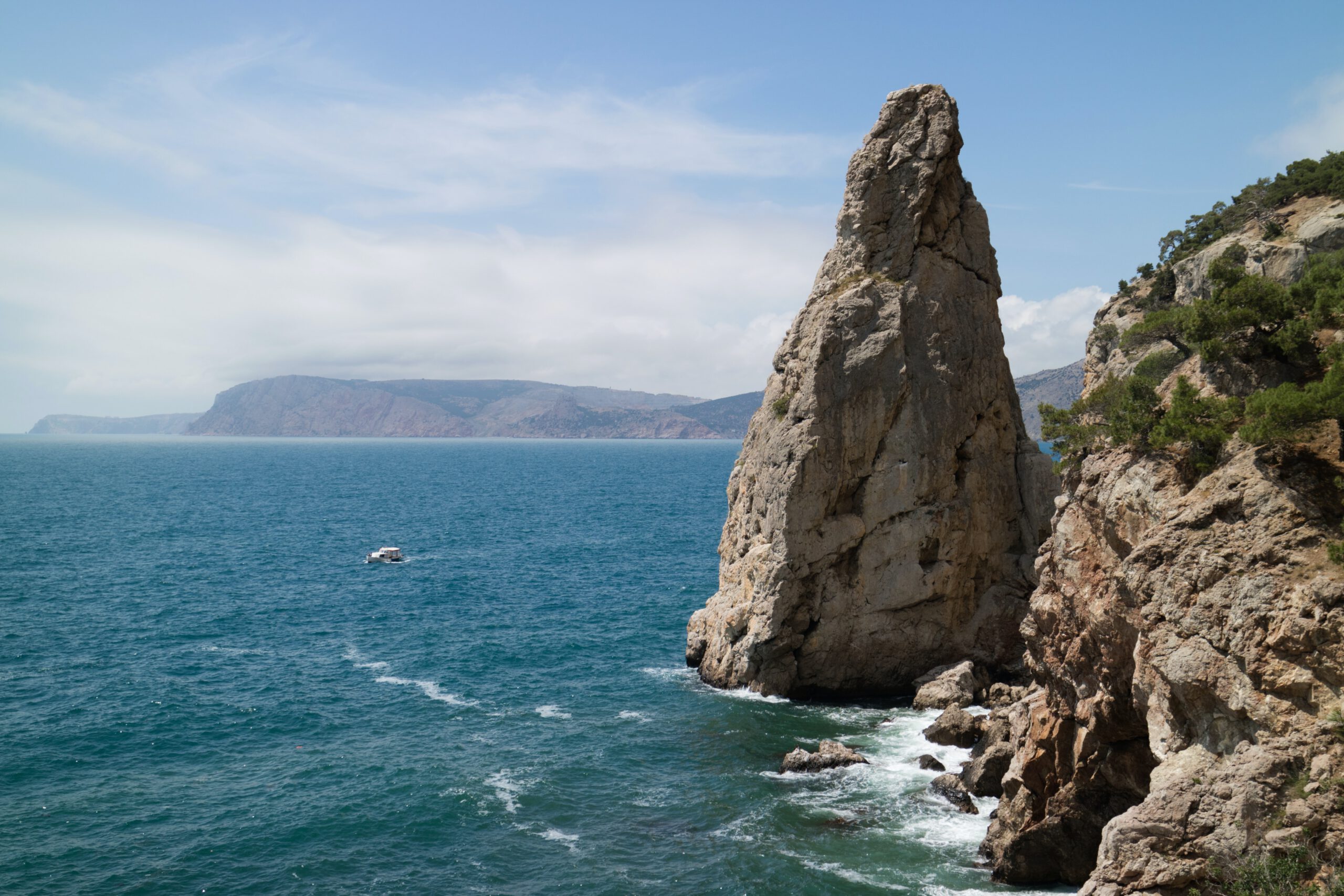
Countries in the Black Sea region have largely failed to integrate with their neighbors, despite common levels of openness and dependence on foreign trade. For many countries in the region, trade has become a driving force for growth, accounting for on average one-third of regional GDP. However, Black Sea supply chains largely connect the region to the outside world – primarily Europe and Asia – instead of neighboring countries. Highly integrated trade relationships, like those seen in Southeast Asia, simply do not exist amongst Black Sea countries.
Russian dominance in the Black Sea: The Sea of Azov
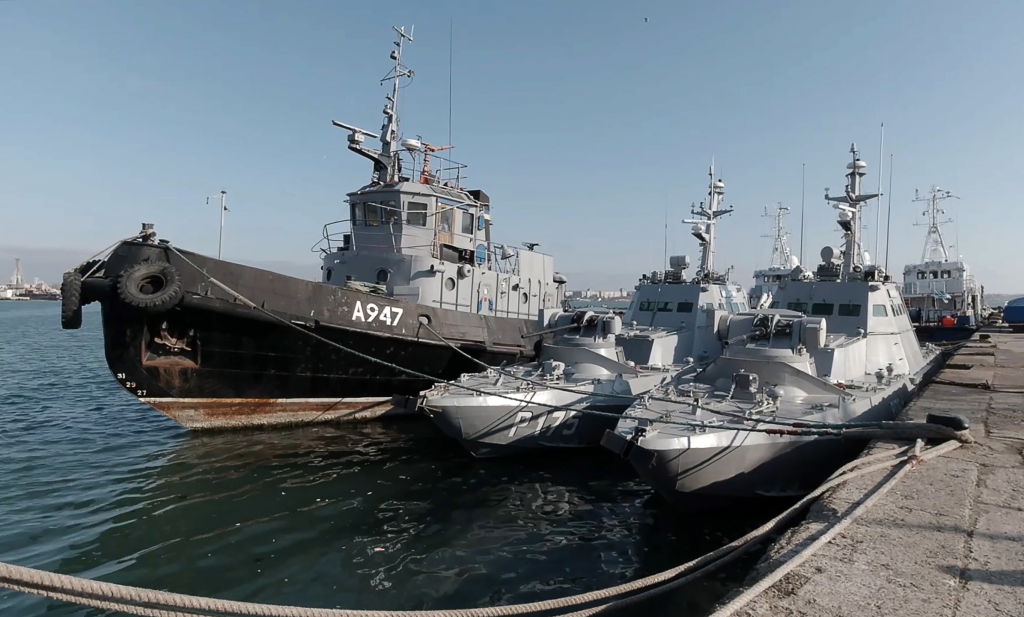
Since its annexation of Crimea, Russia has spent the past few years militarizing the peninsula. But one aspect of Russia’s control of Crimea is less discussed in Western policy circles—the importance of the Sea of Azov to Russia’s Black Sea ambitions. Russian control of Crimea does not only bring the goal of turning the Black Sea into a Russian lake closer, control over Crimea gives Russia dominance over the Sea of Azov.
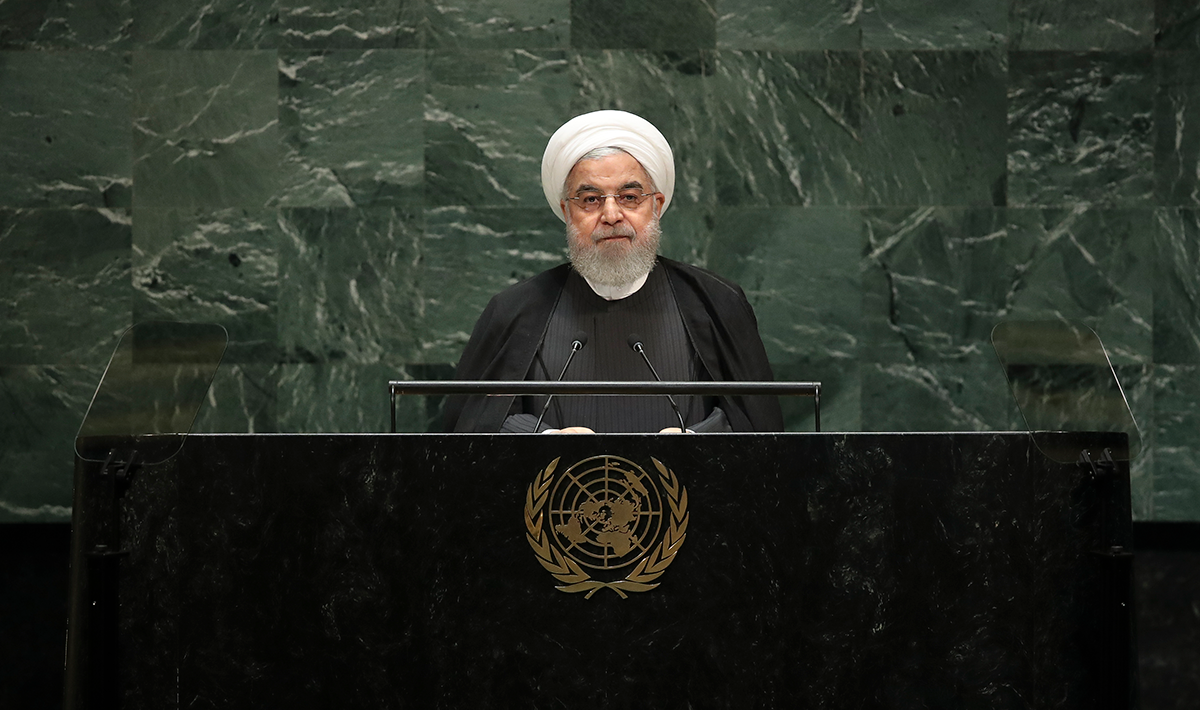
Last September, at the 74th session of the U.N. General Assembly, Iranian President Hassan Rouhani proposed the optimistically named “Hormuz Peace Endeavor” (HOPE). Over the past year, however, Iran’s plan has failed to gain any traction with the GCC states, even as the region’s security environment has fundamentally changed in ways that are detrimental to the Islamic Republic.
حلقة 10: الخيارات الفلسطينية بعد الاتفاقية بين الإمارات وإسرائيل — مع حنان عشراوي
كيف تقرأ القيادة الفلسطينية “اتفاقية إبراهيم”؟ كيف يغير ذلك من طبيعة الصراع ومآلاته المحتملة؟
بعد ثلاثة عشر عاماً منذ سيطرة حماس على غزة والشرخ الفلسطيني، أين هي القيادة الفلسطينية اليوم وما هي أولوياتها؟ ما الذي تنتظره السلطة الفلسطينية لإجراء انتخابات جديدة؟ هل هناك فرصة للقيادة الفلسطينية يمكن أن تستغلّها للدفع بالمفاوضات للأمام؟ ضمن المعطيات الحالية، هل يمكن الاستعانة بدور إماراتي وبحريني بشكل يخدم مصلحة الفلسطينيين؟
بالنسبة للدور الأمريكي، هل يمكن أن تلعب الولايات المتحدة دوراً مختلفاً في المستقبل في الصراع الفلسطيني-الإسرائيلي؟ ما هي طلبات القيادة الفلسطينية لتحقيق ذلك؟ في حال ربح بادين بالانتخابات، هل يمكن أن يؤدي ذلك إلى اختلاف في الدور الأمريكي؟
Patrick Baz, Kristine Khouri, and Emilie Madi join guest host Lyne Sneige to discuss the impact of the August 4 Beirut Port explosion on Lebanon’s artistic community; how museums and galleries are working to preserve cultural heritage; and how photojournalists recorded this tragic moment in Lebanon’s history. They are among the contributors and co-sponsors of “Lebanon Then and Now: Photography from 2006 to 2020,” an interactive virtual exhibit hosted by the MEI Art Gallery through September 30.
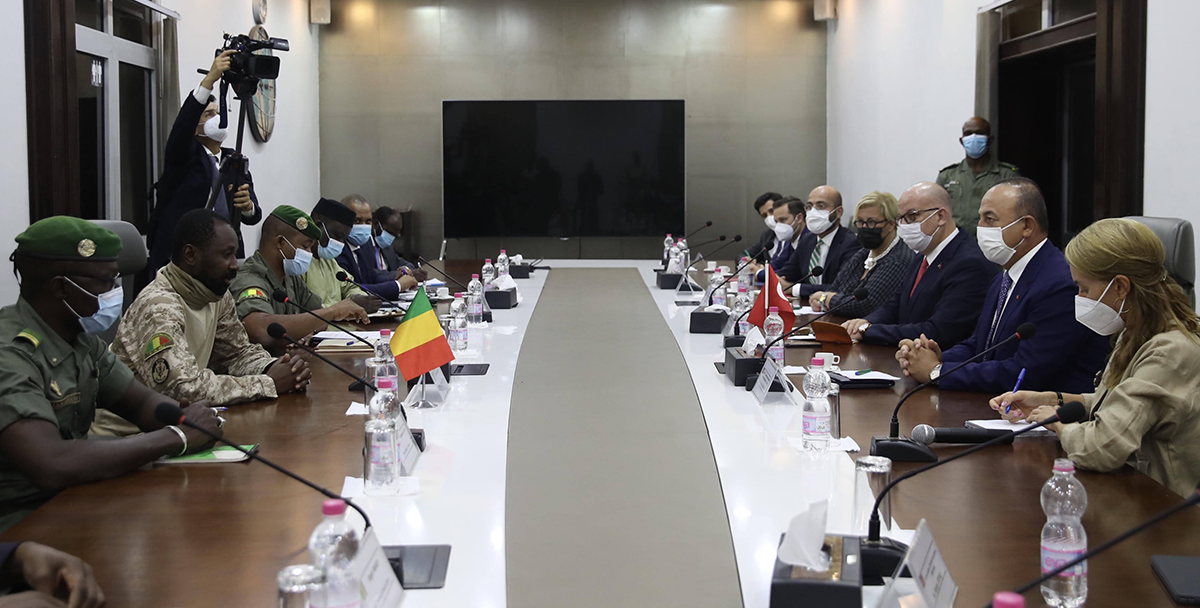
On Sept. 9, Turkey’s Foreign Minister Mevlut Cavusoglu embarked on a three-day trip to West Africa, which included stops in Mali, Senegal, and Guinea-Bissau. During his trip, Cavusoglu emphasized Turkey’s support for Mali’s post-coup transition process, struck infrastructure-related commercial deals with Guinea-Bissau, and underscored its commitment to engaging with multilateral institutions, such as the UN and AU, on addressing security challenges in the Sahel.
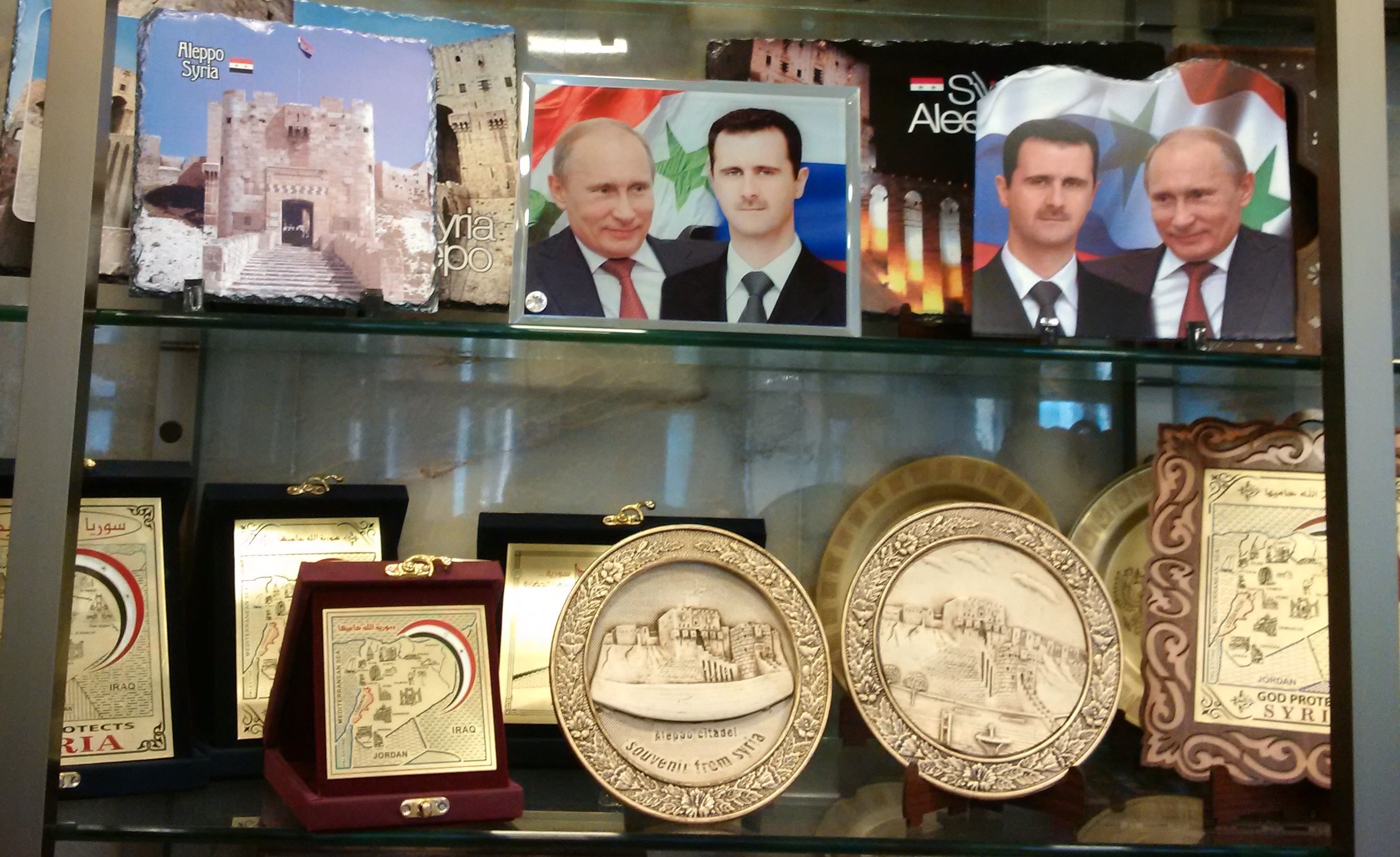
Political manipulation of cultural heritage is a powerful tool in the armory of soft power. Syria’s President Bashar al-Assad understands this well, as does Russia’s President Vladimir Putin and Turkey’s President Recep Tayyip Erdogan.
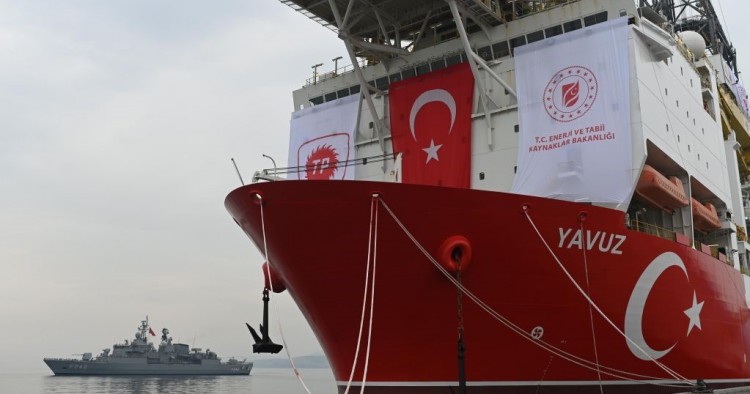
Ideology, and not just energy, explains Turkey's Mediterranean disruptions
Over the next few days, European Union leaders will meet to discuss potential sanctions against Turkey based on Ankara’s aggressive energy claims against EU members Greece and Cyprus. Conflicting interests within the EU itself will likely preclude the bloc from actually imposing sanctions. But at the core of the recent crisis between Greece and Turkey lies a dangerous ideological model—not a mere dispute over energy resources.
On September 15, President Trump presided over a ceremony on the South Lawn of the White House where Prime Minister Benjamin Netanyahu of Israel and the foreign ministers of the United Arab Emirates (UAE) and Bahrain, Abdullah bin Zayed Al Nahyan and Abdullatif Al Zayani, respectively, signed a general declaration of principles, called “The Abraham Accords.” Numerous analysts have focused on the regional impact of the normalization of relations between Israel and these two Gulf Arab countries. However, this development has worldwide geopolitical implications — including for China.
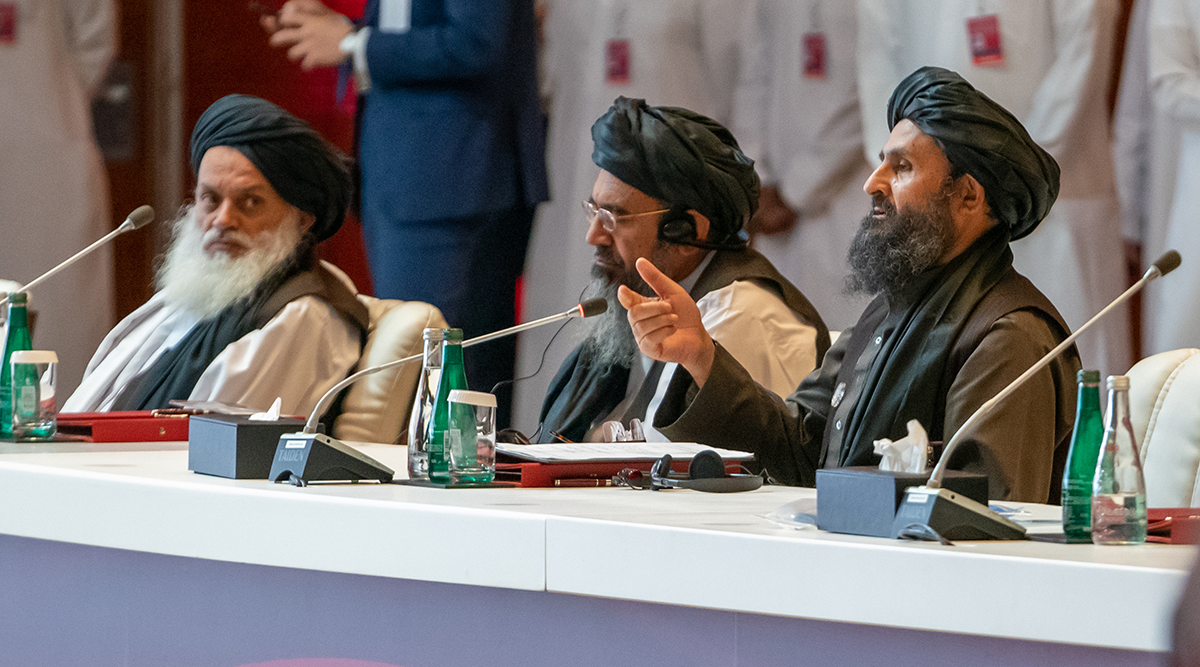
The Taliban holds the upper hand in intra-Afghan talks
The ongoing intra-Afghan talks confirm, without a doubt, that the Taliban is negotiating from a position of remarkable strength. After being overthrown by the military of the world’s sole superpower two decades ago, the Taliban’s resurgence is a perfect example of what happens when a counterinsurgency campaign fails to eliminate its target’s safe havens. The Doha negotiations have also underlined the ugly reality of the Afghan conflict — that firepower alone cannot crush an insurgency when its narrative has some resonance with the local people.
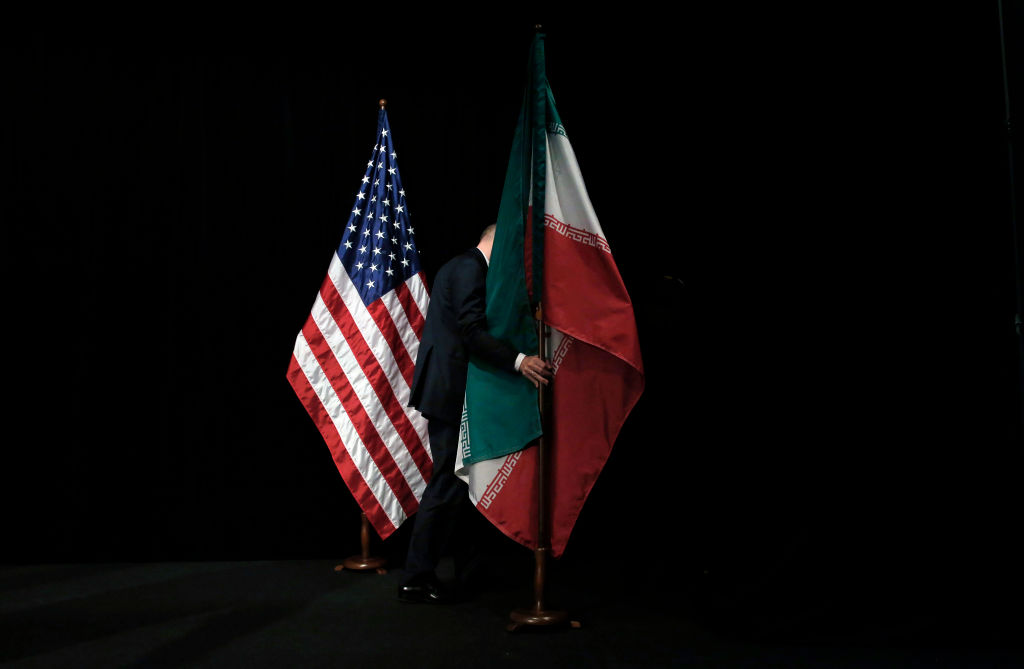
China’s plan to dominate the Middle East centers around Iran
The agreement with Iran could end up being the first major foray of many that gave Beijing a long reach into the Middle East at the expense of the United States, and even Russia.
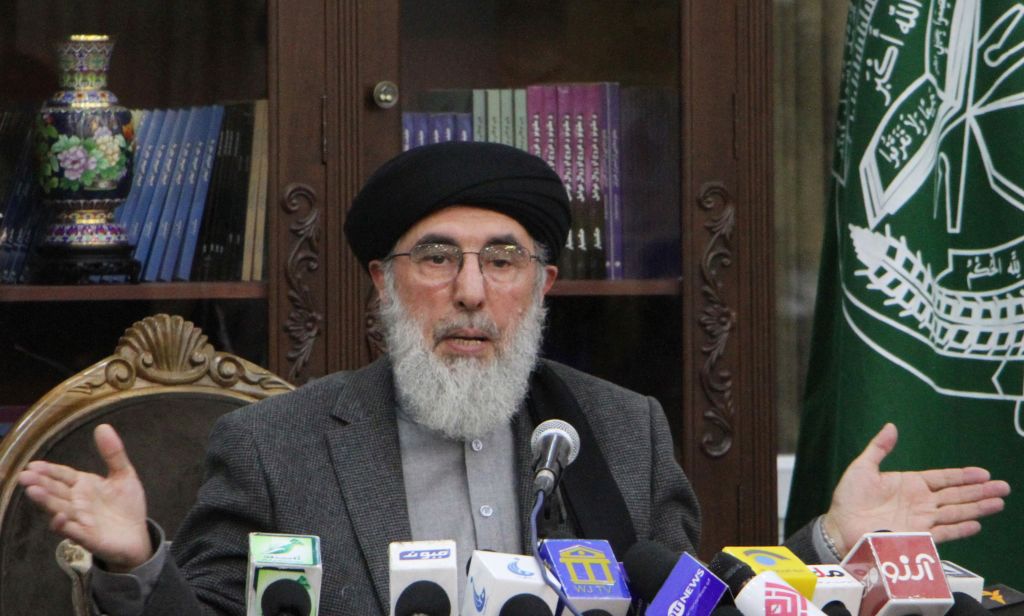
Monday Briefing: In Afghanistan a major player plans to jump ship
This week’s briefing on recent news and upcoming events in the region featuring Marvin G. Weinbaum, Charles Lister, Hafsa Halawa, Bilal Y. Saab, Anthony Elghossain, and Michael Sexton.
Socioeconomic effects of energy transition in the Black Sea
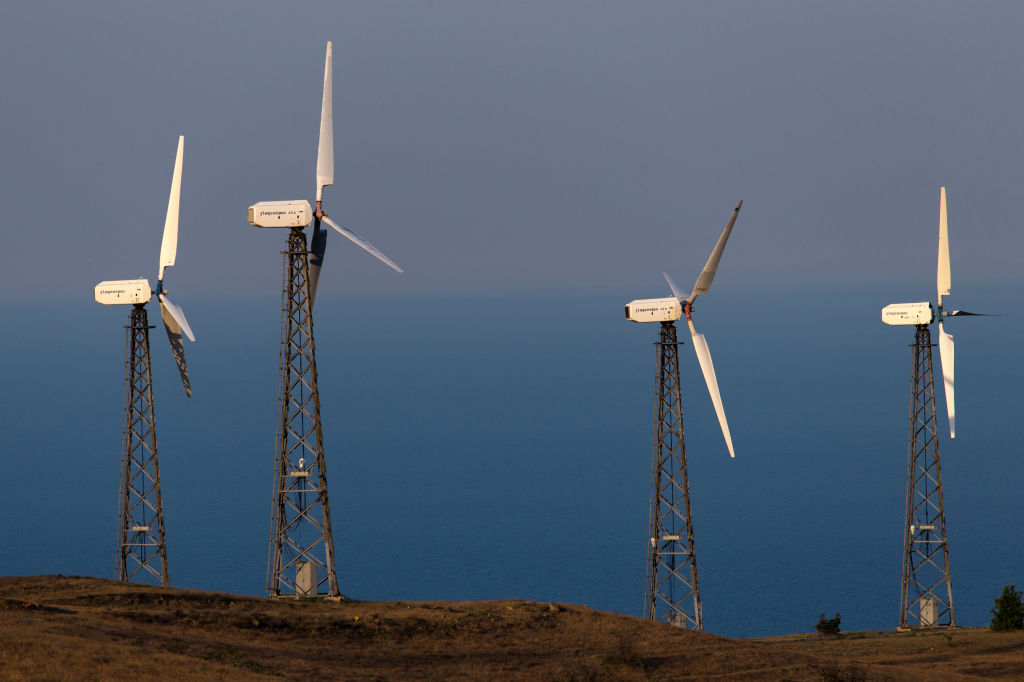
Energy transition is the shift from burning fossil fuels for electricity, heating, cooking, or transportation, to low carbon generation such as nuclear facilities or wind and solar power plants. For all countries, the energy transition process is laborious and raises challenging financial and social concerns. But this process comes with additional geopolitical dilemmas in a region such as the Black Sea basin.