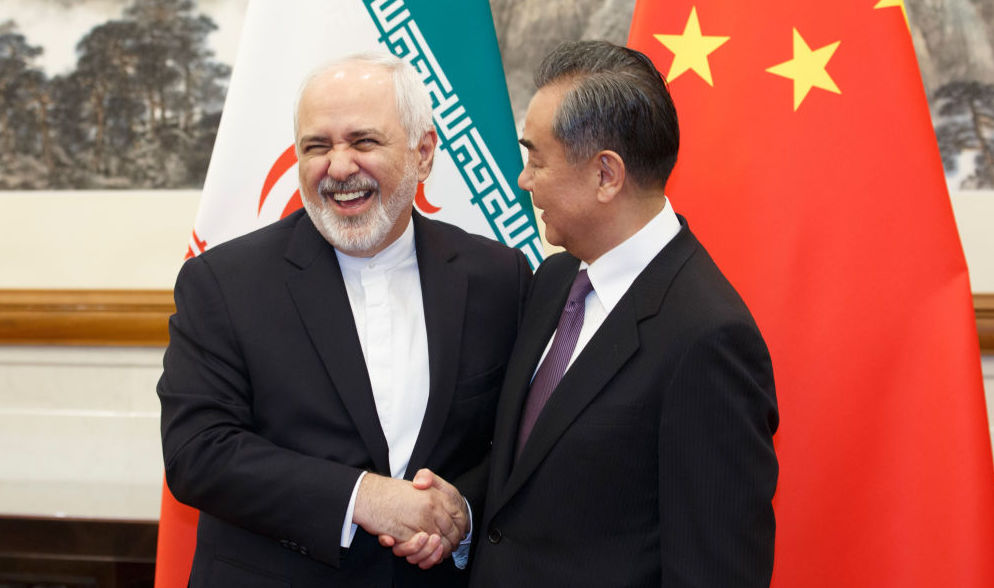
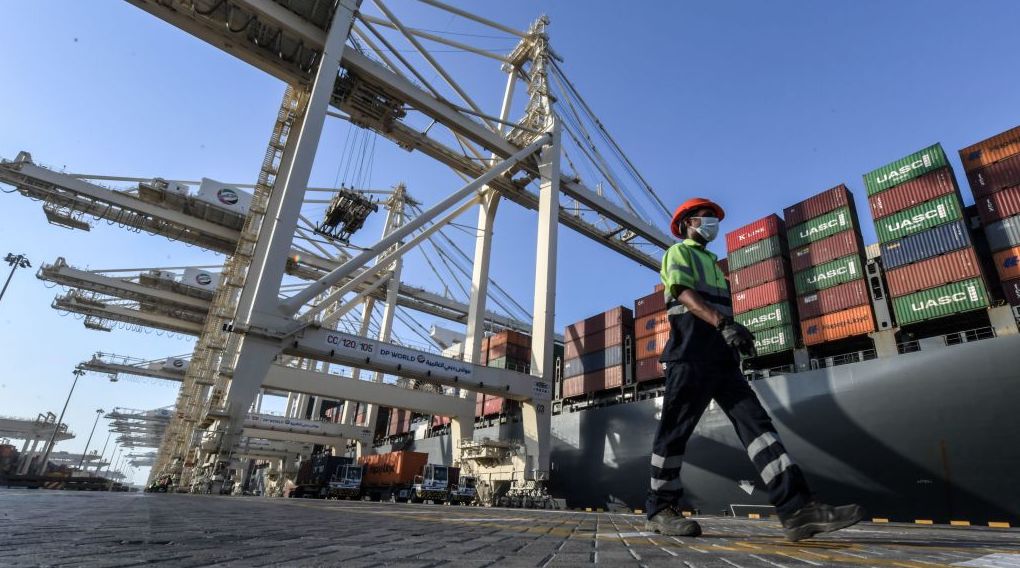
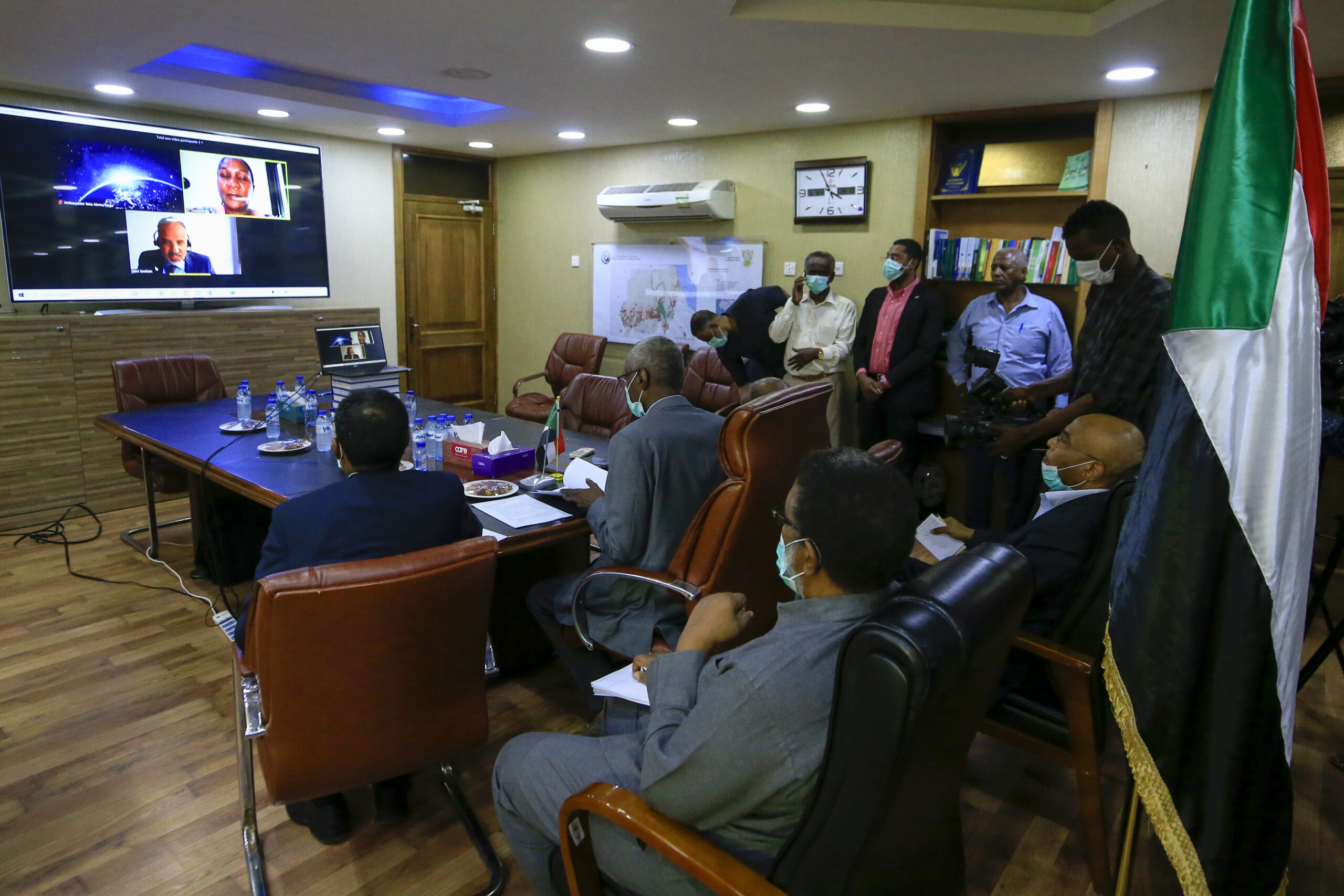
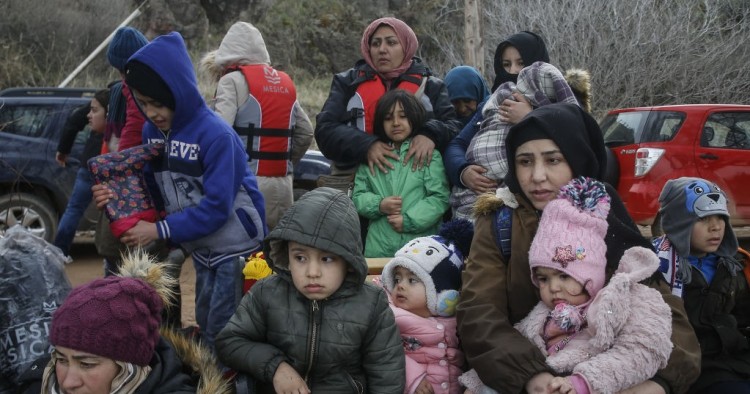
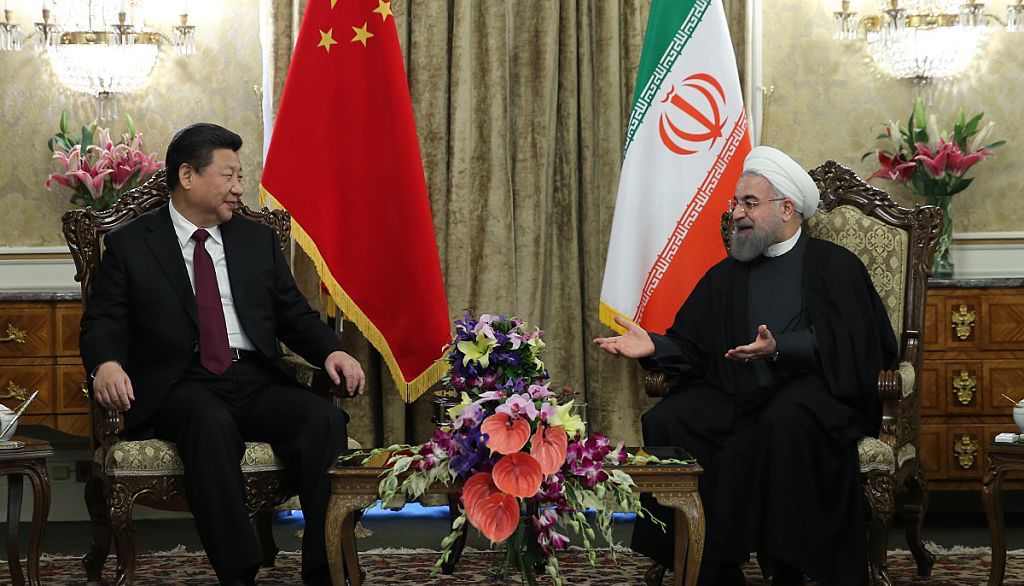
The coronavirus pandemic that originated in China could not have come at a worse moment for the UAE. Indeed, before its outbreak, relations between the UAE and China were in an excellent place. Underpinned by growing economic exchange, the bilateral partnership holds the promise of turning into a geo-economic and geopolitical one. For Beijing, the UAE is first and foremost a critical hub for re-export to the wider region and ultimately, it is in the domain of maritime trade and around China’s BRI that the partnership has its greatest potential.
Medical tourism is an important form of cooperation in the health sector between the Gulf Cooperation Council (GCC) countries and Asia. The increasing flow of patients from the Gulf to Asian for medical treatment in recent years has been underpinned by a feature of GCC countries’ healthcare systems that is unique, namely government sponsorship of overseas medical treatment. This article discusses the immediate impact and possible implications of the Coronavirus pandemic for GCC-Asia health cooperation.
Monday Briefing: GERD talks continue, but political will is still lacking
This week’s briefing on recent news and upcoming events in the region featuring Mirette F. Mabrouk, Marvin G. Weinbaum, Gonul Tol, Alex Vatanka, and Gerald Feierstein.
The circumstances seem to be right for a genuine rethink of the Syrian political process, but there are few answers to the question that can be heard often in Geneva, Washington, and Brussels these days: “What now?” The Syrian Association for Citizens’ Dignity has just released a major report, titled “We Are Syria,” that could help to provide the answer to that question: reorient the political process to make the rights of the displaced its foundation, and make the regime and its allies understand that this is the way toward the easing of sanctions and ultimately a sustainable political solution.
لماذا يعد رد طهران على اعتراض الولايات المتحدة لطائرة الركاب الإيرانية أكثر من مجرد حملة علاقات عامة
“تهدف السلطات الإيرانية إلى الاستفادة من هذه الحلقة كوسيلة للضغط على دول المنطقة التي توفر قواعد عسكرية للجيش الأمريكي.”
تشعر طهران بقلق شديد من اعتراض طائرة مدنية إيرانية فوق سوريا في 23 من شهر يوليو من طرف طائرتان أمريكيتان من طراز F-15. وما أثار انتباه وسائل الإعلام الغربية هو اتهام إيران للولايات المتحدة بالقيام بأعمال “قرصنة” و”إرهاب” في المجال الجوي السوري.
اتهامات طهران كانت متوقعة وتعد مجرد حلقة أخيرة في سلسلة الاتهامات والاتهامات المضادة بين الولايات المتحدة وإيران.
حلقة 4: الأصوات الأمريكية المسلمة ومعادلة الانتخابات — مع وائل الزيات
خاطب جو بايدن المجتمع المسلم-الأمريكي بشكل مباشر في حملته الانتخابية، في خطوة غير مسبوقة من المرشحين الرئاسيين. هل يرمز ذلك لمرحلة جديدة من العلاقة بين الإدارة الأمريكية والمجتمع المسلم الأمريكي؟
هل كانت وعود جو بايدن كافية بالنسبة للمسلمين الأمريكيين؟ ما الذي أغفله؟
ما هي أولويات العرب والمسلمين الأمريكيين في الولايات المتحدة على الصعيد السياسي؟ ما هي متطلباتهم الأساسية والقضايا التي تؤثر على حياتهم اليومية؟
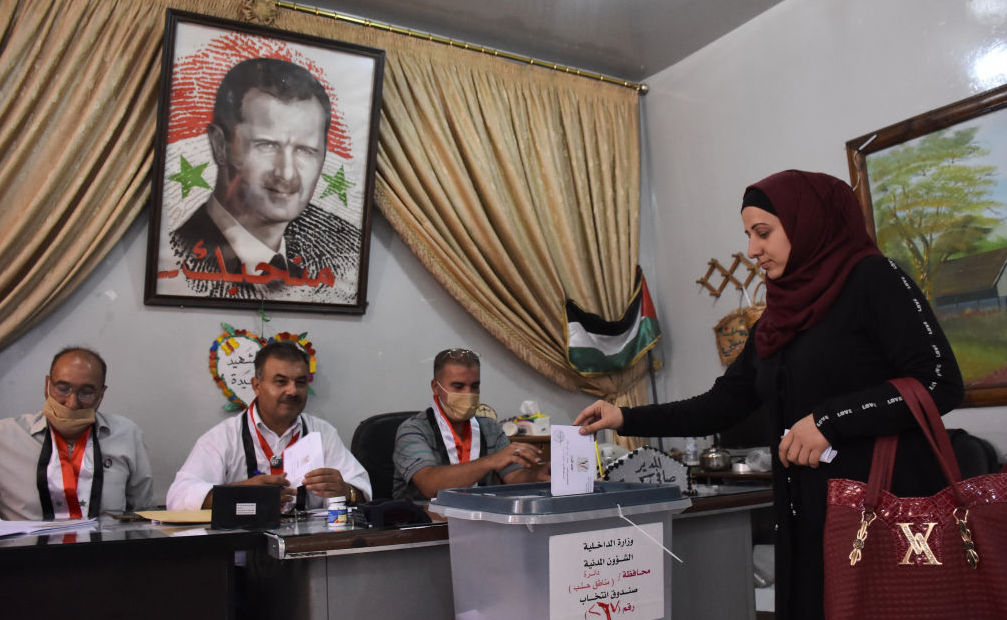
Syria’s 2020 parliamentary elections: The worst joke yet
Syria’s recent parliamentary elections, held on July 19, set a new precedent for the Assad regime, and there were 10 key differences from the previous elections that have been held since they were first introduced by Hafez al-Assad in 1973.
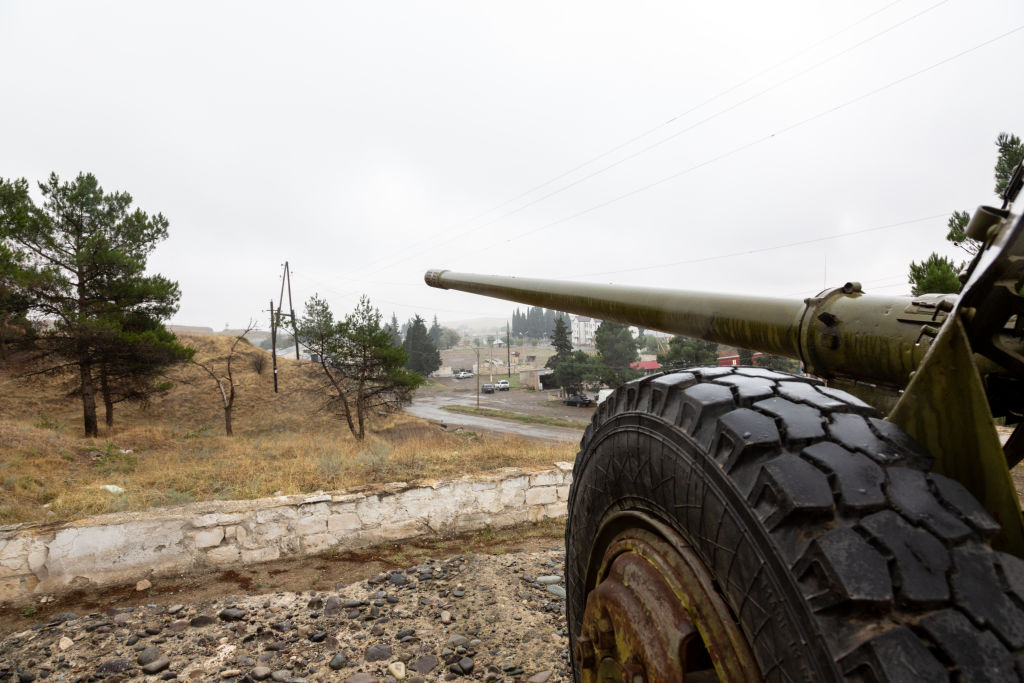
Azerbaijan-Armenia clashes put an end to cautious optimism
On July 12, military clashes broke out between Armenia and Azerbaijan, quickly escalating into the single deadliest incident since the “four-day war” of April 2016. While violent outbreaks between the two sides are common, they usually occur on the Line of Contact around Nagorno-Karabakh and its surrounding territories. This time, however, fighting erupted along the internationally recognized Armenia-Azerbaijan border, far away from the actual conflict zone. With heavy use of artillery, drones, cyberattacks and disinformation – causing at least 17 combined casualties, including a well-known Azerbaijani army general – the violence risked spiraling into a major war.
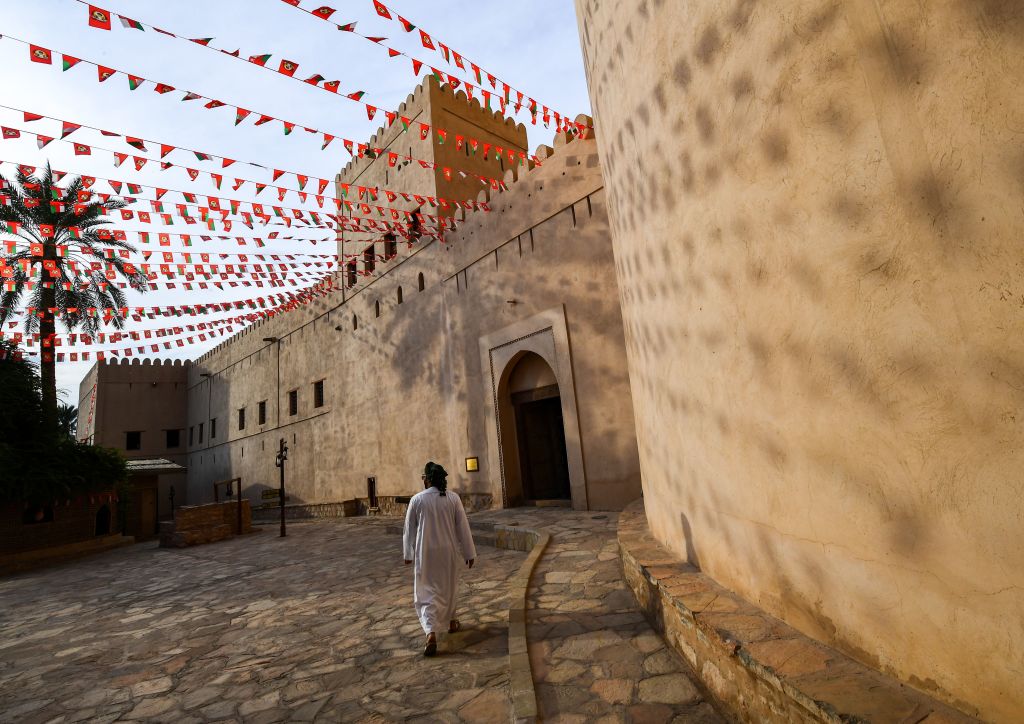
Linking the past to the future: Economic diversification and tourism in Oman
Oman’s new ruler, Sultan Haitham, only has a short timeframe in which to aggressively diversify the country’s economy and reduce its dependency on hydrocarbon exports. This already difficult task is further complicated by the twin challenges of the global coronavirus pandemic and low oil prices, both of which limit the government’s fiscal room for maneuver. One obvious sector that Oman should consider expanding rapidly is its tourism industry.
Jerry Feierstein, Karen Young, and Dania Thafer join host Alistair Taylor to discuss the political, economic, and foreign policy challenges facing the sultanate and its new ruler, Sultan Haitham bin Tariq, who ascended to the throne following the death of Sultan Qaboos, Oman’s long-time ruler, in early January.
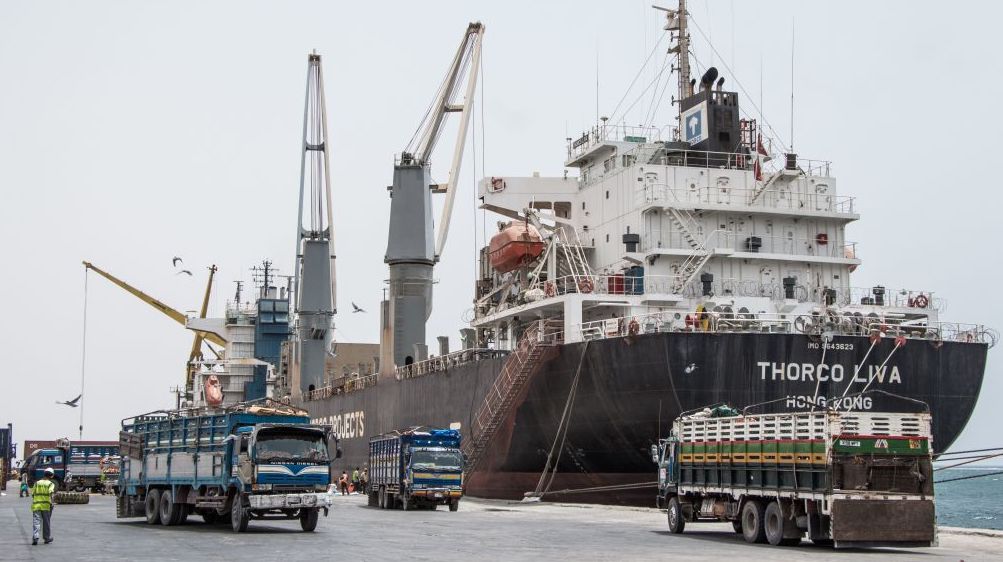
Somaliland’s ports: The Horn of Africa’s most valuable real estate
Berbera and Zeila, two of the Horn of Africa’s ancient trading cities, have long attracted the interest of global powers because of their strategic location near the Bab el-Mandeb Strait connecting the Gulf of Aden and the Red Sea. This location makes Somaliland’s coastal ports among the region’s most valuable real estate.
Positioning the Provinces Along China’s Maritime Silk Road
China’s Belt and Road Initiative (BRI) is a central policy framework with decentralized initiatives. Under the BRI’s Silk Road Economic Belt (SREB) and the Maritime Silk Road (MSR), China’s inland provinces and coastal peers have been obliged to implement the top-down national strategy while at the same time having been granted the latitude to interpret the strategy to suit their commercial interests. This article looks at how Fujian and Jiangsu provinces have sought to position themselves along the Maritime Silk Road with respect to their relations with Middle Eastern partners.