Saudi Arabia eyes the exit in Yemen, but Saudi-Houthi talks alone won’t resolve the conflict
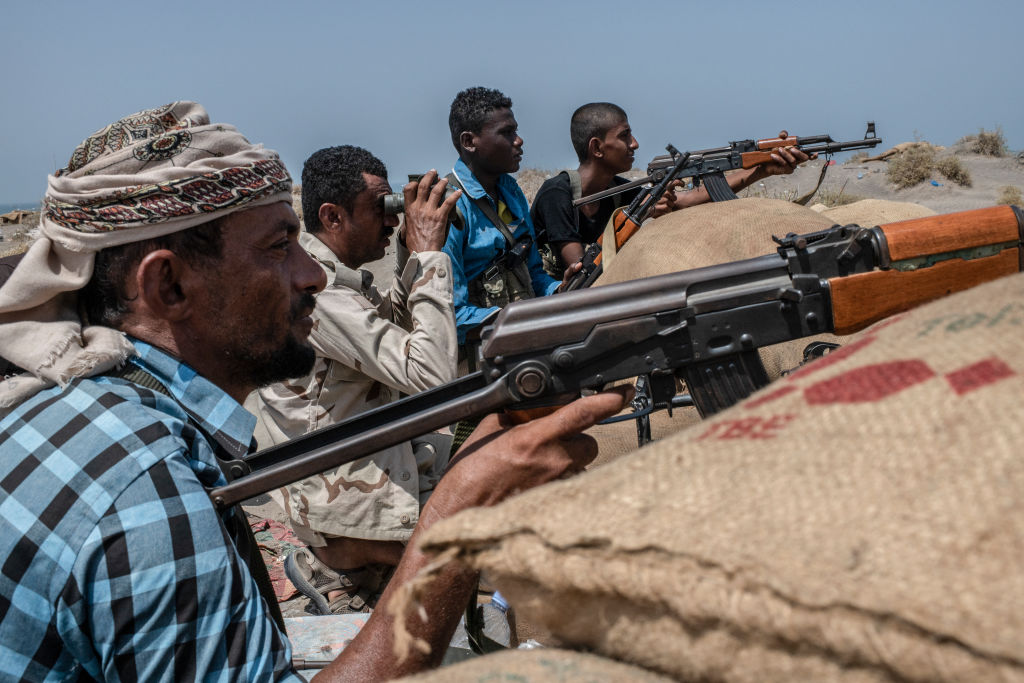
During the Munich Security Conference in February 2020, Saudi Arabia’s foreign minister, Prince Faisal bin Farhan, signaled that the Saudi-Houthi backchannel talks were not “ready to move to the highest level.” However, the situation changed following the Houthi ballistic missile attack on Jazan and Riyadh in late March, and on April 8, the coalition’s Joint Forces Command
“A Force They Haven’t Seen Before”: Insurgent ISIS in Central Syria
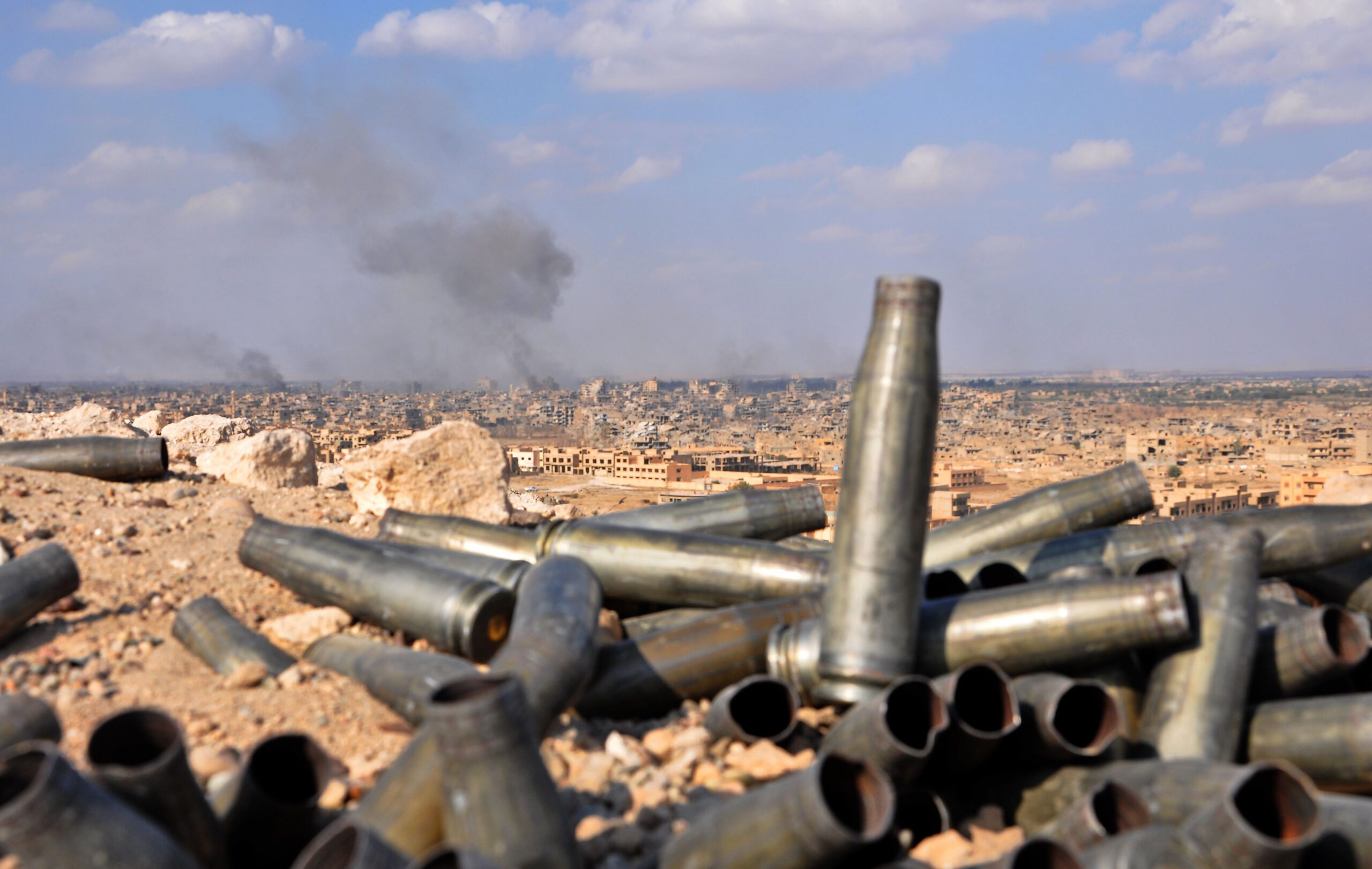
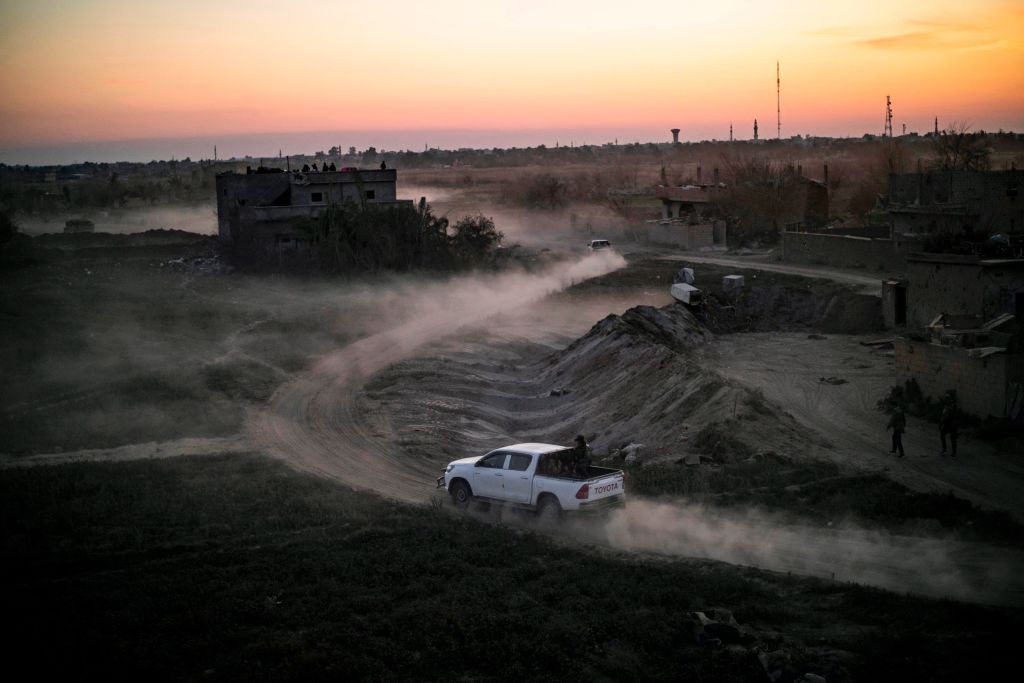
Immediately after the Syrian regime and its allies captured central Syria in late 2017, ISIS began waging an effective and deadly insurgency in the area. It first targeted urban centers along the western Euphrates before shifting focus in spring 2018 to the transport lines and mountains running along the M20 from Khunayfis to Shoula. These wide-ranging operations have killed a minimum of 860 pro-regime fighters of all ranks, units, and types. This report tracks self-reported regime losses in the region, as indicated on loyalist Facebook pages, community pages, and unit pages, from Nov. 10, 2017 through March 31, 2020.
Begin with the children: Child soldier numbers doubled in the Middle East in 2019
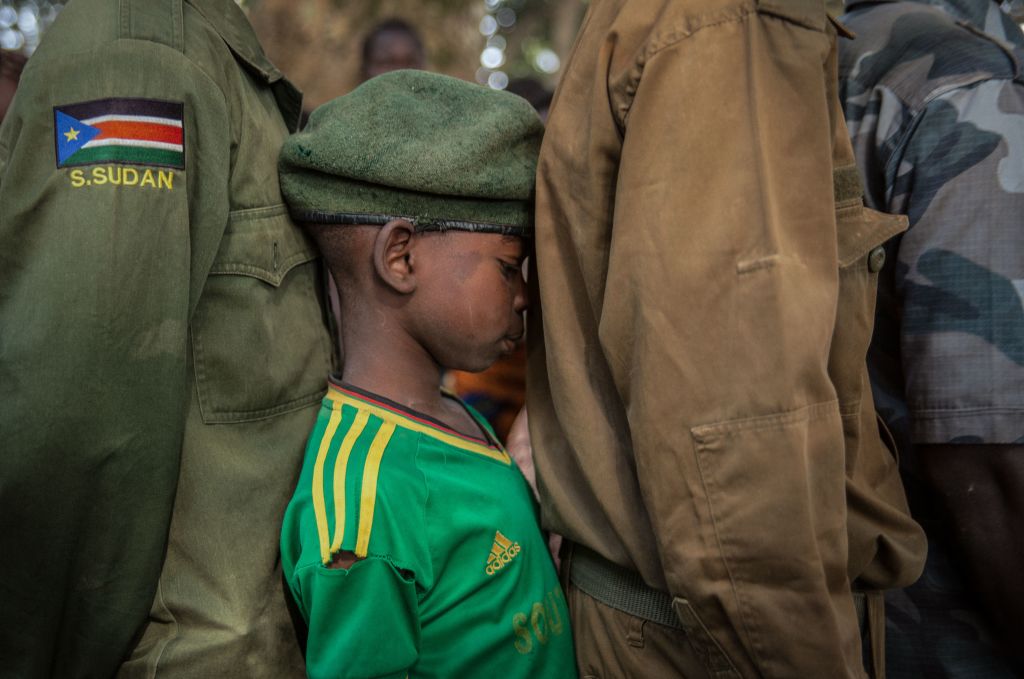
In 2017, the advocacy group Child Soldiers International estimated that more than 100,000 children were forced to become soldiers in state and non-state military organizations in at least 18 armed conflicts worldwide. This is a global problem that is getting worse and it must be addressed.
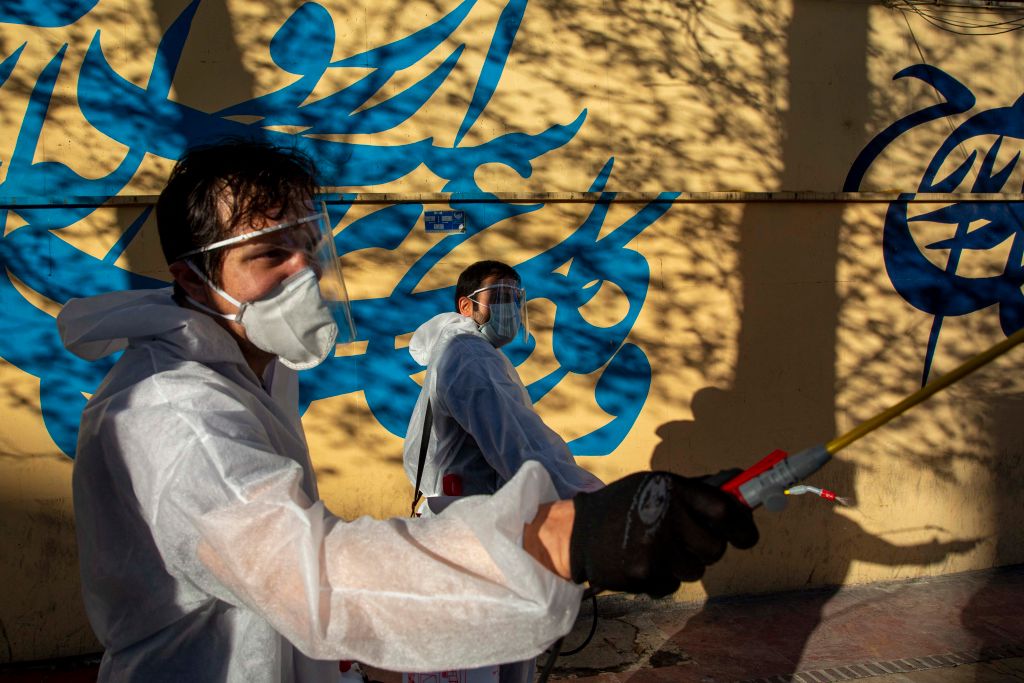
COVID-19 presents a major threat to the global economy and the health of millions of people around the world, but its impact on Iran, one of the early epicenters of the outbreak, has been particularly severe.
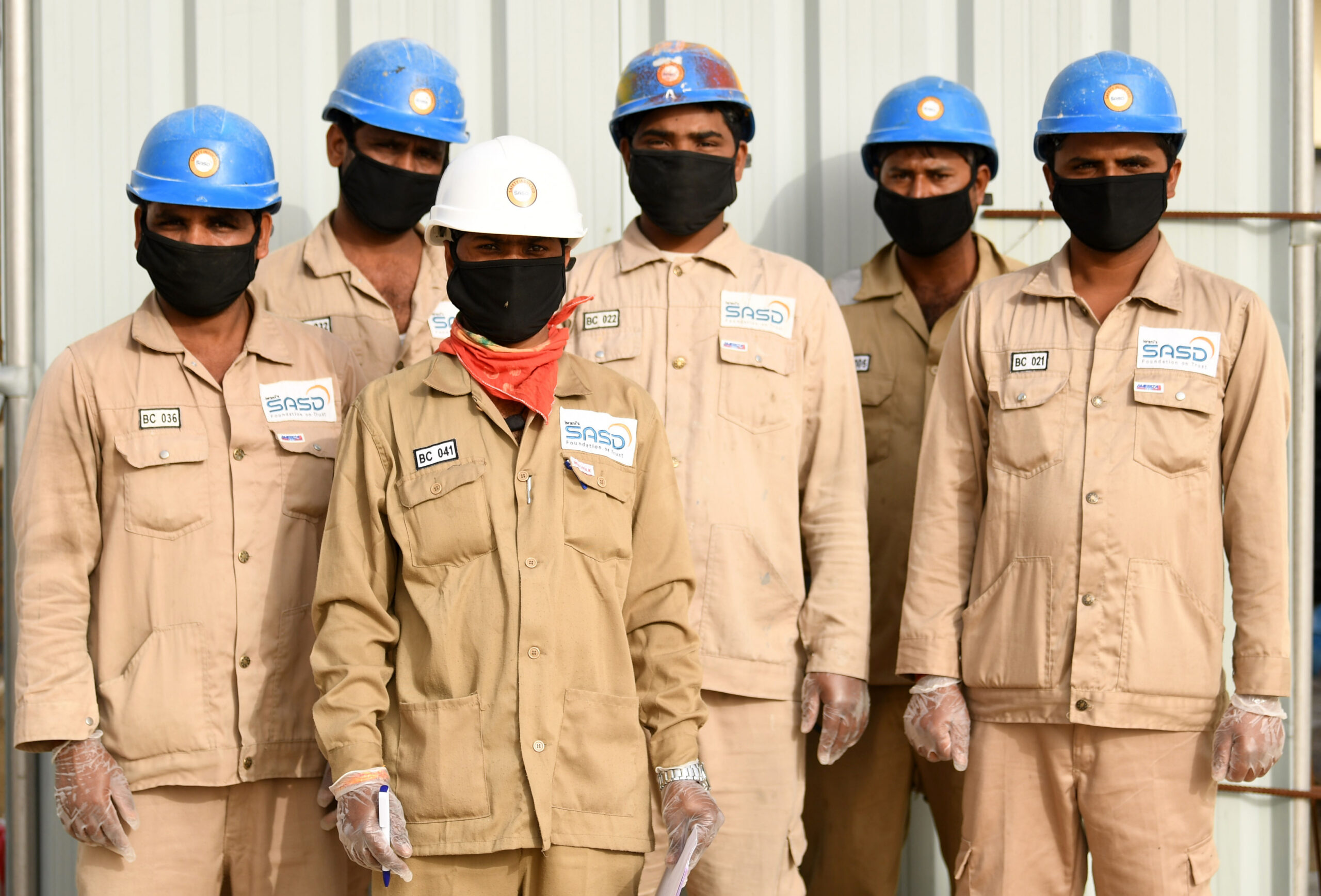
Since the 1970s “oil boom,” Indian migration to the Gulf has served as a valuable source of income for the nation and as the backbone of the economies of high-migration states such as Kerala through the transfer of remittances. However, the outlow of Indian migrants to the region has recently slackened while return migration has increased due to economic slowdowns, fluctuating oil prices, and changes in Gulf labor policies. The future of India-Gulf migration is further clouded by the Coronavirus pandemic, which poses unprecedented health and livelihoods challenges for the millions of Indians working in the Gulf, as well as for the families and communities that depend on them — and presents a daunting test for the Indian government.
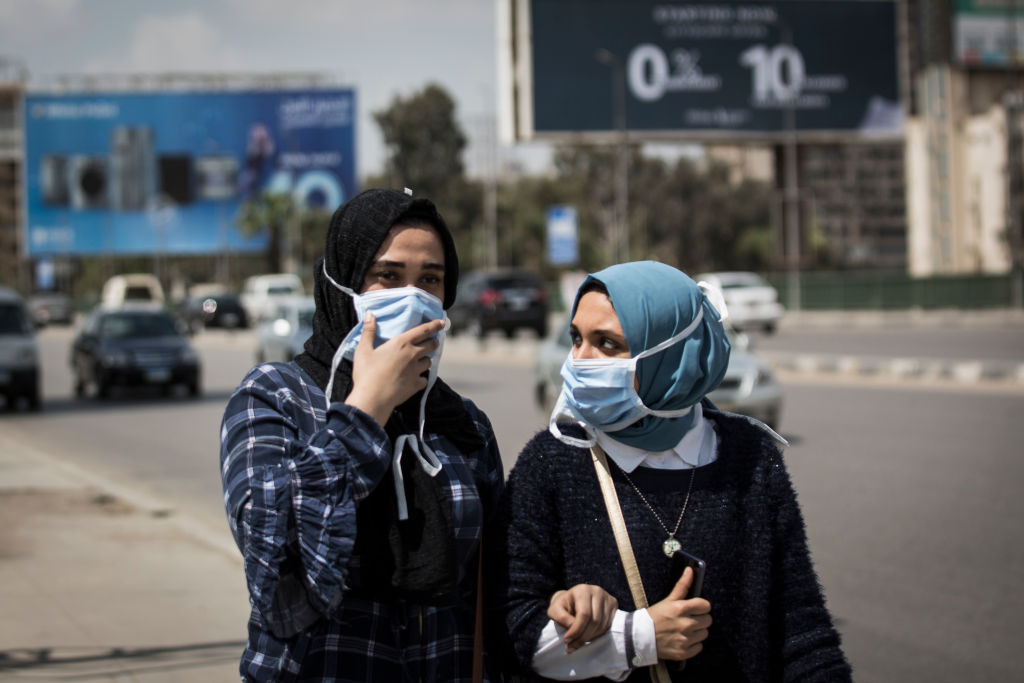
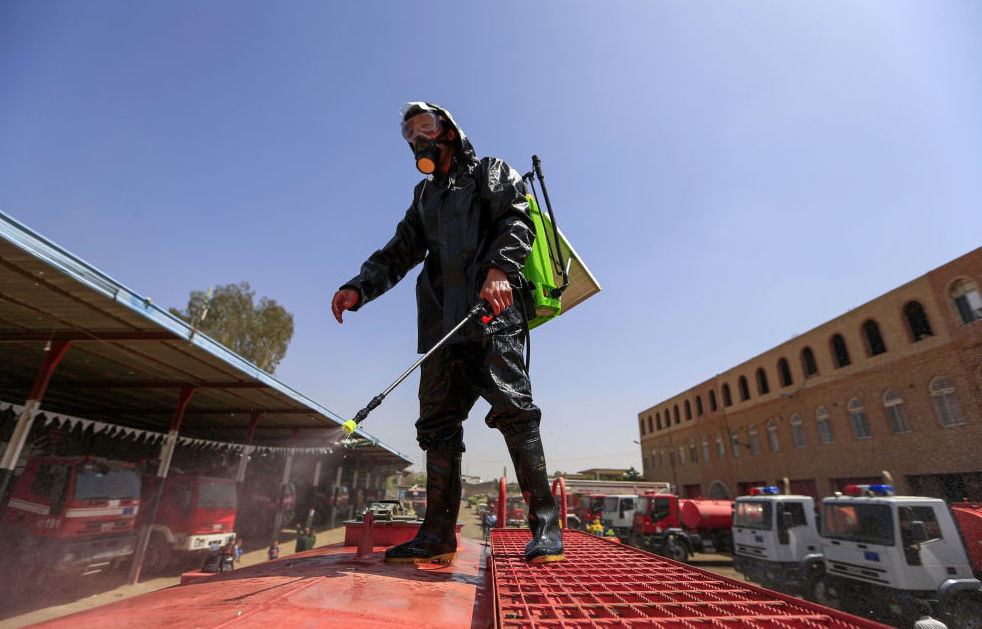
Without a Houthi commitment, the cease-fire could make Yemen more vulnerable to COVID-19
The Houthis’ lack of interest in halting their military operations could displace millions of civilians in the midst of a potential COVID-19 outbreak, defeating the very purpose of the cease-fire.