Bridge to a Brighter Future? South Korea’s Economic Relations with the Gulf
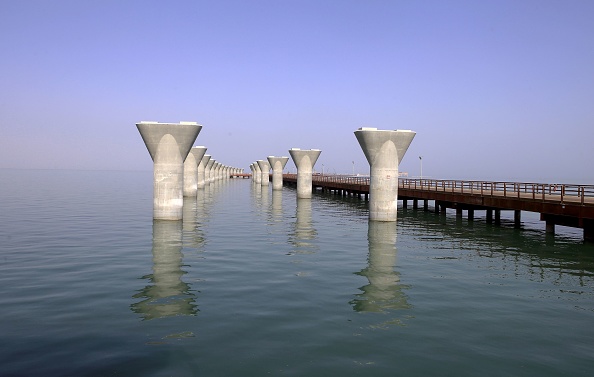
This article discusses the broad effort by Korean firms — supported by three successive administrations — to enhance their position in the fiercely competitive Gulf regional market at a time when the domestic economy is sputtering.
A new crisis is brewing between Saudi Arabia and Turkey, and this one is going to be much more severe and damaging than the dispute over the murder of Saudi journalist Jamal Khashoggi.
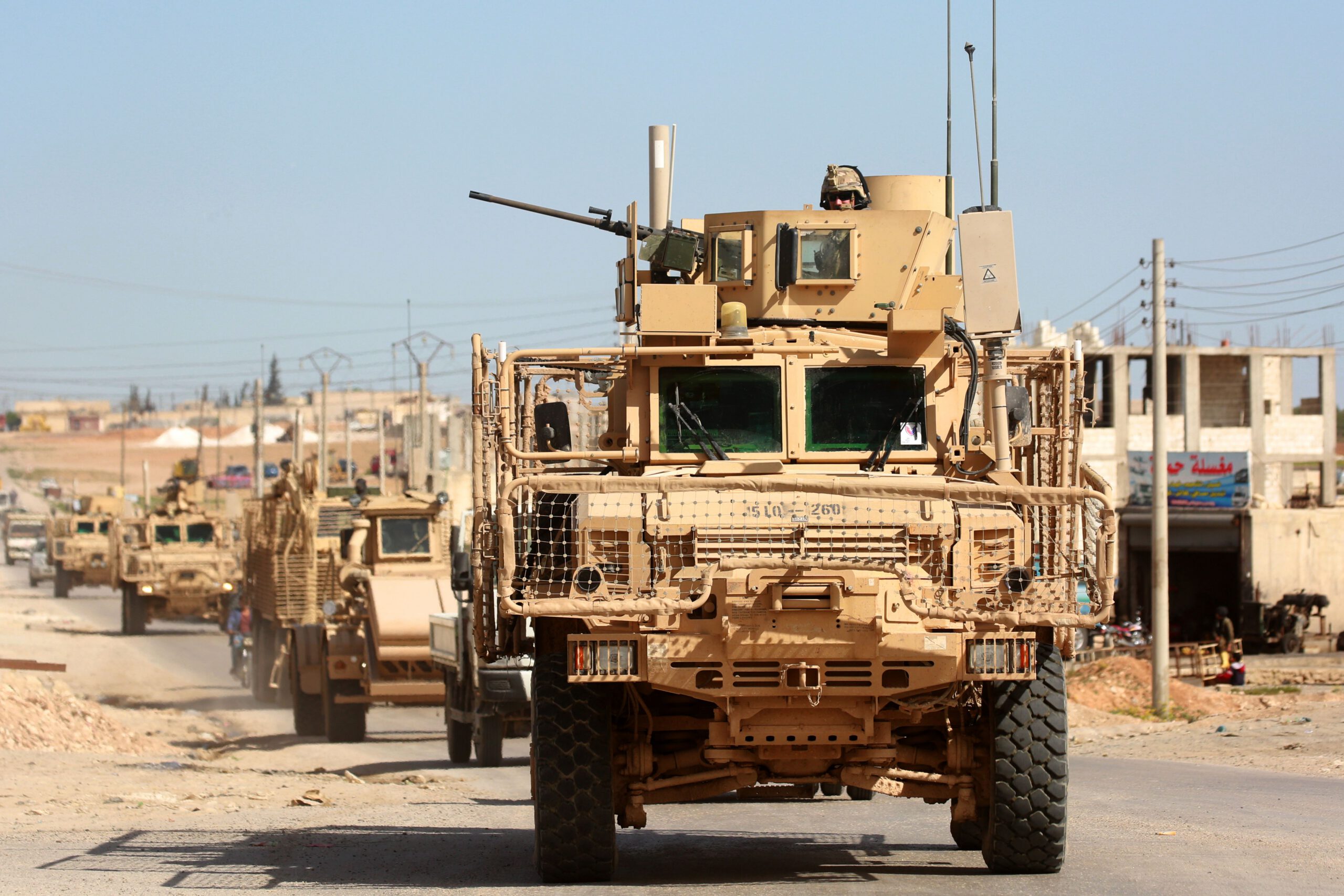
A poisoned chalice? US withdrawal from Syria would create new risks for Moscow
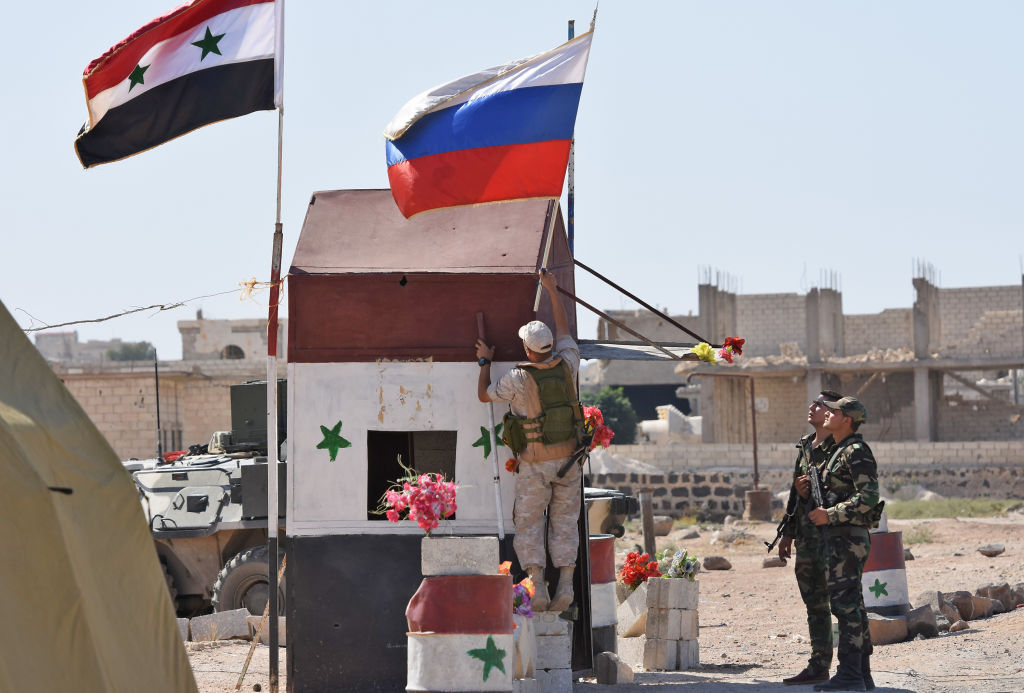
At first glance Trump’s decision to withdraw U.S. troops from Syria might seem to benefit Moscow. But dig a little deeper and the situation becomes much less clear and creates a lot of ambiguity and complexity for Russia.
Making the right move on Syria … for the wrong reasons
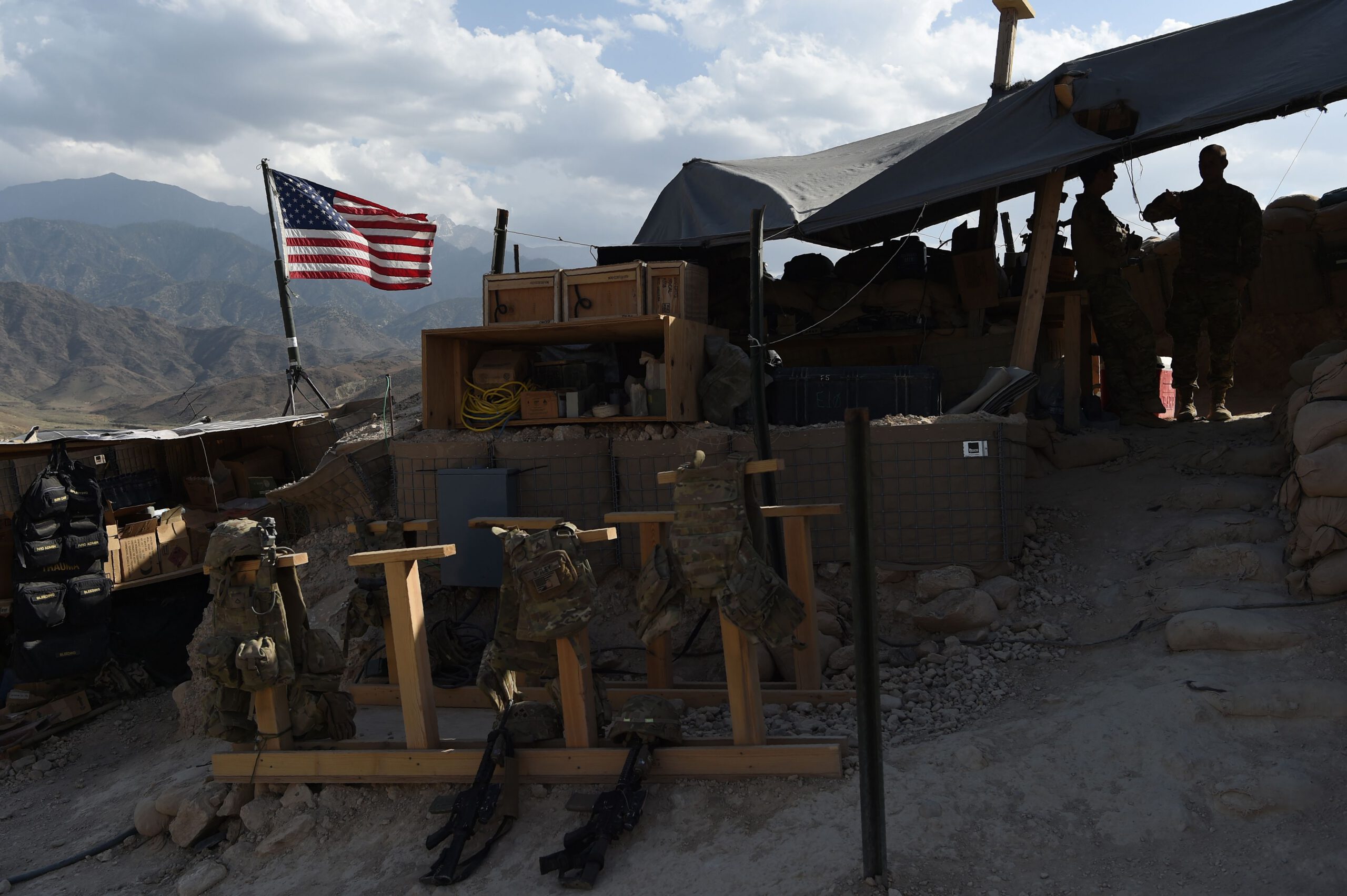
President Donald Trump is doing the right thing on Syria — removing U.S. forces — but for the wrong reasons. As a consequence, the value and import of his decision will be less than might otherwise be the case.
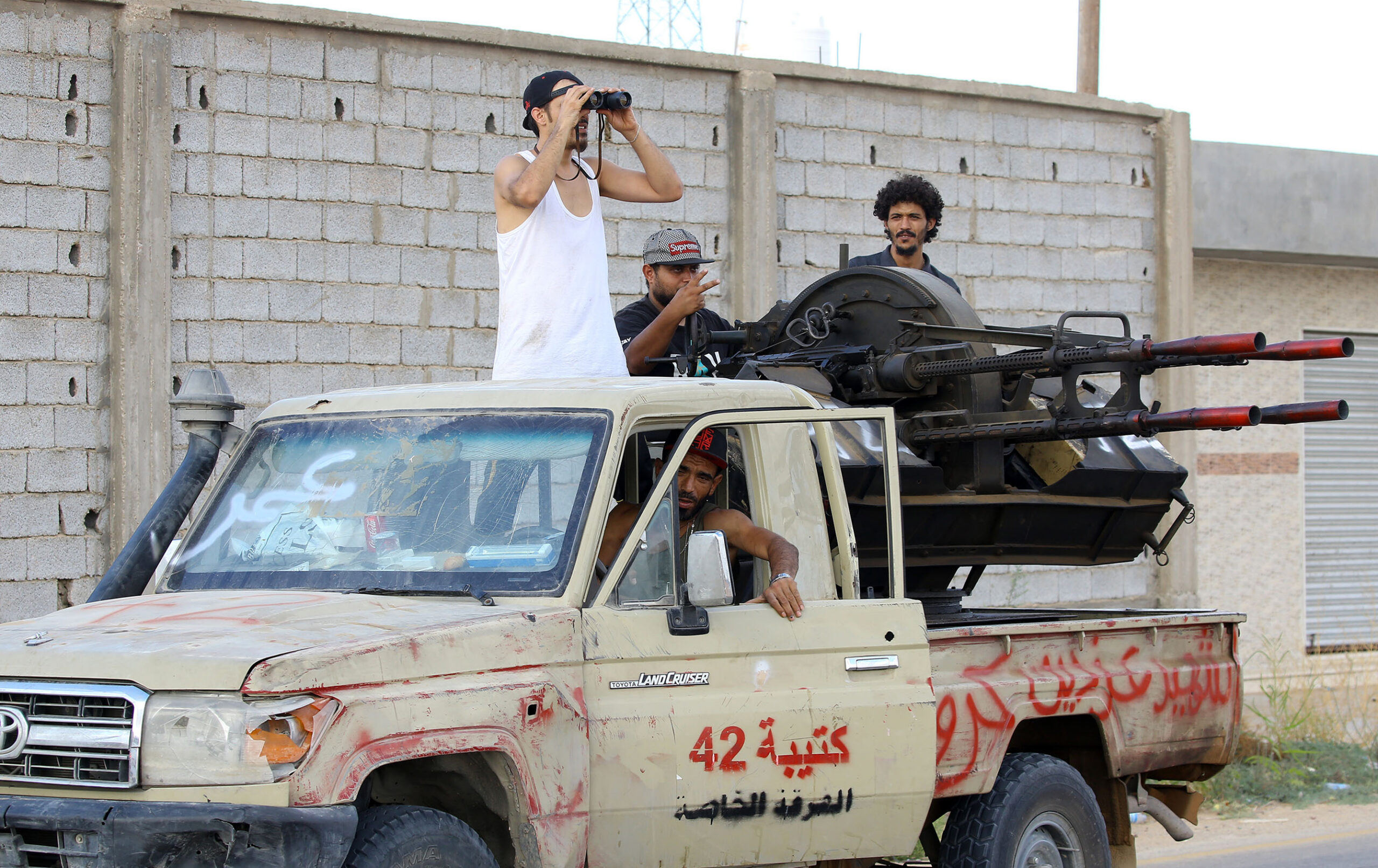
Mergers and assassinations as Tripoli remains under militia control
On Dec. 18, 2018, the seaport in Libya’s capital was the scene of a surprising yet deft maneuver orchestrated by the city’s four main armed groups, namely the Tripoli Revolutionaries’ Brigade (TRB); Abu Salim’s Special Deterrence Force; the Nawasi Battalion; and the Bab Tajoura Brigade.
Trump’s Syria decision was essentially correct. Here’s how he can make the most of it.
President Trump’s Dec. 23 tweet promising a “slow and highly coordinated” withdrawal of U.S. forces from Syria may ease the gnashing of teeth among officials and analysts in Washington, but it won’t end the criticism of his decision. That is precisely why the president should view the hullabaloo that erupted after he announced the Syrian pullout as an opportunity to take a number of steps to make the most of his essentially correct, but widely unpopular, move.
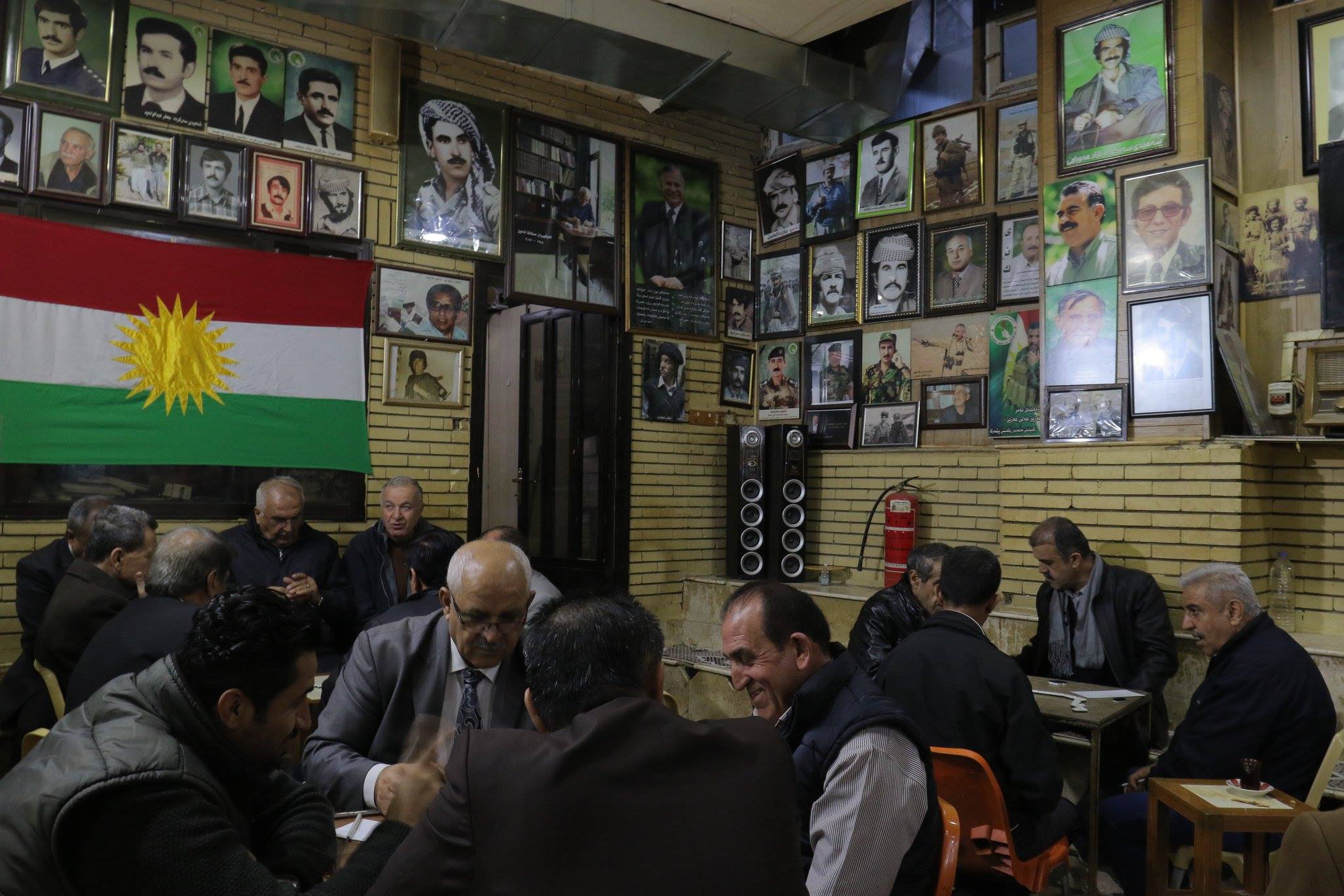
In Iraqi Kurdistan, there’s more than just tea brewing in the teahouse
Teahouses are at the heart of Kurdistan’s culture and are linked to the Kurdish collective memory of struggle and oppression, making them a central part of contesting narratives about progress, change, and tradition.
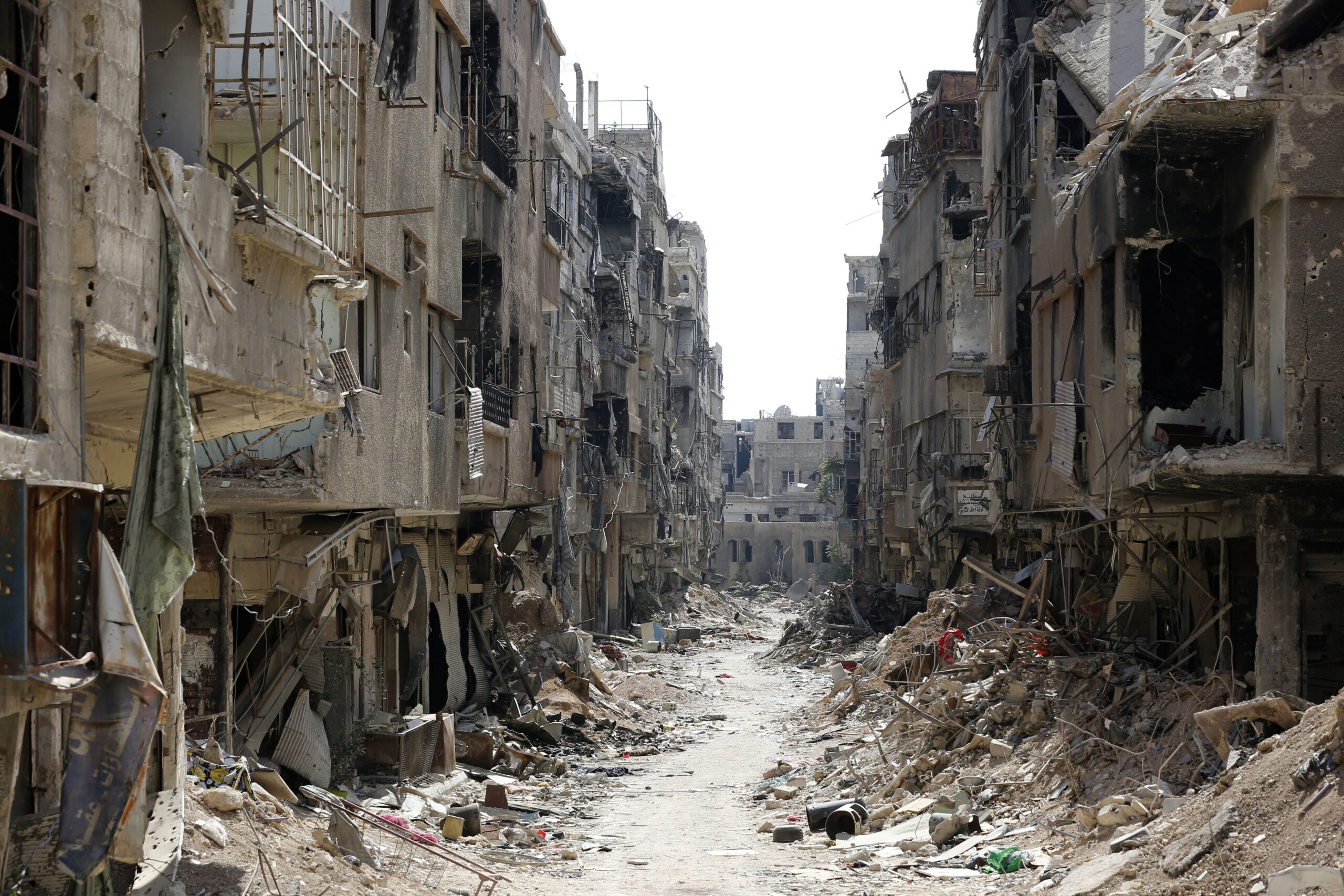
As Syria looks to rebuild, sanctions remain a major barrier to trade and investment
As the conflict in Syria concludes, the next phase will center on rebuilding and will require hundreds of billions of dollars in investment. For now though, sanctions imposed by the U.S., U.K., and EU block money from flowing in.
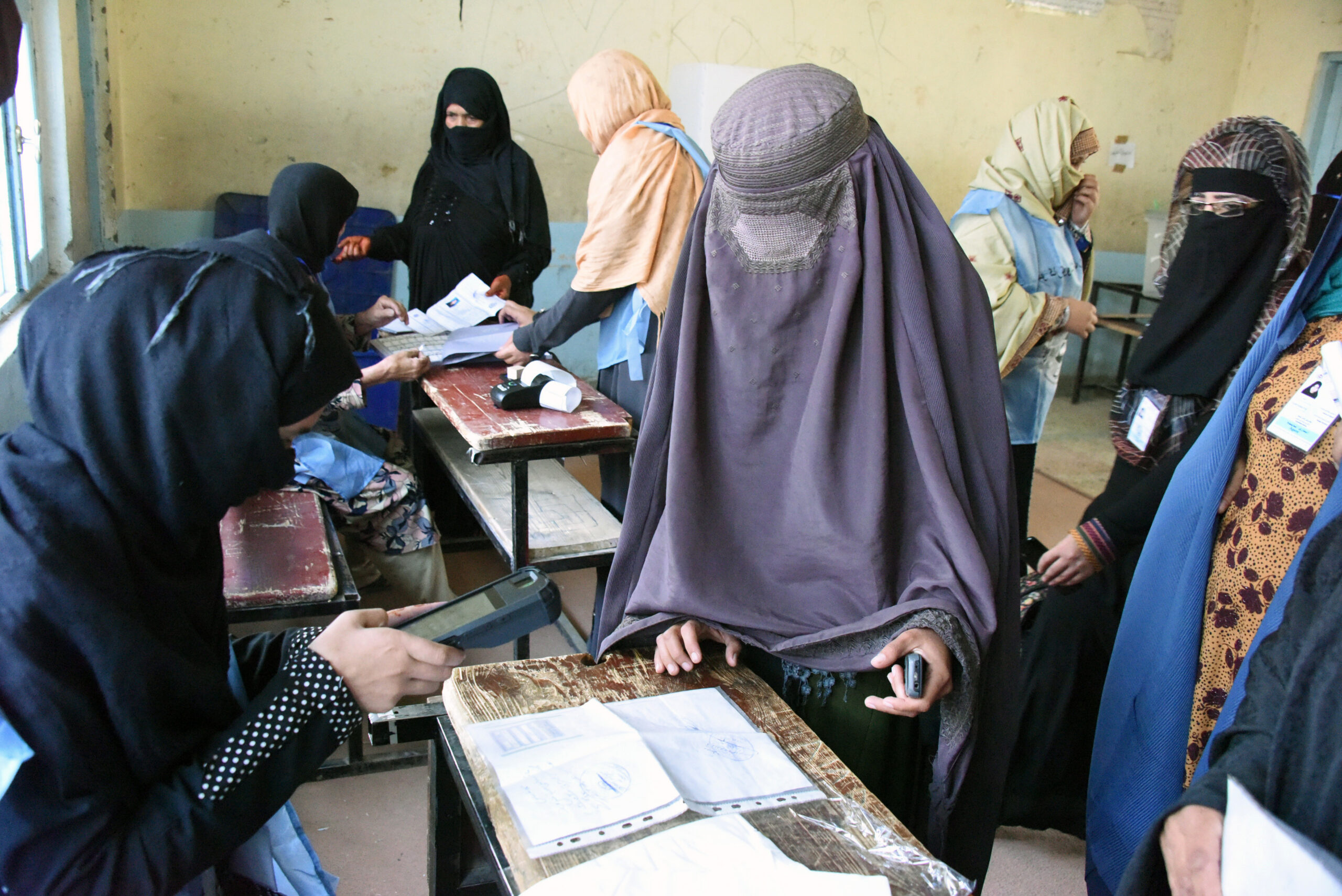
October going on December: Voters are still waiting for results in Afghan elections
While four million Afghans bravely defied Taliban threats to cast their ballots in parliamentary elections in October, issues with the voting process and the two-month delay in announcing the results are causes for concern, especially with four important elections scheduled for next April.
In our final episode of the year, host Alistair Taylor interviews several MEI scholars on the key events that transpired across the Middle East in 2018 including in the Gulf, Iran, Turkey, and Afghanistan. Guests include Paul Salem, Gerald Feierstein, Alex Vatanka, Gonul Tol, and Ahmad Majidyar.
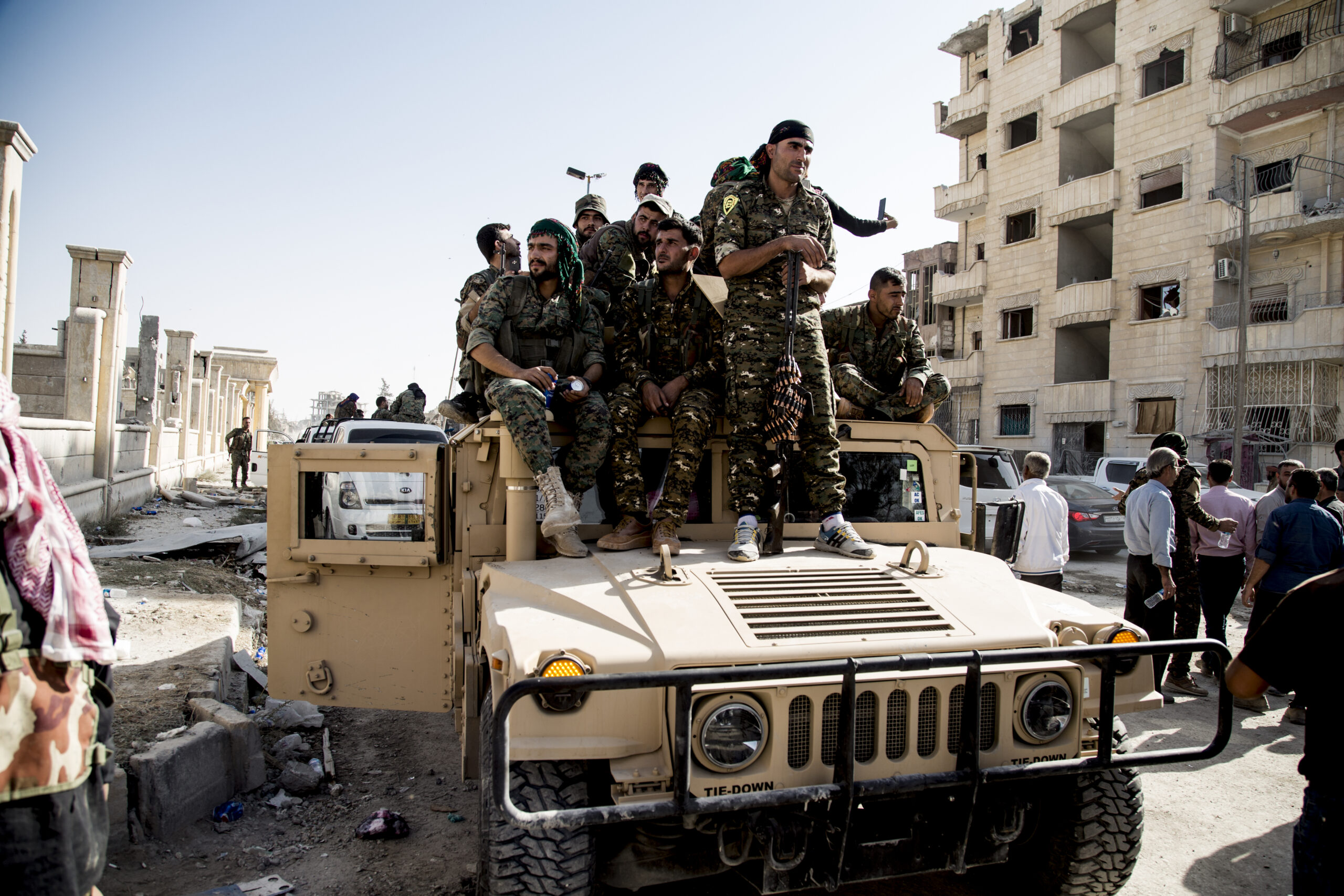
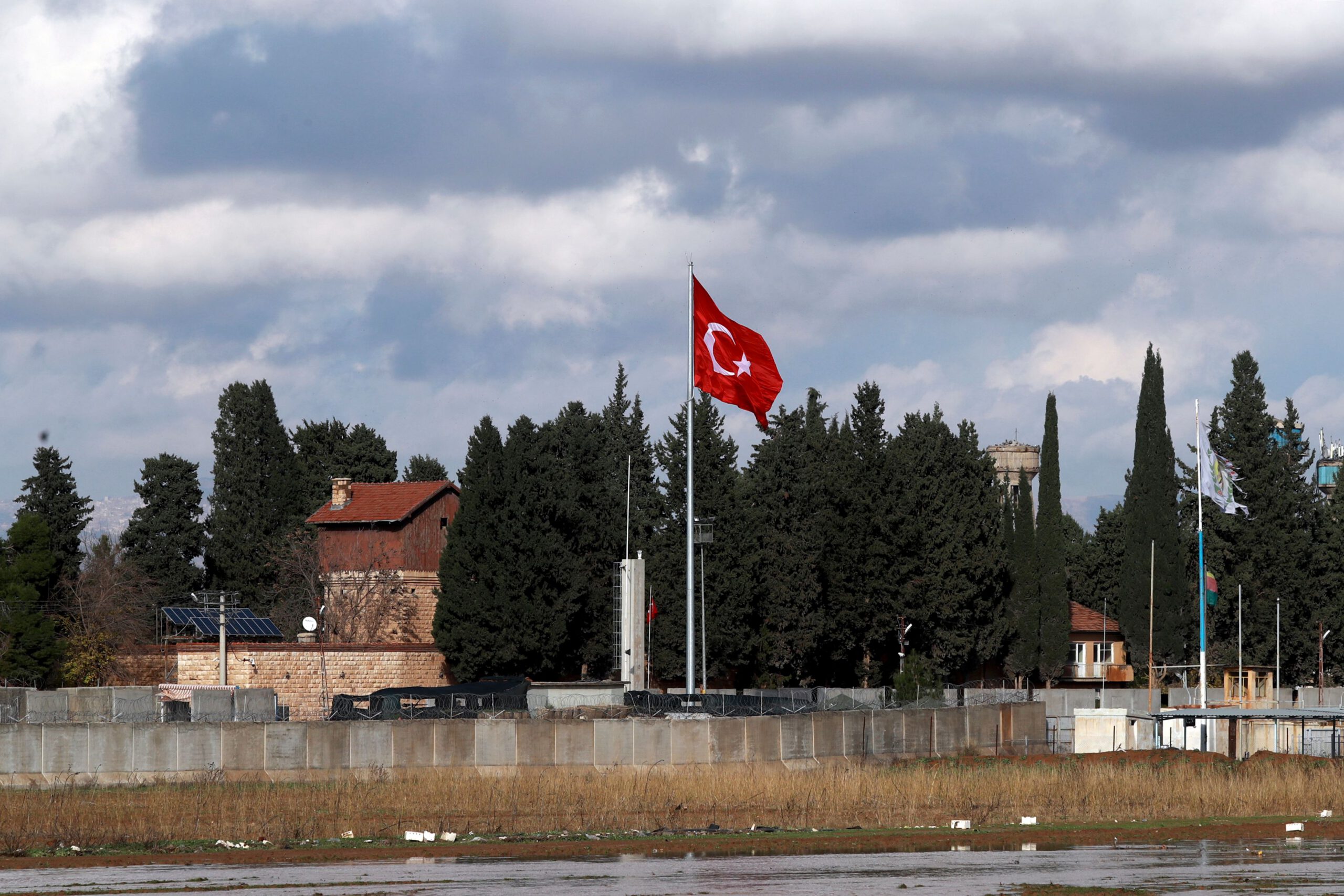
Will Turkey attack the US-backed YPG in the eastern Euphrates?
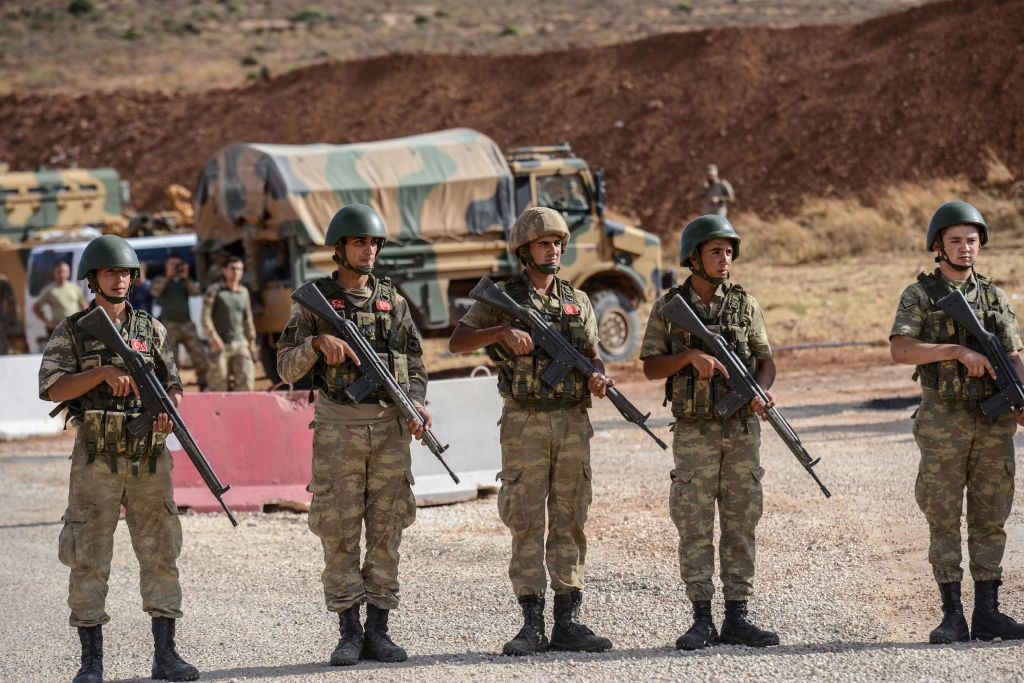
Whether Erdogan will follow through on his threat of military incursion against the YPG in U.S.-protected areas of Syria depends on the reaction of the international community, the Turkish military, and nationalist voters at home.
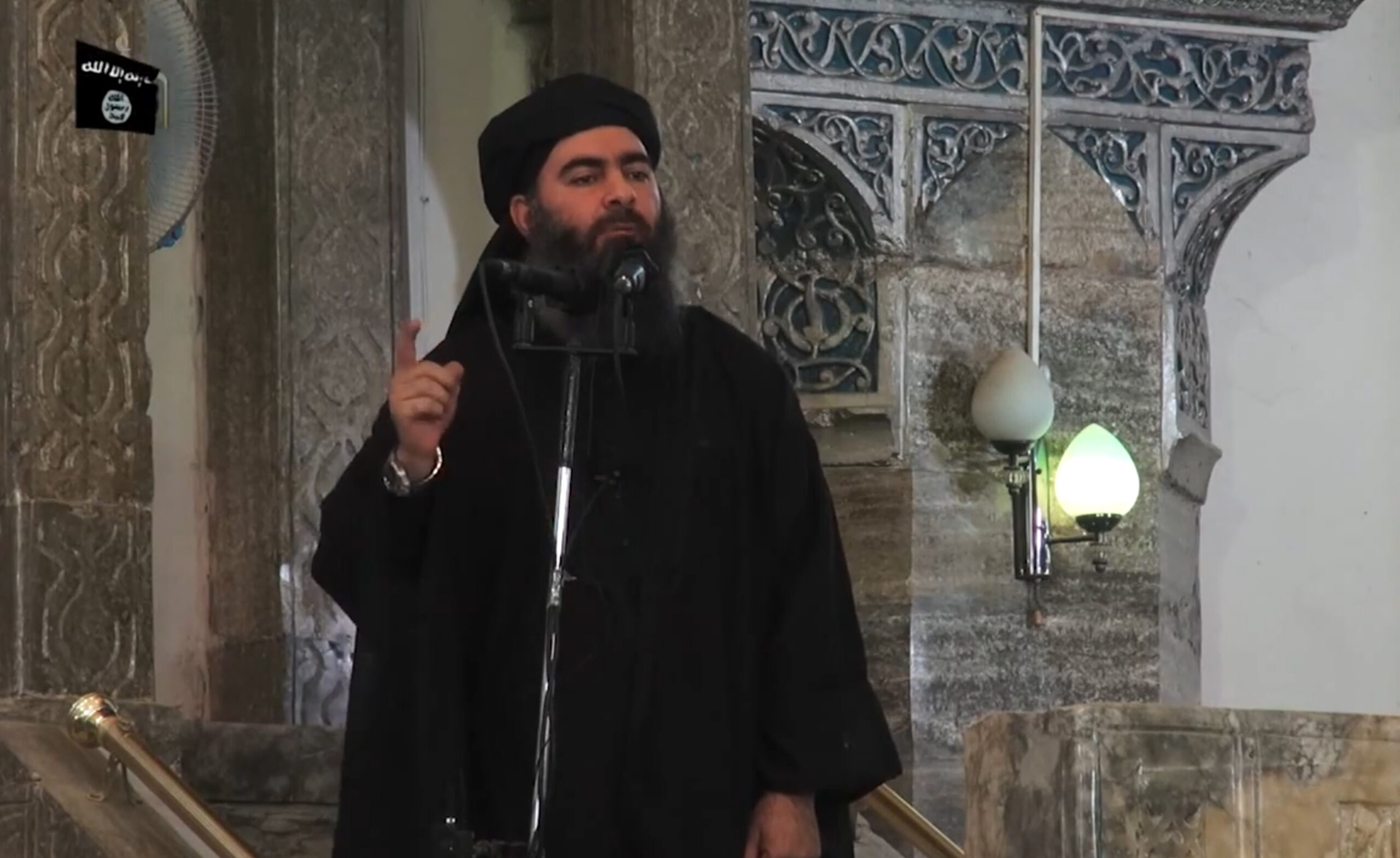
ISIS’s charm offensive toward al-Qaeda in the Islamic Maghreb
A secret letter recently obtained through an inside source sheds light on ISIS’s efforts to persuade an al-Qaeda affiliate to jump ship, abandon its allegiance to Ayman al-Zawahri, and join Abu Bakr al-Baghdadi’s ranks.