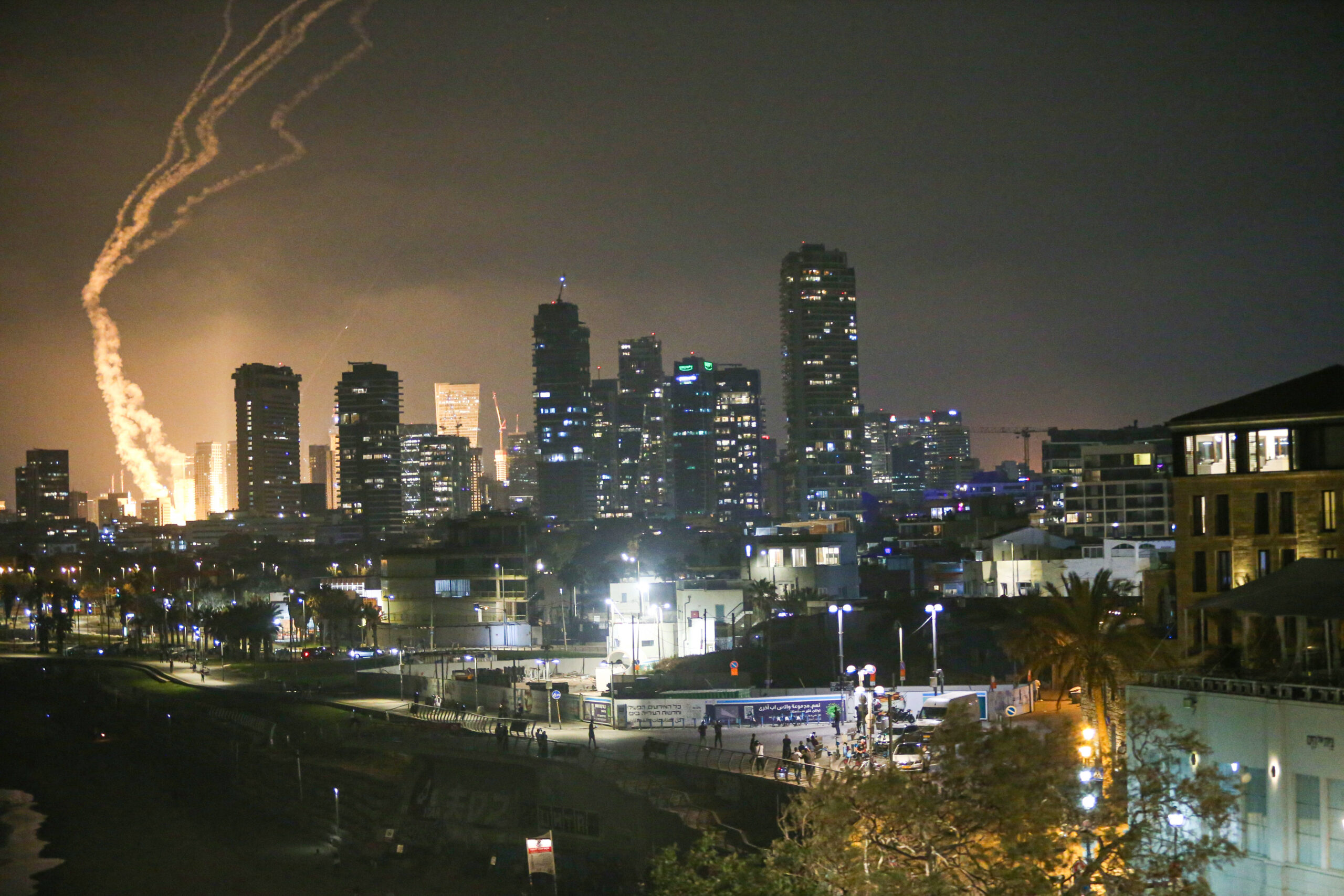
Bonus Episode: A Fragile Ceasefire Between Israel and Iran
This special Bonus Episode of Middle East Focus gives listeners access to a recent MEI press briefing on the evolving Israel-Iran conflict, recorded on Wednesday, June 25. You’ll hear from MEI’s Distinguished Military Fellow Vice Admiral Kevin Donegan, Distinguished Diplomatic Fellow Alan Eyre, and Senior Fellow Paul Salem who join MEI’s Ken Pollack to discuss the ongoing conflict, in light of the recent proposed ceasefire agreement.
While most international media are focused on what will happen today or this week between America and Iran, the real story is much bigger—the complete turning of the tables on Iran.
Three essential questions to ask in the aftermath of America’s attack on Iran
This past Monday, after 12 days of war, Israel and Iran agreed to a cease-fire brokered by the US and Qatar. Three key questions presently loom over US policy on Iran and the wider Middle East.
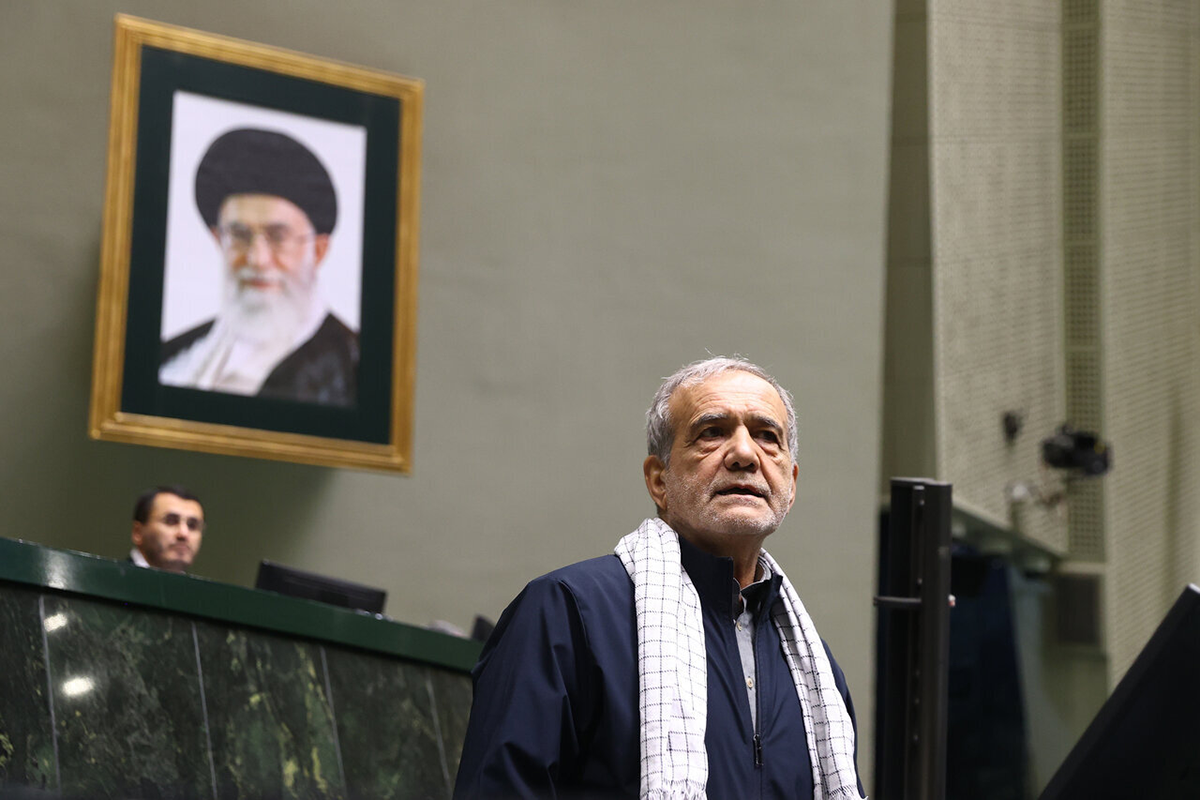
Pezeshkian’s overtures: Cosmetic change or real shift in power?
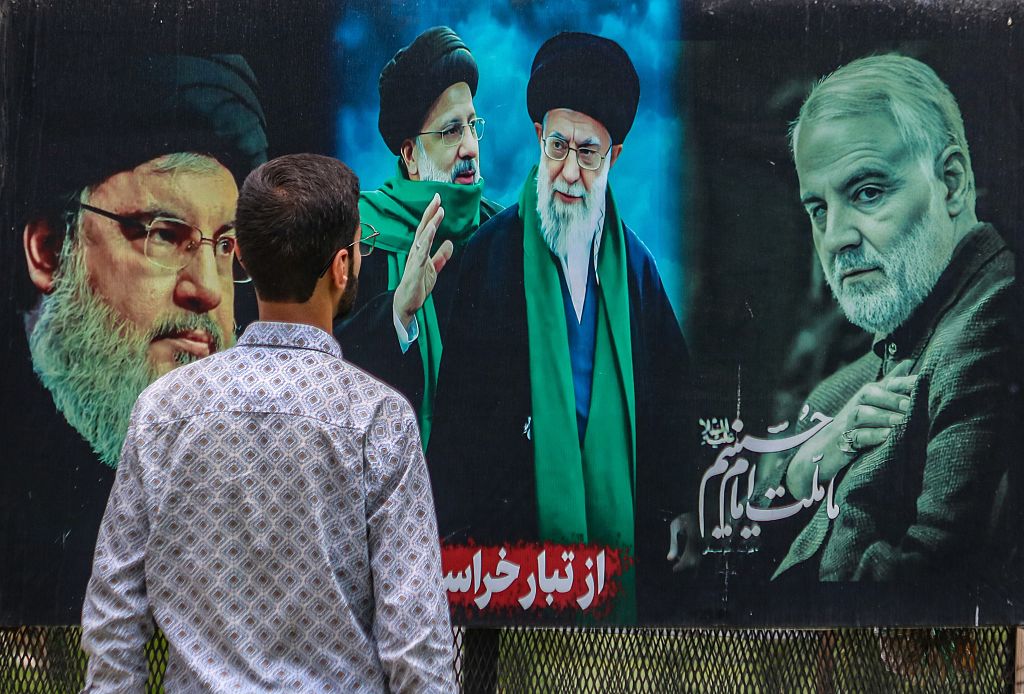
Where is Ali Khamenei? That is the question on the minds of many Iranians and foreign observers in the aftermath of the 12-day war between Iran and Israel. As missiles rained down and retaliatory strikes escalated, one voice was conspicuously absent: that of the supreme leader of the Islamic Republic.
Deal or Deception: The Kurdish Card in Erdogan’s New Game
The Kurdistan Workers’ Party (PKK) has announced it will disband and end its decades-long armed insurgency. Is this a turning point in Turkey’s century-long conflict with its Kurdish population—or a political maneuver to secure President Erdogan’s grip on power? Gonul Tol is joined by Kurdish MP Ceylan Akca and political scientist Murat Somer to unpack the stakes of this historic shift, the demands for constitutional recognition, and whether peace is possible in a country where democracy itself is under threat.
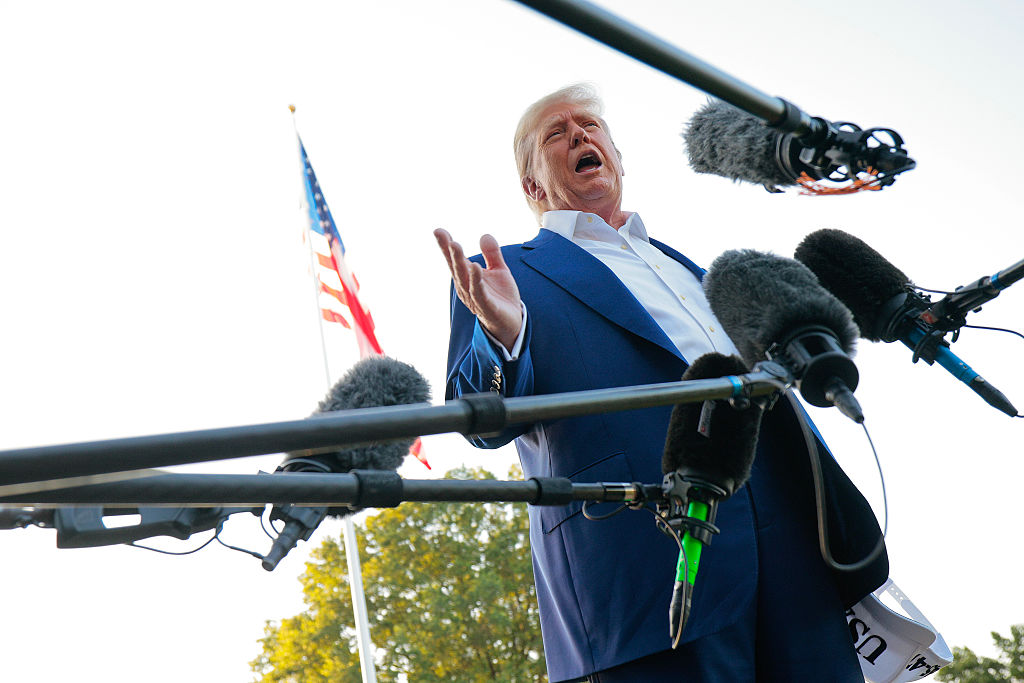
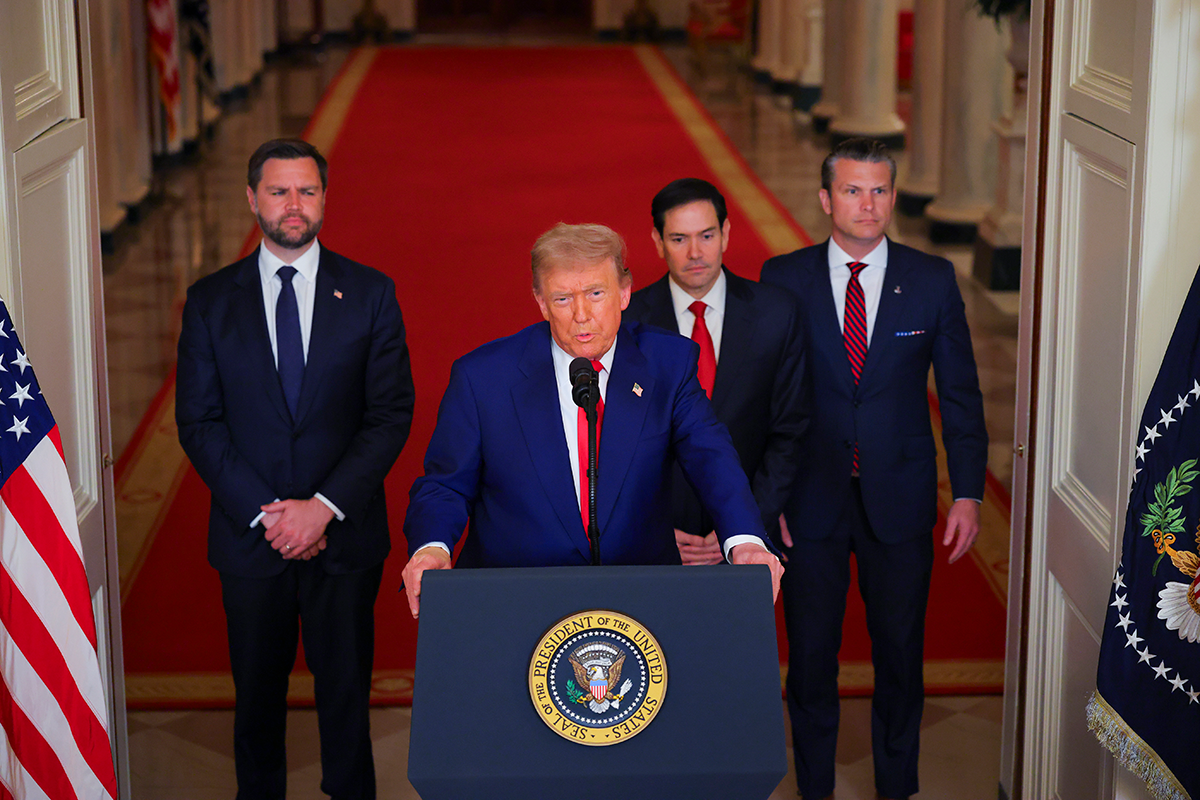
Trump at war with Iran: Regime change, risk, and the hidden battle inside Tehran
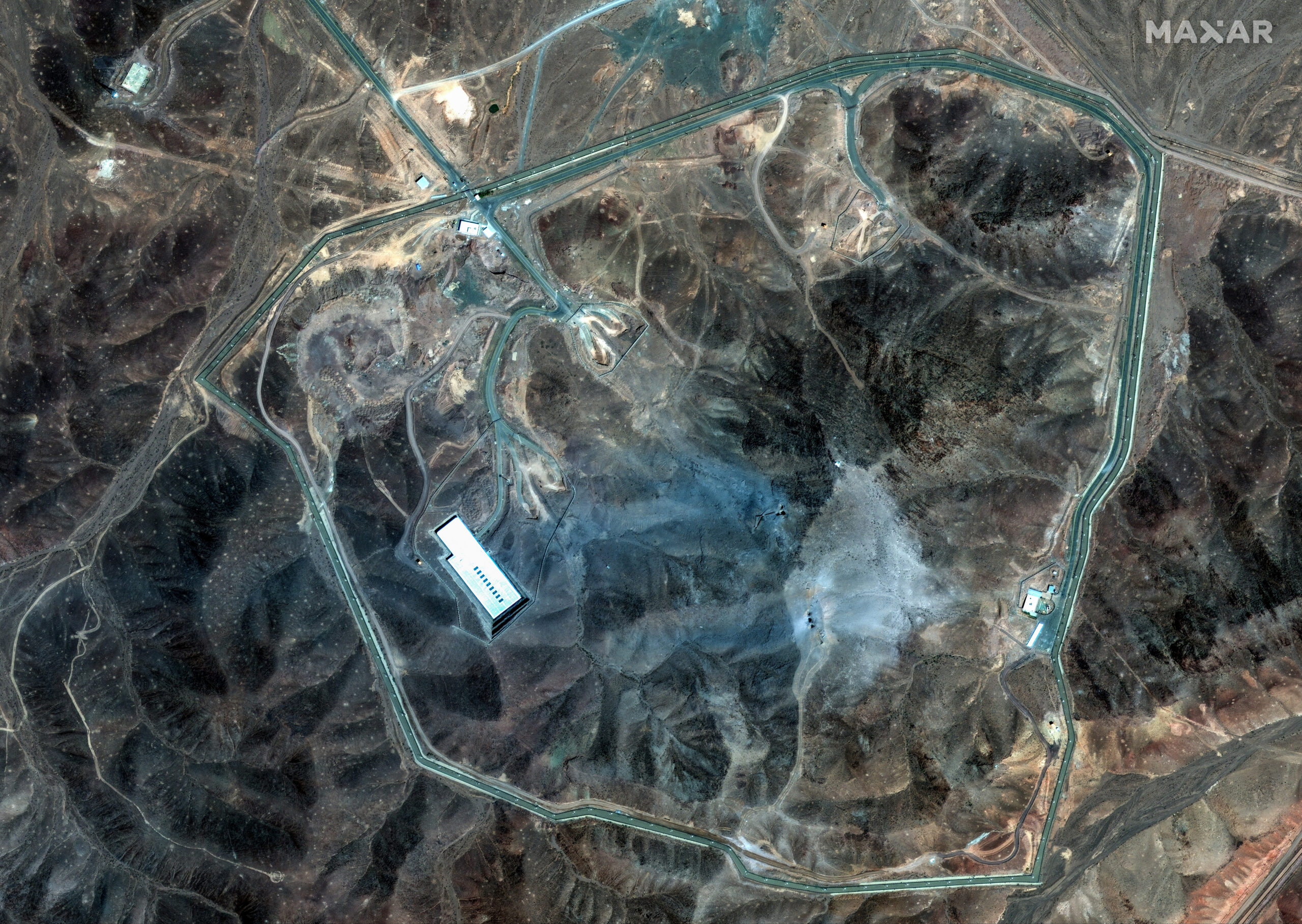
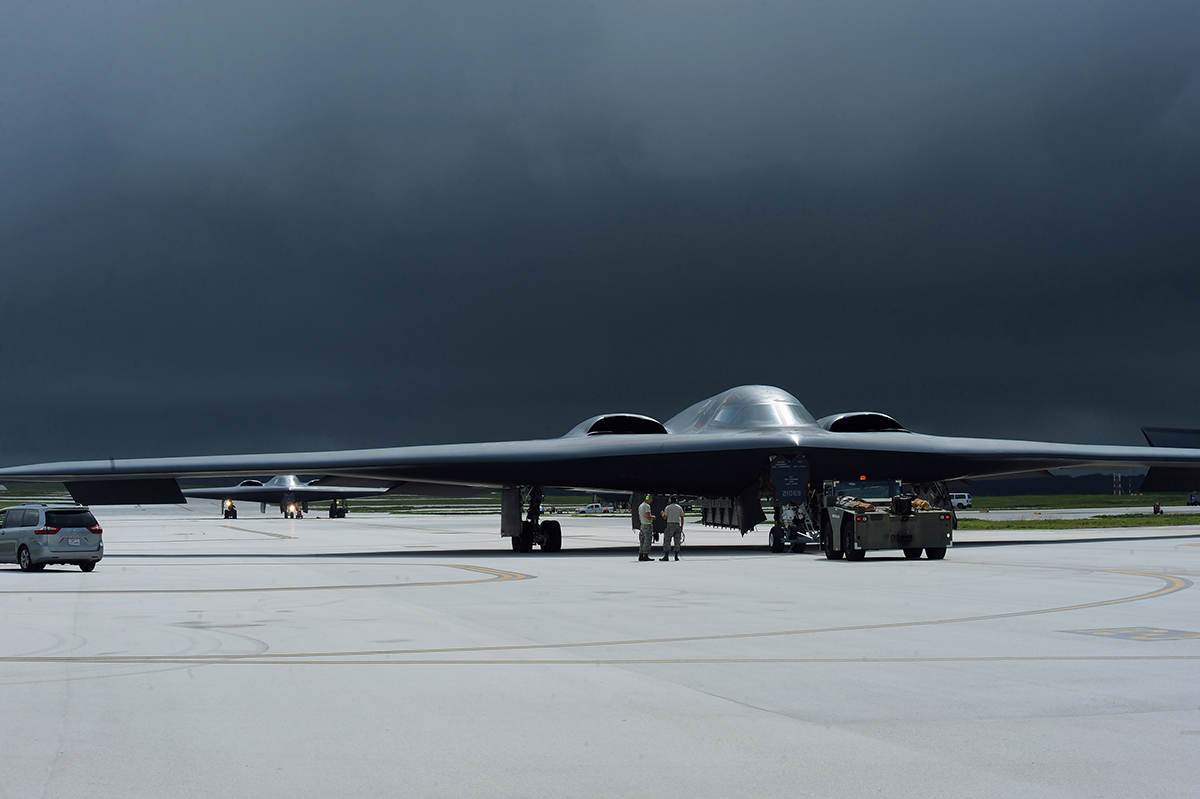
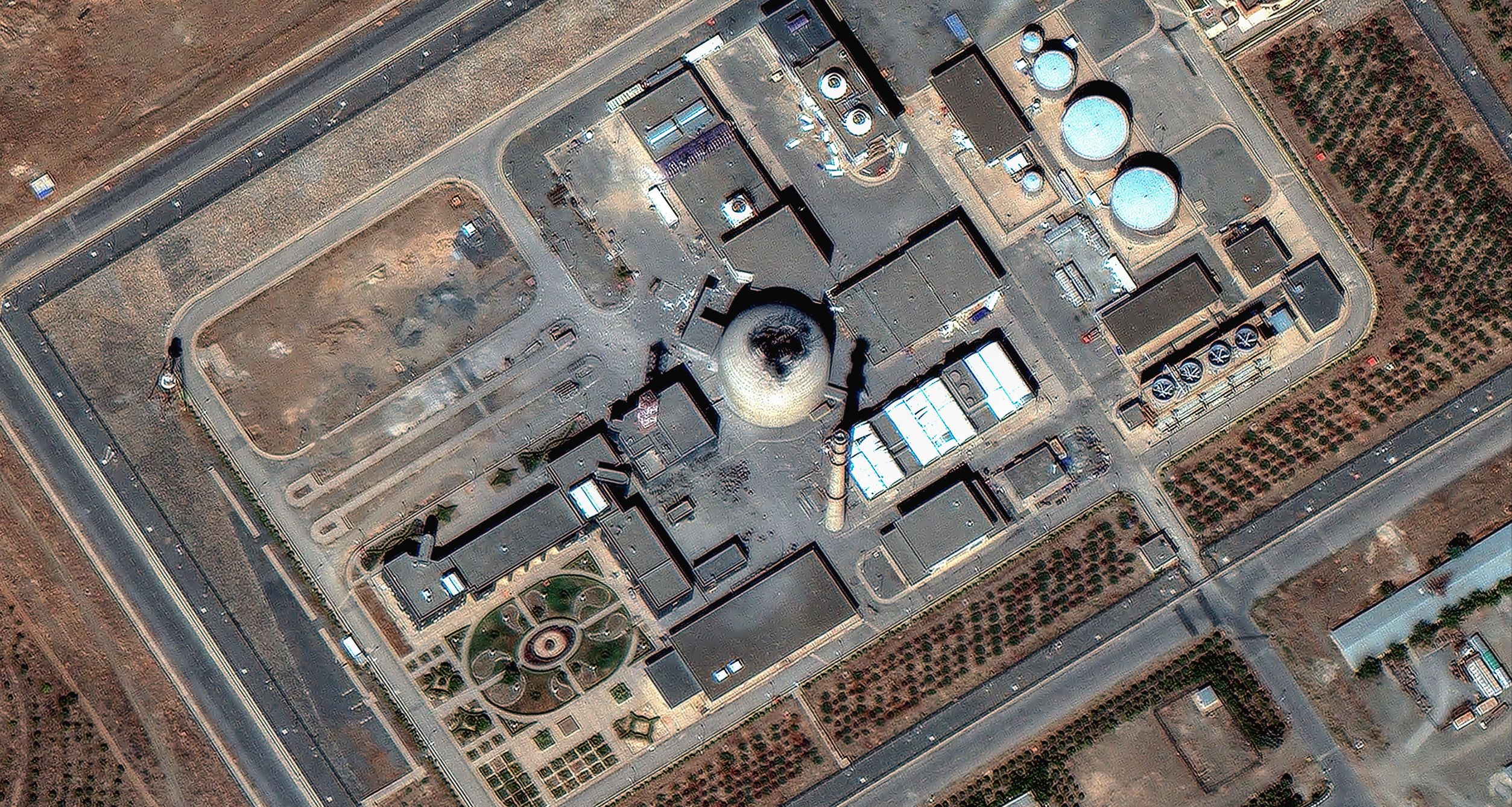
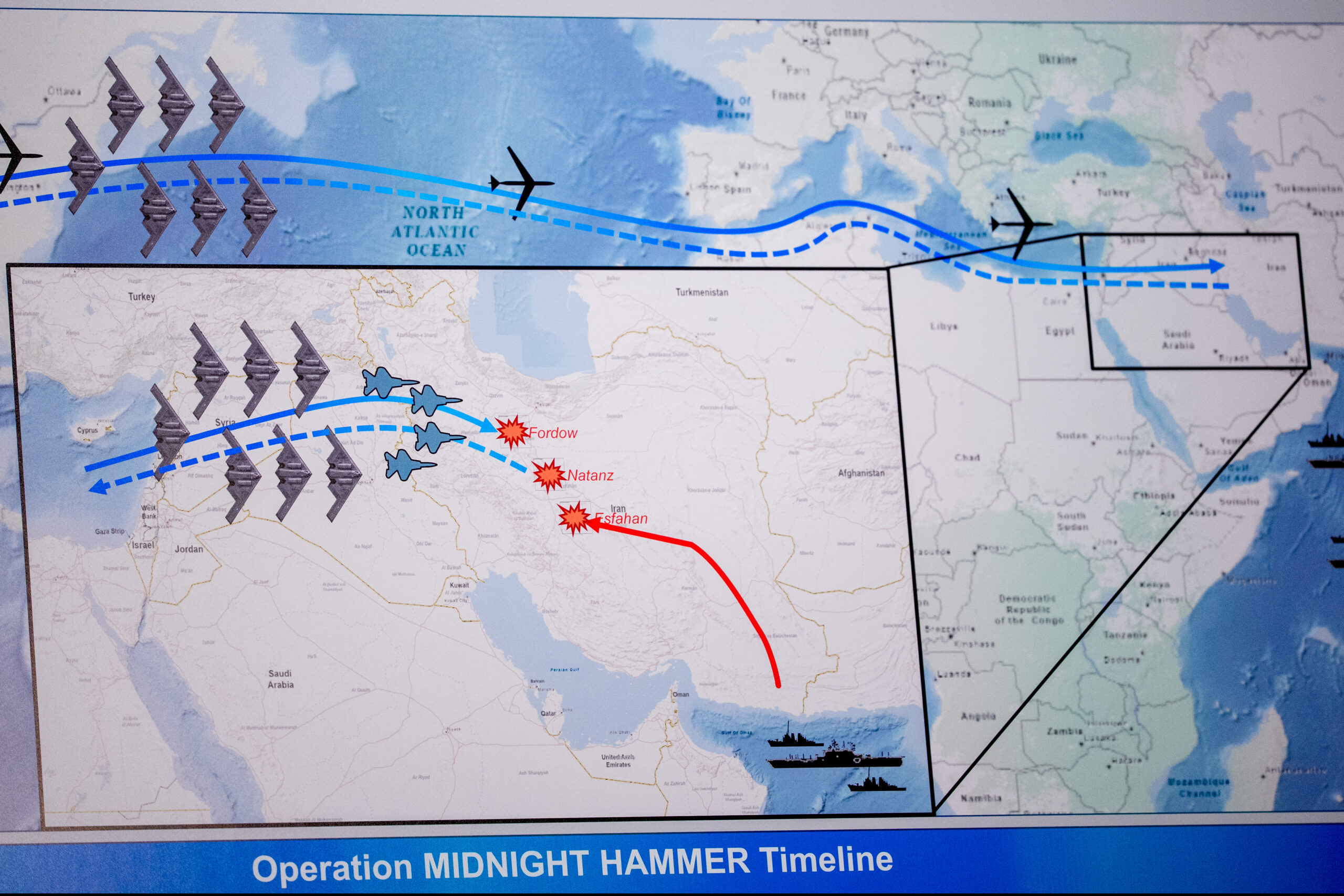
The United States is now at war with Iran, or at least something dangerously close to it. The June 21 US strikes on key Iranian nuclear infrastructure, including the underground Fordow facility, marked a dramatic escalation. Yet Washington has carefully avoided calling this a full-scale war.
The US enters Israel’s war with Iran — MEI experts react
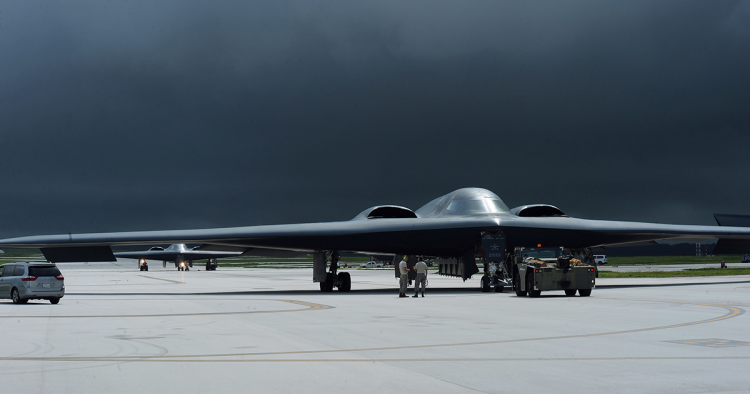
The United States struck three nuclear facilities in Iran on the evening of June 21, in the midst of the ongoing Israel-Iran conflict. MEI scholars provide real-time analysis to help make sense of what this escalation means and what might come next.
Caught in the crossfire: How the Iran-Israel war undermines Erdoğan’s agenda
Israel’s full-blown war against Iran threatens to upend regional dynamics and Turkey’s careful balancing act. The conflict presents both immediate threats and long-term strategic risks for Turkey.
US has an opening to force concessions from Iran in a potential deal
As the Israel-Iran conflict intensifies, warnings are growing louder that the war could result in hazardous and destructive radiological spillover to much of the region. But the posturing of various key actors in the Gulf and beyond has opened the door to a broader political settlement between the United States and Iran that could end the hostilities before such a dangerous scenario comes to pass.
As the war between Iran and Israel continued, Supreme Leader Ayatollah Ali Khamenei delivered a speech on June 17, framing the conflict as an “imposed war” and calling for national unity. But instead of using this moment to explore diplomatic off-ramps, particularly as President Donald Trump signaled the possible direct participation of the United States in the war on the side of Israel, Khamenei opted for posturing over negotiation and left the Iranian people even more fearful about the future.