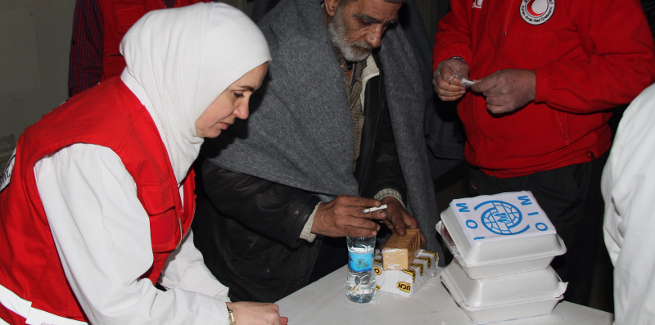
Five years of war have unexpectedly reset gender roles in Syria. With so many men killed or missing, women are finding themselves the main supporters of their families and communities, and are often breaking with tradition and cultural taboos.
“Activists that engaged with the revolution have experienced big differences in gender relations, especially among the most conservative women,” said a 30-year-old underground activist and filmmaker in government-held central Damascus. She goes by the name Rafia, and she spoke to this author by Skype.
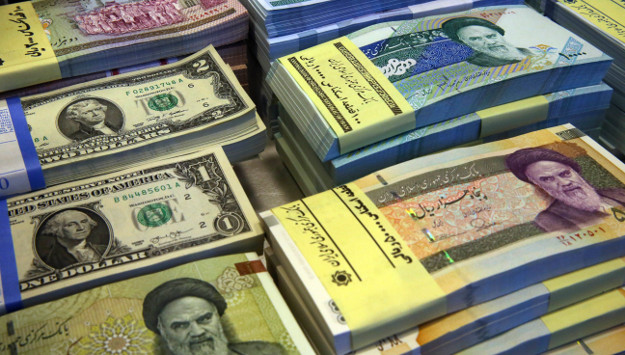
Two weeks ahead of critical elections, President Hassan Rouhani can boast of achieving two of his key election pledges from 2013: He secured a groundbreaking diplomatic nuclear deal with world powers and has removed crippling sanctions on the country. Rouhani should, therefore, feel confident ahead of the Feb. 26 vote and see himself as well on course to winning re-election in 2017.
U.S. Should Allow International Input in Israel-Palestine
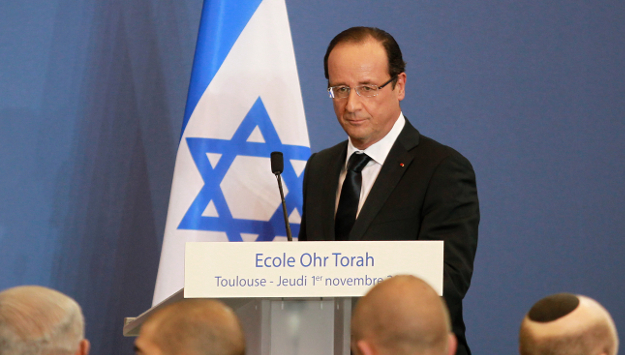
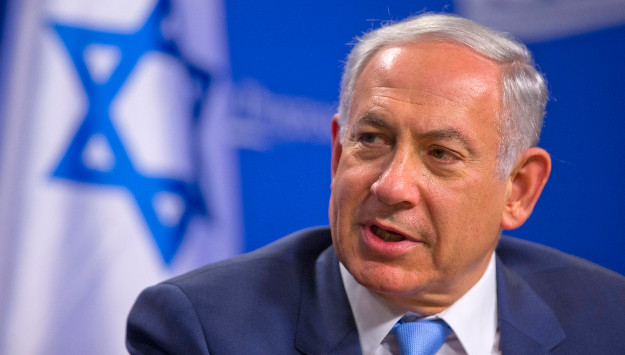
For the first time in almost half a century, the United States has acknowledged that it is “out of ideas” about how to address Israel’s occupation and fulfill a declared American interest in establishing a Palestinian state at peace with Israel.
Situating the GCC in China's Transforming Roles in Asia
China is a major economic partner of the GCC countries. This essay discusses the size and scope of this economic relationship, and considers how these ties might evolve as China’s ambitious One Belt One Road (OBOR) and Maritime Silk Road (MRS) initiatives take shape.
The Streets of Old Delhi: Order in a Seemingly-Chaotic Public Realm
The streets and alleyways of Old Delhi are among the best-known examples of traditional urban environments in India. They are characterized by a great variety of users and activities, changing substantially according to day of the week, time of day or night, weather, seasons, and the cycle of public holidays, religious festivals and other special events. Despite all the hustle and bustle, however, there are informal norms and practices that influence the use of space and that keep accidents, property damage and criminal activity to low levels. This paper explores the continued viability of Old Delhi and the informal norms and practices that keep it functioning.
Can Silicon Valley Help in Social Media War With ISIS?
On January 8, 2016, the White House announced the creation of a new Countering Violent Extremism Task Force, hosted at the Department of Homeland Security. In many ways, this task force is an extension of the 2011 strategy, Empowering Local Partners to Prevent Violent Extremism in the United States, as well as the 2015 Summit on Countering Violent Extremism. But the White House also used the opportunity to emphasize the role that social media plays in violent extremism today.
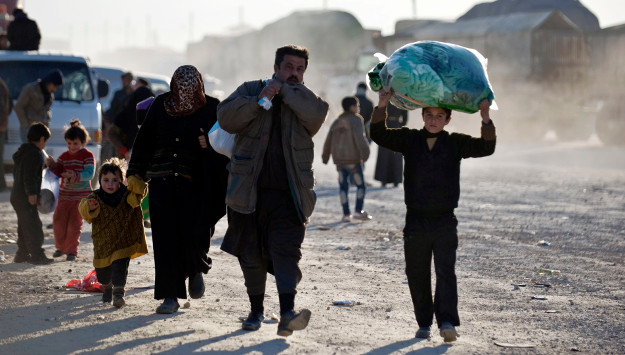
Not only is the battle for Aleppo sending tens of thousands of desperate people fleeing toward Turkey, but the fall of the rebel-held city would deliver a major blow to Ankara’s Syria policy.
Political and security ties between Saudi Arabia and China have developed far more slowly than have their economic relations. This essay explores the security dimension of the relationship between Saudi Arabia and China, and attempts to shed light on the question of why Sino-Saudi cooperation in the security sphere has been very limited.
The demise of Sheikh Khalifa Bin Saeed al-Qassimi, the Arab ruler of the southern Persian governorate of Lingah, in the late 19th century resulted in its bustling port switching to Iranian hands.
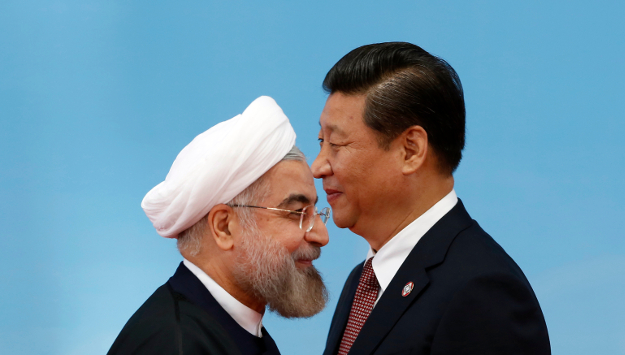
China and Iran: An Emerging Partnership Post-Sanctions
This essay is part of the series “All About China”—a journey into the history and diverse culture of China through essays that shed light on the lasting imprint of China’s past encounters with the Islamic world as well as an exploration of the increasingly vibrant and complex dynamics of contemporary Sino-Middle Eastern relations. Read more
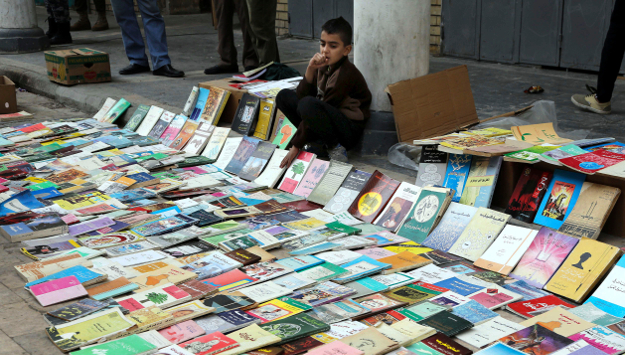
The Arab Spring’s seismic impact on the region not only shifted the political landscape, it also sparked a new wave of cultural thought. It refocused attention onto Arabic arts and literature as a prism through which various scholars sought to understand ongoing social changes.
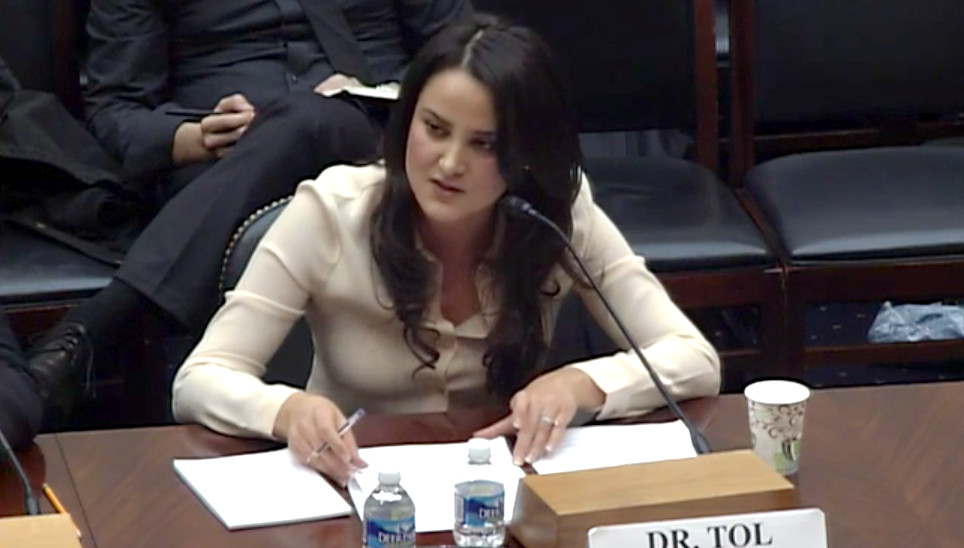
Gonul Tol, director of MEI’s Center for Turkish Studies, delivered the following testimony at a hearing of the U.S. House of Representatives’ Foreign Affairs Subcommittee on Europe, Eurasia, and Emerging Threats on February 3, 2016. Click here for video of the hearing.
Mr. Chairman, members of the Committee, it is an honor to be invited to speak with you today about the political trends in Turkey in 2016.