This individual is a guest contributor. MEI is not able to assist with contact requests.
Jean-Pierre Cassarino holds a professorship at the Robert Schuman Center for Advanced Studies (RSCAS/European University Institute, Florence) where he directs the Return migration and Development Platform (http://rsc.eui.eu/RDP/). He is also research associate at the Tunis-based Institut de Recherche sur le Maghreb Contemporain (IRMC). Since the mid-1990s, he has published extensively on international migration, particularly on return migration and has carried out numerous field surveys investigating returnees’ manifold patterns of reintegration. Selected publications include: (ed.) Unbalanced Reciprocities: Cooperation on Readmission in the Euro-Mediterranean Area, The Middle East Institute Press, Washington, 2010; (ed.) “Conditions of Modern Return Migrants”, International Journal on Multicultural Societies, Vol. 10, Issue 2, UNESCO, Paris, 2008; (ed.) Return Migrants to the Maghreb Countries: Reintegration and development challenges, RSCAS, European University Institute, Florence, 2008; Tunisian New Entrepreneurs and their Past Experiences of Migration in Europe: Networks, Resource Mobilisation, and Hidden Disaffection. Ashgate Publishers, Aldershot, 2000. Email: [email protected]
As protesters’ slogans and chants have made clear, the current protests are definitely not about the economy, but about opposition to the regime more broadly and its political and social oppression. Yet Iran’s economic problems have created an atmosphere that encouraged and fueled protesters’ anger and have done nothing to help the regime.
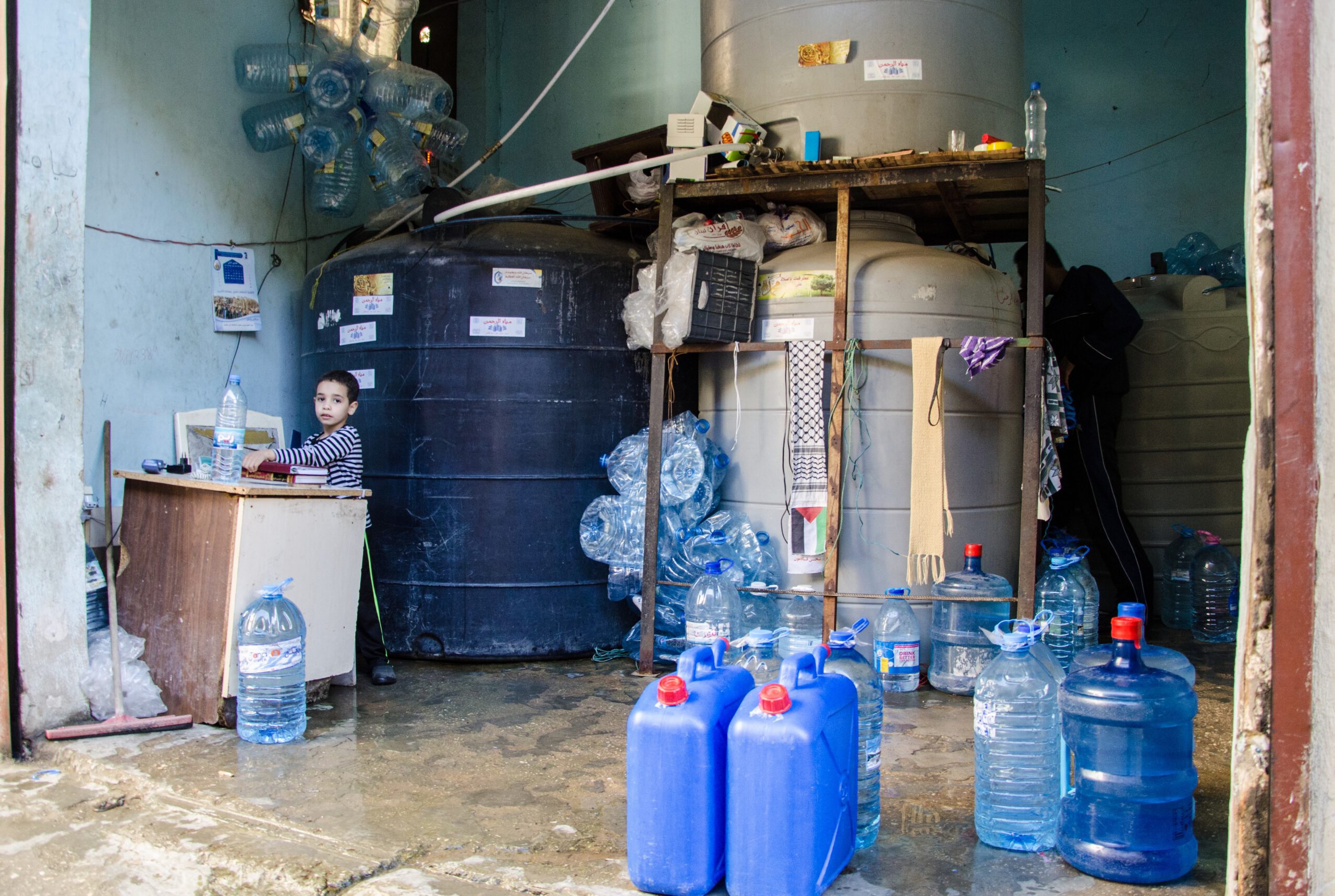
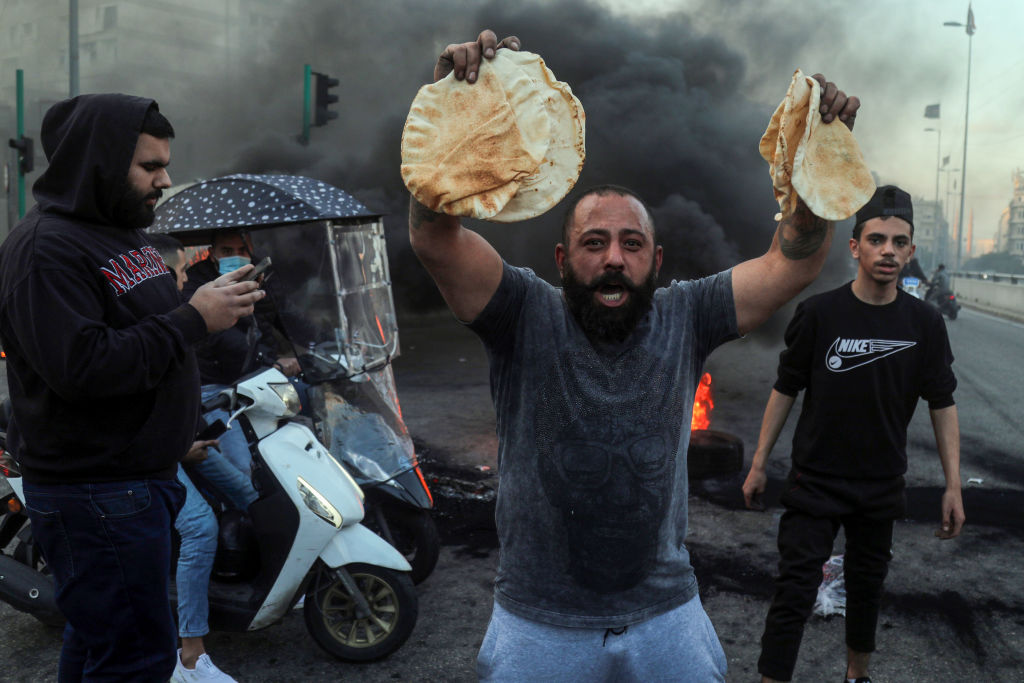
Amid Lebanon’s perfect storm of crises, water demands attention
Lebanese crises have repeatedly made international news since October 2019, when the country witnessed the start of a popular revolution against a stagnant and corrupt political elite. Much less discussed but no less critical is the issue of water. The problem has been slumbering for years but has recently come to light along with other failings of the Lebanese government.
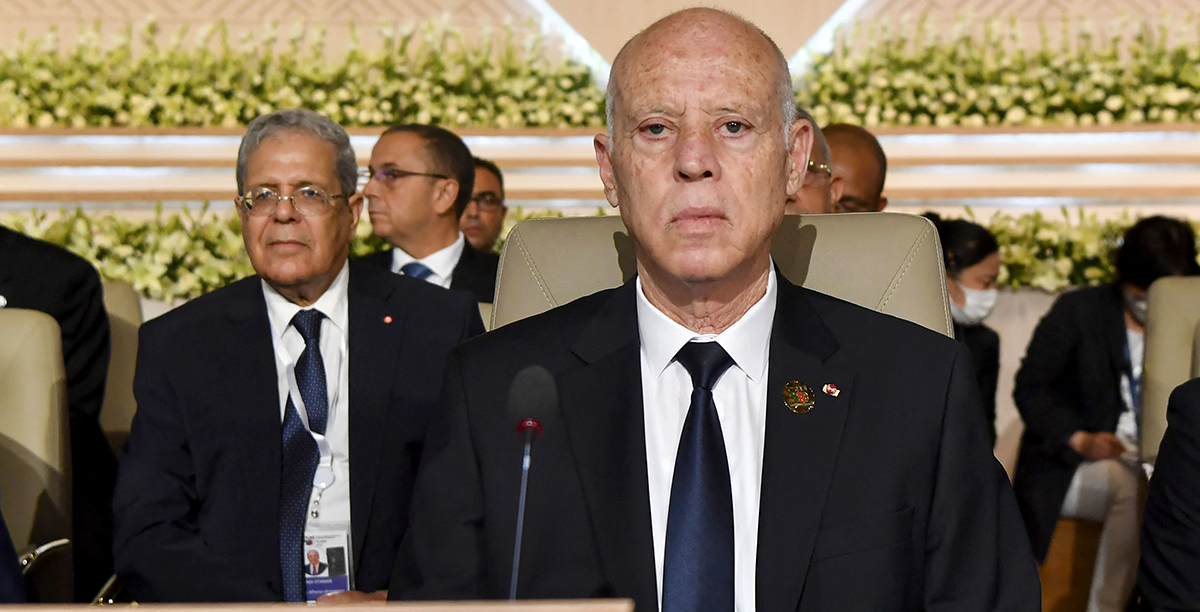
With the decree of a new election law on Sept. 15, President Kais Saied continues rebuilding the formal political mechanisms of the Tunisian state — what some see as a “third republic.” The new law sets the terms for the legislative elections scheduled to be held on Dec. 17, 2022, and it comes only shortly before nominations for candidacies for those elections begin on Oct. 17.
Iulia Joja interviews Henry Sokolski, the executive director of the Nonproliferation Policy Education Center, about how tactical nuclear weapons might play into Vladimir Putin’s Ukraine strategy.
Opinion: Meet the tough women leaders taking on Vladimir Putin
It’s striking, the large number of brave women who are leading the protests against Iran’s violent and vicious theocratic regime. It’s likewise notable that young women lead the Ukrainian organization just awarded the Nobel Peace Prize. Arguably less noticed yet equally important: Across Europe, it’s women who are transcending political and geographic boundaries to call for an end to Russia’s brutal aggression.
Pragmatic jihadist or opportunistic warlord? HTS’s Jolani expands his rule in northern Syria
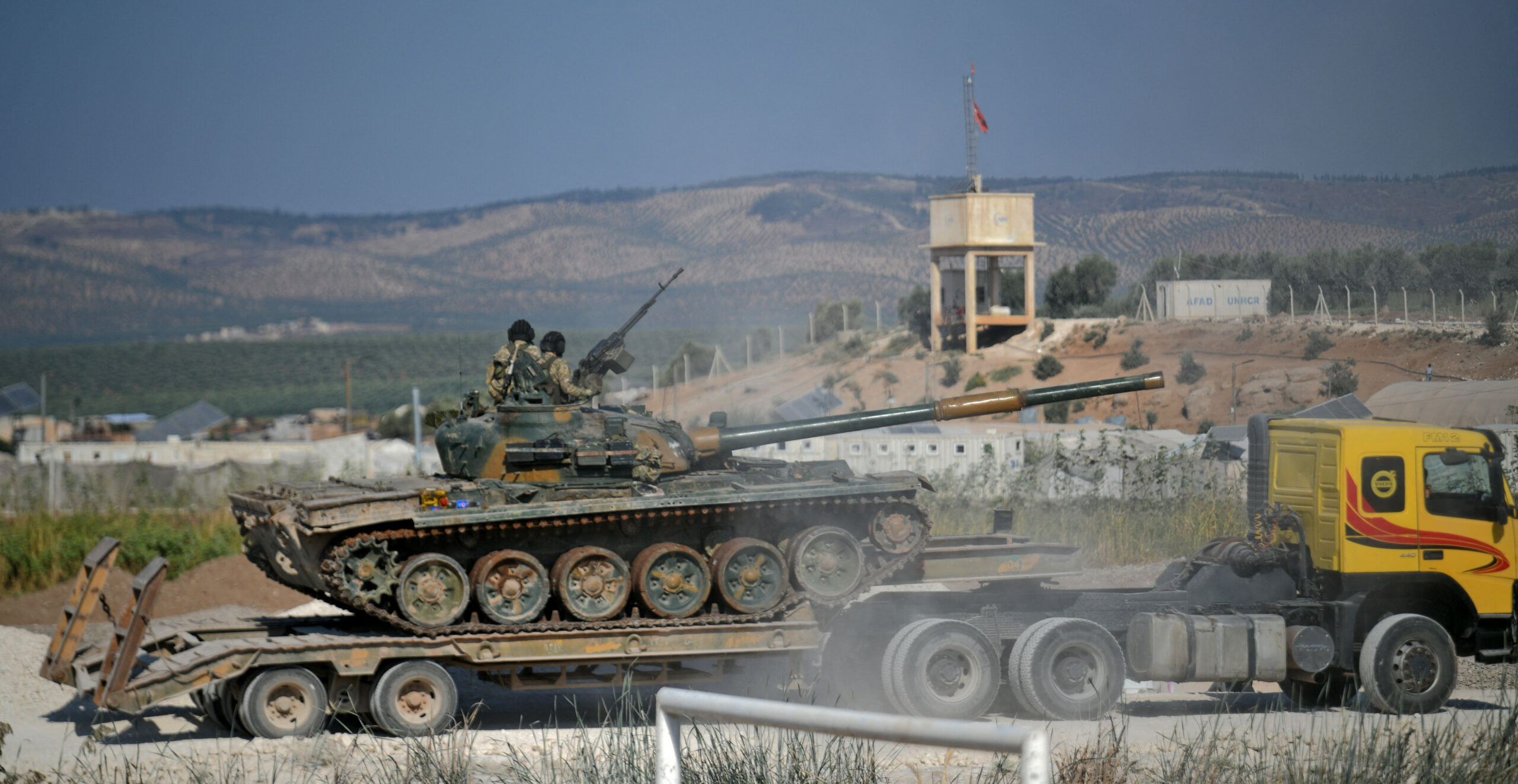
The jihadist group Hayat Tahrir al-Sham (HTS) in Syria has dispatched its fighters from greater Idlib eastward, taking full control of Afrin city and at least 26 towns and villages to its southwest, most without a fight. This has placed many of its jihadist opponents back under HTS’s control. The dynamics of northwestern Syria are shifting, and the consequences look likely to be extremely significant.
Over the past decade, Turkey has been on a steadily downward economic trajectory. Throughout this long period of turmoil the government has pursued a range of different economic policies, most of which were inconsistent with one another. The transition to a presidential system under Erdoğan has had a disastrous impact on Turkey’s economic institutions and administration. This paper explores the impact of the presidential system on the Turkish economy, the country’s economic outlook, and potential solutions to the current crisis, as well as the opposition’s role and ability to implement them, with an eye to the June 2023 elections.
Pakistan's Climate, Economic, and Political Crises
Relentless floods in Pakistan have resulted in thousands of deaths, widespread displacement, and economic devastation. Today, we discuss these impacts as well as Pakistan’s broader economic and climate change challenges, the ongoing political crisis, and developments on the foreign policy front.