Jean-Pierre Cassarino holds a professorship at the Robert Schuman Center for Advanced Studies (RSCAS/European University Institute, Florence) where he directs the Return migration and Development Platform (http://rsc.eui.eu/RDP/). He is also research associate at the Tunis-based Institut de Recherche sur le Maghreb Contemporain (IRMC). Since the mid-1990s, he has published extensively on international migration, particularly on return migration and has carried out numerous field surveys investigating returnees’ manifold patterns of reintegration. Selected publications include: (ed.) Unbalanced Reciprocities: Cooperation on Readmission in the Euro-Mediterranean Area, The Middle East Institute Press, Washington, 2010; (ed.) “Conditions of Modern Return Migrants”, International Journal on Multicultural Societies, Vol. 10, Issue 2, UNESCO, Paris, 2008; (ed.) Return Migrants to the Maghreb Countries: Reintegration and development challenges, RSCAS, European University Institute, Florence, 2008; Tunisian New Entrepreneurs and their Past Experiences of Migration in Europe: Networks, Resource Mobilisation, and Hidden Disaffection. Ashgate Publishers, Aldershot, 2000. Email: [email protected]
The Latest from Jean-Pierre Cassarino
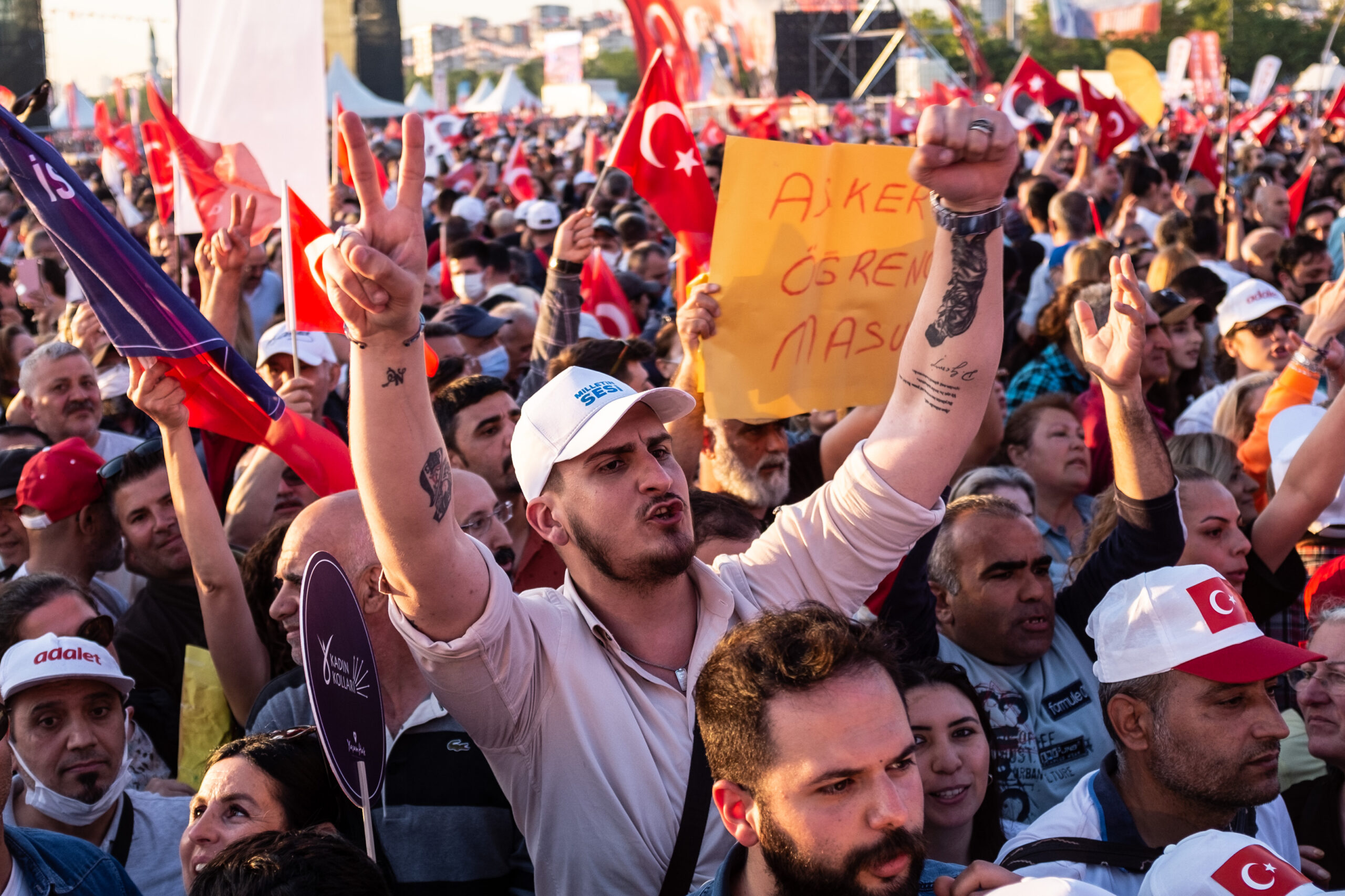
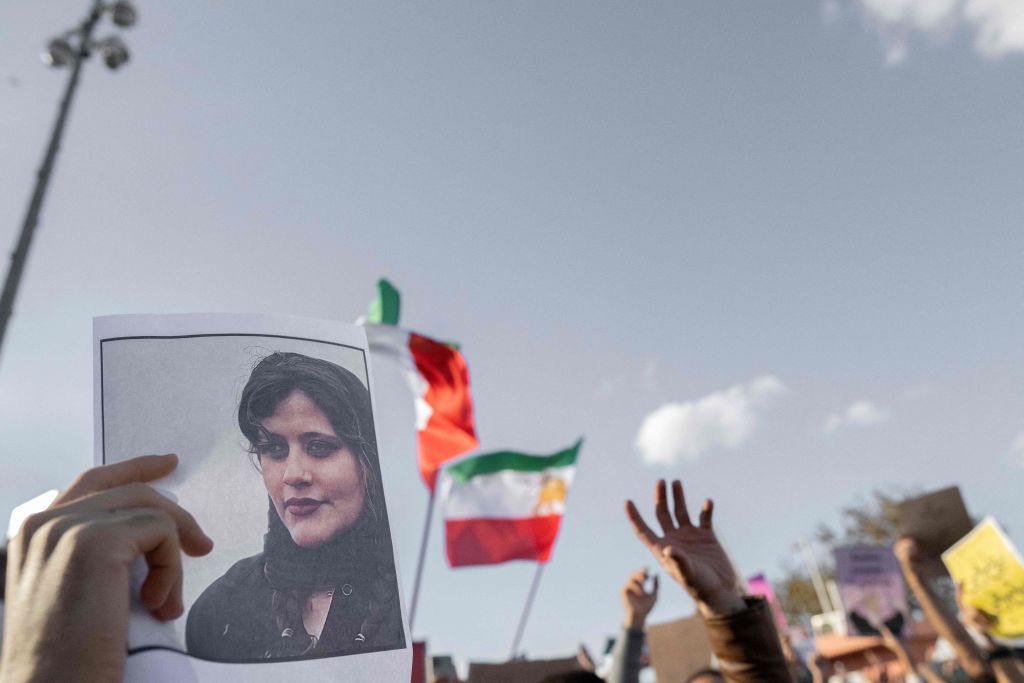
Monday Briefing: As Iran’s protests spread, the regime pursues “maximum suppression”
Read MEI’s weekly briefing featuring expert analysis of key regional developments for the week ahead.
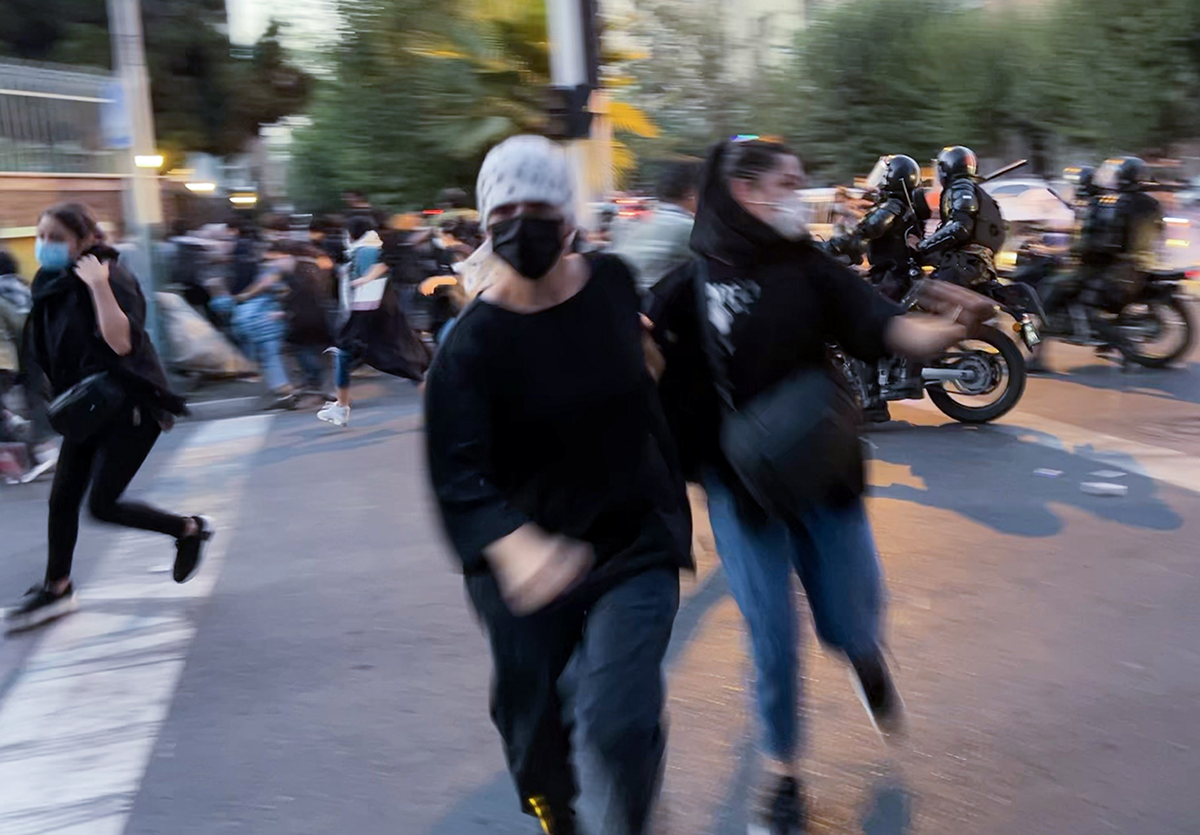
Opinion: How the Biden administration can respond effectively to Iran’s crackdown on protests
The last few weeks in Iran arguably have been as tumultuous as the final days before the fall of the Shah. And they could be just as consequential — if the West and regional powers respond appropriately. While Iran is undeniably at the center of this escalating conflict, what external actors do matters.
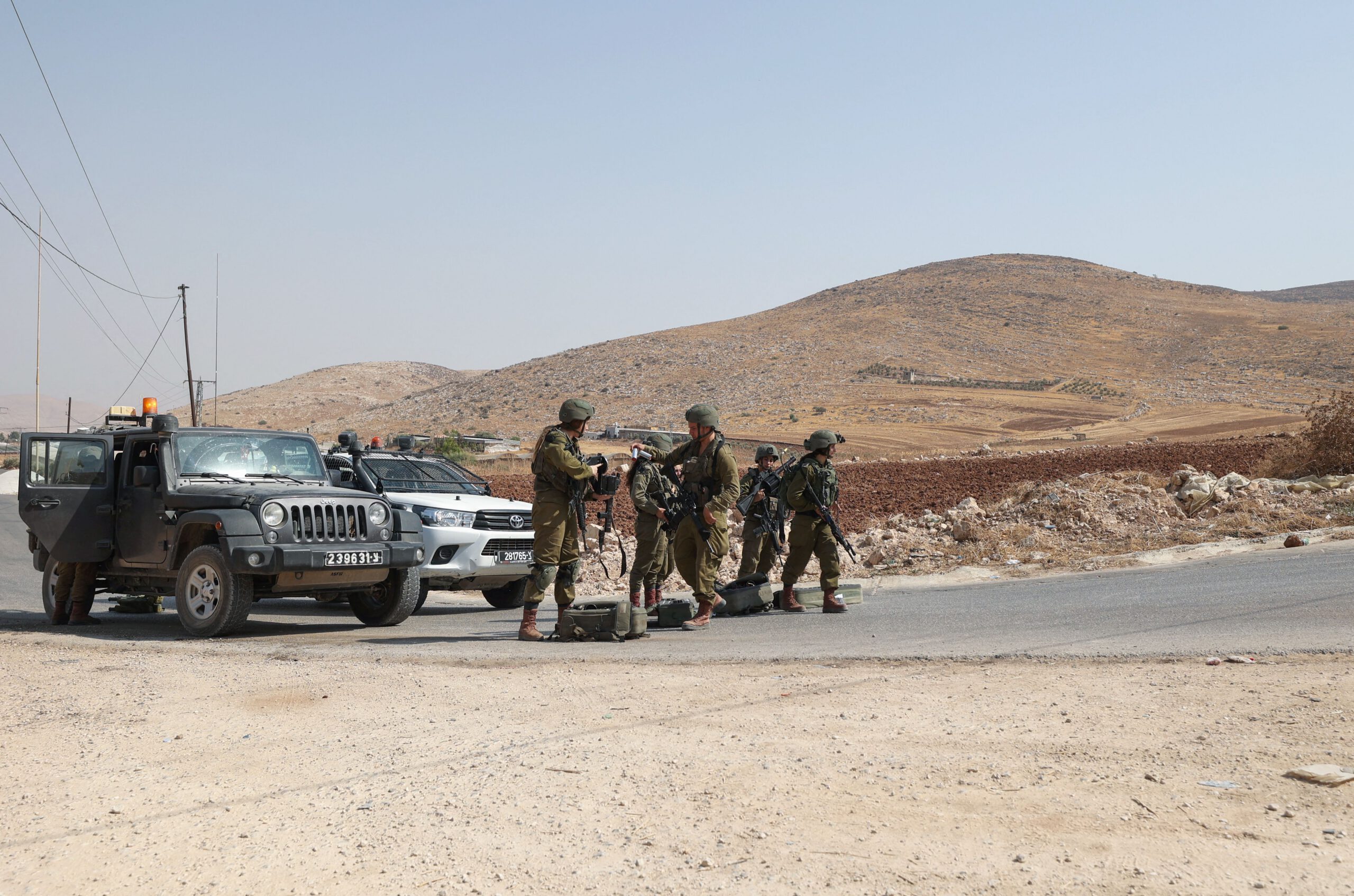
The Widening Crackdown on Palestinians in the Occupied Territories and its Humanitarian and Political Implications
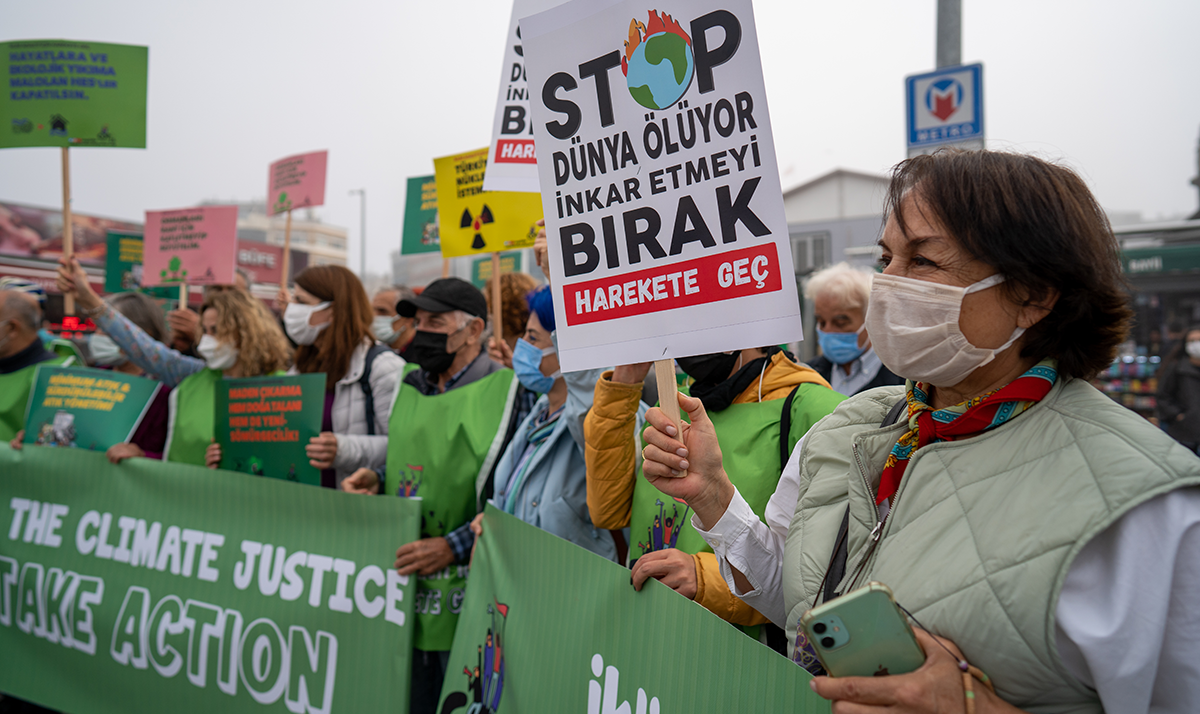
COP27: A time to address the “triple inequality”
Since the founding of the UNFCCC at the Rio de Janeiro Earth Summit in 1992, climate justice has been a contentious issue that has divided developed and developing countries. The concept of climate justice is crucial for negotiating the diverse responsibilities of different nations and actors, and for shaping climate policies, and it has arguably come a long way since the early days of global climate change negotiations.
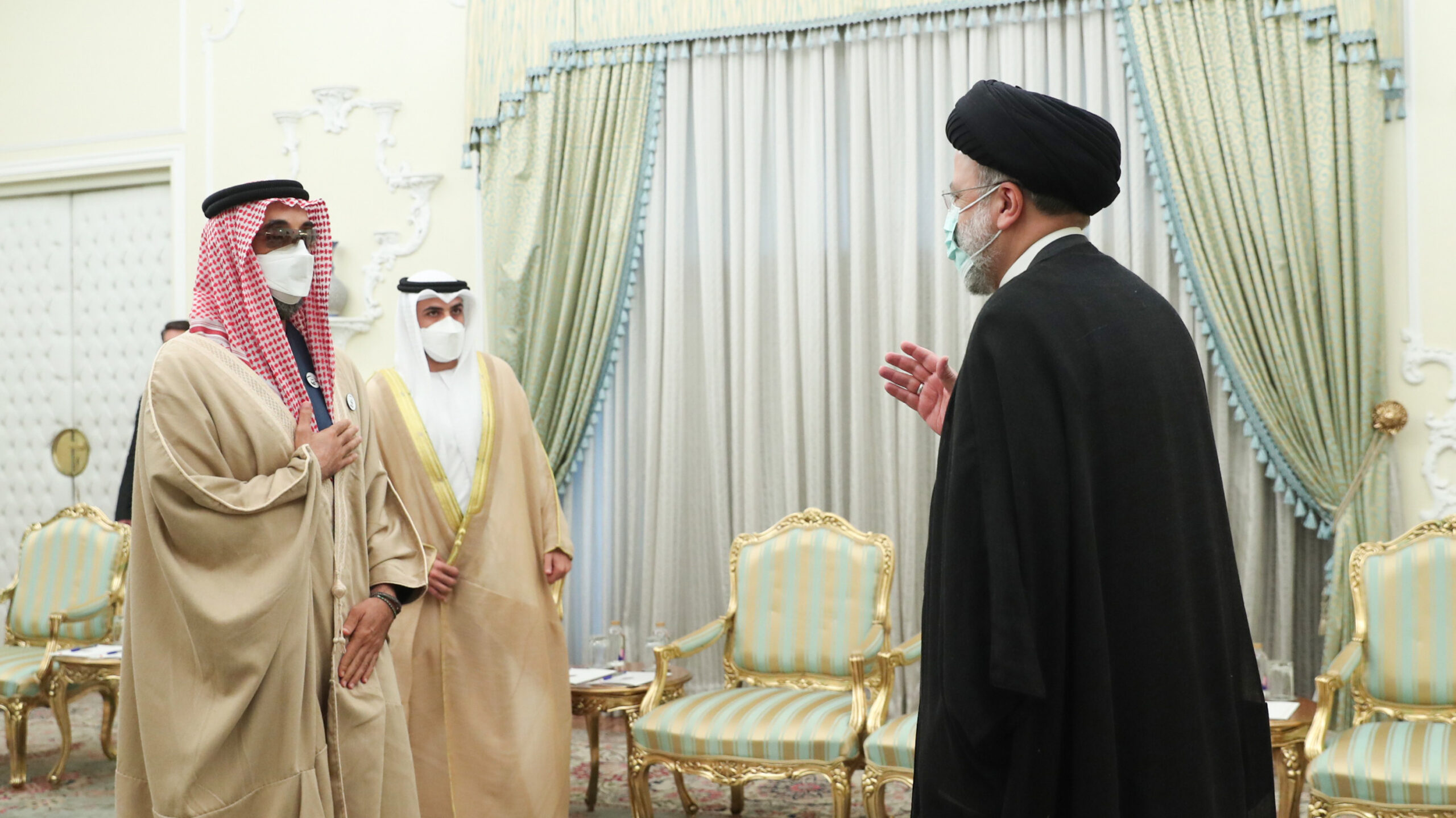
Structural impediments to Iranian-Gulf Arab reconciliation
As welcome as recent moves toward Iranian-Gulf détente have been, extensive obstacles continue to stand in the way of a real and sustained relaxation of tensions, cause by what international relations scholars call the “security dilemma.”
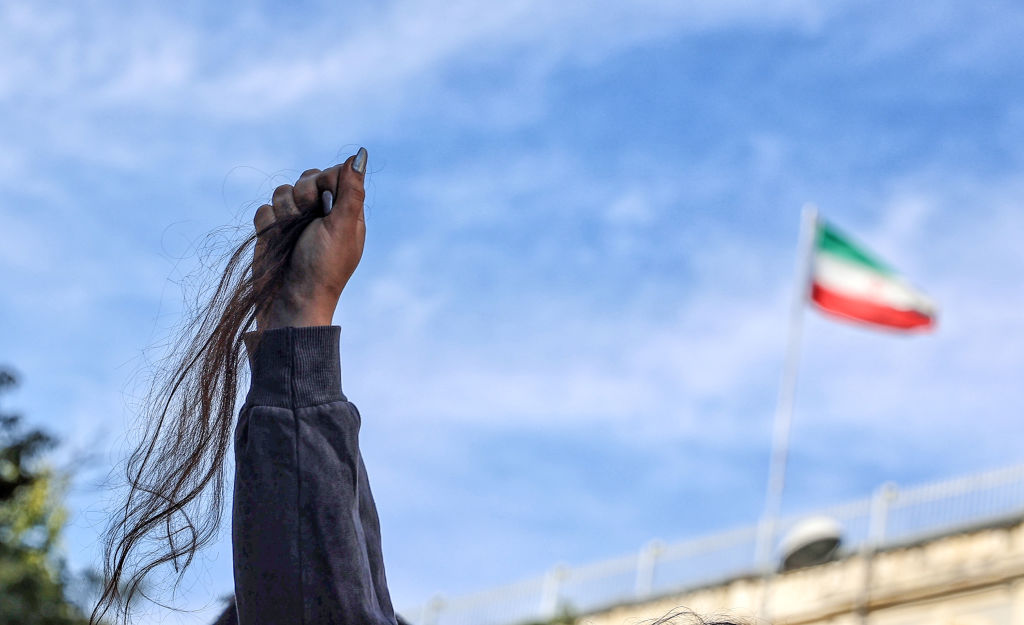
Monday Briefing: Iranian women’s uprising: Too personal and too political
Read MEI’s weekly briefing featuring expert analysis of key regional developments for the week ahead.
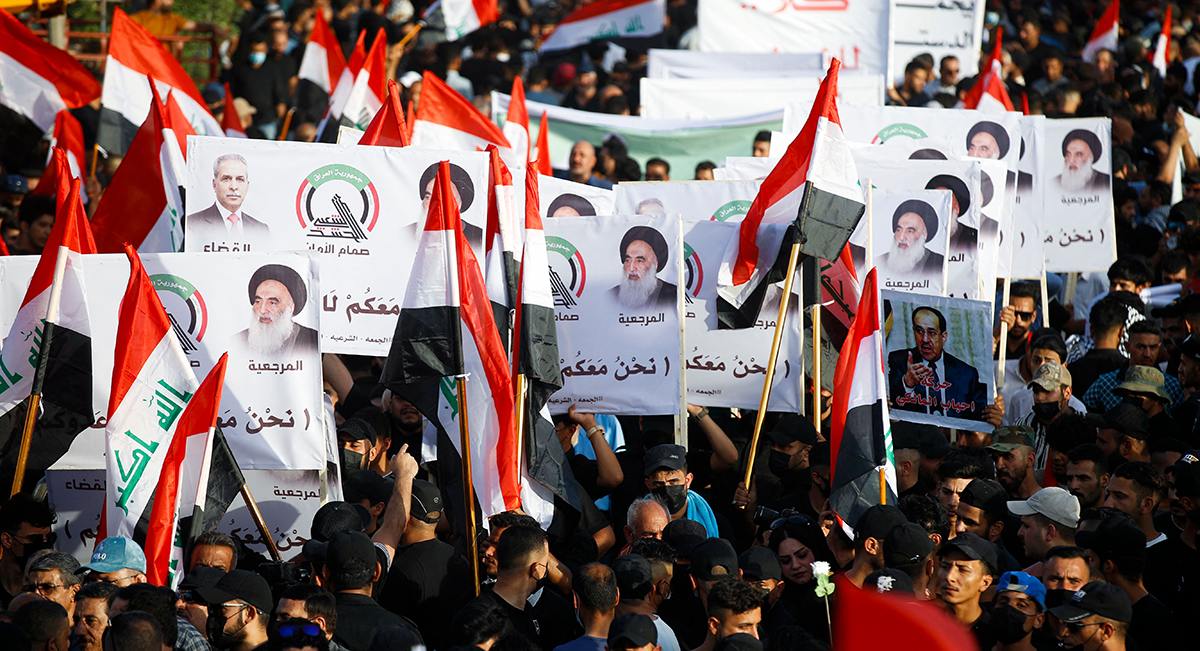
Iraq’s crisis of elite, consensus-based politics turns deadly: The Coordination Framework
Iraq’s ongoing government formation power struggle pits the Sadrist Movement, led by populist Shi’a cleric Sayyid Muqtada al-Sadr, against the Coordination Framework (CF), a loose association of Shi’a parties, united mostly by their opposition to the Sadrist Movement. This piece explores the perspectives of members of the CF and their supporters toward the crisis.
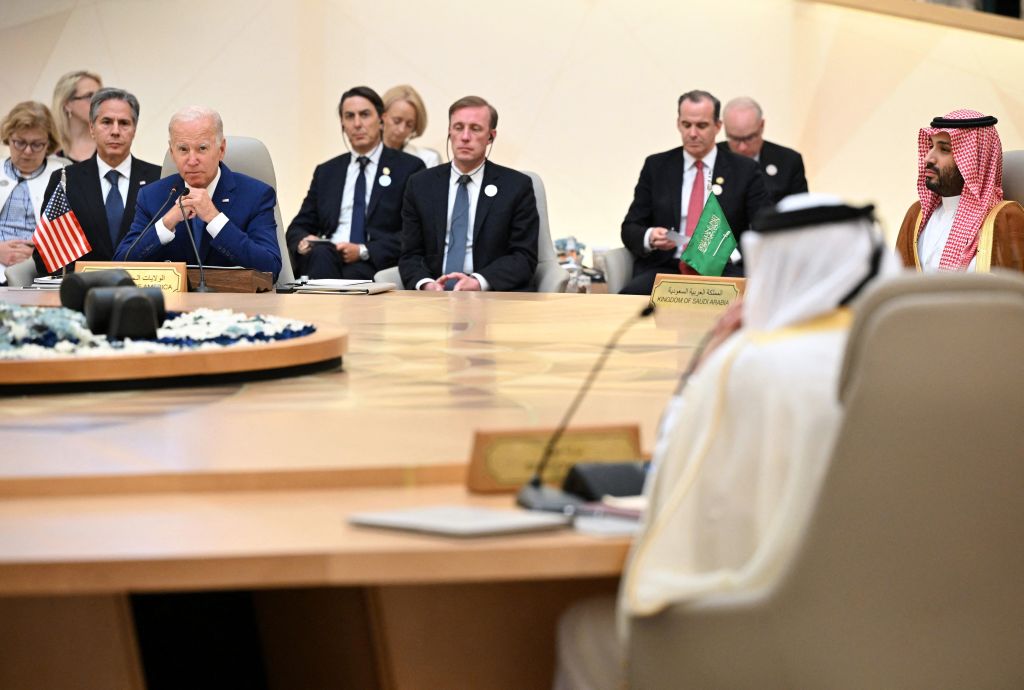
How to Overcome the Pitfalls of the Saudi-Iran Dialogue
The Saudi-Iran dialogue continues, but has produced little progress. As James Jeffrey of the Wilson Center and Bilal Saab of the Middle East Institute argue, part of the reason is that the two powers have fundamentally different objectives for the negotiations and that the power imbalance in Iran’s favor is profound. They suggest ways that Saudi Arabia might improve its bargaining power and argue that the United States can help strengthen Riyadh’s position.
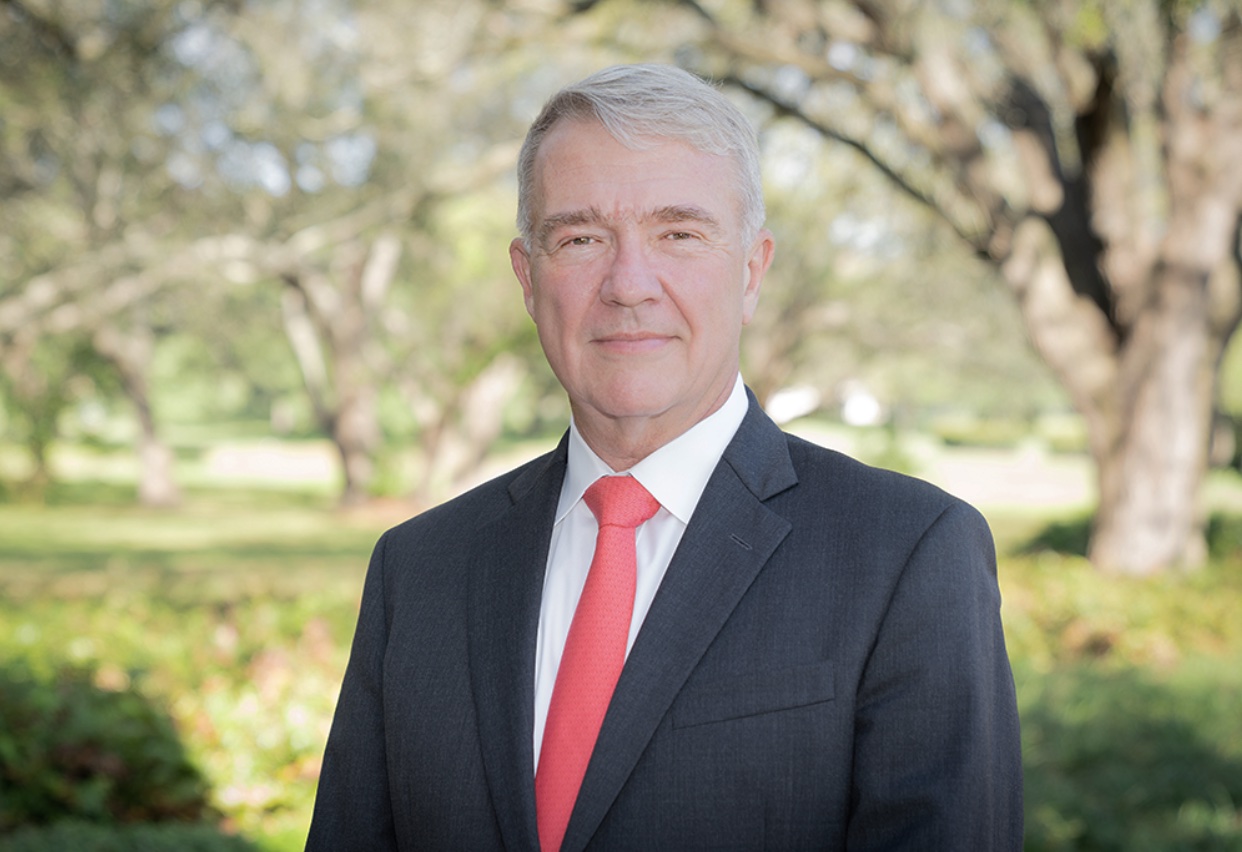
MEI Defense Leadership Series: Episode 18 with former U.S. CENTCOM Commander Gen. Kenneth F. McKenzie
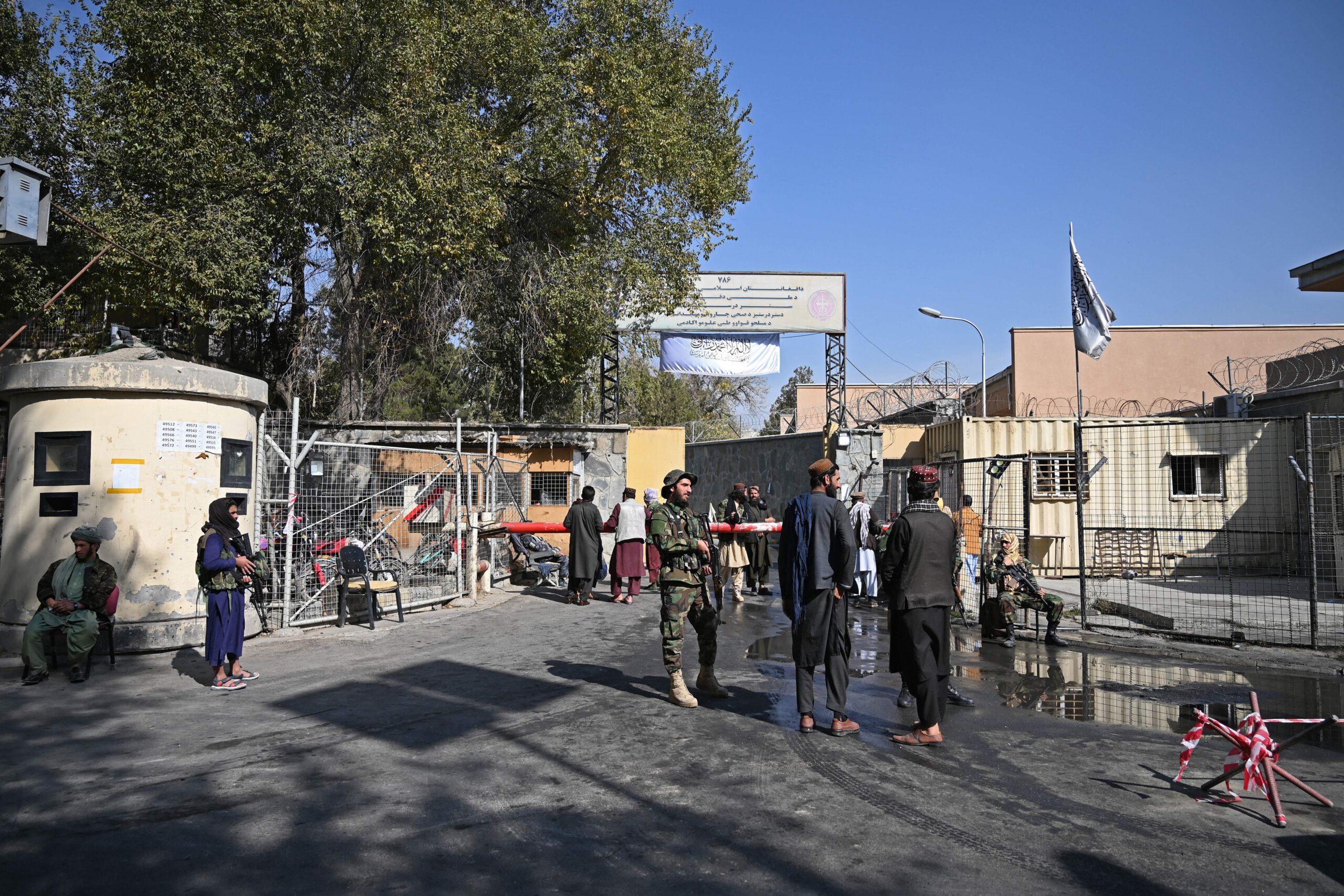

Art All Night: Exhibition Open House & Arabic Live Music
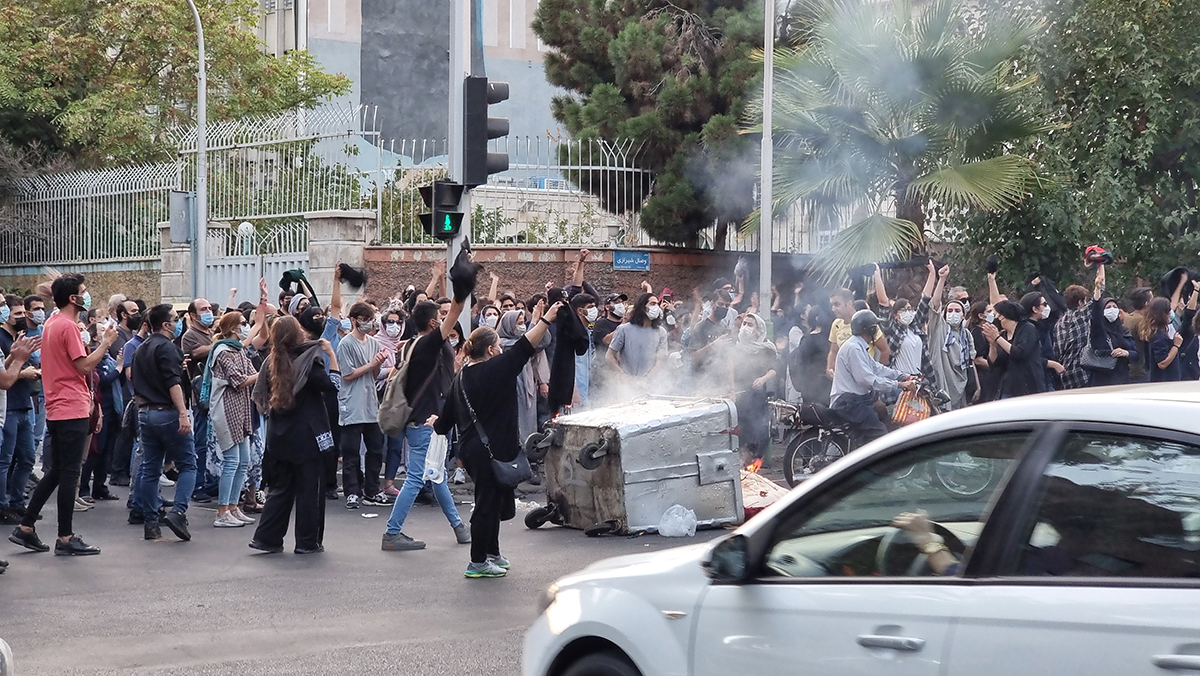
Iran’s hijab protests show the regime is unreformable
The supreme leader’s stance will deepen societal conflict — and split the Islamic clerical class.

The Houthis’ War and Yemen’s Future
Since seizing the capital of Sana’a in September 2014, the Houthis have been transforming the portions of Yemen under their control in line with a radical political and religious ideology. The Houthis’ war is complicated and may not be resolved quickly. But for now, the main obstacles to peace are ones that only Yemenis can resolve, which are rooted in rival concerns over the distribution of political power and equitable delivery of public services.