King Abdullah goes to Washington
The Jordanian monarch will be the first Arab leader to meet President Biden in a bid to reset ties
This individual is a guest contributor. MEI is not able to assist with contact requests.
Jean-Pierre Cassarino holds a professorship at the Robert Schuman Center for Advanced Studies (RSCAS/European University Institute, Florence) where he directs the Return migration and Development Platform (http://rsc.eui.eu/RDP/). He is also research associate at the Tunis-based Institut de Recherche sur le Maghreb Contemporain (IRMC). Since the mid-1990s, he has published extensively on international migration, particularly on return migration and has carried out numerous field surveys investigating returnees’ manifold patterns of reintegration. Selected publications include: (ed.) Unbalanced Reciprocities: Cooperation on Readmission in the Euro-Mediterranean Area, The Middle East Institute Press, Washington, 2010; (ed.) “Conditions of Modern Return Migrants”, International Journal on Multicultural Societies, Vol. 10, Issue 2, UNESCO, Paris, 2008; (ed.) Return Migrants to the Maghreb Countries: Reintegration and development challenges, RSCAS, European University Institute, Florence, 2008; Tunisian New Entrepreneurs and their Past Experiences of Migration in Europe: Networks, Resource Mobilisation, and Hidden Disaffection. Ashgate Publishers, Aldershot, 2000. Email: [email protected]
The Jordanian monarch will be the first Arab leader to meet President Biden in a bid to reset ties
On the campaign trail and in his first weeks in office, President Joe Biden promised to end the conflict in Yemen. Reflecting a bipartisan Washington consensus, his approach hinged on supporting the U.N.-led negotiating process and pressuring Saudi Arabia to end its active military engagement inside of Yemen.
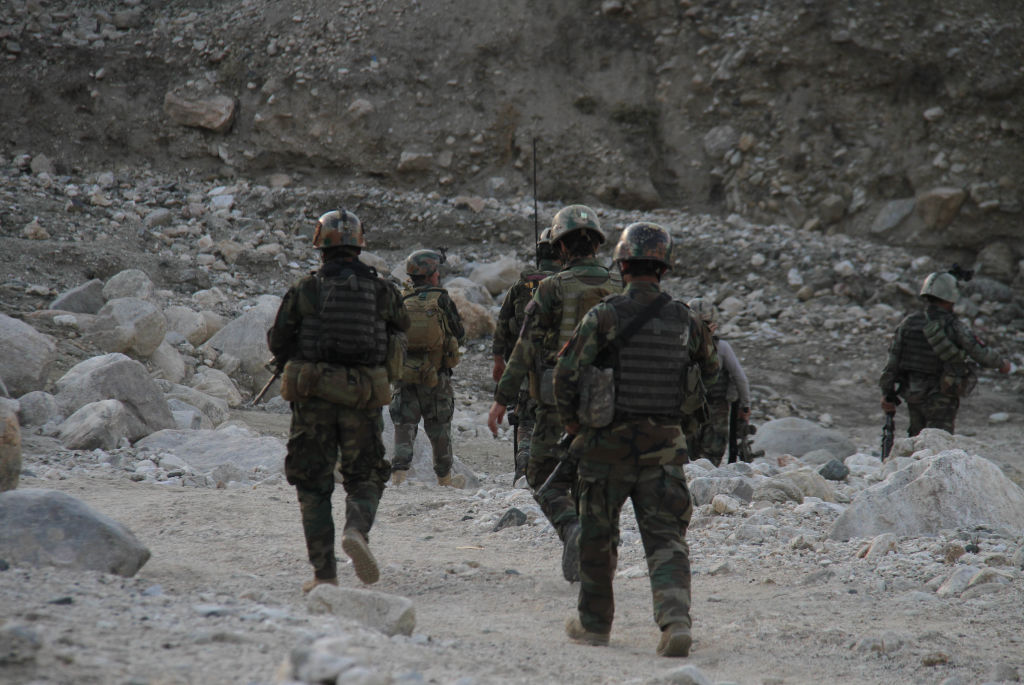
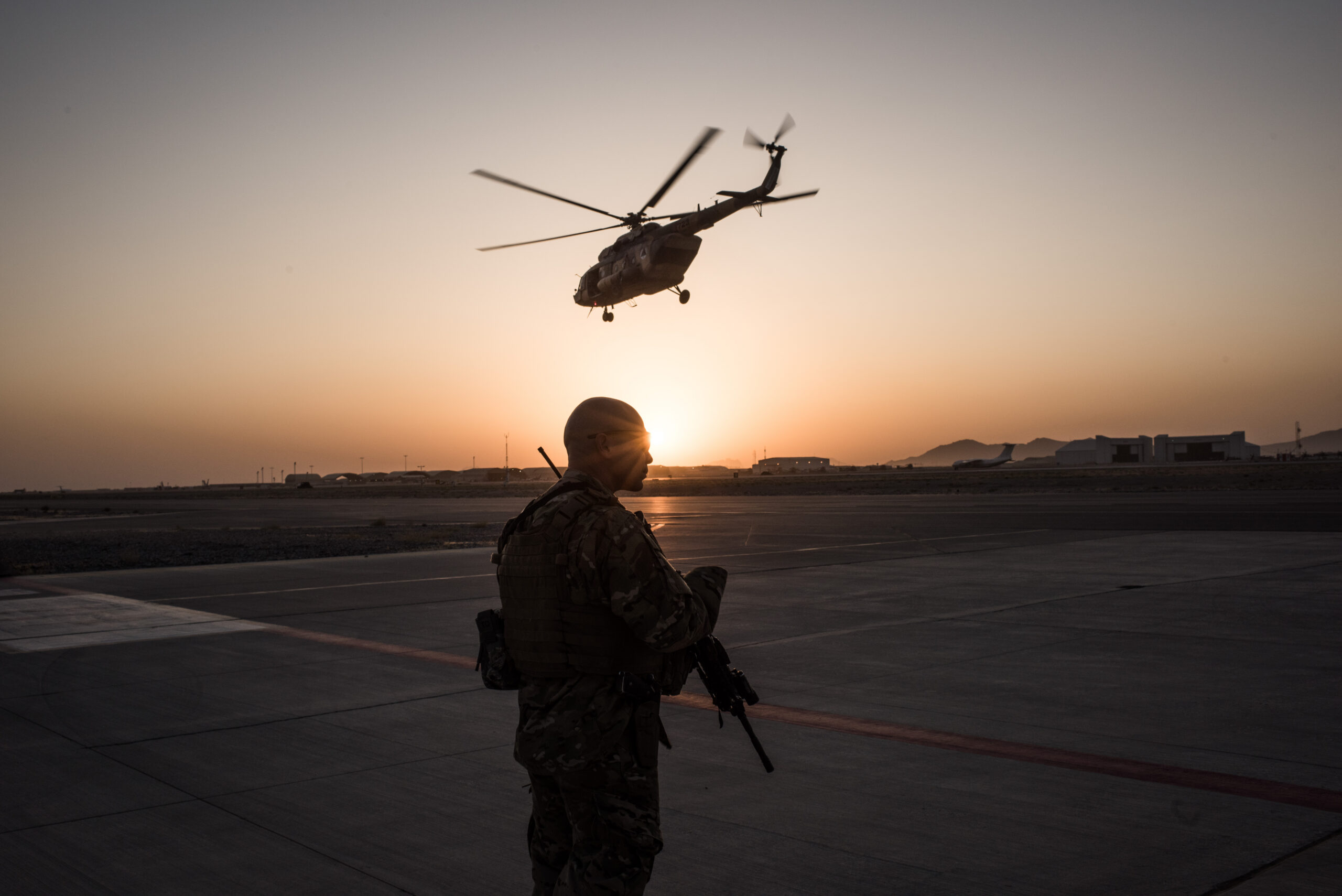
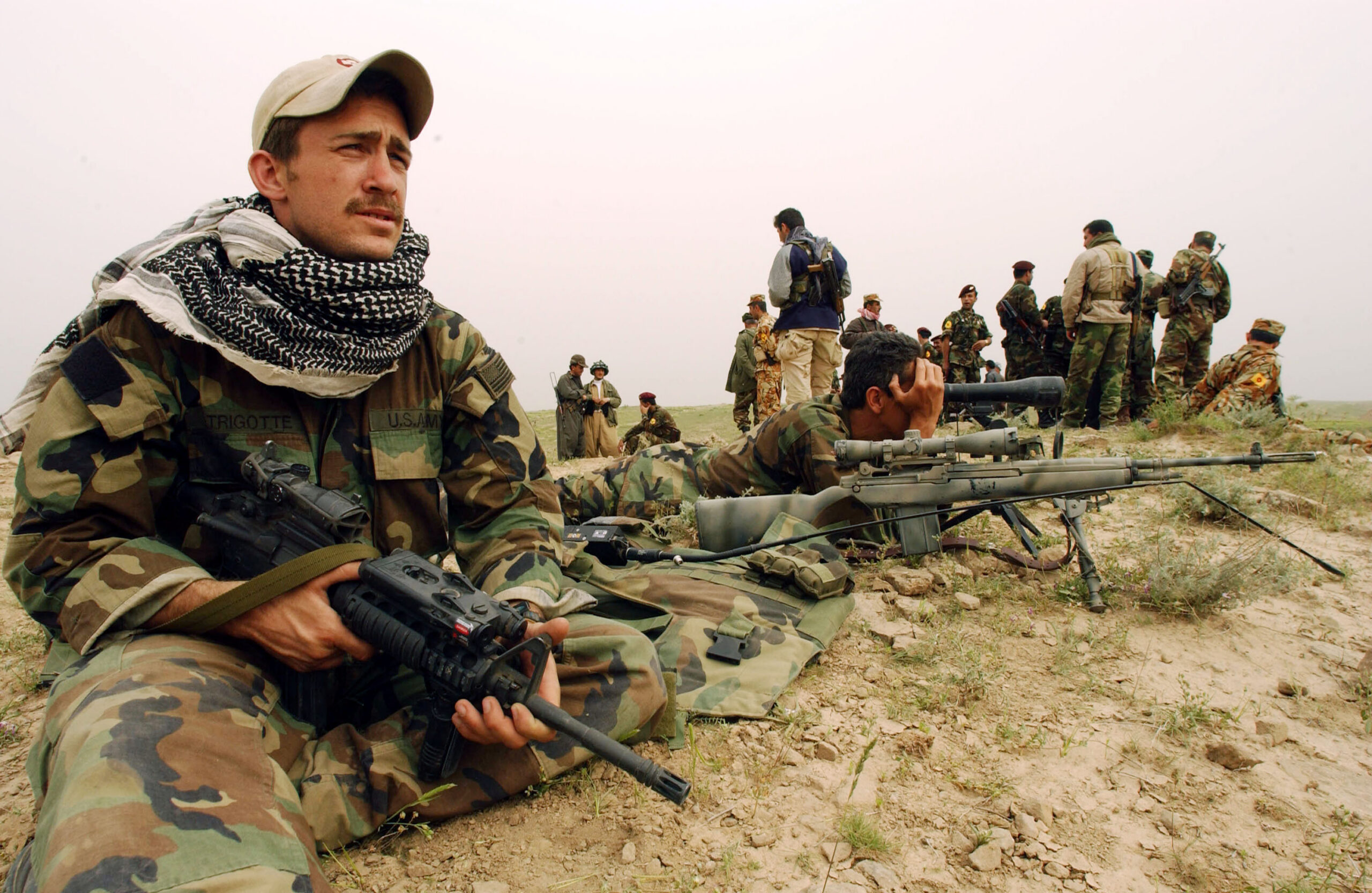
The decision to withdraw the relatively small number of U.S. troops from a supporting role to our Afghan partners to preserve our hard-fought-for gains in Afghanistan was a mistake.
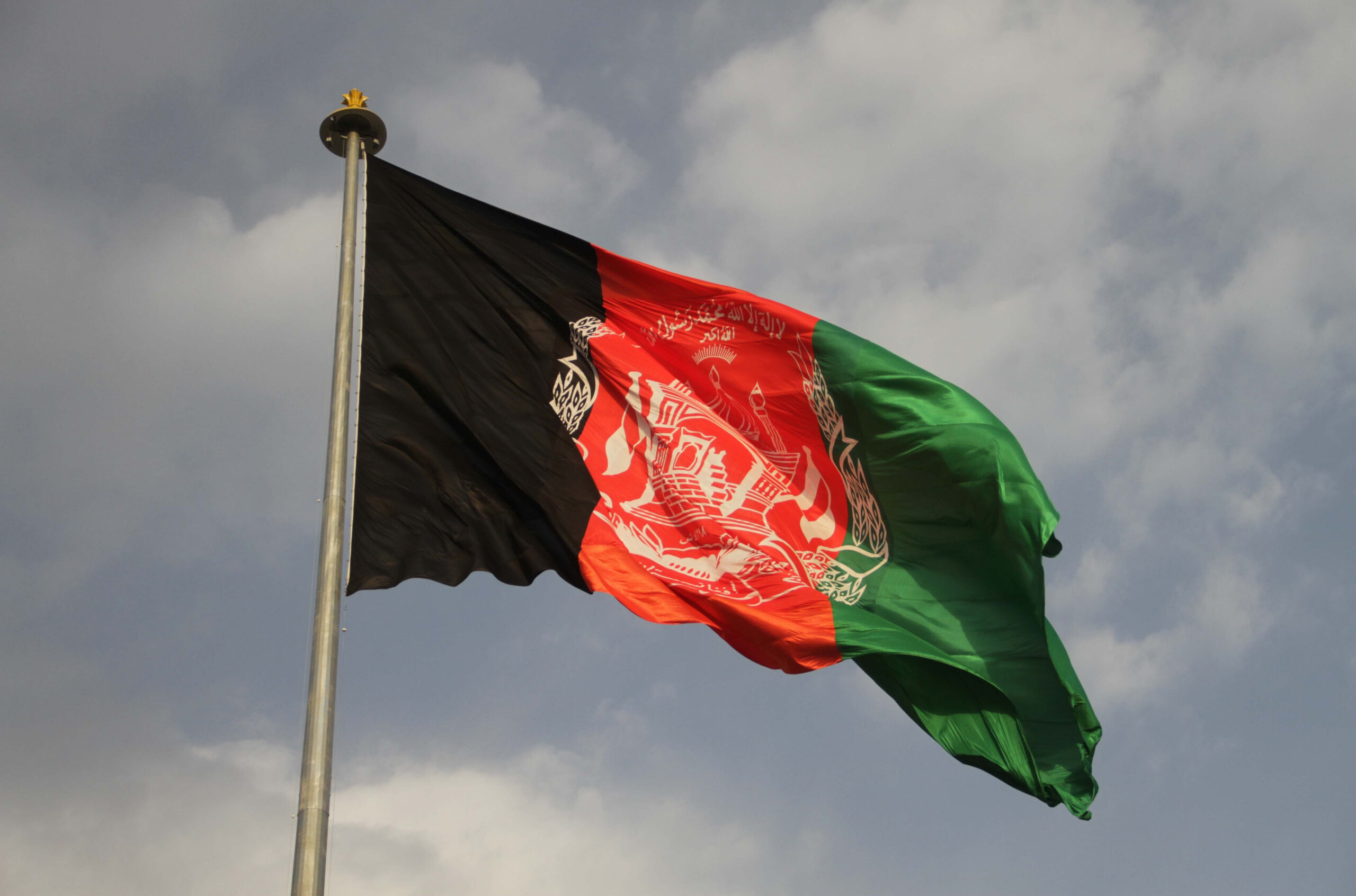
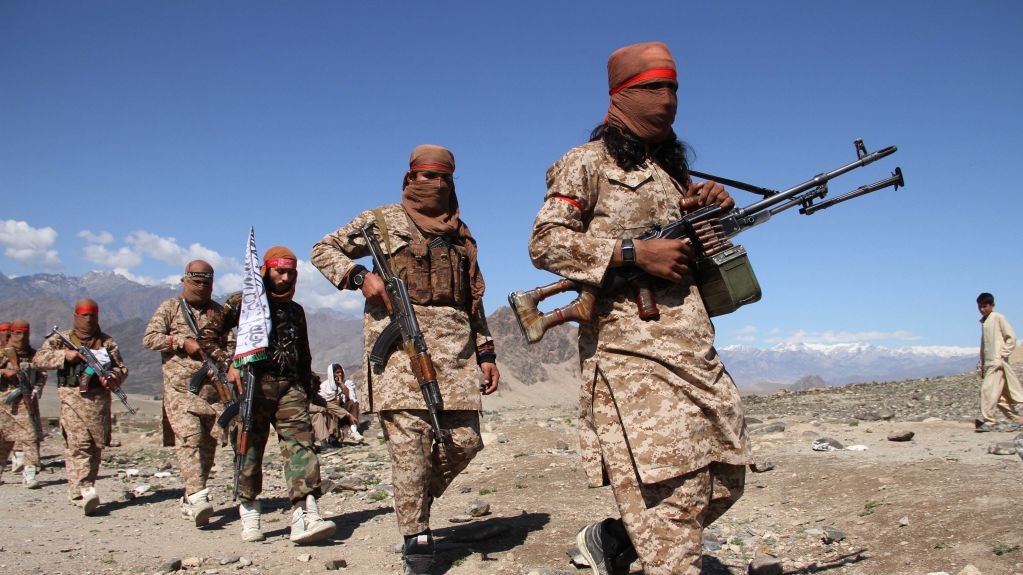
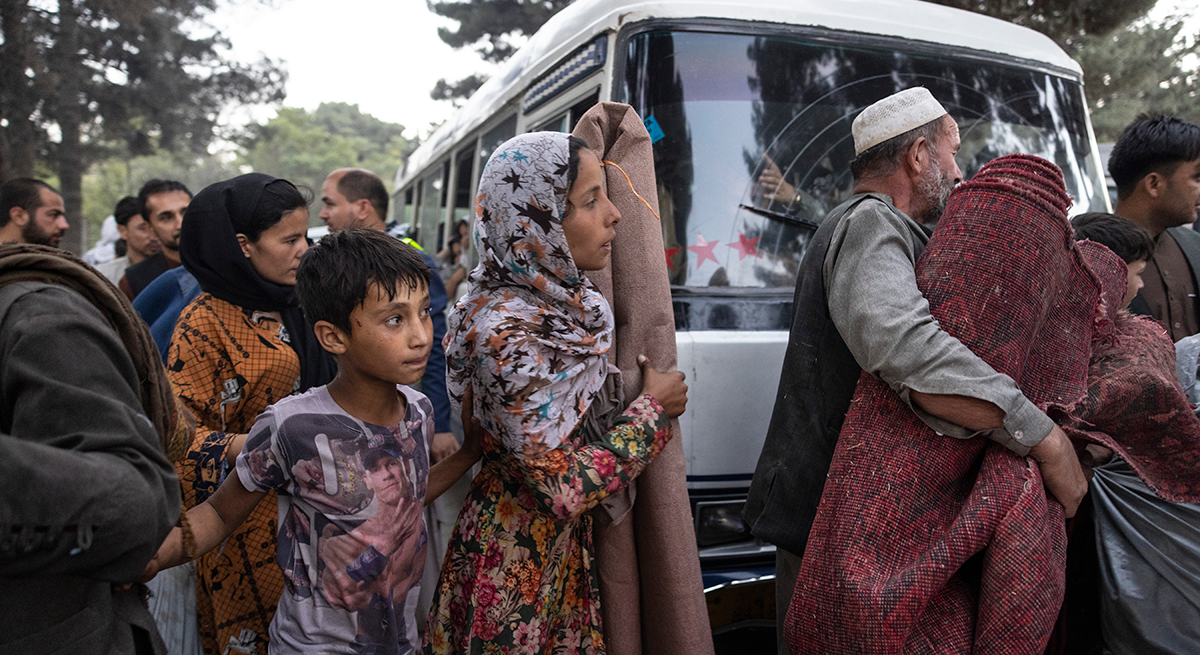
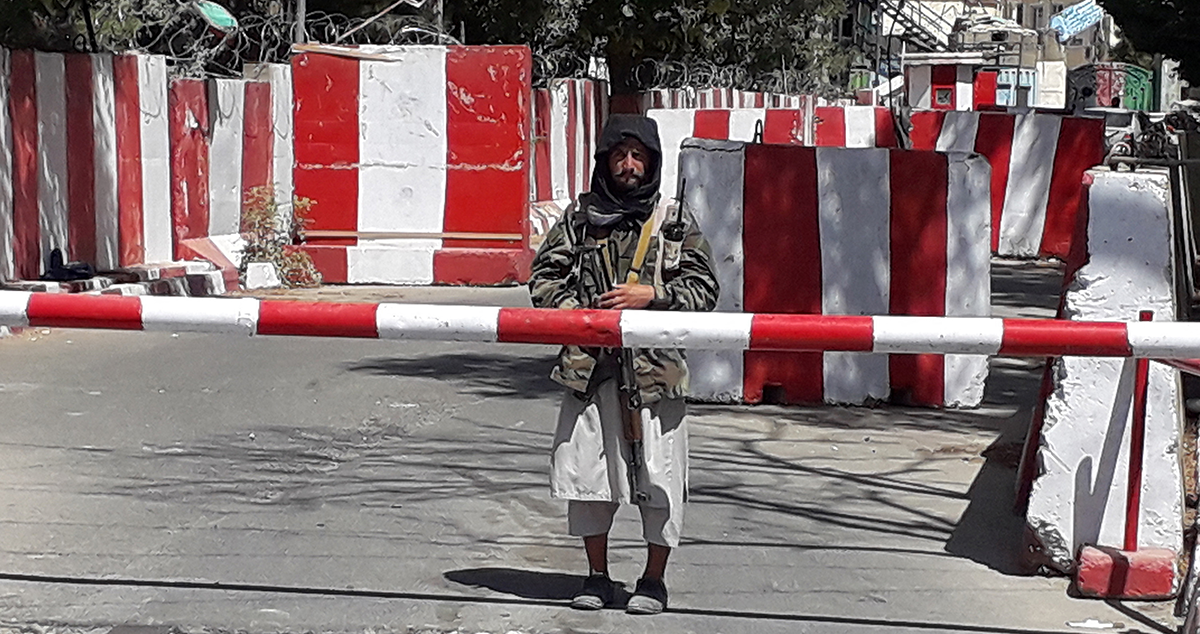
As U.S. forces continue to draw down from Afghanistan, the Taliban are rapidly filling the void by occupying large new swaths of territory and key military infrastructure. Last week the movement announced it controlled up to 85% of the country. With hundreds of Afghans, including members of the military, crossing the border to the neighboring former Soviet republics of Tajikistan and Uzbekistan, speculation over the potential destabilization of Central Asia is mounting. Many regional governments are looking to Moscow for support and defense.
“في النهاية، كانت النتيجة متوقعة: دعّم أعضاء مجلس الأمن جهود وساطة الاتحاد الإفريقي وأوصوا باستئناف المفاوضات بأسرع ما يمكن”.
In spite of the growing political distance between Riyadh and Abu Dhabi, it was economic factors that played the key role in the UAE decision not to support the extension of the OPEC+ agreement until the end of 2022, thus putting on hold the cartel’s decision to increase production in the coming months. The OPEC+ agreement in place since December 2016 may have finally run its course. The medium term will see a changed landscape among oil producers, not just in the GCC, but globally as they compete for customers in emerging markets, the only place where oil demand is expected to increase after 2030, and as they attempt to transform their businesses across energy products. The national oil companies that can access capital, attract new investment, offload assets, and be nimble enough to grow across energy lines, whether it be hydrogen, solar, or even natural gas, will be the ones that thrive. Producers like Libya, Iraq, Iran, and even Russia and Saudi Arabia may be at a disadvantage in accessing new investment and pursuing transformation. The future of OPEC and its ancillary partners is one of intense competition and divergent time horizons for hydrocarbon exploitation.
The Biden administration’s goals in climate policy, renewable energy infrastructure investment both domestically and globally (the Build Back Better World, or B3W, initiative), and its Middle East policy may be on the verge of a collision. While the administration would like to dial back its engagement in the Middle East at least militarily, the region will be essential to meeting U.S. foreign and domestic energy goals.
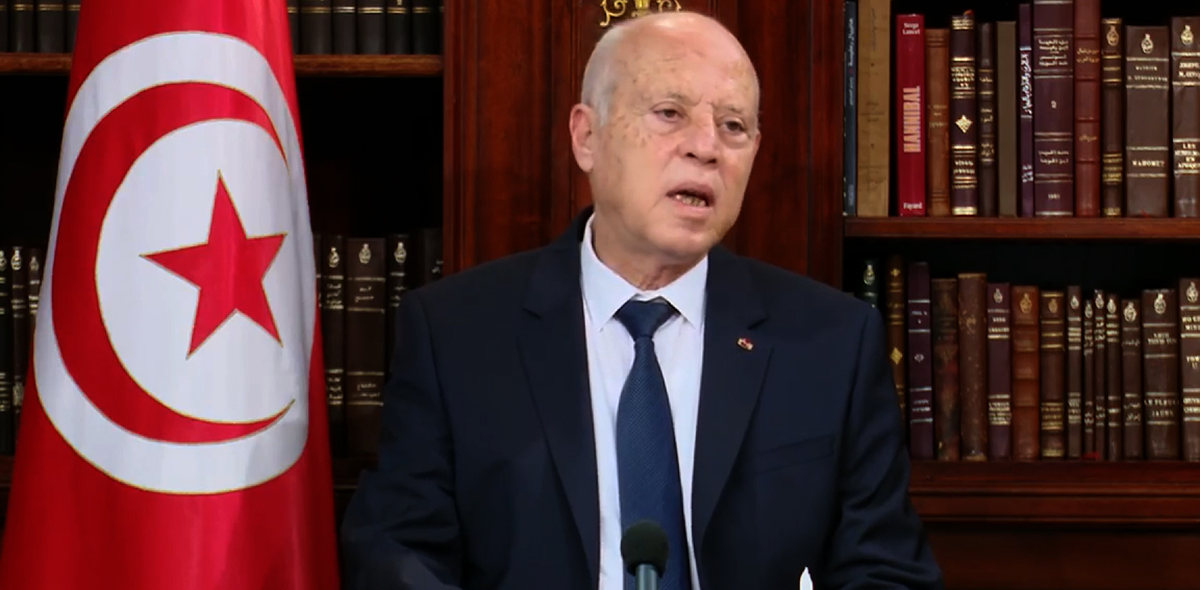
In Zarzis, on Tunisia’s southern coast, Algerian artist Rachid Koraichi has created a moving memorial to the thousands of migrants who have died crossing the Mediterranean. A hybrid of graveyard, garden, and art installation, Jardin d’Afrique has become the final resting place for over 300 souls whose bodies washed up on the shore of this tourist town.
Sultan Haitham bin Tariq al-Said arrived in Neom, Saudi Arabia, on July 11, 2021, in his first foreign trip since becoming the sultan of Oman on Jan. 11, 2020. At the start of his two-day visit to the kingdom he was met by King Salman and accompanied by a high-level Omani delegation. A slew of new agreements were signed across commerce, culture, and transport.
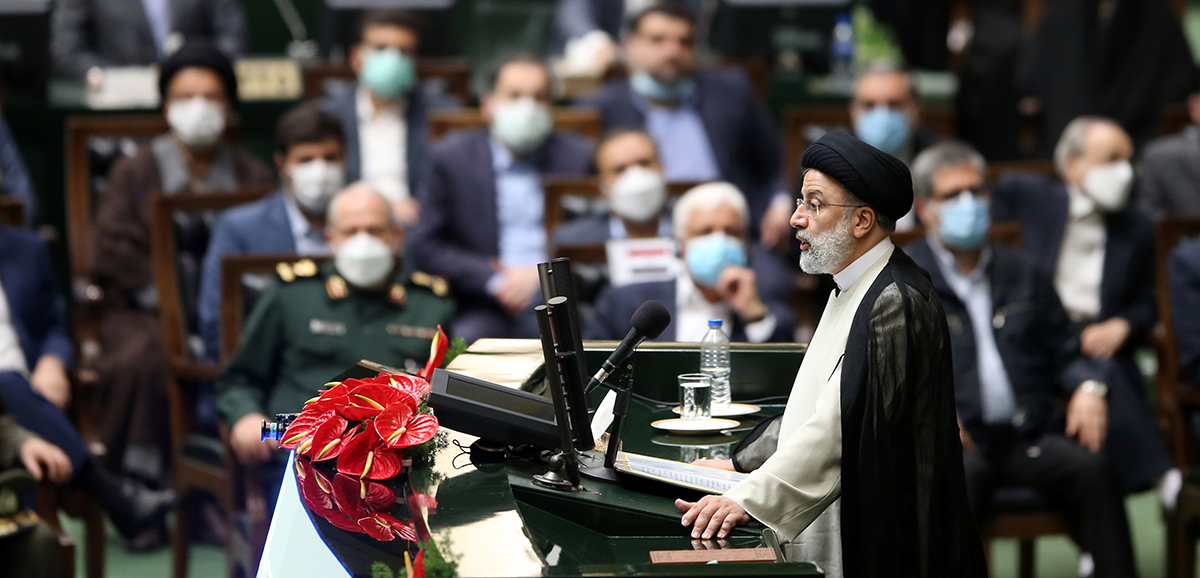
ما هي الأزمات والفرص أمام النظام الإيراني بعد انتخابات الرئاسة؟ يستعرض إبراهيم الأصيل رأياً لأليكس فاتانكا في حلقة آراء من واشنطن لهذا الأسبوع. — Ibrahim Al-Assil Alex Vatanka
يقدّم معهد الشرق الأوسط معرضاً بعنوان “في هذه الليلة المظلمة: الفن السوري ما بعد الثورة” ، ويناقش إبراهيم الأصيل اثنين من هؤلاء الفنانين للإطلاع أكثر على فنّهم وأعمالهم ورسائلهم ومصادر إلهامهم. — الضيوف: عروبة ديب محمد الحافظ — فنانو المعرض: هبة الأنصاري، عمار البيك، نور عسلية، تمام عزام، خالد بركة، بادي دلول، عروبة ديب، أسامة السيد، لارا حداد، محمد الحافظ، نغم حذيفة، عصام عمادي، كيڤورك مراد — الأعمال: https://www.mei.edu/arts-and-culture-center المعرض: https://mei.viewingrooms.com/artworks/
Even the most ardent supporters of President Joe Biden’s decision to withdraw all American troops from Afghanistan recognize the inherent tension in his policy. Biden promised Afghanistan’s top leaders in a recent meeting at the White House that he would maintain U.S. material support to the country. But ensuring a “sustained” partnership with a politically fragile Afghan government requires first and foremost an Afghan force that’s capable of defending that government, providing some security across the country, containing the Taliban, and preventing terrorists from once again setting up shop and plotting attacks worldwide like they did on 9/11.
Read MEI’s weekly briefing featuring expert analysis of key regional developments for the week ahead.
Russkyi Mir is an ideological construct and foreign policy concept defined in the first mandate of President Vladimir Putin. While not regulated through legislation or policy, the concept is popular among Russian political thinkers and ideologists as a way to shape Russia’s relationship with the world. It is also often referred to in speeches by the president, head of the Russian Orthodox Church, and other key figures.