Valuing water on World Water Day
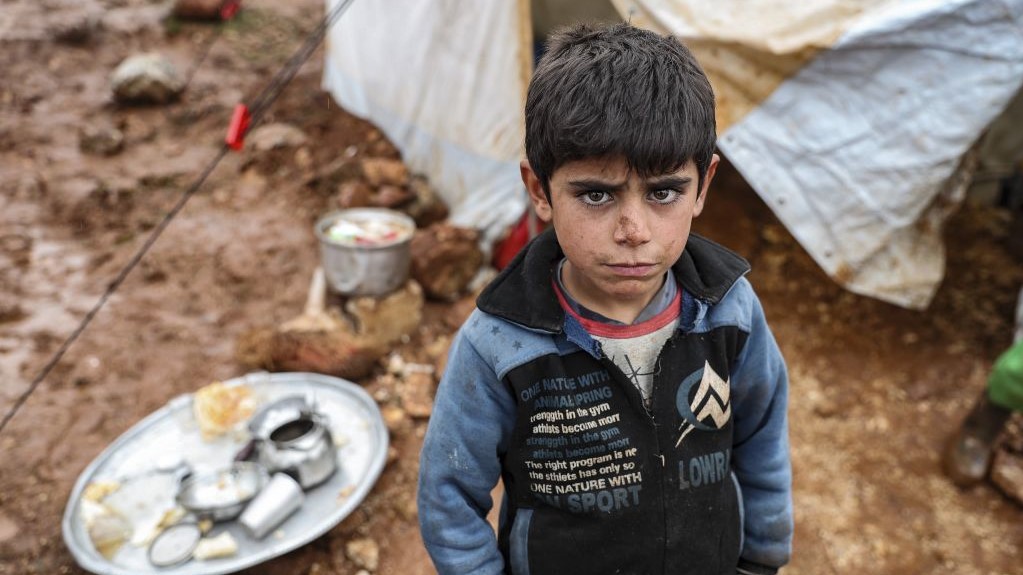
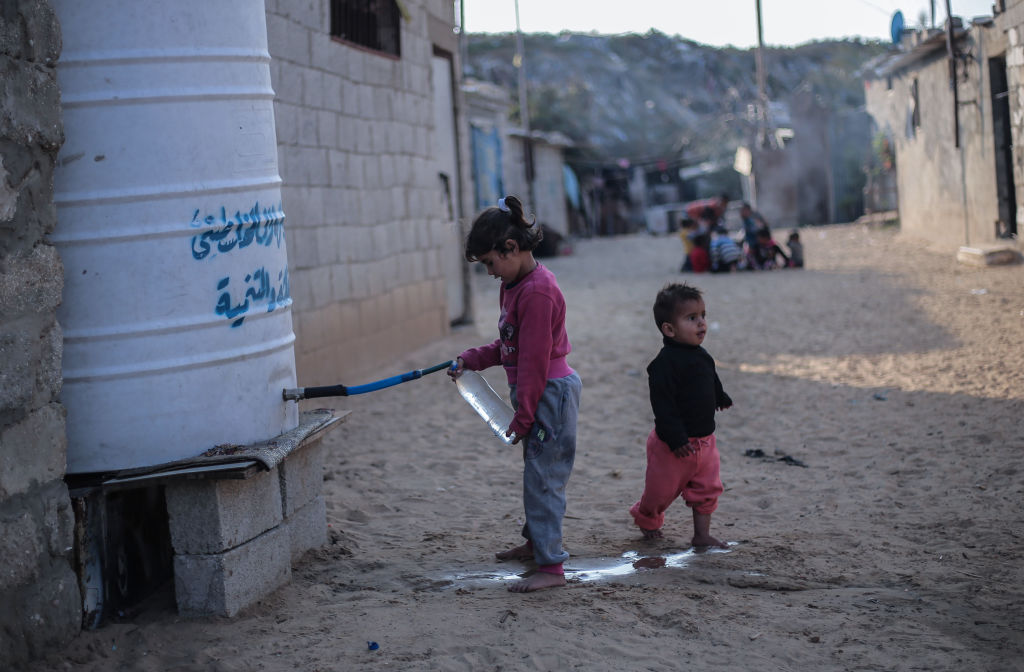
The issue of access to water is of particular relevance in the Middle East and North Africa, the world’s most water-scarce region.
This individual is a guest contributor. MEI is not able to assist with contact requests.
Jean-Pierre Cassarino holds a professorship at the Robert Schuman Center for Advanced Studies (RSCAS/European University Institute, Florence) where he directs the Return migration and Development Platform (http://rsc.eui.eu/RDP/). He is also research associate at the Tunis-based Institut de Recherche sur le Maghreb Contemporain (IRMC). Since the mid-1990s, he has published extensively on international migration, particularly on return migration and has carried out numerous field surveys investigating returnees’ manifold patterns of reintegration. Selected publications include: (ed.) Unbalanced Reciprocities: Cooperation on Readmission in the Euro-Mediterranean Area, The Middle East Institute Press, Washington, 2010; (ed.) “Conditions of Modern Return Migrants”, International Journal on Multicultural Societies, Vol. 10, Issue 2, UNESCO, Paris, 2008; (ed.) Return Migrants to the Maghreb Countries: Reintegration and development challenges, RSCAS, European University Institute, Florence, 2008; Tunisian New Entrepreneurs and their Past Experiences of Migration in Europe: Networks, Resource Mobilisation, and Hidden Disaffection. Ashgate Publishers, Aldershot, 2000. Email: [email protected]
The issue of access to water is of particular relevance in the Middle East and North Africa, the world’s most water-scarce region.
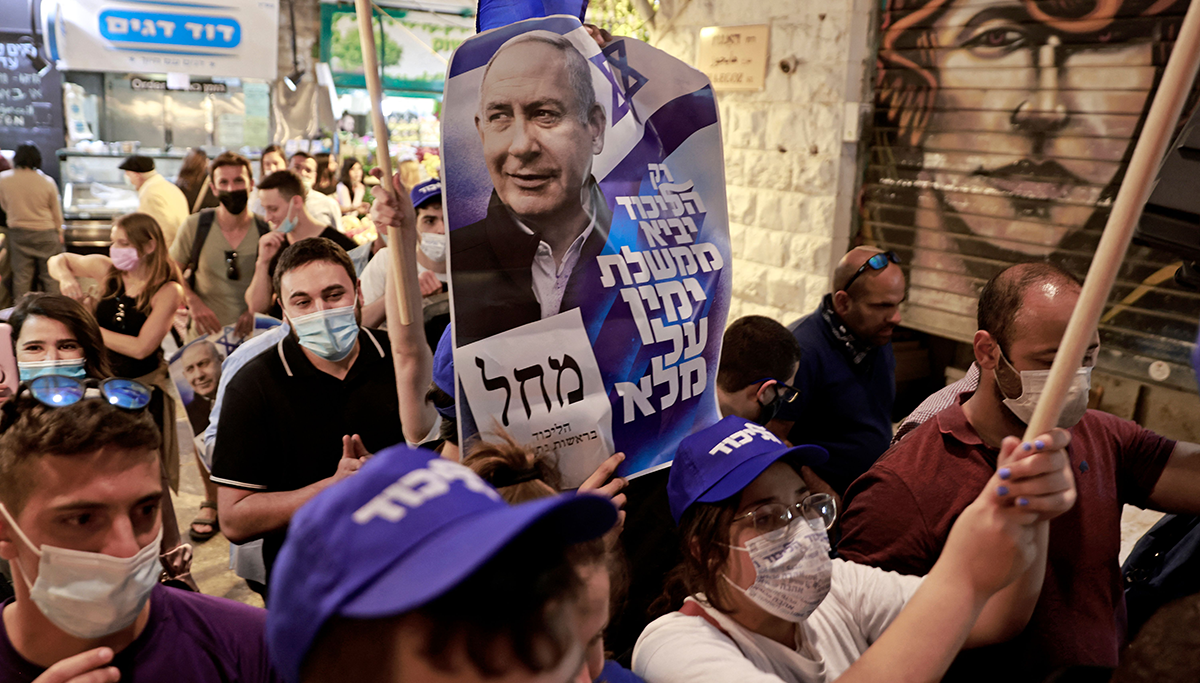
Israelis are going to the polls on Tuesday for the fourth time in two years. But while the main issue in each of these elections has been to decide the fate of a single man, Prime Minister Benjamin Netanyahu, the political landscape has meanwhile been shifting significantly, primarily toward the right.
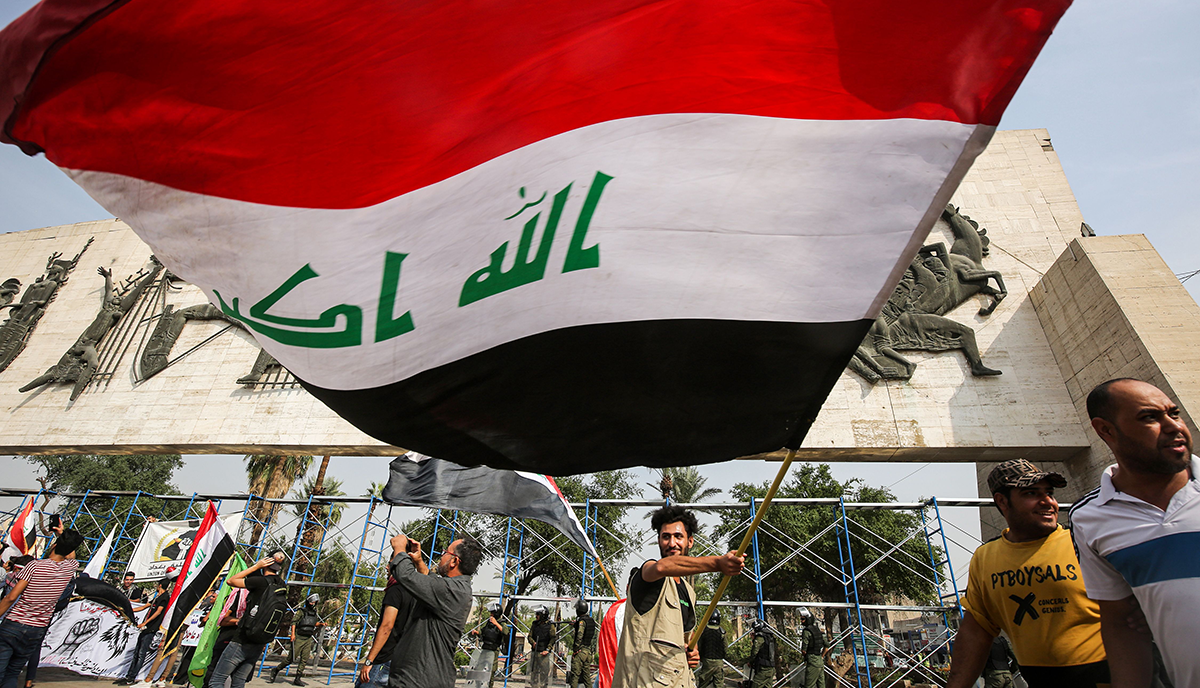
With the approach of Iraq’s next parliamentary elections in October 2021, pro-reform candidates are facing troubling obstacles as they prepare to compete against the country’s establishment parties, which include armed militias that have dominated Iraq’s parliament since 2018. To ensure a fair electoral playing field, reformers are asking the international community to quickly step up elections-related assistance and planned oversight, as well as publicly reaffirm a readiness to call out observed violations.
Ten years ago this week, at the American embassy in Damascus, we heard of the first anti-government protest through a quiet whisper in the diplomatic community. A few young kids had run through the historic Hamadiya market yelling “freedom,” as everyone else in the Syrian capital was glued to their television, watching the Arab Spring unfold in nearby states.
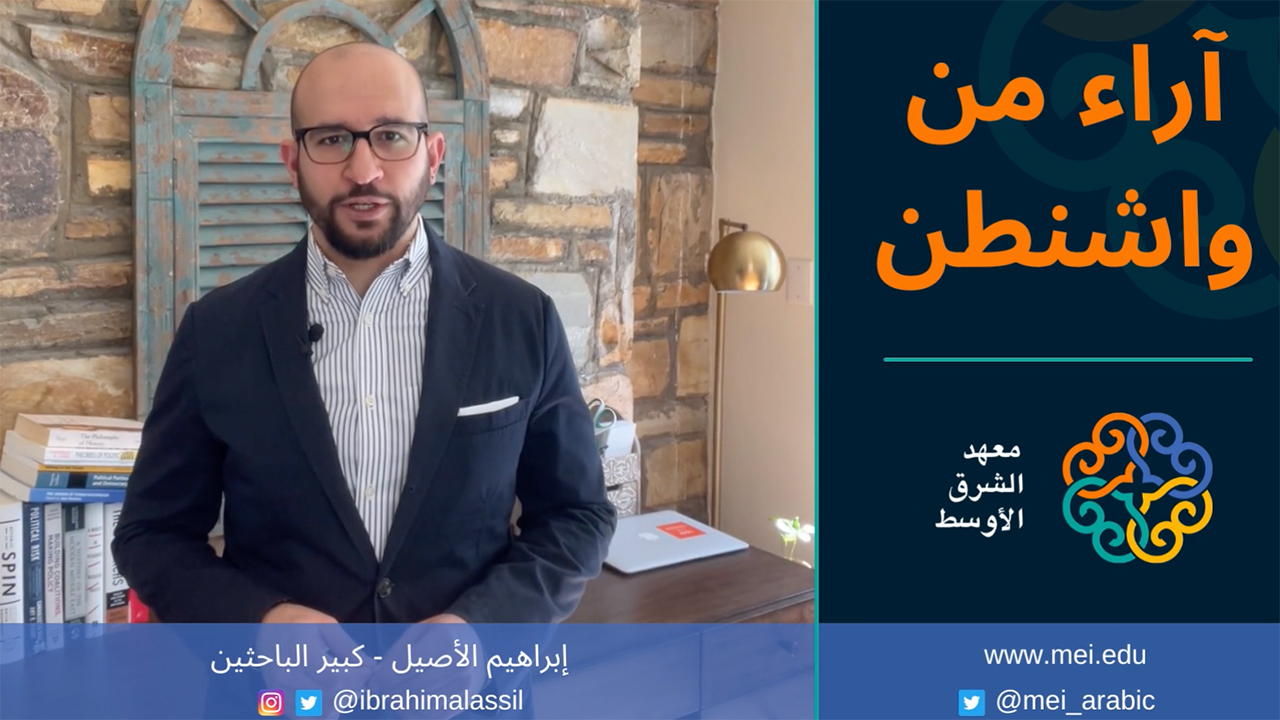
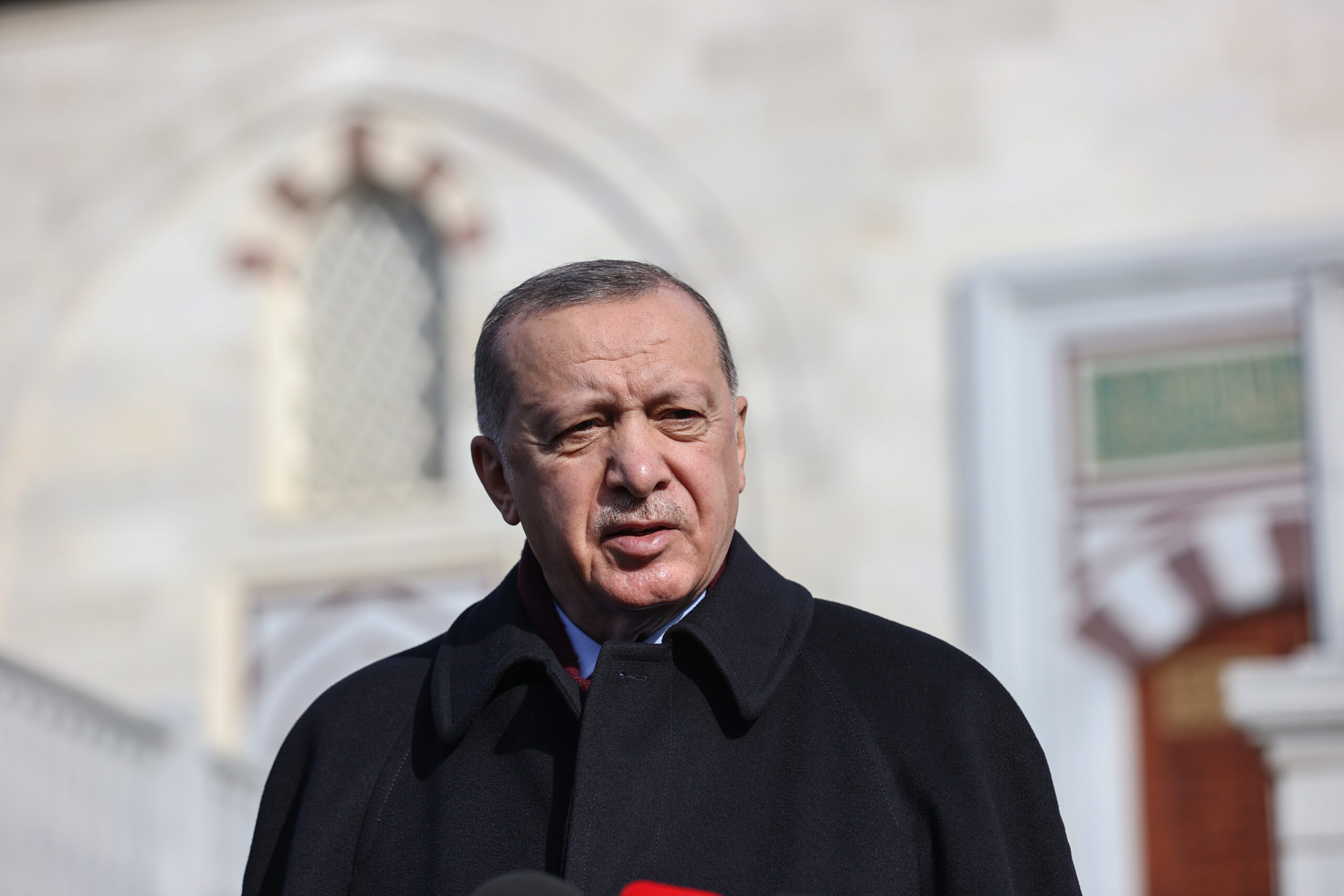
في ‘آراء من واشنطن’ هذا الأسبوع، يستعرض إبراهيم الأصيل رأي لميريت مبروك (مديرة برنامج مصر) حول إمكانية التقارب بين مصر وتركيا والمسائل الأساسية بينهما
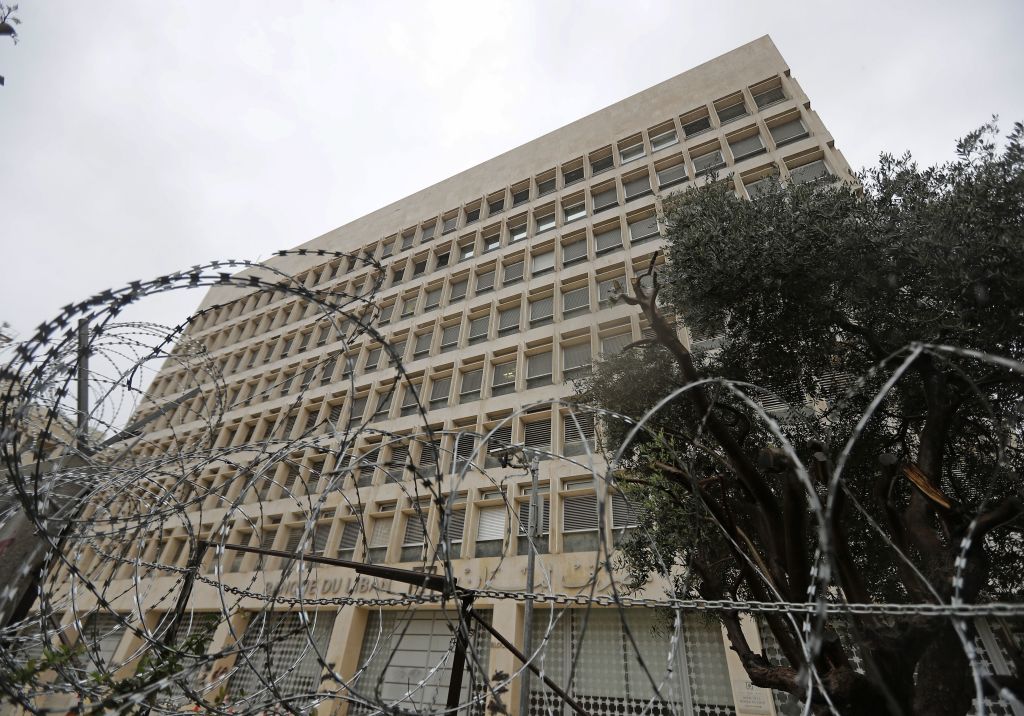
Out of ill-will and incompetence, Lebanese decision-makers continue to violate macroeconomics’ most fundamental principles in their handling of Lebanon’s financial meltdown. Erroneous — or worse still, inexistent — fiscal and monetary policy choices are amplifying by the day the devastating socioeconomic repercussions that the country will face for years, if not decades, to come.
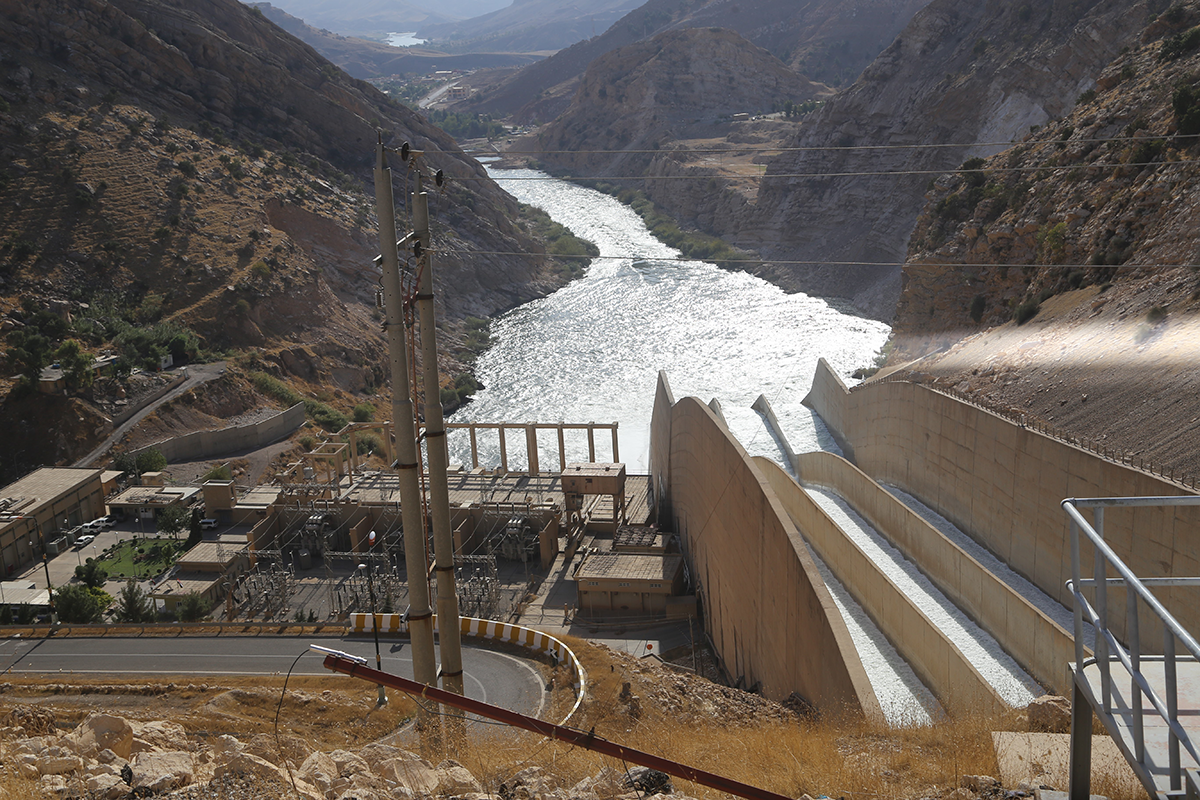
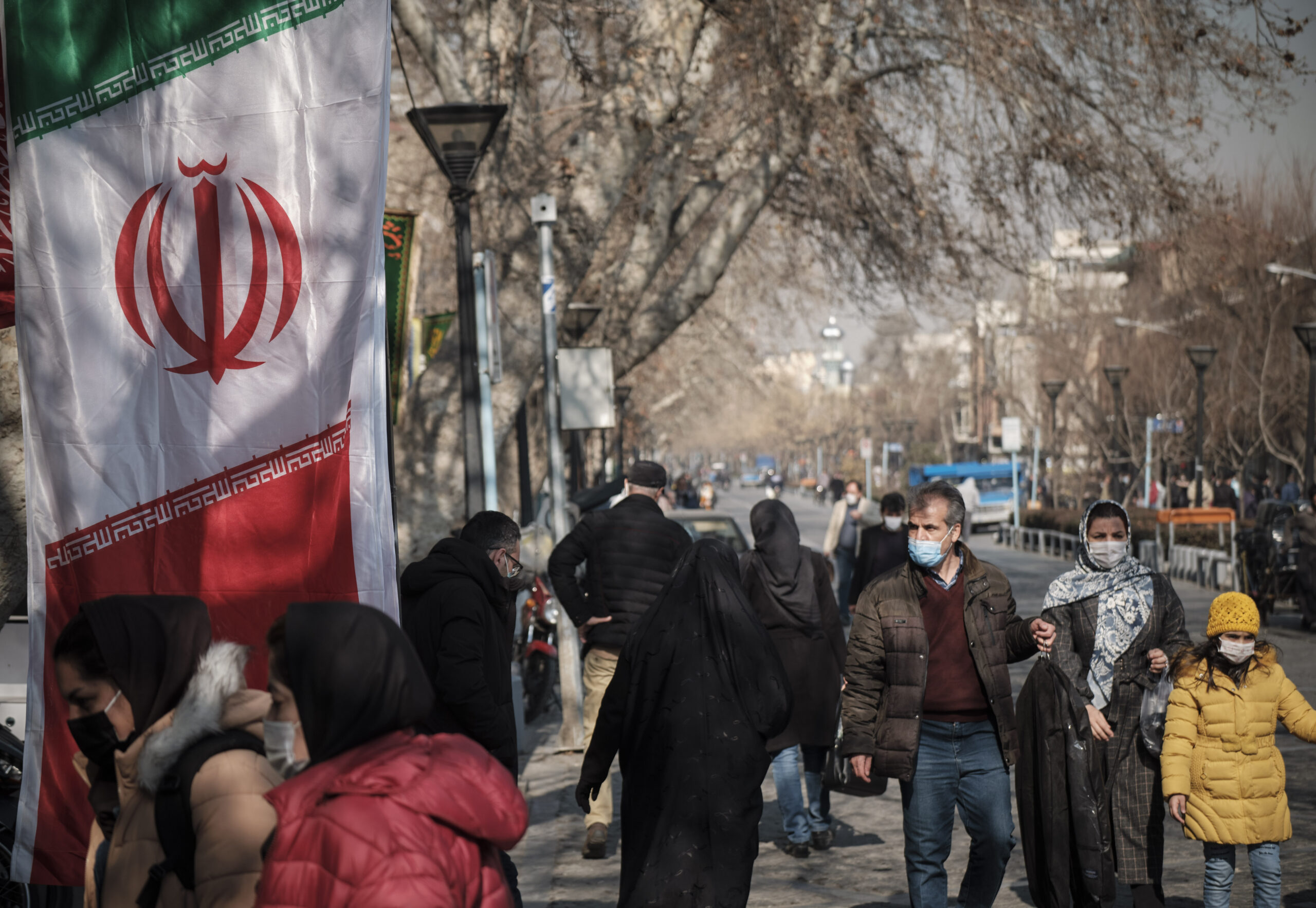
Iran and Iraq are frequently at odds over water issues. Iraq depends on the Tigris and Euphrates rivers for nearly all of its water. But Iran is building dams to redivert some of that water, causing alarm and creating major water shortages for Iraq.
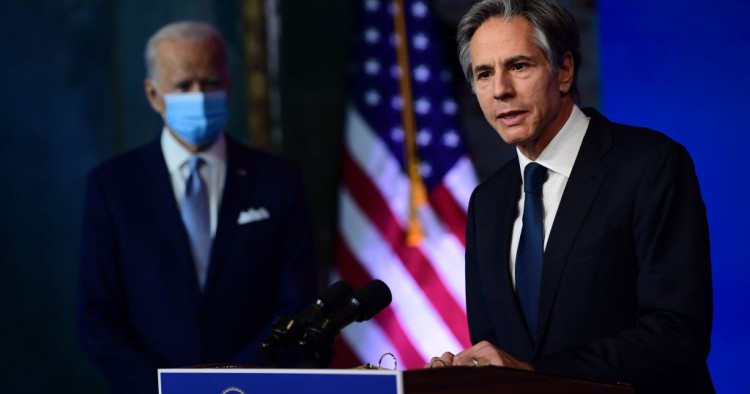
What U.S. Secretary of State Antony Blinken’s letter to Afghan President Ashraf Ghani makes clear is the declining domestic support in the U.S. for continued military involvement in Afghanistan. With his message, Blinken also signaled the demise of the Doha negotiations between the Afghan Taliban and the Afghan government and the start of a new phase. Facing domestic political disagreements and the Covid-19 pandemic, the Biden Administration was left with no option but to finalize and implement a viable Afghan strategy.
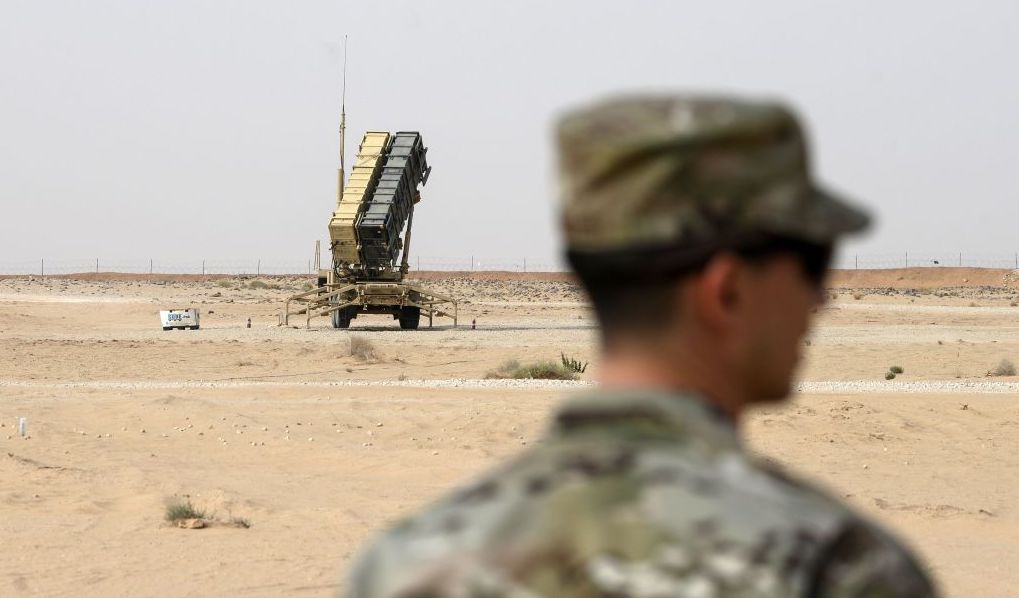
A solid defense needs a potent deterrent, which requires a credible offense.
The United States and Pakistan must work together to secure the country’s future.
Despite the importance of cyberattacks, little has been written about the relationship between these attacks and the applicable law. States are still struggling with controversies involving definitions, even though there is wide applicability of both laws and norms in this context. As a result, cyberspace remains relatively anarchic and the continued controversies have impeded further progress. Although the global discussion has only just begun, it is clear that the rising prevalence of state-led cyber operations warrants a thoughtful, innovative, and immediate regulatory response. Pressure has been building on the governments of the Middle East to join the conversation as their relevance and power in the cyber domain grows.
“من غير المرجح حدوث تقارب، ما لم ير المصريون تقدمًا فيما يتعلق بالقضايا التي يعتبرونها إشكالية، لا سيما ليبيا وشرق البحر المتوسط”.
Prisoners of war and political and civilian detainees are two of the most important humanitarian issues in Yemen. Local mediation has had impressive results, and local mediators, including women, have become key players in resolving this issue. Experience has shown that to bring an end to the war in Yemen, international mediators need to stop ignoring and excluding local efforts and peace builders. Achieving sustainable peace will not happen without the equal involvement of women leaders and the inclusion of those who had no hand in the war.