This individual is a guest contributor. MEI is not able to assist with contact requests.
Jean-Pierre Cassarino holds a professorship at the Robert Schuman Center for Advanced Studies (RSCAS/European University Institute, Florence) where he directs the Return migration and Development Platform (http://rsc.eui.eu/RDP/). He is also research associate at the Tunis-based Institut de Recherche sur le Maghreb Contemporain (IRMC). Since the mid-1990s, he has published extensively on international migration, particularly on return migration and has carried out numerous field surveys investigating returnees’ manifold patterns of reintegration. Selected publications include: (ed.) Unbalanced Reciprocities: Cooperation on Readmission in the Euro-Mediterranean Area, The Middle East Institute Press, Washington, 2010; (ed.) “Conditions of Modern Return Migrants”, International Journal on Multicultural Societies, Vol. 10, Issue 2, UNESCO, Paris, 2008; (ed.) Return Migrants to the Maghreb Countries: Reintegration and development challenges, RSCAS, European University Institute, Florence, 2008; Tunisian New Entrepreneurs and their Past Experiences of Migration in Europe: Networks, Resource Mobilisation, and Hidden Disaffection. Ashgate Publishers, Aldershot, 2000. Email: [email protected]
Post-Election Sri Lanka: Inter-Communal Relations in Gotabaya Rajapaksa’s Presidency
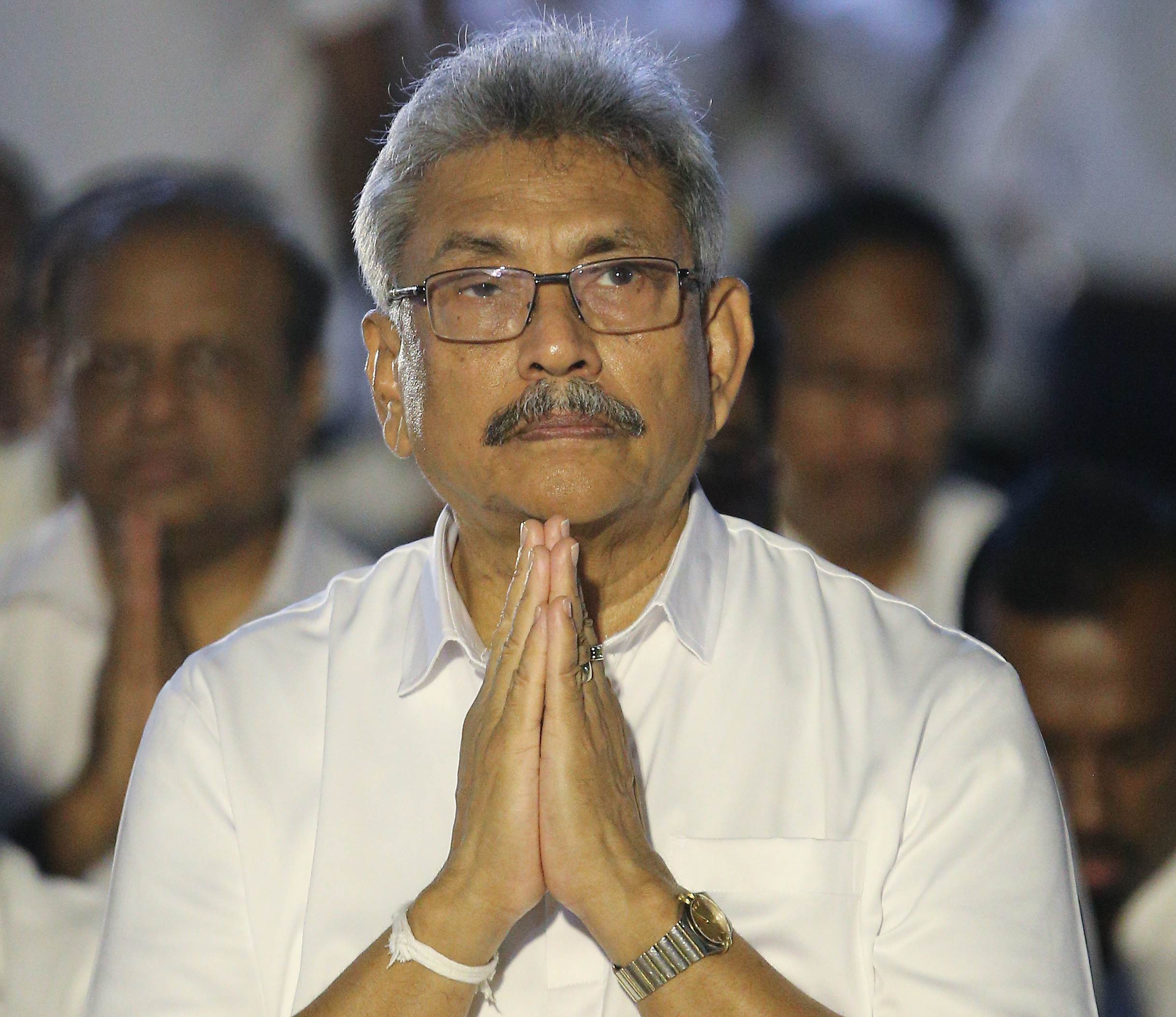
Gotabaya Rajapaksa won a decisive victory in the November 16 Sri Lankan presidential election. Although this election was not as polarized as the previous one, the voting patterns demonstrate the divergence in key priorities for the country’s majority and minority communities.
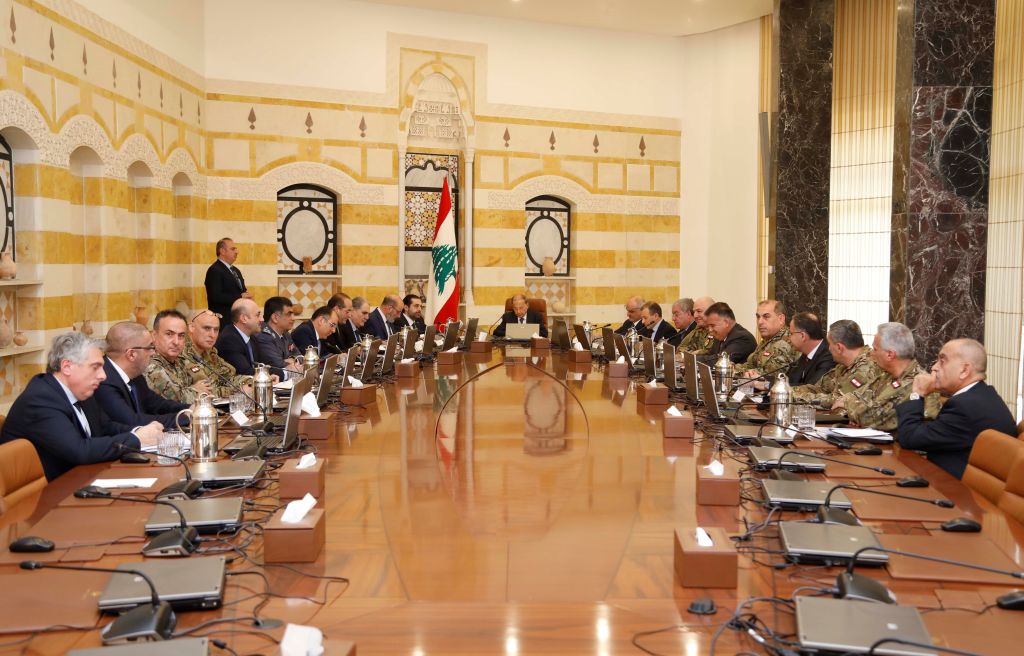
Introduced in August and subsequently delayed due to the country’s political upheaval, the National Lebanese Strategy for Cybersecurity is composed of two main sections: 1) preparation of a cybersecurity strategy and 2) establishment of a national cybersecurity agency.
In our annual year in review episode, MEI experts Paul Salem, Gonul Tol, Charles Lister, Alex Vatanka, Marvin Weinbaum, and Mirette Mabrouk sit with host Alistair Taylor to discuss the key events across the region in 2019, what surprised them, and where things stand as we head into 2020.
Expect the expected: The new EU high representative and the MENA region
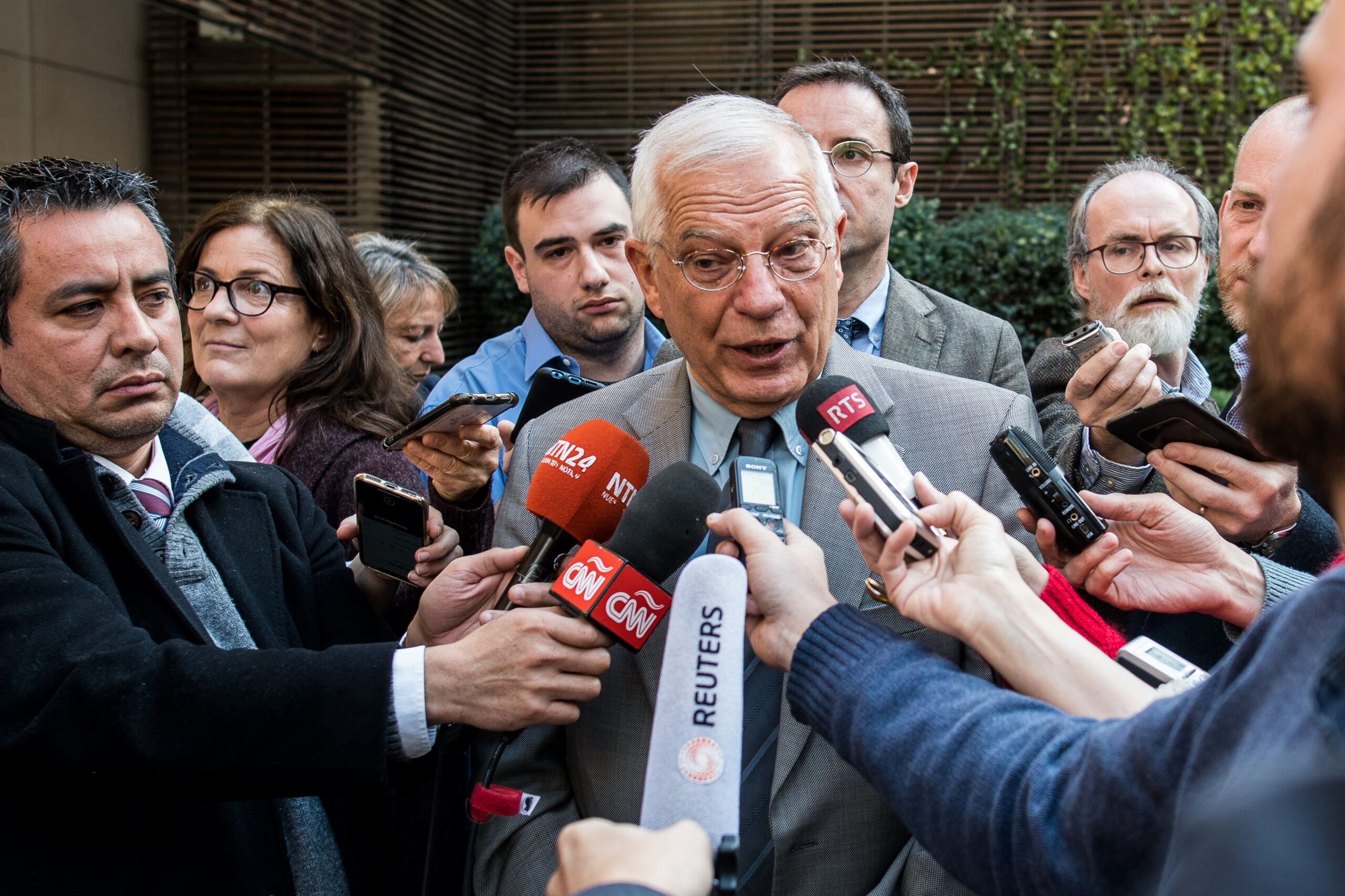
Spain’s foreign minister, Josep Borrell Fontelles, became the EU’s high representative for foreign affairs and security policy on Dec. 1. Borrell’s comments on EU foreign policy have often been controversial, and he has been highly critical of the union’s diplomatic actions in the past. What might this mean for EU-MENA affairs? What are Borrell’s views on key regional issues, such as the Israeli-Palestinian conflict, relations with Iran, the situation in Syria, and migration?
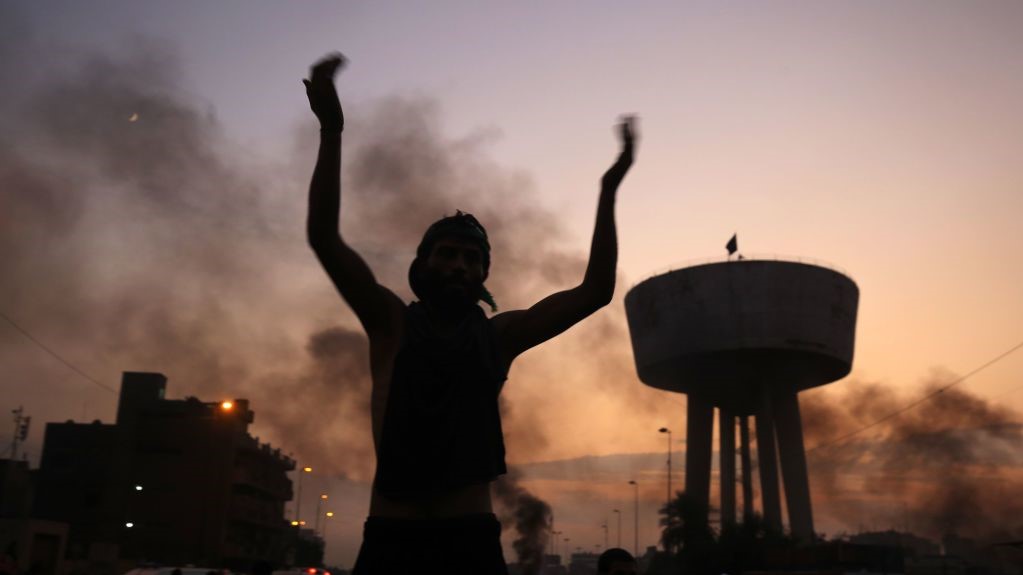
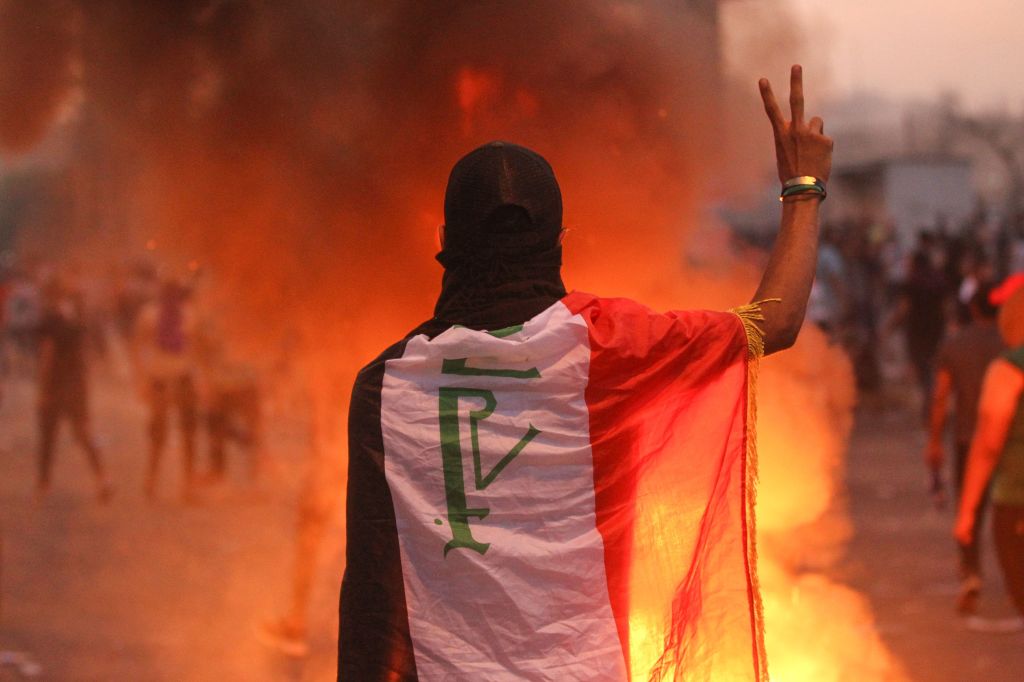
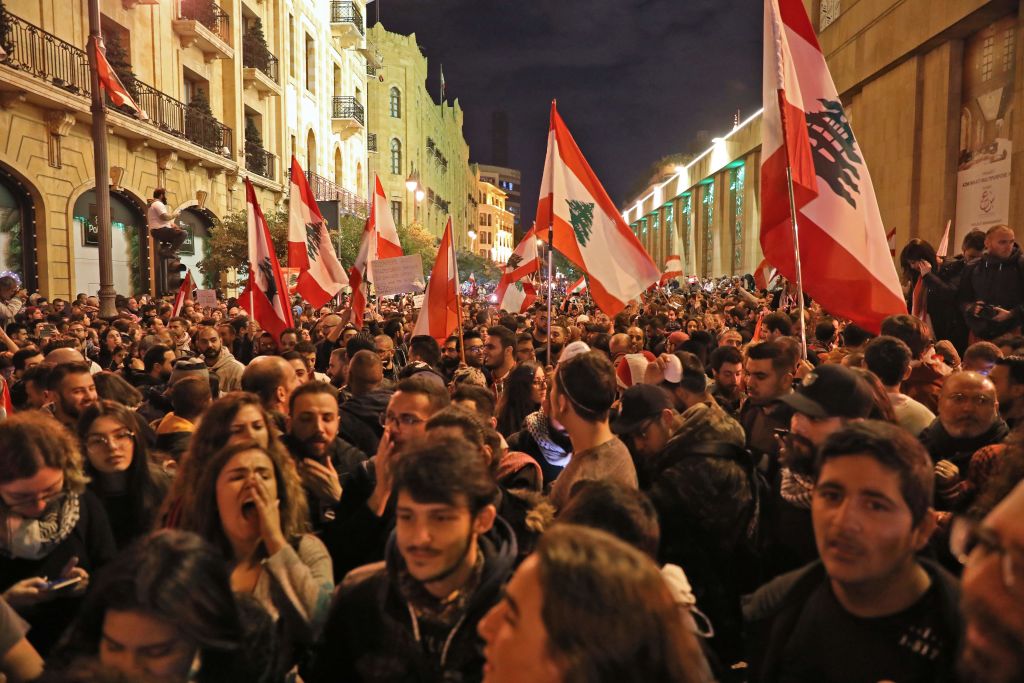
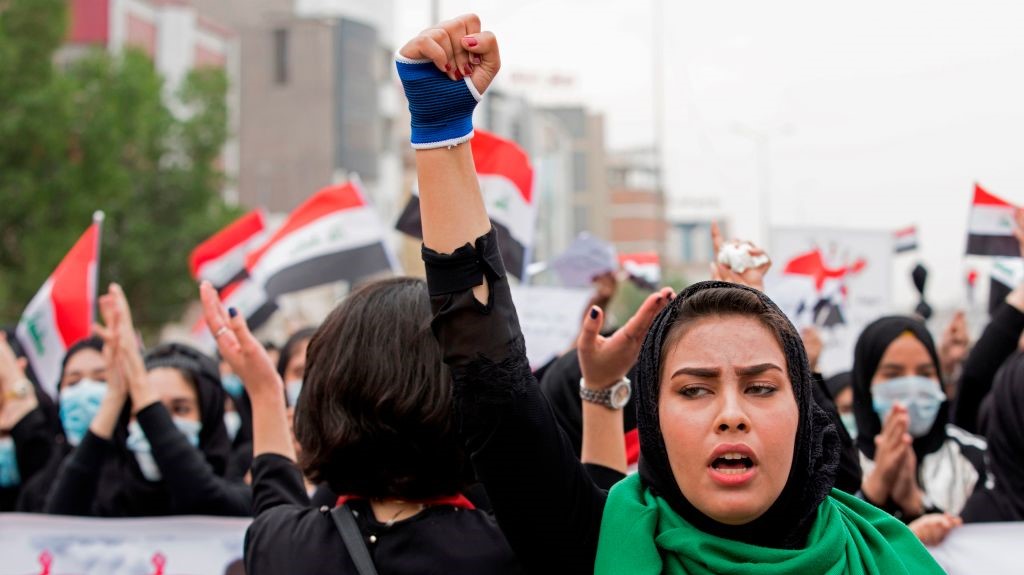
The three uprisings in Iran, Iraq, and Lebanon represent the revolt of a new generation seeking to build a better future for itself. Since 2011, there have been 11 uprisings in the Middle East and North Africa. All 11 uprisings have similar drivers: the explosive dysfunction of high demographic growth, low levels of economic development and job creation, poor government performance and services, and high levels of corruption and inequality.
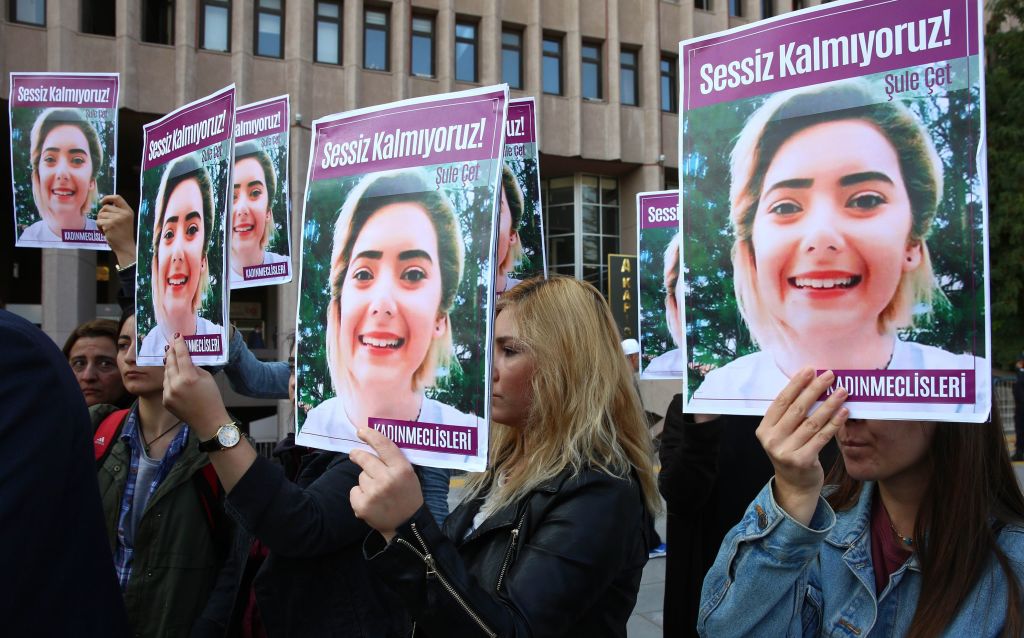
Femicide in Turkey: What’s lacking is political will
Women in Turkey are subjected to violence regardless of socio-economic status. Unlike many countries around the world, laws are in place to prevent and combat violence against women. But sadly, when it comes to implementing these laws, failures leave women unprotected against male violence. The government’s patriarchal approach is one of the main barriers to the implementation of legislation already on the books.
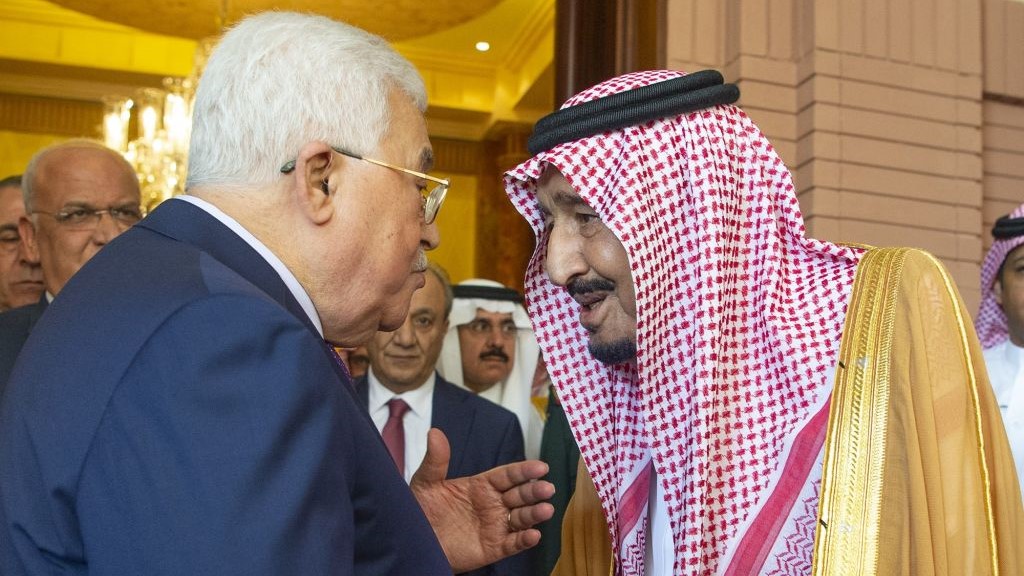
The intra-GCC competition over the Palestinian heart
Since 2017 three separate blocs have emerged within the Gulf. Driven by the region’s divisions, rival power centers, and conflicting interests, the Gulf states are playing an ever-greater role in Palestinian affairs.
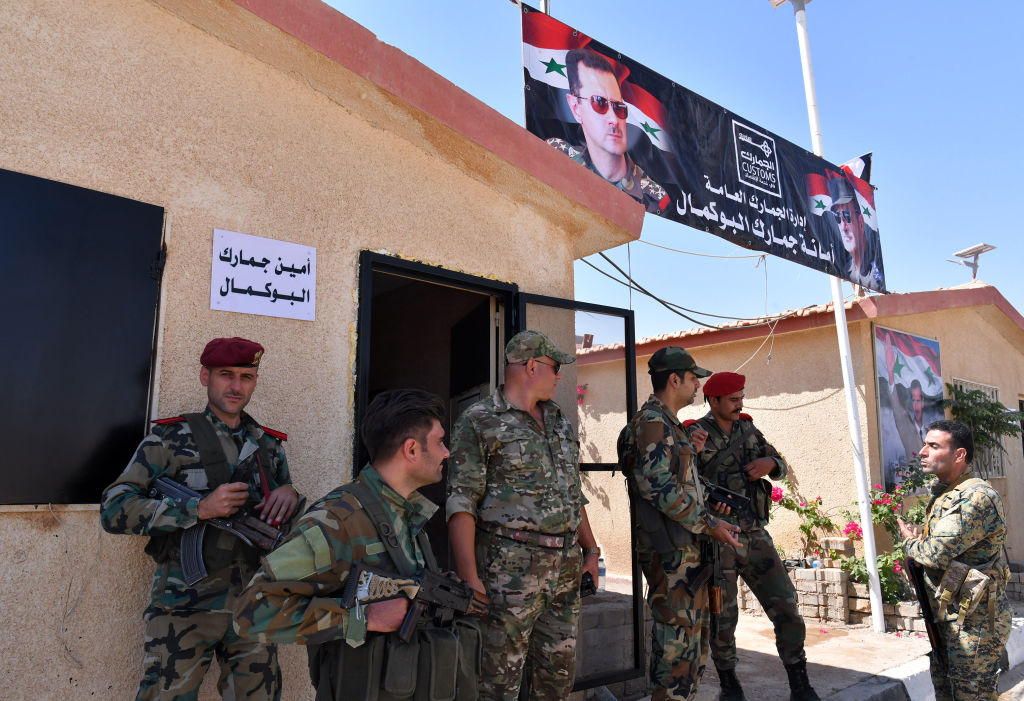
Caesar Bill could ratchet up US sanctions on the Syrian regime and its allies
After several years of behind-the-scenes efforts, the Caesar Syria Civilian Protection Act will be signed into law in Washington. It is an extraordinarily expansive and aggressive piece of legislation, allowing for a significant expansion of sanctions against Syrian regime figures and bodies, including the Central Bank and multiple sectors of the state economy. More significantly, the “Caesar Bill” will place an expectation on the U.S. government to sanction any individual or organization anywhere in the world who provides any form of financial support to the Syrian regime that furthers its ability to repress its people.
Myanmar’s Narratives Underlying the Rohingya Genocide Repeat Age-Old Tropes Regarding Control of Women
When we remember Myanmar’s Rohingya crisis of 2017, we must closely examine the social narratives which allowed this tragedy to take place. As this article shows, access to Buddhist women — with or without consent — is a rallying cry for power among hardliners in Myanmar’s staunchly Buddhist society.
Aspiring Powers, Regional Rivals: Turkey, Egypt, Saudi Arabia, and the New Middle East
Aspiring Powers, Regional Rivals examines relations between Turkey, Egypt, and Saudi Arabia, three key aspiring regional powers that have sought to take on a growing role in the Middle East in recent years at a time of declining U.S. influence and involvement.
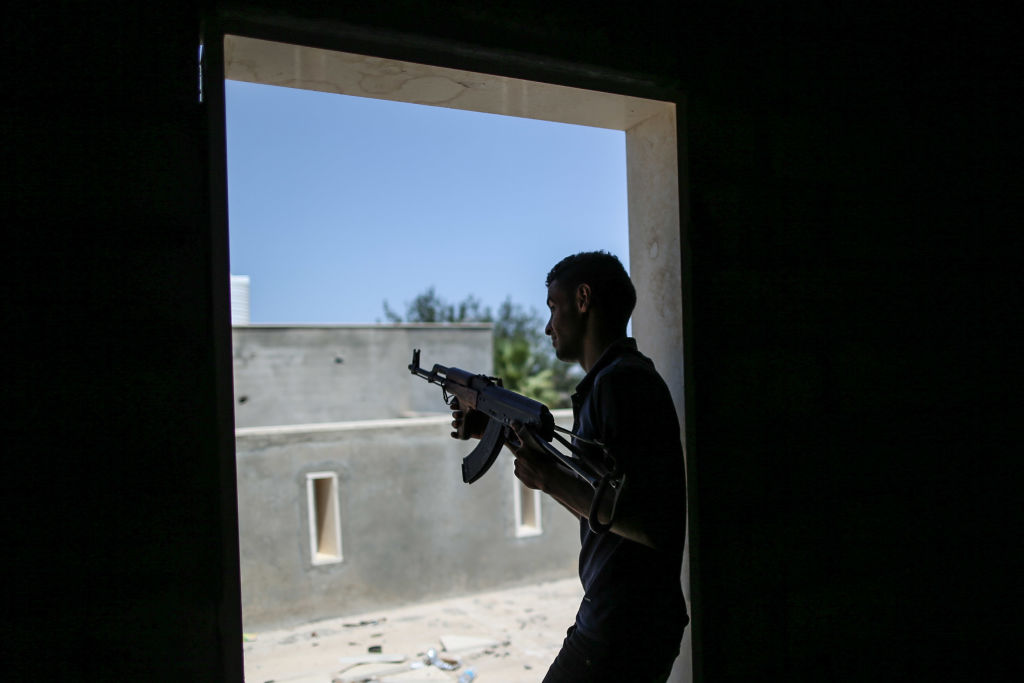
The question as 2019 ends is whether foreign forces supporting the conflict will rethink their commitment to military victory and instead work to secure political solutions through compromise.