Jean-Pierre Cassarino holds a professorship at the Robert Schuman Center for Advanced Studies (RSCAS/European University Institute, Florence) where he directs the Return migration and Development Platform (http://rsc.eui.eu/RDP/). He is also research associate at the Tunis-based Institut de Recherche sur le Maghreb Contemporain (IRMC). Since the mid-1990s, he has published extensively on international migration, particularly on return migration and has carried out numerous field surveys investigating returnees’ manifold patterns of reintegration. Selected publications include: (ed.) Unbalanced Reciprocities: Cooperation on Readmission in the Euro-Mediterranean Area, The Middle East Institute Press, Washington, 2010; (ed.) “Conditions of Modern Return Migrants”, International Journal on Multicultural Societies, Vol. 10, Issue 2, UNESCO, Paris, 2008; (ed.) Return Migrants to the Maghreb Countries: Reintegration and development challenges, RSCAS, European University Institute, Florence, 2008; Tunisian New Entrepreneurs and their Past Experiences of Migration in Europe: Networks, Resource Mobilisation, and Hidden Disaffection. Ashgate Publishers, Aldershot, 2000. Email: [email protected]
The Latest from Jean-Pierre Cassarino
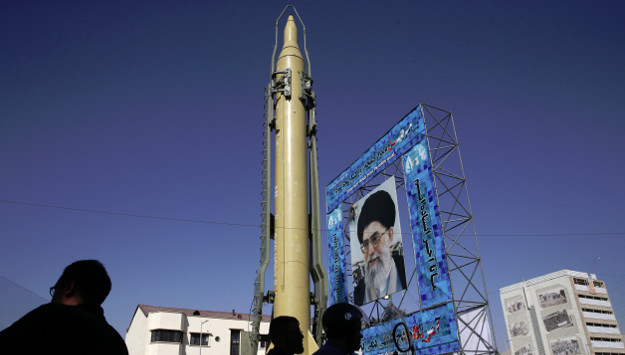

Japan’s Elusive Quest for a “Balanced Energy Mix” and Middle East Energy Relations
Japan’s energy policy is at a turning point. Seven years ago, the country experienced a devastating earthquake and tsunami that severely damaged the Tokyo Electric Power Company (TEPCO) Fukushima Daiichi nuclear power plant. The accident led to the shutdown of all 54 of Japan’s nuclear power reactors[1] and to a revision of the country’s energy policy.
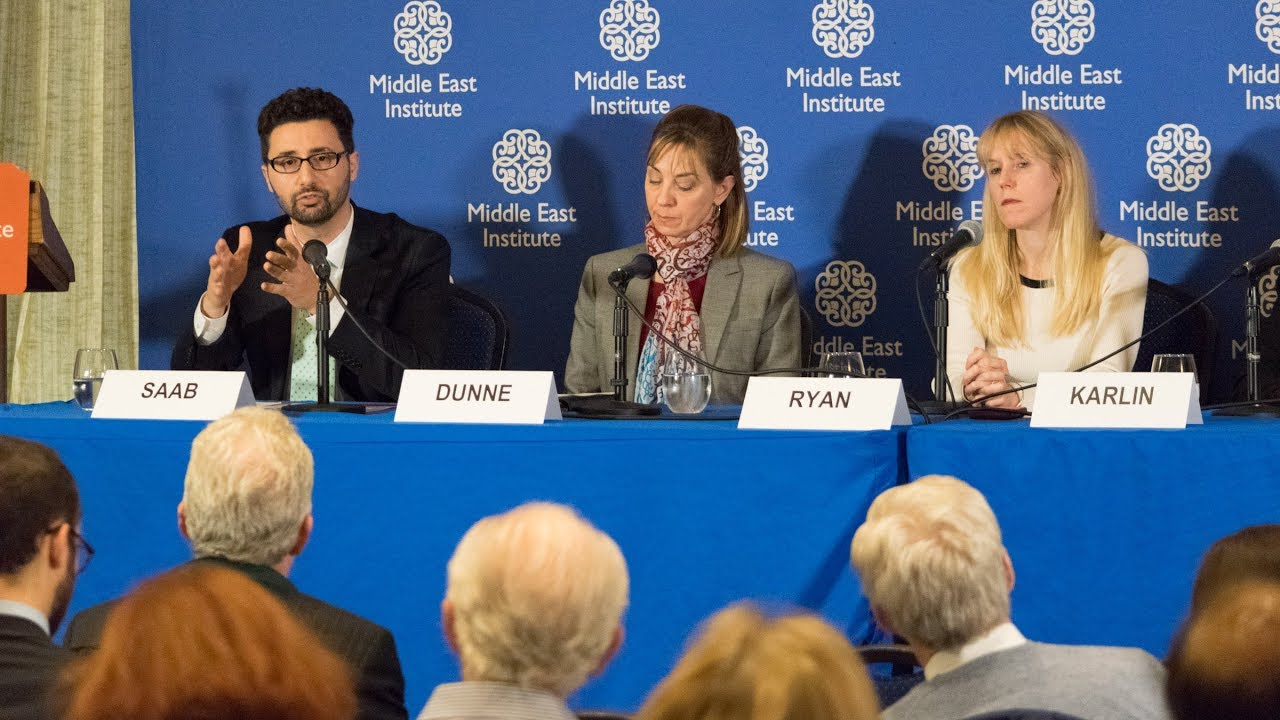
Reevaluating U.S. security assistance to the Middle East
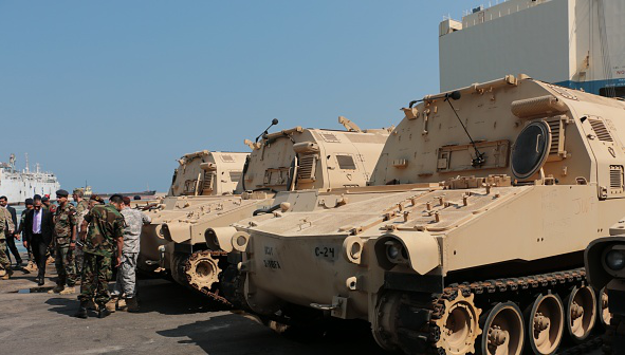
Since 9/11, American security strategy has focused on building the military capabilities of global allies in order to advance shared goals and address joint threats. In the Middle East, the results of this approach have been mixed at best. Frustration over U.S. security assistance to the region has grown in Washington, as funding and arms transfers to various state and non-state partners have led to unintended consequences, prompting the Trump administration to reevaluate U.S. aid to Egypt, Pakistan, and the Palestinians.
Oil in Iraq: pathways to enabling better governance
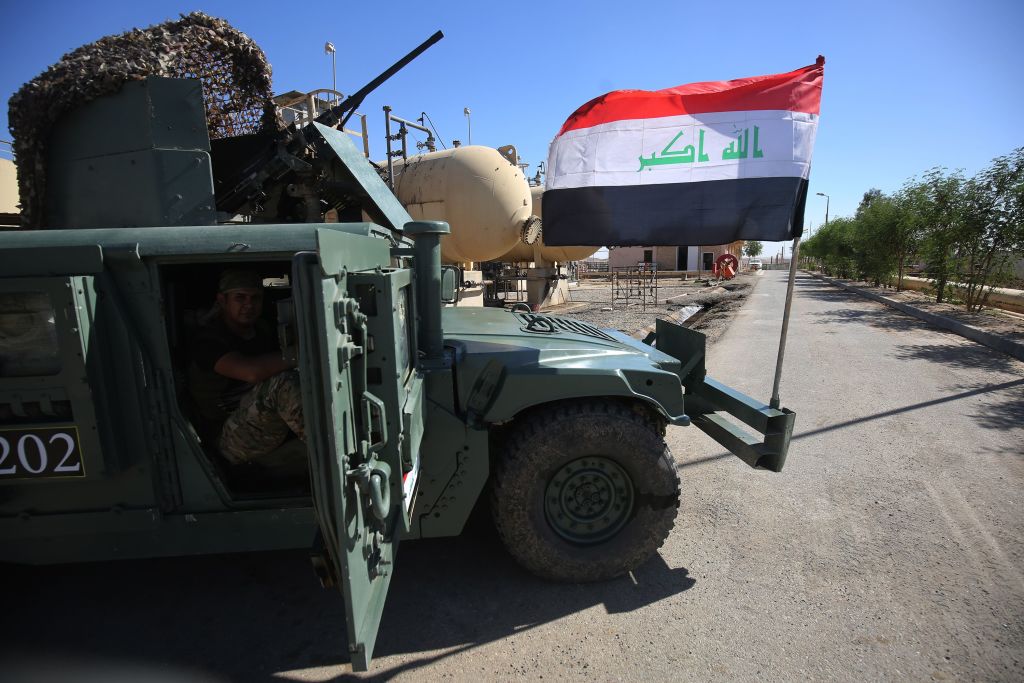
Despite setbacks from the war against ISIS, Iraq remains the world’s fourth largest producer of oil, second only to Saudi Arabia among OPEC states. However, the administration of this vital natural resource has been plagued by corruption and disputes over how revenues should be allocated to promote equitable economic growth. The issue has drawn Iraq’s ethnic, sectarian, and political divisions to the surface.
Iraqi Hezbollah calls on Baghdad government to set up US exit timeline
The Iraqi Hezbollah welcomed the latest decision by the country’s parliament to devise a timetable for the withdrawal of foreign troops and accused the American forces of promoting instability in the war-torn country. “America will create new terrorist groups to justify keeping its forces in Iraq,” the milita group said in a statement.
Israel-Egypt gas deal: politics, or business as usual?
On Feb. 19, a consortium of oil companies led by the U.S.’s Noble Oil and Israel’s Delek signed a contract to supply the Egyptian energy company Dolphinus with up to 32 billion cubic meters of Israeli gas over ten years.
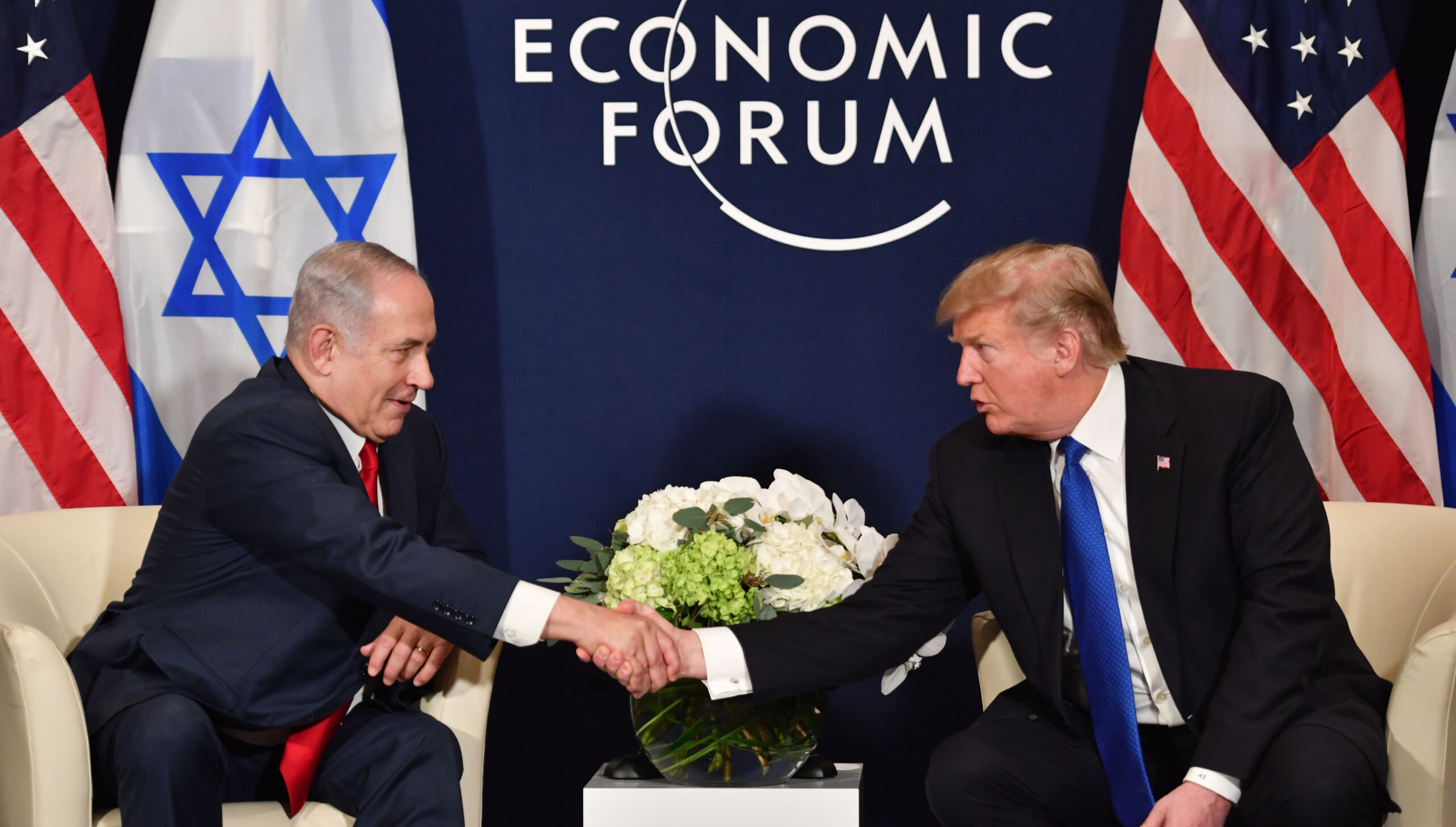
Monday Briefing: Trump and Netanyahu's ultimate deal
In this week’s Monday Briefing, MEI experts Eran Etzion, Gerald Feierstein, Marvin G. Weinbaum, and Gonul Tol provide analysis on recent and upcoming events including Netanyahu’s meeting with Trump, the Saudi Crown Prince’s first extended travel abroad, the Taliban’s call for peace negotiations with the U.S., and Turkey’s pivot to Africa.
Oil in Iraq: pathways to enabling better governance
Bahrain says arrested 116 members of IRGC-established “terror cell”
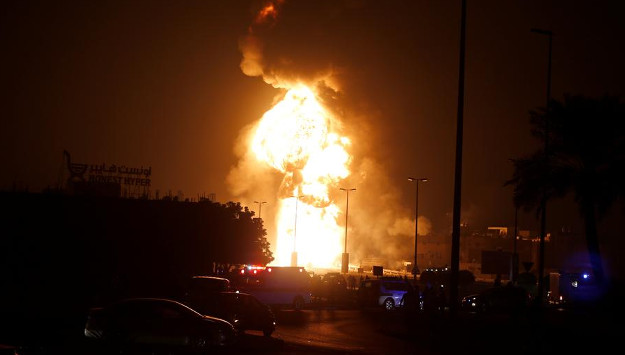
The Bahraini government said on Saturday that its security forces had foiled a number of terrorist plots and arrested 116 people who were allegedly members of an armed group run by Iran’s Islamic Revolution Guards Corps (IRGC). “The Revolutionary Guards formed several terrorist organizations and brought them together under one umbrella,” a statement released by the Bahraini Interior Ministry said.
Afghans fear IRGC may deploy Fatemiyoun fighters to Afghanistan
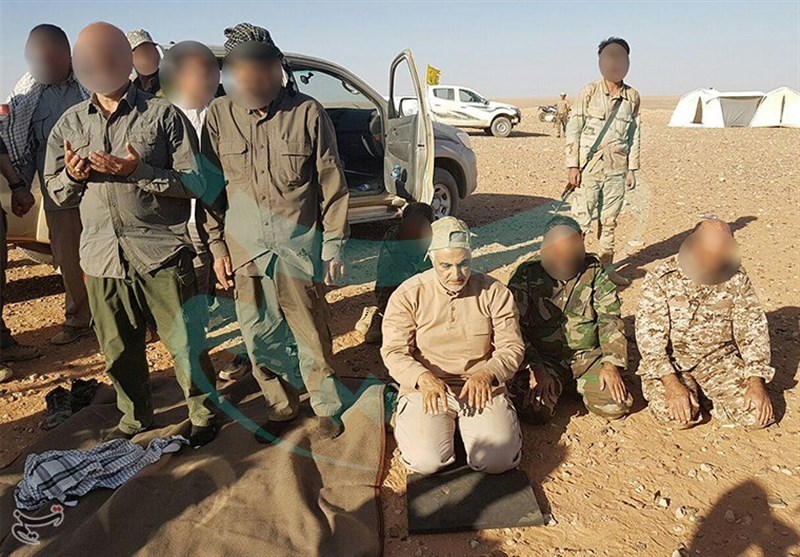
On March 2, Mohammad-Hashem Esmat-Allahi, who served as a senior adviser to former President of Afghanistan Hamid Karzai, praised Afghan Shiite militiamen fighting in Syria.
The humanitarian disaster in Syria’s eastern Ghouta
The Damascus suburb of eastern Ghouta is the site of a humanitarian disaster unfolding day by day as the Syrian regime and its Russian and Iranian backers have maintained a massive aerial assault that has killed hundreds. MEI Fellows Ibrahim al-Assil and Charles Lister join host Paul Salem to discuss the conditions on the ground and what led to the campaign that has turned Ghouta into a “Hell on Earth.”
Reevaluating U.S. security assistance to the Middle East
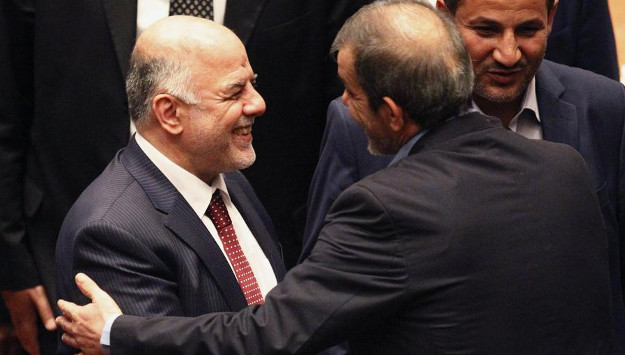
Infiltration of Iran’s Quds Force into Iraq’s economy
On February 25, Iranian Vice President Eshaq Jahangiri appointed Hassan Danaeifar, former ambassador to Baghdad and an officer of the Islamic Revolution Guards Corps’ Quds Force (IRGC-QF) officer, political adviser.
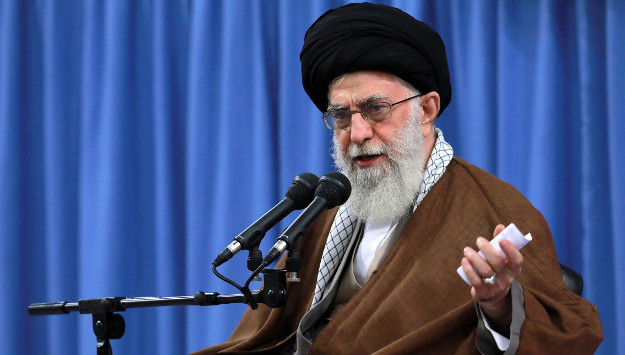
Khamenei praises Assad and vows “resistance front” will soon pray in Jerusalem
Iran’s Supreme Leader Ali Khamenei praised Syrian President Bahsar al-Assad as a “great fighter” and reiterated Tehran’s support for Syria as a “front line” state against the United States and Israel, the Iranian media reported. “Today, Syria is the front line. Therefore, it is our duty to support the Syrian resistance. Indeed, Mr. Bashar al-Assad emerged as a great fighter and stood up firmly and without hesitation.
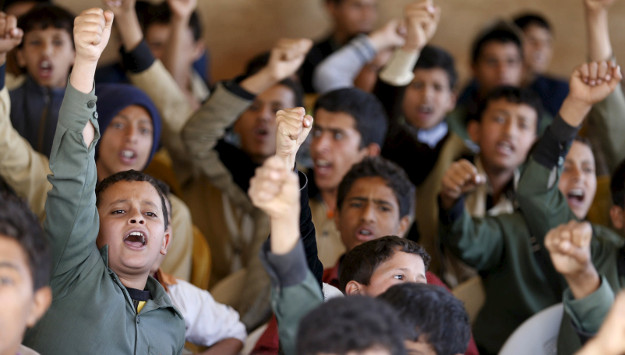
New Houthi-imposed university curriculum reportedly glorifies Iran, promotes sectarianism
A new academic curriculum introduced by the Houthi rebels in Yemen’s Sana’a University promotes sectarianism and glorifies the Houthis and their foreign allies in Iran, Lebanon and Syria, according to reports published in Al-Arabiya,



