This individual is a guest contributor. MEI is not able to assist with contact requests.
Jean-Pierre Cassarino holds a professorship at the Robert Schuman Center for Advanced Studies (RSCAS/European University Institute, Florence) where he directs the Return migration and Development Platform (http://rsc.eui.eu/RDP/). He is also research associate at the Tunis-based Institut de Recherche sur le Maghreb Contemporain (IRMC). Since the mid-1990s, he has published extensively on international migration, particularly on return migration and has carried out numerous field surveys investigating returnees’ manifold patterns of reintegration. Selected publications include: (ed.) Unbalanced Reciprocities: Cooperation on Readmission in the Euro-Mediterranean Area, The Middle East Institute Press, Washington, 2010; (ed.) “Conditions of Modern Return Migrants”, International Journal on Multicultural Societies, Vol. 10, Issue 2, UNESCO, Paris, 2008; (ed.) Return Migrants to the Maghreb Countries: Reintegration and development challenges, RSCAS, European University Institute, Florence, 2008; Tunisian New Entrepreneurs and their Past Experiences of Migration in Europe: Networks, Resource Mobilisation, and Hidden Disaffection. Ashgate Publishers, Aldershot, 2000. Email: [email protected]
De-Russification: Understanding the trajectory and reversibility of Armenia’s Western pivot
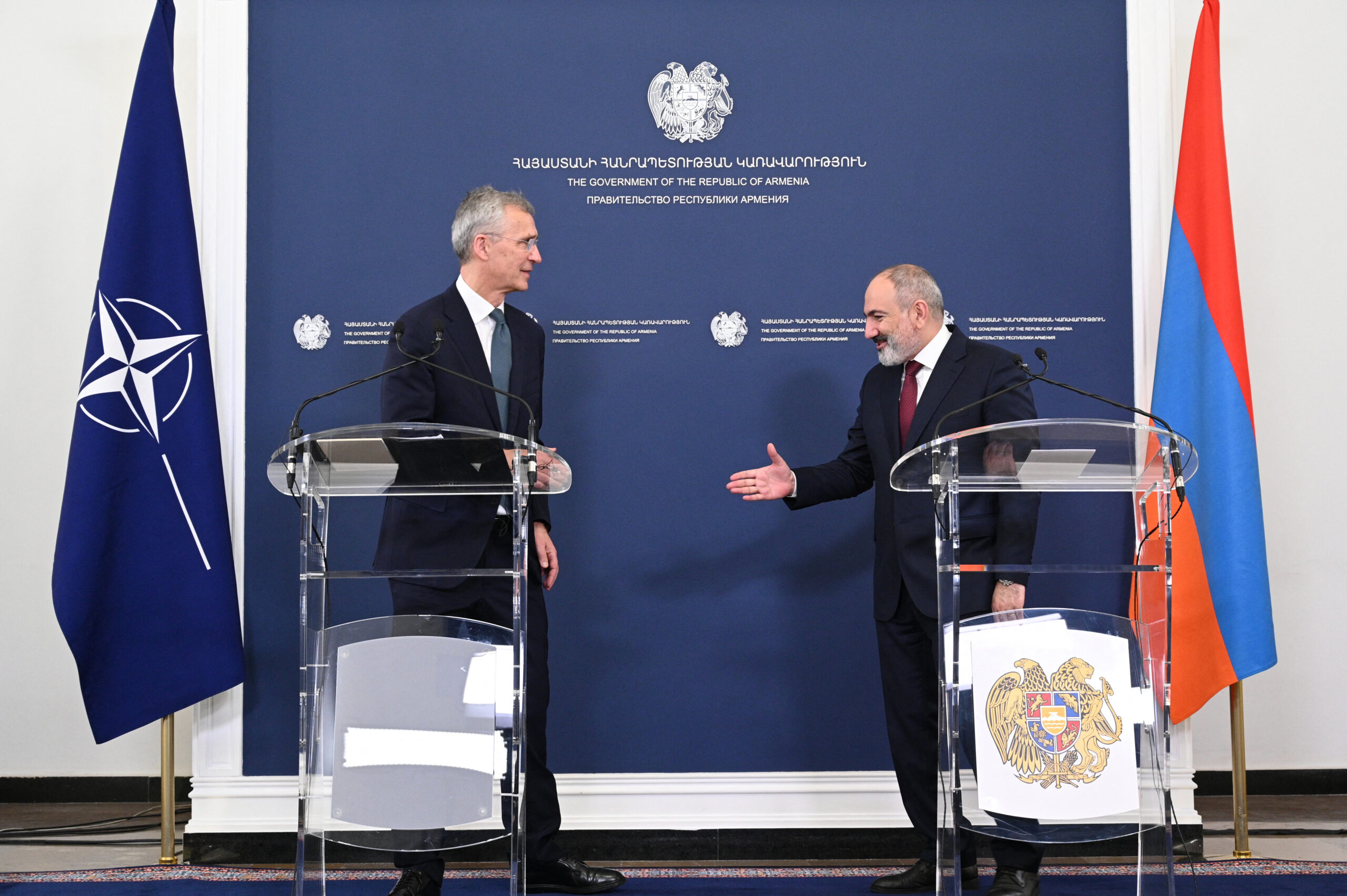
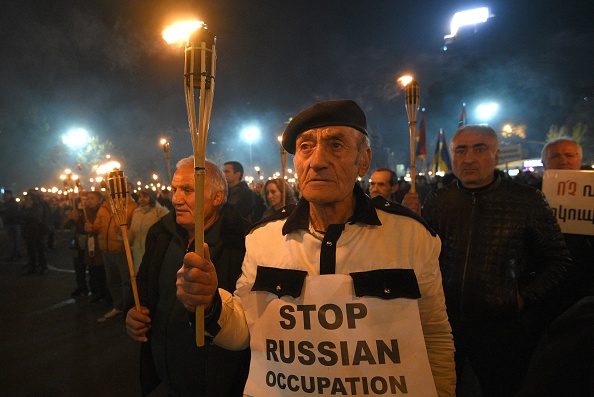
The question of whether Armenia’s recent shift away from reliance on Russia is reversible is central to understanding its democratization trajectory. In recent years, Armenia’s dependency on Russia for security and economic stability has been severely tested, particularly during the 2020 Second Karabakh War and subsequent Azerbaijani incursions on sovereign Armenian territory, where Russia’s lack of support led to widespread disillusionment. This discontent has spurred Armenia to diversify its security, economic, and diplomatic ties, with a notable strengthening of relations with the United States. However, the sustainability of this shift remains uncertain, as it hinges on various societal factors and internal dynamics.
Azerbaijan-Armenia peace talks: The status quo and an emerging diplomatic breakthrough
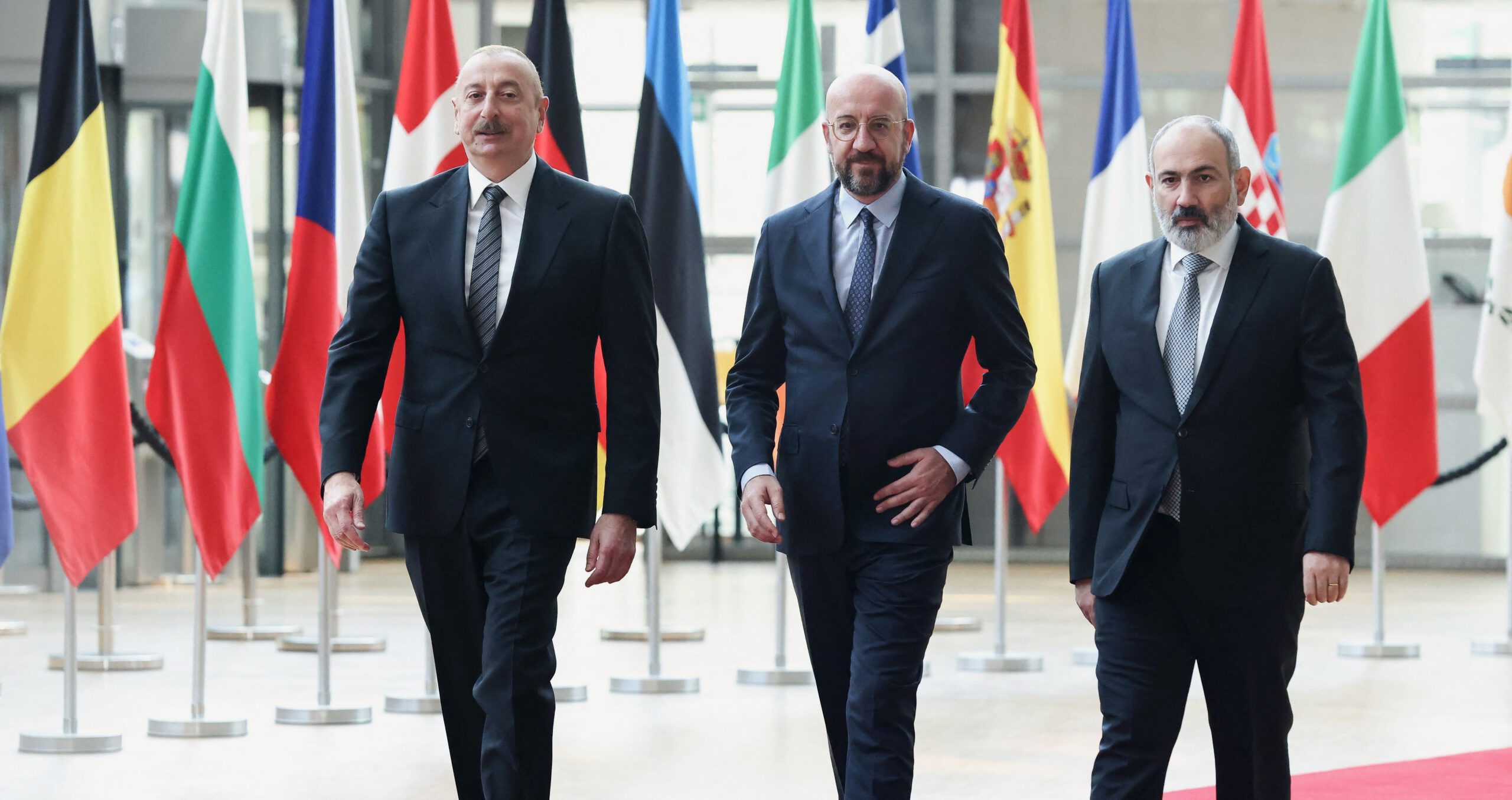
Azerbaijan’s takeover of Karabakh in September 2023, while a disruptive event, has opened the window for renewed dialogue to peacefully resolve the longstanding tensions between Azerbaijan and Armenia. While the ongoing negotiations are unlikely to lead to a comprehensive peace deal in the near term, they could alter the strategic calculus of key actors in the region. The most likely and consequential outcome of the talks will be a peace framework agreement that could rebalance the regional status quo, potentially leading to a peace deal between Armenia and Azerbaijan.
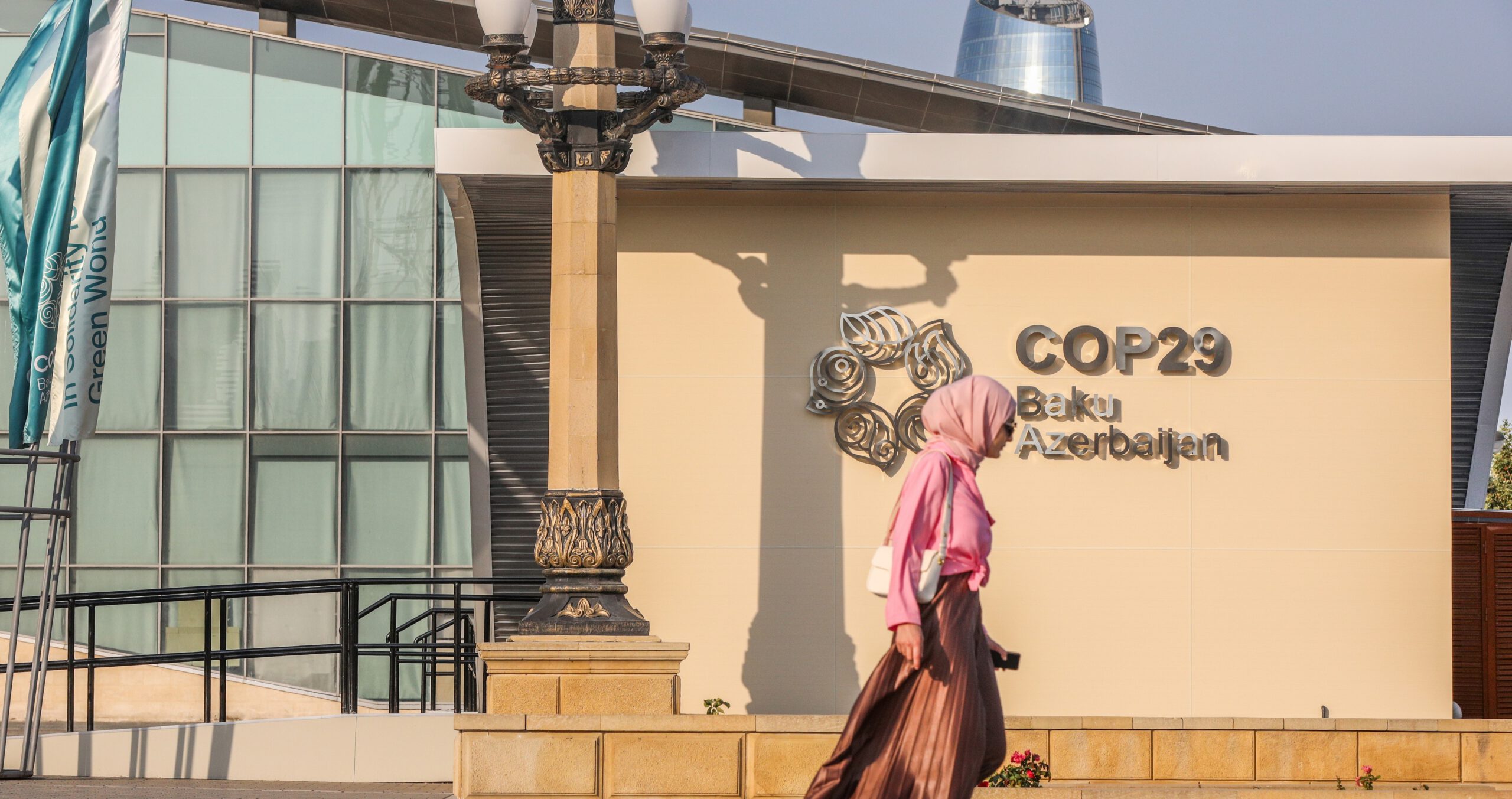
Azerbaijan’s green shift: Energy transition, COP29 commitments, and US collaboration
Azerbaijan seeks to establish itself as a major actor in the global energy transition space as it prepares to host the 2024 UN Climate Change Conference (COP29) in Baku, on November 11-22. COP29 offers many opportunities to improve US-Azerbaijani energy cooperation, including by coordinating the United States’ clean energy technology goals with Azerbaijan’s renewable energy revolution.
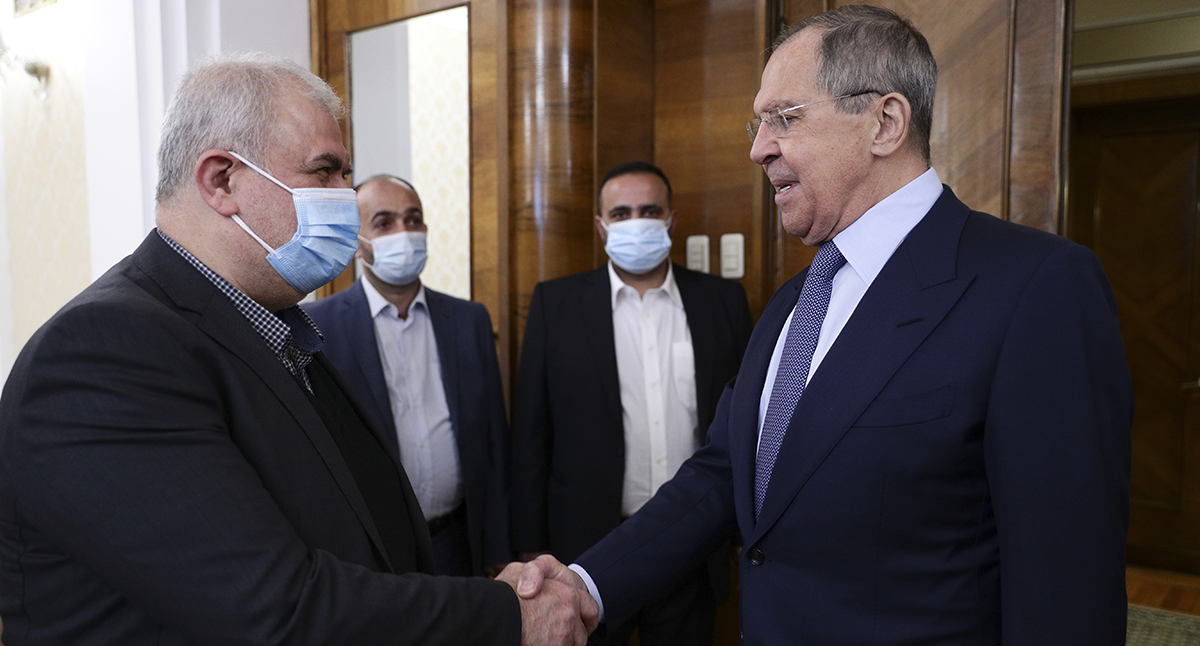
Russia’s relations with Hezbollah amid escalation on Lebanon-Israel border
Russia’s concern about an escalation of hostilities in Lebanon reflects its long-standing partnership with Hezbollah. Due to this multidimensional relationship, Russia has urged Iran to exercise restraint against Israel to prevent the outbreak of a destructive hot war in Lebanon.
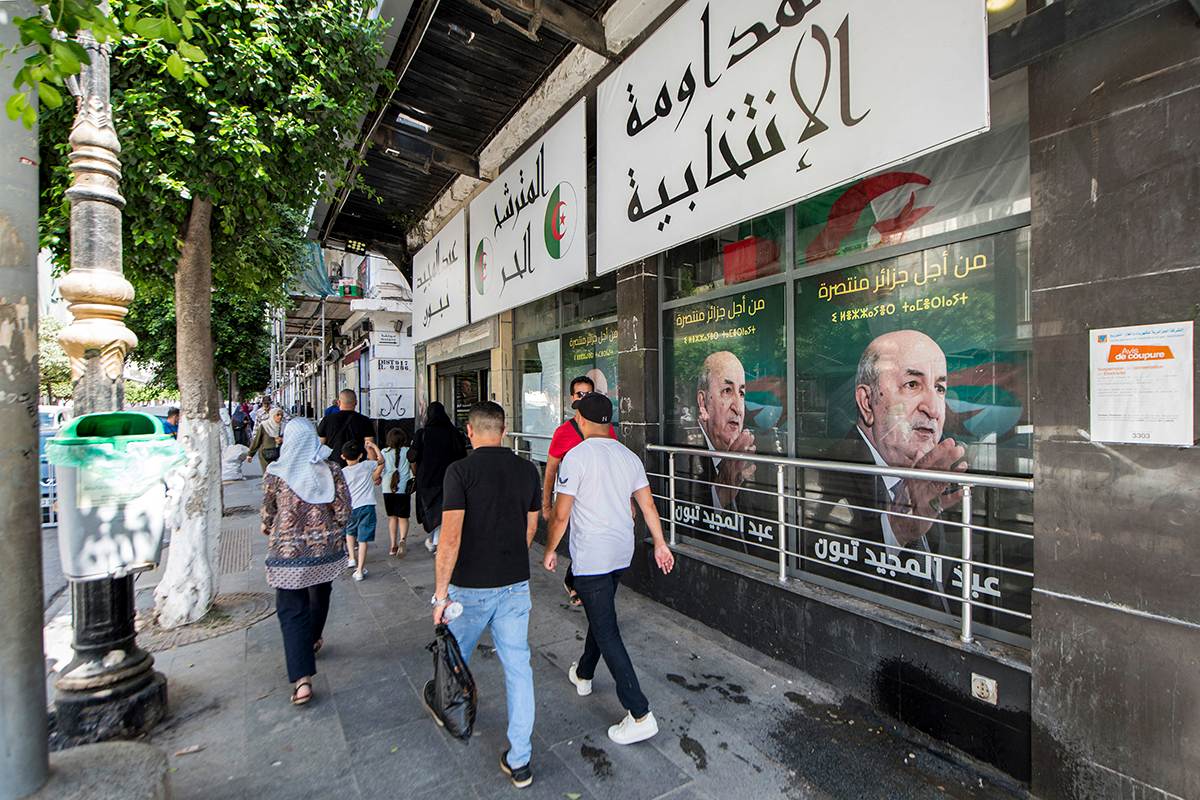
Algeria’s 2024 presidential elections: Keeping up with populist authoritarianism
Algeria is poised for a presidential election on Sept. 7 that, while seemingly predetermined, reveals the complexities of a political landscape profoundly shaped by popular disillusionment following the failure of the 2019 Hirak protest movement. Five years on, incumbent Abdelmadjid Tebboune is promising a second term based on the “continuation of the social state,” but his attempt to renew a social contract based on populist promises of a neoliberal economic renewal is colliding with the lack of institutional reforms necessary to achieve them.
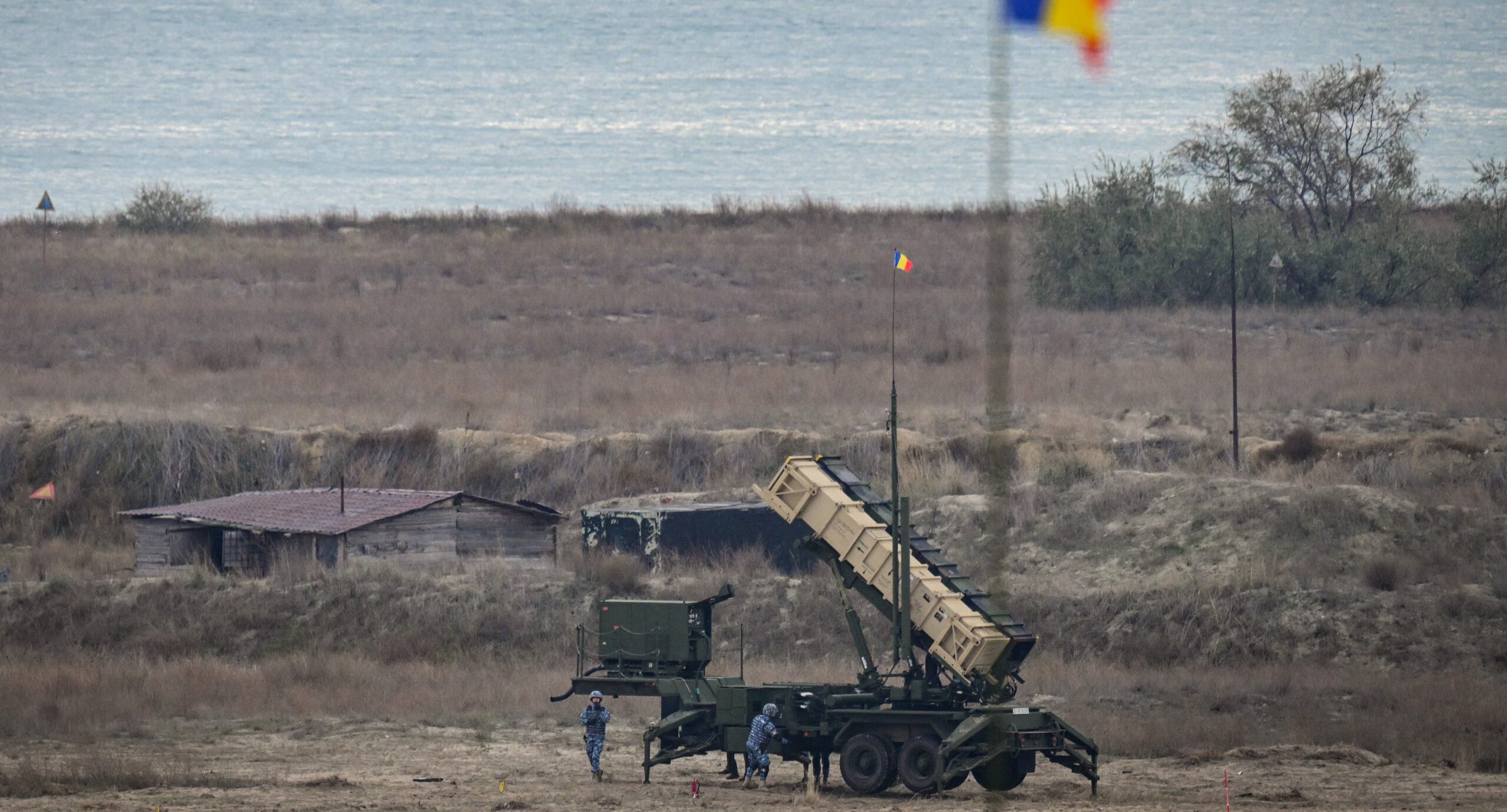
After the Cold War, the Romanian government chose to slim down its sizeable defense industry, but it essentially maintained its state-backed structure, personnel, and management, thus producing a thoroughly inefficient system. Today, Romania retains a proclivity to purchase Western, and particularly American, defense equipment; but it has often neglected any thorough assessments of life cycle costs or real force design considerations.
Pakistan’s shifting positions on the plight of Palestinians and relations with Israel
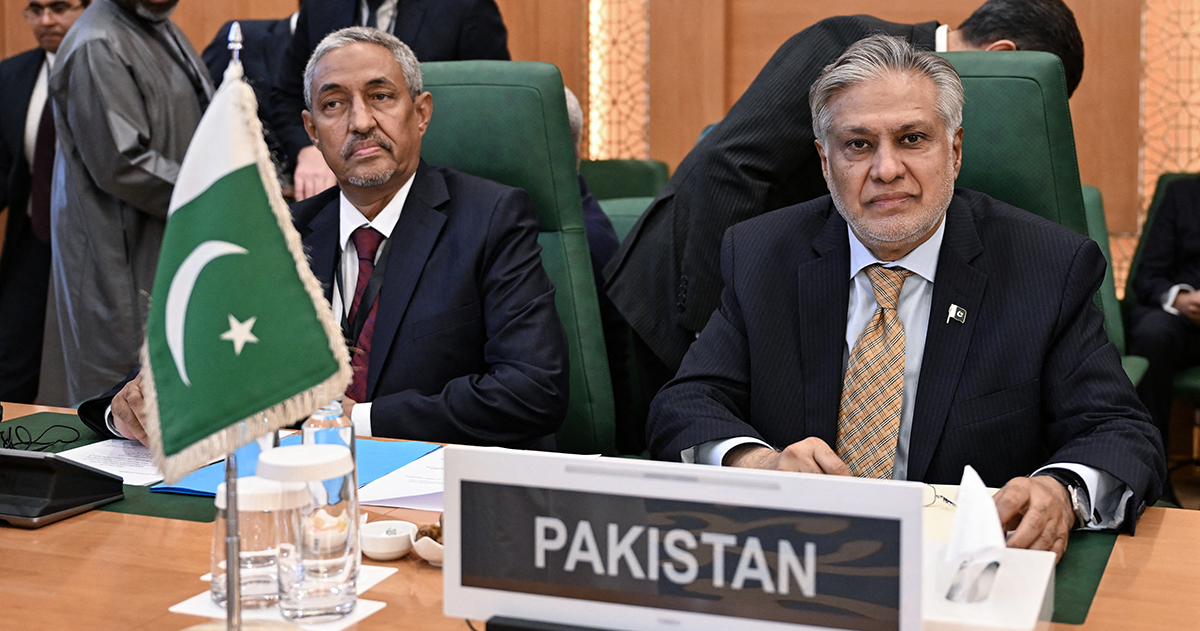
It is ironic that Pakistan and Israel are both countries created in the name of religion, at around the same time, and yet they have no formal relations. While Pakistan’s animosity toward Israel is rooted in the displacement of Palestinians, it has also served as a means of burnishing the country’s credentials within the community of Muslim nations and pushing back against India, which maintains increasingly close ties with Israel.
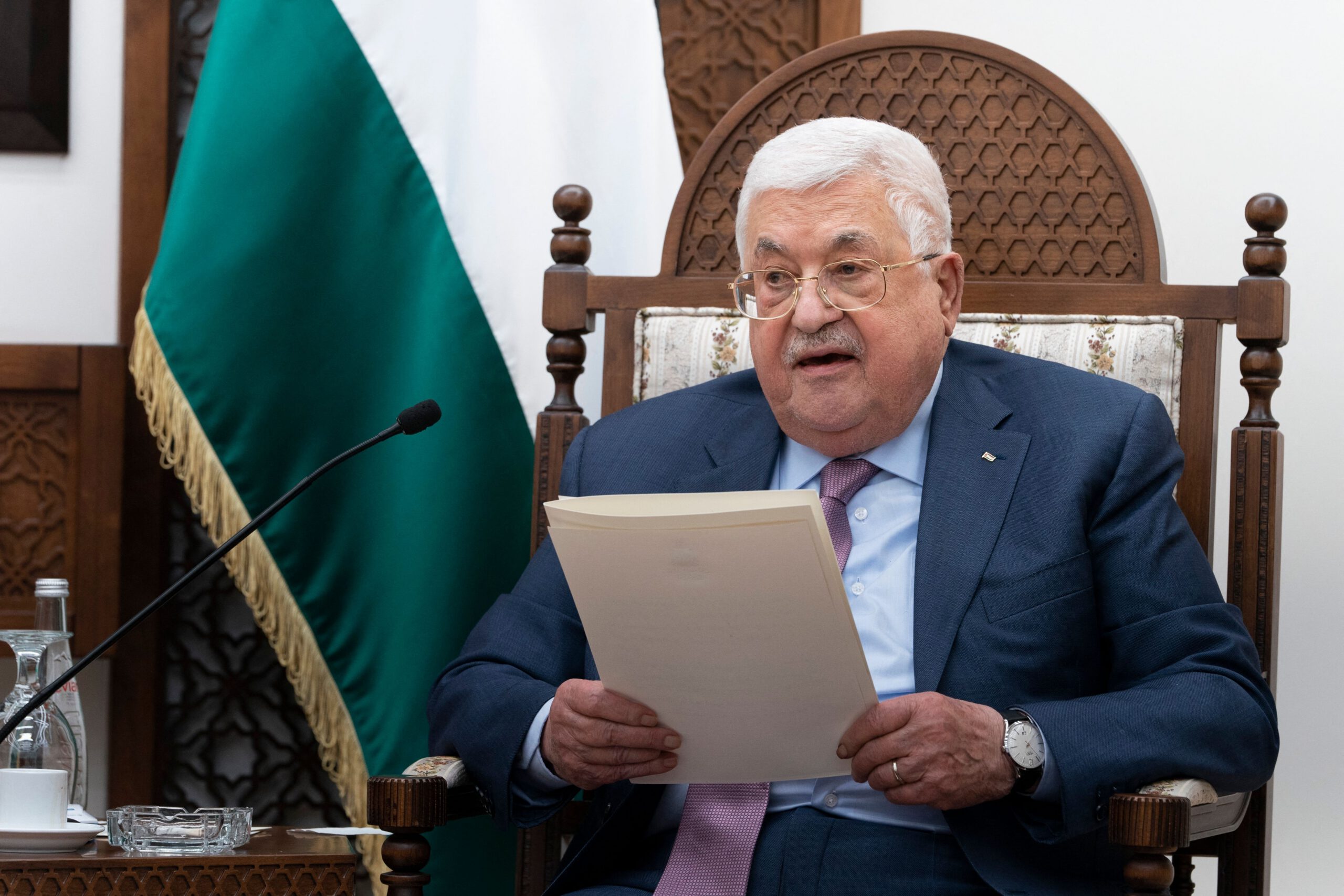
For nearly two decades, Palestinian leadership has been fractured. Along with a basic division between Hamas in Gaza and the Palestinian Authority in the West Bank, numerous other groups have competed for influence. In late July, leaders of all 14 Palestinian political factions, including Fatah and Hamas, met in Beijing to issue a call for national unity.
Brokering a solution to the Libyan Central Bank crisis
The ongoing effort by various factions in Libya to gain control of the Central Bank of Libya (CBL) poses a clear and present danger for the entire country, threatening its safety and security as well as its economy.
Pezeshkian’s presidency is Khamenei’s Hail Mary moment
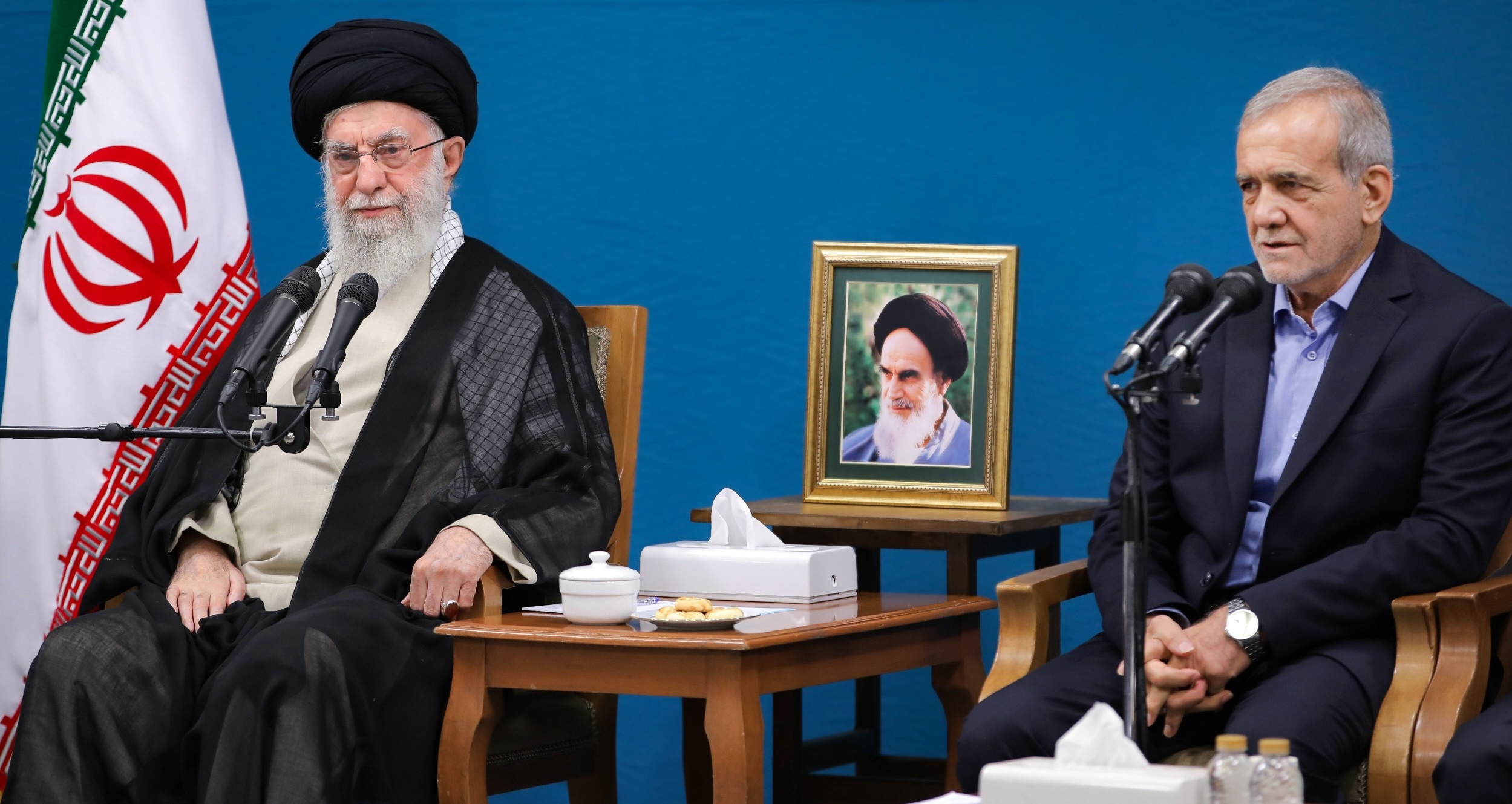
It is critical to understand Ayatollah Ali Khamenei’s plans for the presidency of Masoud Pezeshkian at this moment in time. Changing course is a necessity for a regime beset by a long list of ailments, many of which are rooted in Tehran’s foreign policy choices. For Khamenei, Pezeshkian will not be as much of an instigator of change as he will be an implementor of policy shifts that the leader deems necessary.