This individual is a guest contributor. MEI is not able to assist with contact requests.
Jean-Pierre Cassarino holds a professorship at the Robert Schuman Center for Advanced Studies (RSCAS/European University Institute, Florence) where he directs the Return migration and Development Platform (http://rsc.eui.eu/RDP/). He is also research associate at the Tunis-based Institut de Recherche sur le Maghreb Contemporain (IRMC). Since the mid-1990s, he has published extensively on international migration, particularly on return migration and has carried out numerous field surveys investigating returnees’ manifold patterns of reintegration. Selected publications include: (ed.) Unbalanced Reciprocities: Cooperation on Readmission in the Euro-Mediterranean Area, The Middle East Institute Press, Washington, 2010; (ed.) “Conditions of Modern Return Migrants”, International Journal on Multicultural Societies, Vol. 10, Issue 2, UNESCO, Paris, 2008; (ed.) Return Migrants to the Maghreb Countries: Reintegration and development challenges, RSCAS, European University Institute, Florence, 2008; Tunisian New Entrepreneurs and their Past Experiences of Migration in Europe: Networks, Resource Mobilisation, and Hidden Disaffection. Ashgate Publishers, Aldershot, 2000. Email: [email protected]
Opposition Upset Victory in Turkey's Local Elections
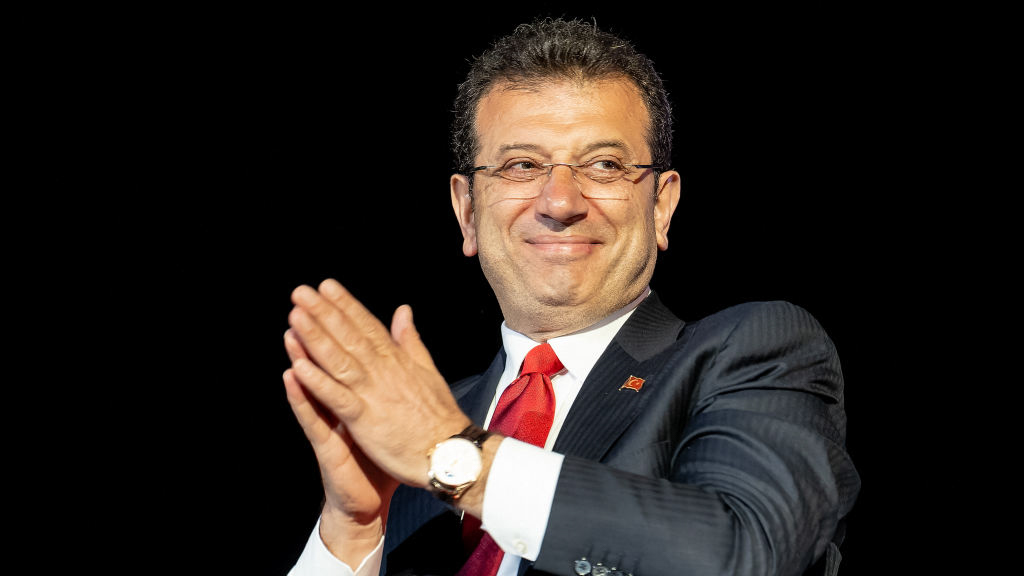
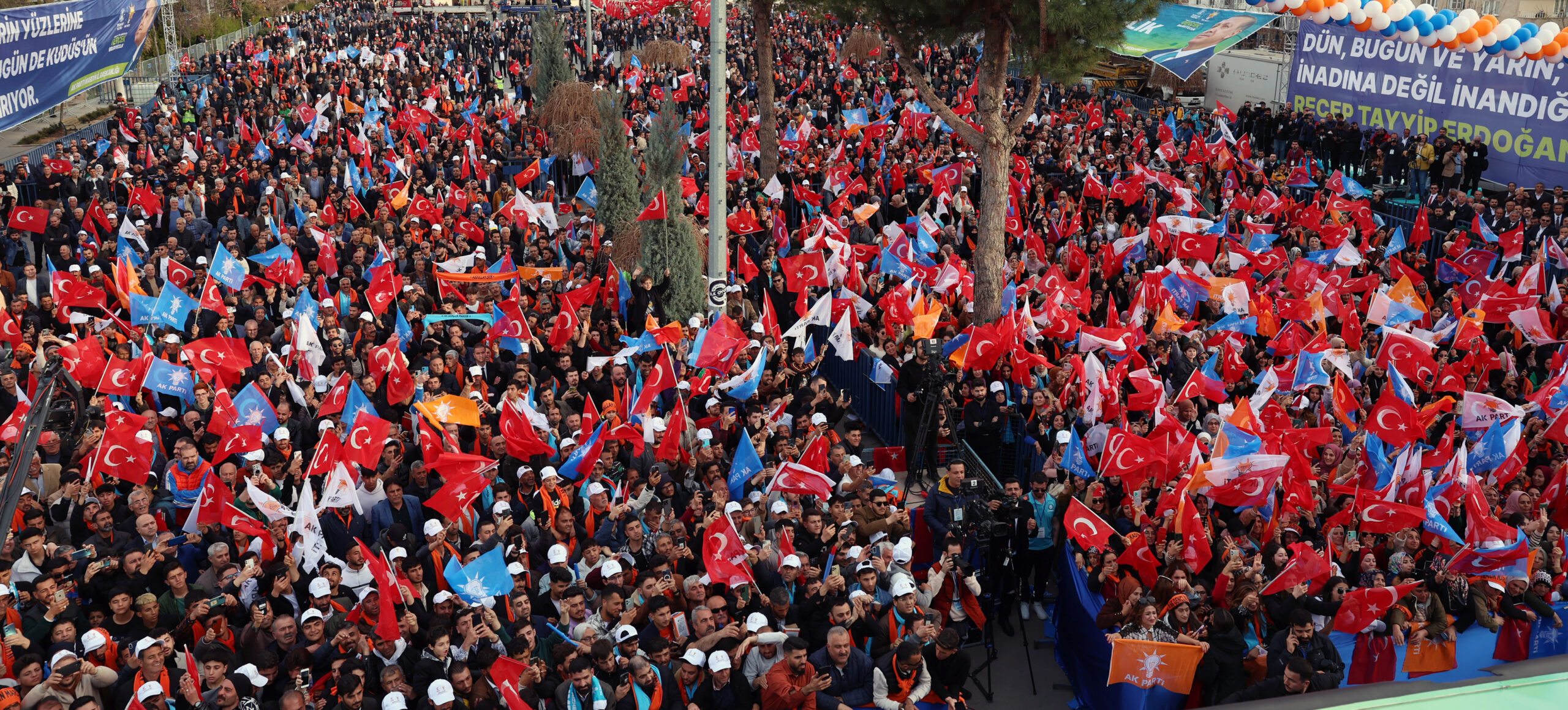
On this week’s episode, Murat Somer – Professor of Political Science and International Relations at Istanbul’s Ozyegin University – and MEI Turkey Program Director Gonul Tol join MEI Editor-in-Chief Alistair Taylor to discuss the main opposition party’s surprising victory in Turkey’s March 31 local elections. In what some are calling a “red wave,” the Republican People’s Party (or CHP) notched up victories in both major cities and smaller towns and villages, winning control of Turkey’s 5 largest metropolitan areas and 35 of its 81 provincial municipalities.
COP28 introduced peace and conflict into the climate discussion. What comes next?
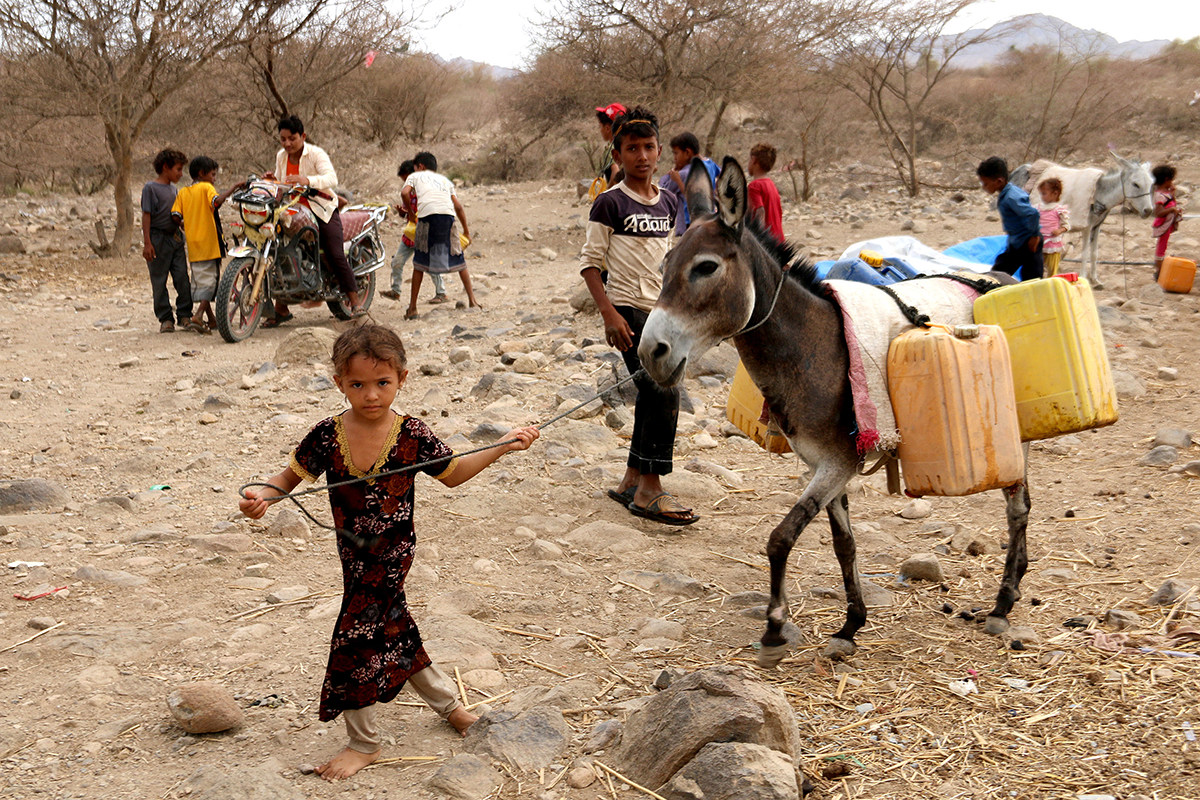
At the COP28 in Dubai last December, 74 countries, organizations, and multinational development banks officially linked climate change and conflict for the first time in the conference’s history by signing the Declaration on Relief, Recovery, and Peace. This declaration recognizes that countries affected by conflict and fragility are significantly more vulnerable to the effects of climate change and calls for the scaling up of climate finance to help them better prepare for and respond to climate impacts
After Attack in Russia, Focus Turns to ISKP in Afghanistan and Central Asia
The March 22 terror attack in Russia, on the outskirts of Moscow, which killed 139 people has brought attention back to the Islamic State Khorasan Province (ISKP). Notwithstanding the Kremlin’s proclivity to link the attackers to Ukraine and not ISKP, the group’s involvement in the attack is clear from its claim and the evidence that has emerged in the aftermath.
Amid renewed protests and political maneuvering, the odds of early elections in Israel are rising
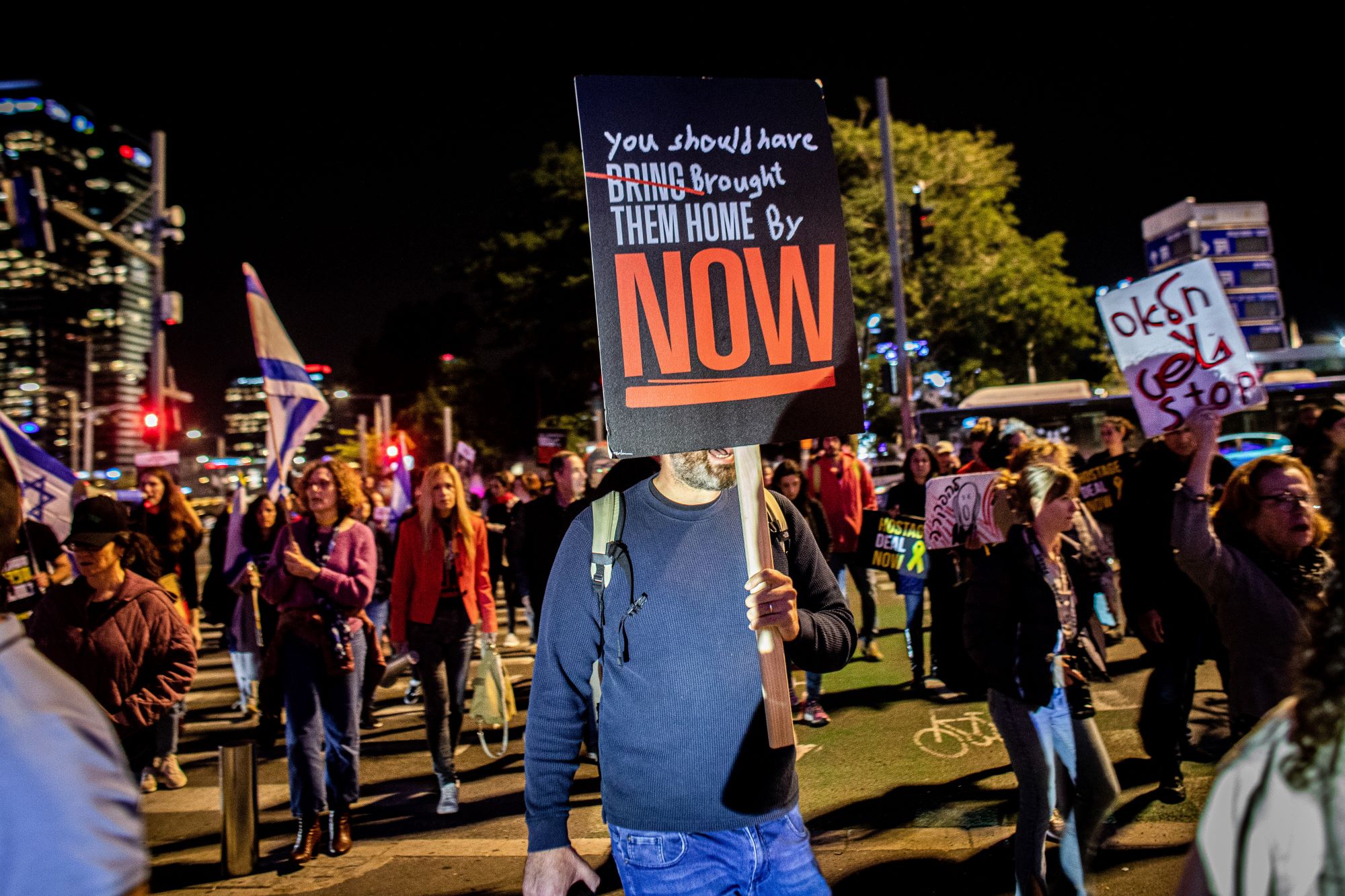
Public opinion polls indicate that a plurality of Israelis have lost faith in Prime Minister Benjamin Netanyahu and support early elections. Recently, this trend has been coupled with renewed demonstrations against the government and maneuvers by key politicians, indicating that the chances Israelis will go to the polls during 2024 are on the rise.
Strategic foresight is helping create Arab futures
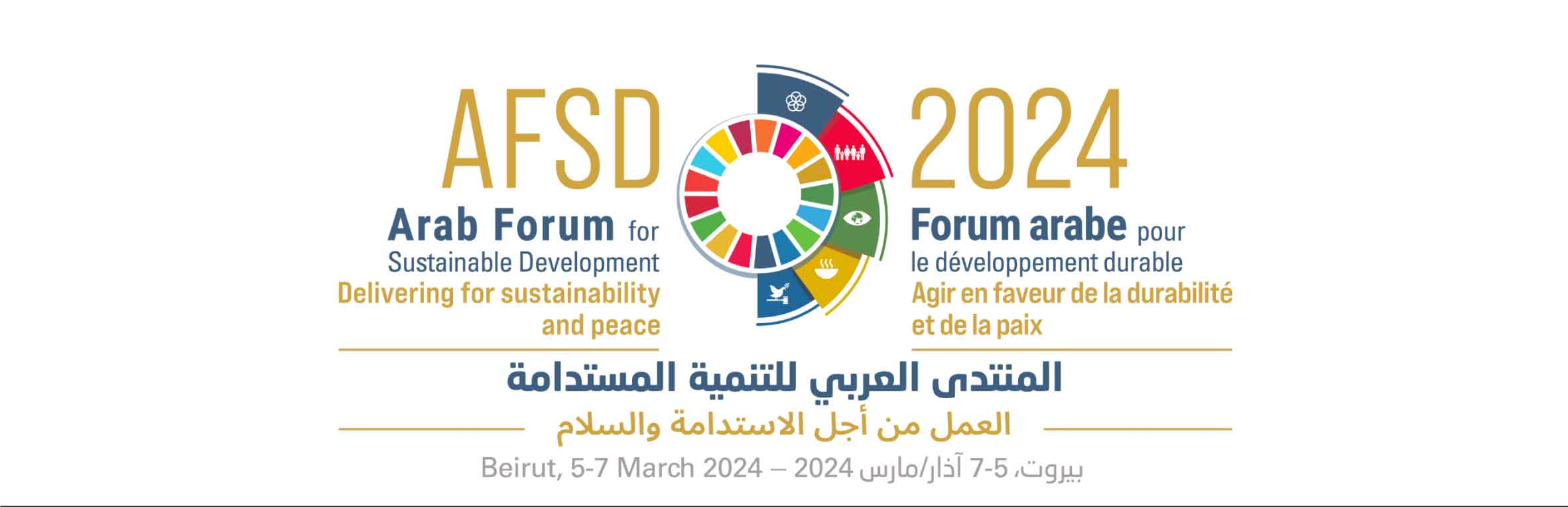
On March 5-7, 2024, the United Nations’ Economic and Social Commission for Western Asia (ESCWA) hosted the annual Arab Forum for Sustainable Development (AFSD). The inclusion of a special session on “Collaborative Futures: Strategic Foresight for Sustainable Development in a World of Crisis” is another example of the growing attention to foresight-driven analysis and decision-making among leaders in the Arab world.
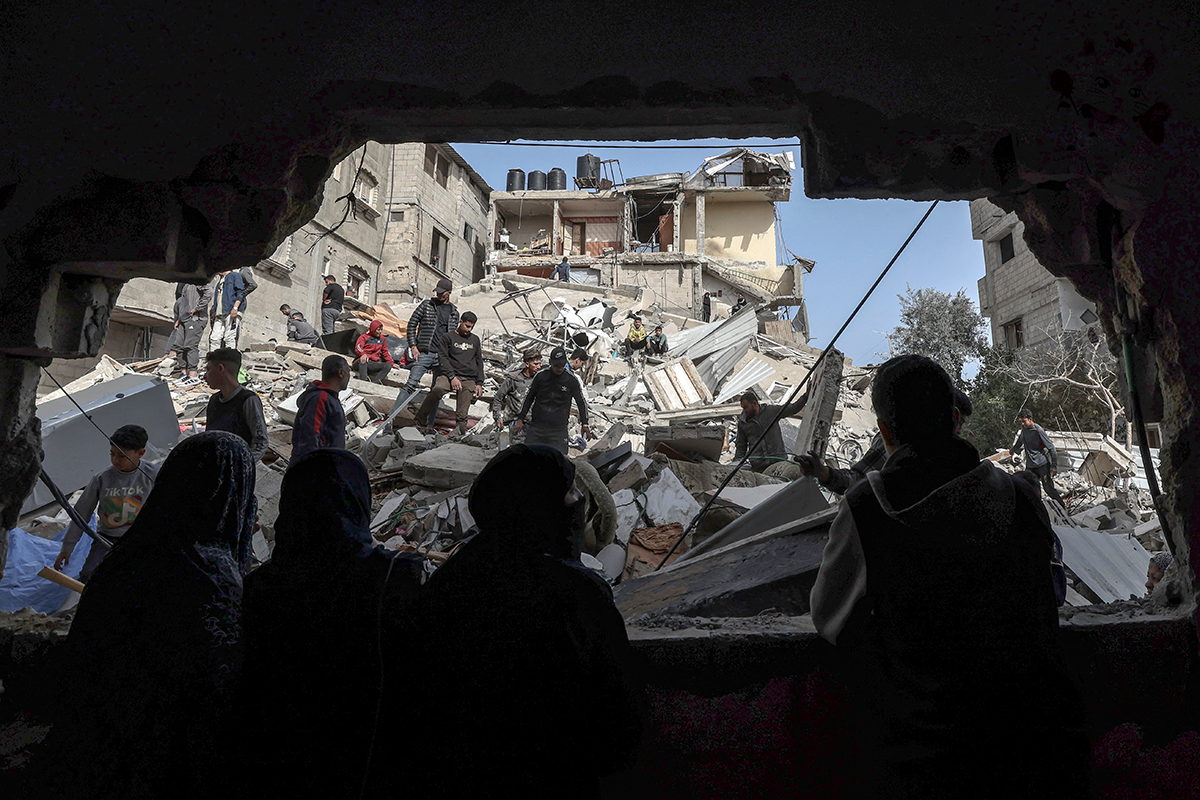
The Second War for Palestine has continued longer than any Israel-Palestinian conflict since Israel’s establishment. Neither Gamal Abdel Nasser’s army nor Hafez al-Assad’s tanks fought as long as the Izzedine al-Qassam Brigades still battling in Gaza.
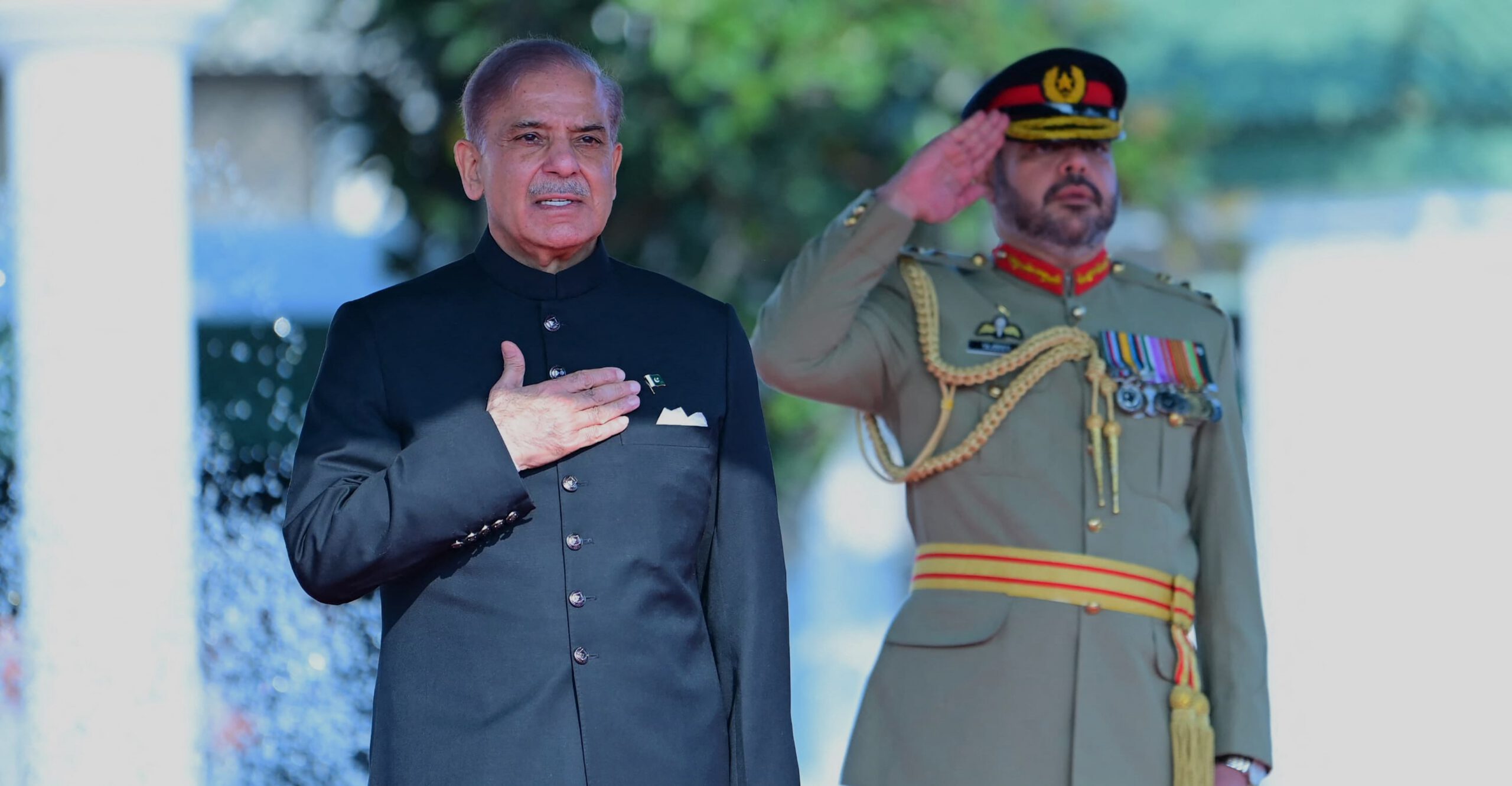
The newly formed government coalition in Islamabad initially looked weak, unstable, and probably short lived. But in the weeks since the outcome of the vote was announced, the political landscape has rapidly changed. Nevertheless, there are portents of trouble ahead that could send Pakistan back into the political tangle from which it has so recently emerged.
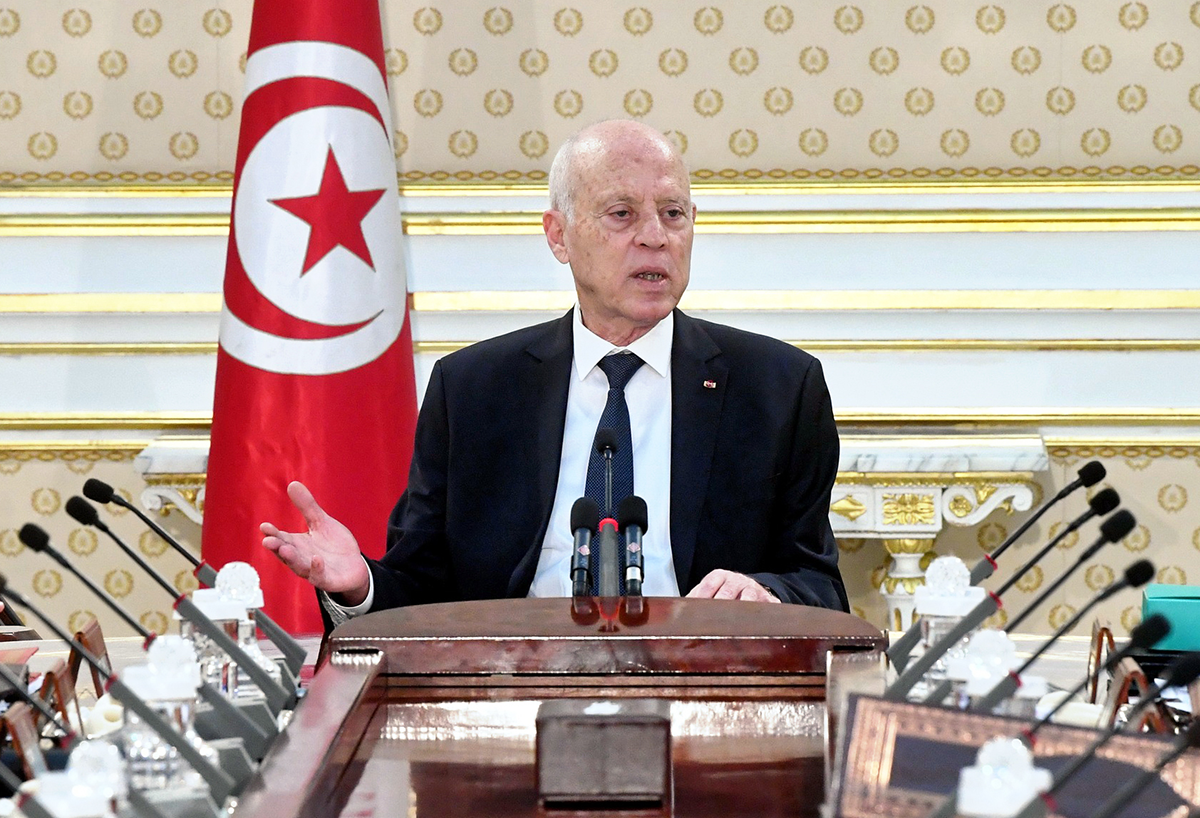
Tunisian President Kais Saied appears to be constructing a new economic strategy. While he has previously outlined his priorities with broad strokes, like fighting corruption and defending sovereignty, he has recently begun to add greater detail, adopting a personalized approach that appears to be attempting to bypass the existing corporatist structures.
Rethinking Democracy, Ep. 1: Why Does Democracy Flourish? With Francis Fukuyama and Paul Salem
The world’s oldest democracy is in trouble. According to a study by the Public Religion Research Institute and the Brookings Institution, 75% of Americans believe that “the future of American democracy is at risk in the 2024 presidential election.” We often debate why democracies die because we assume that authoritarian power is the exception and democracy is the norm. But history says otherwise. Francis Fukuyama and Paul Salem join Gonul Tol to answer the question: Why has democracy flourished in certain countries and regions and not in others?