Skip to Content

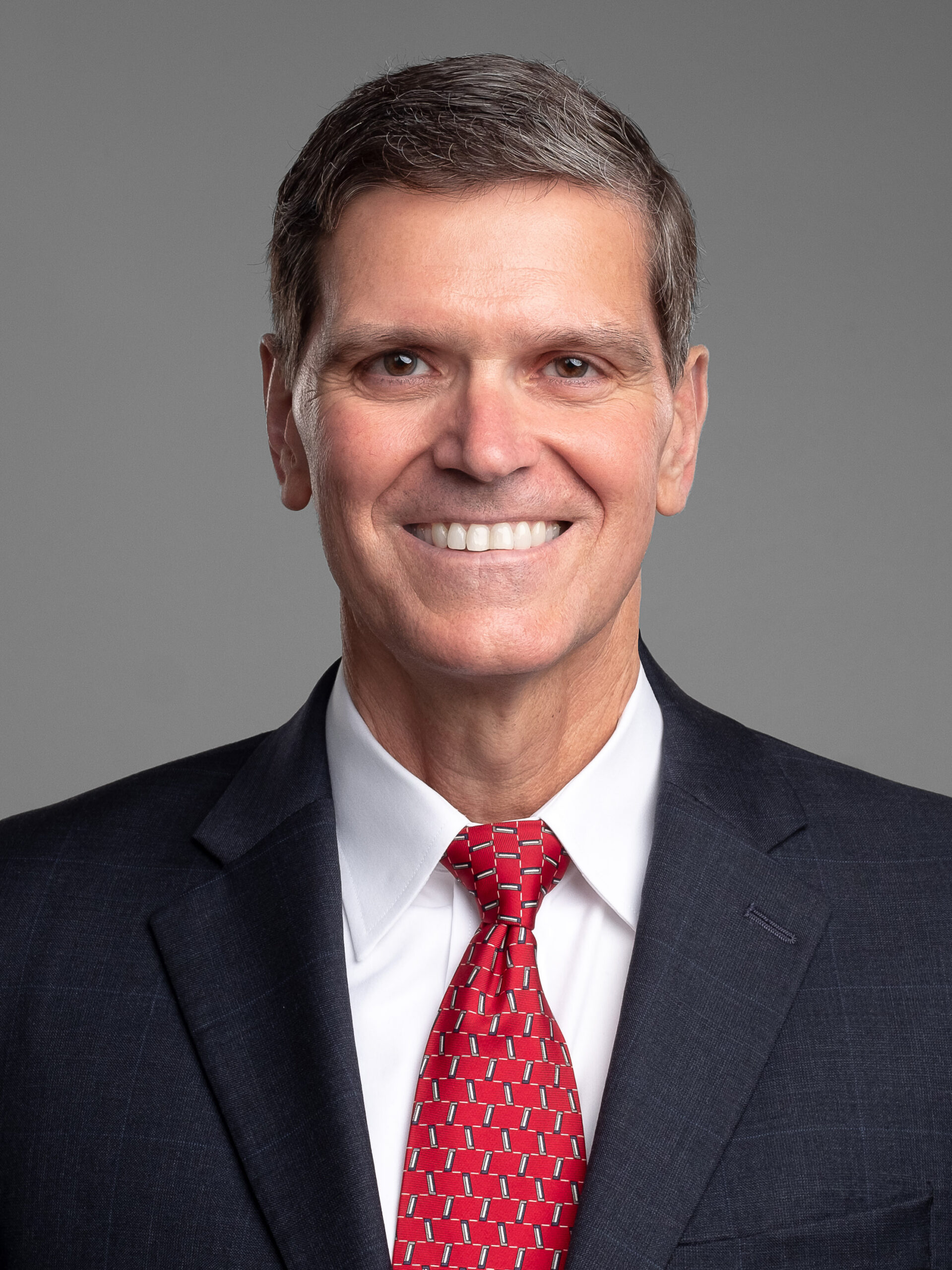
Joseph L. Votel

Distinguished Military Fellow

Joseph Votel

General (ret.) Joseph L. Votel is a Distinguished Military Fellow at MEI. He retired as a four-star general in the United States Army after a nearly 40-year career, during which he held a variety of commands in positions of leadership, including most recently as commander of U.S. Central Command (CENTCOM) from March 2016 to March 2019. 

In his role at CENTCOM, Gen. Votel oversaw military operations across the region, including the campaign against ISIS in Iraq and Syria. Before CENTCOM he was the commander of the U.S. Special Operations Command (SOCOM) and the Joint Special Operations Command (JSOC). He was the commander of the 75th Ranger Regiment when they deployed to Afghanistan in 2001 and to Iraq in 2003. While assigned to the Pentagon, he organized the original IED Task Force that eventually grew into the Joint Improvised-Threat Defeat Organization (JIDO). 

During his military career, Gen. Votel gained extensive operational experience across the Middle East, Levant, Central and South Asia, Northern Africa, and the Horn of Africa. He was awarded numerous medals of service including three Defense Distinguished Service Medals, an Army Distinguished Service Medal, three Defense Superior Service Medals, two Legion of Merit medals, and four Bronze Star Medals.

Education
Gen. Votel is a graduate of the Infantry Officer Basic and Advanced Courses, United States Army Command and General Staff College, and the United States Army War College.

Countries/regions of expertise
Middle East, Levant, Central and South Asia, North Africa, and the Horn of Africa.

Issues of expertise
National security, defense, military affairs, counter-terrorism, U.S. Middle East policy, U.S. security policy, counter-insurgency.
The Latest from Joseph L. Votel

Filter by
39 Results
The Biden administration and the Middle East: Four-year policy goals
  • Analysis
  • The Biden administration and the Middle East: Four-year policy goals

    The Biden administration will face a number of major challenges in the Middle East over the next four years, from great power competition and climate change to cybersecurity and refugees and migration. But what realistically can it achieve in that time on the policy front? To better understand what’s possible, we asked 10 experts from across MEI to weigh in with their thoughts.

    Political support, not terrorist designation, is key to moving forward in Yemen
    Photo by MOHAMMED HUWAIS/AFP via Getty Images
  • Commentary
  • Political support, not terrorist designation, is key to moving forward in Yemen

    Now is the time for a political reset in Yemen — and the United States must play an important role. This role must include encouraging all sides toward a more inclusive political process that reduces violence and raises Yemeni and international voices, and moves toward specific and achievable objectives over time. Solutions that purport to be either speedy or simple are, in fact, quite dangerous. To that point, the current administration’s consideration of designating Ansar Allah (the Houthi movement) as a foreign terrorist organization (FTO) will not help advance the United States or the other various participants in this conflict toward a durable strategic settlement.

    Election 2020: Challenges and Opportunities for US Policy in the Middle East
  • Analysis
  • Election 2020: Challenges and Opportunities for US Policy in the Middle East

    In a new briefing book released ahead of the U.S. elections in November, entitled Election 2020: Challenges and Opportunities for US Policy in the Middle East, MEI scholars lay out key issues across the region, highlight the U.S. interests at stake, and provide policy insights and recommendations for the path forward.