Israel: Sliding toward annexation
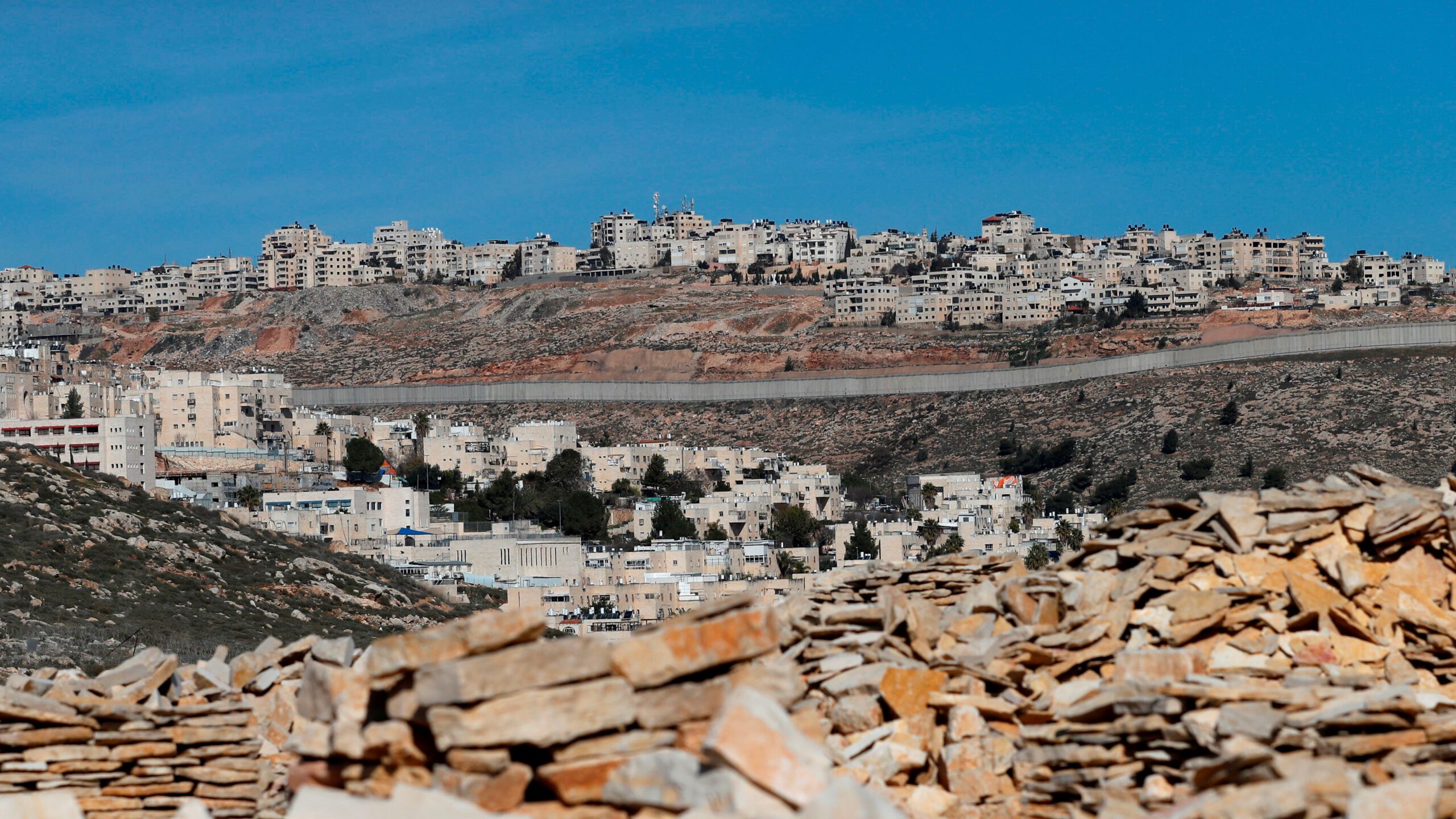
While there is no shortage of rhetorical opposition to Israeli annexation from all corners, the question now is whether any of them intend to follow up their strong words with concrete actions.
This individual is a guest contributor. MEI is not able to assist with contact requests.
Khaled Elgindy is a former senior fellow and director of MEI’s Program on Palestine and Israeli-Palestinian Affairs.
He is the author of the book, Blind Spot: America and the Palestinians, from Balfour to Trump, published by Brookings Institution Press in April 2019. Elgindy previously served as a fellow in the Foreign Policy program at the Brookings Institution from 2010 through 2018. Prior to arriving at Brookings, he served as an adviser to the Palestinian leadership in Ramallah on permanent status negotiations with Israel from 2004 to 2009, and was a key participant in the Annapolis negotiations of 2007-08. Elgindy is also an adjunct instructor in Arab Studies at Georgetown University.
Khaled’s writings have appeared in a wide range of publications, including The Christian Science Monitor, CNN.com, Foreign Affairs, Foreign Policy, The Los Angeles Times, The National Interest, The Washington Quarterly, and others. He is frequently quoted in The New York Times, The Washington Post, The Los Angeles Times, The Hill, Politico, and other print media, and is a regular commentator on TV and radio, including Al Jazeera, BBC, CNN, Fox News, MSNBC, NPR, PBS Newshour and others.
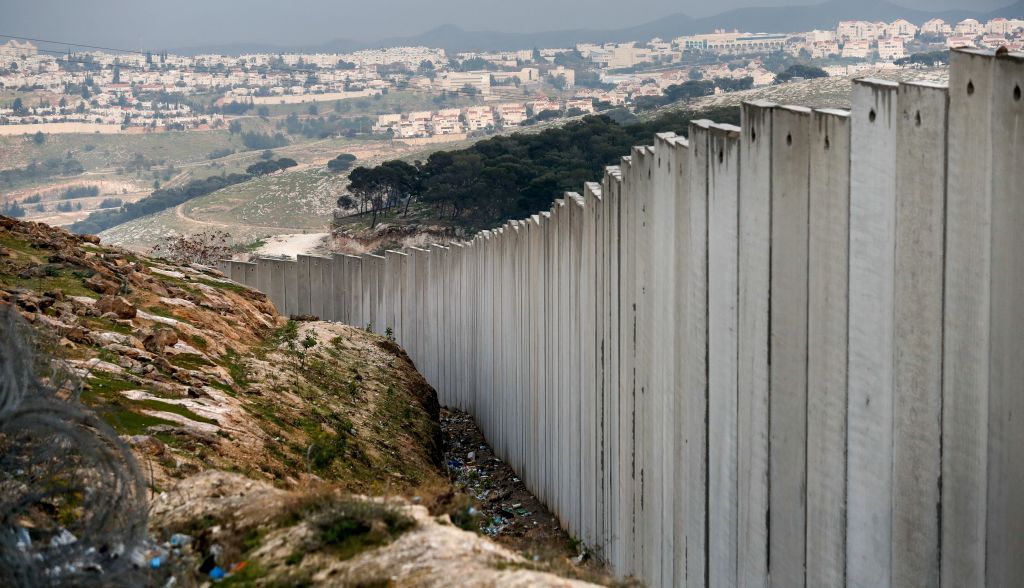
While there is no shortage of rhetorical opposition to Israeli annexation from all corners, the question now is whether any of them intend to follow up their strong words with concrete actions.
11 scholars and experts from across MEI weigh in with the latest on how the coronavirus pandemic is affecting the Middle East.
From Morocco to Afghanistan, the scholars and experts at MEI take a closer look at how the COVID-19 coronavirus pandemic is affecting the Middle East.
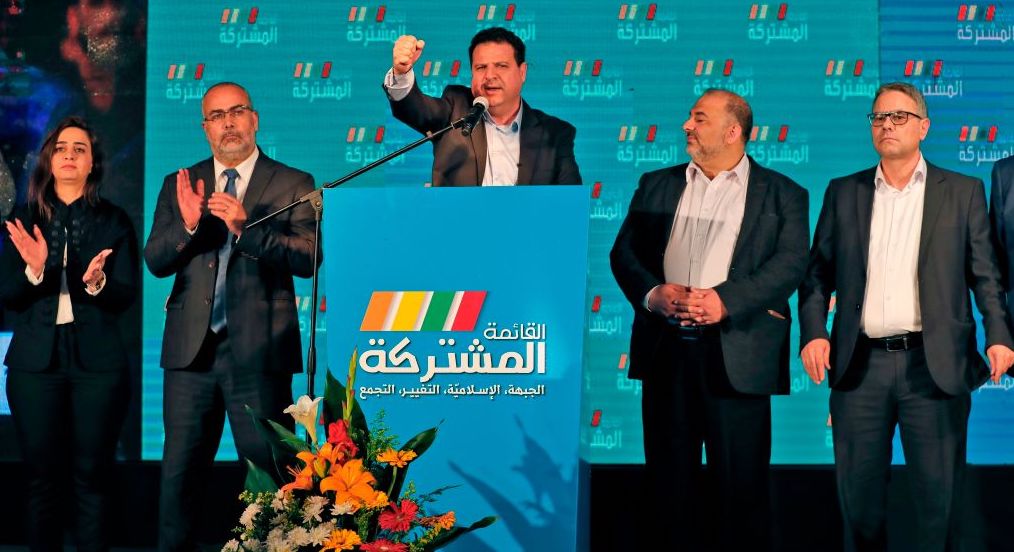
Whether or not Gantz succeeds in forming a government, the Joint List has cemented its role as “king makers” in Israeli politics.
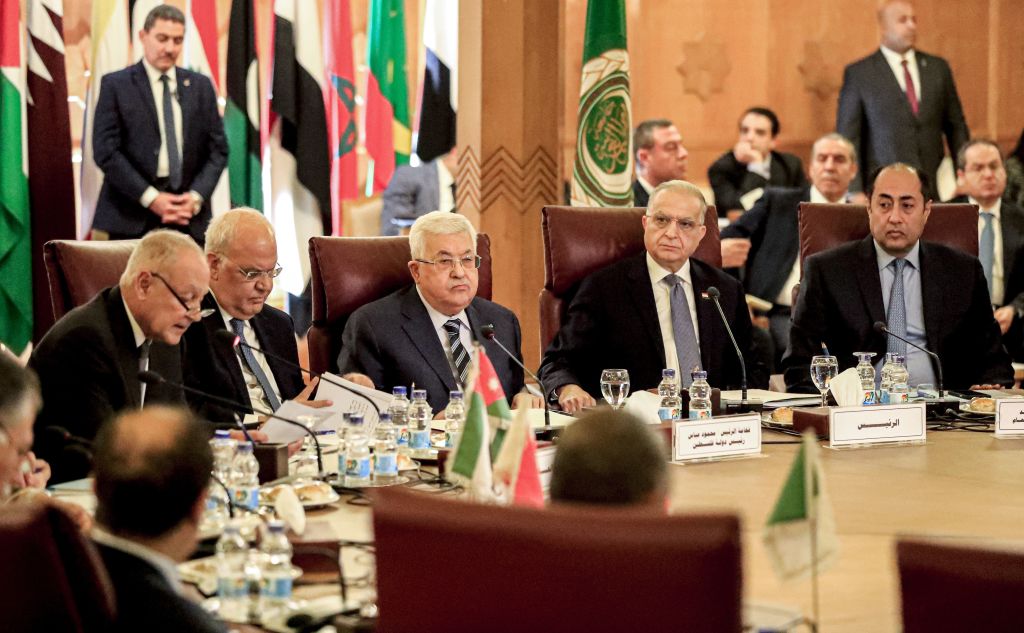
The communiqué, while largely symbolic, was nonetheless a major victory for Abbas’ beleaguered leadership.
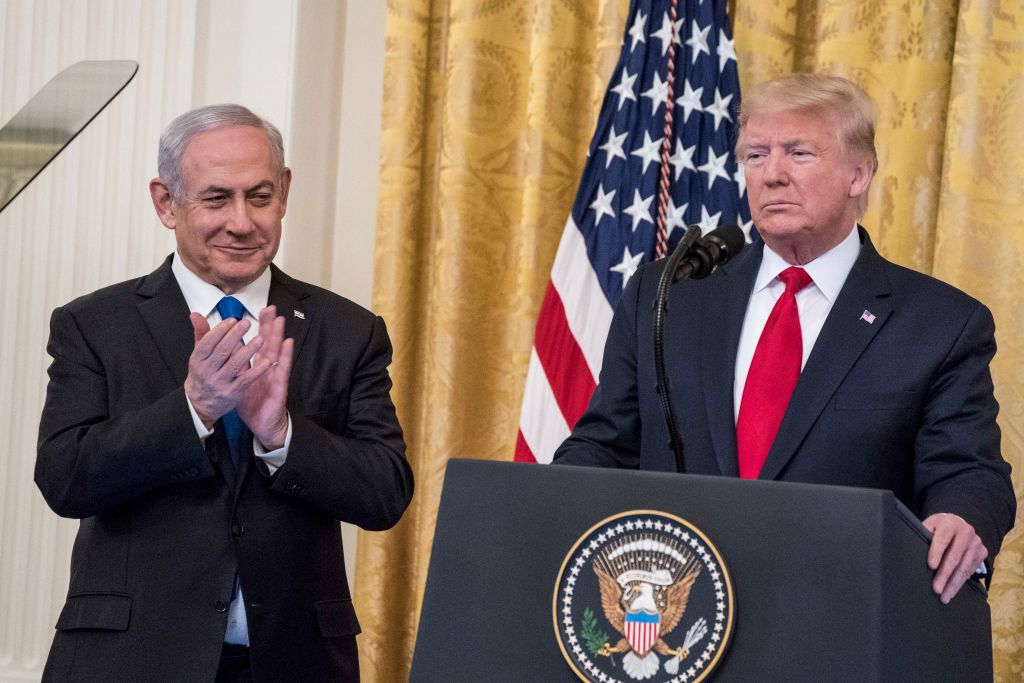
The administration’s goal is not peace but the normalization of Israel’s military rule over millions of Palestinians.
The notion that an American president, in consultation with two Israeli leaders, could decide on the future of Palestinians without any Palestinian involvement seems to epitomize Trump’s overall approach to the conflict.