Monday Briefing: Bracing for Tuesday and the interregnum
This week’s briefing on recent news and upcoming events in the region featuring Paul Salem, Michael Sexton, Alex Vatanka, and Gerald Feierstein.
This individual is a guest contributor. MEI is not able to assist with contact requests.
Mike Sexton’s work focuses on the intersection of cyber technology, international security, and governance in the Middle East. He was formerly director of the Cybersecurity Initiative at the Middle East Institute. Mike also served as senior fellow and associate director of the Qatar-America Institute, as senior analyst at the Chertoff Group, and as data manager at the Chicago Project on Security and Threats.
Mike has published articles and reports on cyber attacks, cryptography, and their implications for national security, human security, and international norms. He also serves as a Managing Editor for Charged Affairs, the official journal of Young Professionals in Foreign Policy. He is CompTIA Security+ certified.
He co-edited with Eliza Campbell the MEI-published book, Cyber War & Cyber Peace in the Middle East (October 2020).
Education
MA in Security Studies, Georgetown University; BA in Mathematics (minor in Near Eastern Languages and Civilizations), University of Chicago
Regions of Expertise
Levant and Persian Gulf
Issues of Expertise
Cyber conflict, terrorism, diplomacy
Languages
English, Arabic, Spanish

This week’s briefing on recent news and upcoming events in the region featuring Paul Salem, Michael Sexton, Alex Vatanka, and Gerald Feierstein.
This week’s briefing on recent news and upcoming events in the region featuring Marvin G. Weinbaum, Charles Lister, Hafsa Halawa, Bilal Y. Saab, Anthony Elghossain, and Michael Sexton.
In a new briefing book released ahead of the U.S. elections in November, entitled Election 2020: Challenges and Opportunities for US Policy in the Middle East, MEI scholars lay out key issues across the region, highlight the U.S. interests at stake, and provide policy insights and recommendations for the path forward.
On the 10th anniversary of the discovery of the Stuxnet computer virus, designed by the U.S. and Israel to target Iran’s nuclear program, the Islamic Republic is facing a new wave of unclaimed acts of sabotage.
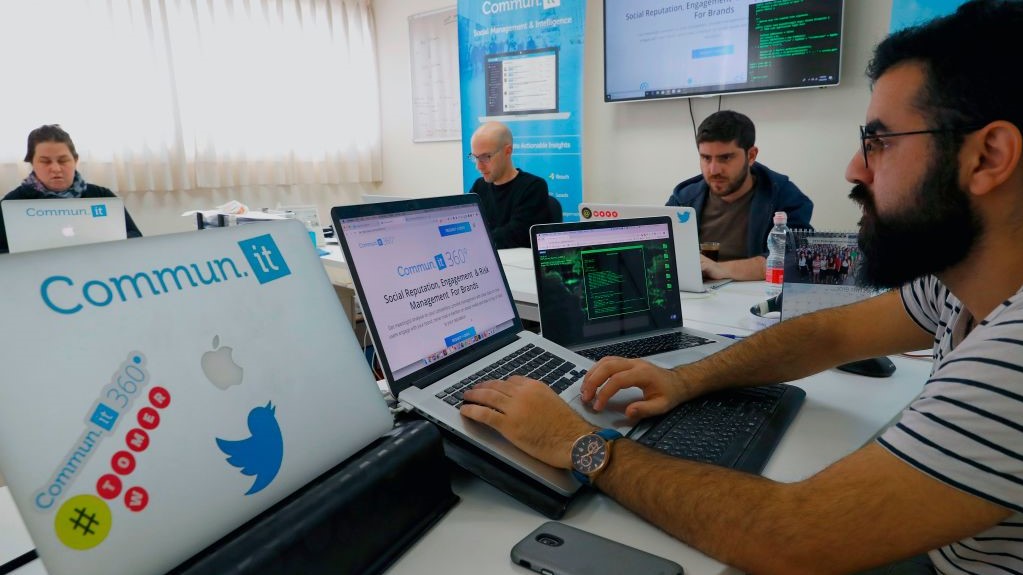
This is only the latest flashpoint in a series of social media disinformation campaigns targeting Qatar.
Social media has transformed the information landscape in the Middle East over the past decade. The 2009 Green Revolution and the 2011 Arab Spring demonstrated the enormous power of platforms like Twitter and Facebook for political organizing. Popular perception in the U.S. at the time was that these services would democratize a region notorious for its strongman governments. But it also showed governments and militants in the Middle East how powerful social media campaigns can be, if co-opted for their own purposes.
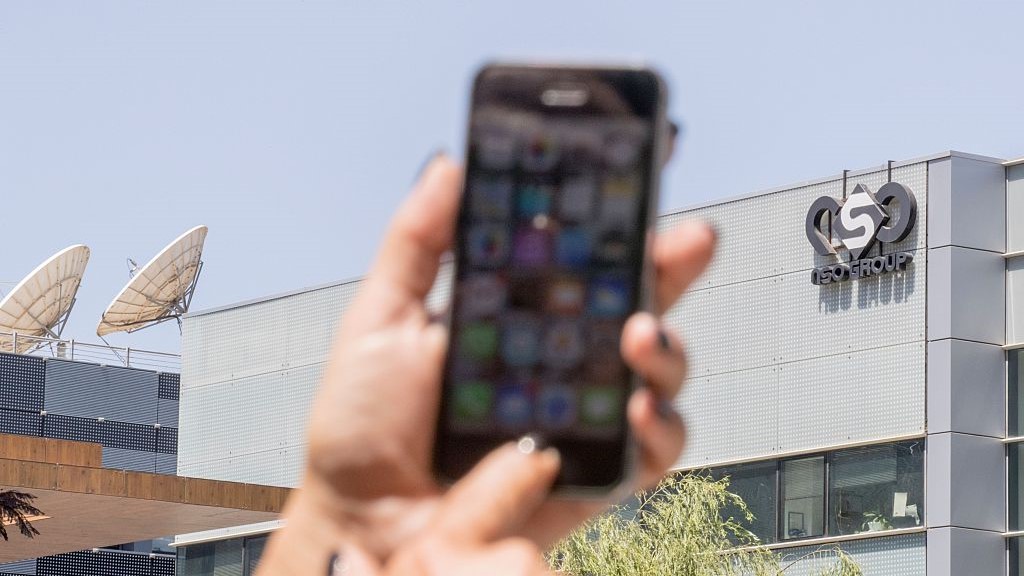
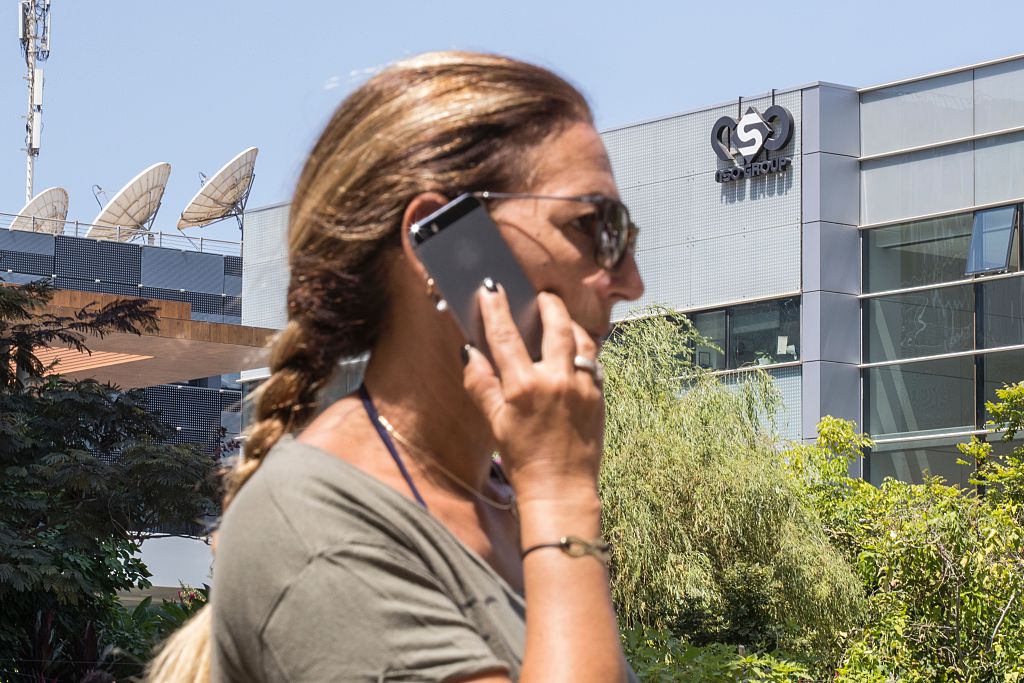
Reuters reported on Jan. 30 that the FBI has been investigating Israeli spyware firm NSO Group since 2017. The revelation comes after Sen. Chris Murphy and UN Special Rapporteur Agnes Callamard called on the U.S. to investigate the apparent hacking of Amazon CEO Jeff Bezos’s phone by Saudi Crown Prince Mohammed bin Salman. In its statement, the UN identified NSO Group as a likely source of the malware.
The Iranian pattern of ‘strategic patience’ has evidently transferred to its cyber activity, justifying vigilance, but not panic.
Fourteen MEI scholars weigh in on the key Middle East policy issues and developments for the year ahead.
Neither encryption nor hacking tools are new, but 2019 has seen pointed scrutiny and rancor over both.
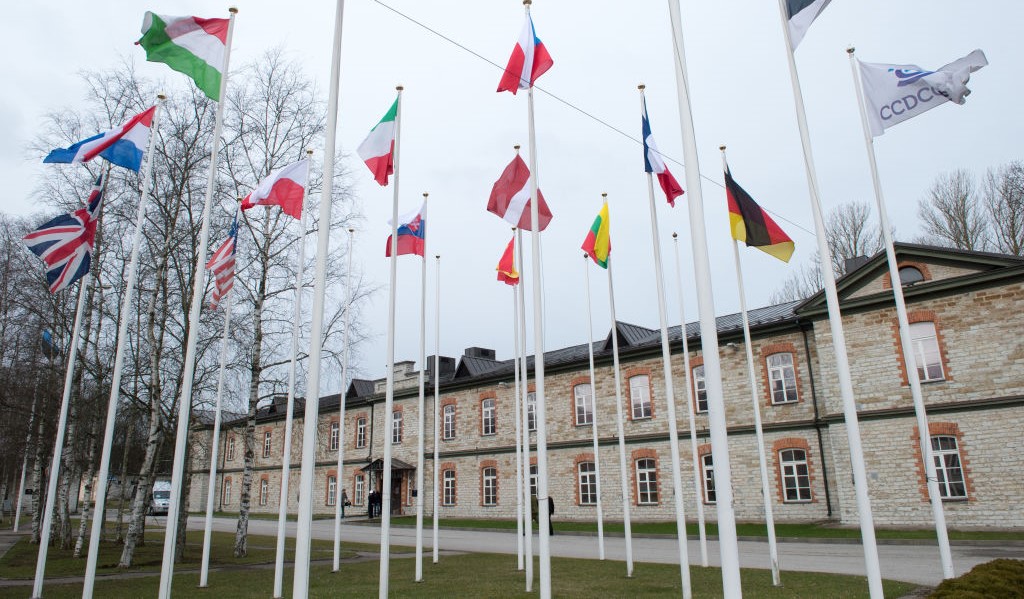
The role of cybersecurity in the future of geopolitics in the Middle East and the surrounding regions will have much to do with individual state and enterprise preparedness. With cyber threats a growing source of interstate tension, governments must take measures to increase national cyber preparedness that are tailored to their vulnerabilities and cyber ecosystems. Israel and Estonia are examples of states that prove this rule. Despite their relatively small size, both have demonstrated an exceptional capacity to deter or defend against cyber aggression from their much larger, more aggressive neighbors.
Recent legal action by tech giant Facebook has critical implications for the rise of private sector actors in the fight for dominance and security in the Middle East cyber domain. On Oct. 29, Facebook filed a lawsuit against the Israel-based company NSO Group for allegedly breaching users of the Facebook-owned communications platform WhatsApp.
The increasing involvement of Iran in disinformation and attempted email hacking, in tandem with the revelation of Turla hijacking Iranian hacking infrastructure, risks muddying the waters even further with regard to attributing and countering election interference in 2020.
Lately, Iran has begun leveraging LinkedIn to hack espionage targets and has developed sophisticated disinformation campaigns to exacerbate distrust of its adversary governments.
This week’s briefing on recent news and upcoming events in the region featuring Gerald Feierstein, Alex Vatanka, Eran Etzion, Gonul Tol, Amal Kandeel, Marvin G. Weinbaum, Michael Sexton and Eliza Campbell.