Skip to Content

Mick Mulroy

Distinguished Military Fellow

Mulroy

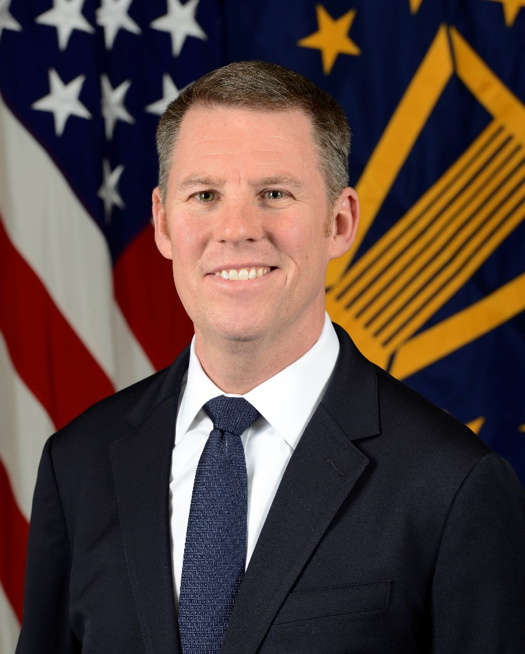
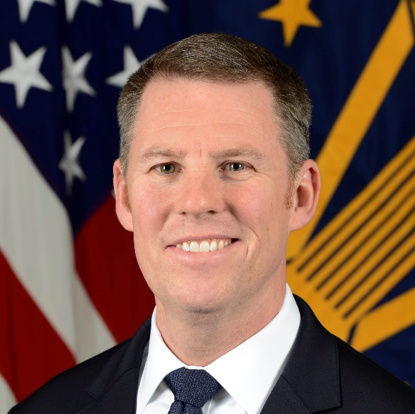
Michael “Mick” Patrick Mulroy is the former Deputy Assistant Secretary of Defense (DASD) for the Middle East. As the DASD, he was responsible for defense policy for 15 countries and represented the Department of Defense of national policy in that area. He is also a retired CIA Paramilitary Operations Officer in the Special Activities Center and a United States Marine. He is a Distinguished Military Fellow for the Middle East Institute, an ABC News National Security Analyst, and a Co-founder of Lobo Institute.

He is on the board of directors for Grassroots Reconciliation Group, a group that seeks to assist and rehabilitate children forced to be soldiers in the Lord’s Resistance Army (LRA). He is the Co-founder of End Child Soldiering, a group that seeks to end the use of children as soldiers worldwide and rehabilitate those forced to fight. He is also the Co-creator of a documentary called “My Star in the Sky,” which portrays the true story of two child soldiers in the LRA.

Mick is also a volunteer for the Third Option Foundation and with various veterans organizations. He is married to Mary Beth Mulroy, the father of a son, a U.S. Marine, a daughter, four goddaughters, and three godsons. Mick is also a leading proponent of the U.S. military incorporating the Stoicism philosophy into their ethical and resiliency efforts officially. Mick is also on the board of advisors for Plato’s Academy in Athens, Greece.

Education
Bachelor’s from Augusta University; Law degree from Samford University

Issues of Expertise
US Military, Defense & Security

Countries of Expertise
Bahrain, Egypt, Israel, Iran, Iraq, Jordan, Kuwait, Lebanon, Oman, Palestine, Qatar, Saudi Arabia, Syria, United Arab Emirates and Yemen

The Latest from Mick Mulroy

Filter by
53 Results
Special Briefing: The Trump administration’s potential last-minute Middle East policy moves
  • Commentary
  • Special Briefing: The Trump administration’s potential last-minute Middle East policy moves

    From Israel/Palestine and Lebanon to Iran and Afghanistan, there are a number of areas where the Trump administration may make policy moves before leaving office on Jan. 20. Experts from across MEI weigh in with their thoughts on what to watch out for over the next seven weeks.

    December 3, 2020

    Jannah or Jahannam: Options for Dealing with ISIS Detainees
  • Analysis
  • Jannah or Jahannam: Options for Dealing with ISIS Detainees

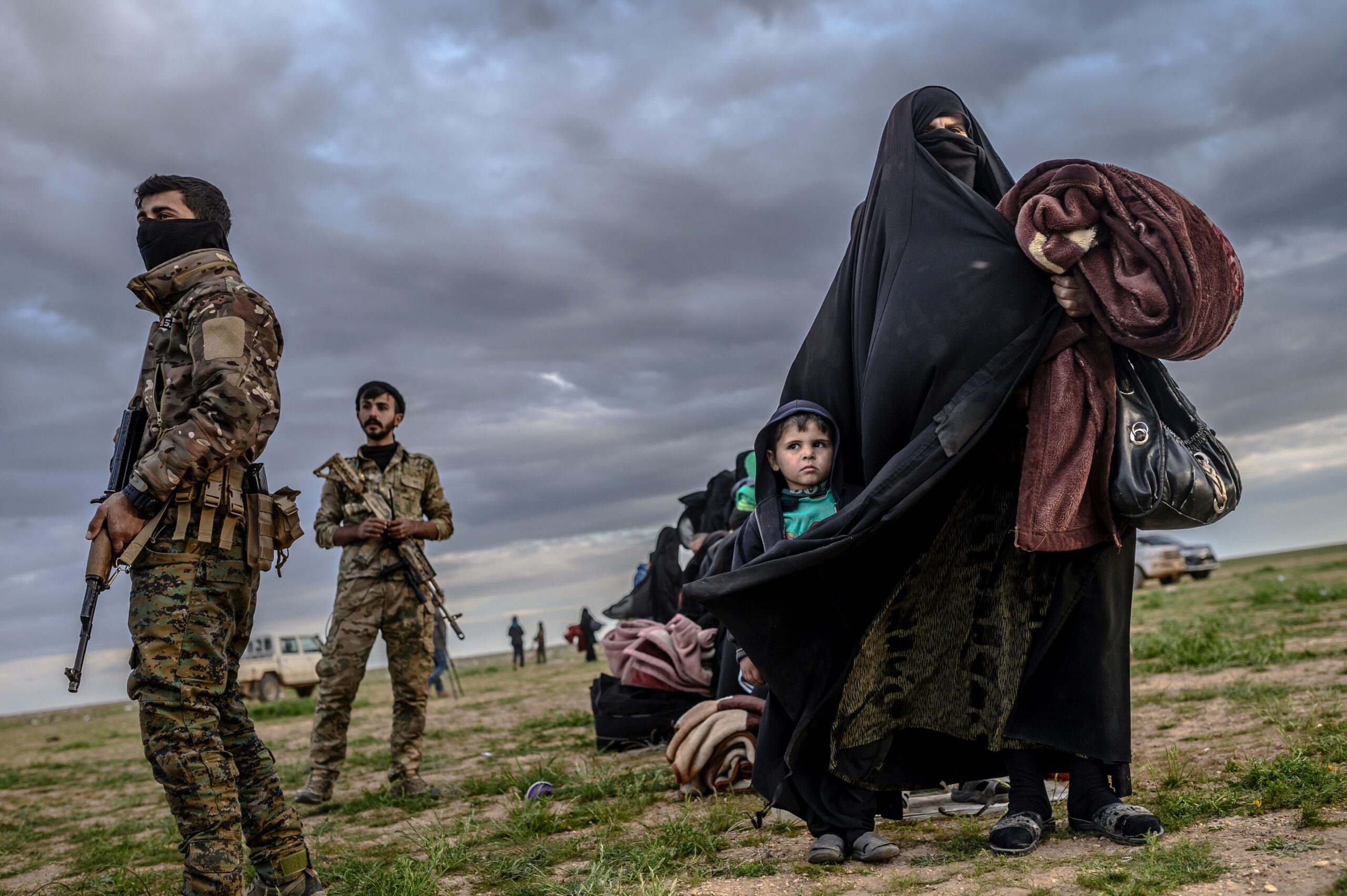
    Thousands of former ISIS fighters and tens of thousands of civilians indoctrinated in the group’s extremist ideology currently sit in prisons and refugee camps across Iraq and Syria. Leaving the detainees there is dangerous, but transitioning them will require some type of accountability for the crimes committed. This paper explores options for international action to deal with the detention of ISIS members from Iraq and Syria and the foreign terrorist fighters who joined the group from around the globe.

    Gulf Partners Can No Longer Afford To Stay The Course With U.S. Iran Policy
  • Analysis
  • Gulf Partners Can No Longer Afford To Stay The Course With U.S. Iran Policy

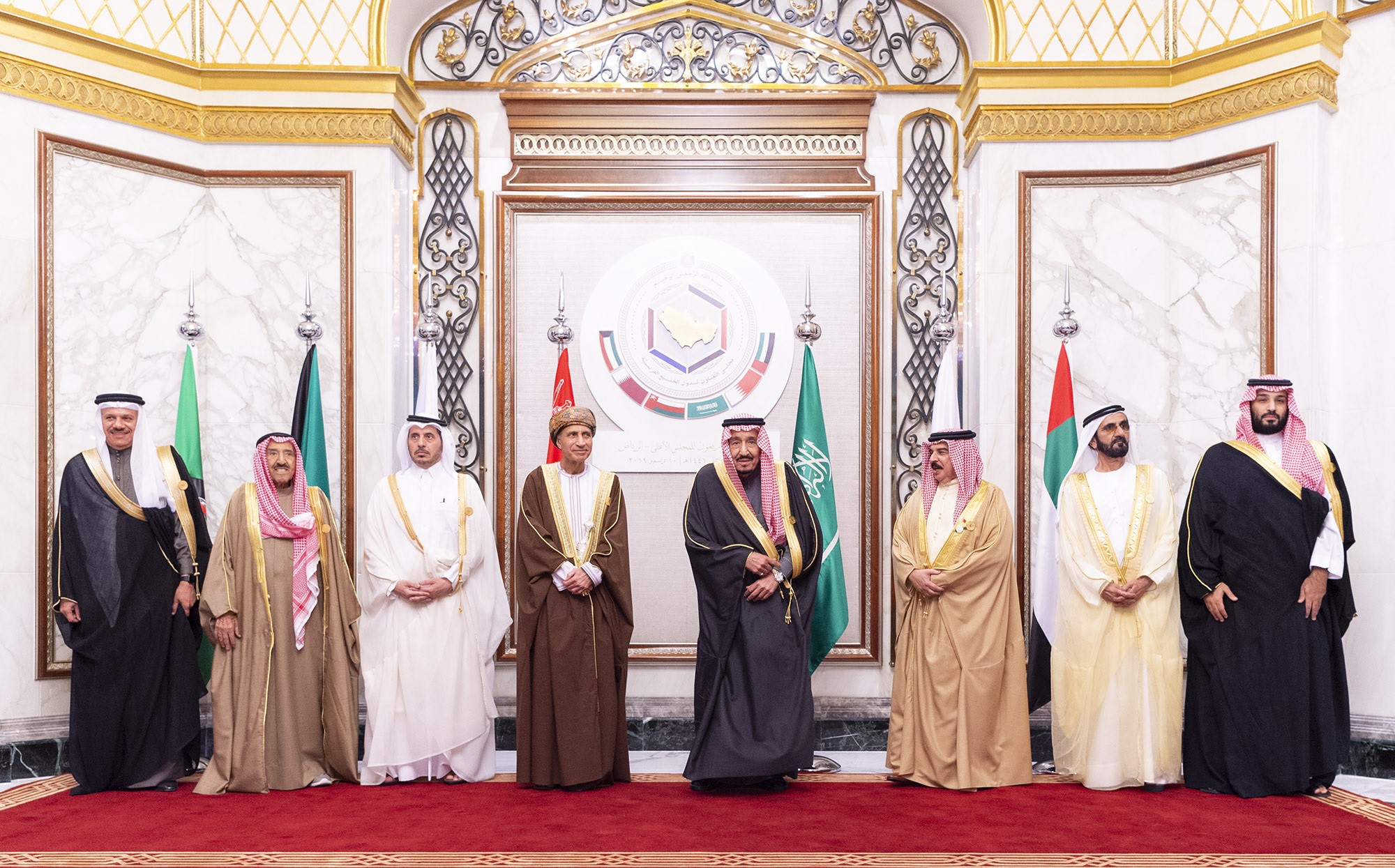
    To help prevent a U.S.-Iran war in their neighborhood, the countries of the Gulf Cooperation Council have called for diplomacy. They have reached out to Iranian officials to de-escalate. And they have provided Tehran with humanitarian assistance to deal with the coronavirus pandemic.

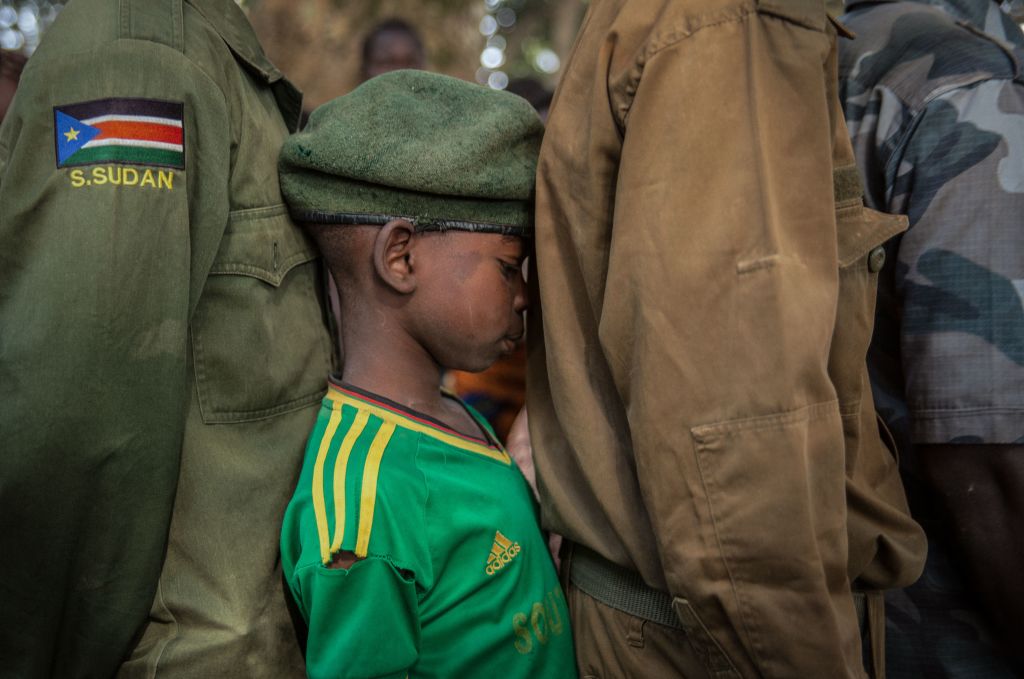
    Begin with the children: Child soldier numbers doubled in the Middle East in 2019
    Photo by STEFANIE GLINSKI/AFP via Getty Images
  • Analysis
  • Begin with the children: Child soldier numbers doubled in the Middle East in 2019

    In 2017, the advocacy group Child Soldiers International estimated that more than 100,000 children were forced to become soldiers in state and non-state military organizations in at least 18 armed conflicts worldwide. This is a global problem that is getting worse and it must be addressed.

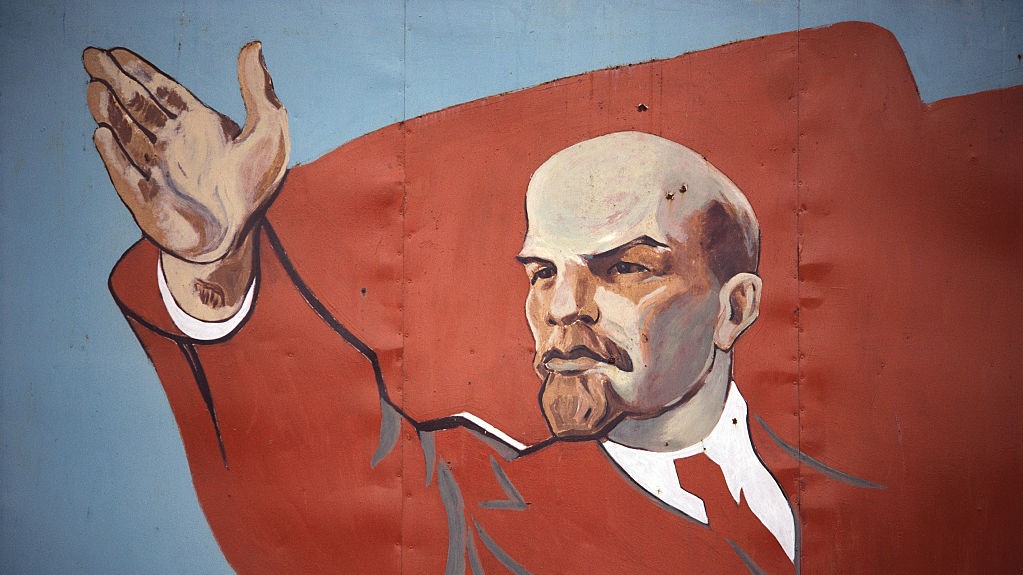
    Russia’s Middle East: You probe with bayonets. If you find mush, you proceed …
    Mural of Vladimir Lenin
  • Analysis
  • Russia’s Middle East: You probe with bayonets. If you find mush, you proceed …

    This paper looks at the 2018 U.S. National Defense Strategy (NDS), and the Irregular Warfare Annex (IWA) to that guiding document, with recommendations on how to better implement the strategy. It also analyzes the current Russian way of conducting irregular warfare by reviewing their actions in Ukraine, Syria, and Libya.

    A tale of two partners: Comparing two approaches for partner force operations
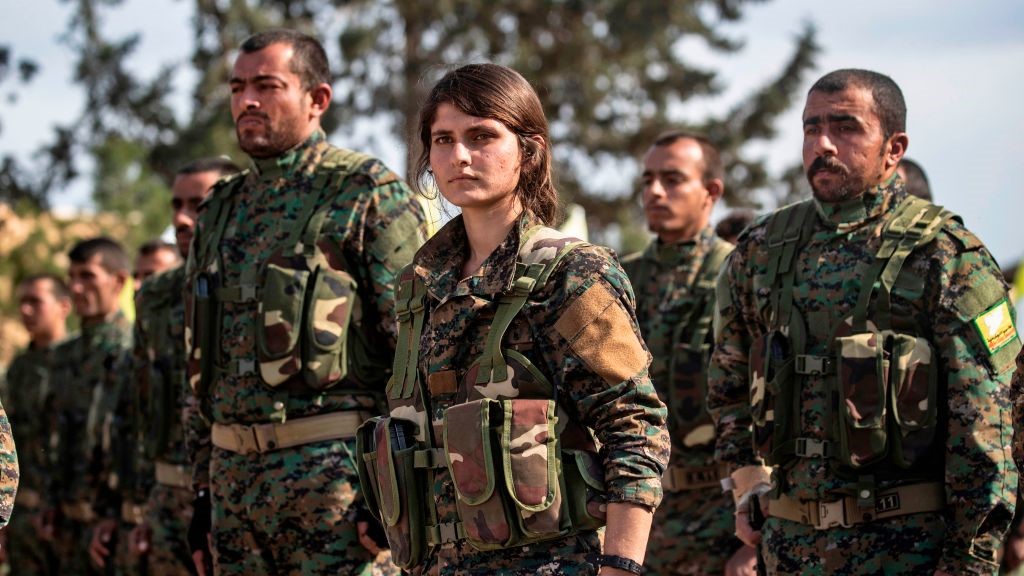
    Fighters of the US-backed Kurdish-led Syrian Democratic Forces (SDF) take part in a parade to celebrate near the Omar oil field in the eastern Syrian Deir Ezzor province on March 23, 2019, after announcing the total elimination of the Islamic State (IS) group's last bastion in eastern Syria.
  • Analysis
  • A tale of two partners: Comparing two approaches for partner force operations

    The 2018 National Defense Strategy shapes the way the U.S. military competes with state and non-state adversaries. It specifically calls for improvements in partner force operations (PFO) — especially counter-terrorism (CT) — so that regional partners can keep up CT pressure while America’s special operators shift focus to help the nation gain and maintain an advantage over the near-peer competitors of Russia and China.

    The killing of Qassem Soleimani: Was there a better way?
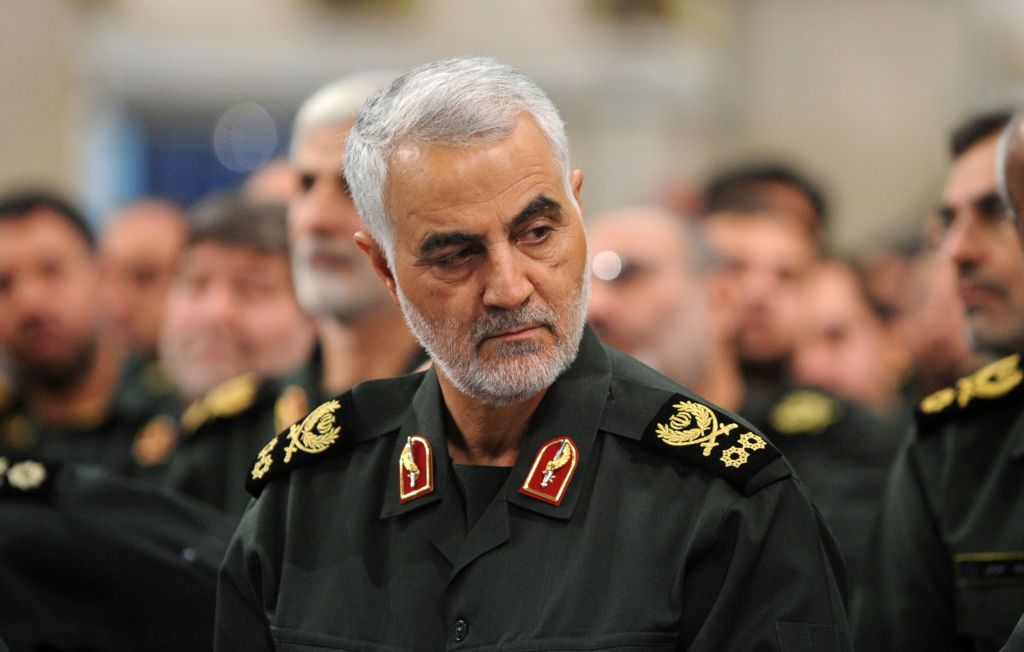
     A file photo dated September 18, 2016 shows Iranian Revolutionary Guards' Quds Force commander Qasem Soleimani during Iranian Supreme Leader Ayatollah Ali Khamenei's meeting with Revolutionary Guards, in Tehran, Iran.
  • Analysis
  • The killing of Qassem Soleimani: Was there a better way?

    In the early hours of Jan. 3, 2020, a U.S. Military MQ-9 drone fired multiple air-to-ground missiles and killed the commander of the elite Iranian Islamic Revolutionary Guard Corps (IRGC) – Quds Force, Major General Qassem Soleimani. The targeted killing of Soleimani was carried out as he left the Baghdad International Airport under overt military authorities. Given that the strike was carried out under this authority, it was publicized globally shortly after it was completed. There were other options available to target Soleimani, however.