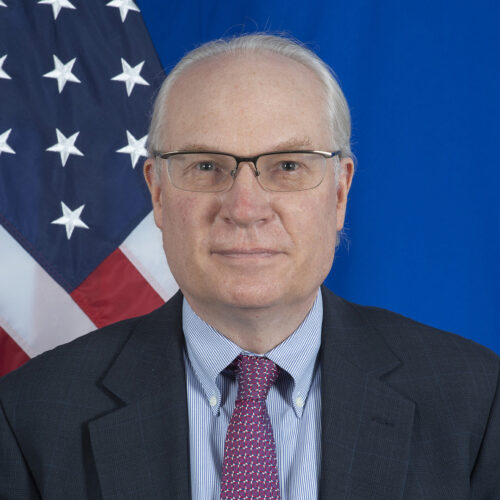
This individual is a guest contributor. MEI is not able to assist with contact requests.
Mohamed Elmenshawy is a former resident fellow at The Middle East Institute. He writes a weekly column for Egyptian daily Al Shorouk News.
In August 2009, he was selected to join the U.N. Secretary General’s High Representative for the Alliance of Civilizations initiative, as part of its Rapid Response Media Mechanism. He is a regular commentator on international politics in major international and Arabic television and radio networks. Recent appearances include Al Jazeera TV, CNN International, and C-SPAN.
His writing regularly appears in the Huffington Post, the Christian Science Monitor, Foreign Policy, and other outlets.
Whither Mohammed Morsi and His Muslim Brotherhood?
This article was first published by The Huffington Post on December 10, 2012
Assertions and opinions in this publication are solely those of the above-mentioned author(s) and do not necessarily reflect the views of the Middle East Institute, which expressly does not take positions on Middle East policy
*This Opinion first appeared in the Huffington Post on December 13, 2011
The first free and by all accounts fair elections in Egypt mark a major turning point in the country's long history. In what is likely to be a tenuous and trying transition to democracy, Egypt's Islamists won a resounding victory, gaining two-thirds of the vote in the first round of Egypt's parliamentary elections. While many in the West fear that the Islamist victory in this first election will radicalize Egypt, in reality, the situation is far more complex and nuanced.
This Opinion first appeared in the Huffington Post on November 11, 2011
On November 28th, millions of Egyptians will finally breathe a deep sigh of relief as they gather at the polls to vote in the first phase of parliamentary elections following the ousting of the Mubarak regime.
This Opinion first appeared in the Huffington Post on May 17, 2001
As the Arab world is getting ready to listen once again to a major speech by the U.S. President Barack Obama, many Egyptians wonder about how the outcomes of the political change will be received outside of the country, and especially from the U.S.
This Opinion first appeared in the Huffington Post on May 6, 2011
As the shadow of the Egyptian revolution that succeeded in the overthrow of Hosni Mubarak's 30 years reign has generated an explosion of new political parties and activists movements representing all colors of the political spectrum, debates within Egyptian political landscape are not anything but chaotic and inflammatory.