Nabil Mohsen is an Intern at the Middle East Institute’s Oman Library. He is a determined learner who enjoys his studies in politics and is interested in Islamic history, architecture, and ceramics.
The Latest from Nabil Mohsen
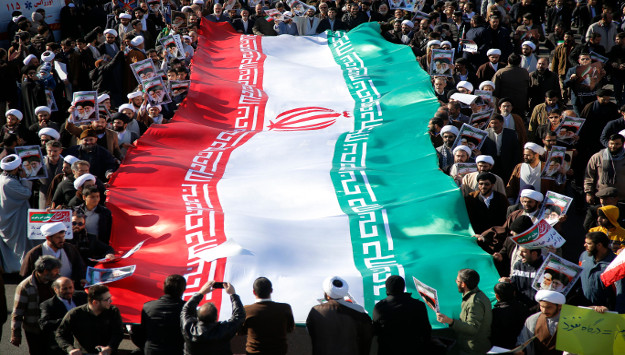
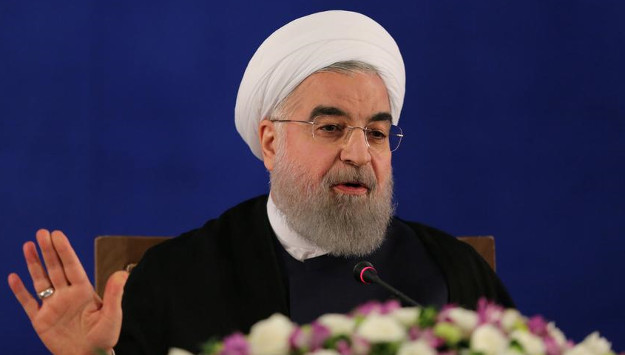
Iran defies Western demands over nuclear, missile and regional issues
Iranian leaders on Tuesday said they will defy Western pressure and will not renegotiate the Joint Comprehensive Plan of Action (JCPOA), the nuclear accord Tehran signed with world powers nearly three years ago. Several top Iranian officials also threatened to take drastic measures, including leaving the Treaty on the Non-Proliferation of Nuclear Weapons (NPT), if the Trump administration terminates the nuclear accord and re-imposes sanctions on Tehran. “We increased the cost for the enemy over the past five years. And if the JCPOA collapses, we have a plan.
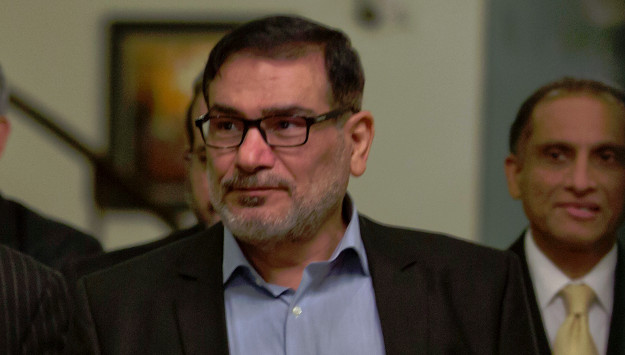
Top Iranian official says retaliation against Israel is “inevitable”
The Secretary of Iran’s Supreme National Security Council said today that the Islamic Republic is determined to punish Israel for the latest strikes on a Syrian air base in which several Iranian military personnel were killed.
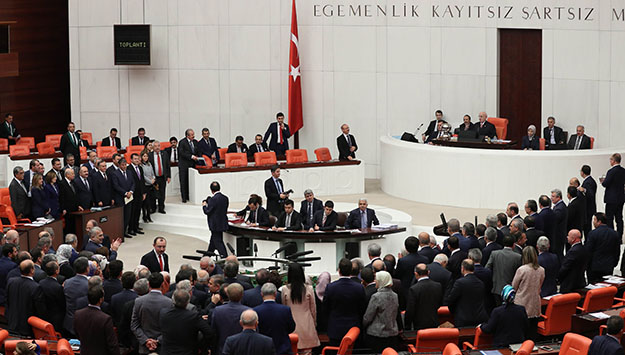
Monday Briefing: Ankara’s early elections
In this week’s Monday Briefing, MEI experts Gonul Tol, Paul Salem, Nathan Stock, Alex Vatanka, Gerald Feierstein, and Marvin G. Weinbaum provide analysis on recent and upcoming events including upcoming snap elections in Turkey, Lebanon’s Free Patriotic Movement party, protests in Gaza, the future of the Iran nuclear deal, Yemeni peace talks, and the ISKP attack on Shiite Hazaras.
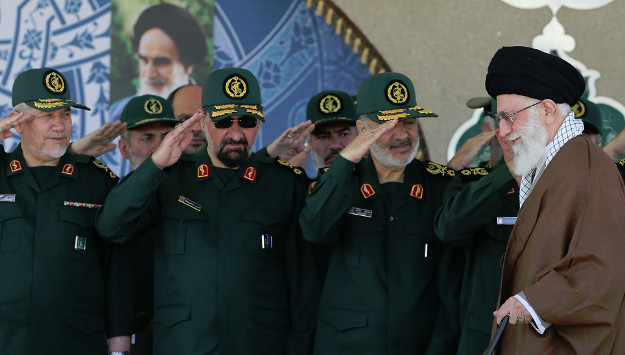
IRGC general: Any future war will result in Israel’s annihilation
The deputy commander of Iran’s Islamic Revolutionary Guards today threatened to annihilate Israel in an apparent reaction to the latest Israeli military strikes against Syrian and Iranian military targets in Syria. “Listen!
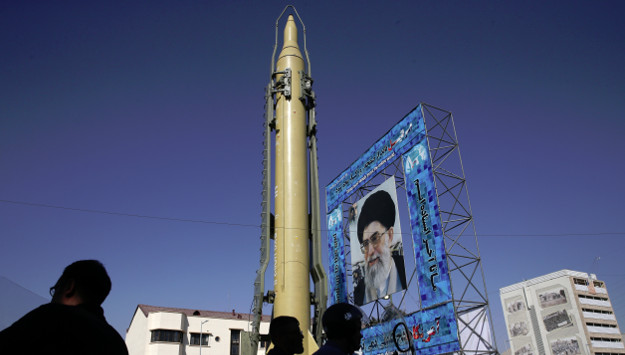
Rouhani urges military to bolster defense power as Iran unveils new missiles
Iranian President Hassan Rouhani voiced support for the country’s military forces to develop advance weapons, including missiles, to enhance the Islamic Republic’s deterrence capabilities. “I am support the Artesh [Iran’s regular army] and Sepah [Islamic Revolution Guards Corps] to make any weapons needed for defense,” the Iranian media quoted the president as saying at a ceremony marking the anniversary of the Iranian Army. He emphasized that the Iranian Army and the IRGC do not need the permission of any foreign power to bolster the country’s defense capabilities.
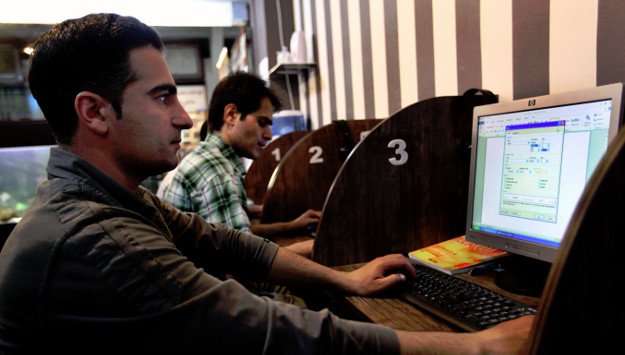
After Khamenei, Rouhani leaves Telegram amid looming shutdown of foreign apps
The office of Hassan Rouhani today announced that the Iranian president has suspended his official account in Telegram, Iranian media reported. Rouhani’s decision came after Supreme Leader Ali Khameni’s office said yesterday that the Iranian leader would no longer use Telegram to “safeguard” Iran’s national security and “remove the monopoly of Telegram messenger”.

The battles in, above and around Syria
Amb. Robert Ford and Charles Lister join host Paul Salem to discuss last week’s U.S. airstrikes in Syria in response to the Assad government’s ongoing use of chemical weapons, what the Trump administration is signaling about America’s plans there, and the escalating standoff between Israeli and Iranian forces in the country.
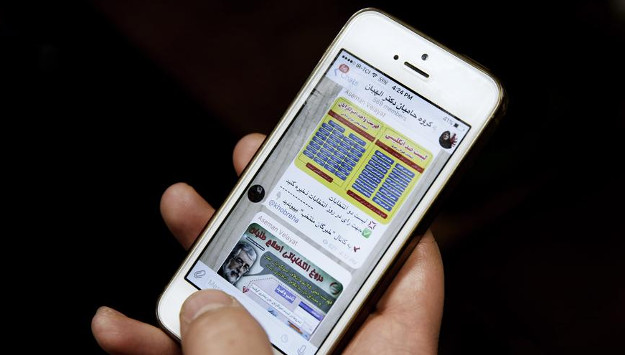
Iran steps up Internet censorship as Khamenei declares war on Telegram
In the latest sign that the Iranian regime is set to further increase Internet restrictions, the office of Ayatollah Ali Khamenei said today that the Supreme Leader is leaving Telegram, the most popular messaging service in Iran used by more than a half of the country’s 80 million population. All government agencies have reportedly been prohibited from using Telegram, and today’s announcement indicated that the government plans to shut down the messaging app in the near future.
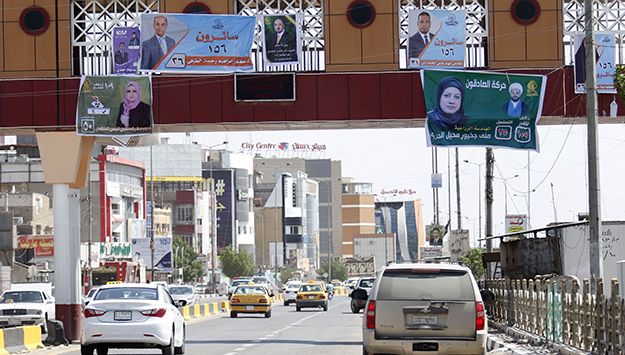
Iraqi elections: crafting a democracy amid challenges
Fifteen years after the fall of the dictatorial regime of Saddam Hussein, Iraq is still engaged in the process of transitioning to a system of governance representative of its population. The new Iraq has experienced meaningful progress and serious setbacks. While the upcoming elections, slated for May, promise a further constructive push, Iraq faces serious structural impediments to progress—including a divisive political environment and significant social challenges in the wake of ISIS—and should expect incremental rather than revolutionary change.
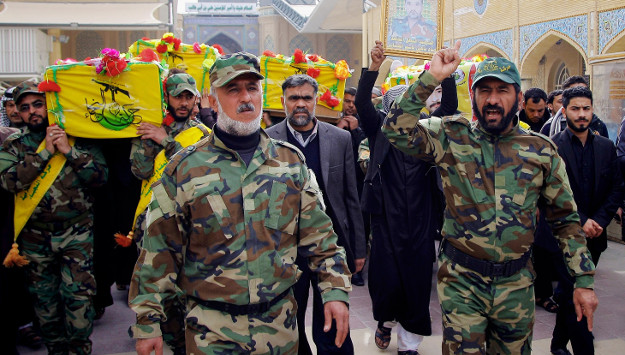
Tehran-backed Iraqi group threatens US, vows to stand by Assad regime
A prominent Iranian-backed Iraqi militia group has said that its forces will stand by the regime of Bashar al-Assad in Syria to defend it against any attacks by the United States and its allies.
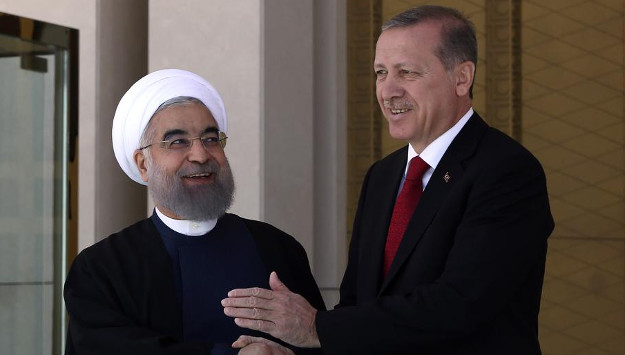
Rouhani and Erdogan discuss Syria after tension over US-led strikes
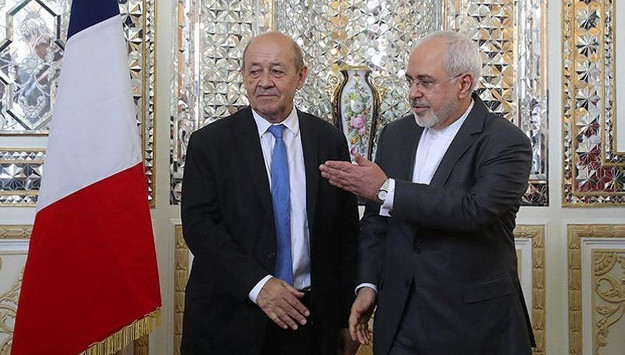
Iranian leaders rule out missile compromise in meeting with French foreign minister
French Foreign Minister Jean-Yves Le Drian paid a one-day visit to Tehran on Monday to discuss Iran’s controversial missile program and regional activities. Iranian leaders told the top French diplomat that European countries should put pressure on the Trump administration to keep and implement that Joint Comprehensive Plan of Action (JCPOA), the nuclear deal Iran signed with world powers in July 2015.
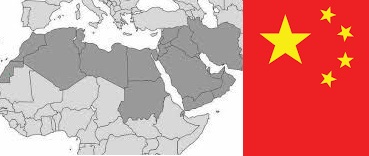
China and the Middle East: Growing Influence and Divergent Perceptions
This essay is part of the series “All About China,” which aims to shed light on the lasting imprint of China’s past encounters with the Islamic world and increasingly vibrant and complex dynamics of contemporary Sino-Middle Eastern relations. Read more …