This individual is a guest contributor. MEI is not able to assist with contact requests.
Dr. Nimrod Goren was formerly a Senior Fellow for Israeli Affairs at the Middle East Institute. He is the President and Founder of Mitvim – The Israeli Institute for Regional Foreign Policies, Co-Founder of Diplomeds – The Council for Mediterranean Diplomacy, and Co-Chair of a regional initiative at President Isaac Herzog’s Israeli Climate Forum. Nimrod holds a Ph.D. in Middle Eastern Studies from the Hebrew University of Jerusalem and was a Hubert Humphrey Fellow at Syracuse University’s Maxwell School of Citizenship and Public Affairs. He was a Teaching Fellow on Middle Eastern Studies at the Hebrew University, and has also worked at the Harry S. Truman Research Institute for the Advancement of Peace, the Jerusalem Institute for Israel Studies and the Nehemia Levtzion Center for Islamic Studies. Nimrod is a past recipient of the Victor J. Goldberg Prize for Peace in the Middle East and the Centennial Medal of the Institute of International Education, and was selected as a Vamik Volkan Scholar by the International Dialogue Initiative. He serves on the steering committees of the Geneva Initiative and the Turkish-Israeli Civil Society Forum, and is a member of the Global Diplomacy Lab. Nimrod’s fields of expertise include Israel’s foreign policy and regional relations, as well as the Middle East peace process.
5 ways the US, Europe can push for Israel-Arab environmental cooperation – opinion
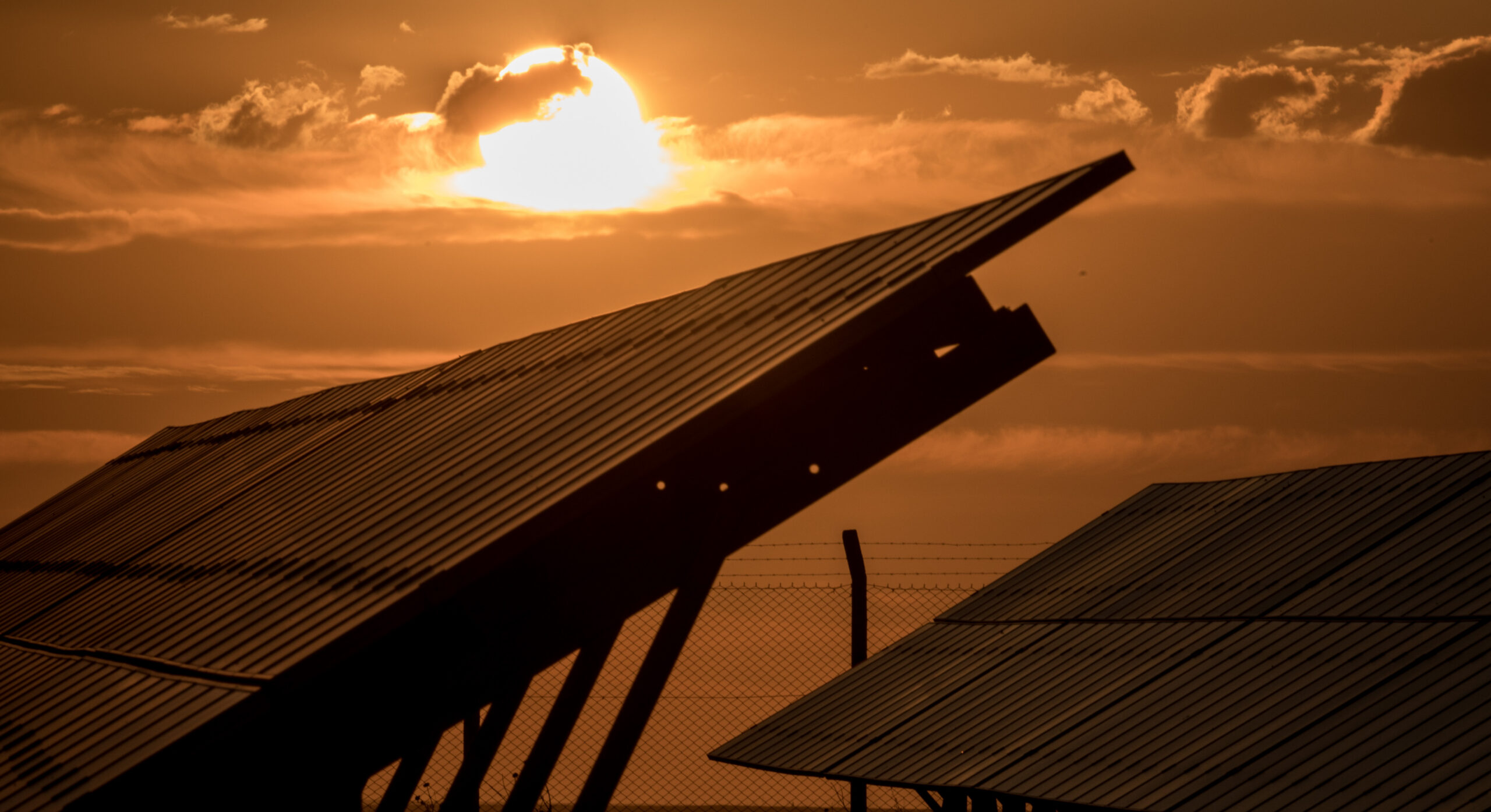
Environmental challenges are creating new priorities for countries in the Middle East and the Mediterranean and increasing cross-border cooperation – including between Israel and Arab countries. Such cooperation can assist in tackling climate change through a regional and global lens, can foster regional stability, maintain and expand circles of peace and normalization, and increase prosperity and economic development.
After Jenin, the US should invest more in improving Israeli-Palestinian relations and advancing peace
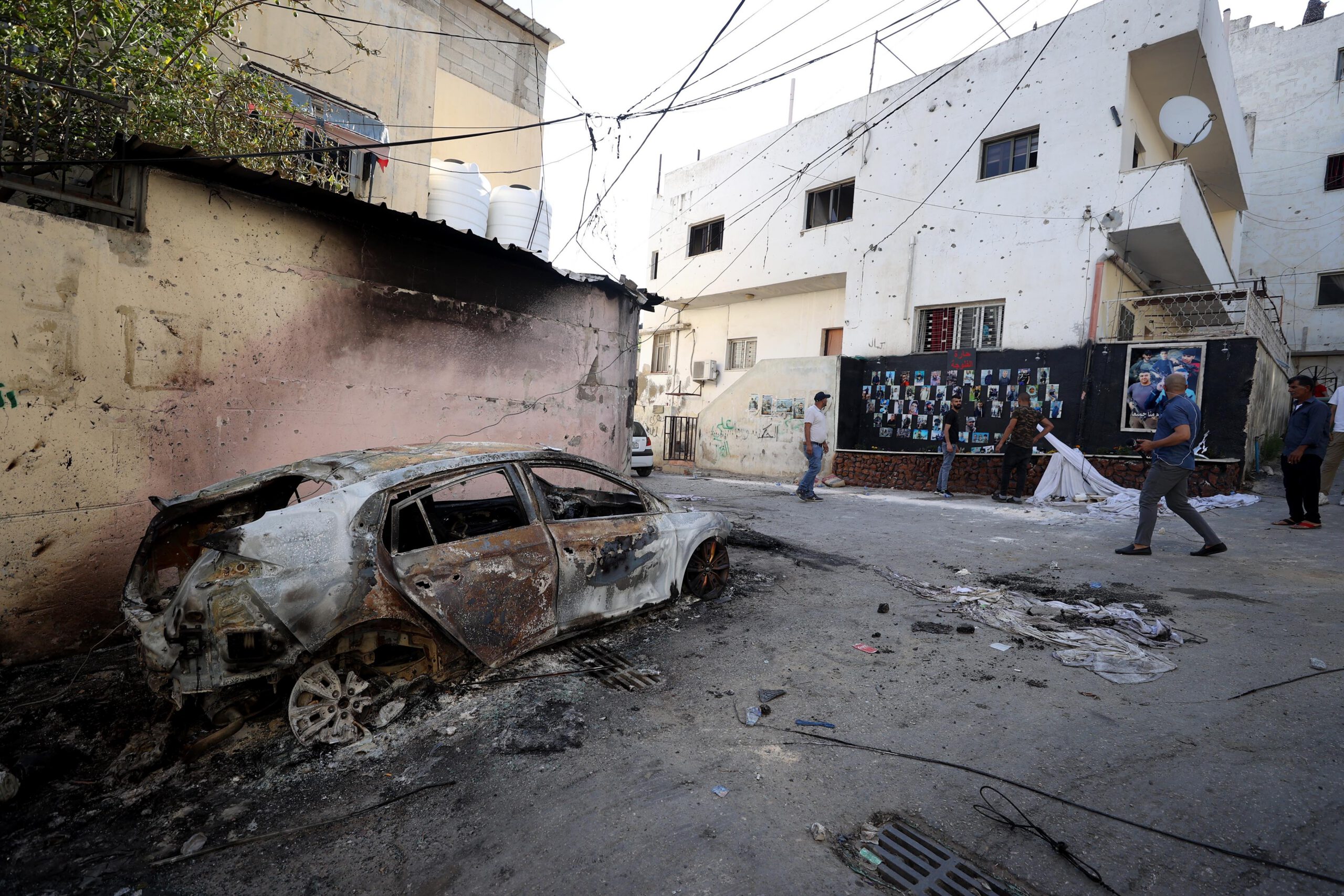
Since the current Israeli government was established in December 2022, Israeli-Palestinian escalation has seemed inevitable. Tensions have steadily mounted and if that trend continues unchecked, a wider and more significant flare up might eventually happen. Given the worrying trajectory, the U.S. needs to get more involved.
Regional Environmental Cooperation Between Israel and Its Neighbors
As environmental challenges become a priority for countries across the Middle East and the Mediterranean, this creates new opportunities for regional environmental cooperation, including between Israel and its neighbors. Despite being limited in scope and facing several key obstacles, regional cooperative endeavors are taking place, including on both the bilateral and multilateral levels, and efforts to sustain and expand them are underway. This new report, written under the auspices of the Israel Climate Forum, addresses the importance of regional environmental cooperation in the Middle East and Mediterranean, examines the scope of such cooperation between Israel and its neighbors, and spells out opportunities, obstacles, and recommendations for increased coordination and joint action, including the role the U.S. and Europe can play.
The U.S. and EU Should Coordinate their Saudi and Israeli-Palestinian Efforts
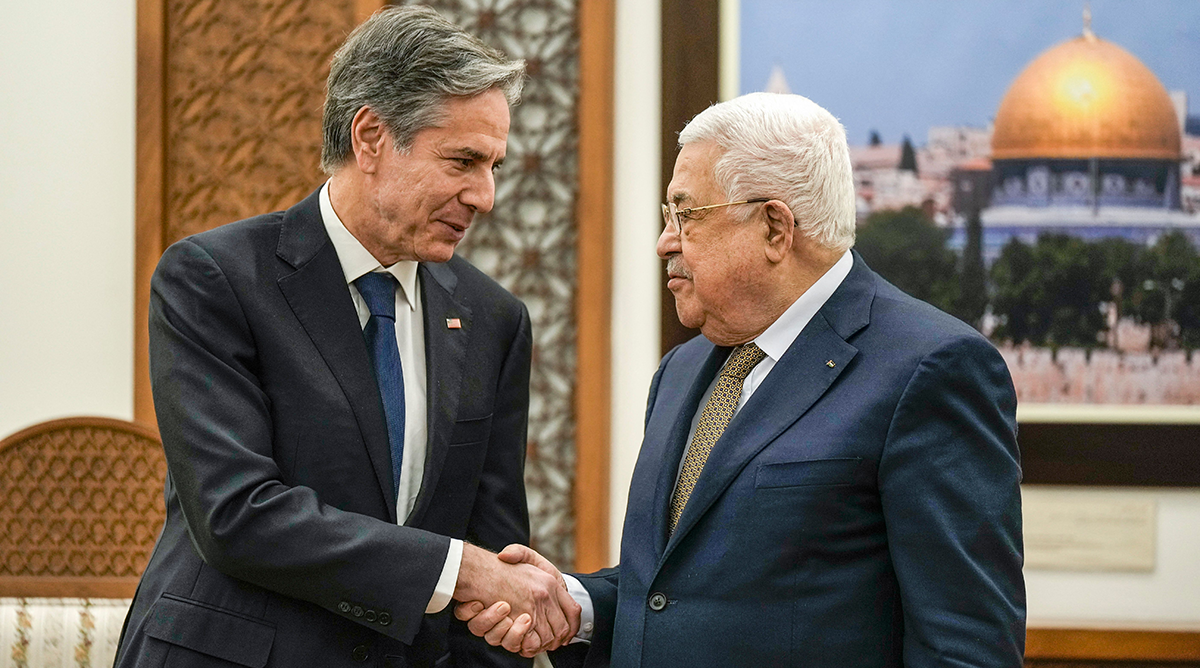
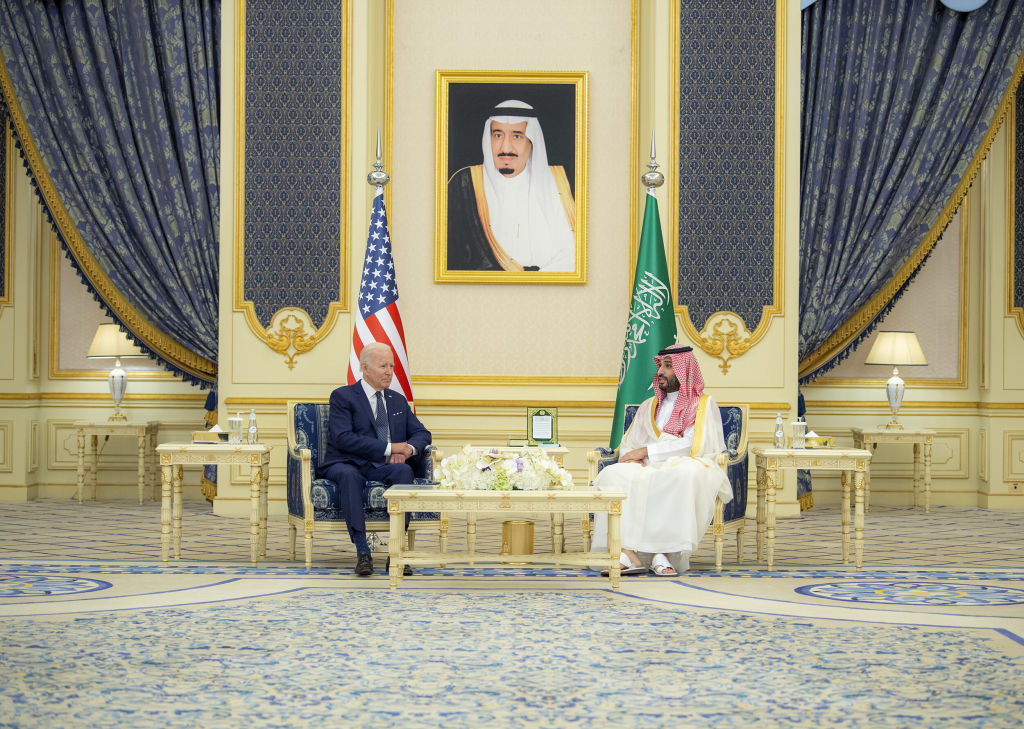
American and European eyes are set on Riyadh. Both the Biden administration and the European External Action Service are currently trying to advance policy moves that involve Saudi Arabia and that – if successful – will reshape the Middle East. Alas, when it comes to the Israeli-Palestinian issue, these European and American efforts are quite different, and even seem contradictory.
Putting Diplomacy First in the Middle East: Creating Incentives for De-Escalation
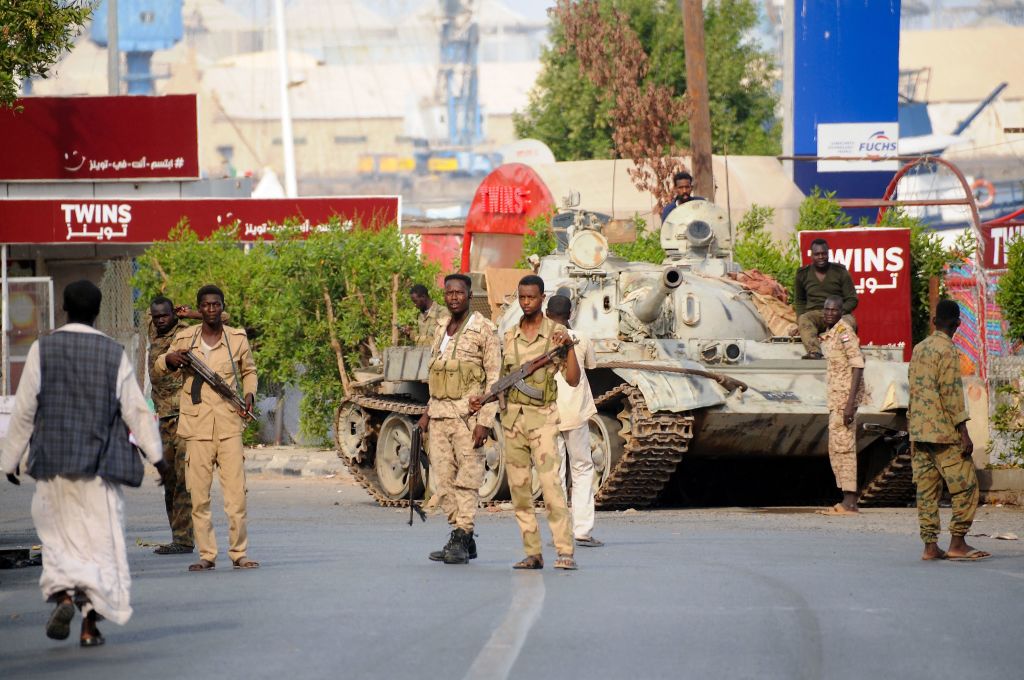
The Middle East is undergoing a historic transformation with unprecedented opportunities to build new relationships, de-escalate tensions, and foster conditions for stronger integration. At the same time, the region remains on edge because of ongoing tensions in Yemen, Syria, Iraq, and other conflict zones, a civil war that broke out recently in Sudan, along with the overarching challenges presented by fraught relations between Iran, Israel, and several Arab Gulf countries — with the longer-term implications of the still-fragile Iranian-Saudi rapprochement yet to be fully assessed.
The Slowing Down of Israel-Arab Relations Under the Netanyahu Government
Dynamics between Israel and the Arab world have taken a turn for the worse in the first few months of the new Israeli government. The positive momentum in Israel-Arab relations, which Prime Minister Netanyahu himself was key in generating through the signing of the Abraham Accords and which picked up pace during the Bennett-Lapid government that followed, has slowed down. Only limited progress may be feasible under the current government, but conditions for positive change do exist and include marginalizing Israeli extremists, avoiding a flare-up with the Palestinians, reducing the domestic turmoil in Israel, and ensuring the effective involvement of the U.S. and the EU.
Even with all eyes on Gaza, the struggle for Israel’s democracy continues
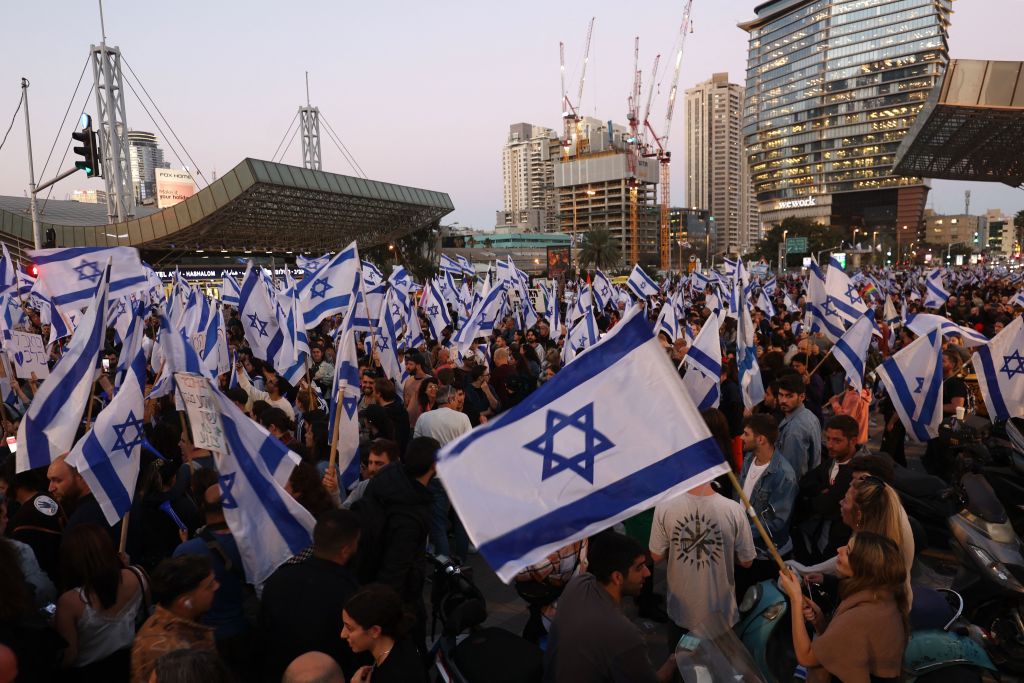
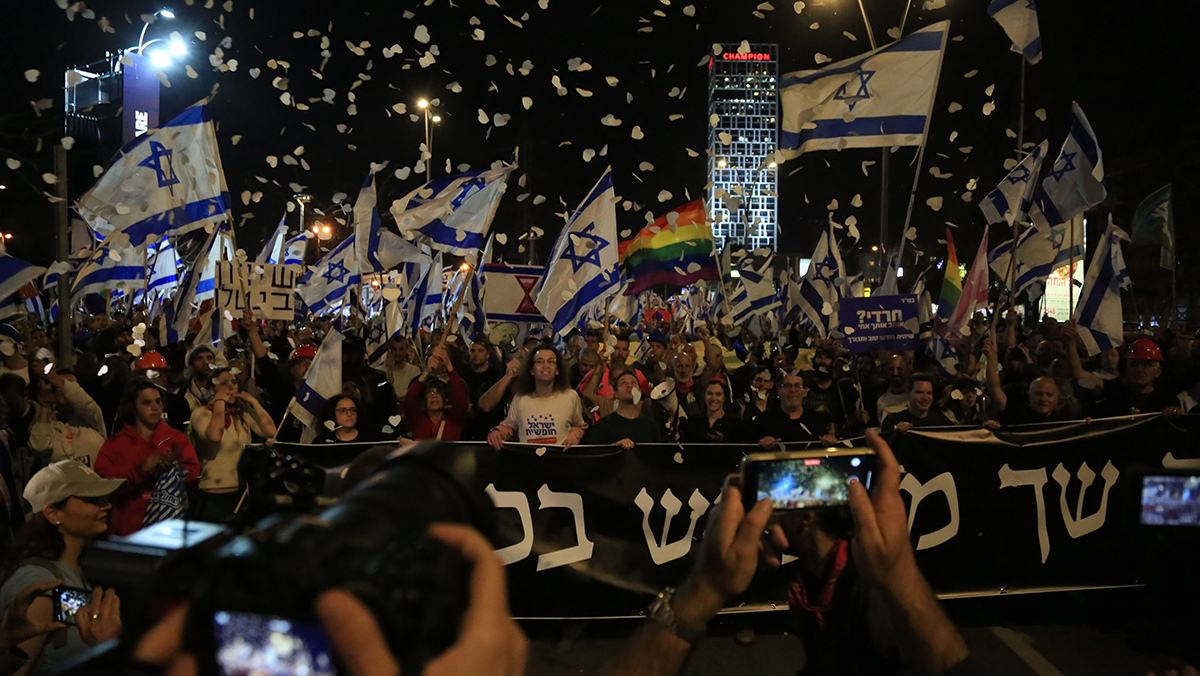
The costs that Israeli Prime Minister Benjamin Netanyahu and the State of Israel have been paying following the government’s first months in office have become more and more significant in recent weeks, and are they are not forgotten even as Israelis focus on coping with a cycle of warfare with Palestinian Islamic Jihad in Gaza.
If the US wants to make its mark on the future of Israeli democracy, it’s time it moved from words to deeds
As Israel’s hardline coalition government is ramming through legislation that would radically alter the country’s political character and system of government, alarm bells are finally ringing in Washington. Even President Joe Biden has finally picked up the phone and expressed his concern to Prime Minister Benjamin Netanyahu about his anti-democratic agenda. The growing American apprehension, however, has yet to be translated into meaningful policy action.
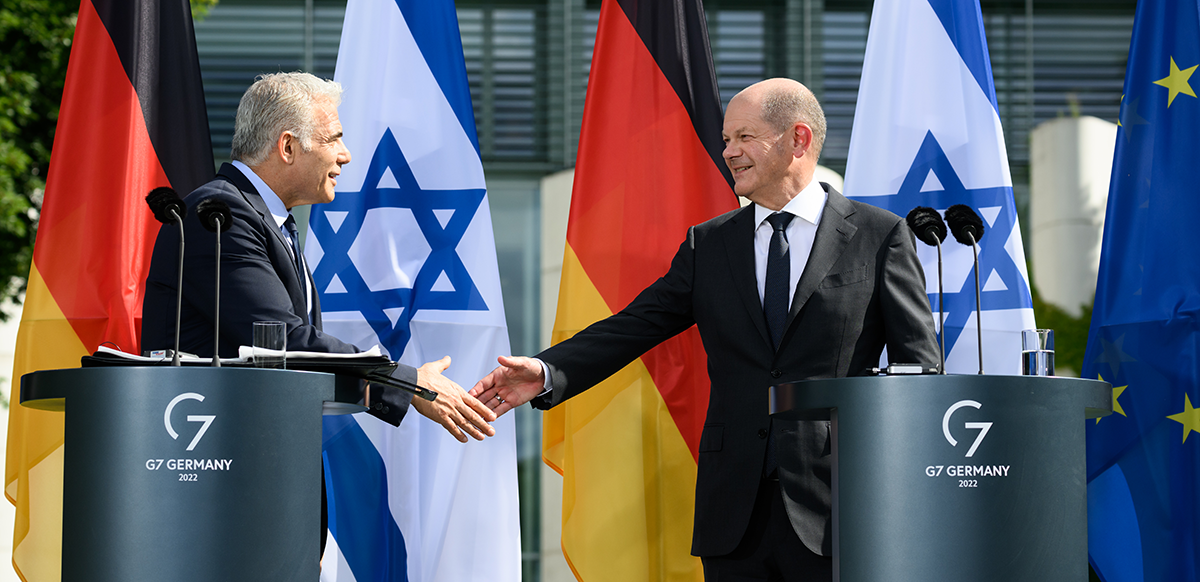
The German "Zeitenwende" still goes unnoticed in Israel
Although Germany and Israel maintain a close partnership, the German “Zeitenwende” has not yet been perceived there. Dr. Nimrod Goren outlines a German-Israeli partnership oriented towards democracy and peace.